
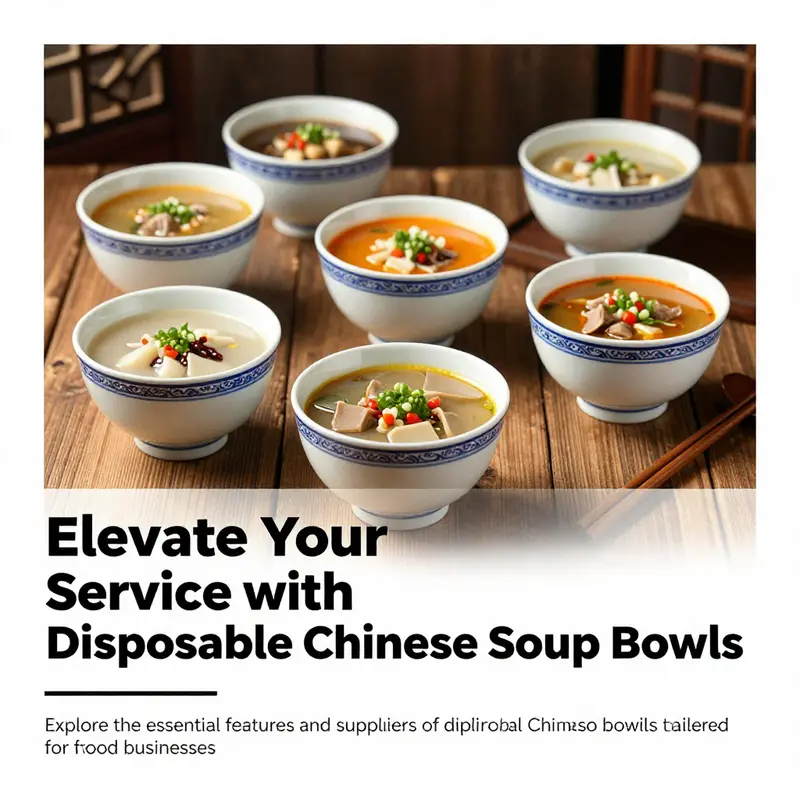
Disposable Chinese soup bowls are increasingly becoming a staple in various sectors including bubble tea shops, restaurants, and catering services. Offering convenience, hygiene, and an array of design options, these bowls cater to a wide range of culinary delights, making them particularly appealing for businesses. This article will delve into the key features, popular suppliers, material options, sustainability considerations, and current market trends associated with disposable Chinese soup bowls. Each chapter provides critical insights that can empower businesses to make informed choices that enhance operational efficiency and customer satisfaction.
Sustaining Style and Safety: The Practical Craft of Disposable Chinese Soup Bowls
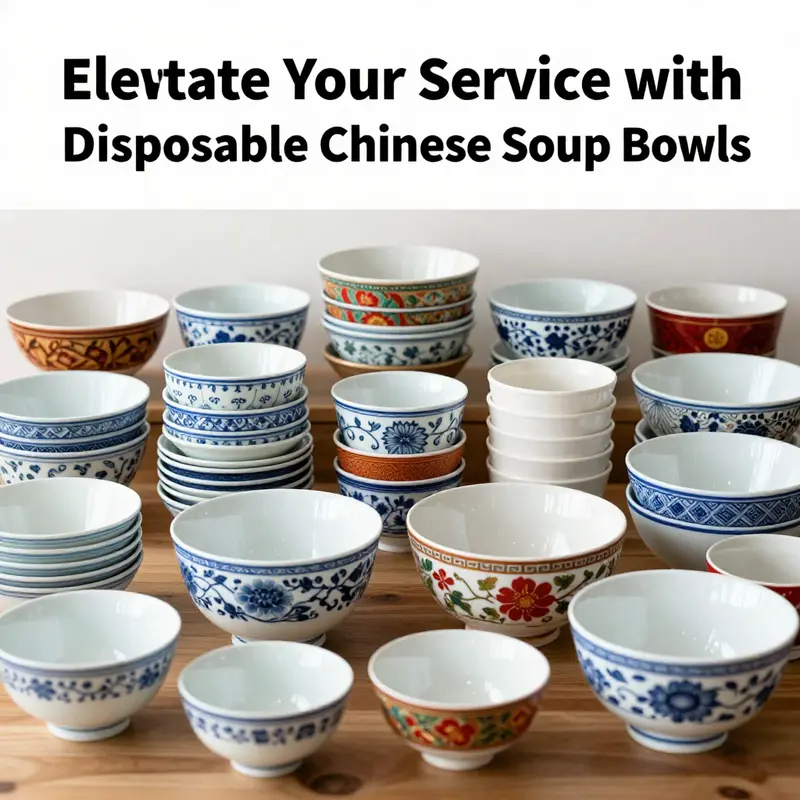
Disposable Chinese soup bowls have evolved into more than a simple packaging choice; they are a quiet instrument that shapes how hot soups meet the plate, how takeout travels, and how a dining experience stays cohesive from kitchen to consumer. In bustling kitchens, on delivery routes, and at catered gatherings, these bowls perform a delicate balancing act. They must withstand heat and moisture, present foods in an appealing way, and do so with a footprint that aligns with growing environmental awareness. The chapter that follows threads together the practical realities of how these cups and bowls are designed, what materials they rely on, and why certain features—like lids, sizes, and patterns—matter for both the cook’s workflow and the diner’s perception. It is a story about engineering, aesthetics, and responsibility wrapped in a single, disposable package that still hopes to feel dignified on the table.
Material variety sits at the core of this story. Paper-based bowls, often brown or white kraft, have become synonymous with sustainability and heat resilience, offering a convincing blend of biodegradability and performance. The kraft option, with its natural tone and sturdy structure, can handle soup without collapsing under steam and can be paired with a waterproof inner lining for liquids. This combination minimizes leakage while maintaining a clean, crisp exterior that evokes traditional tableware. On the other end of the spectrum, plastic-based options, including melamine and PP variants, emphasize durability and temperature resilience. They provide a no-nonsense, reuse-friendly impression, especially in settings where customers expect a robust vessel for longer transport. Yet these plastic options carry the trade-off of durability not equating to biodegradability, a distinction increasingly scrutinized by modern buyers.
The growing market also reveals plastic-free and compostable alternatives that respond to a surge of environmental concern. Bowls crafted from bamboo fiber or sugarcane pulp, for instance, hint at a future where convenience coexists with responsible end-of-life outcomes. The presence of such materials signals a shift in how restaurants and event organizers think about packaging ethics—recognizing that the vessel itself can be a statement about values as well as utility. Within these material choices, heat resistance remains a critical test: can a bowl hold a steaming broth without deforming or leaking? Can it perform as reliably with a heavy noodle dish as with a delicate consommé? The answer hinges on both the base material and the wall thickness, and on how the interior surface handles liquid exposure over time. It is not just about keeping soup hot; it is about preserving the soup’s aroma, texture, and clarity from the first pour to the last spoonful.
Design and function are inseparable in these bowls. A defining feature is the lid, which is not a mere afterthought but an integral part of the serving experience. Lids prevent spills during transit, preserve the temperature of hot soups, and preserve the integrity of delicate toppings, herbs, or sesame oil glazes that can shift with exposure to air. The lids themselves often mirror the bowl’s material, adopting the same paper or plastic construction and employing a snap-on or press-fit design to secure a tight seal. The ability to seal is not only a practical benefit; it also speaks to a culture of care—consider how a well-sealed lid keeps sauces from roaming across a bag during delivery and reduces the risk of mess in crowded handoffs.
Sizing is another practical dimension that shapes a bowl’s usefulness, and the choices offered—8 oz, 12 oz, 16 oz, 24 oz, and even 32 oz capacities—mirror the range of eating occasions. An 8 oz portion can serve as a concise starter or a sample of a chef’s signature soup, while 12 oz remains a familiar standard for a single-serving portion. Larger sizes accommodate heartier meals, generous portions of noodle soup, or a family-style presentation for gatherings where sharing is part of the experience. The biggest formats meet the needs of event catering or takeaway meals designed to feed multiple people without multiple trips to the container. This spectrum of sizes reflects a simple truth: the right vessel can shape portion control, portion experience, and even budgeting in a takeaway workflow. In a well-run kitchen, these sizes interlock with menu design, ensuring that the packaging supports—not hinders—the culinary intention behind each dish.
Aesthetic considerations matter, too. While the functional demands of a disposable bowl are high, plenty of designs still nod to tradition and texture. Exterior patterns range from traditional Chinese motifs that conjure a sense of cultural heritage to minimalist white kraft surfaces that emphasize clean lines and practical branding. For brands seeking a branded presence, customization options let operators imprint logos or names directly onto the bowls or lids. Branding on disposables has evolved from a simple tag-on approach to a more integrated strategy, where the vessel itself becomes a touchpoint for the dining narrative. In the context of Chinese soups and noodle dishes, this alignment between form and function helps maintain a perceived quality—an impression that a disposable option can be both convenient and dignified, not merely a throwaway afterthought. The choice of finish, texture, and color can subtly influence consumer perception, shaping expectations about temperature maintenance, ease of handling, and even perceived portion size. It is a small, though meaningful, reminder that packaging is part of the dining experience, not just a way to ferry hot liquid from kitchen to table.
Beyond material and design, the process of sourcing and quality assurance emerges as a practical concern for operators who rely on these bowls for daily service. The wholesale and customization ecosystem around disposable bowls is broad, with marketplaces and direct supplier networks offering competitive pricing, a range of certifications, and options for private labeling. The quest for reliability often leads buyers to request samples first, verify credentials such as ISO or CE certifications, and, when possible, conduct on-site checks of manufacturing facilities. The realities of global supply chains require an emphasis on quality control—ensuring that a bowl’s heat resistance, lid fit, and leakage resistance perform as advertised. This due diligence is particularly important when importing in bulk, as it guards against mismatches between stated capabilities and actual performance. The aesthetic and functional promises of a bowl must be backed by consistent manufacturing quality. In this sense, the disposable bowl is not only a consumer product but a small but telling indicator of a supply chain’s maturity and responsibility.
When it comes to practical deployment, there is a straightforward logic to compatibility and workflow. A well-chosen bowl will align with the restaurant’s serving styles, the delivery method, and the day’s menu. It should be easy to stack, store, and transport, while minimizing space and weight in the back-of-house. It should also accommodate a lid that fits securely during transit, so customers do not have to worry about spills during a doorbell drop or a crowded courier handoff. The design ethos here emphasizes a clean break between service and cleanup: the right bowl supports efficient prep, reduces the risk of cross-contamination, and keeps the dining experience intact from the moment a dish is plated to the moment it lands on the customer’s doorstep. In a culture where meals are often shared, the convenience of a reliable, well-sealed bowl can make a meaningful difference to how people perceive value and quality in takeout or catering settings. The vessel becomes part of the service standard, not merely a repository for soup.
To illustrate how these elements come together in practice, consider the kind of product that embodies durability, eco-friendly design, and practical lids. For a concrete example of the kind of product that embodies this mix of durability, eco-conscious design, and practical lids, you can explore this page: senang-kraft-paper-octagonal-bowl-1200ml-waterproof-eco-friendly-disposable-salad-bowl-for-snack-cookie-warm-cold-food-pet-lid. While the page itself is a store listing, it serves to illustrate how a single vessel can be designed to handle hot or cold items, with a waterproof lining and a lid that secures the contents for transport. The broader takeaway is that the best disposable bowls do more than hold soup—they communicate intent: care for the guest, responsibility toward the planet, and respect for the craft of cooking.
As the market evolves, the emphasis on sustainability continues to grow. Certified biodegradable and compostable options increasingly populate the landscape, offering viable alternatives for operators who want to minimize environmental impact without sacrificing performance. Standards and certifications, whether they come from established bodies or recognized test regimes, help buyers navigate claims about compostability, heat resistance, and safe contact with food. In practice, this means looking for clear certification marks and documentation such as independent testing under recognized compostability standards. For businesses ordering in bulk, this translates into a simple rule: demand evidence, request samples, and perform microtests in kitchen conditions to confirm that a bowl behaves as expected under real-world use. The result is a packaging ecosystem that respects both the science of materials and the theater of dining.
For readers seeking a broader frame beyond the immediate product details, the conversation around compostability standards and sustainable packaging continues to expand. This is not a footnote but a living thread that runs through product development, supplier audits, and consumer expectations. When a bowl transitions from a kitchen to the table and then to waste streams, its design and composition influence a chain of environmental outcomes. The ongoing refinement of materials and manufacturing practices suggests a future in which the line between disposable and durable is blurred by the quality of the experience and the clarity of environmental impact data. In other words, the bowl becomes a platform for responsible dining, not merely a tool for convenience.
External resource: https://www.ok-compost.org/
Sourcing the Silent Servings: Navigating Fujian, Guangdong, and Online Marketplaces for Disposable Chinese Soup Bowls
Sourcing disposable Chinese soup bowls is more than a procurement task; it is a critical link in how a restaurant, catering service, or delivery platform maintains speed, hygiene, and brand consistency. In a market where customers judge service by comfort and convenience as much as by taste, the vessels that hold the soup often become the quiet ambassadors of a business. Buyers now navigate a complex ecosystem that blends regional manufacturing strengths with global marketplaces. The goal is to find a path that delivers reliability, safety, and a smaller environmental footprint, without sacrificing portability or temperature control. This chapter looks at where those bowls come from and how to evaluate the partners that produce them.
Fujian Province: The first region that frequently emerges in conversations about eco-conscious packaging is Fujian. It has built a reputation as a hub for kraft-based, plastic-free disposable bowls, driven by a strong recycling culture and close proximity to raw materials. Suppliers here often emphasize double-wall insulation and compostable linings, features designed to keep soups hot while reducing sweat and sogginess on the exterior. The focus on sustainable design is not merely marketing; it reflects a mature local ecosystem that integrates paper mills, lamination houses, and compostability testing. For buyers, Fujian offers a reliable stream of products that can align with targets for green packaging while still meeting practical needs of heat resistance and leak-proof performance.
Guangdong Province: By contrast, Guangdong is a manufacturing powerhouse with a different set of strengths. While this province is famous for ceramic tableware, it also hosts a cadre of verified manufacturers who produce disposable bowls and related take-away containers. The advantage here is an integrated supply chain: mold makers, ink suppliers, packaging converters, and logistics networks all connected in one region. For a buyer, that translates into faster turnaround times, better consistency across lots, and an ability to customize formats with relative ease. Guangdong’s suppliers often support rapid prototyping and short lead times, which can be a decisive factor when launching a new menu or scaling a pop-up concept across multiple sites.
Online marketplaces and direct platforms: In addition to regional production centers, a robust online ecosystem connects buyers with factories across China and beyond. Platforms like Alibaba function as a direct channel to verified manufacturers, enabling bulk orders, price negotiation, and transparent supplier performance metrics such as on-time delivery rates and minimum order quantities. For first-time buyers, these marketplaces can simplify supplier discovery, language barriers, and logistics planning. The caveats come with due diligence: the presence of a verified supplier is not a guarantee of quality, and MOQs can be high for certain lines unless a buyer negotiates samples or staged orders. The best practice is to plan a staged sourcing approach, testing a small batch before committing to a longer agreement.
Sustainability certifications and lifecycle thinking: Today’s buyers often consider not just the bowl itself but its end-of-life story. Reputable suppliers pursue eco-certified options, with certifications such as OK Compost, TÜV Austria, or ASTM D6400 that attest to compostability and environmental responsibility. These marks help ensure that a product will break down under industrial composting conditions within a defined period, reducing landfill impact. Yet certification is only part of the equation; the practical realities of handling, storage, and disposal in client facilities matter. When evaluating options, ask for certification documentation, test reports, and a clear statement about how the product performs under real-world conditions like heat exposure and repeated handling.
Quality control and supplier credentials: Beyond sustainability, credential verification matters. Reputable suppliers carry recognized standards such as ISO and FDA approvals, proof of testing for food contact safety, and traceability information for raw materials. It is prudent to request samples before large orders, accompany them with a brief test protocol, and, if possible, schedule a simple on-site audit or a third-party inspection. A well-run audit focuses on manufacturing cleanliness, storage conditions, and whether supply lines include a single-source or multi-source risk. The aim is to minimize the chance of contamination, product mislabeling, or packaging defects that could compromise the customer experience, particularly in high-volume delivery settings.
Design, materials, and performance: While environmental considerations drive many decisions, the functional requirements still shape what buyers choose. Paper-based bowls can be kraft or coated, with liners that repel liquids and prevent seepage. Some designs emphasize double-wall insulation to maintain temperature during transit, while others use a waterproof lining for extra resilience in cold soups or sauces. Lids are often matched to the bowls, and their presence is a practical feature for takeout and deliveries, where spillage and heat retention are concerns. The design aesthetics also matter; subtle branding or a traditional pattern can reinforce a restaurant’s identity, while minimalist kraft finishes can convey simplicity and sustainability. The key is to balance performance with appearance and cost.
Capacity, packaging, and logistics: The various sizes—from compact 8-ounce servings to larger 32-ounce portions—reflect different menu formats and service models. Smaller portions suit appetizers, tasting menus, or sample flights, while mid-range capacities work for standard soups and noodle portions, and larger bowls accommodate family meals or bulk catering. For businesses that scale, a predictable packaging system matters: standardized sizes simplify inventory, reduce confusion in kitchen workflows, and streamline delivery packaging. Lids protect against leaks, help preserve aroma, and enable portable meals that can be enjoyed without immediate consumption. In supply chains with high demand, the ability to source consistently and bundle compatible lids, sleeves, and accessories becomes a measurable advantage.
Branding and customization: A growing number of buyers want packaging that carries a brand message beyond the food. Some suppliers offer customizable branding, color options, and even printed logos on the bowls or lids. Such customization can transform everyday disposables into a tactile extension of the restaurant’s image, reinforcing trust with customers who might be new to the brand or shopping for convenience. When planning customization, manufacturers typically require design files, minimum orders, and proof approvals. It is wise to discuss how branding aligns with sustainability claims: whether ink is food-safe, whether coatings affect recyclability, and how the final product will be disposed of by end users. The best partnerships merge aesthetics with responsible packaging choices.
Practical steps for businesses starting a sourcing program: For a business seeking reliable supply, the recommended path begins with external benchmarking and internal readiness. Identify core requirements—size options, heat tolerance, and the desired balance of compostability versus cost. Prepare a short list of potential regions and platforms, then request samples from a handful of suppliers. While evaluating samples, consider not just the baselines of performance but also packaging integrity during transport, ease of stacking, and compatibility with existing lids and sleeves. Track lead times, MOQs, and supplier responsiveness. Request references and perform a simple vendor risk assessment that includes financial stability, production capacity, and ability to scale with demand pulses, whether seasonal or promotional.
The value of partnerships in practice: A well-chosen supplier network can become a strategic asset, not merely a procurement channel. By aligning with Fujian-based producers for sustainability-forward bowls and Guangdong-based partners for rapid customization and consistent mass production, a business can build a resilient supply chain that withstands shocks and keeps stores stocked. The right mix reduces the risk of stockouts during peak seasons and supports consistent customer experiences across channels. In this framework, the supplier becomes a collaborator in product development, offering feedback on performance, advising on end-of-life scenarios, and helping refine packaging to meet evolving regulatory and consumer expectations. The result is a more efficient and transparent packaging program that supports growth without compromising safety or ethics.
A practical example and internal link: For a representative option in this ecosystem, consider a kraft-paper soup cup with lid designed for hot or cold servings. The availability of such bowls across multiple suppliers allows a brand to negotiate terms without monopolizing a single source, ensuring resilience in the face of seasonal demand and supply disruptions. To explore a concrete product family and begin the sampling process, you can review a widely available option that matches the described format and capacity. kraft-paper soup cup with lid.
In translating these sourcing principles into everyday operations, buyers discover the deeper value of a well-chosen supplier network. It is not only about obtaining bowls that perform in hot and cold conditions; it is about establishing relationships that translate quality into consistency across multiple outlets and delivery channels. When a region such as Fujian specializes in sustainable paper packaging, and Guangdong provides mass production capabilities with quick turnarounds, a business gains a dual advantage: the capacity to scale while maintaining a credible environmental narrative. This balance matters when menus rotate with seasons, when events require reliable inventory, and when a company seeks to build customer trust through responsible packaging. The ultimate aim is a packaging program that reduces waste, supports compliance, and elevates the customer experience without forcing compromise on utility or aesthetics. As markets evolve and consumer expectations shift toward transparency and sustainability, the choice of supplier—and the ongoing management of that choice—becomes a competitive differentiator rather than a mere operational detail.
External resource: For a broad view of supplier landscapes and to compare profiles across regions, see the following external resource on sourcing platforms: https://www.alibaba.com/product-detail/Disposable-Chinese-Soup-Bowls-with-Lid_1600577882277.html
Choosing the Material Compass for Disposable Chinese Soup Bowls: Kraft, Fiber, and the Path to Sustainable Takeout
The choice of material for disposable Chinese soup bowls does more than determine heat retention or leak resistance. It weaves together performance, safety, aesthetics, and a growing environmental responsibility. In fast-paced service settings—restaurants, delivery, events, and home gatherings—the material behind a bowl becomes a decision point with lasting consequences. This chapter explains core material options—paper, fiber, plastic, and, when considered, clay—and how each balances heat tolerance, leak resistance, and end-of-life outcomes. It is a guide to what works today and what can work better tomorrow when intention meets design in packaging that carries hot soup from kitchen to table.
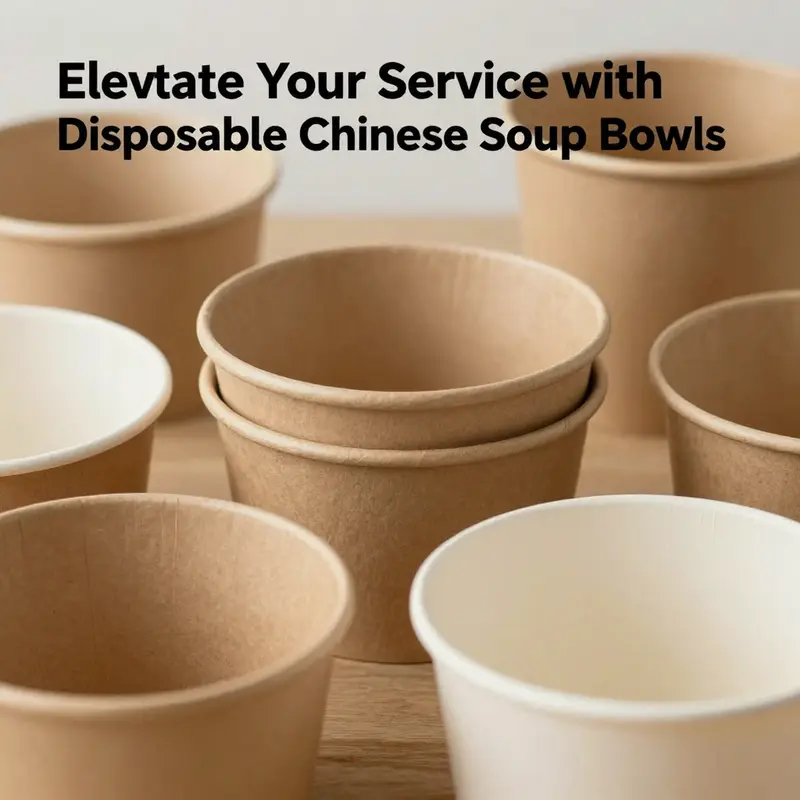
Paper bowls, especially kraft paper, dominate disposable Chinese soup ware. Kraft is typically sourced from recycled or responsibly managed pulp and offers a natural, warm appearance that aligns with traditional and modern dining. Durability is often enhanced with a waterproof lining or coating, such as a plant-based PLA or a mineral barrier, chosen to improve liquid resistance while maintaining compostability of the base. The result is a bowl that handles hot liquids while offering a path to responsible disposal when industrial composting facilities exist. The coating adds nuance: not all coatings are compatible with home composting, so certification and labeling help buyers distinguish bowls suitable for industrial composting from those harder to compost at curbside.
Sizing options for kraft bowls cover most uses: 8, 12, 16, 24, and 32-ounce variants. Lids are important for transport, preserving heat and reducing spills. Lids often match the bowls and use the same material family for consistent heat resistance and appearance. The environmental narrative around kraft bowls grows as suppliers pursue certifications and brands communicate a commitment to sustainability. In practice, the promise of paper bowls depends on fiber sourcing, land stewardship, and credible compostability certifications.
Fiber-based bowls, made from bamboo, sugarcane bagasse, or wheat straw, offer strong heat tolerance and mechanical strength while often omitting plastic barriers. This supports a simpler environmental profile when coatings are not used. However, variability exists: not all fiber options meet heat tolerance, moisture management, or shelf stability standards. Buyers should seek compostability and safety certifications, and suppliers should document fiber sources, processing methods, and any barrier layers that protect food integrity.
Plastic-based bowls, typically polypropylene (PP), provide durability and heat resistance favorable for high-volume service. Yet plastics pose sustainability challenges; they are not readily biodegradable and depend on local recycling infrastructure. Markets are increasingly offering plastic-free lines or enhanced recyclability to balance performance with environmental concerns. If plastics are chosen, provide clear disposal guidance and align procurement with local capabilities and regulations.
Clay dishes have historical resonance but disposable clay options are rare and carry higher safety concerns. When clay appears in a disposable format, it must come from certified sources and be labeled as compliant with health standards. This pathway remains niche and requires careful testing and supplier verification rather than broad adoption. The main takeaway is that clay is culturally meaningful but not the go-to option for modern disposable Chinese soup needs where compostability, safety certification, and scalable production matter.
Across these materials, design and packaging context matter as much as material choice. Leaktight coatings may hinder compostability unless industrial facilities exist, while paper and fiber options without synthetic barriers may require robust handling to maintain performance during transport. The best approach often combines credible compostability or safety certifications with practical design features—heat-tolerant rims, secure lids, and branding that conveys sustainability without sacrificing reliability.
To support decision-making, look for certifications from recognized bodies such as OK Compost, TÜV Austria, or ASTM D6400. These marks signal compliance with defined standards for compostability and safety. Request samples and verify supplier credentials, including ISO and FDA certifications, and consider on-site audits when sourcing directly from manufacturers. These steps help ensure the material performs in use and aligns with sustainability goals.
In short, paper and fiber stand out as practical, consumer-facing options that balance heat management with environmental storytelling. Plastic remains viable in certain contexts but requires careful planning to minimize waste. Clay remains culturally significant but is generally not the preferred choice for disposable ware in today’s market. A cohesive strategy links material choice with service goals, waste-management capabilities, and a customer base that values sustainability. Start with a core line of kraft or fiber bowls, add compatible lids for transport, and pair with branding that emphasizes responsible packaging. The best packaging stories emerge when material, design, and messaging reinforce one another, delivering a satisfying dining experience that respects both food and the environment.
From Convenience to Stewardship: Tracing the Sustainability Path of Disposable Chinese Soup Bowls
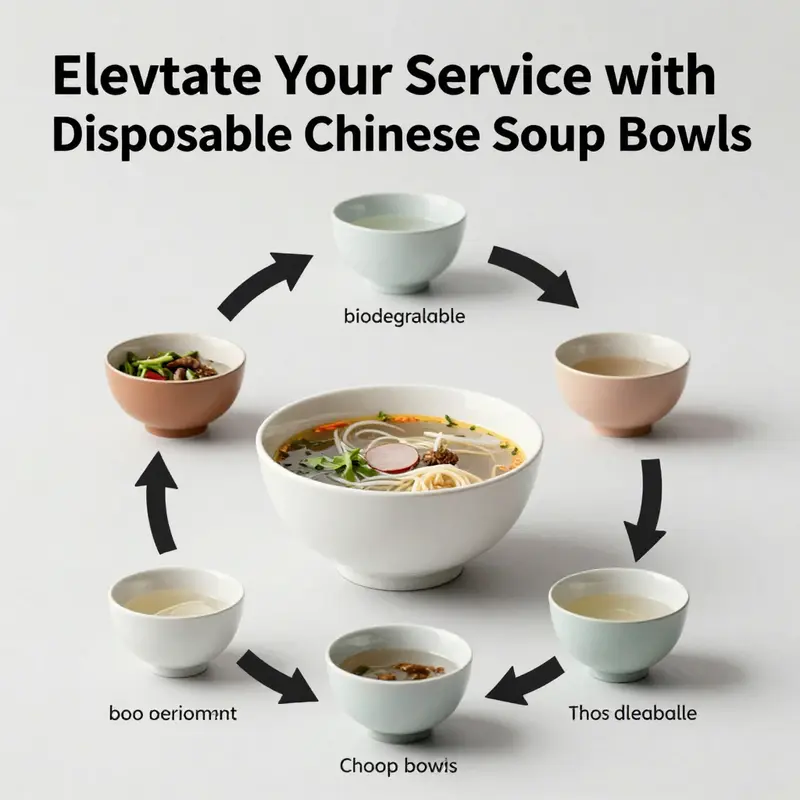
The everyday ritual of sharing a bowl of soup and a comforting meal in a take away setting rests on a simple instrument, the disposable bowl. These vessels are designed for single use and have enabled speed, hygiene, and cultural familiarity across restaurants, take away counters, events, and homes. Yet their convenience comes with a question: what is the cost to the environments that host our meals? This chapter treats disposable Chinese soup bowls not merely as packaging but as a node in a larger system of production, use and disposal where material choices, waste infrastructure, consumer behavior, and policy incentives all intersect to shape outcomes. It is a story of trade offs, opportunities for improvement, and the truth that sustainability rarely rests on a single silver bullet. It rests on a continual rebalancing of convenience against ecological footprint and on the willingness of supply chains and diners to adjust their expectations and practices over time.
Material choice sits at the heart of this balance. Kraft paper bowls, brown and ostensibly recyclable or compostable, have become a common baseline for those seeking a sustainable veneer without sacrificing heat tolerance and liquid containment. The appeal of kraft lies in its familiarity, a natural unbleached look that signals earth friendliness even before any lab test confirms compostability. Yet environmental performance hinges on details easy to overlook in a grocery store decision. Some kraft bowls rely on a waterproof lining or a light coating to resist moisture and prevent leakage when liquids are hot or viscous. Those coatings can affect end of life options, potentially limiting recycling pathways or hindering compostability. There are plastic free and compostable options that promise materials from renewable feedstocks designed to break down under controlled conditions rather than persist in landfills. The lure is strong, but the caveats are equally important. A growing share of these compostable alternatives depend on industrial facilities that maintain high temperatures to speed up breakdown. In regions lacking such facilities or where municipal waste streams fail to segregate compostable items, the environmental advantage can fade. The contrast between ideal claims and real world disposal shows that the fate of a disposable bowl is not sealed when it is filled but when it leaves the hand and enters a waste system that may not be able to receive it as intended.
The conversation widens when we consider the range of capacities and lids that accompany these bowls. From eight ounce portions to thirty two ounce servings, the size of a bowl is a proxy for the scale of waste per use. Lids designed to lock in heat for deliveries or events add a second layer of material. The decision to pair a bowl with a lid is not merely a matter of convenience; it becomes a question of whether the delivery model justifies the marginal increase in resource use through better heat retention and spill prevention. In many urban and event settings, the lids also alter the user experience by enabling transport without containment failure, reducing cleanup complexity for vendors and customers. Here the environmental calculus is nuanced: a well sealed lid can reduce waste from spilled food, thereby decreasing the need for extra packaging or napkins, but it can also increase the waste footprint if the lid is not compostable or recyclable in the local stream.
As sustainability concerns mature, a distinction emerges between truly compostable materials certified to break down under specific conditions and those marketed as eco friendly without robust disposal pathways. Certifications and standards are the practical bar by which buyers and businesses gauge effect. Signals from credible compostability standards to approvals by recognized safety and environmental bodies help prevent greenwashing and guide responsible choices. The lesson is simple but powerful: a product’s environmental performance is only as good as the system that finally handles it. If a compostable bowl ends up in a standard landfill, its degradation timeline may resemble that of conventional plastics, with substantial portions remaining for decades or centuries. In contrast, a bowl designed for industrial composting, and placed into a system that supports such facilities, can contribute meaningfully to reduced landfill volume and resource recovery. The gap between aspiration and actuality invites a more honest look at disposal infrastructure and a more careful selection process for suppliers and clients alike.
For organizations seeking real world sustainability, the most robust path often shifts away from single use toward reusability. Reusable melamine offers durability, repeatability, and a long service life, paired with established food safety considerations and recurring cleaning protocols. The shift toward reusable serveware aligns with broader circular economy principles, where end-of-life outcomes are oriented toward recycling, refurbishment, or safe, repeated use rather than disposal after a single service. In practice, adopting reusable systems requires alignment across procurement, storage, sanitation, and customer experience. It also calls for clarity around liability and hygiene, especially in high-volume settings where cleaning workflows must be rigorous and efficient. If the operational cost and logistical demands can be met, reusables can dramatically lower per-meal waste and transform the environmental profile of a dining operation. Even so, the transition is seldom instantaneous; many venues blend strategies, using compostable or biodegradable disposables for peak periods or for events where washing facilities and return logistics are impractical, while reserving reusable options for steady, high-volume service.
Certifications play a critical role in navigating this complex landscape. When choosing disposable options that offer genuine environmental benefits, look for certifications that signal compatibility with composting streams, such as recognized standards indicating industrial compostability. These signals help ensure that the product can responsibly re-enter the material cycle rather than contributing to long-term landfill mass. Beyond compostability, sourcing considerations should also include credentials related to product safety and manufacturing ethics, such as ISO or certification marks that attest to quality management and responsible production practices. The practical implication for businesses is straightforward: invest time in verifying supplier credentials, request samples to assess performance under actual service conditions, and consider on-site audits when sourcing directly from manufacturers. The goal is not merely to buy a green label but to choose a system that supports a credible, verifiable end-of-life story.
From the buyer’s perspective, there is substantial value in cultivating a supplier relationship that can adapt to evolving standards and infrastructure. A reliable partner who can supply a consistent, well designed product and who will collaborate on pilot programs, waste audits, and certification documentation stands a much better chance of ensuring that sustainability claims translate into real outcomes. In this vein, some buyers may find it productive to explore a specific product family that exemplifies a balance between practicality and eco-conscious design—a family that includes a lid, a range of sizes, and packaging options that are conducive to recycling or composting where available. For readers who want to explore a representative example of product pages that accompany this category, the supplier page linked here provides a reference point for the type of materials, capacities, and packaging configurations commonly discussed in industry conversations. You can learn more on that page by visiting the internal resource about take-away bowls with lids.
As a broader cultural and economic matter, what ultimately matters is not only the technical feasibility of a given material but the social and logistical feasibility of implementing it across supply chains and daily routines. Consumers influence demand through choices at the point of purchase, and businesses respond by shaping packaging options to align with waste handling realities in their markets. A pivotal realization is that sustainability in this context is as much about behavior as about biology. It requires clear signals, transparent information, and an infrastructure that supports responsible disposal and reuse. This means making it easier for diners to do the right thing, whether that entails rinsing and recycling, depositing compostables into the correct stream, or returning reusable ware for cleaning and re-use. It also means that retail and food-service operations should communicate expectations clearly—about how to handle disposables after use, what interchanges with reusables look like, and how to participate in municipal or private recycling and composting programs.
In practical terms, a responsible approach begins with thoughtful procurement. When evaluating options, investors and operators should not only consider the upfront cost or the visual appeal of a packaging choice, but also the full lifecycle implications: the energy and water used in production, the transportation footprint, the potential for recovery at the end of life, and the likelihood that the chosen option will actually reach its intended fate. The interplay between material science, disposal technology, and user behavior creates a dynamic that rewards foresight and collaboration across disciplines. If a system can be designed to encourage reuse, to ensure compostability in the right facilities, and to maintain cold and heat integrity without excessive packaging, then the combination becomes more than a clever packaging choice. It becomes part of a broader strategy to reduce waste, conserve resources, and support healthier urban ecosystems.
Practically speaking, the path toward sustainable packaging for disposable Chinese soup bowls is not monolithic. It involves selecting materials with credible end-of-life pathways, aligning with local waste-management capabilities, and cultivating consumer habits that favor correct disposal or reuse. It also requires a willingness to pilot new approaches, measure outcomes, and iterate. In many contexts, this means a blended strategy: employ compostable or recyclable disposables where appropriate and viable, while investing in durable, reusable ware for settings with reliable washing and return systems. It also means engaging with suppliers who can provide transparency about materials, certifications, and the actual end-of-life routes available to customers. Such engagement helps ensure that sustainability claims are not mere rhetoric but are grounded in verifiable practice. For readers seeking practical routes into this landscape, consider exploring supplier resources that illustrate the range of take-away solutions designed to balance service quality with environmental responsibility. The content linked above offers a concrete example of how product pages frame capacity, lid compatibility, and material choices in a way that supports mindful purchasing decisions. The external reference provides an example of industry sourcing practices.
Rethinking the Takeaway Vessel: Trends, Materials, and the Redefined Role of Disposable Chinese Soup Bowls
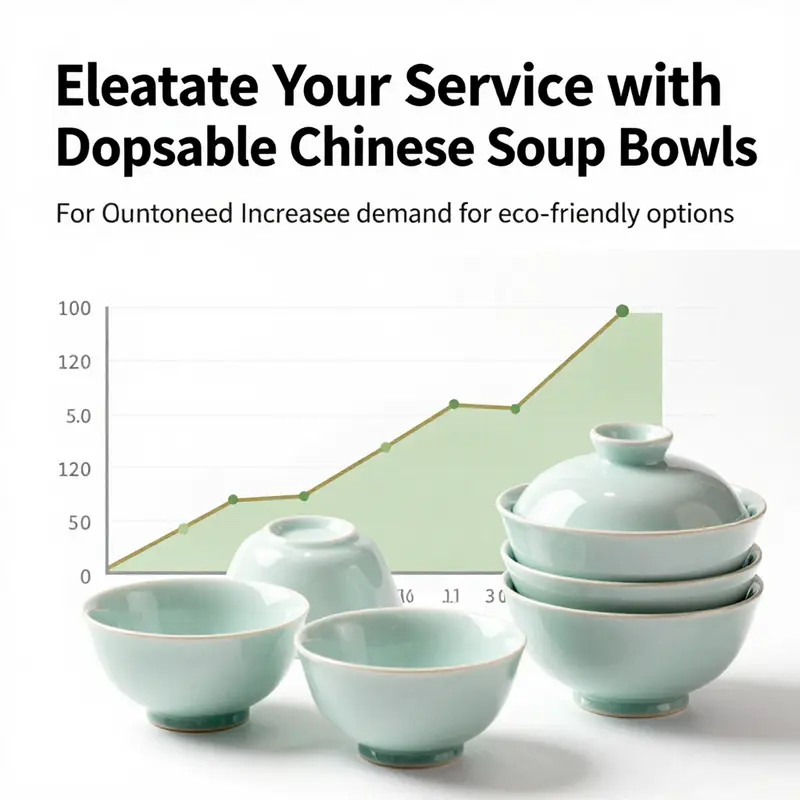
In the bustling ecosystem of modern Chinese food culture, the humble disposable soup bowl has quietly become a linchpin of how meals travel from stove to doorstep and from stall to celebration. The chapter of this narrative is not merely about convenience; it is a study in how material science, regulation, aesthetics, and consumer behavior converge around a single archetype of tableware. Across cities and provinces, the disposable Chinese soup bowl is evolving from a simple, throwaway receptacle into a carefully chosen element of brand storytelling, hygiene assurance, and environmental responsibility. The pace of change mirrors a broader shift in how audiences perceive waste, value, and the meaning of a well-packaged meal. As consumption patterns tilt toward single-use solutions for both business and personal use, the questions become less about whether a bowl is disposable and more about what it is made of, how it performs under heat, how it looks on social media, and how responsibly its lifecycle is managed after it serves its purpose.
At the heart of this evolution lies material science. Kraft paper remains a foundational choice because it balances heat resistance, tactile warmth, and a more natural aesthetic with an affordability that suits high-volume loads. Brown, unbleached tones carry a rustic credibility that resonates with traditional dining while signaling a shift toward sustainability. Yet the reality of hot soups demands more than a decorative exterior. Many bowls now employ a waterproof lining or a specialized coating to guard against leaks and soggy interiors, extending usability from a quick sip to a meal that travels intact. This combination—paper fibers paired with protective barriers—addresses practical needs without abandoning the environmental expectations of today’s consumers. In parallel, there is a growing exploration of plastic-free and compostable alternatives that aim to reduce the lifecycle impact of one-time-use ware. Materials such as plant-based bioplastics derived from corn starch, sugarcane bagasse, and bamboo fiber enter the conversation not as a mere novelty but as credible contenders that meet safety and hygiene standards while delivering a more sustainable footprint. These options challenge the dominance of traditional plastics in both cost and performance, nudging manufacturers toward packaging choices that align with evolving consumer values.
Sizes and capacities are calibrated for a spectrum of eating occasions. An 8-ounce bowl suits appetizers or small portions, a 12-ounce serves as a standard soup portion, and a 16-ounce bowl accommodates heartier meals or deliveries that demand a bit more substance. For family-sized or bulk servings, 24-ounce and 32-ounce options extend the range, enabling convenience without forcing customers to compromise on portion control. The assortment of sizes also supports the practical realities of foodservice operations, where accuracy in portioning can influence both food costs and customer satisfaction. Lids are not mere accessories but essential components that preserve temperature and prevent spills, especially during transport. The lid design, often with a tight seal and sometimes with venting or insulation features, can dramatically improve the customer experience by maintaining comfort and ensuring a mess-free transition from kitchen to consumer.
Design aesthetics have grown more nuanced as brands recognize that packaging is a form of communication. Traditional Chinese motifs, minimalist white kraft, or blank canvases for branded printing all communicate different messages. Customization has moved beyond color and pattern; it now includes tactile finishes, embossed logos, and perforated tabs that enhance usability. The ability to print high-quality branding on disposable bowls elevates them from mere containers to portable marketing tools. The relevance of branding goes beyond surface appearance; it reinforces a perception of quality and reliability, which in turn shapes consumer trust during a period when delivery and off-premises dining are dominant. A well-designed bowl can reinforce a brand’s identity while also signaling a commitment to hygiene and user experience. In an era where customers judge a dining experience by the total package—from the food to the packaging—the bowl itself becomes part of the story, a subtle ambassador that travels with the meal.
Sustainability considerations increasingly frame decisions at multiple levels of the supply chain. National policies targeting single-use plastics—often described through the lens of plastic bans and green consumption goals—are pushing producers to reconsider the entire lifecycle of these bowls. The push toward a circular economy includes not only the materials themselves but also manufacturing processes, waste collection, and recycling or composting systems. In this context, certifications matter. Independent tests and seals from organizations that verify compostability and safety—such as OK Compost or ASTM D6400—offer buyers assurance that the product will behave as promised in composting streams. Similarly, third-party assurances from bodies like TÜV Austria or other recognized standards are increasingly viewed as signals of credible environmental performance. The shift toward sustainability is not merely a trend; it is a strategic response to consumer demand and regulatory pressure that influences material choices, production methods, and end-of-life options.
In the marketplace, demand is increasingly tied to the expansion of online ordering and takeout culture. The convenience economy has transformed how people eat, with a rising volume of meals prepared for off-premises consumption. In response, manufacturers are refining durability and hygiene characteristics to withstand the rigors of delivery—from rough handling to varied temperatures. Leaktight lids, ergonomic designs, and secure fit profiles are no longer optional but essential. The evolving market is not simply growing; it is becoming more diverse in its needs. High-end dining contexts may favor paper or bagasse options that convey a premium image, while mass-market takeout often prioritizes cost efficiency and reliable performance. This diversification aligns with a projected growth trajectory for the disposable bowl segment that, according to market analyses, is expected to expand at a double-digit pace through the next decade and beyond. The combination of sustainable materials, improved performance, and adaptable designs underpins this robust growth, even as plastics remain a significant portion of the market due to entrenched manufacturing ecosystems and lower unit costs.
The regulatory environment accelerates this transformation. Policy initiatives that aim to curb single-use plastics push suppliers to innovate and to document the environmental attributes of their offerings. The concept of dual carbon goals—carbon peaking and carbon neutrality—adds another layer of complexity, encouraging producers to adopt greener manufacturing processes and to participate in circular economy models, including reverse logistics for waste management and recycling. In practice, this translates into investments in more sustainable raw materials, cleaner production technologies, and supply chain transparency. The result is a more resilient, adaptable market where the most successful players will be those who can demonstrate a credible commitment to sustainability without sacrificing the practical demands of customers and the realities of global logistics.
For readers seeking a deeper snapshot of the market landscape, recent analyses offer detailed regional distributions, competitive dynamics, and longer-term projections. A comprehensive report on the China disposable bowls market size and risk profiles through 2033 provides granular insights into how regional preferences, policy developments, and corporate strategies intersect to shape opportunities and challenges. External sources like this report illuminate the trajectory of the sector, including the rising prominence of sustainable options and the continued importance of cost, safety, and reliability in decision-making. External research underscores that while plastics retain price and durability advantages, the gap between conventional options and eco-friendly alternatives is narrowing as consumer expectations evolve and regulatory pressure intensifies.
Within this shifting terrain, the practical realities of sourcing are as important as the conceptual trends. For businesses seeking bulk orders, the path often begins with sampling to evaluate performance across temperature ranges and handling scenarios. Verifying supplier credentials—including quality management systems, ISO certifications, and food-safety assurances—helps guard against surprises in large-scale procurement. On-site audits with manufacturers become increasingly common as brands seek to ensure that environmental and labor standards align with stated commitments. The emphasis on credible claims about compostability, recyclability, and biodegradability means that buyers must scrutinize certifications and testing data rather than rely on marketing language alone. In this context, the promise of a sustainable, well-designed, and economically viable disposable bowl depends on a careful balance of material choice, manufacturing discipline, and end-of-life infrastructure.
The consumer is central to this balance. People value convenience, yes, but they are also more attuned to aesthetics, safety, and social responsibility. A bowl can function as a silent signifier of a brand’s values when it presents a clean surface for branding, a reliable seal to prevent leaks, and a heat-tolerant interior that keeps soup at a comfortable temperature during transit. The growing appetite for customization—whether for event branding, restaurant branding, or promotional campaigns—presents a unique opportunity for packaging to become a scalable marketing channel. The best solutions combine practical performance with a design language that communicates care for the environment and respect for the consumer’s dining experience. In this sense, disposable bowls cease to be disposable in a narrow sense; they become part of a broader ecology of consumption that values responsibility as much as convenience.
Finally, to connect theory with practice, consider a succinct example of how one practical packaging option can embody these trends. A disposable kraft paper soup cup with lid demonstrates how design, material choice, and usability converge in a single product. It offers a leak-resistant performance, a surface suitable for branding, and the potential for compostability when paired with appropriate waste streams. For readers exploring the potential of such packaging, a representative listing shows how the dimensions, lid options, and branding capabilities can be configured to meet diverse needs, from casual to premium servings. If you want a concrete reference to branding and functional design in one package, you can explore this listing: Disposable kraft paper soup cup with lid. This example illustrates how a single product can embody the interplay of sustainability, usability, and brand alignment that defines the modern disposable bowl.
As the chapter of disposable Chinese soup bowls continues to unfold, the future appears less about a binary choice between plastic and paper and more about a spectrum of solutions tailored to function, brand identity, and environmental responsibility. Markets will favor materials that perform under heat and handling stress while offering credible pathways to end-of-life recovery. They will reward designs that reduce spillage, improve grip, and enable a hospitable dining experience in a world where meals traverse from kitchen to doorstep with speed and style. In this evolving narrative, the disposable bowl is not just a container; it is a connector—between tradition and innovation, between appetite and responsibility, and between the moment of service and the prospect of a cleaner, more sustainable planet. External insights and market reports will continue to chart this course, but the essential thread remains clear: durable, safe, and aesthetically considerate packaging will increasingly define the standard by which takeout meals are judged, and disposable Chinese soup bowls will remain a central instrument in that evolving repertoire.
Final thoughts
Disposable Chinese soup bowls are an indispensable asset for modern food services, catering to the needs of a varied clientele while supporting sustainability. Whether you manage a bubble tea shop, a food truck, or corporate catering, understanding the features and options available can significantly benefit your operations. By partnering with reliable suppliers and embracing eco-friendly materials, you can position your business as both contemporary and environmentally responsible, enhancing your brand’s image in the competitive food industry.