
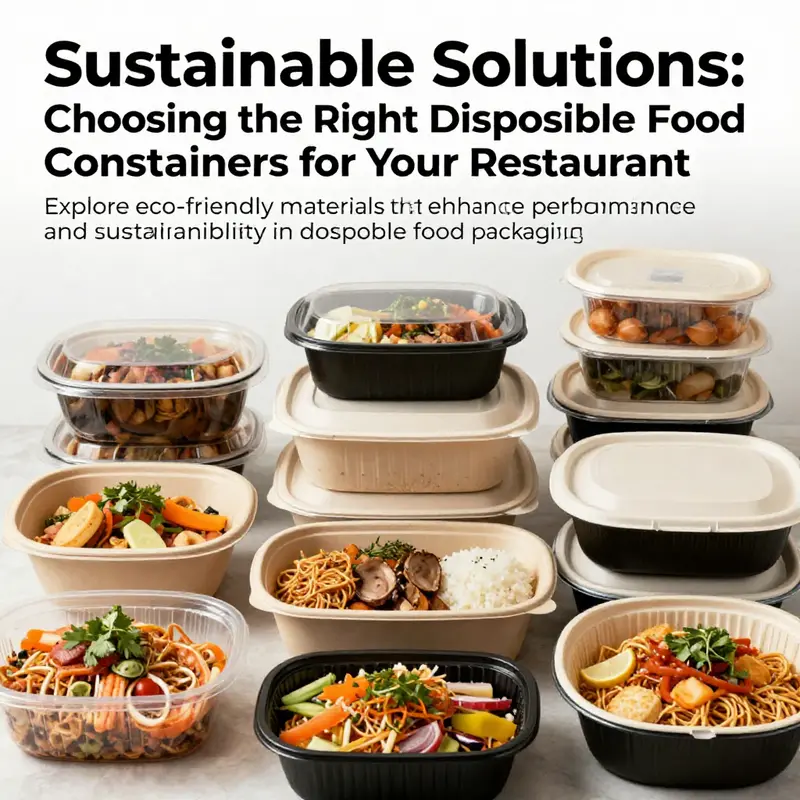
As the demand for sustainable practices grows in the restaurant and foodservice industries, choosing the right disposable food containers becomes paramount. These containers not only serve a functional purpose but also reflect a business’s commitment to environmental stewardship. From food-grade paperboard to innovative plant-based materials, understanding the advantages of each option helps you make informed, responsible choices. Each chapter in this article delves into the prominent materials available, detailing their benefits, potential uses, and how they align with eco-conscious values, catering perfectly to the needs of bubble tea shops, beverage chains, restaurants, food trucks, catering services, event planners, and procurement teams.
Grease-Proof Promise: The Role of Food-Grade Paperboard in Sustainable Restaurant Takeout
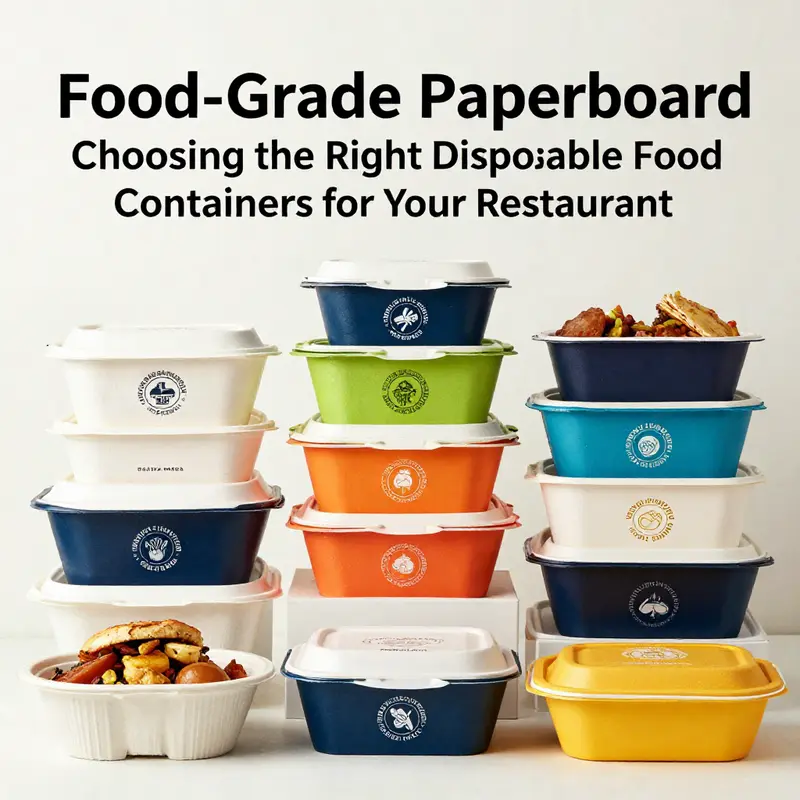
When a restaurant moves toward a more sustainable approach to takeout and delivery, the packaging choices become a lens through which the entire operation’s values are interpreted by customers. Among the array of options, food-grade paperboard stands out as a material that reconciles safety, performance, and environmental responsibility in a way that matters for both kitchen workflows and guest perceptions. This chapter explores how food-grade paperboard functions within disposable food containers for restaurants, why it aligns with modern safety standards, and how its properties translate into real-world advantages in busy dining ecosystems. The discussion moves beyond the surface of compostability and into the subtle, yet essential, features that influence food quality, operational efficiency, and brand storytelling. The central idea is simple but powerful: when a container can hold hot and greasy foods, resist leaks, support branding, and be responsibly disposed of, it becomes a keystone in the dining experience rather than a mere closing page in the to-go story.
Food-grade paperboard, at its core, is a carefully engineered material designed to meet strict food-safety criteria. It is sourced from renewable fibers, often in a two-millimeter thickness range that offers a robust balance between rigidity and lightness. This combination makes it formidable enough to withstand the rigors of transport—stacks in a carrier, brief bumps along the route, and the occasional temperature fluctuation—without compromising the contents. The thickness is a practical sweet spot: thick enough to resist deformation under heat and pressure, yet light enough to keep shipping costs reasonable and to enable a responsive label and branding strategy. The grease-resistant properties of the surface are not incidental; they are engineered through coatings that repel oil and moisture, preserving both the container’s integrity and the food’s texture. For hot dishes such as pizza slices, fried items, or lasagna, the grease-proof barrier is essential in maintaining a crisp exterior while preventing sogginess from seeping to the outer surface. This protective layer does more than prevent leaks; it helps protect the meal’s sensory profile, ensuring that the consumer’s first impression remains positive even after a short ride home or to a customer’s desk.
From a safety perspective, food-grade paperboard containers are designed for direct contact with a broad spectrum of foods. They carry certifications that reassure operators and guests alike that the packaging meets hygiene standards applicable across different food types. In many markets, FDA standards or equivalent regulatory frameworks govern these materials, ensuring that the fibers, coatings, and adhesives do not contribute any harmful substances to the food. That regulatory backbone matters in a sector where quick-service and fast-casual venues rely on rapid turnover and standardized processes. It minimizes the risk of unintended chemical migration and supports a consistent takeout experience across menus—from salads and sandwiches to hot soups and pizza offerings. For restaurant operators, this translates into lower compliance risk and greater confidence when they scale up packaging volumes during peak times.
The performance story of paperboard is not limited to heat tolerance and leak protection. The physical durability of this material also plays a critical role in the end-to-end journey from kitchen to consumer. A well-designed takeout box uses a moisture-resistant interior and a structured exterior that resists bending and crushing under stacked loads. This resilience is essential because bags and boxes often ride in a delivery bag or a vehicle trunk where space is tight and movement is frequent. The packaging needs to stay intact long enough to reach the customer, preserving presentation and protecting contents from accidental spills. The structural integrity of a two-millimeter board becomes especially evident when containers are used for multi-item orders with varied textures and moisture levels. A well-sealed, grease-resistant surface helps to separate items that could otherwise mix, such as citrusy dressings in salads or sauces in separate compartments. In more advanced designs, this material supports multi-compartment configurations that prevent flavor transfer and help maintain texture—an advantage that is particularly valuable for restaurants aiming to deliver meals that feel freshly assembled rather than soupy or mixed during transit.
The branding and customization potential of paperboard is also central to its appeal in a crowded marketplace. The surface is smooth and receptive to printing, embossing, and finishes that align with a restaurant’s visual identity. This makes it possible to extend the brand beyond the plate and into the packaging, turning the container into a portable advertisement and a vehicle for customer recognition. Logos, color schemes, and even seasonal graphics can be embedded directly onto the box or cup. This capability supports a cohesive takeout experience where the packaging reinforces brand memory, communicates quality, and signals a commitment to sustainability. A well-branded container can become a talking point with customers, reinforcing loyalty and encouraging social sharing. The design latitude also enables operators to tailor packaging to specific menu items, ensuring that boxes and lids are shaped or inked to reduce confusion and improve efficiency in the kitchen and at the pickup counter. The aesthetic dimension of paperboard, in short, complements its functional strengths and provides a tangible link between the food and the brand’s promise of responsibility and care.
An important dimension of the conversation around paperboard centers on environmental impact and end-of-life pathways. The industry has seen a steady shift toward renewable fibers and recycled content, driven by consumer demand and regulatory emphasis on sustainability. Many food-grade paperboard containers are designed to be compostable, especially when used in systems that support industrial composting. In municipalities where composting infrastructure is robust, these containers can contribute to a circular lifecycle in which materials are returned to the soil rather than accumulating in landfills. Even in contexts where home composting is less feasible, the biodegradability and renewability of paperboard matter, as they tend to reduce the long-term environmental footprint compared with petroleum-based plastics. The packaging choice signals a dining operation’s alignment with broader ecological goals, from responsible sourcing of raw materials to waste diversion practices. As restaurants explore partnerships with suppliers who certify sustainable fiber origins and recycling capabilities, the navigation through certification schemes becomes part of the procurement discipline.
However, the environmental narrative for paperboard is nuanced. Not all paperboard is created equal, and the environmental advantage depends on several factors. First, the source of the fibers matters. Containers made from wood pulp from responsibly managed forests carry stronger sustainability credentials than those produced from less traceable supply chains. Recycled content adds another layer of environmental benefit by reducing the demand for virgin fibers, though the performance must remain consistent, especially for hot and greasy foods. Second, coatings and adhesives play a role. Some coatings enhance barrier properties, while others may hinder recycling or composting. The coatings used should ideally be bio-based or at least align with industrial composting guidelines to avoid compromising end-of-life options. Third, the wash-in of plant-based additives—such as bamboo or bagasse fibers combined with paperboard—offers a route to broaden the sustainability portfolio without sacrificing performance. These integrations help restaurants reduce reliance on petroleum-based plastics and meet evolving consumer expectations for greener packaging without sacrificing the structural integrity needed for everyday service.
From a kitchen operations perspective, adopting food-grade paperboard can streamline processes and reduce waste in a few concrete ways. First, the leaktight and grease-proof properties minimize the risk of spilling during transport, a factor that lowers the rate of customer complaints and returns. This reliability translates into a smoother handoff at the pickup point and a more organized delivery experience, where drivers can confidently stack and transport meals without compromising presentation. Second, the compatibility with standard cold and hot items simplifies menu packaging. A single family of containers can accommodate a broad range of foods, reducing the need for multiple packaging lines and enabling a more predictable supply chain. This consolidation is valuable for inventory management, procurement planning, and vendor relationships, as it lowers complexity and helps maintain consistency across shifts and days. Third, the ability to customize containers with the brand’s visuals supports a coherent customer journey from the kitchen to the customer’s hands. The container becomes a storytelling device—conveying care, quality, and sustainability in one tangible package. In practical terms, operators gain a reliable platform for presenting portion-controlled meals, ensuring that portion integrity remains intact even after transport. The design of these containers can also incorporate features that aid in handling, such as easy-to-grip lids, reinforced corners, and simple tear-off seals, which reduce the effort required by staff during busy service windows.
In balancing the narrative of performance with the obligations of sustainability, many restaurants are adopting a blended approach. They select paperboard-based packaging for a substantial portion of their offerings while using plant-based alternatives for specific applications where moisture or temperature extremes are more challenging. For instance, in takeout scenarios featuring sauces with higher liquid content or longer transport times, bagasse-based or cornstarch-based packaging may be preferred for certain items to maximize compostability and minimize leakage risk. This layered strategy preserves the core advantages of paperboard—safety, branding potential, and general performance—while acknowledging that no single material excels in every circumstance. It is a practical approach that respects both the customer experience and the realities of supply chains that must adapt to demand fluctuations and evolving environmental standards. In this context, the choice of paperboard becomes a disciplined decision that aligns with the restaurant’s values, menu structure, and logistical capabilities rather than a mere default option.
To support this integrated approach, it is important to consider consumer education and communication. Guests may not see the complexities of packaging science, but they respond positively to packaging that signals responsibility. Clear labeling about recyclability or compostability, appropriate disposal guidance, and visible certifications can reinforce a restaurant’s commitment to sustainability without adding friction to the consumer experience. The packaging can be a conversation starter that invites patrons to participate in a longer cycle of reuse and recovery. Thoughtful design, combining form and function with ecological mindfulness, helps ensure that the packaging becomes a facilitator of satisfaction rather than a source of dissonance. This is particularly relevant in a takeout culture that prizes speed and predictability; when the packaging supports the meal rather than complicating the journey, it enhances loyalty and trust.
In closing, food-grade paperboard embodies a pragmatic, forward-looking solution for disposable containers in restaurants. It brings together food safety assurances, dependable performance, and branding opportunities in a way that resonates with today’s emphasis on sustainable operations. The material’s compatibility with hot and cold foods, its grease resistance, and its capacity for customization create a cohesive platform for delivering meals with integrity from kitchen to consumer. While the broader packaging ecosystem continues to diversify with plant-based and renewable options, the core attributes of paperboard—renewable sourcing, potential for compostability, and robust physical performance—make it a central element in the ongoing evolution of disposable containers for restaurants. In practice, this means more consistent food quality on the move, stronger brand impressions at the moment of pickup, and a packaging story that aligns with broader environmental goals. The future of disposable containers is likely to be a spectrum in which paperboard remains a foundational material, complemented by innovations that improve barrier properties, recycling life cycles, and the ability to tailor designs to specific dishes, all without compromising safety, clarity, or consumer experience.
External resource:
https://www.alibaba.com/product-detail/Disposable-hot-food-packaging-for-restaurants_1600587495837.html
Internal link: For a concrete example of a kraft paper takeaway box design that supports multi-item meals and easy branding, see this example of a disposable kraft paper takeaway box with a clear lid: disposable kraft paper takeaway box with clear lid
From Bagasse to Bistro: Harnessing Sugarcane Byproduct for Sustainable Disposable Containers in Restaurants
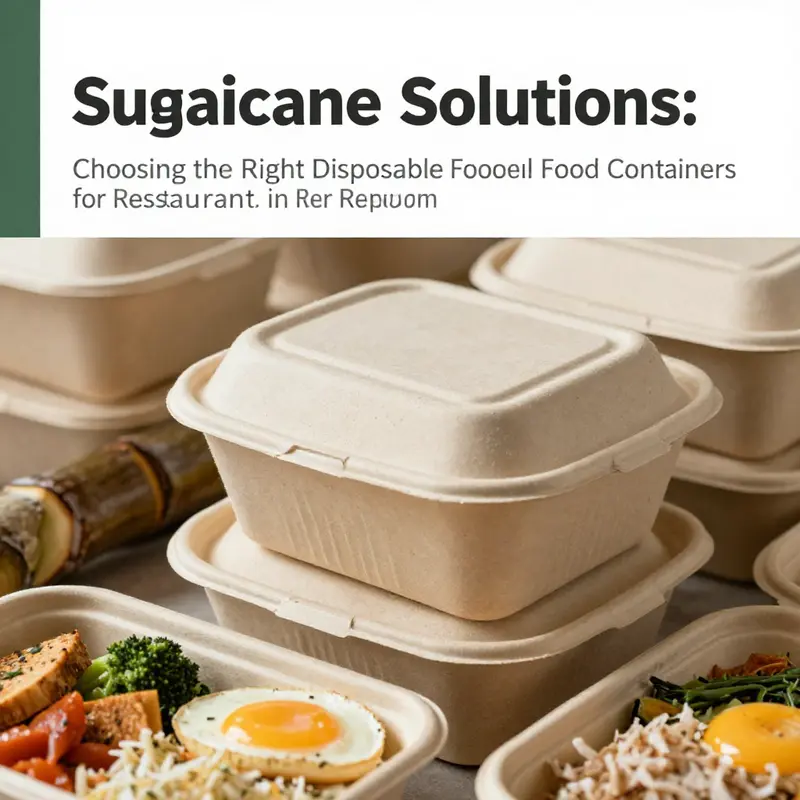
The sweeping shift toward more sustainable food packaging has moved beyond theoretical promises to tangible byproducts and materials that can perform on par with traditional options while reducing environmental impact. Among these, sugarcane bagasse stands out as a robust example of how a byproduct can be reimagined as a practical, responsible solution for disposable restaurant containers. Bagasse, the fibrous residue left after extracting juice from sugarcane, embodies a breath of fresh air in a packaging landscape that has long leaned on petroleum-based plastics and conventional paperboard. Its very origin—waste material from an agricultural process—frames a longer, more holistic value proposition: turning a surplus into a resource, and, in doing so, shrinking the footprint of hospitality operations that rely on quick, single-use packaging. Yet bagasse is not merely a green claim on a label. Its growing use in disposable containers reflects a nuanced balance of environmental benefits, material performance, and the practical realities of supply chains, processing, and consumer expectations in modern restaurants.
Biodegradability and compostability form the core environmental appeal of bagasse-based packaging. The material is designed to break down naturally under appropriate composting conditions, returning nutrients to soil rather than lingering as refuse in landfills. This end-of-life pathway resonates with restaurants that aim to minimize waste and align with composting programs at municipal or private facilities. The renewable nature of bagasse further strengthens its appeal. Since it derives from a renewable crop, its availability can be scaled with agricultural cycles, providing a potentially more stable, locally adaptable supply than petroleum-based plastics. This renewability is not just about resource abundance; it is about supporting agricultural systems that can benefit from a closed-loop approach to waste streams, where what would otherwise be discarded is repurposed into the packaging that holds meals during transport or consumption.
The performance characteristics of bagasse add credibility to its suitability for a wide range of dining scenarios. Bags, bowls, and clamshell-style containers fashioned from bagasse demonstrate natural strength that can support hot foods and liquids without premature failure. The heat tolerance of bagasse products—an essential attribute for containers intended for hot soups, stews, or entrees—helps reassure operators worried about material integrity during service and delivery. Importantly, bagasse exhibits a resistance to deformation and a certain rigidity that helps prevent leaks and spills, a critical factor for takeout and curbside pickup where packaging must endure handling, stacking, and transport. These practical capabilities align with the expectations of busy restaurant environments that require dependable packaging for a diverse menu—pizza slices, noodle bowls, salads, and finger foods alike.
Yet, as with any material that seeks to replace conventional plastics, bagasse faces a set of challenges that operators must weigh. The barrier properties, particularly moisture and grease resistance, can vary with processing conditions and the quality of the raw bagasse stream. In long deliveries or in climate-controlled but not ideal environments, moisture migration can compromise the integrity of the container or the user experience. This reality underscores a critical need for standardized processing methods and consistent quality control, so that a bagasse tray or bowl behaves reliably across batches and supply chains. Variability in raw material quality—driven by differences in bagasse composition, moisture content, and fiber structure—can ripple into end-product performance. For restaurant operators, this means that supplier relationships, batch traceability, and clear specification sheets matter as much as any other operational detail.
The processing complexities associated with bagasse are not insurmountable, but they do dictate a careful investment in technology and standards. Modern bagasse products benefit from advanced pulping, molding, and drying techniques that optimize fiber dispersion and surface properties. Coatings and barriers are often employed to bolster moisture and grease resistance, extending the range of foods that can be packaged without compromising cleanliness or safety. The challenge, then, is not merely to produce a bagasse container; it is to engineer a solution that delivers consistent barrier performance without compromising recyclability or compostability. This is where ongoing research and development play a pivotal role. Innovations under exploration include improved barrier technologies that maintain performance in moist or fatty foods, and surface treatments that enhance slip resistance for better handling during transport and storage.
From an operations perspective, bagasse-based containers can integrate smoothly into a restaurant’s broader sustainability strategy. When used thoughtfully, these containers can be compatible with recycling streams where applicable or, more often, with composting programs designed to capture organic waste. The life cycle implications of bagasse packaging are usually favorable when compared with conventional petroleum-based plastics, particularly if the end-of-life infrastructure supports composting. The advantage is not just about end-of-life disposal; it also encompasses production-stage considerations. Bagasse is derived from plant matter, and its processing tends to rely less on fossil fuels than plastics production. If managed responsibly, bagasse packaging can contribute to lower greenhouse gas emissions across the product life cycle, though precise figures depend on regional energy mixes, transportation distances, and the efficiency of the composting or recycling systems in place.
For restaurants seeking to implement bagasse packaging, the decision often hinges on aligning sustainability goals with financial realities. Bagasse products frequently enter markets at a price premium relative to basic plastics or some traditional paperboard options. This premium reflects material supply, processing costs, and, to some extent, the nascent stage of mass production in many regions. Yet the premium is not static. As demand grows and processing technologies mature, the cost gap can narrow. The long-term economic calculus also includes waste handling costs, compliance with environmental regulations, and brand value. A consumer-focused narrative that highlights compostability and renewable sourcing can translate into price tolerance and customer loyalty, especially for customers who care deeply about environmental impact. In many cases, the choice to adopt bagasse packaging is as much about strategic positioning and market differentiation as it is about raw cost per unit.
One of the most compelling reasons bagasse matters for the restaurant sector is its alignment with current and future regulatory landscapes. Governments around the world are tightening restrictions on single-use plastics and encouraging alternatives that are safer for both humans and the environment. Bagasse, with its plant-based composition and compostable end-of-life pathway, sits well within these evolving standards. It also dovetails with consumer expectations around responsible packaging, which increasingly influence dining choices in both dine-in and takeout contexts. Restaurants adopting bagasse can thus position themselves not only as operators of a sustainable supply chain but as communicators of a broader environmental ethos to guests who value transparency and accountability in the food system.
From a product design standpoint, bagasse offers opportunities for versatility and branding, even while maintaining its eco-friendly core. The material can be molded into a variety of shapes, from octagonal bowls to tiered lunch boxes, all designed to fit the practical needs of different cuisines and service formats. Customization is feasible, with embossing or subtle branding that communicates sustainability without compromising the container’s performance or recyclability. This blend of usability and message is particularly resonant in today’s hospitality landscape, where packaging is not merely a container but a touchpoint in the guest experience that reinforces a brand’s values.
Despite its promise, several research and development priorities remain critical to unlocking bagasse’s full potential in mainstream restaurant use. First, standardized processing methods are essential to manage the inherent variability of bagasse as a raw material. Establishing consistent temperatures, pressures, and curing times across production lines will help ensure uniform end-product quality. Second, barrier technology needs continued refinement. Improving moisture and grease resistance without sacrificing compostability or food safety is a delicate balance that requires a combination of material science and surface engineering. Third, ongoing assessment of food safety compliance is non-negotiable. Bagasse-based containers must meet regulatory requirements set by health authorities, and any additives or coatings must be food-safe. Fourth, life cycle assessments must be expanded and localized. While broad conclusions often indicate environmental benefits, region-specific analyses help operators understand the true footprint of sourcing, manufacturing, and end-of-life management in their operating areas. Finally, innovations are steadily emerging that explore antimicrobial and antioxidant incorporations within bagasse matrices to extend shelf life and enhance food safety, presenting a future where packaging does more than contain—it protects.
All of these elements come together in a broader narrative about material choice in restaurants. Bagasse sits among a family of plant-based, renewable options that includes paperboard and other biobased composites. Its distinctive value proposition lies in combining a renewable feedstock with practical performance, microbial safety potential, and an end-of-life story rooted in compostability. In contrast to petroleum-based plastics, bagasse packaging can contribute to a circular economy model when supported by compatible waste management infrastructure. This alignment becomes particularly important as takeout, delivery, and catering continue to expand as core revenue streams for many restaurants. The convenience of a disposable container often collides with the desire to minimize waste, and bagasse offers a pathway to reconcile convenience with environmental responsibility. When a guest discards a bagasse container, there is a narrative of stewardship that can extend beyond the dining moment, reinforcing a restaurant’s commitment to sustainability and responsible resource use.
Establishing partnerships with bagasse suppliers and packaging manufacturers is another practical dimension of adoption. Strong supplier collaborations help ensure consistent bagasse content, quality control, and reliable delivery schedules—factors that reduce operational uncertainties for kitchens and catering teams. Suppliers who provide clear specifications, batch information, and testing data enable restaurants to make informed choices and plan inventory with greater confidence. In turn, operators can focus on menu quality and guest experience, secure in the knowledge that packaging performance aligns with their environmental commitments. The interplay between procurement rigor and product reliability is central to scaling bagasse use—from small catering events to high-volume takeout operations.
As the narrative around bagasse packaging evolves, it becomes clear that the material’s sustainability is not a standalone attribute. It is most powerful when integrated into a well-considered packaging strategy that addresses end-of-life logistics, customer education, and cross-functional collaboration within the restaurant. For instance, a restaurant that emphasizes composting and partner facilities can frame bagasse containers as part of a larger composting program, providing guests with clear guidance on disposal and reinforcing a shared commitment to reducing waste. This kind of strategy does not merely reduce environmental impact; it also deepens guest engagement and strengthens brand storytelling around stewardship and responsibility. In practice, this means aligning packaging choices with the restaurant’s waste streams, staff training on proper disposal, and consistent communication with guests about why bagasse containers matter.
The future potential for bagasse in disposable food containers is tied to a confluence of scientific advances, policy development, and market adoption. Researchers are exploring how to optimize the raw material supply chain to minimize variability while maximizing performance. This includes methods to standardize the composition of the bagasse used in packaging, refine pulp processing for better fiber alignment, and develop coatings that enhance moisture barriers without compromising compostability. Simultaneously, policy shifts—from city-level composting mandates to national packaging guidelines—will influence how restaurants plan for end-of-life handling. When these forces align, bagasse packaging can become a mainstream option for a broad spectrum of menus and service models, from casual takeout to formal catering events.
In this evolving landscape, one practical takeaway for operators is the value of pilot testing and phased adoption. Running small-scale trials with bagasse containers allows restaurants to assess performance with their specific menus, portion sizes, and typical delivery distances. It also creates a feedback loop that informs packaging choices, supply chain planning, and guest communication. By documenting experiences—what foods hold up best in bagasse, how different coatings affect moisture control, and how guests respond to compostable packaging—operators can build a knowledge base that supports broader rollouts across outlets or service formats. The goal is not simply to replace plastic with another disposable; it is to cultivate a packaging ecosystem that supports flavor, safety, and sustainability in equal measure.
For readers seeking a deeper scientific and industry-wide perspective on sugarcane bagasse in food packaging, a comprehensive review offers detailed insights into properties, applications, and future prospects. This resource illuminates the material’s behavior, potential innovations, and the strategic considerations that accompany its adoption in hospitality settings. External reference: https://www.mdpi.com/2306-5710/11/2/94. In parallel, meaningful progress can come from practical exemplars that illustrate how bagasse can be integrated into everyday operations. A concrete example of a bagasse-based solution—designed for flexibility, durability, and compostability—is the self-erecting lunch box suitable for sushi and similar dishes, which demonstrates how form, function, and sustainability can converge in a single packaging item. For a concrete look at such a bagasse-based product, you can explore the dedicated page that showcases the design and capabilities of self-erecting bagasse trays.
Internal resource for reference and inspiration: bagasse-sugarcane-biodegradable-self-erecting-lunch-box-for-sushi-snacks-3-4-5-compartment-takeaway-food-tray-15g-30g-50g.
In summary, the story of sugarcane bagasse in disposable restaurant containers is not only about greener material choices. It is about rethinking how packaging supports a restaurant’s mission—delivering reliability for rigorous service, enabling responsible waste management, and fostering a relationship with guests grounded in sustainability. It invites operators to partner with material scientists, waste management professionals, and policy makers to design a packaging ecosystem that respects both the dinner table and the planet. The ongoing dialogue among producers, restaurateurs, and consumers—about performance, end-of-life options, and the broader implications of resource use—will determine how quickly bagasse-based packaging moves from the margins of sustainability into the mainstream. When done thoughtfully, bagasse packaging becomes a practical expression of environmental stewardship, a vehicle for brand integrity, and a contributor to a more resilient hospitality industry that can thrive in a world increasingly attentive to the consequences of single-use materials.
Plant-Powered Packaging: How Cornstarch and Bamboo Are Redefining Disposable Containers for Restaurants
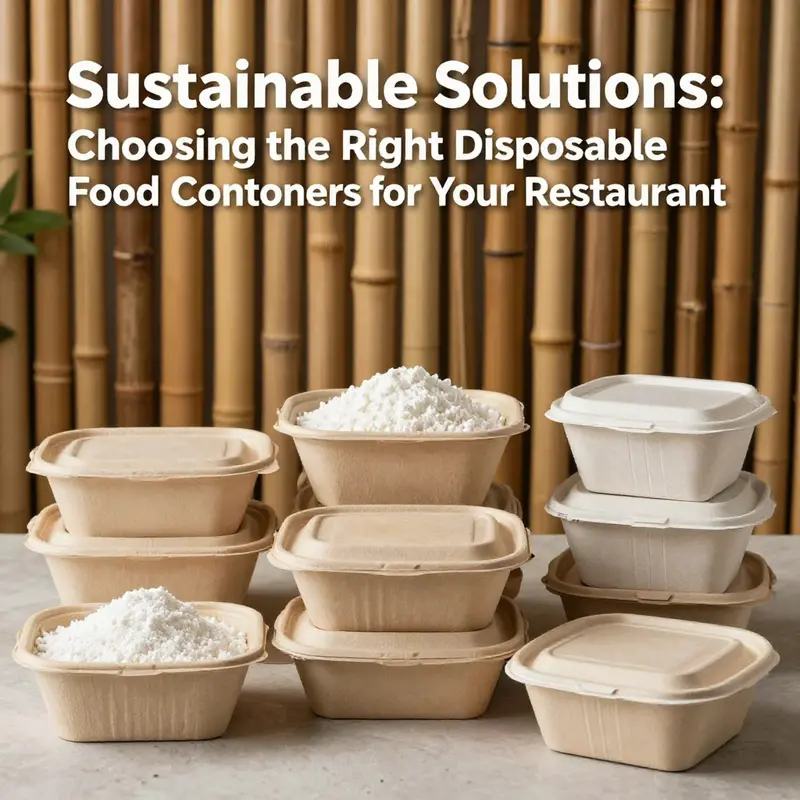
A shift is quietly reshaping the world of takeout and dine-in service: packaging that is designed not only to protect food but to protect the planet as well. In the kitchen, where every decision from sourcing to disposal ripples through the supply chain, cornstarch and bamboo-based materials are stepping into the foreground as credible, scalable alternatives to traditional plastics. They emerge from very different plant lineages—cornstarch, a starch derived from agricultural crops, and bamboo, a fast-growing grass with impressive mechanical properties—but they converge in a shared aim: to reduce environmental impact while meeting the exacting demands of modern restaurants. The dialogue around disposable containers is no longer a simple choice between convenience and conscience. It has evolved into a conversation about material science, consumer expectations, and the intricate choreography of sourcing, manufacturing, and end-of-life management. When we consider cornstarch and bamboo together, we glimpse a fuller story of how plant-based packaging can perform across the life cycle, from the moment a meal is packed to the moment it returns to the earth as compost.
Cornstarch-based materials trace their appeal to a straightforward logic: a renewable feedstock, a composition that can be engineered for compostability, and a performance profile that aligns with many restaurant use cases. Cornstarch polymers are designed to break down under industrial composting conditions, turning into water, carbon dioxide, and biomass within a matter of months. This outcome matters because it reduces the accumulation of solid waste and limits the persistence of packaging in landfills. Crucially, products built from cornstarch blends can be manufactured into forms that mimic the familiar shapes of traditional containers—compartments, lids, and sleeves—while opening pathways to new design language. The material is typically BPA-free and food-grade, a baseline requirement for direct contact with hot or cold foods. What makes cornstarch especially compelling is its compatibility with a broad range of temperatures. Modern formulations enable microwave reheating and freezer storage, addressing a common operational reality in restaurants: meals prepared in advance, stored, then heated for service. This versatility matters whether the restaurant is feeding busy lunch crowds, catering events, or a delivery-focused model that must withstand temperature fluctuations during transit.
Bamboo-based materials, by contrast, bring a different set of strengths to the table. When bamboo fibers are blended with other natural components such as cornstarch, or when bamboo pulp is used in composite matrices, the resulting packaging is often lighter and more rigid than pure starch-based formulations. Bamboo contributes stiffness, durability, and a recognizable tactile quality that can enhance the perceived value of the container. The natural fiber reinforcement improves resistance to bending and puncture, which is especially important for multi-compartment boxes designed to hold sauces, salads, or items with varying moisture profiles. Importantly, bamboo composites can be engineered to be both microwave-safe and freezer-safe, just as cornstarch-based options can. This dual-temperature compatibility makes bamboo-cornstarch blends attractive for meal-prep concepts, takeout, and quick-service operations where items may need to be heated after a brief storage period. From a sustainability lens, bamboo’s rapid growth and wide availability offer a compelling surety for supply chains facing volatility in traditional agricultural crops. The plant’s renewable cycle supports a model in which packaging materials can be sourced with a smaller overall footprint while maintaining performance that customers expect from single-use offerings.
The appeal of these plant-based materials extends beyond the mechanical and thermal properties. They also carry a narrative that resonates with today’s diners: packaging that is designed to be returned to the agricultural or industrial composting stream, rather than lingering as waste contributes to litter or landfill pressure. Yet this narrative depends on more than the material’s intrinsic properties. It relies on a robust framework of standards, testing, and lifecycle thinking that aligns with how restaurants operate, how waste streams are managed in different regions, and how consumers actually separate waste at home or in commercial facilities. The certification of food safety and the assurance of composability in real-world conditions are not mere add-ons. They are prerequisites that influence every order, every brand decision, and every supplier relationship.
Consider the practical implications for kitchen teams. A cornstarch and bamboo-based container is designed to perform across several phases of a product’s life. In the prep area, the container must resist grease and moisture so that sauces, oils, and dressings don’t bleed through. It must hold up during a brief stint in the microwave or under a defrost cycle without deforming or releasing unwanted aromas. When the container moves from the kitchen to the dining room, it should retain its shape and integrity for the duration of the service. If the meal is destined for recycling or composting, the packaging must remain compatible with the chosen end-of-life stream. To staff in a fast-paced environment, these properties translate into fewer incidents of leaks, spills, or compromised food presentation, which in turn reduces waste, returns, and customer dissatisfaction.
From a design perspective, the multi-compartment formats that have become standard in contemporary takeout—think three-, four-, and five-compartment bento-style arrangements—illustrate how plant-based materials can meet complex functional requirements. The compartments must stay aligned during transport, resist tabbing and warping, and provide a clean separation of items to prevent cross-contamination. In bamboo-cornstarch blends, engineers can tune the rigidity of the container without sacrificing the flexibility needed for molding and shaping. The result is a sturdy yet light container that feels premium enough to justify a restaurant’s green credentials while still being accessible to high-volume operations. The aesthetic component matters too. The natural texture of bamboo fibers and the matte, smooth finish of cornstarch-based plastics can be visually appealing when printed or embossed with branding. The opportunity to customize packaging—embedding logos, messages, or seasonal art—turns containers from mere utility into a marketing channel that reinforces a restaurant’s commitment to sustainability.
Safety and compliance are central to the adoption of any new packaging material. In the case of cornstarch and bamboo-based options, the baseline is food-grade quality and BPA-free status. Beyond this, many suppliers pursue certifications and conformity to global standards that signal trust to operators, staff, and customers. These standards address not only the safety of direct food contact but also the material’s behavior under heat, cold, and moisture. The tests cover migration, barrier properties, tensile strength, and dimensional stability under various humidity and temperature regimes. For a restaurant, these validations translate into predictable performance in real-world conditions—from a busy lunch rush to a late-night delivery window. The emphasis on safety is complemented by the environmental claims that accompany plant-based packaging. Certifications related to compostability or biodegradability are essential to avoid greenwashing and to ensure that end-of-life expectations match consumer experience and municipal waste infrastructure. In practice, this means that restaurants can communicate a credible, third-party-backed narrative about reducing plastic waste while meeting the practical demands of daily service.
A further facet of plant-based packaging’s appeal lies in its customization potential. Many manufacturers offer embossing, pigment infusions, and surface finishes that can carry a brand’s identity. This capability is not merely cosmetic. It helps convert packaging into a touchpoint in the customer journey, signaling a restaurant’s environmental stance and commitment to sustainability. When a takeout bag, box, or tray carries consistent branding, it reinforces trust and recognition while reminding diners that the business considers waste as a design problem as much as a procurement issue. The end result is a packaging ecosystem that aligns operational needs with brand storytelling, enabling restaurants to translate green choices into concrete business value.
From the production side, the shift to cornstarch and bamboo-based materials shapes the manufacturing landscape in meaningful ways. The process typically begins with careful material selection and formulation, followed by standard thermoforming or molding steps to produce the final container. The production line must accommodate the particular rheology of bio-based materials, including how they behave under heat and pressure during shaping. Quality control is critical to ensure consistent thickness, smooth surface finish, and dimensional accuracy across batches. The supply chain must account for the availability of renewable feedstocks, the stability of the material supply, and the compatibility of additives or coatings with subsequent printing or embossing operations. Because compostable and biodegradable materials can be more sensitive to moisture and heat exposure, handling and storage conditions in the factory and at distribution centers require careful management to preserve performance and shelf life. In this sense, engineering a reliable supply chain for plant-based packaging becomes as crucial as the packaging design itself.
The future directions for cornstarch and bamboo-based containers are as dynamic as the sustainability challenges they address. Innovations are exploring bamboo fiber-PLA composites and other blends that harness the strengths of each component. PLA, a biopolymer derived from fermented plant sugars, can synergize with bamboo fibers to yield materials with improved barrier properties and higher rigidity, while still offering compostability under suitable conditions. These advances are not about replacing plastics with a single substitute but about expanding the principal toolbox available to restaurants. The aim is to deliver packaging that is robust enough for the modern kitchen, aesthetically appealing for the consumer, and compatible with industrial composting or other end-of-life solutions that minimize environmental harm. Researchers and manufacturers alike are investigating how these composites behave during repeated temperature cycling, how they endure the mechanical stresses of in-venue handling, and how they break down without forming microplastics or releasing problematic substances. These efforts are driven by a broader push toward a circular economy in which packaging is designed for disassembly, recovery, and reuse, rather than disposal after a single service.
Crucially, the shift toward plant-based disposables also intersects with consumer perception and market differentiation. Diners increasingly expect responsible practices, and they may choose establishments that demonstrate transparent stewardship of materials and waste. Packaging thus becomes a visible statement of a restaurant’s values, a tangible commitment that can influence brand loyalty and community reputation. Yet alignment with consumer values must be honest and accurate. The most credible claims arise when packaging can clearly be tracked through an appropriate end-of-life channel, whether through municipal composting programs, industrial facilities, or other validated pathways. In practice, this means restaurants should partner with suppliers who can verify compostability claims, provide reliable product performance data, and support education for staff and customers about how to sort packaging correctly. When these elements come together, cornstarch and bamboo-based containers do more than hold food; they cultivate trust and reinforce a restaurant’s broader sustainability narrative.
Finally, it is worth acknowledging the broader scientific and policy context in which these materials are evolving. As governments tighten regulations on single-use plastics and push for higher recycling or composting rates, the appeal of plant-based options grows stronger. The research community continues to document performance characteristics, environmental footprints, and end-of-life pathways to help operators make informed decisions. In this landscape, a growing body of peer-reviewed work—such as reviews and comparative analyses on bamboo fiber-PLA composites and similar bio-based systems—serves as a compass for best practices and future directions. This knowledge scaffolds the practical choices that chefs, operators, and facility managers must make as they balance cost, performance, and sustainability. For readers seeking a deeper dive into the science behind these materials, the exploration of bamboo fiber-PLA composites offers a foundational reference point that informs expectations and guides experimentation in real-world settings.
To connect practical experience with the growing body of knowledge, consider the broader ecosystem that supports plant-based disposables. An accessible example in the industry is the development of packaging lines that integrate design, prototyping, material selection, and mass production in a single workflow. Such end-to-end solutions help restaurants simplify procurement, reduce waste, and accelerate market readiness for new packaging formats. Suppliers who can provide end-to-end assistance—ranging from material choice and specimen testing to scale-up and customization—play a critical role in helping operators navigate the transition. The net effect is a more resilient packaging strategy that can adapt to shifting demand, regulatory changes, and evolving consumer expectations while maintaining strong performance across a spectrum of temperatures, moisture, and food types.
In sum, cornstarch and bamboo-based materials stand at a promising intersection of sustainability, performance, and practicality. They are not a single fix but a strategic option within a diversified packaging portfolio that restaurants can deploy to meet today’s demands and tomorrow’s ambitions. As design challenges evolve and end-of-life infrastructures improve, the potential for these plant-based materials to redefine what “disposable” means in food service will only grow. For practitioners, this means continuing to test, certify, and communicate the strengths and limits of these materials, while remaining open to innovations that further align operational realities with environmental goals. And for researchers and manufacturers, the narrative points toward an integrated approach that treats packaging as a living part of the dining experience—one that can delight customers, support sustainability commitments, and contribute to a healthier ecosystem for generations to come.
For readers who want to explore related innovations and the latest research, see the broader discussion on bamboo fiber-PLA composites in the linked external resource. The study provides a concise overview of current technologies, performance considerations, and future directions in this rapidly evolving field: https://www.researchgate.net/publication/378901256Bamboofiber-PLAcompositematerialsfordisposablefoodandbeveragespackagingtoolsabriefreview.
Internal resource for further reading: explore plant-based packaging products and case studies on sustainable, eco-friendly containers for food service at the following page, which illustrates how packaging can align with branding and sustainability goals: bagasse-based lunch box.
Polystyrene at the Crossroads: Tracing a Plastic Footprint Through Restaurant Takeout and the Push Toward Greener Packaging
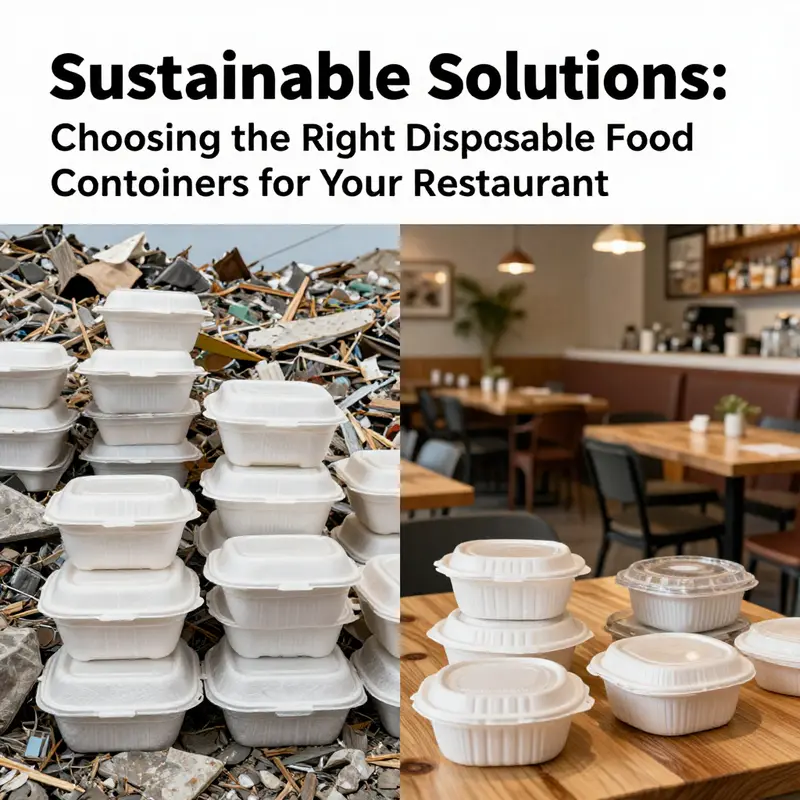
When a hot slice of pizza travels from a kitchen to a customer’s door, the container that carries it seems almost invisible. Yet the material that wraps much of our takeout—the ubiquitous polystyrene—lands with a heavy environmental footprint that quietly compounds with every disposable box, cup, or clamshell. In the broader arc of disposable food containers for restaurants, polystyrene has earned a complex reputation. It is light, insulating, and inexpensive, delivering performance that can seem unbeatable in a busy operation. It also embodies a paradox: the same properties that keep foods hot or cold and secure during transit are part of what makes the material so persistent in the environment. As restaurants seek to balance quality, safety, and lower waste, the environmental impact of polystyrene emerges as a defining hurdle guiding choices about packaging materials. This chapter follows that footprint through its lifecycle, examines why it remains in some supply chains, and explains how shifts in policy, consumer expectations, and waste-management infrastructure are reshaping the packaging landscape for restaurants.
Polystyrene, chemically known as a polymer derived from fossil fuels, is selected by many manufacturers and operators because it packs a suite of advantageous traits. Its closed-cell structure offers excellent thermal insulation, which helps keep foods at safe temperatures without excessive mass. It is rigid enough to protect delicate items and forms a relatively sturdy barrier against leakage and crushing under typical urban delivery conditions. In the context of a busy restaurant, these attributes translate into fewer complaints about soggy salads, spilled soups, or overheated pies arriving late. Yet these practical strengths come at a cost that grows when containers fall into the waste stream. The same durability that helps keep food intact also means the material resists rapid degradation in landfills and natural environments. The result is a dual reality: polystyrene is favored for its performance in the short term, while its long-term consequences accumulate in ecosystems, wildlife habitats, and the atmosphere as a source of greenhouse gases and microplastics.
To understand why polystyrene remains a sour note in environmental conversations, it is essential to consider its lifecycle—from feedstock to end-of-life. The feedstock story begins with fossil fuels and energy-intensive production processes that release significant greenhouse gases and air pollutants. The manufacturing steps involve polymerization and molding into various shapes, including clamshells, foam cups, and takeout boxes. This stage is not merely a logistical detail; it sets the stage for downstream emissions and the material’s end-of-life trajectory. The product’s performance can be excellent for hot or cold items, but this performance is anchored to a manufacturing system rooted in fossil-fuel dependence. When customers discard containers, the fate of polystyrene becomes uncertain and highly dependent on local waste-management capabilities. In many cities, curbside recycling programs either do not accept polystyrene or process it at limited rates due to contamination and the economics of sorting. What remains—often, a substantial share—ends up in landfills or as litter that can migrate into waterways and habitats. This path creates a persistent environmental burden that persists for decades, even centuries, within the landscape and in the diets of wildlife that mistake fragments for food.
The environmental concerns extend beyond landfill longevity. Polystyrene is lightweight, which is a strength during shipping and handling. However, that same lightness makes small pieces highly prone to windblown litter and waterborne transport. Microplastics derived from such debris have entered marine and freshwater systems, infiltrating food chains and potentially affecting organisms at multiple trophic levels. In beach and riverine environments, tiny fragments can accumulate in sediment, complicating cleanup efforts and raising questions about long-term ecological impacts. The problem worsens when polystyrene becomes part of a larger mix of packaging waste that overwhelms local recycling streams. The compatibility of polystyrene with existing infrastructure is uneven. Some facilities can technically process it, but many municipalities do not prioritize its collection because of sorting challenges, high contamination risk from food waste, and the relatively low value of downcycled products. The result is a material with a reputation for resilience in use but a reputation for fragility in waste management.
From a broader policy standpoint, the polystyrene dilemma has become a focal point for regulators seeking to reduce single-use plastic waste. Regions around the world have responded with bans or restrictions on certain polystyrene applications, particularly where litter and marine pollution are pressing concerns. These policy shifts are not just about halting plastic production; they are about rethinking entire packaging systems. The aim is to guide restaurants toward more sustainable choices that still deliver reliable performance. In practice, this means encouraging materials that can be composted under appropriate conditions, are readily recyclable with existing municipal streams, or can be reused within a take-back or deposit system. The regulatory impulse dovetails with consumer expectations: diners increasingly demand packaging that aligns with environmental values without sacrificing food quality or convenience. In this climate, polystyrene has to compete with greener, more adaptable options that promise a cleaner lifecycle and clearer end-of-life outcomes.
What counts as greener packaging is not a one-size-fits-all answer. Food-grade paperboard, sugarcane bagasse, cornstarch-based blends, and bamboo-derived materials each offer a unique combination of sustainability, performance, and practicality. Paperboard, especially when certified for food safety and compostability, presents a compelling option for many dishes—pizza, sandwiches, salads, and snacks alike. It demonstrates a low overall environmental impact, particularly when the supply chain emphasizes renewable feedstocks and composting infrastructure that supports end-of-life recovery. Bagasse, the fibrous residue from sugarcane processing, provides a robust, compostable alternative that is microwave- and freezer-safe, making it a practical choice for meal prep and short-term storage. Cornstarch and bamboo-based materials bring renewability to the table with a focus on lightweight, reusable or reusable-lean designs that still prioritize biodegradability. These materials can be designed to optimize performance for hot meals and cold dishes, while still aligning with environmental goals that are increasingly embedded in brand narratives and supplier certifications.
The shift toward plant-based options is not merely a substitution exercise. It is a reimagining of packaging as part of the restaurant’s broader sustainability story. For operators, this often means integrating compostability or recyclability into standard operating procedures, including staff training, waste segregation, and customer education. The practical challenges are not trivial. Compostable containers, for instance, require appropriate industrial facilities to break down effectively. If a compostable bagasse container ends up in a mixed municipal stream without the necessary composting infrastructure, it may be treated as general waste, losing the environmental advantage it promised at the point of purchase. This is why lifecycle thinking matters so deeply in decision making. A container may be bio-based and compostable in theory, but its real-world impact depends on the waste system that can collect, sort, and recover it efficiently. In other words, the value proposition of greener materials is inextricably tied to the waste-management context in which a restaurant operates.
All of these considerations—production carbon footprint, end-of-life options, infrastructure compatibility, and consumer behavior—shape a practical calculus for restaurant operators choosing between polystyrene and greener alternatives. The calculus becomes more nuanced when considering the food safety and preservation role that packaging plays. A container must not only survive the journey but also maintain the integrity of the food it protects. The trade-off, then, is between a material that performs exceptionally well in the short term and a system that delivers long-term environmental benefits. This balance motivates a more deliberate approach to packaging decisions, one that weighs hygiene and reliability alongside cradle-to-grave assessments of environmental impact.
A lifecycle perspective helps illuminate why some operators still use polystyrene in specific contexts, despite widespread calls for alternatives. In cases where waste infrastructure is inadequate or where the volume of takeout is modest, polystyrene may seem like the most practical option. However, as waste collection becomes more sophisticated and as recycling and composting programs expand, the relative appeal of greener materials increases. The economic dimension also shifts here. While the upfront cost of paperboard or bagasse containers can be higher, the total cost of ownership may decline when waste-handling fees, litter cleanup costs, and the reputational benefits of sustainable packaging are factored in. Restaurants that publicly commit to reducing their plastic footprint often find that the long-term financial and social dividends surpass the initial price difference.
For operators eager to move beyond polystyrene without sacrificing reliability, the options begin with materials that already demonstrate compatibility with established disposal or reuse systems. Food-grade paperboard, for example, is typically 2 millimeters thick, grease-proof, heat-resistant, and FDA-certified for food safety. It is compatible with both hot and cold foods and can be fully compostable, provided the local facilities support industrial or home composting. The practical implication is that a single material can often cover a broad menu range, reducing the need for multiple packaging lines. Sugarcane bagasse, derived from renewable agricultural waste, offers similar strengths but with a distinctive fiber structure that enhances rigidity and moisture management. It is microwave- and freezer-safe, making it a robust choice for meal-prep environments and quick-service operations. Yet, as with all compostable materials, bagasse’s environmental advantage depends on disposal infrastructure. In places where composting is not readily available, the container’s end-of-life impact shifts toward landfill or energy-intensive processing routes. This reality underscores the central theme of the chapter: the environmental performance of packaging materials is inseparable from the waste ecosystem into which they are released.
Cornstarch and bamboo-based materials bring additional nuance to the conversation. They are designed to be lightweight, with shatter-resistant properties that suit takeout and short-term storage. Their renewability aligns with broader environmental goals, and they often offer easier heat tolerance for reheating or safe handling in microwaves or freezers. At the same time, the life cycle of these materials must be scrutinized to understand trade-offs, including agricultural inputs, water use, and end-of-life processing. The overarching message is that plant-based options are not a universal cure-all. They require careful evaluation of supply chains, agricultural practices, processing efficiencies, and consumer behavior—factors that determine how much environmental benefit is realized in practice.
In this light, one practical takeaway for restaurants is to view packaging as a system rather than a single component. The system includes the packaging material, the distribution network, the waste management capabilities of the city, and the consumer’s disposal actions. A decision to switch away from polystyrene should be accompanied by clear guidance for customers about proper disposal, clear labeling to prevent contamination of recycling streams, and collaboration with waste haulers and recycling facilities to ensure the chosen alternative can actually be recovered or composted. This systemic approach also invites experimentation with reusable packaging concepts, such as deposit-return programs or on-site washing and sanitizing workflows for containers that customers reuse. While these approaches require investment and coordination, they can yield meaningful reductions in single-use waste and offer a compelling narrative for diners who care about the lifecycle of their meals.
For operators exploring practical steps, the shift can begin with a materials audit and a menu-by-menu assessment of packaging needs. A careful evaluation of each dish’s temperature, moisture, and handling requirements can reveal where greener options can meet or exceed the performance of traditional polystyrene. A pizza box made from treated paperboard, a hot-sandwich clamshell composed of bagasse, or a salad container designed with grease resistance and moisture management in mind can often meet customer expectations while offering improved end-of-life outcomes. Importantly, the process should be transparent with stakeholders—staff, suppliers, and customers alike—so that the rationale for change is understood and supported.
Meanwhile, industry conversations continue to emphasize the alignment of packaging choices with policy directions and consumer demands. The evidence base linking material choices to lifecycle environmental impacts has been steadily expanding, and it increasingly informs procurement and kitchen operations. Restaurant operators who invest in education around packaging choices—from the science of materials to the realities of waste streams—empower their teams to make decisions that couple quality with responsibility. This is not just about compliance or reputation; it is about enabling a more resilient food-service ecosystem that can withstand regulatory shifts, supply-chain disruptions, and evolving consumer expectations without compromising food safety or service quality. The broader narrative is one of transition: away from a single, favored option toward a portfolio of materials that can be matched to specific use-cases, waste contexts, and customer values.
As readers consider the broader implications, it is worth acknowledging that the journey away from polystyrene is not merely a substitution of one material for another. It is a reconfiguration of how restaurants design packaging around the realities of waste-management infrastructure, consumer choice, and life-cycle thinking. This transformation is incremental, often market-driven, and deeply connected to the incentives created by policy, certification, and consumer awareness. In practice, it calls for collaboration across designers, suppliers, waste managers, and restaurateurs to co-create packaging solutions that deliver both culinary quality and environmental integrity. It also invites continued innovation in materials science, logistics, and consumer engagement so that the packaging that protects a hot takeout meal today does not become a long-term burden for tomorrow.
For those seeking concrete examples of greener packaging options that can displace conventional polystyrene in many menus, there are accessible alternatives that combine practicality with sustainability. Kraft paper-based take-away containers, for instance, offer durable packaging that can be tailored to a restaurant’s branding while aligning with composting or recycling streams where infrastructure supports it. For a practical overview of such options, see the dedicated resource on kraft paper take-away containers that focuses on design, safety, and usability in everyday operations. This resource helps translate the theory of lifecycle thinking into actionable procurement decisions, providing a bridge between environmental goals and kitchen realities. kraft paper take-away containers.
In closing, the environmental impact of polystyrene in disposable food containers for restaurants is not a simple narrative of bad versus good. It is a nuanced landscape where performance, waste management, regulations, and consumer expectations intersect. The path forward involves embracing a diversified materials strategy that prioritizes recoverability and proper disposal while maintaining the standards customers expect for food safety and convenience. It is a path that requires ongoing learning, cross-sector collaboration, and a willingness to invest in packaging systems that serve both today’s dining needs and tomorrow’s environmental obligations. As the industry moves along this path, the shift away from polystyrene becomes less about stigmatizing a material and more about building a resilient, responsible packaging ecosystem that can support vibrant food-service businesses for years to come.
External resource: Environmental impacts of takeaway food containers – ScienceDirect: https://www.sciencedirect.com/science/article/pii/S0956113618307274
Final thoughts
Choosing the right disposable food containers is crucial for restaurants looking to enhance their sustainability initiatives while ensuring food safety and quality. Food-grade paperboard, sugarcane bagasse, cornstarch, and bamboo-based materials all offer unique benefits that support eco-friendly practices. Moving away from polystyrene can greatly reduce environmental impacts and align your business with current consumer values. By investing in sustainable packaging, your establishment can not only minimize its carbon footprint but also set a positive example in the industry.