
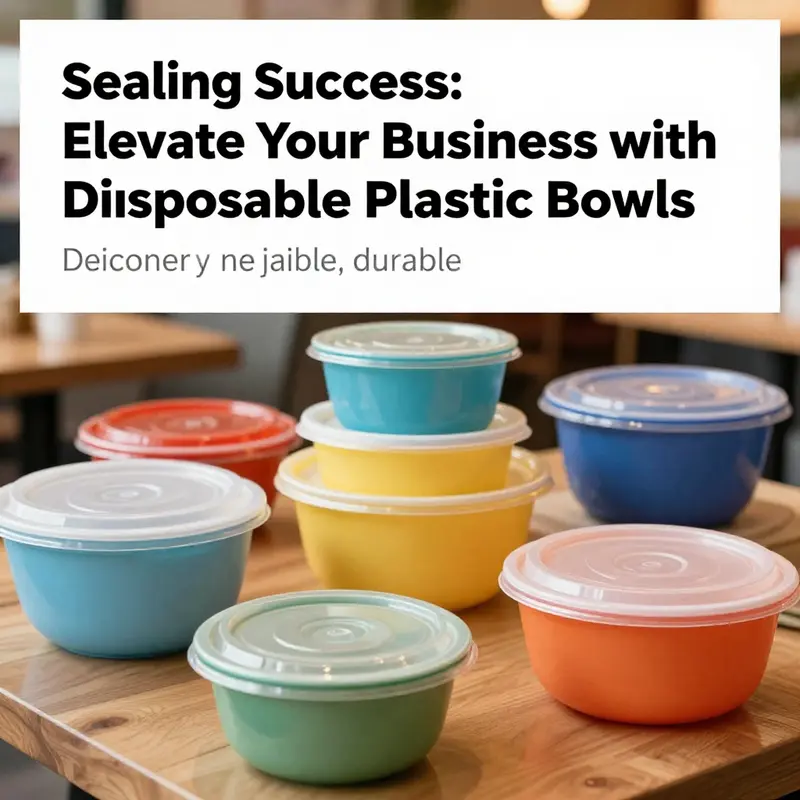
In today’s competitive food and beverage industry, offering high-quality, visually appealing, and securely sealed products is crucial for success. Disposable plastic bowls, particularly those designed for sealing, serve not only as practical packaging but also play a vital role in maintaining food freshness, hygiene, and presentation. This article delves into essential characteristics, customization opportunities, and comprehensive solutions provided by producers of disposable plastic bowls, specifically tailored for bubble tea shops, restaurants, food trucks, catering services, event planners, and corporate procurement teams. By understanding these facets, businesses can make informed decisions that enhance their service offerings and customer satisfaction.
Sealed to Perfection: Material Choice, Design, and Global Sourcing for Disposable PET Bowls
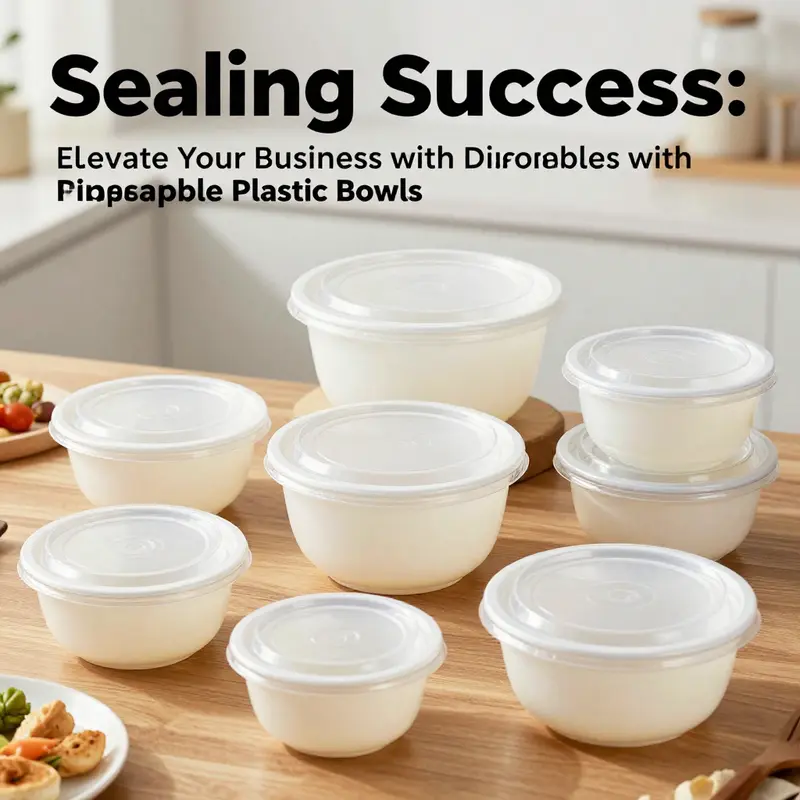
Sealed packaging sits at the intersection of practicality and perception. For professionals who design and supply disposable plastic bowls intended to seal, the choices made at the very start of the product’s life—material selection, lid geometry, and the way the two interact—determine not only performance in storage and transport but also how the consumer experiences freshness and cleanliness. The chapter that follows traces a cohesive path from the material science that underpins a bowl’s clarity and resilience to the practical realities of sealing mechanisms, and then to the geographic and logistical ecosystems that enable scalable, compliant production. The emphasis remains squarely on a single idea: reliable sealing is not an accessory; it is a core value proposition that governs the entire packaging workflow for salads, cold foods, desserts, and takeout meals.
Material composition is the first and most decisive decision point. Among the polymers commonly used for sealed disposable bowls, PET—polyethylene terephthalate—has emerged as the preferred option for many producers and retailers. The appeal is multidimensional. PET delivers exceptional clarity, enabling a pristine view of the product inside. This visual advantage has become a strategic asset in cold display cases and deli shelves where the shopper’s eye is directed at the content, not at the container. But clarity is not merely cosmetic. PET’s strength and resistance to shattering translate into durable packaging that can withstand the bumps and jostles of handling in a busy kitchen, on a delivery route, or during the retrieval of groceries from a car trunk. In practical terms, PET bowls are robust enough to tolerate the normal temperature range of refrigerated storage, while maintaining form and integrity during brief microwave heating in some product configurations. This combination of optical and mechanical performance supports a premium perception—consumers feel they are purchasing something that preserves freshness, not something that compromises it.
From a functional standpoint, PET’s suitability for sealing goes beyond its structural properties. The material’s compatibility with transparent lids helps create a seal that is both visible and reassuring. A lid that sits cleanly on a PET rim, with a reliable snap-fit or friction-based closure, provides a tight barrier against leaks and contamination. The seal is not just about keeping liquids from escaping; it is about preserving the product’s integrity during transportation and display. A secure seal reduces the risk of cross-contamination and helps prevent moisture loss, which is critical for salads, desserts, and ready-to-eat meals that rely on texture and moisture balance to deliver the expected experience. For producers, the choice of PET thus supports a cohesive narrative: visibility of product quality paired with dependable containment.
Another dimension of the material conversation centers on safety and compliance. PET used in food-contact applications must meet stringent standards for direct contact with consumables. The supplier ecosystem in key Chinese manufacturing hubs—especially Taizhou in Zhejiang and the Quanzhou–Xiamen corridor in Fujian—has developed mature supply chains for food-grade plastics such as PET and PP (polypropylene). The advantages are not only material quality but also process stability. Established suppliers in these regions bring decades of experience in resin sourcing, extrusion and thermoforming, quality control, and batch traceability. The result is a predictable pipeline from resin to finished bowl, with the ability to scale production to meet restaurant chains, meal-kit services, and retailers that demand consistent lead times and uniform product performance. When a supplier can demonstrate food-grade certification and strict adherence to direct-contact safety standards, the risk premium for buyers drops, and the pathway to certifications like FDA compliance or ISO 22000 becomes clearer and more achievable across long production runs.
The sealing mechanism is inseparable from the material story. PET bowls typically pair with clear lids designed to seal with minimal effort while maximizing barrier properties. The interface between lid and bowl rim is engineered for a tight, tamper-evident seal that remains secure through stacking, cold-chain storage, and consumer handling. The closure system relies on geometry—the lip geometry, the groove on the lid, and the mating dimensions of the rim—to achieve a reliable seal without requiring excessive torque or effort from the user. In practice, this means a lid that snaps into place with a confident click, or a friction-fit closure that maintains pressure across a range of temperatures. The consumer experience matters here: a lid that is easy to open and reclose without compromising seal integrity supports repeated use of the same container for portioned servings, while still delivering a hygienic cover that protects contents between touches.
The market has also evolved toward integrated or complementary packaging solutions. Some producers offer combinations that extend beyond a single bowl-lid pairing. For example, a line of disposable bowls can be accompanied by a compatible, elasticized sealing film or a wrap designed to tray-cover the bowl mouth—an approach that minimizes extra handling steps for food-service staff and reduces the chance of accidental spillage. In a broader sense, such integrated solutions illustrate how sealing efficiency can be improved without compromising the core advantages of PET: transparency, strength, and heat tolerance. For operators, this means fewer SKU variations to manage and a single, coherent system for display, storage, and service. The idea is not to force customers into a one-size-fits-all solution but to provide reliable, scalable options that align with operational workflows in restaurants, cafeterias, and catering services.
A practical, ground-level consideration for sealing producers is the product’s life cycle and its alignment with regulatory expectations. PET and PP materials remain popular because they offer predictable performance and established recycling streams, but they also raise legitimate sustainability questions. PET is highly recyclable, yet the recycling rate depends on regional infrastructure and consumer participation. For brands that emphasize sustainability, transparency about end-of-life options becomes part of the package narrative. Producers can respond by prioritizing recyclability in their design choices, using recycled-content formulations where feasible, and pursuing certifications that demonstrate environmental stewardship, alongside food-safety credentials. The trend toward sustainability does not diminish performance; rather, it reframes performance in terms of lifecycle impact and recyclability while preserving the essential sealing qualities that keep food fresh and safe.
In this ecosystem, regional producers in Taizhou and Quanzhou–Xiamen act as both the source of high-grade materials and the facilitators of supply-chain resilience. The geographic concentration matters because it underpins the ability to source PET, PP, and HDPE with consistent quality and to perform rigorous in-house testing across large production runs. It also enables rapid iteration: when a bakery or deli requests a new lid geometry, or a different ink for a logo print on the lid’s exterior, nearby manufacturers can adapt quickly, validate compatibility, and move a new configuration through production without lengthy delays. For buyers, this translates into shorter lead times, more reliable delivery schedules, and greater confidence that the product will meet the exacting standards of food service operations and consumer expectations.
A notable feature of the modern supply ecosystem is the capacity for customization. Many manufacturers offer end-to-end customization that spans the container itself and the lid design. Capabilities can include predetermined capacities—such as 1000 ml variants—along with color options (transparent or black being common), and the possibility to emboss or print logos and branding onto the lid or bowl. Customization is not only about aesthetics. It can influence perceived value, brand differentiation, and the ability to communicate handling instructions or safety notes directly on the packaging. The more a supplier can tailor the product to the buyer’s branding strategy and operational requirements, the more seamless the adoption becomes for food-service partners seeking to reduce friction in their service model.
For those exploring supplier catalogs and product lines, a practical touchpoint is the dedicated category of disposable bowls, which often highlights the features most relevant to sealing contingencies. In the Disposable Bowls category, you’ll encounter insights into how lids, rims, and materials are engineered to work in concert to deliver both reliability and clarity. This alignment between product family and user needs is the essence of a well-sourced sealing program. It is also a reminder that an effective procurement decision for sealed disposables is not simply about finding a bowl with a lid; it is about sourcing a coherent system that travels from raw materials to final consumer use with minimal friction and maximal consistency. See more about the available disposable bowls category for examples of how lids and bowls are designed to complement each other and support a holistic sealing strategy. Disposable Bowls
As the conversation around sustainability advances, producers are exploring how to balance performance with environmental responsibility. PET and PP packaging remains a practical choice given established performance metrics and recycling streams, but the industry is increasingly open to innovations that enhance recyclability, expand the use of recycled content, or introduce more sustainable alternative materials without sacrificing the sealing performance that customers require. In practice, this means ongoing attention to resin quality, strict process controls, and collaboration with recyclers to ensure that the packaging can re-enter a post-consumer stream with minimal contamination. It also means a willingness to pursue certifications that reassure buyers about safety and quality, such as FDA compliance for direct-contact materials and ISO-based food-safety management systems. The path to sustainable sealing excellence is thus framed by a combination of robust material choice, reliable closure design, scalable manufacturing, and transparent communication about end-of-life options. The goal is not only to seal food but to seal confidence between manufacturers, service providers, and consumers, about the safety, convenience, and environmental footprint of the packaging system.
In evaluating suppliers and formulating a sourcing strategy, producers should consider several non-negotiables. First, verify the material’s food-grade status and its traceability across the supply chain. Second, assess the lid’s seal integrity under realistic temperature and handling conditions, including freezing, refrigeration, and microwave exposure where applicable. Third, examine the potential for customization, including capacities, lid geometries, and branding, without compromising seal performance or production efficiency. Fourth, gauge the supplier’s capacity to scale, ensuring consistent quality across high-volume orders and seasonal spikes in demand. Finally, insist on clear documentation of compliance with applicable standards and regulations, and a commitment to sustainability through recyclable content and responsible production practices. In this framing, sealing excellence emerges as a function of four intertwined dimensions: material quality, lid design, process reliability, and regulatory integrity.
The broader narrative of sealed disposable bowls is not merely about packaging but about a resilient, end-to-end packaging ecosystem. A bowl that seals reliably reduces waste caused by leaks and compromised freshness. It shortens the path from production to consumer by simplifying handling, storage, and display. It supports retailers and food-service operators in presenting appealing, hygiene-assured products while maintaining the practical realities of busy workplaces. It also reinforces consumer trust, because the visible seal translates into a tangible signal of product integrity. When the seal holds up under cold-chain demands, when the lid remains securely closed during transit, and when the content remains clearly visible and appetizing through the lid window, the packaging earns a reputation for reliability. That reputation then becomes a differentiator in a crowded market, where many alternatives compete for attention in the same physical and digital spaces.
For readers seeking a concrete sense of how the industry translates these principles into practice, the external resource landscape offers illustrative examples of PET-based sealed bowls, their sealing lids, and the way suppliers communicate through product listings. These references underscore the convergence of material science, packaging design, and supply-chain pragmatics that defines modern sealed disposable bowls.
External resource for further reading: https://www.alibaba.com/product-detail/Wholesale-Disposable-PET-Bowls-Clear-Plastic_1600835971273.html?spm=a2700.galleryofferlist.normal.1.5e1c3a5dYjZxLm
In summary, the essential characteristics of disposable plastic bowls for sealing producers flow from three integrated pillars: a PET-based material strategy that delivers clarity, strength, and microwave compatibility; a lid-and-rim interface engineered for reliable, user-friendly sealing; and a dynamic, regional production ecosystem in China that enables customization, scale, and compliance. Together, these elements create a packaging solution that not only protects and presents food but also differentiates brands in a marketplace that values safety, efficiency, and sustainability as much as appearance. For practitioners, the challenge is to translate these principles into a coherent sourcing and manufacturing plan that aligns with specific menu formats, service models, and customer expectations—while maintaining a vigilant eye on evolving standards and ongoing opportunities to improve recyclability and overall environmental performance. The sealing story, in this sense, continues to unfold—driven by advances in materials, by smarter closure design, and by a supply network that can respond with speed and reliability to a world that increasingly demands both performance and responsibility.
Sealing Identity: Customization Pathways for Disposable Plastic Bowls in Modern Packaging
Disposable plastic bowls have long lived as simple vessels for holding meals and snacks, but in today’s competitive food service and retail environments they function as much more than passive containers. For sealing producers, customization is a strategic lever that can elevate product performance, strengthen brand perception, and streamline operations across the supply chain. This chapter builds on the understanding that the most effective customization goes beyond color or logo alone. It is about aligning form, function, and compliance with the realities of fast-paced service, diverse food safety regimes, and shifting consumer expectations. In this sense, customization becomes a unifying framework that connects design aesthetics, mechanical performance, material science, and regulatory stewardship into a cohesive offering. The discussion draws on observed production patterns in China’s major plastics clusters—particularly in Zhejiang’s coastal belt and the Fujian provinces—where manufacturers possess deep experience with food-grade materials such as polypropylene (PP) and polyethylene terephthalate (PET). These regions represent a critical source of capabilities for sealing producers who need scalable, compliant, and adaptable packaging solutions that can be tailored to a range of application contexts. While the narrative here centers on the opportunities available to sealing producers, it also underscores how such customization translates into tangible advantages for restaurants, caterers, retailers, and consumers who value reliability, brand continuity, and convenience. A practical frame emerges when we view customization as a continuum: from the surface-level branding touches that create momentary recognition to the nuanced, performance-driven features that safeguard freshness, prevent leakage, and enable efficient handling. A central temptation for many buyers is to equate customization with elaborate visuals alone. Yet the more compelling value proposition lies in the synchronized integration of visual identity, mechanical seals, material choices, and certification profiles that collectively reduce operational friction and elevate the consumer experience. Within this integrated approach, the choice of design is not merely about aesthetic appeal; it is about readability of the contents, ease of use for staff, and resilience across packing, transport, display, and consumption. For those evaluating suppliers, the disposable bowls category serves as a practical repository of capabilities that illustrate how design language can be extended into your sealing ecosystem. See the disposable bowls category for examples of how branding is embedded directly on the container, enabling a brand’s visual identity to travel with every order and every customer interaction. This linkage to practical examples helps seal the connection between concept and factory floor execution, reminding us that even a small container can carry a significant amount of strategic intent when designed with intention and tested for real-world use. In the sections that follow, design, function, materials, and compliance are treated as mutually reinforcing facets. They form a toolkit that sealing producers can deploy to tailor solutions to the precise needs of different food formats, storage conditions, and distribution channels, from single-serve desserts to bulk catering pans. The chapters that come before and after this one lay out broader market dynamics and supplier landscapes; the ideas herein are meant to complement that larger mosaic, providing a cohesive narrative about how customization translates into everyday value in sealing operations. The central premise is straightforward: when a disposable bowl is designed with a seal-ready interface, a robust lid, and a suitable material profile, it becomes a more capable component of a broader packaging system. The end result is not only better containment and preservation but also a stronger alignment with a brand’s service philosophy and a retailer’s expectations for consistency and traceability. With this in mind, the following exploration focuses on four interwoven dimensions: design customization that channels branding, functional customization that strengthens sealing performance, material and size customization that adapts to diverse applications, and certification and compliance that unlock access to regulated markets and sustainable development goals. Each dimension is examined through the lens of practical implications for sealing producers who must navigate variability in product formats, customer requirements, and geographic markets. From a manufacturing perspective, customization requires close collaboration between client teams and supplier engineers. The most effective engagements begin with a clear articulation of use cases, including the range of temperatures the product will experience, the liquids it may contain, and the expected transit conditions. The questions then flow into surface treatment, color options, and the feasibility of printing or labeling directly on the bowl surface. When a brand seeks identity through the container itself, the surface becomes a canvas for a concise message, a logo, and even guide graphics that help frontline staff operate more efficiently. The practical benefit is not only enhanced visibility but reduced mis-packaging and improved handoff during service. The ability to print or imprint on the bowl surface—whether in white PP, clear PET, or tinted variants—gives sealing producers a controllable channel for conveying brand cues, usage instructions, and freshness indicators. The most common form of design customization remains logo imprinting and color selection, which can be deployed on bowls ranging from small sauce cups to larger meal bowls. The effect, as observed in market practice, is more than visual appeal. A consistently branded container reduces cognitive load in busy environments; staff can recognize a brand at a glance, and customers associate the product identity with quality and reliability. Beyond logos, adaptable surface graphics enable seasonal campaigns, thematic motifs for special events, and playful designs that resonate with younger audiences. In dessert and beverage segments, where presentation frequently drives shareability on social platforms, the capacity to apply graphics—whether abstract patterns, character motifs, or branded slogans—can transform unassuming packaging into a talking point. For sealing producers, the opportunity is not simply to print; it is to ensure that the graphic layer does not interfere with seal integrity. This creates a delicate balance between aesthetics and function, a balance that can be achieved through careful material selection, print sub-layer design, and protective coatings that resist abrasion, moisture, and abrasion during handling. In practice, the design strategy must account for the printing method used (screen, digital, or inkjet), the ink’s compatibility with food-contact safety standards, and the post-processing steps that preserve legibility after washing or brief microwaving. Given the growing interest in sustainability, design teams increasingly incorporate eco-conscious color palettes, recycled-content substrates, and clear labeling that communicates recyclability. The visual language then aligns with a broader corporate responsibility narrative, reinforcing customer trust and reinforcing the brand’s commitments to environmental stewardship. When we shift from design to function, the focus expands to the sealing interface itself. A critical functional customization is the integration of elastic bands into disposable wraps or lids. This simple yet effective feature enables a secure fit over bowls of varying diameters, reducing the risk of leaks during transport and enabling more predictable portioning and handling. An elastic-band solution can mitigate common transport hazards such as jostling, tilt, and minor impacts that would otherwise compromise containment. It also supports a broader range of contents, including soups, sauces, dressings, and gravies, where even small spills can undermine product quality and brand perception. For sealing producers, the elastic-band approach offers a versatile pathway to address diverse customer needs without requiring a multiplicity of lid geometries. It can be integrated into a single wrap system or offered as a modular add-on to compatible bowls, which streamlines procurement and manufacturing planning. Crucially, such a feature must be compatible with existing production lines, including the molding tolerances of the bowls, the elasticity of the band material, and the bonding or attachment method used to secure the band during assembly. The second major functional axis is the adoption of leak-proof lids with secure snap-on or twist-lock mechanisms. The lid design must address the common bottlenecks in sealing performance: gasket integrity, lid stiffness, and the interaction between lid edge geometry and the bowl rim. For sealing producers, the challenge is to offer a lid option that provides a reliable barrier to moisture and odors while remaining user-friendly for end customers. A well-conceived lid system reduces product loss at retail and during last-mile delivery, while also allowing for convenient re-sealing for customers who want to portion and store leftovers. The broader implication is that customization here is not a luxury; it is a value driver that translates directly into operational resilience and customer satisfaction. The third dimension—material and size customization—reflects how the physical properties of the bowl influence performance across use cases. PP remains a staple for heat resistance and microwave compatibility, making it suitable for hot foods and ready-to-heat meals, while PET offers superior rigidity and clarity, which is valuable for cold or visually appealing contents where display quality matters. The choice between PP and PET often hinges on a balance of heat exposure, transparency requirements, stiffness, and the end-user’s handling experience. In terms of size, the range from small 8–12 ounce portions to larger 24–32 ounce bowls covers a spectrum from dipping sauces to hearty meals. Some customers require even larger volumes, especially for catering or family-size meals, while others want compact containers for single-serve desserts or samples. The capacity choice has downstream implications for sealing efficiency, labeling space, and the compatibility of the lid system. A well-designed customization program contemplates not only the diameter and height of the bowl but also the wall thickness, which affects insulation performance, rigidity during stacking, and the ability to withstand repeated handling in busy service environments. The design brief should specify expected load conditions, average transit times, carrying methods, and whether the bowls will be frozen, refrigerated, or microwaved. With these conditions in mind, manufacturers can propose material blends, thickness targets, and protective surface treatments that satisfy both performance and cost constraints. The fourth dimension centers on certification and compliance, a critical gating factor for market access and brand credibility. In many markets, food-contact materials must meet stringent safety standards, such as FDA regulations, European Food Safety Standards, and national or regional certifications like QS. Third-party testing and documentation provide assurance to buyers and enable sealing producers to supply to a broader ecosystem of restaurants, hospitals, schools, and retail chains. Certification also dovetails with sustainability objectives. Eco-friendly options—such as recyclable plastics or biodegradable additives—are increasingly requested by customers who aim to reduce waste and improve the environmental footprint of their packaging. The certification narrative, however, cannot be detached from practical production realities. Material suppliers and manufacturers must ensure traceability of resin sources, document migration studies where applicable, and maintain rigorous quality control processes throughout the supply chain. These steps create a robust compliance profile that supports scale and cross-border distribution. The crosswalk between design and compliance is essential. A brand’s aesthetic plan must be complemented by reliable performance expectations and verified safety claims. This is where a disciplined approach to documentation, testing, and auditing becomes a competitive differentiator. Buyers who demand certifications often expect ready access to certificates of conformity, test reports, and material safety data sheets. Proactively providing these documents during the procurement dialogue shortens cycle times and reduces the likelihood of delays caused by regulatory clarifications. The practical takeaways for sealing producers are straightforward. Start with a clear use-case map that outlines the product’s intended application, the expected service life, temperature and storage conditions, and handling scenarios. Use that map to drive decisions about design elements such as logo placement, color options, and surface finish, while simultaneously evaluating the most suitable material and size range. Parallel conversations about elastic-band integration and lid mechanisms should be conducted with an eye toward manufacturing feasibility, assembly-line compatibility, and total landed cost. From a supply-chain perspective, partnering with manufacturers in established regional clusters can yield economies of scale, reduced lead times, and easier customization iterations. The Zhejiang-Taizhou and Fujian clusters, in particular, host suppliers with deep experience in food-grade polymers and a demonstrated track record of supporting branding and functional enhancements in the bowl format. A deliberate, phased approach to customization—beginning with essential branding and functional features, then expanding into material options and broader compliance packages—helps avoid scope creep and keeps projects aligned with budget and schedule. Finally, this chapter circles back to the broader value proposition that customization offers to sealing producers. When done thoughtfully, customization acts as a differentiator in a crowded packaging landscape. It improves the order-to-delivery experience for clients, reduces the risk of leakage and spoilage, and reinforces a brand’s narrative around reliability and care. It also creates opportunities for collaborative development, where producers and manufacturers co-create solutions that meet evolving regulatory demands and changing consumer expectations. A practical pathway for buyers and suppliers is to treat customization as a joint development program rather than a one-off order. Establish joint goals, define success metrics such as seal integrity or time-to-delivery improvements, and schedule regular review points to adjust design or process parameters as needed. In doing so, sealing producers can secure a continuous stream of innovations that keep them ahead of the curve while maintaining strong compliance and visible brand value. To illustrate the practical potential of these pathways, look to the bowls category as a reference point for how customization translates from concept to production. The category demonstrates how branding, function, and materials can be harmonized without sacrificing performance or safety. For readers seeking further examples of branding on bowls, the category serves as a repository of ideas and practical approaches that can inform your own customization program. As you consider next steps, remember that customization is most effective when it aligns with an overarching packaging ecosystem. Bowls do not exist in isolation; they sit at the nexus of lids, wraps, labels, and ancillary materials that together determine the end-user experience. A coordinated approach enables stronger, more consistent performance throughout a product’s life cycle—from production line through consumer use. The discussion above emphasizes that customization is not a solitary modification but a strategic integration of design, function, material choice, and compliance. The most successful sealing producers view customization as a capability that can be scaled, audited, and justified financially. They build flexible tooling, maintain close supplier relationships, and invest in testing regimes that validate performance under realistic handling and storage conditions. They also keep an eye on sustainability, seeking to reduce plastic waste and promote recyclability where feasible, without compromising the integrity of the seal or the user experience. In closing, the customization opportunities discussed here are not speculative but grounded in the operational realities of modern packaging procurement and production. They reflect a mature understanding of how a seemingly simple item—a disposable plastic bowl—can carry brand equity, support efficient service delivery, and meet the stringent demands of global markets. For sealing producers ready to advance their offers, the path is clear: engage early with design and engineering teams, explore a spectrum of materials and sizes, integrate reliable seal mechanisms and elastic wrap options, pursue robust certifications, and maintain a close dialogue with customers about evolving needs. When these elements align, customization becomes a disciplined, repeatable process that delivers measurable value, strengthens partnerships, and reinforces the central role of disposable bowls in sealed, fresh, and convenient food experiences. Internal reference to practical product categories can further anchor your program. For a direct view of how branding and customization manifest in bowls, explore the disposable bowls category on your preferred supplier platform. This resource provides concrete examples of how logos, color options, and graphic elements are implemented on container surfaces, offering a tangible blueprint for your own design language. External reference illustrating integrated sealing designs can be seen in this Alibaba listing: https://www.alibaba.com/product-detail/Clear-Disposable-Plastic-Bowls-8oz-12oz-16oz_1600437259774.html?spm=a2700.1.xOyZgH.1.6f4c7d3aJWxQmC. The combination of visual identity and functional resilience highlighted here underscores the central message: customization, when executed with attention to material choices, sealing performance, and compliance, is a powerful enabler for sealing producers operating in today’s dynamic packaging landscape.
Sealed for Freshness: How Disposable Plastic Bowls Empower Sealing Producers to Deliver Quality
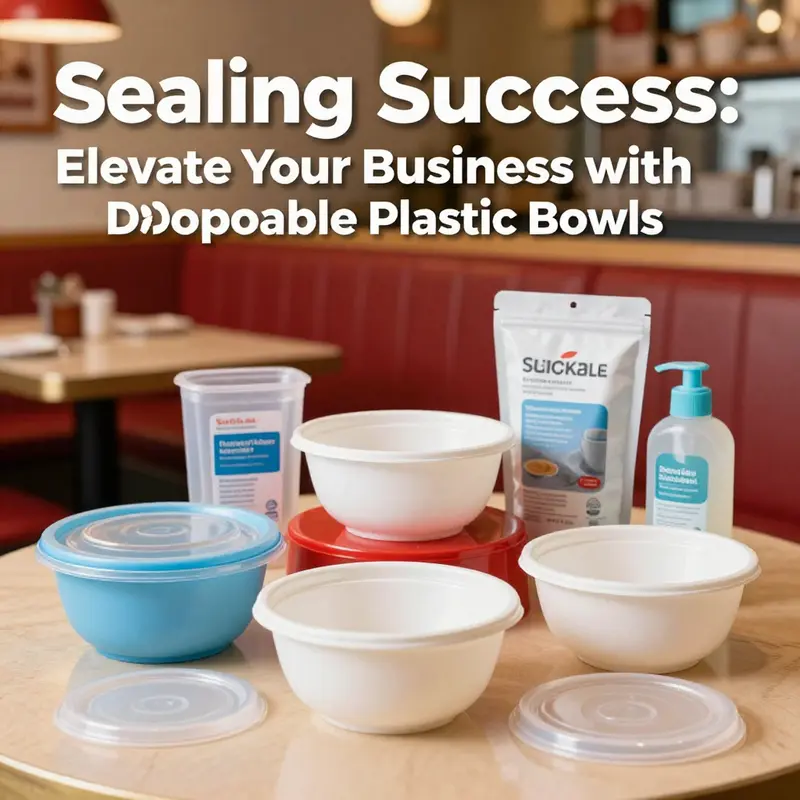
Sealed packaging has become a fundamental expectation in modern food service, and disposable plastic bowls designed for reliable sealing are at the heart of that expectation. In regions like Zhejiang’s Taizhou and Fujian’s Quanzhou and Xiamen, a dense network of manufacturers has evolved around food-grade plastics, turning the act of sealing into a streamlined capability rather than a costly afterthought. These producers bring together scale, technical know-how, and a disciplined approach to raw materials to deliver bowls that not only hold foods securely but also present them with clarity and confidence. The result is a packaging ecosystem that supports delis, takeout operations, and micro-retail displays, where the speed and integrity of service depend on a dependable seal as much as on the food itself. The conversation around sealing is no longer about a single lid or a single material; it is about an integrated approach that harmonizes bowls, lids, and auxiliary components into a coherent, value-added package for the seller and a safer, more convenient experience for the consumer.
At the core of this integrated capability are two widely favored materials, PET and PP, each chosen for characteristics that complement sealing performance. PET bowls are prized for their exceptional clarity, which makes the contents instantly legible to customers in refrigerated display cases. That transparency is more than cosmetic: it supports responsible purchasing, reduces risk by allowing quick visual checks, and reinforces trust in freshness. Beyond appearance, PET brings a level of strength and rigidity that helps protect delicate foods during handling and transit. It also performs well in a range of temperatures, including cold storage and moderate reheating scenarios, making PET bowls a natural fit for salads, dairy-based desserts, and ready-to-eat meals that demand both presentation and reliability. On the other hand, PP bowls are celebrated for their balance of cost, resilience, and versatility. PP offers excellent chemical resistance, can be molded into diverse shapes, and remains a practical choice for high-volume production lines. When sealing is part of the value proposition, PP can be paired with crisp, snug lids and sealing films that resist moisture, oils, and ingress without compromising recyclability. The choice between PET and PP is rarely a binary decision; rather, it is a strategic alignment of product performance, display requirements, and logistical realities.
The sealing mechanism itself is more than a marketing claim. It is a carefully engineered interface between bowl and lid, designed to prevent leaks, minimize contamination, and preserve sensory attributes. In many offerings, the lids are transparent polyolefin or PET-based films that snap onto the rim with a shown fit that users can verify at a glance. The seal is tight enough to withstand the bumps of delivery and the routine handling in busy kitchens, yet forgiving enough for fast, user-friendly opening by consumers. For cold foods such as salads, yogurt, and fruit cups, an airtight or near-airtight seal helps maintain cool chain integrity, reduces evaporation, and slows moisture migration that could otherwise compromise texture. In display settings, the combination of a clear lid and a crystal-clear bowl heightens product visibility, which, in turn, can support impulse purchases. Suppliers emphasize that sealing performance must be consistent across batches, with laser-etched or molded indicators ensuring that lids remain closed during stacking and transport. Such reliability lowers rejection rates and diminishes the need for repackaging, a practical benefit for service-oriented operations that measure efficiency in minutes rather than hours.
A notable dimension of these offerings is the level of customization that manufacturers are prepared to accommodate. From capacity choices around 1000 ml to color options such as black or transparent, the spectrum of customization empowers brands to align packaging with their identity and category needs. Tailored printing on the bowls or lids, along with chosen geometries, enables a distinctive shelf presence that differentiates a brand in crowded markets. Some producers even experiment with alternative shapes, such as rectangular blister-style trays for tofu or other delicate items, expanding the functional repertoire beyond traditional round bowls. The design ethos is not merely about aesthetics; it is a practical calculus that impacts handling, shipping, and waste. Lighter-than-standard variants, reported by industry sources, can be up to roughly 20 percent lighter, translating into lower freight costs and reduced environmental footprint per unit. The weight reduction is achieved through optimized wall thickness, intelligent ribbing for rigidity, and refined resin formulations, all while preserving the sediment-free presentation and surface quality that consumers expect.
For sealing producers, these design and material considerations translate into broader operational benefits. A reliable, well-sealed bowl reduces the risk of leakage during transport, which in turn minimizes the need for labeling checks and customer service recoveries. In food service environments where speed is essential, a consistent lid-fit accelerates assembly lines and takeout packaging routines. In retail settings, the ability to display food through a transparent lid while preserving freshness encourages cross-selling and reduces the perceived risk for customers selecting ready-to-eat items. From a brand management perspective, the ability to customize colors and graphics on the container and lid offers a pathway to create a cohesive packaging system across menus and promotions. It supports brand storytelling—whether a health-conscious salad line, a premium yogurt assortment, or a bold, on-the-go meal concept—and helps consumers recognize the offering at a glance.
Another dimension of the comprehensive solution is the potential to pair bowls with ancillary packaging components, forming an integrated ecosystem rather than a collection of standalone pieces. In some production ecosystems, manufacturers extend their capabilities to include compatible wrap films or overwrap options that secure the bowl contents when needed and can be quickly applied in a restaurant or central kitchen. This approach minimizes the number of suppliers the customer must coordinate with and can reduce cycle times from order to delivery. The ability to offer a cohesive set of sealable bowls and matching protective films is increasingly valued by foodservice operators who seek simplicity and reliability in their packaging supply chains. It is a forward-looking proposition that recognizes the realities of a fast-service world: the moment of seal is the moment of trust, and every component in the chain should contribute to that trust.
In terms of supplier geography and manufacturing sophistication, the Chinese manufacturing clusters that specialize in food-grade plastic products offer an ecosystem that balances scale with specialized capabilities. The concentration of suppliers in and around key coastal and industrial hubs facilitates rapid production ramp-ups, consistent material supply, and a robust network for quality assurance testing. For seal-focused producers, that translates into shorter lead times for new runs, more flexible adjustments to specifications, and the opportunity to source both bowls and lids from the same supplier ecosystem, ensuring compatibility and uniform quality across components. The operational realities of these clusters—strong supplier timing, reliable logistics, and a shared emphasis on food safety standards—contribute to a responsive supply environment that can adapt to evolving consumer preferences and regulatory expectations.
From a safety perspective, the packaging must align with stringent standards for contact with food. The materials used—PET and PP—are favored not only for their performance but also for their track records in food-contact applications. Manufacturers typically implement batch testing, surface-safety assessments, and resin identification as part of their quality assurance regimes. The aim is to minimize risk to end consumers while giving foodservice businesses confidence that sealed bowls will perform consistently from first use to last. Cleanliness and sterility in the sealing process are as important as the seal itself; even the most secure lid can fail if the bowl surface or rim has contaminants that interfere with the seal or harbor bacteria. In practice, this means rigorous production controls, precise molding tolerances, and careful handling during assembly and packaging. The result is a product that not only seals effectively but also meets the hygiene standards that retailers and regulators expect.
The practical implications for sealing producers extend beyond product design into the realms of cost, logistics, and sustainability. Customization must be balanced against manufacturing complexity and cost implications. While a wider palette of sizes and colors can differentiate a brand, each added SKU increases the potential for production bottlenecks and inventory costs. Suppliers address this tension through modular tooling, standardized process steps, and scalable production lines that can switch between configurations with minimal downtime. The result is a more agile supply chain, capable of meeting varying demand without sacrificing consistency or speed. In parallel, the lighter-weight designs and optimized packaging contribute to more efficient shipping and reduced carbon footprint per item. For companies evaluating options, the value proposition extends beyond the price tag of a single container; it encompasses total cost of ownership, including freight, storage, and waste management considerations.
As a downstream signal of the market’s pace, the breadth of customization and the depth of integrated solutions have begun to reshape how sealing producers communicate value to their customers. Producers no longer simply sell a bowl with a lid; they offer a packaging system that supports brand storytelling, operational efficiency, and consumer confidence in product quality. In this sense, the bowl is a platform for a broader packaging strategy, one that aligns with retailers’ expectations for presentation, safety, and reliability. A practical takeaway for decision-makers is to view the sealing bowl not as a single component but as a gateway to an integrated packaging approach—one that harmonizes material science, mechanical fit, and serviceability into a seamless user experience. This viewpoint helps explain why the top suppliers position themselves not only as manufacturers of bowls but as partners capable of delivering end-to-end sealing solutions that touch everything from material selection to display-ready packaging concepts.
For readers who want to explore the breadth of available options and see how these bowls fit into a larger packaging ecosystem, a convenient reference point is the category that aggregates disposable bowls and related items. This resource provides a consolidated view of available formats, capacities, and customization options, enabling buyers to gauge fit with their product lines and service models. Disposable Bowls offers a practical map of what is available, helping teams evaluate how different bowls might align with their sealing goals and display contexts. Engaging with this category can illuminate which combinations of bowl shape, lid design, and printing potential best support a brand’s identity and a store’s merchandising strategy, especially in settings where freshness, visibility, and rapid service converge.
Ultimately, the strategic value of disposable bowls designed for sealing producers rests on their ability to integrate form, function, and supply chain discipline. When manufacturers commit to high-quality food-grade materials, precise sealing interfaces, and customization options that respect both product integrity and logistical efficiency, they enable foodservice operators to deliver a consistent consumer experience. The result is not only a reliable seal but also a tangible uplift in brand perception, in customer loyalty, and in the operational rhythm of busy kitchens and retail displays. The story of these bowls is thus a story of integrated capability: a material science foundation, a precise manufacturing craft, and a management philosophy that treats packaging as a core part of the product itself, rather than as a peripheral wrapper. It is this synthesis that makes disposable plastic bowls a strategic asset for sealing producers aiming to stay ahead in a food service landscape that prizes speed, safety, and sensory appeal in equal measure.
Final thoughts
Investing in high-quality disposable plastic bowls designed for sealing can significantly improve the efficiency and appeal of your food services. Whether you’re a bubble tea shop or a corporate caterer, understanding the essential characteristics, customization options, and comprehensive solutions available will empower you to enhance your offerings and meet customer expectations effectively. As you consider suppliers, focus on those who prioritize durability, customization, and integration, ensuring that your business stands out in the crowded food and beverage market.