
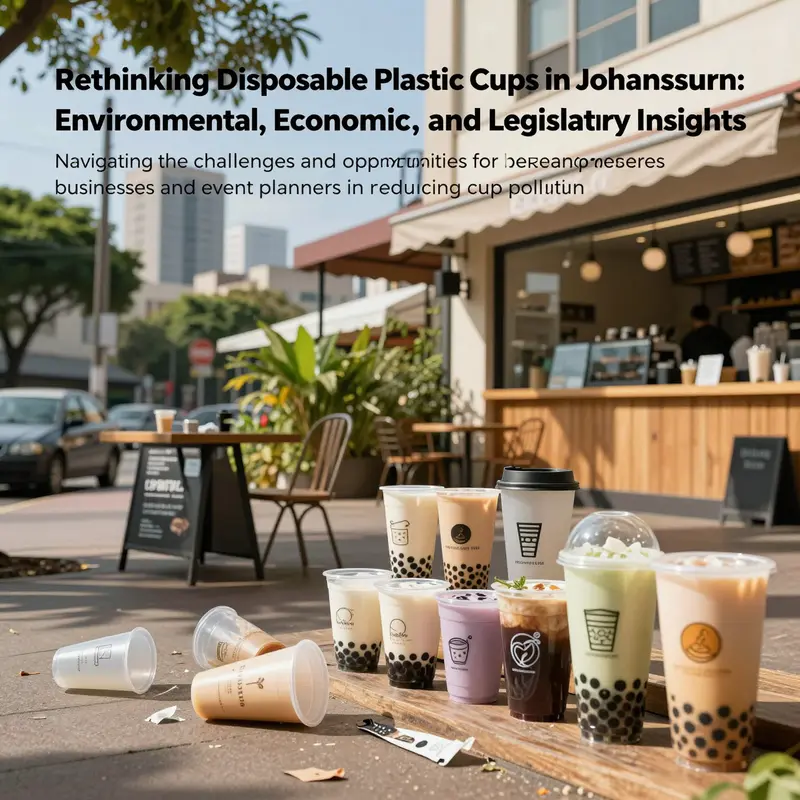
Disposable plastic cups are ubiquitous in Johannesburg’s dynamic beverage and hospitality industry, serving as convenient tools for Bubble Tea Shops, Restaurants, Food Trucks, and Event Planners alike. Yet, their convenience masks a pressing environmental dilemma—plastic waste accumulation contributing to long-term pollution. This discussion delves into three critical aspects of disposable plastic cup usage in Johannesburg: environmental impact, economic ramifications, and the evolving legal landscape as well as public attitudes. First, we explore the ecological effects, highlighting the lasting footprint of single-use plastics and how businesses can mitigate harm. Next, we examine the market economics, outlining costs and opportunities for companies considering sustainable alternatives. Finally, we assess local legislation and the shifting perceptions among consumers and policymakers that are driving change in how disposable plastics are viewed and managed. Together, these perspectives provide a comprehensive understanding for stakeholders seeking to align business practices with sustainability goals while maintaining operational efficiency and customer satisfaction.
Whispers in the Drain: Tracing the Environmental Toll of Johannesburg’s Disposable Plastic Cups
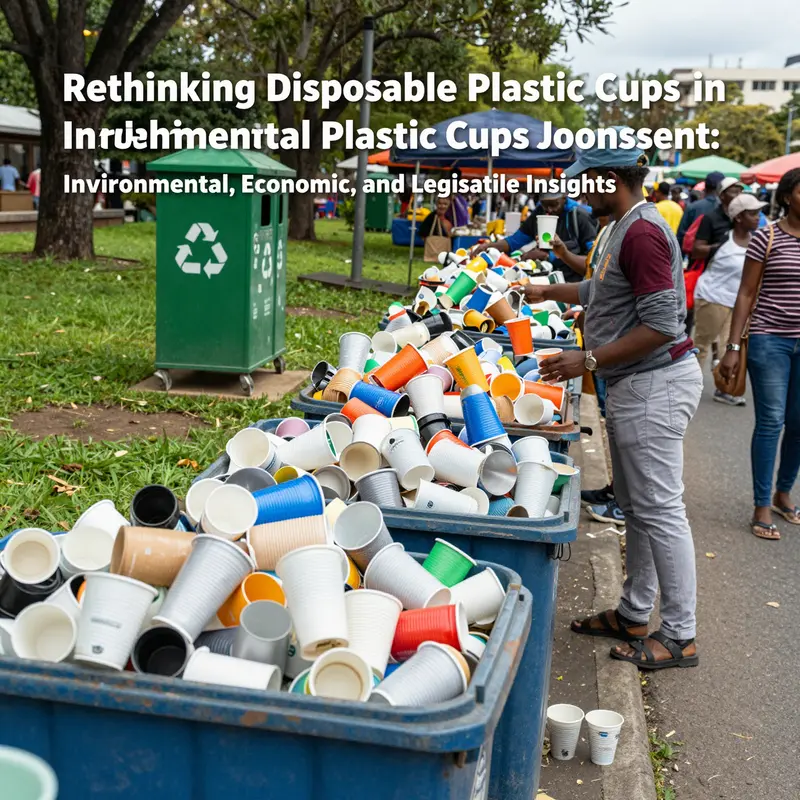
In the heart of Johannesburg, cranes glitter over glass-fronted buildings while streets bustle with everyday life. A quiet thread runs through daily routines: disposable plastic cups. They accompany coffees, takeout, and quick gatherings, yet they accumulate as residue in the city and its ecosystems. The story of disposable cups in Johannesburg links convenience with urban climate and social equity.
The immediate environmental consequences of disposable cups go beyond aesthetics. Litter mars public spaces and can clog stormwater channels, increasing flood risk during heavy rains. Microplastics shed from cups enter soils, rivers, and wetlands, where they interact with organisms and microbial processes that support nutrient cycles and food webs. Johannesburg presents a varied urban landscape where litter is not just a nuisance but a signal of changing ecology.
The production footprint matters too. Most cups are made from petroleum-based plastics or paper coated with plastics. Energy use and greenhouse gas emissions accompany their manufacture, and end-of-life remains uncertain because composting and recycling infrastructure vary by neighborhood. Many cups end up in landfills or mixed waste streams, with informal recycling networks doing much of the work in townships. The social dimension is clear: waste systems affect who bears risk and who gains access to resources.
Policy responses at the local level show a city in transition. Some districts experiment with reusable cup programs, better collection, and education campaigns. The path forward requires investment in waste infrastructure, improved source separation, and incentives for reuse. Design thinking offers a route to durable solutions, from materials that favor end-of-life recovery to city services that support take-back schemes.
For readers seeking practical options in Johannesburg, the market is beginning to respond with eco-friendly formats and reuse-compatible designs. By grounding policy in these concrete possibilities, the city can chart a pragmatic course that respects livelihoods and urban vitality. A note on resources and further reading is included below to connect discussion with real-world supply chains.
External resource: https://www.sciencedirect.com/science/article/pii/S004896972301524X
Cups, Cash, and a Greener City: The Economic Currents Shaping Johannesburg’s Disposable Cup Market
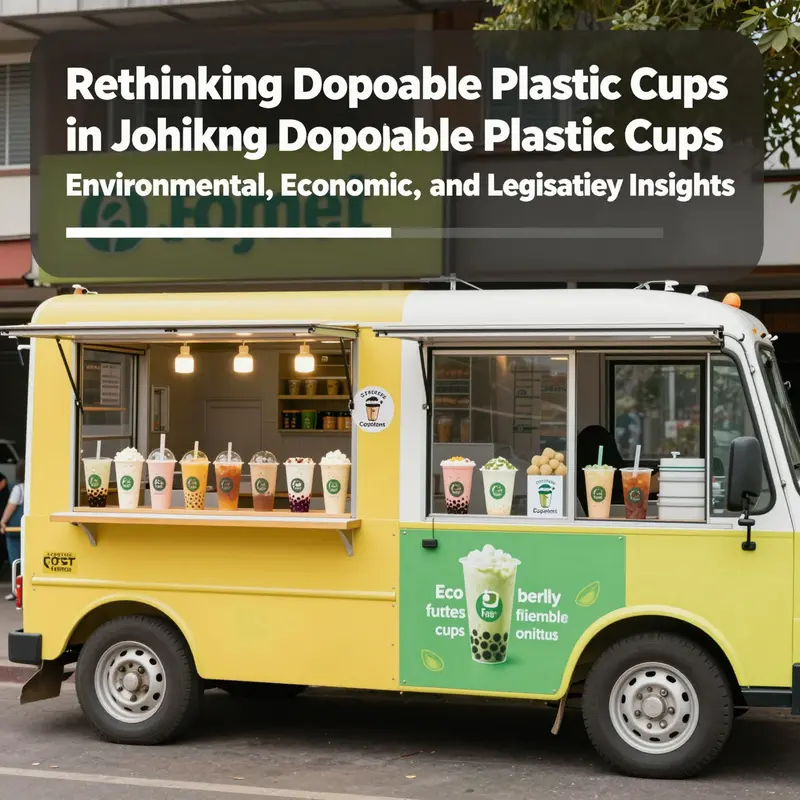
Johannesburg wakes with the hum of traffic, the clatter of plates, and the steady hiss of steam as baristas measure out a morning ritual that is at once mundane and revealing. In the urban core and the expanding suburbs, disposable plastic cups are less a curiosity and more a reflection of demand, convenience, and the evolving expectations that shape a city aiming to balance growth with sustainability. The economics of this small, often overlooked commodity—the disposable cup—interfaces with wider currents: consumer preferences that tilt toward environmental accountability, regulatory pressures that tighten the leash on waste, and the willingness of manufacturers and retailers to invest in alternatives that may cost more in the short term but promise resilience in the longer term. When you gaze across a city where finance, culture, and industry converge, the cups people choose to hold their tea or coffee in each morning become a proxy for how Johannesburg imagines its own future: more efficient, more circular, and more accountable to the environment that sustains it. This chapter unpacks that economy in a way that keeps the narrative coherent with the broader article: the market dynamics, the policy signals, and the practical choices that influence how many disposable cups circulate, who profits from them, and how the city might eventually curb their footprint without sacrificing the productivity that a metropolis like Johannesburg relies on.
Initial data from across South Africa show a market that is both sizable and unsettled. In 2024, the disposable cups market generated about USD 137.7 million in revenue nationwide, with projections pushing toward USD 166.3 million by 2030. Those figures sketch a trajectory of continued activity, even as the shape of that activity is changing. Johannesburg, as the country’s financial heart and a city of rapid growth and dense consumption, mirrors these trends but also faces distinctive pressures and opportunities. The city sits at a crossroads where the convenience of a quick beverage in a single-use cup collides with a rising public insistence on waste reduction, recycling infrastructure, and product innovations that can bend the arc toward a less wasteful urban regime. Though city-specific numbers are limited, the implication is clear: Johannesburg’s cup economy cannot remain insulated from the broader South African context. Local businesses—cafés, offices, event organizers, and hospitality suppliers—are increasingly sensitive to how the cups they choose affect costs, logistics, and reputational risk. They must navigate not only the price of the cups themselves but also the downstream costs of waste management, potential future taxes, and the logistics of sourcing compliant, environmentally preferable materials.
Regulatory and sustainability factors sit at the heart of how this market will evolve. Environmental regulations in South Africa have grown more prominent in recent years, and public awareness has sharpened around the life cycle of disposable products. This is not mere rhetoric; it translates into practical implications for producers and retailers. The growth of the market is increasingly challenged by policy measures that seek to limit single-use plastics and to promote alternatives. In the municipal and provincial spaces, there has been a clear shift toward encouraging the use of paper cups and other biodegradable or compostable options, often accompanied by incentives for businesses that adopt reusable systems or take responsibility for waste. Johannesburg, while not enacting a nationwide ban on plastics, has seen local authorities and environmental organizations champion campaigns that push customers and enterprises toward more sustainable choices. The discourse is no longer about convenience alone but about achieving a measurable reduction in plastic waste and demonstrating commitment to circular economy principles. A telling sign in this transition is the growing preference for paper-based cups, which are perceived as more environmentally friendly in terms of end-of-life options, even though their production and disposal still require careful management.
These regulatory pressures intersect with shifting consumer preferences. The city’s residents increasingly expect brands and venues to demonstrate accountability, whether through transparent sourcing, clear labeling about recyclability or compostability, or by offering options that reduce waste. The trend aligns with broader societal shifts toward environmental stewardship, yet it is not simply a matter of choosing one material over another. It requires rethinking the entire packaging ecosystem: the materials themselves, the manufacturing processes, the distribution networks, the collection and sorting infrastructure, and the end-of-life outcomes. In practical terms, this means the demand for disposable cups may plateau or even decline in certain segments as customers and businesses lean into alternatives. Yet the market is not collapsing; it is recalibrating. Belts of investment are tightening around the most fragile points—where supply chains meet waste streams—and opening up opportunities for those who can deliver cleaner, more efficient, and scalable solutions.
From the viewpoint of Johannesburg’s market players, a few implications stand out. First, demand dynamics are becoming more complex. The same café that previously ordered large quantities of plastic cups may now accept a mix of options: recyclable paper cups, compostable variants, and perhaps, in some instances, durable cup programs designed to support reusable systems. This diversification is not merely an ethical stance; it is a practical hedge against regulatory uncertainty and price volatility in raw materials. The paper cup option, while seemingly simpler from an environmental standpoint, introduces its own costs and logistical considerations. Paper cups require sustainable fiber sourcing, coatings that balance moisture resistance with compostability, and a reliable recycling or composting stream to deliver the promised environmental benefit. As a result, manufacturers are compelled to reassess production lines, invest in new machinery, and retool supply chains to handle alternative materials such as biodegradable polymers or pulp-based products. These shifts entail capital expenditure, reconfiguration of supplier networks, and a reorientation of distribution strategies that can leverage local manufacturing capacity to reduce transport costs and emissions.
Second, the cost structure of the disposable cup market is being reshaped by waste management dynamics and regulatory risk. The rising costs associated with plastic waste management—whether through extended producer responsibility schemes, landfill levies, or potential plastic taxes—can erode profit margins for producers that rely heavily on conventional plastic formulations. Even when regulatory regimes do not explicitly ban single-use cups, the financial calculus pushes firms to explore alternatives that can deliver a more stable long-term cost profile. In Johannesburg, where demand for hospitality and on-the-go consumption remains high, the economics of substitution interact with consumer willingness to pay for perceived sustainability. If a biodegradable or compostable cup commands a premium, retailers must decide whether the premium can be absorbed or passed through to customers without eroding demand. The balancing act is delicate; pressure on margins can be intensified by the need to maintain product performance—heat resistance, leak-proofing, and branding potential—across all materials.
The pathway toward sustainable cup options invites manufacturers to diversify beyond plastic-centric lines. This is a market in which the promise of innovation competes with the realities of scale and cost. Johannesburg’s businesses have an incentive to invest in new production technologies and to build resilient supply chains capable of delivering eco-friendly cups at a competitive price. The challenge, of course, is not only technical but also logistical: ensuring a steady supply of raw materials, maintaining quality across variants, and forging partnerships that can support standardized waste collection and processing. The city’s complex logistics network—transport corridors, warehousing, and a diverse consumer base—adds an additional layer of complexity. Yet it also creates an opportunity: those who can synchronize material innovation with waste management infrastructure and consumer demand will stand to gain a durable competitive advantage as regulatory expectations tighten and public consciousness grows.
From the consumer-facing side, there is a palpable shift toward what might be described as pragmatic sustainability. People want packaging that performs its job reliably, that respects the heat and humidity of a South African climate, and that aligns with a broader social commitment to reducing waste. This has spurred a heightened interest in cup designs that maximize recyclability, minimize single-use waste, and offer branding opportunities without compromising end-of-life outcomes. While the romance of a zero-waste aspiration is appealing, the practical reality is that many customers still value convenience and variety. In practice, this means that the success of the market in Johannesburg will rest on a delicate equilibrium: offering options that satisfy convenience and brand identity while ensuring that the environmental claims around those options hold up under scrutiny and real-world waste management conditions.
A telling indicator of how quickly the market can pivot lies in the rhetoric and policy signals coming from city leadership and civil society. The discourse has grown more robust around the concept of a circular economy—where resources are kept in use for as long as possible, products are designed for recovery and reuse, and waste becomes a by-product rather than a destiny. In Johannesburg, this translates to mixed programs that incentivize reusable cup schemes for workplaces and events, while also encouraging cafés to adopt paper-based alternatives that can be responsibly sourced and properly managed at the end of their life. The practical implementation, however, hinges on a chain of daily decisions: which suppliers are reliable, how the cups are handled during peak service times, how waste streams are organized at the point of collection, and whether the municipal or private waste system can effectively separate and process these materials. These operational questions are not abstract; they define the viability of a more sustainable cup economy in a city that depends on speed, efficiency, and the ability to scale.
In this evolving landscape, a single sentence can illuminate the broader trend: the sustainability shift is not a ban on plastic cups but a reconfiguration of choice, price, and habit. The market cannot ignore the economics of the entire value chain—from the cost of raw materials to the expense of waste management, to the future resale value of recovered materials. The result is a market that is not shrinking but transforming. Johannesburg’s cup ecosystem is moving toward a set of integrated solutions that combine material science, waste infrastructure, and consumer engagement. This triad—materials, waste handling, and behavioral incentive—will determine which technologies and which business models become mainstream on the streets, in offices, and at the gatherings that define the city’s social life.
As industry players experiment with the shift, there is also a clear signal that the debate is no longer purely about whether disposable cups should exist but about how they should exist in a city that aspires to leadership in sustainable urban living. The discussion touches on branding and consumer trust, because customers increasingly want to know that the choices their favorite cafés make are consistent with a broader public good. That alignment—between a café’s brand promise and the city’s environmental objectives—can become a differentiator in a crowded market. A growing subset of operators is adopting reusable-cup programs, deposit schemes, or hybrid models that combine the familiarity of disposable cups with the environmental assurances of responsible production and end-of-life stewardship. In practice, this means customers may see more visible labeling, more clearly defined recycling pathways, and more opportunities to participate in a culture of reuse rather than pure convenience. The result is a city where the economics of a simple cup become a proxy for how seriously the urban economy treats sustainability and how well the city can translate public policy into everyday behavior.
One practical pathway for Johannesburg’s market is to emphasize the role of paper-based cups as a credible, scalable alternative to plastic. This aligns with the broader consumer preference for environmentally responsible options, while acknowledging the realities of cost, supply, and waste management. The adoption of paper cups, however, is not a panacea; it requires careful attention to sourcing, process efficiency, and end-of-life processing. The supply chain must ensure that fiber sourcing is sustainable, that coatings used to repel moisture do not compromise recyclability, and that local facilities can handle the resulting waste streams in a timely and economical fashion. For businesses looking to navigate this transition, the question is not only what type of cup to buy but how to align procurement with a coherent waste-management plan. In this context, the attention of policymakers, environmental organizations, and industry players coalesces around a shared objective: to reduce the city’s long-term reliance on disposable products without sacrificing the immediacy and efficiency that Johannesburg’s dynamic commercial culture demands. This is the nuanced reality of an urban economy where cups symbolize much more than a quick beverage; they symbolize a city’s capacity to innovate, adapt, and share responsibility for the environment in which people work, study, and connect.
For readers who want to see how these dynamics play out in real-world choices, consider the growing availability of eco-friendly cup options that balance practicality with sustainability. This shift is reflected in an increasing emphasis on designs that support reuse or recycling, and in the market’s willingness to experiment with coatings, liners, and materials that can break down more readily in appropriate facilities. The industry’s experiment is not purely theoretical; it is guided by a practical calculus of cost, performance, and end-of-life outcomes. The city’s consumers and businesses, in turn, act as the ultimate arbiters of whether these innovations—promising reduced waste alongside functional reliability—are accepted, scaled, and sustained over time. The interplay among policy, industry, and daily habit will continue to shape the cup economy in Johannesburg, with each sector learning from the others as the city advances toward a more resilient, low-waste future. A tangible sign of progress is the visible growth of reusable and paper-based programs in workplaces and hospitality venues, which signals that the business case for sustainability can coexist with the need to serve millions of daily cups with consistent quality and speed.
Adoption is not uniform, and the pace varies by district, institution, and consumer segment. Yet the underlying trend is clear: the disposable cup market in urban South Africa—and in Johannesburg specifically—will not stay static. It will respond to policy signals, to the cost discipline of waste management, and to the evolving preferences of a population that increasingly scrutinizes the environmental footprint of everyday products. In this sense, the cup itself becomes a microcosm of a broader urban shift toward accountability, efficiency, and an economy that recognizes the finite nature of resources. The city’s success in shaping this market will hinge on the ability to connect the dots between policy ambition, industrial capability, and citizen engagement, ensuring that the economics of a single coffee cup contribute to a larger, more durable vision of sustainable urban growth.
As markets, policymakers, and consumers continue to negotiate these tensions, the journey toward a more sustainable disposable-cup ecosystem in Johannesburg will also rely on accessible information about options and outcomes. Stakeholders need credible data on life-cycle impacts, the costs of different materials, and the practicalities of disposal or reuse. In this light, a broader market view—one that spans geography and regulatory regimes—becomes valuable. The recent market outlooks and analyses offer context for local decision-making, helping city leaders and business executives align investment decisions with anticipated policy trajectories and consumer behavior. For a broader market perspective, see the South Africa Disposable Paper Cup Market Outlook, which helps situate Johannesburg within a national context and highlights the economic forces that ripple through urban centers across the country. In considering these dynamics, it becomes clear that the city’s cup market embodies an intersection of economics, policy, and cultural change that will define how Johannesburg balances prosperity with responsibility in the years ahead.
Within this complex landscape, one practical note stands out for readers intent on moving from theory to action. The sustainability transition is not an abstract ideal but a tangible set of choices about materials, suppliers, and end-of-life pathways. Businesses that succeed will be those that can demonstrate reliable performance, transparent environmental claims, and a coherent waste-management plan that integrates with municipal or private recycling streams. Consumers will judge success by the consistency of experience—whether the cup holds up under heat, whether the service remains fast, and whether the packaging aligns with a broader sense of social responsibility. The city’s story, told through the everyday act of choosing a beverage container, is a narrative of adaptation and collaboration. It is about how a metropolis adapts its habits to new material realities and how a local economy retools itself to thrive under a changing regulatory and cultural climate.
Ultimately, the Johannesburg chapter of the disposable cup economy is about building resilience. It is about turning a common object into a lever for reducing waste, guiding investment toward innovation, and aligning consumer behavior with the longer-term health of the city’s ecosystems. It requires a shared vocabulary among policymakers, manufacturers, retailers, and the public. It demands data, transparency, and a willingness to experiment with new models—from refill programs and deposit schemes to the deployment of compostable materials—while ensuring that the outcomes justify the costs and the complexity. If Johannesburg can translate these insights into scalable practices, the city can demonstrate that economic vitality and environmental stewardship are not mutually exclusive but mutually reinforcing. The cups in hand in today’s cafés may well become indicators of a future where urban life is both efficient and regenerative, where the social and economic fabric can thrive without compromising the planet’s capacity to sustain it. In that sense, the economics of disposable cups are not just about a commodity; they are about a city’s capacity to imagine, invest in, and inhabit a more sustainable urban future. eco-friendly-printed-logo-buy-paper-cup-take-away-coffee-cup
External resource for broader context: For a wider market perspective on South Africa’s disposable paper cup landscape, see the latest market outlook from 6Wresearch at https://www.6wresearch.com/reports/south-africa-disposable-paper-cup-market-outlook/.
Shifting Sands: Legislation, Public Perception, and the Quest to Rethink Disposable Cups in Johannesburg
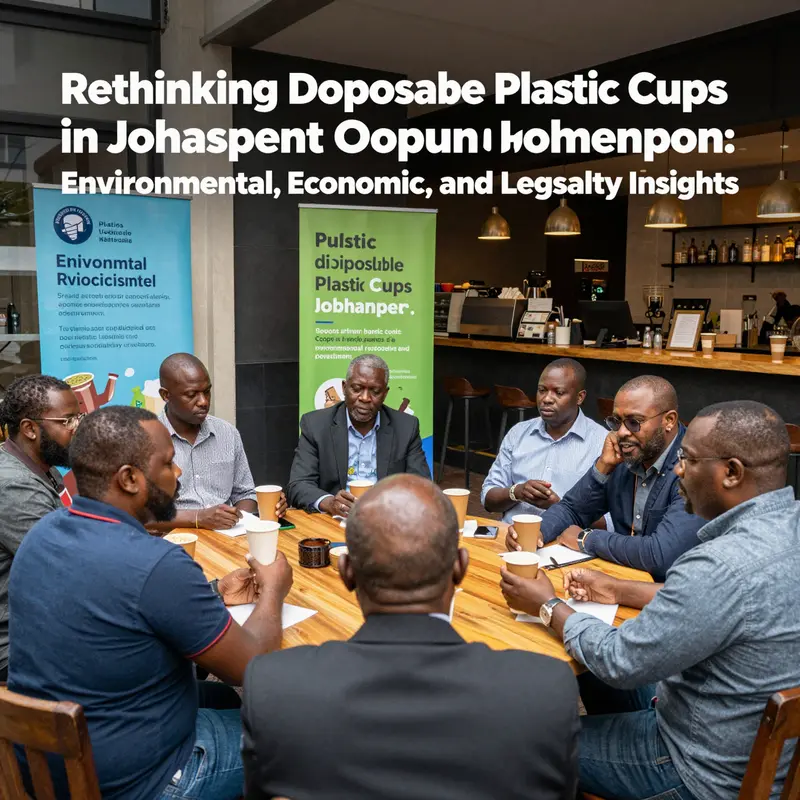
In Johannesburg, the everyday act of grabbing a cup of coffee or tea in a disposable plastic vessel sits at a crossroads between convenient city life and the stubborn, long shadow of plastic waste. The regulatory environment that governs these items is not a single, sweeping decree but a patchwork of national policies and local initiatives. As of 2024, targeted, citywide bans on disposable cups are not yet in place in Johannesburg, and the broader national framework for single-use plastics has not crystallized into a comprehensive, cup-specific prohibition. The city nonetheless wrestles with the larger challenge of plastic waste pollution, which has become especially visible in urban landscapes and in waterways that traverse the sprawling metropolitan area. In this sense, Johannesburg mirrors a wider global moment: a demand for practical, near-term options in a rapidly growing economy, tempered by a rising social and environmental cost that cannot be ignored. The tension between a bustling commercial sector that relies on low-cost, single-use materials and a public that increasingly expects accountability for the materials that end up in landfills, rivers, and oceans is not easily resolved. Yet it is precisely within this tension that policy debates and public discourse about disposable cups gain traction, because cups symbolize a broader set of choices about production, consumption, and responsibility.
On one hand, the economics of disposable cups are straightforward. They offer a cheap, convenient solution for the hospitality sector, takeaways, events, and casual consumption in urban spaces where turnover is high and waste collection infrastructure must keep pace with demand. On the other hand, the environmental profile of these items—short lifespans, complex waste streams, and the challenge of achieving high recycling rates in a city with diverse waste systems—has become increasingly salient to residents, students, and workers who observe litter, clogged drains, and the persistent problem of microplastics. In this context, Johannesburg does not yet have a city-wide legislative anchor that restricts disposable cups, but it is not absent of actions aimed at reducing reliance on single-use plastics. Local authorities, business associations, and environmental organizations have begun to experiment with policy tools that are lighter than a full ban but heavier than voluntary guidelines: public procurement standards that favor reusable or compostable alternatives, pilot programs that encourage reuse models in cafes and markets, and tighter guidelines around packaging take-back schemes.
A core thread shaping the chapter’s inquiry is the perception of risk and responsibility among Johannesburg’s residents. A 2024 study from the University of Johannesburg illuminates crucial nuances in public sentiment. It finds that there is a broad, negative attitude toward single-use plastics, driven by concerns about urban pollution and the cumulative harm to urban waterways and marine ecosystems where waste often finds its way. This sentiment does not merely express aesthetic preference; it translates into a readiness to embrace sustainable solutions, including reusable cups and alternative materials. Yet the study also uncovers a notable awareness gap: only about 14 percent of respondents reported awareness of existing policies related to single-use plastics in their region. This disconnect between concern and policy literacy is telling. It suggests that while people are ready to respond to environmental challenges, there is insufficient communication about what is already in motion and how individuals can participate. Bridging this gap—informing people about regulatory developments while offering practical avenues to act—could prove decisive as the city contemplates more targeted measures in the years ahead.
These dynamics operate alongside robust market signals. The South African market for disposable cups remained strong in 2024, with an estimated value of USD 137.7 million and a projection to USD 166.3 million by 2030. The figures point to a market that continues to respond to the hospitality sector’s appetite for convenience. They also underscore a systemic risk: without decisive policy action or scalable alternatives, consumption is likely to keep pace with the urban population’s growth and the city’s economic vibrancy. This economic momentum, however, is not fate’s decree. It coexists with a burgeoning civil society and corporate sector that sees value in reducing single-use plastics as part of sustainable business models, brand stewardship, and long-term risk management. In Johannesburg, non-legislative efforts have flourished as a crucible for change. Corporate sustainability initiatives—voluntary reductions in single-use plastic use, commitments to recyclable packaging, and investments in waste-management infrastructure—have taken root. Public education campaigns have accompanied these efforts, aiming to elevate awareness about the consequences of plastic waste and to promote practical steps that residents and visitors can take in daily life. These grassroots and private-sector actions, while fragmented, contribute to a broader cultural shift that could help narrow the policy gap in the future.
To understand where this shift might lead, it is useful to view disposable cups through multiple lenses: policy design, social norms, economic incentives, and the logistical realities of waste management. From a policy perspective, the absence of a comprehensive cup-specific ban in Johannesburg as of 2024 does not imply the absence of policy potential. In many jurisdictions, incremental steps have proved effective. These steps include establishing reuse networks that encourage consumers to return cups to designated points in exchange for credits or incentives, or introducing material standards that favor compostable or bio-based alternatives where facilities exist to process them. In Johannesburg, such measures would likely require collaboration across different ministries and agencies, including environmental management, urban planning, and municipal waste services, as well as engagement with the private sector and civil society groups. The potential for extended producer responsibility, where manufacturers and distributors share responsibility for the lifecycle of packaging, also looms as a practical path forward. These considerations become more tangible as the city, universities, and business districts explore pilot projects that test the feasibility and acceptability of alternative systems on a scale that still fits within current infrastructure.
The public perception narrative adds a further layer of complexity. The 14 percent policy-awareness figure is not a verdict on public engagement; rather, it signals a communication gap and an opportunity to align messaging with everyday practices. If residents know more about what regulations exist or are being considered, and if they see tangible connections between policy and improvements in city cleanliness, stormwater quality, and local jobs in recycling and waste services, they may become more active partners in reform. This is not merely about information dissemination. It is about translating information into accessible actions—how to participate in community recycling programs, how to choose alternatives when feasible, and how to participate in public comment processes when policies are being drafted or revised. In this sense, Johannesburg’s journey with disposable cups sits at the intersection of governance, civic participation, and consumer culture.
The interplay between policy, perception, and practice is perhaps most visible in the way cafes, markets, and event venues approach packaging on the ground. Some operators have begun to substitute disposable cups with reusable options that can be washed and reused within a defined system, while others experiment with materials that are marketed as compostable or bio-based. These steps are not only about reducing waste; they are also about changing routines. A shift toward reuse requires practical mechanisms to collect and return used cups, a reliable cleaning and storage cycle, and clear incentives for customers to participate. The economics of such systems depend on volume, reliability of waste streams, and the availability of processing facilities. In a city where waste separation and recycling rates vary across neighborhoods, achieving a seamless reuse or composting program remains a logistical challenge. Yet the momentum behind these programs signals that the regulatory conversation could evolve from whether to restrict to how to optimize, scale, and finance more sustainable packaging and service models.
The global perspective provides additional context for Johannesburg’s local dynamics. Jurisdictions around the world have experimented with bans, levies, and packaging guidelines specific to single-use cups, often achieving a measurable drop in waste that can be traced back to policy while also stimulating the market for alternatives. In Johannesburg, the local narrative is still catching up to this global playbook. However, the city’s distinctive combination of rapid urban growth, a diverse consumer base, and a sophisticated hospitality sector creates a fertile ground for policy design that is tailored to local realities. Rather than a single, sweeping prohibition, a phased approach—coupled with targeted incentives, pilot reuse schemes, and enhanced waste-management infrastructure—could yield measurable environmental benefits while preserving the city’s economic vitality. Importantly, any design must account for equity: solutions should be accessible across neighborhoods with different waste-management capacities and should not inadvertently shift the burden onto those least equipped to bear it.
The pathway forward for Johannesburg, then, rests on a synthesis of information, experimentation, and collaboration. Public perception is no longer merely a backdrop; it is a driver of policy legitimacy and political will. When residents understand both the harms of plastic waste and the practical benefits of alternatives, they are more likely to support policies that may require short-term adjustments for long-term gains. At the same time, policymakers need robust data on waste streams, consumer behavior, and the feasibility of local infrastructure improvements. The University of Johannesburg study underscores the value of local evidence in shaping policy conversations and in identifying where awareness and engagement can be amplified. For researchers, practitioners, and citizens alike, the challenge is to translate insight into action—creating a framework in which market forces, public values, and regulatory tools reinforce one another rather than conflict. This is not a theoretical exercise. It is a concrete, situated project of urban governance that asks Johannesburg to imagine how a cup’s life—from production to post-use fate—could be redesigned for a more resilient city.
The practical takeaway from these interwoven threads is clear. Johannesburg’s regulatory landscape may not currently feature a cup-specific ban, but the mix of negative public sentiment toward single-use plastics, strong market demand, and emergent non-legislative initiatives sets the stage for meaningful change. Policymakers can build on the existing awareness and appetite for alternatives by pursuing targeted steps: clarifying existing policies to close the awareness gap; supporting reusable and compostable packaging through procurement policies and incentives; expanding access to recycling and composting facilities; and fostering cross-sector collaborations that connect business, academia, and civil society in a shared mission. In this sense, the city is not merely reacting to a problem; it is assembling the components of a longer-term solution—one that aligns consumer convenience with ecological responsibility and that invites Johannesburg’s residents to participate in shaping a future where the cup’s short life does not cast a long shadow on the city’s air, water, and streets.
To deepen understanding of how social attitudes intersect with policy design, readers may refer to broader sociocultural analyses of single-use plastics and food takeaway containers in South Africa. See the study Perceptions and acceptability of single-use plastic and alternative food takeaway containers at the University of Johannesburg in South Africa for a comprehensive sociological and public-health orientation that complements the regulatory focus of this chapter. External resource: https://www.ncbi.nlm.nih.gov/pmc/articles/PMC9855197/ . In parallel, practitioners may explore practical materials and design options that communities in Johannesburg could pilot, including reusable-cup lending systems and environmentally friendlier disposables. For internal context and potential product-agnostic examples that align with sustainable packaging trends, see the dedicated product pages that illustrate how such options can be presented to consumers in a local market setting, for instance the page describing eco-friendly disposable options with lids and single-wall construction. An example of this kind of resource can be found here: eco-friendly disposable single-wall paper cups with lids.
Final thoughts
Disposable plastic cups remain a popular yet problematic feature of Johannesburg’s vibrant beverage and hospitality scenes. Their environmental footprint is substantial, contributing to persistent pollution that demands urgent attention from businesses, policymakers, and the public. Economically, the plastic cup market offers both challenges and opportunities; businesses can reap benefits by embracing sustainable alternatives that align with growing consumer demand for eco-friendly practices. On the legislative front, Johannesburg is witnessing increased momentum toward regulating single-use plastics, influenced by evolving public awareness and global trends. Together, these factors suggest that the city’s beverage and event sectors must proactively adapt to these shifts, balancing operational convenience with environmental responsibility. Ultimately, proactive adoption of sustainable solutions will not only reduce ecological harm but also enhance brand reputation and compliance readiness in a changing regulatory landscape.