
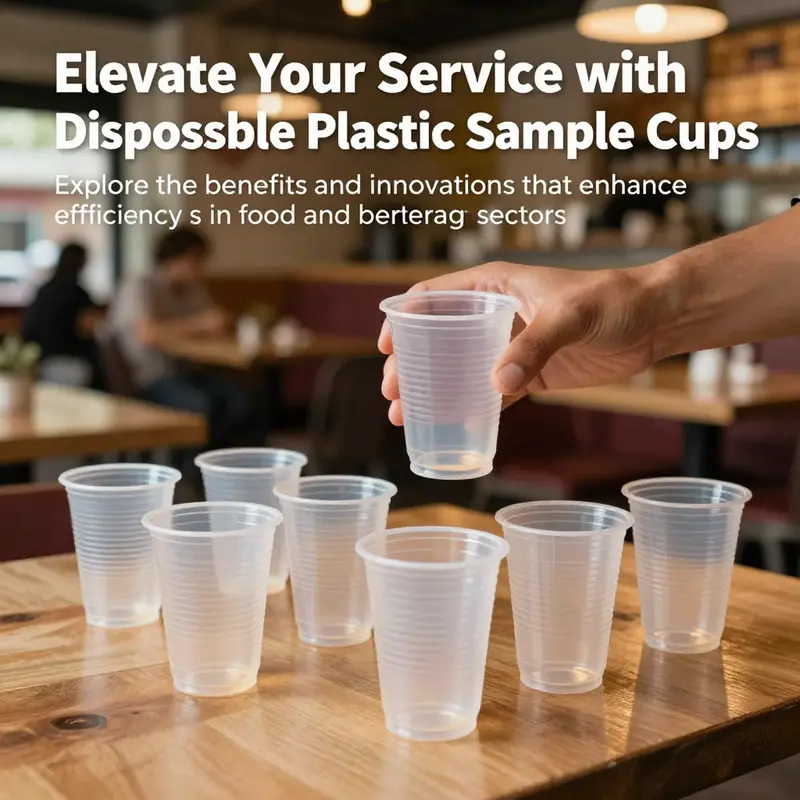
In the realms of food and beverage service, whether at a bustling restaurant or a mobile food truck, operational efficiency and customer satisfaction reign supreme. Effective specimen handling can be a cornerstone of safety in places that require sanitary practices. Enter disposable plastic sample cups: seemingly simple yet pivotal tools that can elevate service while ensuring compliance with health standards. This article will delve into four critical aspects of these cups: their sterilization techniques which ensure safety, innovative leak-proof designs preventing mishaps, the variety in sizes accommodating different needs, and the growing call for environmentally responsible options. Collectively, these chapters will elucidate why disposable plastic sample cups are not just a choice but a strategic element in enhancing service delivery across various settings.
Guarding Silence in a Laboratory: The Silent Gatekeepers—Sterilization Techniques for Disposable Plastic Sample Cups

In the world of clinical testing, diagnostic accuracy hinges not only on the sharpness of instruments or the expertise of the technicians but also on the humbler, often overlooked champions of hygiene: the disposable plastic sample cups. These single-use vessels are the first link in a chain that moves from collection to analysis, storage to transport. They must be ready to receive a specimen with zero compromise, and that readiness is accomplished through meticulously validated sterilization processes. When cups leave a factory, they carry more than a label; they carry a guarantee that the chance of cross-contamination has been minimized to near zero, and that every drop of specimen will remain representative of the patient’s condition rather than a test’s aftertaste. The sterilization techniques employed for these cups—primarily ethylene oxide gas sterilization and gamma irradiation—are selected not only for bacteria-killing power but for their compatibility with plastic materials, their impact on shelf life, and their alignment with international standards that govern medical devices. The result is a class of products designed to maintain their integrity from the moment they are sealed to the moment they are torn open in a sterile environment, sometimes years later, during a routine screening or a critical diagnostic campaign.
To grasp why sterilization matters so deeply, it helps to imagine the lifecycle of a disposable sample cup. The cup’s value is in its sterility, in its ability to resist leakage, and in its stability under the cold confines of transport and the sometimes taxing temperatures of storage rooms. Sterility is not a one-and-done achievement; it is a controlled state that must persist from packaging through to the moment of use. The two primary sterilization techniques used are low-temperature ethylene oxide gas and high-energy gamma irradiation. Each technique has its own logic, its own set of advantages and tradeoffs, and both are deployed within comprehensive quality frameworks that emphasize traceability, validation, and regulatory compliance. Within these frameworks, the cups are tested, certified, and packaged to withstand the rigors of distribution while safeguarding the specimen’s integrity.
Ethylene oxide, or EO, stands out for its effectiveness and its gentleness on heat-sensitive plastics. The key to EO’s success lies in its ability to diffuse across complex materials and seals without raising temperatures enough to deform polypropylene or polystyrene. This makes EO a preferred method for cups that might feature integrated lids, silicone gaskets, or additional components that would be damaged by heat or moisture. The process typically unfolds in a controlled chamber where the cups are exposed to EO gas in cycles designed to maximize penetration while minimizing residuals. The result is a high level of sterility assurance, capable of neutralizing bacteria, viruses, fungi, and spores. But EO sterilization is not a one-step flourish. It requires rigorous aeration after exposure to ensure that residual gas dissipates to safe levels before the cups are released for packaging. The aeration phase is as essential as the sterilization phase itself, for it preserves the material’s integrity while guaranteeing safety for the end user. The cups emerge with a sealed barrier that remains intact until the consumer tears open the package in a controlled environment, ready to hold a specimen without inviting contamination from outside air.
Gamma irradiation offers a starkly different path to the same destination: sterility without chemical residues. Using high-energy photons, usually from cobalt-60 sources, gamma irradiation disrupts the DNA of microorganisms. The method is celebrated for leaving no chemical residues behind, which is particularly appealing for long shelf-life scenarios and for applications where post-sterilization cleaning is impractical or uncertain. Gamma sterilization is especially attractive for items that must remain sterile over extended periods, even when stored in stockrooms or in transit across borders and borders of humidity and temperature variation. Yet gamma irradiation is not without its own considerations. The exposure can influence the physical properties of plastics in subtle, sometimes predictable ways. Depending on the dose, there may be minor changes in flexibility, clarity, or surface properties. This is not a flaw, but a design consideration: the material science of the cup must anticipate how irradiation will interact with the chosen polymer, be it polypropylene or polystyrene, and how optical clarity, chemical resistance, and mechanical strength endure after exposure. The dose is carefully calibrated, often guided by industry standards, to achieve a sterility assurance level that aligns with regulatory expectations while preserving the cup’s functional performance. In many settings, gamma sterilization’s immediate post-sterilization state is highly valued: no need for aeration, no risk of chemical residues, and a predictable, rapid route to market readiness.
What ties EO and gamma irradiation together is not merely their shared goal of achieving sterility but the rigorous quality infrastructure that surrounds their application. Medical devices, including disposable sample cups, are produced under quality management systems that conform to international standards for safety and effectiveness. ISO 13485:2016, for instance, provides a framework for design, production, installation, and service of medical devices. It codifies the expectations for process control, validation, supplier qualification, traceability, and post-market surveillance. In parallel, regulatory bodies and market authorities recognize and certify these processes, often granting marks or certificates that demonstrate compliance with essential safety and performance criteria. When a cup is sterilized by EO or gamma irradiation and packaged, the packaging itself becomes a protective barrier. The integrity of the sealing mechanism—whether a tight-fitting cap, a snap-on lid, or a tamper-evident seal—plays a critical role in preventing post-sterilization contamination during storage, handling, and transportation. A sterile product is only as safe as its packaging, and the packaging must withstand the journey from factory to user without compromising sterility.
There is also a practical side to consider: the cups are designed for single use. This is not merely a cost control or a waste-reduction philosophy; it is a deliberate strategy to eliminate re-use, which is a leading risk factor for cross-contamination. The pre-sterilized state of these cups means that clinical and laboratory staff can rely on a standard that reduces the need for on-site decontamination or re-sterilization, tasks that could introduce variability and errors. The single-use approach aligns closely with universal precautions and biohazard waste protocols, ensuring that the moment a specimen is placed into the cup, the likelihood of external contamination is minimized. It also simplifies the workflow in busy diagnostic environments, where speed and accuracy are essential. The sterilization steps, therefore, are not merely about killing organisms; they are about preserving an end-to-end standard of hygiene from the moment the cup leaves production to the moment a specimen is drawn.
The selection between EO and gamma irradiation is driven by a constellation of factors, including material compatibility, the presence of integrated components, shelf-life requirements, and the logistical realities of distribution. EO’s advantage lies in its compatibility with a broad array of plastics and seals, making it suitable for cups that may carry specialized features such as colored lids or pre-assembled sampling accessories. The process is scalable and widely used for bulk sterilization, but it demands meticulous handling to ensure that residues are reduced to acceptable levels and that the required aeration is completed before packaging. Gamma irradiation, by contrast, offers chemical-residue-free sterility and efficiency, with the added benefit of simplifying freight considerations in some contexts because there is no need to manage potent gases during transit. Practically, many manufacturers choose a sterilization pathway by balancing the composition of the cup, the desired shelf life, and the regulatory expectations of the markets they serve. In either case, a validated sterilization protocol is subject to routine verification through biological indicators and process controls, ensuring that each lot of cups maintains its sterility at the point of use.
From a user perspective, the core guidance remains consistent and straightforward. The cups you encounter in clinical settings are pre-sterilized and sealed to preserve their sterile state until they are opened in a controlled environment. Re-sterilization is discouraged and generally prohibited, as repeated exposure to sterilization processes can alter the cup’s material properties and compromise the integrity of the seal. The recommendation is to treat each cup as a single-use device that arrives ready to perform its protective function with minimal handling. When you remove a cup from its sterile packaging, you should do so with clean hands and in a setting where the risk of contamination is minimized. After specimen collection, the waste should be disposed of according to appropriate biohazard protocols, reflecting the dual goals of patient safety and laboratory hygiene. The consumer-facing narrative of sterility is complemented by a robust internal practice: batch traceability. Every bag, tray, or box bears lot information that allows the entire chain of custody to be reconstructed if a problem arises. This traceability is essential for audits, recalls, or any investigation into a potential breach in sterility, and it gives laboratories and healthcare facilities confidence that the cups they rely on can be trusted day after day.
There is also an environmental conversation that cannot be ignored. While the primary function of sterilization is to protect patient safety and data integrity, manufacturers are increasingly exploring biodegradable or compostable options, including variants made from polylactic acid or other bio-based polymers. These eco-conscious alternatives must still withstand the rigors of sterilization—both EO and gamma require materials to maintain performance after exposure. The evolving landscape seeks to reconcile sterilization efficacy with sustainability, without compromising the core requirement of maintaining a sterile barrier until the moment of use. In practice, this means that the environmental advantages of a single-use consumable must be weighed against the lifecycle of the product, from production through disposal. In many programs, cups may be offered in standard, fully recyclable plastics, while renewable or biodegradable variants may be introduced where regulatory and environmental conditions permit. The challenge is maintaining compatibility with existing sterilization infrastructures, ensuring that environmentally friendly options do not sacrifice sterility or compatibility with standard laboratory workflows.
The downstream implications for laboratory operations are meaningful. When a facility standardizes on a sterilization pathway for disposable sample cups, it gains predictability. EO and gamma irradiation each bring a set of process controls, a slate of validation metrics, and a framework for ensuring conformity with regulatory expectations. The commitment to sterility extends beyond the moment of packaging; it informs supplier qualification, incoming inspection, and even the way specimens are archived. In the modern lab, where automation and high-throughput testing are increasingly common, the seamless interchangeability of sterile cups with automated systems is critical. The cups must fit the analyzers and automation platforms in use without compromising the sterile barrier, a requirement that pushes manufacturers to design with both compatibility and sterility in mind. In this sense, sterilization is not a standalone capability but a fundamental design consideration that shapes material selection, seal geometry, and packaging strategy from the earliest stages of product development.
As a closing thought, the sterilization narrative for disposable plastic sample cups is a careful balance of science, regulation, and practical lab workflow. EO and gamma irradiation offer complementary paths to the same end: reliable sterility that remains intact from factory to field, with packaging acting as a final line of defense against contamination. The discipline that surrounds these processes—validation, quality management, traceability, and regulatory compliance—translates into confidence. Confidence that every cup can accept a specimen without altering its nature, and confidence that laboratories can rely on standardized procedures to deliver accurate, reproducible results. The single-use nature of the cups, the rigor of the sterilization methods, and the elegance of the packaging together form a system designed to protect patients, uphold the integrity of data, and support the millions of diagnostic decisions that hinge on clean, uncontaminated specimens. For professionals who design, manufacture, or use these cups, understanding the sterilization choices is not a niche concern but a central pillar of reliability and safety that underpins every test result that reaches the clinician’s desk.
Internal link a relevant resource for practitioners seeking a broader view on disposable cup design and use in consumer-facing settings can be found here: hot-sale customized disposable single-wall paper ice cream cups with lid. While it highlights a different material family, the link underscores how packaging, sterility, and user safety intersect across the spectrum of disposable cup products, reinforcing the idea that sterility is a universal requirement across formats. Practitioners can apply the same rigorous thinking about barrier properties, material compatibility, and packaging integrity to the plastic sample cups used in clinical and diagnostic contexts.
For readers seeking a broader regulatory perspective on sterilization practices in the medical device sphere, a detailed external reference provides a technically grounded overview of how sterilization methods are validated, implemented, and audited within modern quality systems: https://www.aicor.com/en/products/disposable-plastic-cuvette-sample-cup-for-beckman-coulter-acl-analyzer.html
Sealed for Science: How Leak-Proof Design Elevates Disposable Plastic Sample Cups
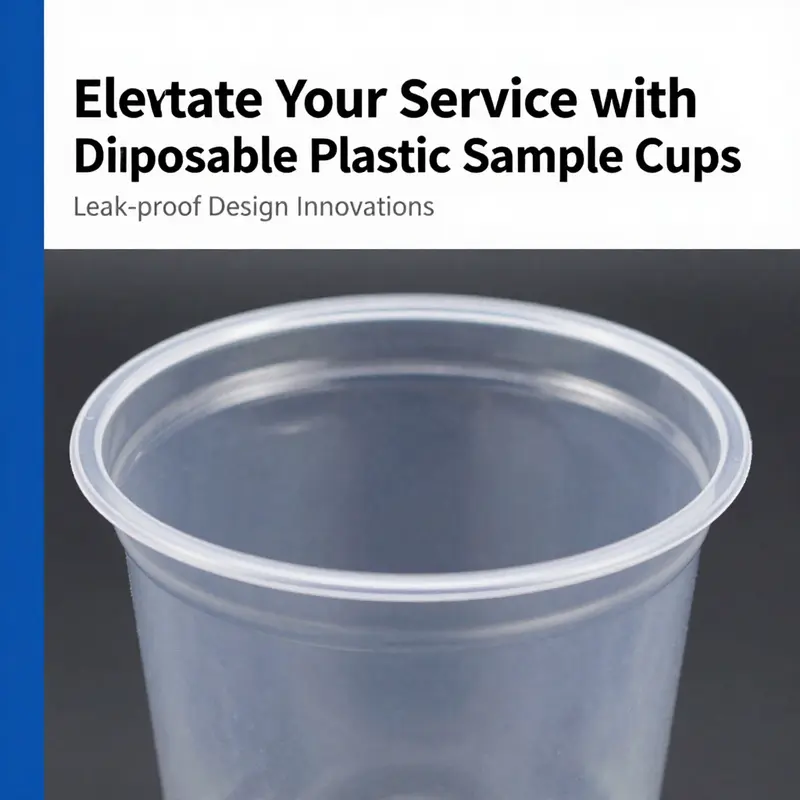
In the hustle of modern laboratories, clinics, and field sampling, the humble disposable plastic sample cup shoulders a heavy burden. It is more than a container; it is a critical link in the chain that preserves specimen integrity from the moment of collection to the moment it reaches an analyzer. A leak-proof design has become a non negotiable feature because even a small spill can compromise results, contaminate environments, or endanger handlers. This chapter traces how engineers have transformed these cups into reliable workhorses of science by focusing on three core dimensions: seal integrity, closure mechanisms, and venting control. Each dimension interacts with materials, manufacturing precision, and the realities of sterile handling to deliver a product that remains trustworthy whether it sits on a bench, travels in a shuttle, or travels across continents during courier transport. The dialogue between form and function here is not merely about keeping liquid inside; it is about enabling accurate measurements, safe handling, and streamlined workflows across diverse testing ecosystems.
Seal integrity sits at the foundation of leak-proof performance. The choice of materials matters as much as the geometry of the lid. In practice, cups are commonly made from food-grade polypropylene or similarly resilient polymers. These polymers resist the solvents and biological residues typical of urine, sputum, fecal matter, semen, and blood samples, while maintaining dimensional stability during sterilization. The seal itself is created by precision-engineered lids that press firmly against the cup rim. A tight compressive fit is reinforced by features such as silicone gaskets or inner flanges, which bite into the mating surface and close any micro-gaps. The result is a junction that can withstand tilting, shaking, or brief submersion without letting liquid seep out. The interplay between material choice and seal geometry is not incidental; it is the outcome of meticulous molding tolerances, surface finishes, and the way threads or locking features interact under load. In laboratories that routinely sterilize cups with ethylene oxide or gamma radiation, the seal must endure the chemical onslaught without losing pliancy or deforming the gasket. This requirement pushes suppliers to validate gasket materials for sterilization cycles, ensuring that the compressive force remains consistent after exposure and that the seal remains pliable rather than embrittled. The consequence is a cup that becomes a dependable participant in sterile workflows, where any anisotropy in the seal could become a leak path under sterile handling protocols.
Beyond the raw materials, the geometry of the sealing interface matters deeply. Lids are often designed with precision rims, micro-beads, or raised lands that align with the cup’s crown. These features distribute clamping forces evenly, reducing the risk of localized deformation that could compromise the seal during transport. Subtle design choices, such as the thickness of the lid’s edge or the curvature of the sealing surface, influence how the lid seats on the cup when a user tightens it with gloved hands. Even small variations can alter the seal’s initial bite and long-term resilience. In this light, the seal emerges as a winsome blend of chemistry and mechanical engineering rather than a simple cap-and-cup interaction. The emphasis on long-term reliability explains why many designs favor inert, corrosion-resistant elastomers for gaskets and why the interface is protected against dust and grime that could unattendedly migrate into the seal during field collection.
The closure mechanism represents the second pillar of leak resistance. A modern approach moves beyond simple snap-on lids to systems that provide a more deliberate user experience and robust leak protection. Push-pull sliders, flip caps, and twist valves all exemplify this evolution. The core objective remains the same: keep the cup closed until the moment of intended access, while resisting inadvertent openings during transit or handling. A push-pull slider, for instance, can offer a tactile cue when the seal is fully engaged, and it helps ensure that removal or opening requires an intentional action that a gloved hand can perform without compromising the seal. Flip caps provide a similarly intuitive action, while twist valves add a controlled release mechanism that minimizes spill risk if pressure changes occur during movement. The common thread across these mechanisms is a locking or stalling feature that acts as a second barrier to leakage beyond the primary gasket. This redundancy is especially crucial when cups are used in the unpredictable environments of home health programs, mobile clinics, or outdoor environmental sampling where rough handling is more than a theoretical concern.
The third dimension, venting control, addresses a subtle but essential hazard: vacuum-induced leakage and pressure differentials. Air vents are necessary to prevent vacuum lock during sipping or suction-based sampling, yet vents themselves can become leak points if not designed carefully. Cutting-edge lids now integrate hydrophobic membranes or secondary baffles that permit air exchange while blocking liquid escape. The membranes are designed to resist wetting and provide a controlled flow path for air without becoming conduits for liquids. Secondary baffles further disrupt potential liquid migrations by forcing any escaping air through multiple narrow channels. This venting architecture preserves functional sip-or-sample access when needed while maintaining leak resistance during transport. In practice, a well-engineered venting system minimizes the risk that moving cups in a bag or a rack will generate enough pressure to push liquid through any seam. The outcome is a cup that can function across a range of temperatures and transport conditions, from high-alpine courier routes to climate-controlled ambulance compartments, without leaking or compromising the specimen.
The value of these innovations becomes evident when performance is validated against standardized testing. Performance validation has shown that these refined designs outperform conventional lids and seals by notable margins. In controlled trials, refined leak-resistant cups deliver improvements of up to thirty percent in leak resistance under challenging conditions, including tilting, jostling, and vertical orientation changes. Such results are meaningful not only for avoiding mess but also for preserving sample integrity. Spills can cause cross-contamination, alter concentration measurements, and necessitate retesting. In automated biochemistry systems, where cuvettes or sample cups link to analyzers, the reliability of the seal is also tied to the reproducibility of results. A lid that shifts position or a gasket that compresses irregularly can introduce minor leaks that degrade sample volume accuracy or seed a cascade of instrument alarms. The upshot is that leak-proof design is not a minor convenience; it is a cornerstone of data integrity in diagnostic workflows.
Regulatory considerations amplify the importance of robust cup design. Many of these cups are intended for use in medical or clinical settings, which means compliance with safety and quality standards is non negotiable. Certifications from regulatory bodies help assure users that the cups meet stringent requirements for chemical resistance, sterility, and containment. For products positioned in sterile environments, sterilization compatibility is not optional. The design must maintain its seal integrity after EO or gamma sterilization cycles, which can alter polymer properties or create micro-cracks if not properly engineered. In practice, this means a careful choice of polymer grade, gasket material, and lid geometry that remain stable under sterilization loads. The resulting certification is a signal to healthcare facilities and contract laboratories that the cups can be integrated into their established standard operating procedures with confidence. The broader implication is that a leak-proof cup becomes an enabler of standardized testing, reducing cross-contamination risk and supporting consistent sample handling regardless of the testing corridor or geographic location.
From a workflow perspective, the utility of a leak-proof design extends beyond the laboratory bench. In field sampling, nurses and environmental technicians endure long hours of transport time and varying conditions. A cup that resists leaks during transport eliminates the need for cumbersome secondary containment solutions and reduces disposal waste associated with leaks. It also simplifies training, since operators can rely on a straightforward closure action knowing the lid will stay secure until they purposely open it. In clinical trials and public health screening, where thousands of samples may be collected, the reliability of each container adds up. The cumulative effect is a measurable improvement in operational efficiency, fewer retests due to leakage, and a reduction in the risk of accidental exposure to hazardous specimens during handling. In short, leak-proof design translates into real-world payoffs: safer handling, cleaner workflows, and more dependable data.
The chapter would be incomplete without acknowledging the environmental dimension that shapes design choices today. While the primary demand for leak-proof performance remains in the clinical and field-testing arenas, developers are increasingly mindful of the lifecycle of disposable cups. Biodegradable or compostable options, often based on PLA or other bio-based polymers, are making their way into the market. The challenge lies in achieving the same level of leak resistance and chemical compatibility with these eco-conscious materials. The balance between performance and sustainability requires careful formulation and testing, including compatibility with sterilization methods and the integrity of seals over time. In addition, some programs favor recyclable plastics that align with circular economy goals, even as they maintain sterility and leak resistance. The ongoing research and incremental improvements in materials science reflect a broader commitment to reducing waste without compromising the reliability of diagnostic and sampling processes. As policy and practice evolve, the best designs will harmonize leak-proof performance with responsible environmental stewardship, ensuring that every cup supports both scientific rigor and planetary well-being.
In considering the breadth of design strategies, it becomes clear that the leak-proof paradigm is not a single solution but a tapestry of interwoven decisions. Material selection, molding precision, gasket geometry, lid architecture, venting strategy, and sterilization compatibility all contribute to a robust system. The most successful cups are those that accommodate the realities of real-world use while delivering consistent, repeatable performance in the most demanding settings. They are designed not just to contain liquid but to preserve the integrity of every specimen, to protect handlers from spills, and to streamline laboratory and field operations. The direction of future developments will likely emphasize smarter materials that respond to environmental cues, more reliable venting that remains leak-free under extreme conditions, and packaging innovations that reduce waste while maintaining sterility and safety. The culmination of these efforts is a family of cups that can seamlessly integrate with automated analyzers and manual workflows alike, ensuring that the journey of a sample—from collection to analysis—is as secure and as precise as the science demands.
For readers who want to explore related packaging niches, consider the broader world of cup design, where even non-plastic options compete for reliability and performance. A relevant example is the range of dual-wall craft paper cups with customizable logos, which illustrates how design principles cross material boundaries. These designs emphasize secure lids, well-seated rims, and thoughtful venting schemes that prevent spills while preserving usability. You can explore this category here: senang-disposable-double-wall-craft-paper-cups-multi-size-6-24-oz-custom-logo-for-coffee-tequila. This internal reference helps situate leak-proof concepts within a wider spectrum of cup technologies while highlighting how common engineering challenges—seal integrity, closure reliability, and vented performance—reappear across materials and use cases. Such cross-material insights reinforce the idea that robust containment is a universal priority in disposable cups, whether the specimen is a biological sample or a hot beverage.
In closing, the evolution of leak-proof design in disposable plastic sample cups demonstrates a disciplined fusion of material science, mechanical engineering, and practical workflow considerations. The trio of seal integrity, secure closure, and intelligent venting represents a durable framework for evaluating and improving any cup used in sensitive handling scenarios. As sterilization methods advance and regulatory expectations tighten, the demand for cups that maintain their integrity under stress will only grow. Yet the best designs will balance rigorous performance with responsible production and end-of-life considerations, offering reliable containment today while supporting sustainable practices tomorrow. The cup is small, but its impact on the reliability of diagnostics and field sampling is large. It is a testament to how careful, purposeful design can turn a simple container into a controlled environment that protects what matters most—the integrity of the specimen and the safety of those who handle it.
External resource for further technical context: https://www.alibaba.com/product-detail/Leak-Proof-Plastic-Cups-with-Lid-for-Disposal_1600582794625.html
Fitting the Test: How Size, Material, and Compatibility Guide Disposable Plastic Sample Cup Selection
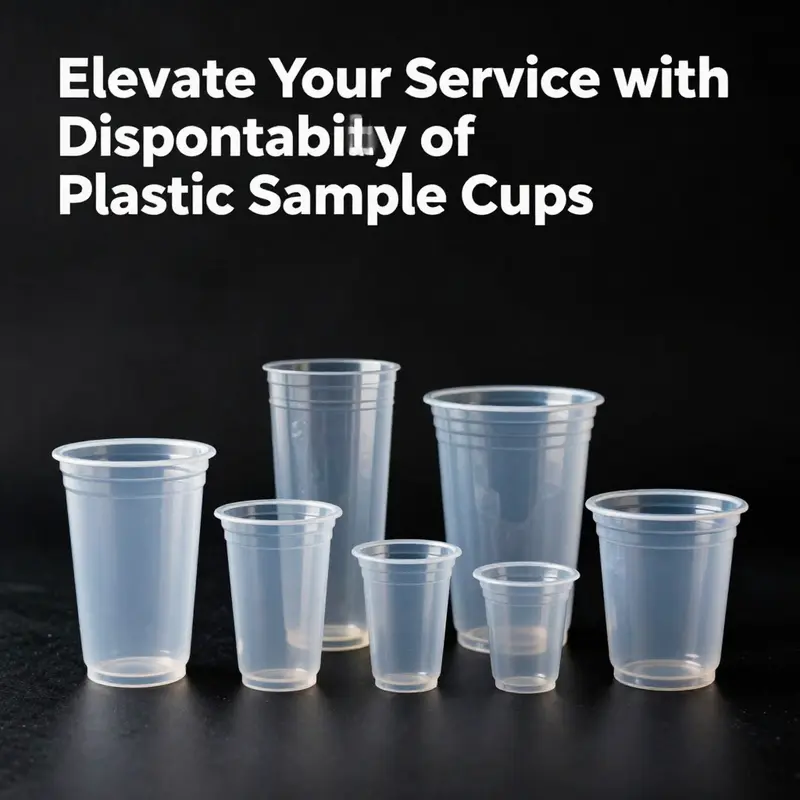
Choosing the right disposable plastic sample cup requires more than matching a volume to a container. The interplay of size, material, and intended use determines whether a sample arrives intact and uncontaminated. This chapter weaves practical guidance with technical considerations, helping laboratory managers, clinicians, procurement teams, and field technicians select cups that meet workflow, analytical, and regulatory needs.
Disposable sample cups span a wide capacity spectrum. At the low end, 30–60 milliliter containers serve urine and small-volume clinical collections. Mid-range sizes of 100–350 milliliters accommodate stool, sputum, and larger urine samples. On the high end, 500 milliliters to 2 liters are common for environmental sampling, food testing, or bulk transport. Keep in mind that beverage-style disposable cups overlap with lab needs, but their composition and finishes often differ from medical-grade variants. Recognizing these differences helps avoid misapplication.
Size selection starts with the specimen. Small-volume assays require containers that minimize headspace and dead volume to preserve analyte concentration. Too much excess volume can dilute reagents or complicate mixing. For particulate-heavy specimens, a wider-mouth cup eases collection and homogenization. For automated workflows, cup height and diameter must align with the instrument’s sample port or rack specification. Many labs standardize on two or three sizes to simplify inventory and instrument compatibility.
Storage and transport introduce different requirements. Nested cups save shelf space and reduce shipping costs. U-shaped nesting designs improve packing density while preventing sticking during separation. Conversely, single-use cups with integrated lids or screw caps improve leak resistance during transit. For overnight shipments or couriered samples, choose cups with validated leak-proof closures and consider secondary containment. If a sample will be frozen, confirm the cup’s thermal tolerance to avoid cracking or seal failure.
Material choice is central to compatibility. The two plastics most commonly used are polypropylene (PP) and polystyrene (PS). Polypropylene offers superior chemical resistance, higher melting points, and good fatigue strength. It suits applications involving heat, agitation, and many organic solvents. Polystyrene provides optical clarity and rigidity, making it useful when visual inspection or optical measurement is needed. Each material has trade-offs that affect analytical outcomes and sample integrity.
Chemical compatibility must be verified for reactive samples. Strong acids, bases, or aggressive solvents may degrade some plastics, causing leaching or structural failure. When assays measure trace-level analytes, even minor leachables can bias results. For such sensitive work, choose materials with documented resistance to the chemicals involved. If documentation is unavailable, run a compatibility test using representative sample volumes, temperature conditions, and storage times to detect any interference.
Sterility and cleanliness are non-negotiable in clinical and many research settings. Disposable cups are available sterile or non-sterile. Sterilization methods include ethylene oxide (EO) and gamma irradiation. EO sterilization penetrates packaging well and works at low temperatures, but residual gas must meet safety thresholds. Gamma sterilization is effective and rapid, though it can alter polymer properties over time. When using sterile cups, confirm sterilization certificates and expiration dates. Sterile, individually wrapped cups reduce contamination risk during collection in the field.
Compatibility with laboratory equipment is often overlooked. Some cups are designed to interface directly with automated analyzers, centrifuges, or processing racks. Dimensions, rim geometry, and closure types affect robot handlers and centrifuge balance. Before committing to a new cup size, verify that samples will sit correctly in instrument holders and that the cup material won’t interact with analyzer sensors. When in doubt, request sample parts or trial batches to test fit and performance within your workflow.
Leak-proofing methods vary. Snap-fit lids, tamper-evident seals, and screw caps all have roles. Snap lids are fast and convenient for high-volume point-of-care collections. Screw caps provide a stronger seal for volatile samples or long shipments. Tamper-evident features help maintain chain-of-custody and can deter sample substitution. Evaluate closure types against your specific handling and transport scenarios to choose the right balance of speed and security.
Customization often improves fit for purpose. Suppliers can print barcodes, batch codes, and logos directly on the cup. Custom color coding speeds identification in multi-test environments. Graduated markings assist with field quantification. For high-throughput labs, pre-printed barcodes that match the laboratory information system (LIS) streamline accessioning. When requesting custom options, confirm ink and labeling materials do not compromise sample integrity or introduce contaminants.
Environmental considerations increasingly factor into procurement decisions. Biodegradable and compostable alternatives made from materials such as polylactic acid (PLA) are available. These serve well for non-critical applications where biodegradability is a priority. However, PLA and other biodegradable plastics have limited chemical resistance and lower heat tolerance. Avoid them for assays requiring extreme pH conditions, high temperatures, or organic solvents. Balance sustainability goals with analytical reliability.
Quality control and standards provide a foundation for reliable selection. Look for suppliers who document material grade, manufacturing tolerances, and sterilization validation. Certificates of analysis and lot traceability help troubleshoot problems. Adopting a simple incoming inspection process can catch defects before cups reach clinical or analytical use. Visual checks for molding flaws, lid fit, and dimensional accuracy save time and reduce contamination risk.
Cost considerations must factor in total lifecycle expenses. Lower unit prices can hide indirect costs such as assay interference, increased repeat testing, or shipment failures. A slightly more expensive cup that reduces leakage and improves analyte stability may yield net savings. Consider reorder lead times and minimum order quantities. Bulk purchases reduce unit cost but increase storage needs. Nested designs and efficient packaging lower warehousing costs and align with inventory management strategies.
User ergonomics and field conditions deserve attention. For mobile collections or community screening programs, cups that are easy to open and close reduce collection errors. Cups with textured surfaces offer better grip with gloves. If samples are collected outdoors, weatherproof lids and robust closures protect integrity. Consider whether cups must be compatible with disposable spoons, scoops, or pipette adapters and plan accessories accordingly.
Validation is the final safeguard. Before full adoption, run a short validation to confirm compatibility with sample types, storage conditions, and analytic methods. Include controls for potential leachables, adsorption losses, and evaporation. Test the cups under expected temperature cycles, including refrigeration and freezing. Document results and set acceptance criteria. A modest validation effort prevents costly issues down the line.
Procurement channels vary, but global marketplaces often provide access to varied suppliers and custom options. Use these channels to compare specifications, request technical datasheets, and obtain test samples. When working with external vendors, ensure clear communication of required tolerances, sterility needs, and certification demands. Negotiate trial orders to assess real-world performance before committing to large volumes.
Selecting the right disposable plastic sample cup blends practical logistics with material science. Match cup volume and geometry to the specimen and workflow. Choose materials that resist chemical attack and preserve sample integrity. Confirm sterilization and quality documentation. Test fit with any instrument or automation. Account for closure type, transport needs, and environmental goals. Small choices at the procurement stage translate into fewer pre-analytical errors and more reliable data downstream.
For a practical starting point, standardize on a small set of sizes that cover most use cases. Maintain validated suppliers for each size and material category. Keep a small validation protocol handy for new cup types. Train collection staff on proper closure and labeling techniques. These steps reduce variability during collection and support consistent analytical results.
Further reading on material behavior and microplastic release from disposable cups provides useful context for high-sensitivity applications. A detailed review of material properties and potential microplastic generation can help inform choices when trace-level contamination matters. For in-depth technical background, see this external resource: https://www.sciencedirect.com/science/article/pii/S235239642500123X
For visual examples and size-oriented product references, consult a supplier page detailing food-grade disposable cup sizes and options (8oz–1000ml): https://cupbowlpack.com/product/senang01-disposable-single-wall-food-grade-paper-cup-for-wine-and-soup-8oz-16oz-32oz-1000ml-with-lid/
Selecting a disposable plastic sample cup is an exercise in aligning physical form with scientific function. Thoughtful choices reduce risk, improve workflow, and protect the integrity of every sample processed.
Shadows in the Lab: Reassessing the Environmental Footprint of Disposable Plastic Sample Cups
In the quiet hum of a hospital corridor or the meticulous quiet of a testing laboratory, a sterile white cup sits as a small but essential protagonist. Disposable plastic sample cups enable the collection, handling, and transport of countless specimens every day. They are designed for safety, chemical resistance, and convenience, meeting the demanding standards of medical and environmental analysis. Yet beneath their practical utility lies a broader conversation about their environmental footprint. The same properties that make these cups reliable in the short term—rigid structure, chemical inertness, and single-use simplicity—also tie them to environmental pressures that stretch far beyond the walls of a single facility. The chapter that follows presses gently on this paradox, tracing a path from raw materials to disposal, and then toward options that can align everyday lab work with longer-term ecological stewardship.
The environmental story of disposable plastic sample cups begins with their feedstock. Most cups used in clinical and research settings are molded from polypropylene or polystyrene, plastics derived from fossil fuels. These materials are prized for their clarity, rigidity, and barrier properties, but their production is energy intensive. Across the broader category of disposable plastics, life-cycle analyses repeatedly reveal a high energy input and substantial greenhouse gas emissions. As a concrete illustration drawn from related polymer manufacturing, producing one ton of PET can yield around 3.7 tons of CO₂ equivalents. While PP and PS are different polymers with their own footprints, the headline is consistent: the creation of single-use plastics hinges on petrochemical processes that require considerable energy and contribute to atmospheric greenhouse gases. In industry terms, efficiency and performance come with a climate cost that begins long before a cup ever reaches a lab bench.
This cost does not end at production. The end-of-life phase for disposable cups presents its own challenges. In many settings, cups are contaminated with biological or chemical residues, making post-consumer recycling difficult or impractical. Even when programs exist to recycle plastic, contamination, sorting limitations, and facility acceptance criteria severely restrict the proportion that actually gets recovered and reintroduced into the production loop. The reality for many institutions is that a significant portion of used cups still ends up in landfills or are discarded as general waste. In landfill environments, these materials can persist for decades to centuries, depending on the specific plastic and local conditions. Over time, the presence of microplastics and leaching additives can become a matter of concern for soil and water systems, particularly when leachates reach groundwater or are transported through ecosystems. The practical upshot is simple: well-meaning practices in the lab can contribute to long-standing environmental burdens if waste streams are not managed with care and planning.
The environmental footprint of disposable cups extends beyond the waste bin and the landfill. The broader accumulation of plastic pollution in the world’s waters and landscapes underscores a systemic risk. The United Nations Environment Programme and other international bodies have documented that millions of tons of plastic enter oceans annually, with consumer and institutional waste contributing to this flow. Among the most frequently collected items during coastal cleanups are plastic containers and cups of various kinds. This pattern persists across urban and rural frontiers, and it even echoes in fragile environments far from dense population centers, including arctic regions and deep-sea ecosystems. The narrative is not simply about how many cups are produced or discarded; it is about the way the material fragments, migrates, and persists when it leaves controlled environments.
In light of these realities, the appeal of alternatives grows stronger. Biodegradable polymers such as polylactic acid (PLA) have emerged as potential substitutes for some disposable cup applications. Yet biodegradability is not a universal remedy. PLA and some other biodegradable options perform best under industrial composting conditions, which are not universally accessible. Without the right facilities and timeframes, the environmental gains from switching to biodegradable cups can be limited. The practical truth is that a substitution is only as beneficial as the waste-management infrastructure that accompanies it. If a facility cannot reliably compost PLA or separate it from conventional plastics, the purported benefits vanish at the point of disposal.
Recognizing these dynamics pushes many organizations to explore the more demanding, but potentially more durable, solution: reusables. Reusable cups, whether made of glass or stainless steel, can dramatically reduce single-use waste when used repeatedly over time. The benefits, however, come with their own set of considerations. A true lifecycle assessment must account for the energy, water, and chemical inputs required to wash, sterilize, and transport reusable cups. In controlled clinical and laboratory settings, sterilization or stringent disinfection processes are non-negotiable. The energy and water costs of repeated cleaning can be substantial, particularly in high-volume environments. Yet when these costs are balanced against the cumulative waste and embedded fossil-fuel footprint of countless disposable units, reusables often emerge as a more sustainable pathway in the long run. The challenge lies in managing cross-contamination risk, ensuring consistent disinfection, and maintaining durability under routine handling and cleaning cycles. These are not obstacles that disappear with a single policy; they require an integrated approach that pairs thoughtful product design with disciplined operational practices.
Given the complexity of these trade-offs, many institutions pursue a tiered strategy that reduces, reuses, and then recovers what cannot be re-used. At the reduction end, improvements can focus on optimizing the size and performance of the cups to meet precise sampling needs without over-provisioning. In clinical and environmental testing, space-efficient designs, enhanced sealing, and improved sterility assurances are incremental steps that still matter for environmental outcomes. At the reuse end, investments in durable cups and robust cleaning protocols can transform a single-use habit into a sustainable practice. This shift is not purely technical; it is cultural. It requires education, clear procedures, and a shared commitment across staff to treat waste as a design problem—something that can be redesigned, not merely disposed of.
In discussions about sustainable pathways, there is also value in considering design for end-of-life. Some manufacturers are experimenting with enhanced recycling compatibility or easier contamination control at the point of disposal. For laboratories, this might translate into standardized waste streams that simplify sorting and allow higher recycling rates, or to partnerships that enable take-back programs and specialized disposal routes for contaminated plastics. In practice, these approaches demand governance, funding, and coordination with local waste-management ecosystems. They also call for a careful balance between the immediate operational needs of specimen handling and the long-tail consequences of waste. When a lab adds a take-back program or a targeted recycling stream, it makes an explicit investment in reducing the material’s environmental burden, rather than merely transferring the burden to a different phase of the lifecycle.
The conversation about disposal and reuse naturally leads to opportunities for responsible procurement. If a purchasing decision can favor materials and designs that align with local waste-management capabilities, the impact of a given cup on the environment can be meaningfully reduced. For instance, facilities located near composting infrastructure might experiment with compostable options, while those in regions with mature recycling streams could optimize separation and processing to maximize post-consumer recovery. Even within this spectrum, the ultimate choice should be informed by a lifecycle view: the total energy use, emissions, and ecological effects from cradle to grave, rather than by the appeal of a single attribute like sterility or cost alone.
The environmental considerations discussed here are not abstract. They influence daily workflows, supplier selection, and policy development within laboratories and healthcare facilities. They also shape the education and engagement of personnel who handle samples. When a technician recognizes that the cup chosen for a specimen is part of a broader system—one that includes production emissions, potential recycling pathways, and the possibility of reuse—their decisions gain a new dimension. This awareness does not negate the necessity of safe, hygienic sample handling. It reframes it as a problem of systems design: how to preserve the integrity of specimens while steering material choices toward practices that respect ecosystems and future resource needs.
To illustrate how this shift can unfold in practice, consider a willingness to explore options beyond the traditional disposables. Labs might pilot programs that favor reusable or longer-life commingled systems where appropriate, and simultaneously expand access to recycling or industrial composting for compliant materials. Even in settings where disposal remains the default, procurement teams can prioritize materials with lower embedded energy or more favorable waste-management pathways. They can also insist on clearer labeling and standardized packaging that helps waste streams be sorted more efficiently downstream. In other words, environmental stewardship in the context of disposable plastic sample cups is not about sweeping changes overnight. It is about making incremental, well-considered improvements that accumulate over time into substantive reductions in environmental impact.
For practitioners seeking concrete alternatives and design options, the landscape is expanding, though not without caveats. There is growing interest in selecting cups and related consumables that are explicitly designed with end-of-life performance in mind—whether that means greater recyclability, compatibility with certified composting facilities, or an emphasis on reusability where appropriate. Even as laboratories evaluate these options, it remains essential to tailor strategies to local infrastructure and regulatory requirements. A one-size-fits-all solution is unlikely to meet the diverse constraints faced by hospitals, clinics, and research centers around the world. Still, the guiding principle remains clear: minimize the environmental footprint without compromising the fidelity of testing and the safety of staff. The tension between necessity and sustainability invites a deliberate recalibration of workflows, procurement policies, and education efforts across institutions.
In pursuing these aims, some facilities look to related product lines for inspiration. For example, there are suppliers that offer eco-friendly, printed-logo paper cups designed for take-away contexts. While not a perfect substitute for every laboratory need, these examples underscore a broader movement toward materials and designs that reduce waste and improve end-of-life handling in practical ways. For readers who want to explore options that emphasize sustainability, a useful starting point is to examine how a design can be adapted to support reliable sorting, labeling, and reuse in everyday operations. The goal is not to abandon the fundamental requirements of specimen handling, but to ensure that every material decision aligns with a sustainable pathway that extends beyond the lab walls. eco-friendly-printed-logo paper cups.
Ultimately, the environmental considerations of disposable plastic sample cups illuminate a broader responsibility: stewardship that begins with design and ends with governance. If a lab can pair sterile, reliable sampling with a disciplined approach to waste, the practice moves closer to a sustainable equilibrium. The journey is iterative. It requires data, trial programs, and collaboration with suppliers, waste managers, and policymakers. And it demands patience, because meaningful change accrues over cycles of testing, procurement reviews, and process optimization. Yet even incremental improvements—whether in reducing cup size to match typical sample volumes, improving leak-proofing to avoid retests and spills, or clarifying disposal streams to enhance recycling—contribute to a cumulative reduction in environmental harm. In this sense, the disposable cup is not merely a disposable object; it is a design artifact that reflects how science, industry, and society choose to steward finite resources.
For readers seeking a broader frame, this discussion aligns with ongoing research into the environmental and littering impacts of disposable cups across materials. While the specifics vary with polymer type and facility capabilities, the overarching message endures: the lab can be a crucible for sustainable practice, transforming routine handling into a model for responsible consumption and waste management. This is not a call to abandon the efficiency and safety that disposable cups provide. It is a call to temper those benefits with a strategic, ecosystem-aware approach that recognizes waste as a design failure waiting to be reimagined. In laboratories around the world, such a shift could translate into measurable reductions in material waste, energy use, and environmental impact, while maintaining the integrity and reliability that patient care, research, and environmental monitoring demand.
External reading: Environmental and littering impacts of disposable cups made of Polypropylene and Polylactic acid. https://www.sciencedirect.com/science/article/pii/S0956053X2400215X
Final thoughts
Disposable plastic sample cups are more than just one-time-use items; they play a significant role in ensuring service efficiency and customer satisfaction across various food and beverage outlets. Their sterilization techniques ensure safety, while innovative designs minimize the risk of spills and contamination. With diverse sizes available, they cater to a broad spectrum of needs, from serving drinks to handling laboratory specimens. Furthermore, as sustainability rises in importance, opting for biodegradable options can align your business with eco-conscious practices, resonating with today’s environmentally aware consumers. By incorporating quality disposable plastic sample cups into your operations, you not only streamline processes but also uphold the highest standards of health and safety.