
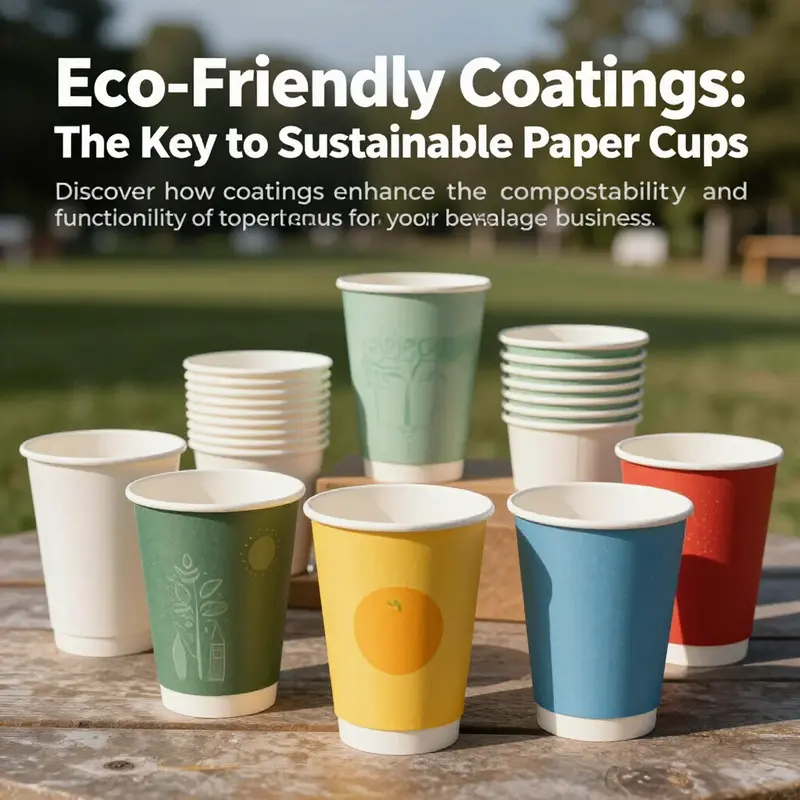
In today’s environmentally conscious marketplace, paper compostable cups have emerged as a vital component for businesses seeking sustainability. Yet, the coatings that provide these cups with their essential resistance to moisture and grease largely determine their effectiveness and compostability. This article explores the primary coating of Polylactic Acid (PLA), delves into alternative materials, and highlights the role these coatings play in ensuring the cups are both functional and eco-friendly. Understanding these elements will empower food service providers and event planners to make informed decisions that align with consumer demands for greener solutions.
Coating the Future: PLA as the Plant-Based Barrier in Paper Compostable Cups
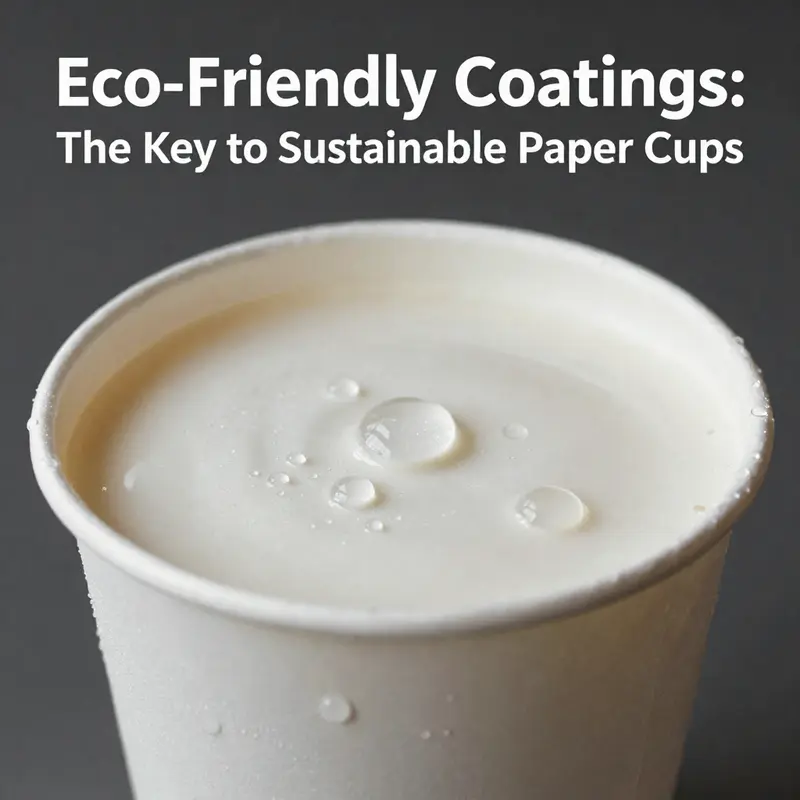
Coating plays a quiet but decisive role in turning a simple sheet of paper into a functional, environmentally minded cup. In the realm of compostable cups, the coating is not an afterthought but a carefully chosen layer that creates a barrier against liquids and oils while preserving the paper’s compostable promise. The most common and influential coating is polylactic acid, or PLA, a plant-based polymer derived from renewable resources such as cornstarch or sugarcane. PLA serves as the primary lining in many compostable cups, forming a thin, flexible film that sits on or within the paper substrate and acts as a barrier to liquids and fats without turning the cup into a plastic-like fossil fuel product. The result is a container that can hold hot or cold beverages and greasy foods yet remains oriented toward a circular economy through composting under proper industrial conditions. The appeal of PLA is not only its barrier performance but also its transparency, which preserves the natural look of the paper and supports the printed designs that give single-use cups their identity in many markets. In a sense, PLA is the hinge between the cup’s everyday utility and its longer-term environmental narrative.
PLA’s origins trace back to renewable feedstocks that are already part of agricultural systems. The feedstock choice—cornstarch or sugarcane—feeds the fermentation and polymerization processes that yield polylactic acid. From this plant-based origin, a polymer is formed that is both biodegradable and compostable under the right conditions, aligning with broader sustainability goals and the desire to minimize reliance on petroleum-derived plastics. The resulting coating provides a moisture barrier that keeps paper from soaking through as a beverage encounters steam and condensation. It also helps prevent oily residues from penetrating the cup wall, which is particularly important for fast-food or takeaway scenarios where greasy foods may accompany a drink. The net effect is a functional, user-friendly cup whose end-of-life story remains more favorable to the environment than many traditional, non-recyclable or non-compostable alternatives.
From a manufacturing perspective, PLA coatings are applied to the paper through established coating technologies. The coating can be applied as an extrusion coating, where molten PLA is laminated onto a substrate, or sometimes as a thin film that forms a continuous barrier on the inner surface of the cup. The result is a seamless, contact-friendly lining that can handle the rigors of transport, stacking, and the occasional spill without defeating the paper’s compostability. This integration is essential because any barrier layer must survive practical handling while still breaking down under the controlled conditions of industrial composting. How the coating behaves under heat is part of the design conversation. Hot beverages push the barrier to resist droplet formation and leakage, while cold beverages test the layer’s flexibility and adherence. The coating must also stand up to the oils found in many foods while staying intact enough to avoid migration into the cup’s contents.
A major advantage of PLA coatings is their compatibility with a composting framework. The key advantage is that, in the right facilities, PLA-coated cups contribute to a circular material loop. The paper, once used, can be collected with other compostable streams and broken down into organic matter rather than languishing in landfills. The polymer itself breaks down in industrial composting environments, given sufficient heat, moisture, and microbial activity. In those settings, the coating and paper can be transformed into compost rather than persisting as a separate plastic residue. This alignment with industrial composting infrastructure makes PLA-coated cups attractive to municipalities and waste managers pursuing higher rates of diversion from landfills. The environmental logic is that the plant-based origin of PLA reduces fossil carbon in the product’s life cycle and supports broader climate benefits when the end-of-life process is optimized for composting.
Nevertheless, even as PLA-coated cups represent a significant advance, there are tradeoffs to consider. The heat and moisture resistance of the coating, while generally satisfactory for many beverages, may not match the performance of some non-compostable, fossil-fuel-derived barriers in every scenario. That is why the market has not abandoned other eco-friendly coatings entirely. Some cups explore plant-based waxes, such as soy or rice wax, or modified starches as alternative inner coatings. These materials can offer barrier properties with a lower energy cost or a different environmental footprint, but they often face limitations in high-temperature situations or extended liquid exposure. The heat management and moisture resistance of waxes and starches can lag behind PLA in demanding uses, which helps explain why PLA remains the dominant coating in compostable cups, especially in portfolios that require reliable performance for hot beverages or oily foods while still prioritizing compostability. In practice, the choice of coating is a balancing act among barrier performance, process feasibility, and end-of-life outcomes.
The broader industry picture illuminates how coatings fit into a sustainable packaging strategy. The shift from petroleum-based plastics to plant-derived coatings signals a move toward a more circular economy, where materials are designed with recovery, reuse, and regeneration in mind. PLA is often cited as a clear example of this shift because it demonstrates that renewable resources can be converted into a functional packaging material that performs in real-world conditions and can feed back into composting streams rather than contributing to long-term waste. Yet this signal is most effective when supported by robust composting infrastructure and clear labeling that guides users to the appropriate disposal path. In many regions, industrial composting facilities are equipped to handle PLA-coated paper cups, while home composting remains less reliable for complete decomposition. This distinction matters for conversations about consumer expectations and municipal programs. The balance between barrier performance and end-of-life outcomes continues to guide research, investment, and policy as packaging designers seek coatings that preserve the cup’s usability while ensuring that compostability is not compromised by any residual material that might hinder the process.
Diving into the technical texture of PLA, the chemistry reveals a polymer built from lactic acid that emerges in a crystallizable form under the right conditions. The resulting material is transparent, which means the natural look of the paper, along with any printed logos or designs, can shine through without the coating appearing as an opaque layer. This transparency matters for the market’s aesthetic expectations, especially for brands that want to convey a natural, plant-based story without sacrificing clarity or readability of branding. The flexibility of PLA is another practical advantage. A thin PLA film can accommodate the curvature of a cup, resist cracking under normal handling, and maintain a smooth internal surface that is comfortable to touch with a hot-hand scenario. The surface compatibility with food contact is an important consideration too. For many users, a coating must be safe for food contact and should not introduce undesirable flavors or odors to beverages. In the case of PLA, the formulation and processing controls are designed to be inert in the cup’s typical operating range, ensuring that the consumer experience remains neutral and predictable.
On the certification and standards front, the coating’s story is anchored in industry guidance and regulatory frameworks that aim to harmonize expectations across markets. Production standards and certification requirements shape how PLA-coated cups are manufactured, tested, and labeled. These standards help ensure that a PLA-coated cup functions as intended throughout its life cycle and in the hands of consumers who expect consistent performance—whether sipping a hot coffee or enjoying a takeout meal with a greasy side. For readers seeking more technical and market-level depth, trade associations and standard bodies provide the underlying frameworks that guide how these coatings are produced and validated. A leading reference in this space offers a comprehensive overview of how PLA is integrated into packaging solutions and how it fits within the broader family of bioplastics and compostable materials. For readers who want to explore the policy and industry context in more detail, a reputable external resource is available that outlines the landscape of bioplastic coatings and their role in packaging transitions. See the external resource listed at the end of this chapter for further reading.
The practical implication of PLA’s dominance is what it means for a consumer who picks up a compostable cup at a café or a store. The cup’s interior lining, though unseen, is engineered to perform under pressure, heat, and the variety of foods someone might store inside it. The barrier must be robust enough to prevent leaks in the short term and should align with composting streams once the cup is discarded. This involves a careful integration of material science, processing technology, and waste-management logistics. Consumers benefit from a seamless experience: a cup that holds a hot drink without leaking, that remains sturdy through a chaotic travel schedule, and that ultimately contributes to a compostable waste stream instead of a landfill. The trail from renewable feedstocks to a finished, coated cup, and then to compost, is a line of responsibility that stretches across farmers, polymer chemists, packaging manufacturers, retailers, waste managers, and policy makers. Each link in this chain has to perform its role well for the system to deliver on its environmental promises.
As coating science evolves, two threads shape the near future. The first is improved barrier performance through fine-tuning the PLA formulation or combining it with thin, compatible additive layers that do not compromise compostability. The second thread is a continued search for coatings that push heat resistance higher without sacrificing the ease of industrial composting. In both cases, the aim is to expand the range of applications where compostable cups can confidently replace conventional plastics while maintaining user confidence about end-of-life behavior. This search is not purely academic; it intersects with consumer expectations, regulatory developments, and market demand for transparent, credible sustainability claims. The dialogue among chemists, product designers, and waste-management professionals is essential to ensuring that a plant-based coating can keep pace with the diverse needs of foodservice environments while preserving the integrity of composting streams.
To connect the overarching narrative with concrete market reality, consider how product pages and packaging innovations reflect this coating philosophy. A representative approach to market translation is visible in eco-friendly cup designs that highlight their compostable lining while offering the same reliability as traditional coatings. These designs emphasize that plant-based coatings can be both technically competent and aligned with environmental goals. For instance, some product lines showcase laminated or coated cups that explicitly use plant-based polymers to create the inner barrier. While not naming brands, the available literature and product pages demonstrate a consistent pattern: the emphasis on renewable feedstocks, barrier performance essential to beverages and oils, and the capacity to end in an industrial composting stream rather than a landfill. The narrative is one of continuity—between agricultural feedstocks, biopolymer chemistry, coating technology, and waste-management infrastructure—that underscores a broader push toward sustainability in disposable packaging.
In this landscape, the reader can benefit from looking at one representative case where a product page highlights the eco-friendly nature of a cup’s inner lining and the role of a plant-based coating in achieving both performance and compostability. For a concrete example of how these ideas translate into real-world offerings, see this eco-friendly, printed-logo paper cup page. It illustrates how coatings that are plant-based can coexist with branding, functionality, and end-of-life considerations in a single product line: senang07-eco-friendly-printed-logo-buy-paper-cup-take-away-coffee-cup. This link provides a window into how suppliers communicate the plant-based barrier story to the market while remaining sensitive to the consumer’s disposal choices. The presence of such offerings signals a marketplace that values both performance and sustainability, reinforcing the idea that PLA-coated cups remain a pragmatic choice in many contexts. The broader point is that coatings are not merely technical layers; they are strategic decisions woven into the product’s entire lifecycle.
Ultimately, the PLA coating, with its plant-based origins and compostable advantages, embodies a pragmatic path toward sustainable packaging that does not abandon consumer needs. It couples barrier performance with end-of-life compatibility, aligning with global sustainability goals while acknowledging the need for robust waste management. As the market continues to refine and optimize the balance between heat resistance, moisture management, and composting realities, PLA-coated cups stand as a practical, widely adopted solution. They illustrate how a coating can serve as a critical enabler—one that preserves function, mirrors a plant-based narrative, and supports a future in which single-use packaging enters a more circular life cycle rather than a linear, wasteful one. In this sense, PLA is not only a coating material; it is a cornerstone of the evolving story of compostable cups and the broader movement toward sustainable, responsible packaging.
External resource for further reading: For more technical and market information on PLA-coated paper cups, see Plastic Europe’s overview of bioplastics and related coatings in packaging at https://www.plasticseurope.org/en/.
Beyond PLA: Rethinking Coatings for Truly Compostable Paper Cups
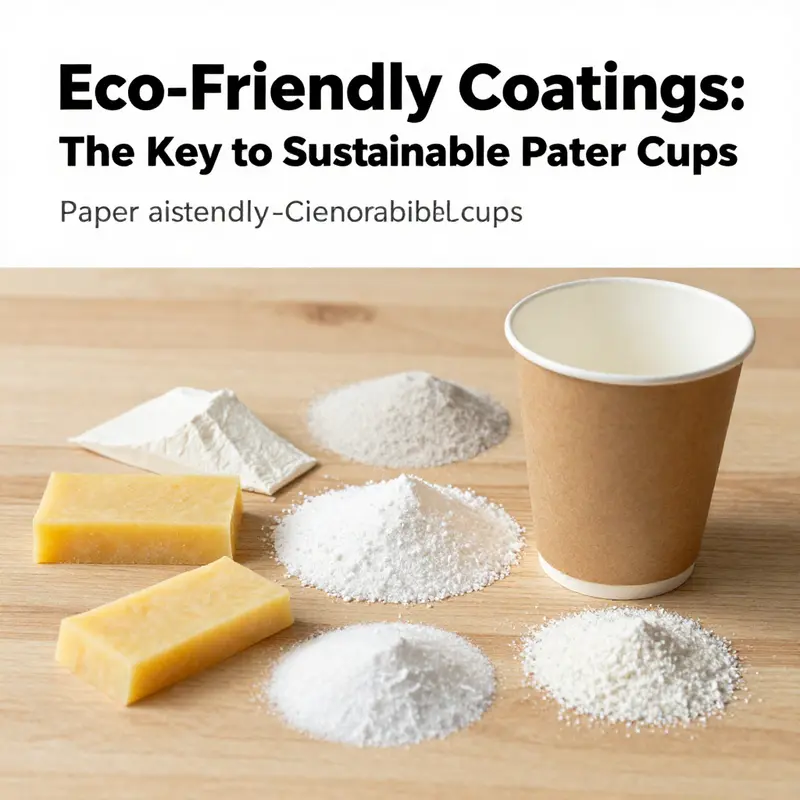
Coating paper cups so they resist liquids and oils while remaining truly compostable is a delicate engineering challenge. The core requirement is straightforward on the surface: create a barrier that prevents liquids and fats from penetrating the cellulose structure, yet allows the finished cup to break down in an industrial composting process without leaving toxic residues or persistent polymers. The most widely adopted solution to this challenge has been polylactic acid, or PLA, a bio-based polymer derived from renewable plant resources such as corn starch or sugarcane. PLA has become the de facto benchmark because it offers a favorable balance between barrier performance and biodegradability. It forms a thin, continuous layer that keeps beverages from soaking through and prevents oily foods from weakening the cup’s mechanical integrity. In industrial composting facilities, PLA-coated cups can decompose under controlled conditions, typically in the heat range around 58 to 60 degrees Celsius with high humidity, turning into water, carbon dioxide, and a nutrient-rich organic matter. The absence of persistent residues distinguishes PLA-coated cups from conventional petrochemical coatings and aligns them with broader sustainability goals that seek to close the loop on packaging materials.
Yet PLA is not the terminus of this technological arc. The search for alternative coatings is driven by several practical constraints. First, there are economic and supply considerations. While PLA is technically mature and scalable, its cost can fluctuate with agricultural feedstock prices and the availability of fermentation capacity. Regions without robust biopolymer supply chains may face higher costs or longer lead times. Second, performance under real-world use continues to be a moving target. The coating must withstand hot beverages, cold beverages, and the presence of oily foods, all while remaining compatible with the printing inks used to brand or label the cup. Third, end-of-life stewardship imposes additional requirements. Not all PLA formulations are equally compatible with every industrial composting stream or with the mix of materials typically found in a composting facility. These constraints have spurred a spectrum of research into alternative, plant-based, or biobased coatings that could either supplement PLA or, in some markets, eventually replace it.
Among the most actively explored substitutes are plant-based waxes and certain cellulose- and starch-derived formulations. Plant-based wax coatings—made from naturally occurring waxes such as soy or other plant-derived waxes—offer natural film-forming properties and can contribute to moisture resistance. They tend to form smooth, bondable layers that are relatively straightforward to apply in existing coating lines. However, the waxes’ performance in heat and long-term moisture exposure can be uneven, especially for hot beverages or fatty foods that demand stronger barrier strength. The wax-based routes are attractive when the goal is to emphasize renewability and minimize reliance on synthetic components, but they often require careful optimization to meet the stringent barrier demands of a popular, hot-drink ecosystem.
Chitosan, a natural polysaccharide derived from shellfish shells, has emerged as an intriguing candidate because of its robust biodegradability and notable antimicrobial properties. In theory, chitosan coatings can improve the barrier properties of the paper itself without introducing non-biodegradable residues. In practice, though, cost remains a substantial hurdle, and scale-up faces challenges related to the viscosity of chitosan solutions and the need for precise film-forming conditions. The gains in antimicrobial performance also raise questions about how such coatings would interact with the broader composting environment and whether microbial communities in industrial facilities would be affected in unintended ways. These considerations mean chitosan remains more common in niche applications or in experimental contexts rather than as a mass-market replacement for PLA.
Cellulose derivatives and modified starches also show promise as sustainable barrier materials. Cellulose nanofibrils or other cellulose-based films can deliver excellent barrier properties with the added advantage of high renewability and compatibility with existing paper-based substrates. When used in combination with other biobased layers, these derivatives can form multi-layer, laminated structures that improve wetting resistance and reduce liquid ingress. Modified starches can contribute to film rigidity and barrier performance, but they face moisture sensitivity concerns. The challenge is to craft a coating system that remains effective under hot and fatty food exposure while still degrading efficiently in industrial composting facilities. These cellulose- and starch-derived approaches underscore a broader principle: the best alternatives may not be a single material but a carefully engineered combination that leverages complementary properties.
Natural waxes, including beeswax and other plant-derived waxes, offer additional avenues for renewable barrier coatings. Waxes can impart hydrophobic surfaces and reduce liquid penetration, often with modest processing changes to existing coating lines. However, wax coatings can sometimes crack or delaminate if stressed by temperature fluctuations or mechanical handling during packaging and distribution. In many cases they are used as part of a multi-layer strategy, pairing a waxy outer layer with an inner biobased film that addresses heat resistance and fat migration. The evolving picture suggests that waxes may be most effective when integrated into a broader, multi-material system rather than relied upon as a stand-alone solution.
What unites these alternatives is a shared ambition: to broaden the raw-material base of compostable coatings while protecting the functional integrity of the cup. The long-term objective is to diversify feedstocks beyond corn or sugarcane, reducing dependence on any single crop and improving resilience against price swings or supply shocks. At the same time, developers must ensure that new coatings do not compromise compostability, do not introduce toxic residues, and do not hinder the facility’s ability to process the stream efficiently. The practical path forward often involves a hybrid strategy, where a PLA layer remains the primary barrier while supplementary bio-based coatings contribute to moisture resistance, heat stability, or antimicrobial considerations in targeted applications.
From a lifecycle perspective, the shift toward alternative biobased coatings aligns with broader environmental objectives. The idea is to recapture value within a circular economy by enabling compost facilities to transform packaging into compost rather than to accumulate non-degradable waste. The most credible assessments emphasize that the environmental benefits depend on the entire chain: sustainably sourced feedstocks, efficient production processes, proper end-of-life management, and the presence of industrial composting infrastructure capable of achieving the necessary temperatures and retention times to drive complete degradation. In regions where industrial composting facilities are scarce or underutilized, coatings that rely on high-temperature, controlled environments may not perform as intended. This reality underscores the need for clear standards and robust certification frameworks that can guide manufacturers and consumers toward truly compostable choices rather than simply “biobased” labels.
A practical lens helps illuminate the stakes. Consider how a cup designed for hot coffee or a greasy pastry must resist leakage and maintain structural integrity during short-term use, all while remaining compatible with labeling, printing, and sealing processes. The coating must also maintain gloss and opacity suitable for branding, or at least not compromise readability and consumer recognition. When a family of alternative coatings is evaluated, the metrics extend beyond barrier strength. They include process compatibility with existing coating lines, curing times, cost per unit, availability of feedstocks, and the facility conditions under which compostability is verified. The reality is that no single material currently matches all the performance requirements across diverse use cases. The strongest strategy is often a well-engineered combination: a sturdy primary biobased barrier with optional supplementary layers that address niche demands without sacrificing overall compostability.
The discussion of coatings would be incomplete without touching on life-cycle considerations and end-of-life logistics. Even when a coating is labeled compostable, its environmental performance hinges on the efficiency and reliability of the composting stream. Industrial facilities set up to handle PLA-based materials can process these coatings to yield compost and non-toxic residues. However, not all facilities accept every type of biobased coating, and some may require pretreatment or specific process controls to prevent cross-contamination with non-biodegradable packaging during sorting. In this sense, the emergence of alternative coatings is as much about harmonizing material science with waste-management infrastructure as it is about material properties. Policy signals, industry standards, and third-party certifications play a critical role in guiding manufacturers and buyers through a landscape that is evolving rapidly.
Amid this complexity, the dominant narrative remains that PLA currently offers the best-known compromise between barrier performance and compostability. It is technically mature, scalable, and broadly compatible with existing production lines. Yet the research and development community continues to explore new biobased barrier materials to diversify options, reduce reliance on a single feedstock, and tailor performance for specific beverage types, temperatures, and fat contents. In practice, the most resilient packaging strategies may combine PLA with tailored biobased topcoats or interlayers, enabling precise control over barrier properties while preserving the compostability profile. The path forward invites collaboration across material science, packaging engineering, composting facility operators, and regulators to codify performance expectations, testing protocols, and end-of-life pathways that reflect real-world use.
The larger implication for the packaging ecosystem is clear. If the industry can expand the portfolio of viable, scalable biobased coatings, it can reduce the carbon and resource intensity associated with disposable cups while preserving the user experience. The consumer still wants a cup that performs reliably, looks appealing, and disappears into the compost pile without leaving harmful residues. The chapter’s core questions then become practical: Which materials offer the best balance of heat resistance, moisture barrier, and oil resistance? How can we combine different biobased layers to meet a given performance target at a competitive cost? What standards should we adopt to ensure that a cup labeled “compostable” actually decomposes under real industrial composting conditions? And how can we align production capacities with end-of-life infrastructure to realize the promised environmental benefits?
To bring these questions into sharper relief, it is useful to anchor the discussion in examples of how coatings are applied and tested in industry. The base paper, the substrate, and the coating are all part of a system. The substrate—paper—provides structure and rigidity. The coating supplies the barrier and interaction surface. The interface between coating and paper dictates adhesion, permeability, and potential delamination under stress. The choice of coating material influences not only barrier performance but also printing compatibility, sealability, and the ability to withstand label attachments or lid closures. Testing protocols evaluate water contact angles, oil resistance, heat exposure, and the pace and extent of biodegradation in industrial composting environments. In real-world terms, a cup should not soften when hot coffee migrates moisture; it should resist oil leaching from snacks; and it should break down within the expected timescale in a compost facility, leaving behind a nourishing residue rather than fragments of plastic.
The ongoing research into alternative coatings is also being shaped by the broader push toward zero-waste packaging. Industry stakeholders are actively exploring feedstock diversification to increase resilience against droughts, pests, or crop yield fluctuations that can impact PLA supply. They are experimenting with coating architectures that reduce the total thickness of synthetic-like layers while preserving barrier integrity, a strategy that can lower material costs and improve process efficiency. And there is a continuous interest in improving end-of-life logistics, ensuring that compostable cups can be collected, sorted, and processed in ways that minimize contamination with non-biodegradable materials. The result is a more nuanced market landscape where PLA remains a reliable baseline, but a family of alternative coatings is gradually expanding the envelope of what is possible.
Practically speaking, readers who operate facilities or who make purchasing decisions for foodservice venues can benefit from understanding the tradeoffs involved. PLA-coated cups deliver dependable performance for a broad array of use cases and are readily integrated into existing manufacturing lines. If a venue prioritizes renewability and a robust composting story, PLA is a compelling option, provided the end-of-life infrastructure can support it. For applications that require enhanced oil resistance or exceptional heat stability beyond the capabilities of PLA, researchers are testing a range of biobased coatings that can either supplement or, in some regions, partially replace PLA, depending on regional composting standards and feedstock availability. The evolving toolkit offers the possibility of cooling the cost curve while expanding the environmental benefits of disposable cups. Even as PLA remains the workhorse, the exploration of alternatives reflects a dynamic field responding to the intertwined challenges of performance, cost, and sustainability at scale.
In the spirit of connecting theory with practice, consider how designers, manufacturers, and operators can collaborate to make more sustainable cups a practical reality. Collaboration helps translate laboratory breakthroughs into coatings that survive the handling, stacking, and transport that characterize commercial foodservice. It also supports standardization efforts that clarify which coatings are compatible with particular composting processes, how long dewatering or curing steps should be, and what post-consumer streams should expect once cups enter the facility. When this alignment occurs, the transition from lab to landfill away from single-use plastics becomes smoother and more defensible. The trajectory is not a single-material fix but a portfolio approach, one that accepts current PLA strengths while embracing additional biobased coatings to address gaps in heat resistance, oil-barrier performance, or supply resilience.
To ground the discussion in accessible resources, practical readers can examine real-world product catalogs that illustrate how these coatings are deployed in everyday cups. For an example that speaks to the everyday use-case of cold and hot beverages in a take-away context, you can refer to Disposable single-wall paper ice-cream cups with lid eco-friendly food-grade. This internal reference demonstrates how a compact cup design must harmonize coating performance with aesthetics, printability, and consumer expectations. Such references remind us that the coating decision is not isolated from the cup’s overall design and function but is rather an integral piece of a broader system aimed at responsible consumption.
Looking ahead, the coating landscape for paper cups is poised to broaden in ways that strengthen both performance and sustainability. Advances in biobased chemistry, film-forming techniques, and process optimization hold promise for coatings that deliver stronger oil barriers, improved heat resistance, and faster industrial composting times. The challenge is to translate these advances into scalable, cost-effective solutions that fit within diversified supply chains and varied regulatory environments. If the industry can sustain the momentum—balancing innovation with rigorous end-of-life evaluation—paper cups can gently but decisively move toward a zero-carbon, truly circular packaging footprint. The forward path will likely include a mix of refined PLA formulations, enhanced plant-based coatings, and smart integrations of cellulose- or starch-derived interlayers that together offer a robust, renewably sourced, compostable coating portfolio. In that sense, the evolution of cup coatings mirrors a broader shift in materials science: moving from single-material fixes to deliberate, systems-level design that respects both performance demands and planetary boundaries.
For readers seeking a more textured, policy-informed understanding of how these coatings relate to broader composting standards and industry practices, a foundational resource offers authoritative context on materials, properties, and industrial composting standards. External perspectives from established industry bodies underscore the rigor behind claims of compostability and the necessity of standardized testing to avoid misperceptions about biodegradability. In practice, this means recognizing that coatings labeled as compostable must meet defined criteria under controlled conditions. It also means acknowledging that home composting environments, municipal composting infrastructure, and the specific effluent streams of each facility can influence the actual end-of-life behavior of coated cups. The conversation, therefore, remains both material-science-driven and systems-oriented, requiring ongoing collaboration across disciplines, geographies, and regulatory landscapes.
In sum, while PLA currently anchors the market for compostable cup coatings, a constellation of alternatives is emerging to diversify performance, supply security, and end-of-life outcomes. The future of paper cup coatings is not a single replacement but a calibrated ensemble of materials and technologies that can be matched to specific use cases, environmental goals, and local composting capabilities. Achieving that future will demand continued research, shared testing protocols, and transparent communication about what “compostable” means in practice. Only then can the packaging industry reliably deliver cups that not only perform in cafés and on campuses but also contribute meaningfully to a cleaner, more circular economy.
For those seeking deeper engagement beyond this narrative, the landscape is supported by ongoing industry discussions and standards development. Those who want to explore the broader discourse around compostable materials and the certification frameworks that guide industrial composting can consult authoritative resources that summarize material properties, composting conditions, and facility capabilities. Such resources help translate the nuanced chemistry of biobased coatings into pragmatic decision-making for manufacturers, retailers, and institutions committed to sustainable packaging.
Internal reference for further reading: if you are curious about how these material choices translate into real-world cup formats and use cases, see the example of Disposable single-wall paper ice-cream cups with lid eco-friendly food-grade. This reference illustrates how coating choices influence not only barrier performance but also the practicalities of production, branding, and consumer interaction. Disposable single-wall paper ice-cream cups with lid.
External resource for broader context: for a rigorous look at PLA properties, industrial composting standards, and the range of bio-based coating technologies, see https://www.plasterecycling.org/.
Coatings at the Crossroads: Balancing Performance and Compostability in Paper Cups
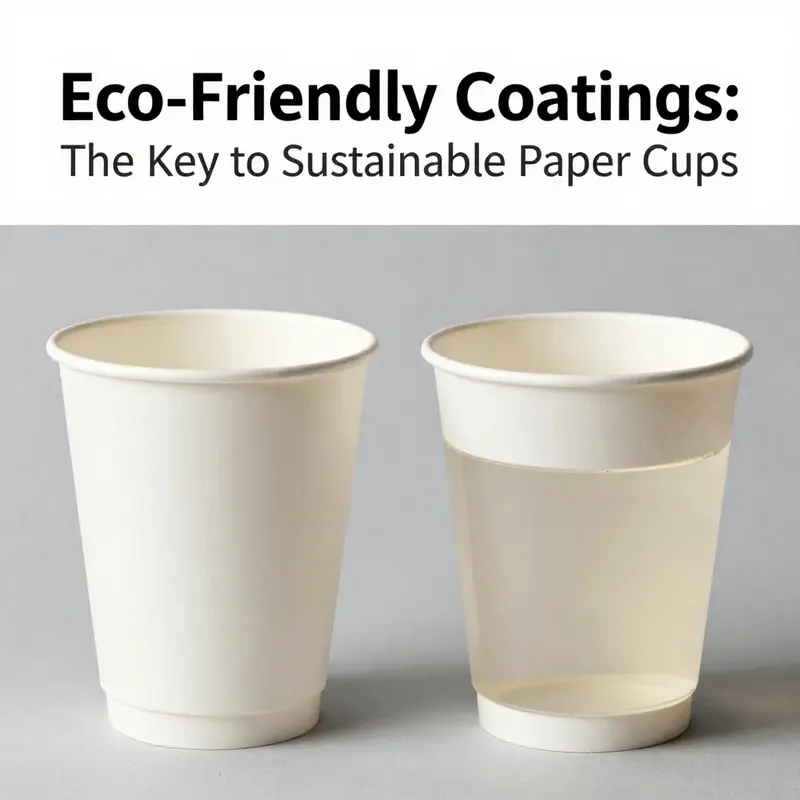
Coatings are a quiet layer that does a loud job. They sit between the paper and the contents, keeping liquids from wicking out and fats from breaking through, while quietly asking a larger question about the cup’s end of life. In a world that increasingly prizes compostability, the coating on a paper cup becomes less a mere performance feature and more a strategic decision about how a disposable item can participate in a circular economy. The central tension is simple on the surface and complex in practice: a coating must guard against leaks and seepage, remain safe for a wide range of beverages and foods, and yet be able to break down responsibly in an appropriate waste stream. The choice of coating, therefore, is not only a technical matter of barrier performance; it is a statement about material compatibility, manufacturing feasibility, consumer expectations, and the availability of industrial infrastructure that can accept and process coated cups after use.
Historically, the interior barrier of many paper cups has been a plastic film, applied as a thin layer to the paperboard. This approach delivers dependable liquid resistance and grease resistance, which translates into reliable performance for both hot and cold beverages. Cups with such coatings can withstand the heat of a hot drink for long enough to satisfy customers and fit the workflow of busy cafés. Yet that same plastic layer complicates the cup’s end of life. When a polymer like polyethylene—a common interior coating—remains as part of the cup, recycling streams and composting facilities face a thorny problem. Polyethylene is not biodegradable, and its presence can hinder biological breakdown in standard industrial processes. Even when the paper itself would otherwise break down, the coating acts like a barrier to the pace and completeness of degradation. The consequence is a cup that, while excellent in use, may not align with ambitious compostability goals, especially in places where industrial composting infrastructure is robust and standardized.
This functional-versus-end-of-life dichotomy has driven a search for alternatives that preserve the strength and reliability users expect while offering a pathway to more sustainable disposal. Among the alternatives, plant-based coatings have attracted significant attention. Polylactic acid (PLA), derived from renewable resources such as cornstarch or sugarcane, offers a barrier that is designed to be industrially compostable under proper conditions. PLA appears to provide a comparable level of liquid resistance to traditional plastics, but with a more favorable end-of-life profile when facilities and standards align. The promise is straightforward: a coating that behaves like a barrier while contributing less to persistent plastic waste. The reality, however, is nuanced. The performance of PLA coatings is highly dependent on access to dedicated composting infrastructure and the ability of facilities to maintain the conditions required for industrial composting. Some formulations push the boundary of heat resistance and moisture, but the practical performance of PLA-coated cups can still falter at very high temperatures or in less-than-ideal storage environments. In other words, PLA can be a meaningful improvement over traditional plastics, but it is not a guaranteed universal solution for all cups and all workflows.
Beyond PLA, other plant-based coatings have been explored, including plant-based waxes such as soy or rice wax and various modified starches. These materials can provide adequate liquid resistance in many situations, yet they tend to show more pronounced limitations when faced with hot liquids, greasy foods, or aggressive friction. Their barrier properties can degrade over time, and their performance under repetitive use or extended exposure is not always consistent with the expectations of large-scale foodservice operations. Consequently, while waxes and starch-based coatings contribute to the portfolio of options, they are generally less widely adopted than PLA for applications that demand a higher level of barrier performance and stability in the short, medium, and long term.
The core reason PLA and similar bio-based coatings are compelling is not only their renewable origin but also their alignment with the concept of industrial compostability. When facilities are designed to process such materials, and when standards are clearly defined and enforced, a PLA-coated cup can break down into compost rather than contributing persistent plastic fragments. The critical caveat is that compostability is a function of infrastructure. A PLA-coated cup can behave like a traditional plastic in a standard landfill or recycling stream, and without appropriate composting, its environmental advantage disappears. This means that the environmental benefit of coating choice hinges on the availability of controlled composting environments, the correct sorting and acceptance by facilities, and the ability to verify and certify that the coating actually degrades as intended. Without these conditions, the coating’s end-of-life advantage is less certain, and the environmental trade-off returns to performance and cost.
The decision about which coating to deploy in a given paper cup often falls into a broader conversation about manufacturing cost and supply chain realities. Polyethylene coatings, despite their well-documented limitations for compostability, have long been favored for their low cost, process compatibility, and proven track record. They are a reliable solution in terms of barrier performance, heat tolerance, and mechanical resilience. For busy foodservice environments that demand speed, predictability, and scale, PE-coated cups have remained widespread. The economic efficiency of PE cannot be overlooked; it anchors a large portion of current disposable cup production and distribution. Yet the environmental imperative to reduce plastic waste continues to push manufacturers to experiment with more sustainable formulations and to reimagine the entire lifecycle of the cup—from the raw materials used to the post-use handling in composting facilities.
One of the central questions, then, concerns the specific barrier requirements for different beverage and food applications. A coffee cup that must cradle a hot beverage will demand a higher heat resistance and moisture barrier than a cup intended for cold drinks or a light snack. Grease resistance, in particular, is a critical parameter when fats or oils are part of the food offering. Failure in this aspect can lead to delamination, leakage, or a compromised structure that irritates users and increases waste. The degree of barrier performance required by a product shapes the choice of coating. PLA, for instance, has evolved through processing improvements and formulation tweaks to deliver barrier properties that can rival those of conventional plastics under the right conditions. However, heat and oil exposure remain key stressors that can influence the long-term performance of a PLA coating. This reality has spurred continued research, testing, and refinement in both materials science and manufacturing processes.
From a lifecycle perspective, the coating is a single material choice with outsized implications for end-of-life management. For a cup designed to fit into an industrial composting stream, the coating must be compatible with the composting process and should not hinder the breakdown of the paper matrix itself. Certification schemes, such as those that evaluate industrial compostability, provide a framework for manufacturers to communicate the expected fate of the coated cup. These certifications help waste managers determine whether a cup is accepted in a particular facility and what guidelines are needed to sort and process the cup correctly. In practice, however, not all facilities can accommodate every coating type. Some facilities are optimized for specific feedstocks, processing temperatures, and moisture levels. The absence of universal infrastructure can mean that even a seemingly ideal coating may underperform at scale simply because the processing context is misaligned with the material’s design.
The story of coatings in paper cups is also a story about the broader circular economy. A circular approach aspires to keep materials in use, recover value, and minimize environmental impact. When a coating can be broken down in an industrial composting facility and the paper fibers can be recovered or repurposed, the cup moves closer to that circle. Yet the path is not uniform across regions. In many places, industrial composting capacity remains unevenly distributed. In others, the waste system prioritizes recycling or energy recovery, with can liners or packaging materials treated as separate streams. The coating choice, then, becomes a strategic decision about how to align with local and regional waste management realities while still delivering on consumer expectations for both performance and environmental responsibility.
Even within a single product line, the coating strategy may vary over time as market conditions, regulatory signals, and waste-management capabilities evolve. A manufacturer might pilot a PLA-based barrier in one region and maintain PE-based systems in another, depending on the availability of composting facilities and the regulatory environment. This reality underscores the need for transparent labeling and certification so that retailers, waste managers, and consumers can understand the intended fate of the cup after use. Clear communication helps prevent misaligned expectations. It also supports data-driven decisions about future material choices, where the tradeoffs between barrier performance, cost, and end-of-life outcomes are weighed against the goals of the local waste system and the corporation’s sustainability targets.
In considering the full story of coatings, it is important to recognize that the end-of-life question is not binary. Some cups are designed with multi-layer approaches, or with coatings that can be processed separately in advanced facilities. Others are developed with a focus on home-compostability, a path that requires even more stringent conditions and widely available home composting infrastructure, which remains uneven across regions. The science and policy landscape around compostability continues to mature, but the practical realities of today mean that most “compostable” cups operate within an industrial context. This nuance matters because it shapes both consumer behavior and policy goals. Consumers often assume that “compostable” means any composting facility will accept the cup, but the truth is that the acceptance criteria vary by facility and by the coating’s compatibility with the composting process. In the absence of universal acceptance, the real-world impact of a compostable coating is contingent upon the governance and capability of the waste-stream system into which it enters.
As researchers and industry practitioners push toward more sustainable options, the conversation around coatings also intersects with manufacturing efficiency and the economics of scale. PLA coatings, for all their advantages in end-of-life performance, may require adjustments to printing and lamination processes to maintain printability, surface quality, and adhesion to the paper substrate. The interaction between coating and ink, as well as the potential need for surface treatments or primers, can influence the overall production cost and the speed of line cycles. In high-volume operations, even small changes in processing steps can ripple through the supply chain, affecting lead times, waste generation, and energy consumption. Therefore, the drive toward alternative coatings is not only about environmental credentials but also about maintaining reliability and efficiency at industrial scales.
From a consumer perspective, the coating becomes part of the sensory and practical experience of using a cup. A coating that remains opaque or discolors over time can influence perceptions of quality. The textural feel of the interior, the smoothness of the surface, and the absence of off-tastes or odors all contribute to a positive experience. Any changes to the coating that might improve recyclability or compostability must still preserve a pleasant, functional user experience. This interplay between form, function, and disposal is at the heart of responsible product design for disposable beverageware. The industry continually seeks to strike a balance where performance in the cup does not compromise the broader goals of material stewardship.
In exploring the lifecycle and material science of coatings, it is useful to consider how the debate plays out in communication with stakeholders across the supply chain. Designers, manufacturers, waste managers, policymakers, and consumers each carry a different set of priorities. Designers focus on barrier properties and compatibility with branding and printing; manufacturers weigh cost, throughput, and process compatibility; waste managers seek materials that fit their sorting and treatment capabilities; policymakers emphasize clear standards and incentives; and consumers look for straightforward, trustworthy information about end-of-life. The coating choice then becomes a cross-cutting decision that must harmonize these diverse priorities. It is not merely about a material’s intrinsic properties but about how those properties resonate through the entire system—from production lines to sorting facilities to composting bins.
To illustrate the practical implications of these considerations, one may reflect on the broader supply context. When an institution or business commits to a particular coating strategy, it signals its alignment with a broader waste-management framework. If a facility or municipality can accept industrially compostable cups and sustain a robust collection stream, a PLA-based coating can offer meaningful environmental benefits without sacrificing performance. If, however, the local waste system is designed primarily for recycling or energy recovery, a PE-coated cup may be more appropriate in the short term, even if it carries a higher environmental footprint. In such cases, the responsible action is to pair the coating choice with clear end-of-life guidance, robust labeling, and transparent documentation that helps waste managers, haulers, and end-users make informed decisions about disposal. The ultimate objective is not a single material triumph but a coherent approach that aligns product design with the realities of waste infrastructure, regulatory expectations, and consumer behavior.
The conversation about coatings also invites reflection on how future innovations might unfold. Material scientists continue to explore coating chemistries that can deliver superior barrier properties while maintaining the degradability or recyclability of the base paper. Some research focuses on multi-layer systems that separate barrier functions from adhesion and printability concerns, allowing the inner barrier to be compostable while the outer layers manage mechanical performance. Others investigate bio-based polymers that can be tailored for specific end-of-life pathways, enabling more precise control over degradation kinetics and byproducts. The challenge, of course, is delivering these sophisticated materials at a price point and with a reliability profile that meets the demands of mass manufacturing. The pace of progress will be shaped by advances in material science, improvements in composting and recycling infrastructure, and the evolving expectations of consumers who are increasingly mindful of the plastics problem and are eager for tangible progress toward circular solutions.
A broader read of these developments would benefit from examining the scientific literature that analyzes the fundamental interactions between coatings, paper substrates, and the polymers used in barrier layers. Such literature helps decode why certain coatings perform better with certain beverages, how moisture transport is mitigated, and what conditions most strongly influence degradation or persistence in waste streams. It also clarifies the nuanced differences between laboratory barrier tests and real-world performance in busy service environments. While lab results provide critical insights, translating them into scalable, market-ready solutions requires careful consideration of processing windows, coating adhesion under mechanical stress, and compatibility with printing and graphic decoration, which—the aesthetic layer of the cup—remains a decisive factor for consumer choice.
The dilemma remains: how to reconcile exceptional in-cup performance with a credible, scalable end-of-life story. The answer is not a single material fix but an integrated approach that considers infrastructure, certification, consumer communication, and ongoing research. It requires transparency about what a coating is designed to do, and what it is not designed to do. For instance, a PLA coating may be marketed for its industrial compostability, but its end-of-life advantage hinges on the presence of industrial composting facilities and adherence to standards that govern compostability. Without those conditions, the coating’s environmental benefit is uncertain. Conversely, a PE coating offers robustness and cost efficiency, yet its recycling and compostability limitations demand careful waste-management strategies to minimize environmental impact.
This integrated perspective underscores why the coatings chapter is essential to understanding the entire lifecycle of paper cups. It is not just about the immediate performance inside a café or a food-service setting. It is about how the choice of coating shapes the material’s journey after use, how that journey interacts with local waste systems, and how consumers are guided in disposing of cups in ways that maximize environmental benefits. It also highlights the ethical dimension of material design: choices made at the manufacturing stage ripple outward, influencing the effectiveness of waste-management strategies, the clarity of consumer messaging, and the ultimate environmental footprint of disposable cups.
For readers who want to explore the practical implications further, consider examining how coatings affect real-world use patterns across different beverage applications. While hot drinks demand stronger barrier performance and heat stability, cold beverages may tolerate a lighter barrier. The coatings chosen for one scenario may be well-suited for another if the end-of-life framework is compatible with the material’s properties. The nuanced reality is that no single coating can meet every requirement perfectly across every context. Instead, stakeholders must collaborate to map local waste capabilities, consumer expectations, and manufacturing constraints to pick coatings that deliver functional reliability today while paving the way for more responsible options tomorrow.
In closing, the coating that lines the interior of a paper cup is more than a technical detail. It is a hinge point between performance and responsibility, a material choice that influences what happens to the cup after it has fulfilled its intended function. The future of paper cups will be shaped by coatings that can deliver robust barriers, support efficient production, and integrate with the waste-management networks that collect and treat cups after use. As the industry experiments with PLA, waxes, modified starches, and other innovations, the guiding principle remains clear: design for use, design for disposal, and design for a circular economy that can absorb the next generation of disposable beverages.
For a deeper scientific treatment of these materials and their environmental implications, see the following authoritative source: https://www.sciencedirect.com/science/article/pii/S095605422300187X
customized disposable single-wall paper ice cream cups with lids
Final thoughts
Coated paper compostable cups are an essential investment for any beverage-related business looking to align with sustainability goals without sacrificing usability. The dominant use of PLA as a coating material showcases both innovation in biodegradable solutions and the commitment to reducing environmental impact. By exploring alternative coating materials and understanding their unique benefits, businesses can enhance their product offerings while catering to an increasingly eco-conscious clientele. The right choice in cup coatings is not only a nod towards sustainability but a promise of quality and performance that today’s consumers demand.