
Introduction
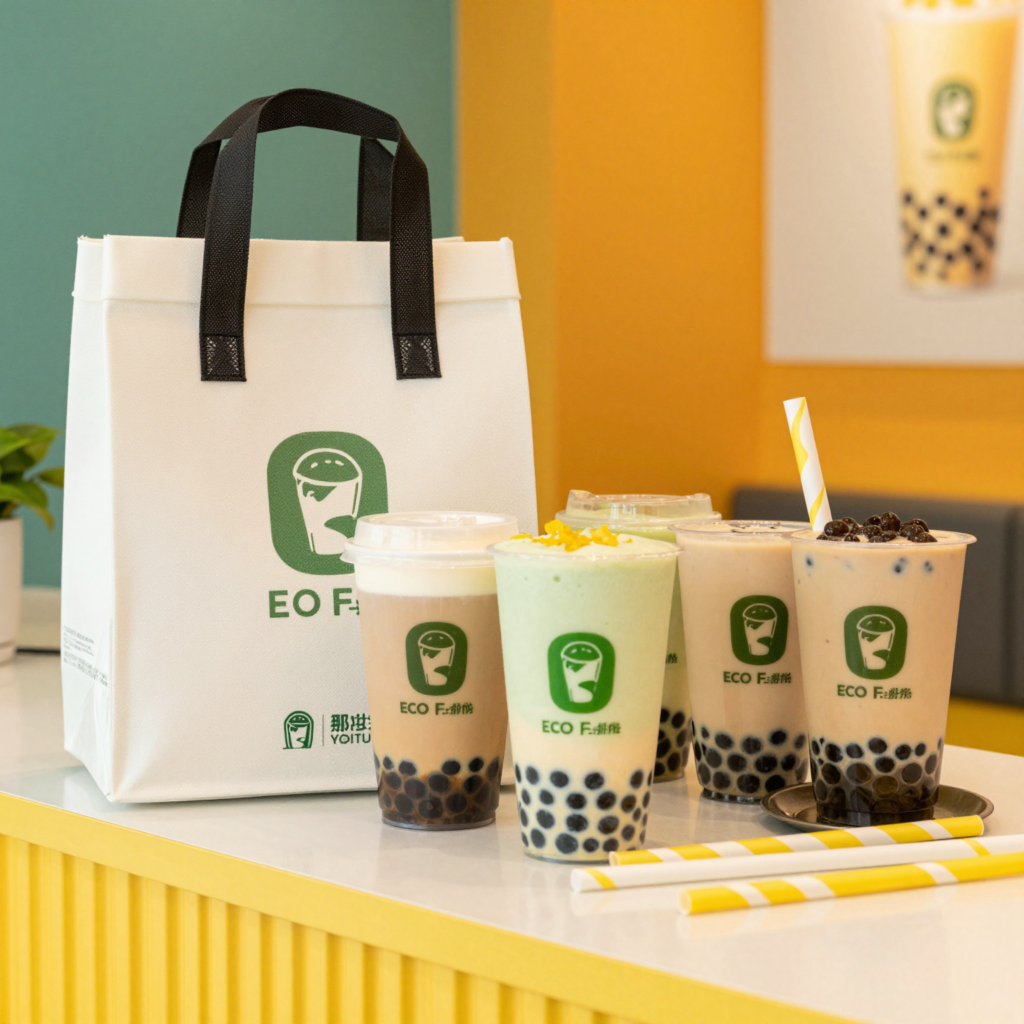
In today’s environmentally conscious world, the importance of eco-friendly food packaging cannot be overstated, particularly in the food service industry. Bubble tea shops and beverage chains are at the forefront of this sustainability movement, recognizing that the way we package our products can have a significant impact on the planet. With consumers increasingly leaning towards brands that prioritize environmental responsibility, embracing sustainable packaging solutions not only enhances your brand image but also satisfies the growing demand for greener practices. From biodegradable cups to compostable straws, eco-friendly options are available that can match the vibrant aesthetics of any bubble tea experience. By making a conscious choice towards sustainability, beverage retailers can play a crucial role in reducing plastic waste while appealing to a broader customer base. Join us as we explore the various options for sustainable food packaging and how they can transform your business into a more eco-conscious operation. Learn more about sugarcane cups and their benefits!
Benefits of Eco-Friendly Food Packaging
Eco-friendly food packaging is becoming increasingly popular among businesses, especially in sectors like bubble tea shops, restaurants, food trucks, and catering services. Here are some compelling benefits that make eco-friendly food packaging a wise choice:
Environmental Impact
- Reduced Waste: Eco-friendly packaging is often biodegradable, compostable, or made from recycled materials, helping minimize landfill contributions.
- Lower Carbon Footprint: Many eco-friendly options require less energy to produce compared to traditional plastic packaging, thus reducing greenhouse gas emissions.
- Sustainability: By utilizing renewable resources, businesses promote sustainability in the packaging industry.
Health Benefits
- Non-toxic Materials: Eco-friendly packaging is typically free from harmful chemicals like BPA, making it safer for both consumers and workers involved in the food preparation process.
- Preservation of Food: Many eco-friendly materials, such as those derived from sugarcane and other plants, have good moisture resistance and can help maintain food quality.
Enhanced Brand Image
- Attract Younger Consumers: Many consumers, especially millennials and Gen Z, prefer brands that prioritize environmental responsibility. Using eco-friendly food packaging can enhance brand loyalty among these demographics.
- Positive Customer Perception: Businesses that adopt eco-friendly practices are often viewed more favorably, improving their brand image and reputation. Research shows that sustainable packaging can significantly influence purchasing decisions, as consumers are more inclined to support brands that align with their values. (source)
- Competitive Advantage: As more businesses move towards sustainability, adopting eco-friendly food packaging can give a business a significant edge over competitors who continue to use traditional packaging methods.
These multifaceted advantages highlight how eco-friendly food packaging not only positively impacts the environment but also promotes health benefits and enhances brand reputation. It’s a win-win for everyone involved! For those looking to explore eco-friendly options in detail, check out our sugarcane cup benefits and how they can elevate your brand and operations!
Comparison of Eco-Friendly Packaging Materials
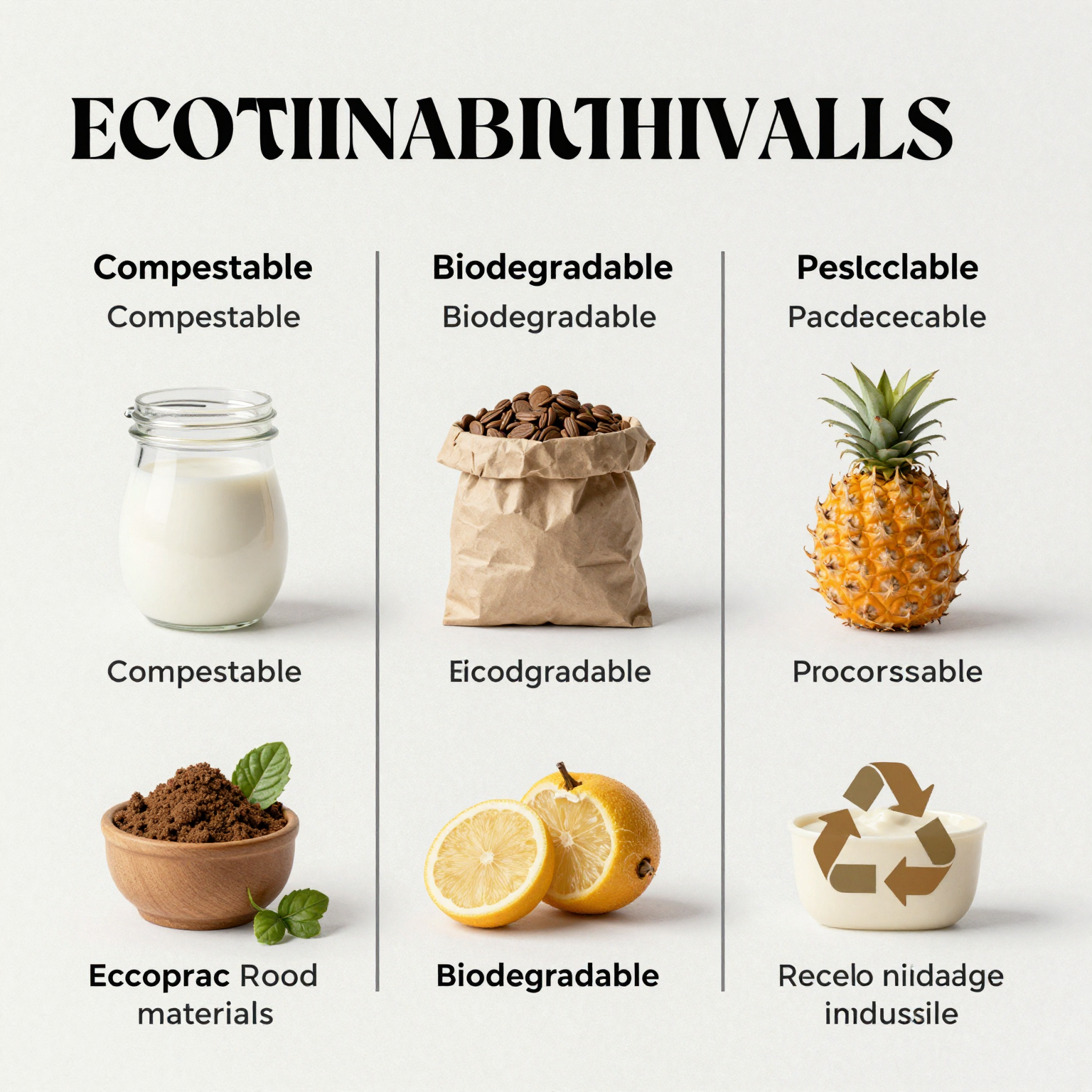
In the food industry, choosing the right packaging material is crucial for sustainability and environmental responsibility. Here’s a detailed comparison of three prominent types of eco-friendly packaging materials: compostable, biodegradable, and recyclable.
| Material Type | Sustainability Level | Cost Range | Usage Examples |
|---|---|---|---|
| Compostable | High | $0.15 – $0.30 each | Plant-based takeout containers, cutlery, straws |
| Biodegradable | Moderate | $0.10 – $0.25 each | Paper bags, plant-based films, food wraps |
| Recyclable | Moderate | $0.05 – $0.15 each | Aluminum cans, glass bottles, certain plastics |
Insights on Each Material Type
-
Compostable Packaging:
-
These materials are specially designed to break down in industrial composting facilities.
-
Best for single-use items such as takeout containers and utensils.
-
They meet stringent standards and can decompose within 90 days under the right conditions
-
For instance, PLA (polylactic acid) packaging, derived from cornstarch, is a popular choice due to its quick breakdown and low environmental impact.
-
Biodegradable Packaging:
-
While these materials do break down naturally, they can take longer and may require specific conditions to decompose fully.
-
They include options like paper bags and some types of food wraps.
-
Biodegradable packaging provides a solution for secondary uses, albeit at a slightly lower sustainability level compared to compostable materials.
-
Recyclable Packaging:
-
This type does not break down like compostables but can be collected and processed into new products.
-
Common examples are glass and aluminum containers.
-
Recycling rates can be affected by contamination from food residue, which may reduce the effectiveness of these materials.
Current Trends in Eco-Friendly Packaging
According to recent reports, compostable packaging has emerged as the fastest-growing segment in the food industry, with a significant adoption rate among major brands for primary packaging needs (Food & Beverage Sustainability Council).
Biodegradable materials maintain a strong presence for secondary packaging solutions due to their cost-effectiveness and versatility. Meanwhile, recyclable materials dominate rigid packaging applications but face challenges regarding consumer behavior and contamination in recycling streams.
Conclusion
Choosing the right packaging material for your food and beverage service not only enhances sustainability efforts but also aligns with consumer expectations. By integrating compostable, biodegradable, and recyclable options, businesses can significantly minimize their environmental footprint. For more information on specific eco-friendly products, consider visiting our resource section. Here’s a helpful infographic summarizing the comparisons of these eco-friendly packaging materials.
Case Study: Eco-Friendly Packaging Success at GreenBite Co.
GreenBite Co., a popular food truck operating in urban areas, faced growing concerns from consumers about the environmental impact of their food packaging. The rise in eco-consciousness among their clientele was evident, with customers frequently inquiring about sustainable packaging options. Realizing the need for change, GreenBite decided to switch to 100% eco-friendly packaging solutions.
Challenges Encountered
Transitioning to eco-friendly packaging wasn’t without its hurdles:
- Higher Initial Costs: The switch required an investment in new, sustainable products, which were more expensive than traditional options.
- Supplier Compatibility: Finding suppliers who could offer reliable eco-friendly materials proved challenging.
- Consumer Perception: Customers needed education regarding eco-friendly options and their benefits to the environment, which would influence their purchasing decisions.
Innovative Solutions
To address these challenges, GreenBite implemented the following strategies:
- Supplier Partnerships: GreenBite collaborated with suppliers specializing in sustainable materials, focusing on suppliers who offered favorable pricing structures for long-term partnerships.
- Consumer Education Campaign: They launched a marketing campaign to educate customers about the benefits of eco-friendly packaging, using social media to reach a wider audience.
- Cost Management: By gradually introducing the new packaging over a few months, they mitigated the financial shock and allowed time for customer acclimatization.
Positive Outcomes
The results were overwhelmingly positive:
- Increased Customer Loyalty: Customers appreciated the shift and many reported feeling proud to support a business committed to sustainability.
- Brand Enhancement: Media coverage praised GreenBite for their eco-friendly initiative, improving their brand image and attracting new customers.
- Sales Growth: Over the next year, GreenBite saw a 20% rise in sales, demonstrating that sustainability resonated well with their audience.
For more insights on sustainable packaging solutions, check out our articles on sugarcane cup benefits and customized octagonal paper bowls.
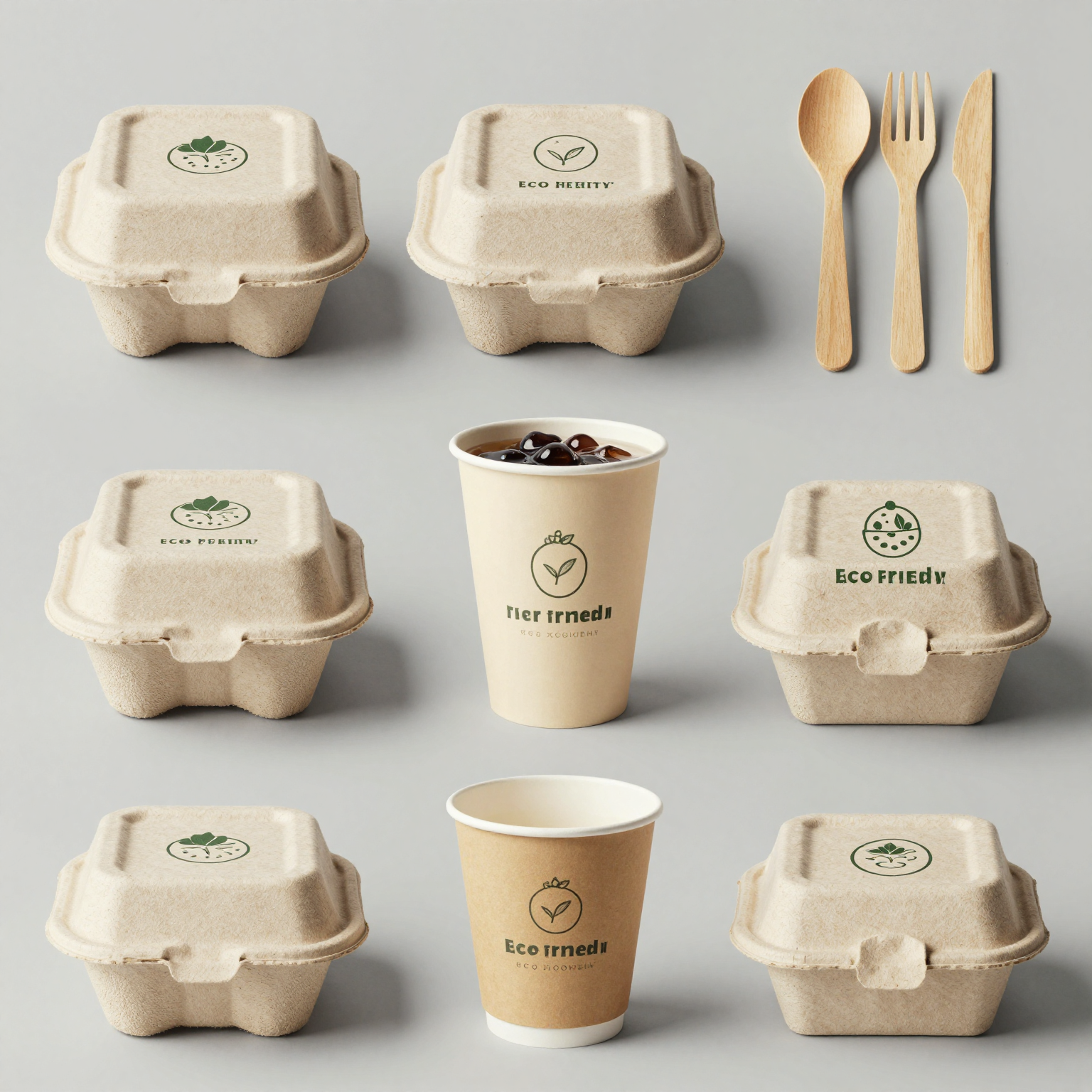
A visual representation of various types of eco-friendly food packaging suitable for bubble tea shops and catering services. The image includes examples like biodegradable boxes, cups, utensils, and other sustainable packaging solutions, designed to highlight their eco-friendly features.
Safety Standards in Eco-Friendly Food Packaging
Safety standards play a crucial role in the realm of eco-friendly food packaging. These standards ensure that all packaging materials used for food products comply with regulations designed to protect consumer health and safety. Food packaging must be made from materials deemed safe for food contact, and should not release harmful substances into food. Various regulatory bodies like the FDA in the United States and the FSSAI in India have set forth specific guidelines that packaging materials must adhere to.
Key Safety Regulations
The following regulations are essential for eco-friendly food packaging:
- FDA (U.S.): The Food Contact Substances program requires a safety assessment for materials that can come into contact with food. Any new materials must be reviewed under this program, ensuring they do not pose any health risks.
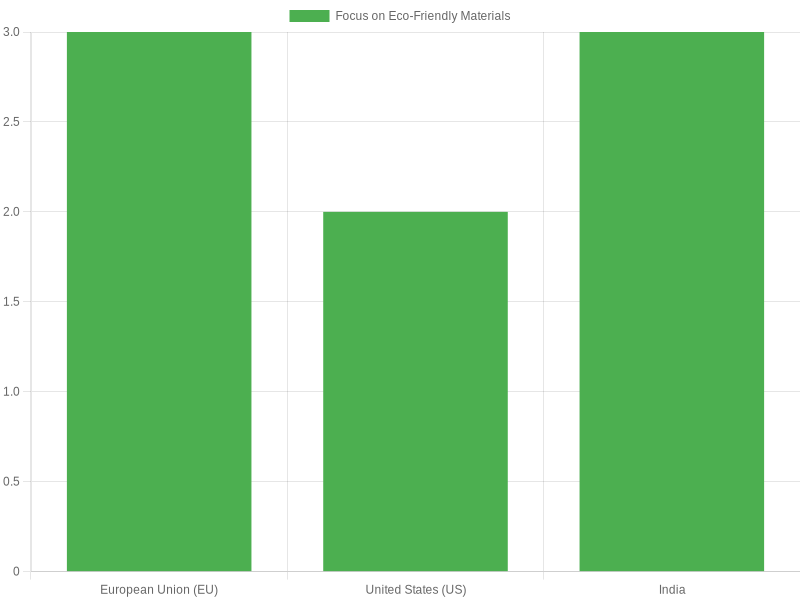
- European Union: The Regulation (EC) No 1935/2004 ensures that packaging materials do not transfer their constituents to food in quantities that could endanger human health. Recent updates also focus on recyclable and re-usable packaging solutions as part of the EU Green Deal.
- FSSAI (India): This organization mandates specific regulatory measures for food contact materials, emphasizing the need for testing for harmful chemicals, heavy metals, and adherence to standards that promote safe, biodegradable options.
Importance of Safety in the Food Sector
For businesses in the food sector, particularly event planners and catering services, safety cannot be overstated. Food-related incidents can lead to serious health concerns and legal ramifications. By adhering to rigorous safety standards, businesses can ensure that:
- Consumer Trust: Maintaining consumer safety fosters trust and loyalty, which are vital for repeat business and positive word-of-mouth advertising.
- Regulatory Compliance: Non-compliance with safety standards can lead to fines, product recalls, and damage to a brand’s reputation.
- Environmental Responsibility: By choosing eco-friendly packaging, businesses not only comply with safety standards but also contribute to sustainability efforts, reducing their carbon footprint.
Conclusion
In conclusion, safety standards in eco-friendly food packaging are not just regulatory obligations but core components that underpin a successful food business. By prioritizing safety, companies can enhance their brand image, comply with regulations, and protect their customers, while also contributing positively to the environment.
For more insights on sustainable materials, consider checking out our blog on sugarcane cups’ business benefits and the advantages of customized octagonal paper bowls.
“Transforming agricultural waste into biodegradable packaging not only reduces plastic pollution but also creates a circular economy model where waste becomes value. This approach is pivotal in achieving long-term sustainability in the food packaging industry.”
- Dr. Elena Martinez, Sustainability Expert
In an era of heightened environmental awareness, eco-friendly food packaging has become a key focus for businesses in the food industry. Meeting the needs of various stakeholders, from bubble tea shops to corporate procurement teams, is essential. By utilizing materials like biodegradable plastics and compostable options, you can align your business practices with sustainability goals. Learn more about the business benefits of sugarcane cups and how to incorporate customized octagonal paper bowls into your offerings for a greener future.

Overview of Market Growth
The eco-friendly packaging market, particularly in the food service industry, is experiencing significant growth due to increased consumer demand for sustainable solutions.
Key Statistics
- 2023 Market Value: $59.45 billion
- Projected Growth: Expected to reach approximately $107.3 billion by 2033
- CAGR: 6.08%
Growth Breakdown by Year
| Year | Market Value (USD Billion) | Growth Rate (YoY) |
|---|---|---|
| 2023 | 59.45 | – |
| 2024 | ~68.37 | ~15% |
| 2025 | 68.4 | ~1.3% |
| 2026 | 78.7 | ~15.0% |
| 2027 | 89.3 | ~13.5% |
| 2028 | 100.5 | ~12.5% |
| 2029 | 112.3 | ~11.7% |
| 2030 | 125.0 | ~11.4% |
| 2033 | 107.3 | ~-14.2% |
Note: The projected value for 2033 ($107.3 billion) appears inconsistent with the upward trend from 2023 to 2030, suggesting a potential error in data input or projection methodology. The market is generally expected to grow at a CAGR of ~6.08% through 2033 based on reliable sources (e.g., Grand View Research).
For a detailed analysis, you can check resources like Grand View Research and Eco-friendly Food Packaging Market Outlook.
Eco-Friendly Food Packaging Solutions
In the growing demand for sustainable practices, offering eco-friendly packaging solutions is a cornerstone for businesses like bubble tea shops, restaurants, and food catering services. Below are some key eco-friendly food packaging options:
-
Disposable Tableware: Made from biodegradable materials like sugarcane, these products reduce the environmental impact while offering stylish designs. These alternatives not only meet health standards but also enhance the presentation of your food service.
-
Packaging Paper: Utilizing kraft paper or recycled paper products minimizes waste and is fully recyclable. This versatile option is perfect for wrapping food, bags, and containers, helping to reduce plastic waste significantly.
-
Compostable Boxes: These boxes are made from renewable resources, such as bamboo and bagasse, and break down naturally in composting conditions. They are perfect for takeaway meals or event catering, offering a guilt-free packaging solution.
-
Biodegradable Cups: Cups made from materials like PLA (polylactic acid) and sugarcane are designed to decompose and reduce landfill burden. They are suitable for hot and cold beverages, providing versatility across various businesses.
-
Custom Food Containers: Tailored packaging solutions not only promote brand identity but also utilize eco-friendly materials. Learn more about customized octagonal paper bowls for a unique touch.
-
Sugarcane Cutlery: This type of cutlery is both sturdy and biodegradable, making it ideal for food trucks and outdoor events. Discover the benefits of sugarcane cutlery and how it can elevate your food service.
By incorporating these eco-friendly options into your food service, you not only comply with sustainability trends but also respond to consumer demands for responsible packaging.
In conclusion, embracing eco-friendly food packaging is not just an environmentally responsible choice; it is a strategic imperative for businesses today. As consumer demand shifts towards sustainability-highlighted by reports that indicate 73% of consumers are willing to alter their consumption habits for the environment-companies must respond proactively. Eco-friendly packaging not only improves brand reputation but also creates a competitive advantage in a crowded market. Moreover, businesses that transition to sustainable materials can benefit from operational efficiencies and compliance with emerging regulations, yielding long-term savings and enhanced customer loyalty. We encourage all beverage chains, restaurants, food trucks, and event planners to explore our exceptional packaging solutions tailored to your needs. Partner with us to ensure quality and reliability in your packaging choices. Together, we can contribute to a sustainable future while enhancing your brand’s commitment to eco-conscious practices. Learn more about our sugarcane cups and their benefits.