
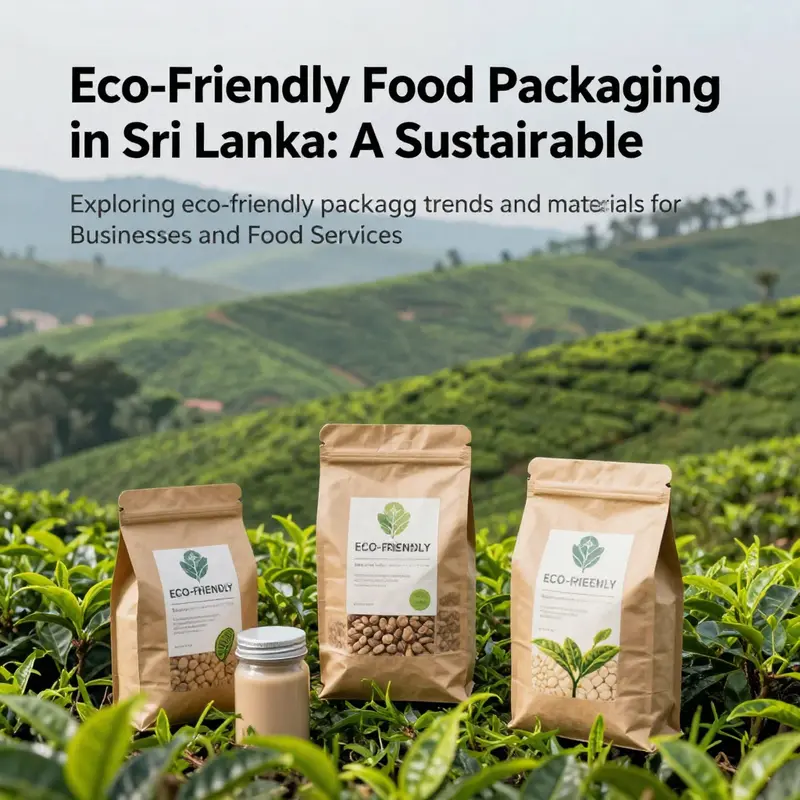
As the demand for eco-friendly food packaging surges in Sri Lanka, businesses across beverage chains, restaurants, food trucks, and catering services are noticing a significant shift in consumer preferences. This growing awareness around sustainability is not just a trend; it’s a fundamental change in the way businesses approach packaging. Chapter by chapter, we will explore the latest innovations and trends in eco-friendly food packaging, delve into sustainable materials focusing on biodegradable options, analyze the economic and environmental impacts, and discuss the challenges and opportunities that lie ahead in implementing these sustainable practices. Join us on this journey to understand how adopting eco-friendly food packaging can enhance your brand reputation while contributing positively to the environment.
From Coastlines to Cupboards: The Quiet Revolution of Eco-Friendly Food Packaging in Sri Lanka
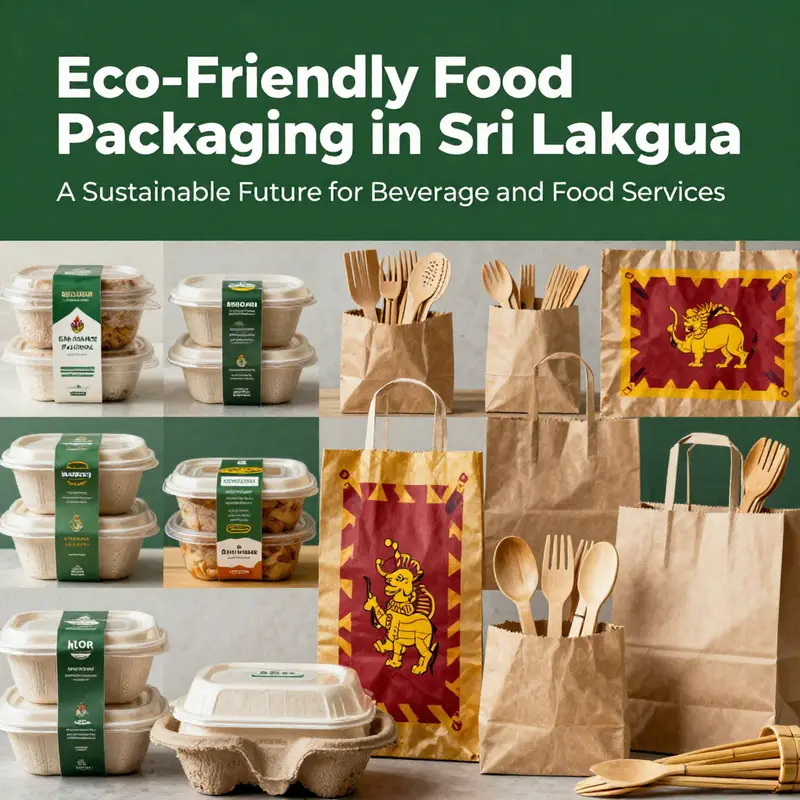
Sri Lanka stands at a pivotal moment where the demand for eco-friendly food packaging is no longer a niche curiosity but a pragmatic response to environmental pressure, consumer expectations, and the realities of a waste landscape shaped by fragile coastlines and busy urban streams. The country’s packaging story is being rewritten not with a single, sweeping policy, but through a series of converging forces: stricter environmental regulations, heightened public awareness, and a market that increasingly sees sustainability as a driver of efficiency, trust, and long-term resilience. In this narrative, the packaging choices that reach shelves and households reveal more than material preference: they reveal a shift in values, a willingness to invest in new production methods, and a readiness to align business growth with environmental stewardship. The broader arc mirrors global trends, yet it is distinctly Sri Lankan in its reliance on local resources, regional supply chains, and the urgent imperative to reduce plastic leakage into beaches, rivers, and wetlands that are vital to livelihoods and biodiversity alike.
Key to understanding this shift is the way materials are chosen and engineered to meet both performance and end-of-life needs. A growing segment of biodegradable options—made from renewable feedstocks such as cornstarch, cassava, and polylactic acid (PLA)—is moving from novelty to standard in many product categories. These materials offer tangible advantages: they can break down more readily under controlled industrial composting conditions and reduce the persistent environmental footprint associated with conventional plastics. In practice, these options are becoming practical when designed into formats that safeguard freshness, protect against moisture and oxygen, and still allow for efficient transport and display. The trend is echoed in the widespread adoption of eco-conscious packaging for snacks, beverages, and ready-to-eat meals, where form and function must coexist with sustainability goals rather than be in tension with them.
For premium cultural products like tea, Sri Lanka has embraced packaging that respects both the product and the landscape it comes from. Treated, food-grade paper has become a common choice for premium loose-leaf offerings, providing a balance between a natural aesthetic, a respectful nod to traditional craftsmanship, and a degree of breathability that helps preserve delicate aromas. The packaging speaks to a desire to present quality with a story—the story of responsible sourcing, thoughtful processing, and a commitment to reducing waste without compromising sensory experiences. Such choices demonstrate a broader philosophy in which packaging becomes part of the product’s value proposition rather than a disposable afterthought.
The private sector response, particularly among fast-moving consumer goods (FMCG) players, is equally telling. Sustainability is no longer a compliance checkbox but a strategic imperative that intersects with branding, pricing, and distribution efficiency. Marketing professionals are weaving eco-friendly packaging into CSR narratives and brand identity, using it to differentiate offerings in crowded markets. The result is a dual win: consumers gain confidence that their purchases align with their values, and companies gain reputational capital that translates into loyalty and resilience. This strategic alignment between environmental goals and business performance accelerates investment in innovative packaging formats and in the equipment and processes required to produce them efficiently at scale.
Practical adaptations reflect both ingenuity and pragmatism. In Sri Lanka’s snack and beverage segments, multi-layered, self-standing pouches are becoming commonplace. These pouches often employ recyclable or biodegradable materials that deliver strong shelf appeal while protecting contents from moisture, light, and air. They support extended shelf life for perishable goods and reduce waste through optimized portioning and higher product protection per unit volume. The same logic informs tea packaging, where a thin, breathable barrier can preserve fragrance and flavor while enabling a premium presentation that resonates with consumers seeking sustainability as a mark of quality rather than a compromise. The lesson here is not simply that greener materials exist, but that they can be designed into forms that meet the rigorous demands of modern logistics—stackability, puncture resistance, seal integrity, and ease of opening—without surrendering environmental performance.
Yet the transition is not without its friction points. The adoption of biodegradable and bio-based packaging often requires specialized filling and sealing equipment, and not all production lines are readily adaptable. For small and mid-sized enterprises, capital expenditure, downtime for retrofits, and the need for process optimization can slow adoption. End-of-life infrastructure is another critical hurdle. Biodegradable materials perform best when there is access to appropriate composting facilities, controlled conditions, and well-understood labeling that guides consumer disposal. In contexts where such infrastructure is uneven or evolving, companies may face questions about how to communicate recyclability or compostability to customers and how to align with local waste management realities. These challenges underscore a broader truth: sustainability is as much about systems as it is about materials. A material may be scientifically compelling, but its real-world impact hinges on collection, sorting, processing, and consumer participation.
Despite these challenges, Sri Lanka’s trajectory is buoyed by policy signals and the ingenuity of cross-sector collaboration. Government initiatives focused on waste reduction and plastic pollution create a framework that rewards greener choices with incentives and regulatory clarity. When manufacturers and retailers respond to those signals with investment in responsible packaging design, they contribute to a more predictable and resilient supply chain. This is particularly important for a nation where coastal economies, tourism, and export-oriented industries rely on clean and accessible oceans, rivers, and ports. In such an environment, reducing plastic leakage becomes not only an ecological objective but a competitive advantage that supports both brand value and operational efficiency. The narrative also benefits from a growing ecosystem of suppliers, designers, and recyclers who can partner to optimize material selection, ensure compatibility with existing equipment, and streamline end-of-life options for consumers.
Embedded in this ecosystem is a practical emphasis on design thinking that respects local constraints and opportunities. Packaging that minimizes weight and volume without compromising protection can lower shipping costs and reduce energy use in distribution networks. For instance, clever die-cutting, modular packaging shapes, and the use of lighter yet strong materials can improve stacking density and reduce the carbon footprint associated with transportation. These design choices dovetail with consumer expectations for convenience and quality, demonstrating that sustainability does not require a trade-off with performance. Instead, it invites a more thoughtful approach to product and package design that considers the entire life cycle—from raw material sourcing and manufacturing to consumer use and end-of-life management.
A critical dimension of the Sri Lankan experience is the localization of material strategies. While materials like cornstarch, cassava, and PLA are employed globally, their value multiplies when coupled with local supply chains and regional processing capabilities. The ability to source renewable feedstocks domestically or regionally can shorten supply chains, reduce logistics emissions, and stabilize prices in volatile markets. It also supports local agribusiness sectors by creating demand for agricultural byproducts and waste streams that might otherwise be underutilized. In this sense, eco-friendly packaging becomes a platform for rural and industrial development alike, knitting together farmers, processors, manufacturers, and retailers into a shared mission to reduce waste and protect public health.
As Sri Lanka advances along this path, the importance of clear communication with consumers cannot be overstated. Labels that convey recyclability or compostability, along with visible instructions for disposal, help prevent misclassification of packaging by households. When consumers understand how to dispose of a given package, the likelihood of improper disposal diminishes, and recycling and composting systems can operate more efficiently. Transparent communication also reinforces trust, enabling brands to stand for more than product quality—they become symbols of responsible living. In this context, packaging design becomes an educational tool as well as a functional one, guiding behavior toward a more sustainable everyday life.
In weaving together regulatory ambition, market demand, and technological advancement, Sri Lanka’s eco-friendly packaging landscape is not a single move but a choreography. It rests on three interlocking pillars: policy momentum that creates a favorable environment for greener choices; industry collaboration that aligns product design, manufacturing capabilities, and logistics; and consumer engagement that embraces sustainable practices as part of daily life. The choreography is evolving, but the beat is clear: sustainability must live in the everyday choices of producers, retailers, and households, while remaining adaptable enough to respond to new material science, evolving waste management infrastructure, and shifting consumer expectations.
For readers seeking a tangible touchpoint in this journey, the emphasis is on the practical promise of greener packaging formats within existing business models. The shift is not merely about substituting one material for another; it is about reimagining packaging as a strategic asset that protects products, communicates values, and reduces environmental impact across the value chain. When companies adopt high-performing biodegradable options and align them with efficient production, smart design, and responsible disposal, they unlock a cascade of benefits: less waste reaching landfills and waterways, improved brand reputation among increasingly discerning customers, and greater resilience against regulatory changes and supply chain disruptions. The cumulative effect is a more sustainable economic system that honors cultural and natural heritage while preparing Sri Lanka for a future where materials stewardship is the norm rather than the exception.
In summation, Sri Lanka’s move toward eco-friendly food packaging is a story of iterative progress rather than a sudden leap. It features a shift in thinking—from seeing packaging as a transient container to recognizing it as a durable stage in a product’s life cycle. It highlights the potential of bio-based and recyclable formats to meet demanding performance criteria while delivering tangible environmental benefits. It reflects a pragmatic willingness to invest in equipment, processing knowledge, and collaborative networks that can translate promising materials into scalable solutions. And it embodies a broader commitment to responsible consumption and waste reduction that aligns with both local needs and global developments. The chapter ahead in this broader discourse will continue to trace how policy, market dynamics, and technology converge to shape a Sri Lankan packaging ecosystem that is as thoughtful as it is resilient, and as connected to its natural surroundings as it is to its bustling markets.
Internal link for further exploration of packaging formats: paper packaging options.
External resource: https://www.sundayobserver.lk/2025/11/29/sri-lanka-eco-friendly-food-packaging-trends
Biodegradable Pathways: Plant-Based Packaging Redefining Sri Lanka’s Eco-Friendly Food Landscape

In Sri Lanka, the momentum behind eco-friendly food packaging is no longer a boutique concern but a practical imperative woven into production lines, storefronts, and consumer habits. Environmental awareness has translated into regulatory expectations, while active campaigns by government agencies and civil society have raised the bar for what counts as responsible packaging. The result is a marketplace where alternatives to conventional plastics are not only technically viable but increasingly economically attractive. The shift is most visible in the rise of biodegradable packaging materials drawn from renewable resources, a trend that mirrors global efforts to decouple packaging from fossil fuels without compromising food safety and shelf life. Here the story centers on materials such as cornstarch, cassava, and polylactic acid, whose popularity in Sri Lanka is driven by robust local demand and the adaptability of manufacturers to shorter value chains. These biobased options are now appearing across diverse segments of the food sector, from snacks and beverages to ready-to-eat meals, where the need to safeguard freshness meets the responsibility to minimize ecological footprints. Their appeal lies in a practical balance: they can offer water resistance and airtight seals essential for protecting perishables, while their end of life can be aligned with composting streams that return nutrients to the soil rather than lingering as waste in landfills. Yet these benefits are not automatic or universal; they depend on supply chain conditions, waste management infrastructure, and consumer behavior. In Sri Lanka’s context, the path toward compostable packaging is most effective when industrial composting facilities are accessible and when local authorities foster standards that differentiate compostable plastics from ordinary plastics. In this sense, the biodegradables trend is not merely a material choice but a system redesign that invites collaboration among farmers, manufacturers, retailers, and waste managers to close the loop on packaging waste. When materials break down under controlled composting conditions, the environmental advantage becomes tangible: a reduction in long-term plastic pollution and a clearer signal to consumers that their purchases can align with a more sustainable way of living. For readers who want a practical road map, the emphasis is on material grades and their appropriate applications. Cornstarch-based and cassava-based films can be engineered to deliver moisture resistance and barrier properties suitable for many snack or coffee-and-dessert formats. PLA, a biodegradable polymer derived from fermented plant sugars, offers a more mature barrier performance in some cases and a clearer appearance that can align with premium product storytelling. In Sri Lanka, such attributes are particularly valuable in markets that prize product integrity and attractive, nature-inspired aesthetics. Importantly, the literature notes that while these materials can significantly reduce persistence in the environment, their optimal performance requires appropriate composting conditions and clear labeling that helps end users dispose of the packaging correctly. For businesses, the upshot is not merely environmental stewardship but a potential enhancement of brand trust and supply chain resilience. When brands communicate a transparent composting pathway and demonstrate consistent compliance with safety and quality standards, they can differentiate themselves in a crowded market and even influence consumer expectations around packaging waste. In practice, this means that packaging design must address more than the product’s appearance and shelf life; it must also consider how the package will exit the system after use. The Sri Lankan packaging ecosystem is increasingly recognizing this nexus between design, sustainability, and waste reduction. The inclusion of biodegradables does not imply a one-size-fits-all solution. Shelf life, storage conditions, and intended distribution channels all shape which material category is most appropriate for a given product. For short- to medium-term storage in moderate climates, cornstarch, cassava, and PLA-based films can perform well, especially when paired with protective coatings or multilayer structures that optimize barrier properties. However, when products require very long-term storage or exposure to challenging environmental conditions, their barrier performance may decline relative to conventional plastics. This nuance invites a pragmatic approach: select materials with clear end-of-life advantages for the intended use while ensuring that the packaging still safeguards the food’s safety, flavor, and texture. It is here that local innovations and market adaptations come into play. Sri Lankan researchers and manufacturers are increasingly engaging with the material science of biodegradables, experimenting with thickness optimization, sealing technologies, and compatibility with existing filling lines. The goal is not to replace every plastic component overnight but to integrate biodegradable options where they provide the strongest overall value proposition—reducing pollution without compromising the consumer experience. In practice, this translates into packaging that performs reliably during distribution, displays compelling eco-conscious branding, and can be disposed of in a way that aligns with local waste streams. While discussing biodegradables, it is essential to acknowledge the value of traditional, naturally derived packaging materials that originate from the island’s own agricultural bounty. Banana leaves, once a mainstay of Sri Lanka’s packaging practices, have evolved from simple, culturally rooted solutions into a modern, sustainable option that resonates with today’s sustainability narratives. The appeal of banana leaves goes beyond their biodegradability. They embody a low-cost, locally sourced solution that fits the rhythms of small-scale vendors and street food culture while reducing dependence on imported or nonrenewable materials. Banana leaf containers can be used for a range of foods, from savory snacks to rice and curries, offering a natural barrier that supports food presentation and consumer perception of freshness. The leaf’s surface chemistry provides a degree of breathability that is advantageous for certain ready-to-eat items, helping to maintain texture and aroma without compromising safety. This approach reflects a broader trend in which sustainable packaging is less about discarding convenience altogether and more about revaluing local materials that suit particular culinary and cultural practices. The economic logic is compelling: banana leaves are sourced from the local agricultural sector, often as a byproduct of other crops, and their disposal generates minimal waste when combined with existing street-food ecosystems. This circularity is particularly relevant for micro, small, and medium enterprises that operate at scale in bustling markets and urban districts where traditional packaging may have presented waste challenges. In addition to plant-based options, another thread in Sri Lanka’s sustainable packaging narrative is the use of nonwoven fabrics. These materials, produced from renewable fibers, are gaining traction in applications ranging from beverage filtration to absorbent pads and molded packaging components. Nonwovens offer a combination of light weight, durability, and barrier characteristics that help preserve food freshness while lowering plastic waste footprints. Their role aligns with a broader push toward circular economy principles: designing for recyclability and biodegradability, reducing reliance on virgin plastics, and enabling more efficient supply chains that can respond swiftly to changing consumer demands. For instance, nonwoven structures can be engineered to achieve specific moisture management or airflow properties, which can be particularly advantageous for beverages or ready-to-eat meals that require controlled environments at different stages of transport and storage. The Sri Lankan industry is increasingly exploring these possibilities, recognizing that the right nonwoven configuration can complement biodegradable films and traditional packaging in a complementary system. This integrated approach often yields several strategic benefits. First, it supports a more resilient supply chain by diversifying material options and reducing single-point dependence on a single polymer class. Second, it offers a clearer narrative for brands seeking to communicate sustainability without sacrificing performance or cost competitiveness. Third, it creates room for innovation in packaging design, enabling new forms that preserve product integrity while presenting a natural, earthy aesthetic that resonates with eco-conscious consumers. The psychological and reputational benefits should not be underestimated. A packaging story that foregrounds renewable materials, local sourcing, and end-of-life stewardship can enhance perceived value and trust. Industry voices, including those from logistics and packaging experts in Sri Lanka, emphasize that sustainable packaging is not only about the material itself but about how it supports safer shipping practices, reduces waste generation, and communicates a responsible brand proposition to end customers. In this sense, adopting biodegradable and bio-based options is a strategic decision that can reinforce a company’s sustainability narrative, improve alignment with shipping and handling best practices, and attract consumers who prioritize environmental responsibility in their purchasing choices. The practical implementation of these ideas involves careful cross-functional collaboration. Product developers, packaging engineers, procurement teams, and sustainability officers must work together to identify where biodegradables deliver the most value, how to design packaging that maximizes barrier performance, and how to educate the market about disposal pathways. Businesses in Sri Lanka can draw on a growing set of national and regional guidelines that support the integration of renewable-material packaging into existing lines, along with new labeling standards that clearly indicate compostability and recyclability. In addition, consumer education campaigns can help clarify what happens to packaging after use, reducing contamination and ensuring that compostable materials reach appropriate facilities rather than ending up in mixed waste streams. The combination of technical capability, consumer awareness, and policy support creates a fertile environment for further adoption. For decision-makers seeking a practical entry point, it is useful to consider the broader packaging ecosystem beyond the newest bioplastics. A robust option pool includes traditional paper packaging as a baseline, expanding into standardized paper cups, boxes, and bags that can be produced with sustainable fibers and compatible inks. This evolution is visible in Sri Lanka’s markets, where a range of paper-based solutions are increasingly common across retail and hospitality channels. For readers exploring practical pathways, a closer look at paper packaging options can be informative; see this section on paper packaging for a sense of the current design language, performance considerations, and supplier options that align with sustainable credentials. The conversation about materials is inseparable from the broader environmental and economic context. DHL Sri Lanka, among others in the logistics community, has highlighted that eco-friendly packaging can strengthen brand reputation while optimizing shipping practices, including weight reduction, moisture control, and freight efficiency. This illustrates how packaging decisions ripple through the supply chain, influencing not only product safety but also operational costs and consumer perception. As Sri Lanka navigates its transition toward greener packaging, the dialogue among producers, retailers, and policymakers continues to shape a future in which biodegradable options are not the exception but the default for many segments. It is a future that respects the island’s rich agricultural heritage while embracing modern material science, logistics optimization, and responsible consumption. What remains essential is ongoing collaboration and transparent communication about disposal pathways, compostability criteria, and real-world shelf-life performance. The research and practice emerging in Sri Lanka already point to a model that other regions are watching: a blend of culturally resonant materials like banana leaves with advanced biodegradable polymers, supported by nonwoven innovations that together offer a balanced, circular approach to food packaging. In this sense, the chapter’s focus on biodegradable options is not isolated from the larger eco-friendly packaging story. Instead, it forms a core pillar of a broader strategy that seeks to reduce environmental impact, accelerate waste reduction, and cultivate consumer trust in a market where sustainability is increasingly a prerequisite for competitiveness. For readers seeking deeper context beyond Sri Lanka, the field’s literature notes that these materials can significantly alter waste compositions when paired with suitable disposal infrastructure, while still presenting practical challenges in barrier performance and long-term storage. Practical adaptation, rather than absolute replacement, seems to be the most viable path forward. The conversation will continue to evolve as new materials, coatings, and processing techniques emerge, and as local infrastructure scales to accommodate more sophisticated composting and recycling streams. This ongoing development is what makes Sri Lanka a compelling case study in eco-friendly food packaging: a nation leveraging its resources, culture, and ingenuity to craft packaging that is not only functional but also faithful to the land and its people. External research and industry analyses, including discussions on nonwoven innovations, will be valuable as practitioners map out pilot projects, scale-up plans, and consumer education campaigns that make sustainable packaging a predictable, everyday choice for Sri Lankan households and businesses alike. For a broader view of nonwoven applications in sustainable packaging, see a relevant external resource on this topic. (https://www.nonwoven-industry.org/sustainability-in-food-packaging)
Banana Leaves and Beyond: How Sri Lanka’s Eco-Friendly Packaging Shapes Green Growth and Cleaner Seas
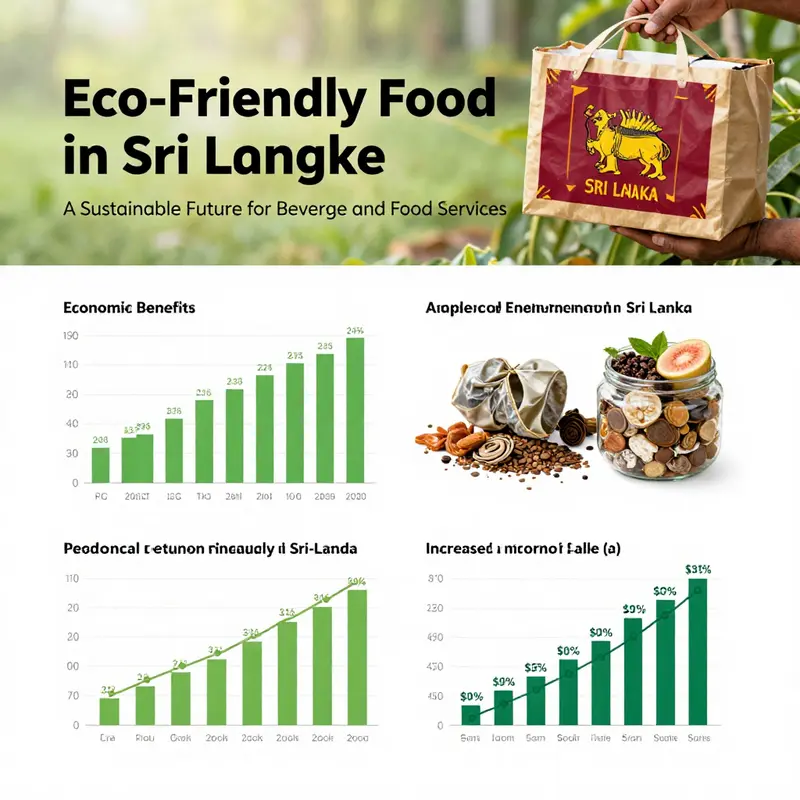
A surge of quiet change is taking place in Sri Lanka’s packaging landscape. It begins with a growing awareness among consumers about the consequences of plastic waste, but it finds its force in policy signals, business incentives, and the everyday choices of producers and retailers. The country’s shift toward eco-friendly food packaging is not a single initiative but a evolving ecosystem. It blends traditional, locally sourced materials with modern biodegradable formulations, creating a pathway that addresses waste, economy, and trade in a single arc. In this moment, the market for sustainable packaging is not merely a niche segment; it is becoming a central driver of how products are designed, shipped, and consumed. Industry watchers point to a steady expansion from 2025 through 2031, supported by regulatory push and a rising tide of consumer demand. The numbers offer more than forecasts; they reflect a realignment of supply chains toward materials that are less intrusive to land, water, and air. This chapter traces how that transformation unfolds in Sri Lanka, linking environmental imperatives with economic opportunities and showing how innovations such as banana leaf containers and plant-based bioplastics fit into larger economic narratives. It is a story of local resourcefulness meeting global concern, where the choices of today become the resilience of tomorrow.
At the heart of the transition lies a policy and regulatory milieu that nudges businesses away from single-use plastics toward materials that can decompose naturally without leaving harmful residues. Governmental momentum, coupled with a public that increasingly prefers products with transparent sustainability profiles, creates demand that local producers can meet through familiar ecosystems. Consumers are no longer passive recipients of packaging; they are engaged participants who judge brands by the life cycle of their packaging as much as by the product inside. This dynamic has accelerated interest in materials native to Sri Lanka’s own landscape—banana leaves among them—and in the broader class of biodegradable options such as cornstarch, cassava, and polylactic acid derivatives. The confluence of these materials aligns well with Sri Lanka’s agricultural economy, offering a virtuous circle: agricultural byproducts and edible leaves become inputs for packaging, reducing waste and supporting farm incomes while delivering products with a smaller environmental footprint.
A striking facet of the current shift is the reimagining of premium packaging solutions for specific segments, including tea, snacks, beverages, and ready-to-eat meals. Tea, a flagship agricultural product, has seen a deliberate move toward eco-conscious packaging that often employs treated, food-grade paper. This approach balances sustainability with the aesthetic and tactile expectations of premium loose-leaf tea markets. The design aims to preserve freshness while enabling a degree of breathability that can be essential for delicate flavors. It also signals a cultural alignment with Sri Lanka’s identity of natural materials and careful craftsmanship. The practical implications are meaningful: paper-based tea packaging can reduce reliance on plastics, streamline end-of-life handling, and support composting streams where appropriate. For manufacturers, the challenge becomes how to maintain product integrity through the supply chain while still embracing materials whose environmental advantages are clear when properly managed.
An even more explicit acknowledgement of local resourcefulness appears in the rise of banana leaf packaging. In Sri Lanka, banana leaves are abundant and historically linked to food service and home meals. Translating that legacy into the formal economy offers several advantages. First, banana leaf containers are biodegradable and compostable, minimizing landfill contribution and the risk of marine pollution. Second, their use strengthens rural livelihoods by engaging smallholders and local processors, who can convert agricultural byproducts and leaves into value-added packaging products. Third, this approach reduces dependence on imported packaging materials, buffering the domestic economy from global price volatility and supply disruptions. The economic logic is compelling: when cost structures shift away from high-priced plastics toward locally sourced, biodegradable alternatives, businesses can lower total packaging costs, improve end-to-end supply chain resilience, and bolster brand narratives around sustainability. The banana leaf model is not a substitute for all packaging needs, but it represents a scalable and culturally resonant option that complements other bio-based materials.
Beyond banana leaves, the broader category of biodegradable and bio-based packaging plays an increasingly important role. Bioplastics derived from starches and plant-based polymers, such as cornstarch and cassava derivatives, offer practical performance for many everyday uses. When matched with careful design, these materials can provide the barrier properties and mechanical strength required for snacks, beverages, and ready-to-eat meals, while delivering a more favorable environmental profile than conventional plastics. Polylactic acid and related polymers, for example, can be engineered for specific shelf lives and heat resistance, expanding the range of products that can responsibly use eco-friendly packaging. The aim is not to force a single solution across all applications but to tailor approaches to the product’s needs, the distribution realities of Sri Lanka, and the capabilities of domestic manufacturers. Each material choice becomes a strategic decision about waste management, energy use, and end-of-life options, with the ultimate objective of reducing the country’s plastic footprint.
This strategic packaging pivot also intersects with the logistics and distribution networks that move Sri Lankan products to markets at home and abroad. Efficient, responsible shipping is an essential part of the story, echoing the broader imperative to reduce carbon emissions in the value chain. In this context, eco-friendly packaging can improve handling, reduce damage from improper packaging, and enable more predictable waste streams at the destination. Logistics providers, including major players in the region, emphasize that sustainable packaging strengthens brand reputation and can contribute to more efficient shipping practices. The practical upshot is that the shift to greener packaging often yields collateral benefits in packaging integrity during transit, easier sorting and recycling in consumer end markets, and clearer messaging to environmentally conscious customers. This alignment among product design, packaging choice, and transport logistics demonstrates how Sri Lanka’s packaging evolution goes beyond a single material substitution to become a holistic approach to sustainable commerce.
From the perspective of market dynamics, the Sri Lankan eco-friendly packaging sector is entering a phase of gradual, measured growth. Industry observers note that demand is being driven not only by consumer preference but also by regulatory expectations and an expanding ecosystem of local suppliers capable of delivering biodegradable materials. The economy gains not merely through lower import exposure but also through new employment opportunities in manufacturing, farming, and logistics. When the value chain can secure a reliable supply of plant-based inputs, a broader transformation becomes possible: a more energy-efficient production process, less waste in packaging manufacturing, and opportunities for small to medium-sized enterprises to scale up. The economic benefits extend beyond the price of the packaging itself. A thriving green packaging sector can improve the trade balance by reducing import needs for conventional plastics and by exporting specialized biodegradable materials or packaging services. In short, eco-friendly packaging supports an economy that is more self-reliant, more adaptable to shocks, and more aligned with global sustainability goals.
To bring this to life in tangible terms, consider the way these materials perform across sectors. Snack packaging benefits from light weight, adequate barrier properties, and compatibility with consumer preferences for natural aesthetics. Beverage packaging can leverage moisture resistance and compostability for certain product lines, while ready-to-eat meals demand robust protection against moisture and oxygen ingress. For premium tea, the combination of treated paper and controlled breathability offers an appealing balance of freshness and environmental stewardship. In every case, the design challenge is to harmonize product protection, cost, and end-of-life outcomes. When done well, eco-friendly packaging can become a differentiator that resonates with a growing segment of consumers who want brands to take responsibility for their waste. In parallel, continuous innovation—such as advances in banana leaf processing, coating technologies that enable compostability, and improvements in bio-based barrier materials—will keep expanding the practical reach of these solutions.
An important caveat is that the transition is not without challenges. The economics of biodegradable materials depend on feedstock costs, processing technology, and scale. While local banana leaf packaging holds promise, it also requires reliable leaf supply, consistent processing capabilities, and consumer acceptance of new form factors. Bioplastics and starch-based films must prove they can meet stringent shelf life and safety requirements while maintaining competitive prices. Regulatory clarity around end-of-life pathways is crucial to avoid gray areas where materials are technically biodegradable but not practically recoverable in local waste streams. Stakeholders across government, industry, and civil society must collaborate to create standards, certification schemes, and incentive structures that reward sustainable packaging without disadvantaging smaller players. Such collaboration, when it happens, accelerates adoption and helps ensure that the environmental and economic benefits are realized at scale.
From an end-user perspective, the impact of this packaging shift is felt in daily routines and product choices. Consumers increasingly value packaging that communicates care for the environment as a core attribute of the brand. At the same time, there is a growing appetite for packaging that does not sacrifice convenience or food quality. Proper education about disposal options, composting infrastructure, and recycling channels becomes part of the experience of choosing eco-friendly products. Businesses recognize that transparency about material composition, sourcing practices, and lifecycle performance is essential to building trust with customers who demand responsible stewardship. In this milieu, packaging design becomes a narrative device as much as a functional element, telling a story about a community’s resources, its agricultural heritage, and its ambition to participate in a circular economy.
For those seeking a more granular view of the market’s trajectory, the broader industry literature points to a progressive expansion of the Sri Lankan eco-friendly packaging market through 2031, guided by rising demand and supportive regulation. The growth is not merely a domestic phenomenon; it reflects a convergence with global trends toward sustainability in food packaging. Sri Lanka’s approach illustrates how a country can leverage its unique resources—agriculture, forestry byproducts, and paper-making traditions—to foster a packaging ecosystem that aligns with environmental goals while supporting local employment and economic resilience. The path forward will require continued investment in material innovation, skill development, and cross-sector collaboration to ensure that the benefits are durable and widely shared. The narrative is not only about replacing plastic with another material; it is about reimagining how products are packaged, how waste is managed, and how the economy can become more adaptive to a changing climate and a more conscious global marketplace.
For readers seeking deeper context on the market dynamics and future outlook, industry analysis suggests continued growth fueled by consumer demand and regulatory incentives. Such analyses emphasize that Sri Lanka’s eco-friendly packaging sector has the potential to become a showcase for how local resources and traditional knowledge can be combined with modern material science to produce packaging that is both effective and environmentally responsible. It is a vision of packaging as a catalyst for sustainable growth rather than a mere compliance measure, a shift that can ultimately contribute to cleaner seas, healthier ecosystems, and a more resilient economy.
Internal link reference: A practical exploration of packaging options rooted in local production can be found in discussions of paper packaging categories. Explore paper packaging options to understand how material choices align with sustainability goals and supply chain realities within Sri Lanka’s context.
External resource: For a more formal, data-driven perspective on market potential and regulatory expectations, see the external industry analysis at https://www.marketresearchfuture.com/reports/eco-friendly-food-packaging-market-sri-lanka-18674. This source provides a structured view of growth projections, drivers, and potential obstacles that policymakers and business leaders may consider as they chart a course toward broader adoption of eco-friendly packaging in Sri Lanka.
Leaves, Limits, and Lifecycles: Building Sri Lanka’s Path to Eco-Friendly Food Packaging
In Sri Lanka, the shift toward eco-friendly food packaging is not merely a trend but a response to a multiplying set of pressures—from stricter environmental regulations to a growing segment of conscious consumers who expect more from brands, retailers, and hospitality providers. The current momentum leans toward biodegradable packaging made from locally available materials such as cornstarch, cassava, and polylactic acid (PLA), with a notable emphasis on barrier performance, hygiene, and consumer trust. Across snacks, beverages, and ready-to-eat meals, these alternatives are increasingly substituting conventional plastics at different scales, while premium segments like tea continue to experiment with treated, food-grade paper that balances a natural aesthetic with enough breathability to protect delicate contents. When viewed through a logistics lens, this transition has to harmonize with the realities of Sri Lanka’s supply chains, storage environments, and the daily rhythms of markets and households. The broader objective remains clear: reduce waste, minimize environmental impact, and maintain or enhance product quality and brand integrity in a way that resonates with local culture and global expectations.
The journey from concept to widespread adoption is rarely smooth, and in Sri Lanka the road is shaped by distinct challenges that require patient, strategic navigation. The first hurdle is economic. Establishing large-scale processing infrastructure capable of transforming abundant local resources—such as banana leaves, areca nut husks, and coconut shells—into consistent, hygienic, and commercially viable packaging demands substantial upfront investment. It is not merely about buying machinery; it is about building end-to-end systems that can guarantee food safety, achieve uniform thickness and barrier properties, and integrate with existing packaging lines or create new ones that can handle seasonal variability in raw materials. Small and medium enterprises, often the engines of rural livelihoods, face particular difficulty accessing affordable credit, securing reliable feedstock, and achieving the scale necessary to drive unit costs down. Yet within these hurdles lies a strategic opportunity: the chance to design regional value chains that empower farmers and artisans, reducing dependence on imported plastics and keeping more value within local communities.
The second challenge centers on consumer awareness and acceptance. A portion of Sri Lankan shoppers and foodservice operators still equates durability with plastic, associating natural materials with fragility or perceived hygiene risks. Overcoming these assumptions requires a careful blend of education, transparent testing, and credibility-boosting demonstrations. It is not enough to say that banana leaves or cassava-based films are biodegradable; producers must show that these materials perform under common handling conditions, during transport in warm climates, and through the entire shelf life of diverse products. Packaging must stand up to repeated openings, moisture exposure, and the occasional rough handling that marks the daily realities of bustling markets and delivery services. Communications strategies can emphasize that eco-friendly packaging does not sacrifice safety or convenience, and that, in the long run, it can deliver cost efficiencies through reduced waste management fees and enhanced consumer loyalty.
Logistics, another critical axis, brings its own set of complications. Perishable or semi-perishable materials such as banana leaves present storage and distribution challenges; they demand controlled humidity, rapid turnover, and sometimes bespoke packaging formats that can behave differently from conventional plastics under Sri Lanka’s tropical conditions. Restaurants, street vendors, and food delivery services operate on thin margins and tight timers; delays or suboptimal storage can compromise both product quality and packaging performance. The industry must therefore pursue integrated solutions: agricultural calendars aligned with production planning, standardized processing protocols that ensure hygienic handling, and rapid, reliable transport channels that respect the material’s sensitivities. In short, the viability of eco-friendly options hinges on an ecosystem that minimizes the time from harvest to end-use, while ensuring that packaging remains protective, attractive, and financially sensible for diverse players across the food system.
Amid these challenges, the potential opportunities shout a different tune. Sri Lanka is blessed with a rich agricultural base that offers a spectrum of natural materials ripe for repurposing. Banana leaves, areca nut husks, and coconut shells can be transformed into biodegradable packaging, while cassava and cornstarch provide compostable film formulations that can replace conventional plastics in many applications. Leveraging these resources does more than cut plastic consumption; it creates new revenue streams for rural communities, drives demand for skilled local labor, and fosters a circular approach to material flows. When farmers grow crops with packaging in mind, and local producers build the downstream processing capacity, the entire value chain gains resilience. The economic benefits extend beyond the balance sheet; communities experience improved waste practices, enhanced green job prospects, and a visible link between sustainable choices and tangible livelihoods.
Beyond the micro-economics, there is a rising global demand that Sri Lanka can appropriately tap into. Sustainable tourism, in particular, acts as a powerful catalyst. International visitors increasingly seek destinations and experiences that demonstrate responsible consumption, waste reduction, and low environmental impact. Hotels, restaurants, and tour operators are beginning to reframe their standards around packaging—moving toward reusable and compostable options, implementing lightweight designs that still project quality, and partnering with local suppliers who understand the country’s ecological constraints and cultural expectations. This alignment with global sustainability narratives not only strengthens brand reputation but also enhances guest satisfaction, because travelers increasingly equate a destination’s ecological choices with its overall quality and authenticity. The “Plastic-Free Hospitality” ethos—while described here in general terms—illustrates a broader movement where eco-conscious packaging is part of a guest experience rather than a compliance obligation.
Policy and regulatory environments in Sri Lanka are also shifting in ways that support this transition. Governments and development partners are increasingly aligning with international frameworks to curb plastic pollution, improve waste management, and incentivize local manufacturing of sustainable packaging. Financial mechanisms, including grants and concessional loans, are directed toward firms that adopt eco-friendly materials, upgrade processing capabilities, or integrate packaging with extended producer responsibility programs. While regulation can raise compliance costs in the short term, it also levels the playing field for producers who invest in sustainable solutions and helps the market differentiate genuinely green offerings from greenwashed claims. The alignment of policy with private-sector initiative creates a framework in which early adopters can reap competitive advantages, particularly in export-oriented channels and in segments where consumers actively seek responsible products.
Market dynamics in Sri Lanka point to meaningful growth potential over the medium term. Industry analyses suggest that demand for eco-friendly food packaging is set to expand significantly between 2025 and 2031, driven by both consumer preference shifts and institutional commitments to sustainability. As private sector actors and public programs converge on this path, the scale of production, the diversity of materials, and the sophistication of packaging designs are likely to advance in tandem. Technological innovation will play a central role in this evolution. Developments in bio-based coatings, barrier technologies, and compostable adhesives are pushing the performance envelope, enabling materials that once seemed practical only in theory to become viable for everyday use. In Sri Lanka’s context, where climate, supply chains, and cultural norms differ markedly from those in many Western markets, adaptation becomes essential: materials must be formulated to withstand tropical humidity, temperatures, and transport conditions while remaining affordable for both producers and consumers.
A crucial dimension of this adaptation involves design that respects local aesthetics and sensory expectations. Tea, the isle’s most iconic commodity, offers a compelling example. Premium loose-leaf teas often benefit from packaging that communicates purity, tradition, and a natural lineage. Treated paper, chosen for its food-grade properties and gentle breathability, can preserve the delicate aroma and color of tea while evoking the experience of rustic quality. The aesthetic is not merely decorative; it reinforces consumer perception of sustainability as a core brand attribute. In broader food packaging, such design sensibilities can translate into formats that celebrate local materials, showcase artisanal production, and avoid overt plastic branding, thereby supporting a differentiated market position that resonates with both domestic and international buyers.
To move from concept to adoption, collaboration across segments is indispensable. Farmers, processors, packaging manufacturers, retailers, and waste-management actors must align on standards, supply-chain logistics, and consumer education. Training programs that teach best practices in harvesting, handling, and processing of banana leaves and other organic feedstocks can improve quality and consistency. Cooperative models can help smallholders access collective bargaining power, share processing facilities, and reduce costs through economies of scale. Likewise, processors need access to technical know-how on converting natural materials into safe, food-grade packaging with reliable shelf life. Retailers and hospitality providers benefit from clear guidance on the performance and end-of-life options for eco-friendly packaging, enabling them to communicate authentic value to customers without market confusion. Finally, waste-management stakeholders must develop composting and recovery streams that are compatible with Sri Lanka’s waste streams and municipal capabilities, ensuring that the end-of-life phase lives up to the promise of a circular economy rather than simply shifting disposal challenges elsewhere.
For readers seeking practical orientation within the evolving landscape, a snapshot of the available options can be found by exploring the paper packaging category, which aggregates materials and formats relevant to many Sri Lankan applications. This resource highlights how different fibers, films, and treatments can be combined to meet specific performance criteria while staying aligned with environmental goals. The path forward involves not only choosing materials but also implementing robust quality controls, validating performance under real-world conditions, and maintaining transparent communication with customers about the sustainability attributes of the packaging they choose. When done well, eco-friendly packaging becomes a visible signal of a brand’s commitment to responsible practice, a factor that can influence purchasing decisions, loyalty, and word-of-mouth advocacy across markets.
From a policy and industry perspective, the potential to position Sri Lanka as a regional leader in sustainable packaging rests on the execution of coordinated strategies that reward innovation and practicality alike. Investments in research and development, pilot programs, and shared facilities can accelerate learning and reduce upfront risks for early adopters. Public-private partnerships that connect farmers with packaging scientists, or that bridge schools, cooperatives, and small manufacturers into a single ecosystem, can catalyze scalable solutions. In this sense, eco-friendly packaging in Sri Lanka is not only about replacing one material with another; it is about reimagining the very architecture of the packaging value chain. It invites a shift from linear take-make-dispose processes to circular models that preserve value, reduce waste, and empower communities to participate in a sustainable economy.
External resource: https://www.marketresearchfuture.com/reports/sri-lanka-eco-friendly-food-packaging-market-26894
Final thoughts
As eco-friendly food packaging continues to gain momentum in Sri Lanka, businesses in the beverage and food service sectors have a unique opportunity to lead the charge towards sustainability. By understanding the trends and innovations, making informed choices about biodegradable materials, and weighing the economic and environmental impacts, these businesses can not only enhance their brand value but also contribute positively to the planet. While challenges exist, the potential rewards of implementing eco-friendly packaging practices far outweigh the hurdles. Embracing this shift is more than just a response to consumer demand; it’s a commitment to a sustainable future.