

Introduction
In a world increasingly aware of environmental impact, eco-friendly pet food packaging has emerged as a crucial topic for businesses across various sectors. From bustling bubble tea shops and trendy restaurants to catering services and event planners, the demand for sustainable practices is not just a trend-it’s a responsibility. With consumers becoming more conscientious about their choices, eco-friendly packaging can play a significant role in enhancing brand reputation and customer loyalty. Utilizing biodegradable materials not only minimizes waste but also aligns with the values of patrons seeking a greener lifestyle. As we delve deeper into the importance of eco-friendly pet food packaging, we will explore innovative solutions that can benefit businesses and the environment alike. For ideas on sustainable packaging options, check out our range of packaging products available to help you make the switch to a more environmentally responsible future.
Environmental Impact of Traditional Pet Food Packaging
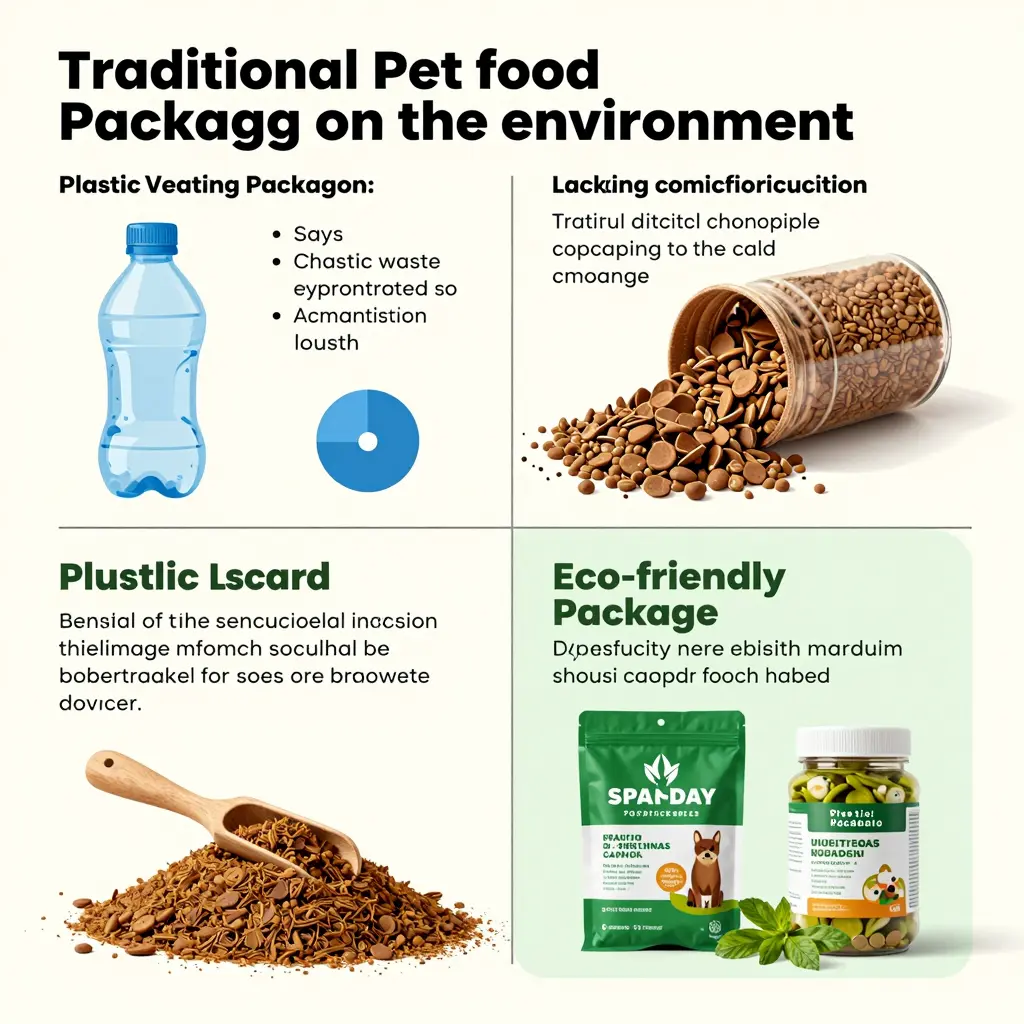
The environmental impact of traditional pet food packaging is significant and alarming. As the pet industry grows, so does its waste, with traditional packaging primarily relying on non-biodegradable plastics. In North America alone, approximately 3.27 billion pounds of plastic waste are generated annually from pet food packaging, with a startling 99% of this material ending up in landfills and a recycling rate of less than 1%. These figures illustrate the severe long-term burden that conventional packaging imposes on our environment.
The carbon footprint of the pet food industry is also substantial, with emissions comparable to those from over 10 million cars annually. This statistic emphasizes the environmental toll not just from production but throughout the packaging supply chain. The inefficiency of traditional materials, such as polyethylene and polypropylene, compounds this issue; they have a biodegradation time exceeding 450 years in landfills, while eco-friendly alternatives such as bioplastics can decompose in merely 90 to 180 days.
With consumers increasingly aware of the environmental implications of their purchases, there is a growing demand for sustainable packaging solutions. Research indicates that the use of biodegradable materials has risen by 60% over the last decade, highlighting a significant shift toward acknowledging the necessity for alternatives that mitigate our environmental impact.
Switching to eco-friendly materials not only helps reduce waste and carbon footprint but also aligns with a broader trend of sustainability in consumer products. For those interested in sustainable packaging options for their businesses, explore our eco-friendly packaging solutions and biodegradable alternatives.

Quote from a Sustainability Expert
Dr. Elena Rodriguez, a leading sustainability expert and director at the Global Institute for Circular Economy, states:
“Eco-friendly packaging is no longer a niche choice-it’s a strategic imperative. Consumers now expect brands to align with their values, and regulatory frameworks are evolving rapidly. Businesses that delay the transition risk not only reputational damage but also operational inefficiencies and compliance penalties. The shift toward sustainable packaging isn’t just about reducing waste; it’s about reimagining supply chains to be more resilient, resource-efficient, and future-ready.”
This quote highlights the urgency and necessity of adopting eco-friendly practices in the pet food industry and beyond, emphasizing that sustainability is essential for aligning with consumer expectations and regulatory requirements. For those interested in exploring eco-friendly solutions, be sure to check out our range of sustainable packaging options.
Benefits of Eco-Friendly Pet Food Packaging
Eco-friendly pet food packaging offers numerous advantages that resonate well with brands, consumers, and the environment. Here are five key benefits:
1. Sustainability
Using eco-friendly packaging materials, such as recyclable, biodegradable, or compostable substances, significantly reduces landfill waste. This approach aligns with the principles of a circular economy by minimizing the use of virgin resources and lowering carbon emissions throughout the product lifecycle. For instance, brands that adopt sustainable packaging can lower their carbon footprint and actively contribute to environmental preservation.
2. Enhanced Brand Image
Employing eco-friendly packaging can enhance a pet food brand’s public image. As more consumers become aware of environmental issues, they are likely to prefer brands that show a commitment to sustainability. Studies indicate that over 65% of pet owners are inclined to choose products with eco-friendly packaging, illustrating how this choice can improve overall brand perception.
3. Meeting Consumer Demand
The demand for sustainable packaging solutions is rising. According to a report, 85% of consumers state that sustainable packaging influences their purchasing decisions. Adopting eco-friendly materials not only fulfills consumer preferences but also prepares brands for future market trends.
4. Regulatory Compliance
With increasing regulations concerning packaging sustainability worldwide, using eco-friendly materials can help brands comply with legal standards. This proactive approach can mitigate risks related to non-compliance and support market entry.
5. Food Preservation
Innovative eco-friendly packaging solutions often enhance food preservation properties, prolonging shelf life and reducing food waste. Many materials now used are designed to maintain the freshness of pet food, ensuring that pets receive high-quality nutrition.
By embracing eco-friendly packaging, brands can not only contribute to environmental sustainability but also resonate with the values of today’s conscious consumers. For more about sustainable packaging options, check out our product categories that align with these values.
Comparison of Eco-Friendly Packaging Materials
As the demand for sustainable packaging grows, various materials have been popularized for their eco-friendliness. Below is a comparison of eco-friendly packaging materials, highlighting their cost, durability, and recyclability:
| Material | Cost (Ranking: 1 = Low, 4 = High) | Durability (Ranking: 1 = Low, 4 = High) | Recyclability Score (0-100) |
|---|---|---|---|
| Recycled Paperboard | 1 | 2 | 95 |
| PLA (Polylactic Acid) | 3 | 3 | 60 |
| Bamboo Fiber | 2 | 4 | 85 |
| Mushroom-based Packaging | 4 | 2 | 70 |
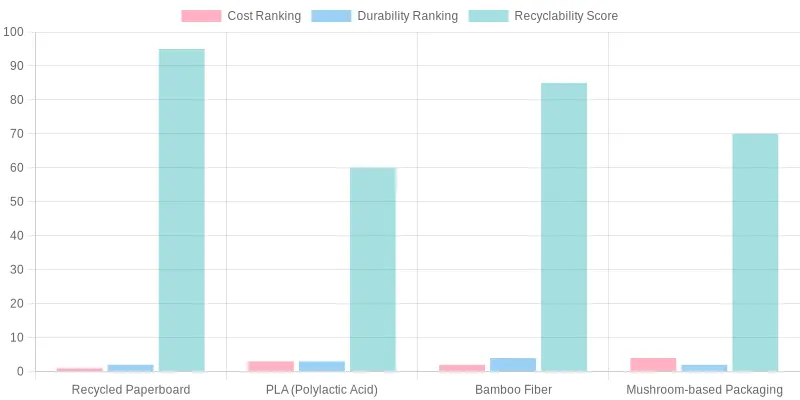
This table illustrates the different eco-friendly options available for your packaging needs, particularly relevant for businesses in the food and beverage industry like bubble tea shops and restaurant services. By choosing sustainable materials, you’re not only reducing your environmental impact but also enhancing your brand’s commitment to sustainability.
Innovative Eco-Friendly Packaging Solutions for Pet Food
As consumer awareness of environmental issues continues to rise, innovative packaging solutions for pet food are making significant strides in sustainability. Here are three standout eco-friendly packaging solutions that are revolutionizing the pet food industry:
1. Compostable Materials
Many companies are now utilizing compostable materials like plant-based films and molded fiber for their pet food packaging. These materials not only minimize plastic use but also decompose naturally, reducing landfill waste. For instance, companies like Nestlé Purina and Chewy have begun using biodegradable stand-up pouches made from sugarcane-derived polyethylene, contributing to a greener future for pet food consumers. Learn more about eco-friendly packaging options.
2. Recyclable Mono-Material Pouches
Recyclable mono-material pouches are a growing trend in the industry. These pouches simplify the recycling process by ensuring that all components can be processed together. Blue Buffalo has introduced a fully recyclable, resealable pouch made from 100% recycled HDPE. Such innovations not only aid in reducing plastic pollution but also meet consumer demand for sustainable packaging.
3. Digital Printing on Recycled Paperboard
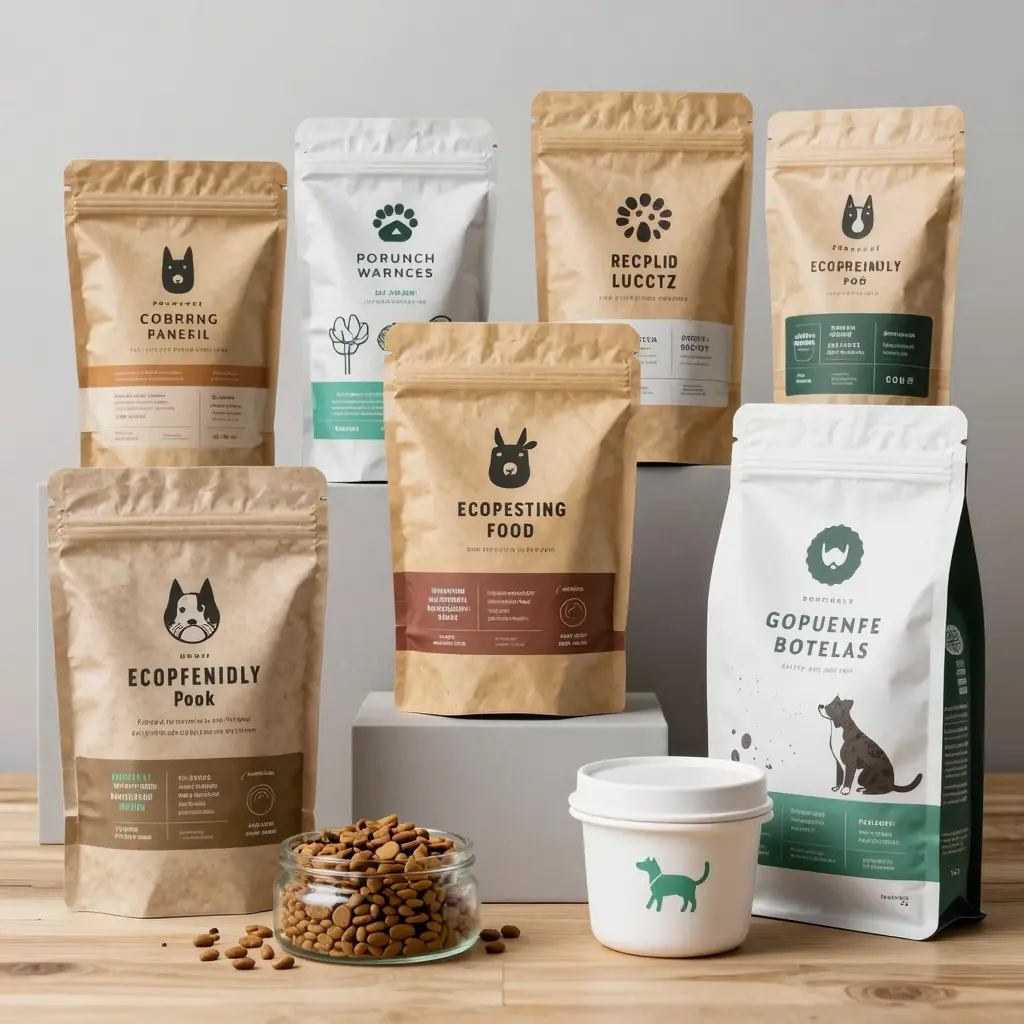
Transforming how pet food brands present themselves, digital printing on recycled paperboard allows for brand customization while heightening sustainability. Brands can utilize this method for environmentally friendly labeling and packaging, which attracts eco-conscious customers. The integration of QR codes on these packages also provides consumers with details on sourcing and disposal instructions, enhancing transparency.
Consumer Preferences
A recent study highlights that 73% of consumers are willing to pay extra for sustainable packaging, with a preference for recyclable (34.9%) and biodegradable options (26.1%). Here’s a breakdown of consumer preferences for eco-friendly pet food packaging solutions:
| Category | Percentage |
|---|---|
| Willing to Pay Extra | 73% |
| Preference for Recyclable Packaging | 34.9% |
| Preference for Biodegradable Packaging | 26.1% |
| Concern for Reduced Material Use | 4.7% |
Source: Euromonitor International, 2023 – Pet Food Packaging Trends Report.
As the pet food market embraces these innovative packaging solutions, businesses that prioritize sustainability will likely see increased loyalty from environmentally conscious consumers. For those involved in pet food retail, adopting these eco-friendly packaging methods can not only bolster brand reputation but also contribute to a healthier planet.

Market Trends in Eco-Friendly Packaging for the Food Industry
The demand for eco-friendly packaging in the food industry is experiencing significant growth, primarily driven by consumers’ increasing environmental awareness. In 2022, the global eco-friendly packaging market was valued at approximately $182.38 billion and is projected to reach $269.46 billion by 2030, demonstrating a compound annual growth rate (CAGR) of about 5% (source: Grand View Research). Key drivers include stringent government regulations aimed at reducing plastic waste and the growing preference for sustainable packaging solutions among consumers.
Among the innovative trends, smart packaging technologies are at the forefront. These include time-temperature indicators and gas concentration sensors, which monitor the freshness and safety of food products, ultimately helping to reduce food waste. Additionally, advancements in materials such as biodegradable plastics and plant-based composites are replacing traditional plastic packaging, as companies aim to leverage sustainable options to enhance brand loyalty while meeting regulatory standards.
Notably, the demand for paper-based packaging solutions has surged, given their recyclability and reduced environmental impact. Paper packaging is forecasted to capture a growing share of the market, with projections showing substantial growth in paper usage by 2024 (source: Cofe-Cup Packaging). This trend aligns with consumer preferences for transparency and sustainability in product packaging, ensuring that brands can maintain competitive advantages amidst evolving consumer values.
In conclusion, as eco-friendly packaging continues to dominate the food industry, businesses must adapt to these growing trends to not only align with consumer expectations but to actively contribute to environmental sustainability.
In today’s eco-conscious market, businesses in the pet food industry must prioritize sustainable packaging solutions to meet consumer demands and regulatory requirements. Research indicates that a significant 85% of consumers are influenced by the sustainability of packaging when making purchasing decisions, highlighting the vital role that eco-friendly options play not only in reducing environmental impacts but also in enhancing brand loyalty and visibility. As brands shift towards biodegradable, recyclable, and compostable materials, they not only minimize their carbon footprint but also cater to the growing number of pet owners who value responsible consumption. For businesses looking to remain competitive in a rapidly evolving landscape, adopting eco-friendly pet food packaging is no longer just an option; it’s essential. If your business is ready to take the next step towards sustainability, don’t hesitate to contact us for tailored solutions that fit your needs and make a positive impact on our planet.

| Year | Market Size (Billions USD) |
|---|---|
| 2016 | 19.15 |
| 2017 | 20.67 |
| 2018 | 22.31 |
| 2019 | 24.08 |
| 2020 | 25.99 |
| 2021 | 28.05 |
| 2022 | 30.26 |
| 2023 | 32.64 |
| 2024 | 35.20 |
| 2025 | 37.94 |
| 2026 | 40.87 |
| 2027 | 44.00 |
| 2028 | 47.34 |
| 2029 | 50.90 |
| 2030 | 54.70 |
| 2031 | 58.75 |
| 2032 | 63.06 |
| 2033 | 67.64 |
| 2034 | 72.51 |