
The Importance of Reliable Food Packaging Solutions
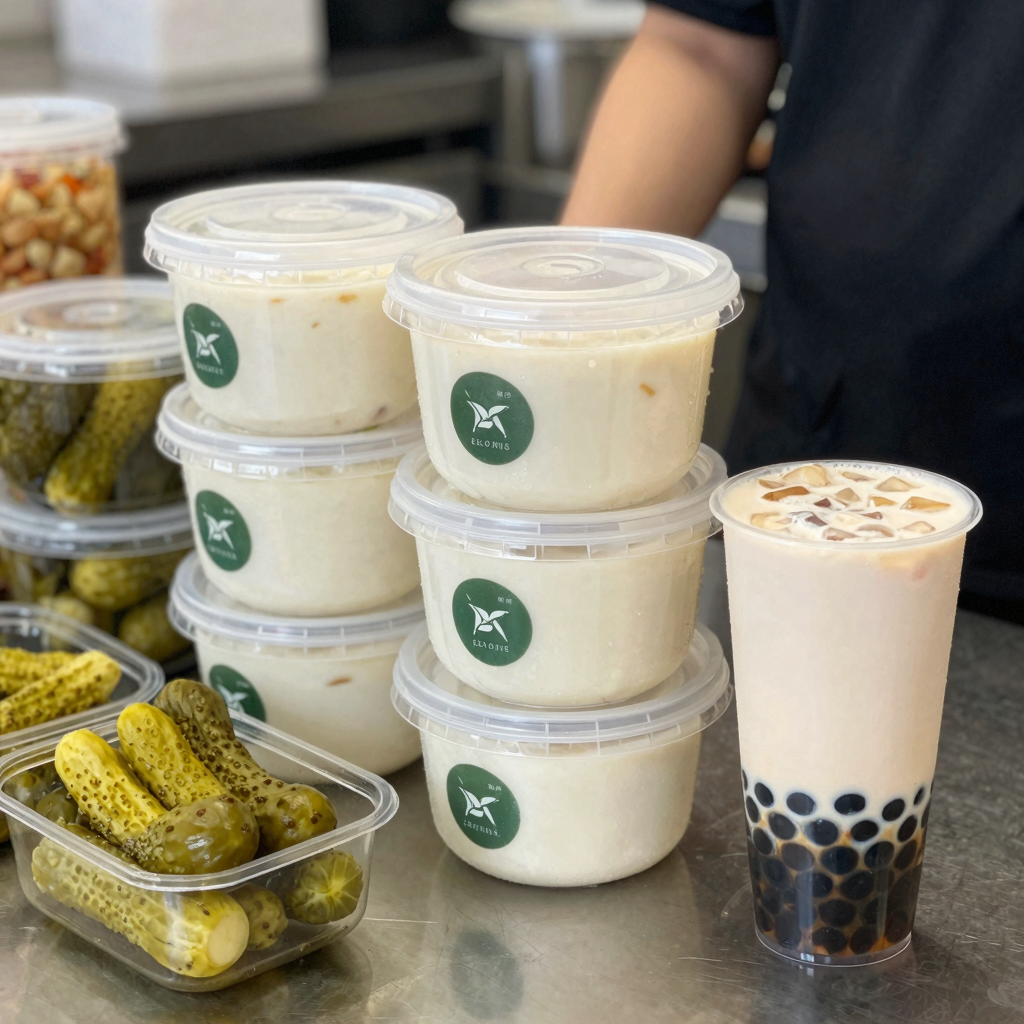
In the fast-paced world of the food industry, reliable packaging solutions are not just a convenience; they are a necessity. Particularly for bubble tea shops, restaurants, food trucks, catering services, and corporate procurement teams, the efficiency and functionality of food packaging can directly impact customer satisfaction and business operations. Plastic containers, especially those designed for lift foods and pickles, offer a blend of durability and versatility that meets the needs of a dynamic culinary environment. These containers not only ensure that your food products remain fresh and appealing but also facilitate easy stacking and handling, which is crucial for on-the-go service or event catering. Moreover, with an emphasis on sustainability, choosing the right packaging, such as eco-friendly options, can resonate well with your environmentally conscious clientele. Investing in high-quality plastic containers means investing in your brand’s reliability and commitment to providing excellent service, ultimately enhancing your customer’s dining experience. Explore our range of food packaging solutions here and discover how the right choices can elevate your offerings.
Comparison of Plastic Containers Suitable for Food
When it comes to storing food securely and effectively, various types of plastic containers are available, each offering unique benefits. Below is a comparison table detailing the different types of plastic containers that are ideal for food storage, particularly focusing on containers designed for pickles and similar food items.
| Type of Container | Features | Sizes Available | Ideal Uses |
|---|---|---|---|
| HDPE (High-Density Polyethylene) | – Excellent chemical resistance |
- Food-grade safe
- Opaque design | 500ml to 3L and larger drums of 20L, 50L | – Ideal for storing acidic foods like pickles
- Perfect for condiments and oils |
| PP (Polypropylene) | – Microwave safe - High heat tolerance | 1L to 2L | – Leftovers and meal prep
- Suitable for reheating food |
| PET (Polyethylene Terephthalate) | – Ideal for single-use - Not suitable for heating | 500ml to 2L | – Cold beverages
- Short-term pickle storage |
| Clear Plastic Containers | – Often made from PET - Transparent for visibility | Various sizes, commonly around 1L | – Ideal for salads and visible food displays |
| Bulk Food Drums (HDPE) | – Large storage capacity - Durable and resistant | 20L and 50L | – Bulk ingredients and large-scale food storage |
These containers not only provide versatility in food storage but also cater to specific needs in various food service settings. Whether running a bubble tea shop, restaurant, or catering service, selecting the right container can significantly impact the quality and safety of food being served.
For additional insights on food packaging sustainability, consider checking out this article on food packaging options.
Advantages of Using Plastic Containers for Food Businesses
Plastic containers have become an essential tool for food businesses, including bubble tea shops, restaurants, and food trucks. Here, we delve into the benefits of using plastic containers for food storage and handling, emphasizing their durability, safety, and cost-effectiveness.
Durability
One of the primary advantages of plastic containers is their exceptional durability. Unlike glass or ceramic options, plastic containers are less likely to shatter or break during handling, making them ideal for bustling environments like food trucks or busy restaurants. Many plastic containers are made from food-grade materials such as polypropylene (PP) or polyethylene (PET), ensuring they can withstand rough handling and everyday wear and tear without compromising the integrity of the food stored within. These materials are also resistant to leaks and spills, which can prevent food contamination and waste.
Safety
Food safety is paramount in any food business, and plastic containers provide a safe solution for food storage. Many are designed to be BPA-free and can withstand temperatures relevant to food service (hot or cold), which makes them suitable for any type of food, from hot dishes to cold beverages like bubble tea. When used correctly, disposable plastic containers do not pose a risk to consumers. The Food and Environmental Hygiene Department confirms that containers made from specified materials ensure safety, provided they are used according to food temperature and acidity requirements (Food Safety Centre).
Cost-Effectiveness
In terms of overall cost, plastic containers offer a budget-friendly option that can save food businesses money. They are typically less expensive than glass or metal alternatives, allowing tasks like bulk purchasing to further drive down costs. Their lightweight nature reduces transportation expenses, particularly important for food trucks that need to keep overhead low. Additionally, many plastic containers are recyclable, enabling businesses to minimize waste and adhere to sustainability practices, which can attract environmentally-conscious consumers. For further insights on how biodegradable options benefit businesses, you may explore this blog.
Versatility
Plastic containers cater to a wide variety of food items-from sandwiches and salads to desserts and beverages. Their sizes and shapes can be customized to meet the specific needs of businesses, ensuring that they can efficiently store and showcase their products. For example, bubble tea shops benefit from unique containers designed for drinks that showcase colorful ingredients, while restaurants may prefer larger containers for meal prep and side dishes.
Conclusion
In summary, the advantages of using plastic containers in food businesses are undeniable. Their durability, safety, cost-effectiveness, and versatility make them a preferred choice for bubble tea shops, restaurants, and food trucks looking to streamline their operations while ensuring customer satisfaction. By investing in quality plastic containers, businesses can not only enhance efficiency but also foster a safer and more sustainable food service environment. If you’re keen to explore further opportunities with innovative food packaging solutions, be sure to check out our post on customizable octagonal paper bowls.
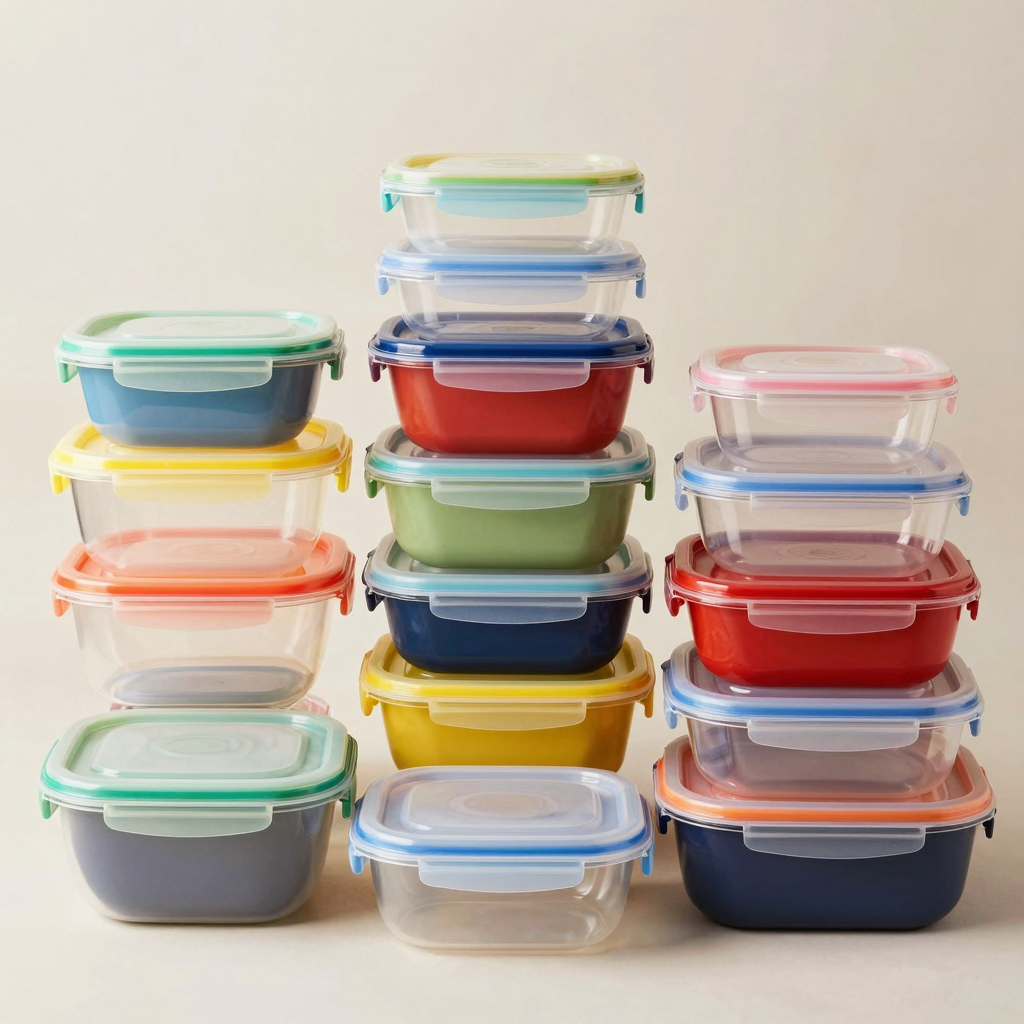
This image showcases a variety of colorful plastic food containers with lids, perfect for restaurants, food trucks, and catering needs. Their attractive design and versatility make them a great choice for food storage.
Eco-Friendly Practices in Food Packaging
In today’s environmentally conscious world, food businesses are increasingly adopting eco-friendly practices in food packaging. Opting for biodegradable and compostable materials not only reduces the environmental footprint but also sends a powerful message to consumers about sustainability. Packaging options made from sugarcane, bamboo, and recycled paper can significantly minimize waste and enhance a brand’s image, aligning perfectly with the values of many modern companies.
Benefits of Eco-Friendly Packaging
-
Reduced Waste: Traditional plastic packaging contributes heavily to landfill waste. However, using materials such as sugarcane and bagasse reduces reliance on fossil fuels and provides biodegradable alternatives. These materials break down naturally, minimizing long-term ecological impact.
-
Consumer Appeal: Eco-conscious packaging resonates with a growing demographic of consumers who prioritize sustainability in their purchasing decisions. A recent survey reported that 85% of consumers prefer brands that use sustainable packaging. This statistic highlights the importance of aligning with consumers’ values and preferences. Learn more about sugarcane cup benefits.
-
Brand Differentiation: By adopting sustainable packaging practices, businesses can differentiate themselves in a crowded market. Offering products in eco-friendly containers signals to customers that a brand is not only modern but also responsible, which can enhance customer loyalty and increase sales.
-
Compliance and Cost-Effectiveness: Many cities and states are introducing regulations on single-use plastics. Transitioning to eco-friendly options can prepare businesses for compliance, while also leveraging the cost-effectiveness of sustainable materials in the long term. Among other options, compostable hamburger boxes offer affordable solutions that meet both consumer needs and regulatory demands.
Conclusion
Adopting eco-friendly practices in food packaging aligns a business with the values of today’s environmentally-conscious consumers. Industries ranging from bubble tea shops to catering services can utilize sustainable materials without compromising quality or convenience. Not only does this approach foster goodwill with customers but it also contributes positively to the planet. As eco-friendly materials continue to evolve, integrating them into your packaging strategy positions your brand as a leader in sustainability, paving the way for a more responsible future.
Key Safety Standards for Food Containers
When selecting disposable food packaging for your operations, it’s crucial to consider safety standards to ensure compliance and protect your customers. Here’s a guide to the key safety standards that food containers must meet:
1. EU Regulations (EC) No 1935/2004
- Overview: This foundational regulation establishes general safety requirements for materials intended to come into contact with food, ensuring that they do not transfer harmful substances to food.
- Key Points: Must conform to Good Manufacturing Practices (GMP) and ensure materials do not alter taste or safety.
- Source: EU Regulations on Food Contact Materials
2. US FDA 21 CFR Part 170-189
- Overview: Regulates substances used in food contact materials in the U.S.
- Key Points: Sets safety standards, limits on migration of harmful substances, and requires compliance with GMP. New substances must be approved before use.
- Source: FDA Regulations on Food Contact Substances
3. China GB 4806.7-2023
- Overview: A mandatory standard for plastic materials in contact with food in China.
- Key Points: Specifies limits for total and specific migration for various substances, ensuring minimal risk to consumer health.
- Source: GB 4806.7-2023 Food Safety Standard
4. LFGB Test Requirements (Germany)
- Overview: Stricter national implementation of EU regulations.
- Key Points: Includes chemical testing as well as sensory evaluation; materials must not affect taste or smell.
- Source: LFGB Regulations on Food Contact Materials
Conclusion
Selecting the right disposable food container involves understanding these safety standards. Ensuring compliance not only protects your customers but also enhances your business credibility.

Additional Resources
- Learn more about the benefits of sugarcane cups
- Explore the advantages of customized octagonal paper bowls
For a visual comparison of these safety standards, see the chart below:
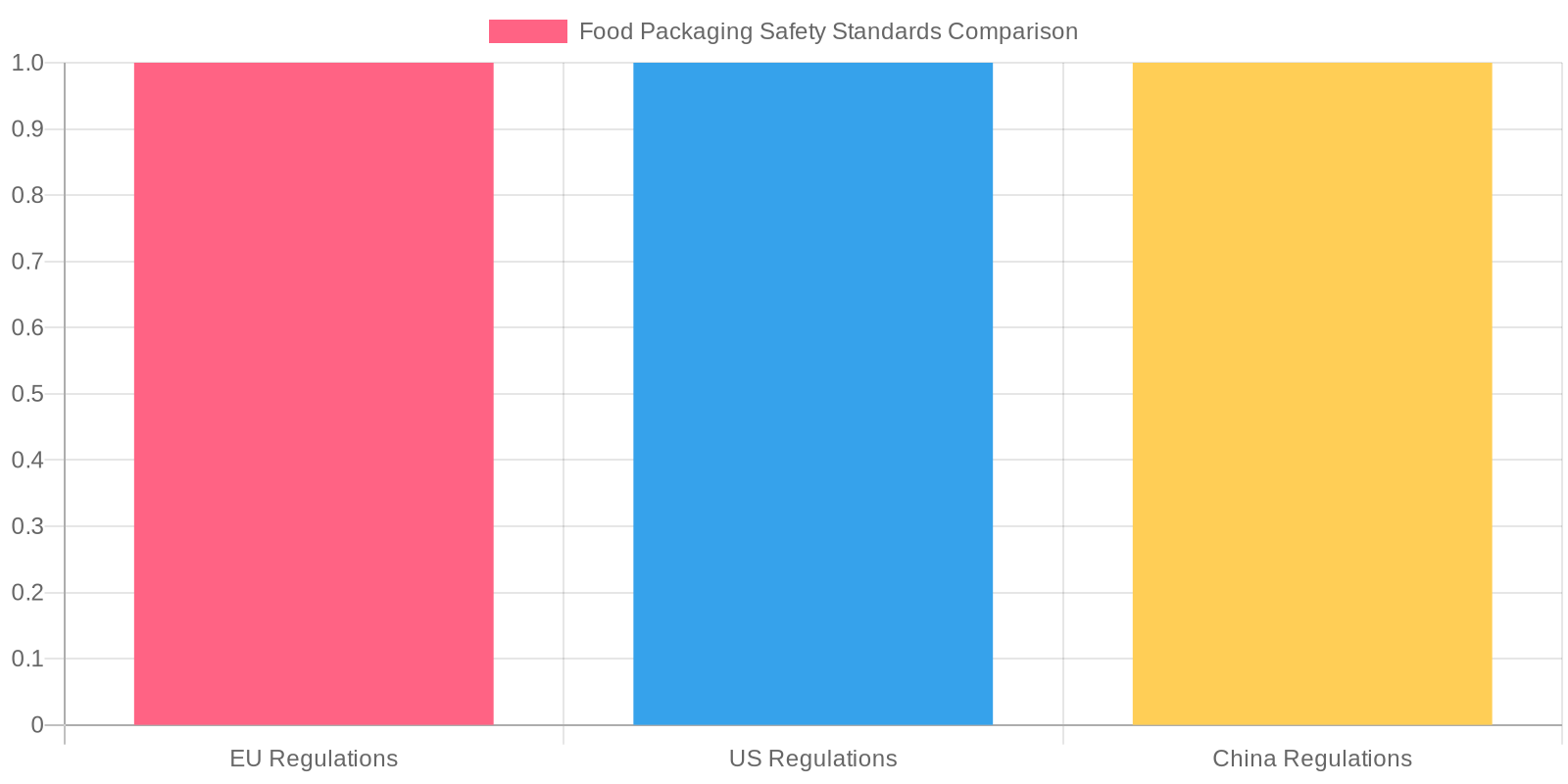
Incorporate safe and compliant food containers to keep your operations smooth and customer-centric!
The Significance of Effective Food Presentation
Effective food presentation is more than just a visual treat; it significantly enhances customer experience in beverage shops and restaurants. Using appealing packaging, particularly elegant plastic containers, plays a pivotal role in this aspect.
Aesthetic Appeal
Visually pleasing plastic containers can transform the appearance of any dish or beverage. Bright colors, clear designs, and modern shapes catch the customer’s eye and create an inviting atmosphere. A well-presented meal not only looks delicious but also stimulates the senses, enticing customers even before they take their first bite. Research indicates that customers often equate beautiful food presentation with better flavor expectations, leading them to perceive the taste as richer and more fulfilling.
Brand Perception
When food is presented in stylish and unique packaging, it enhances brand identity. It communicates a message of care and quality to customers. For instance, customized plastic containers that align with a beverage shop’s theme or a restaurant’s branding can set the business apart from competitors. This can create a memorable experience for customers, encouraging loyalty and repeat visits. In fact, effective use of packaging has been shown to strongly influence customer perception and trust in brands. Learn more about customized packaging options.
Improving Customer Experience
Food presentation also affects the overall dining experience. Engaging packaging solutions, such as plastic containers with clear lids that allow for a glimpse of the vibrant contents inside, can provoke curiosity and excitement. When customers can see the fresh ingredients and appealing colors, they feel more assured about their purchase. According to a study, nearly 29.2% of diners choose restaurants based on the ambiance, which heavily involves how food is presented. Therefore, integrating effective food packaging can lead to increased customer satisfaction and a greater likelihood of sharing experiences on social media.
Conclusion
In conclusion, the significance of food presentation, particularly through the use of visually appealing plastic containers, cannot be overstated. It enhances not only the aesthetic appeal of the food but also elevates brand perception and improves overall customer experience. As beverage shops and restaurants strive to stand out, focusing on effective food presentation could be the key to attracting and retaining customers. Emphasizing on salient packaging solutions will undoubtedly contribute to a more enjoyable dining experience and bolster business growth.
Client Insight on the Importance of Packaging in Food Service
“In food service, packaging is not just about containment-it’s a vital communication tool. It conveys safety, freshness, and brand values. A well-designed package can reduce perceived risk for consumers, especially in takeout and delivery scenarios where they cannot inspect the product firsthand.”
Dr. Lisa Chen, Director of Food Innovation at the National Restaurant Association
This quote highlights how essential packaging has become in ensuring customer confidence and satisfaction, particularly in a delivery-driven landscape. As you consider using plastic containers with lift for your food services, remember that packaging plays a critical role in conveying quality and trust to your consumers. Learn more about how packaging impacts the food experience.

In conclusion, the choice of reliable packaging solutions for your food service business is paramount. Not only does well-designed packaging safeguard against contamination and maintain the integrity of your products, but it also plays a critical role in brand perception and customer trust. As discussed, utilizing plastic containers with lifts, such as those featured at Cofe Cup, ensures your offerings are presented professionally while being functional and sustainable. Consumers today lean towards brands that prioritize eco-friendly options, making it essential for businesses to align with trusted packaging suppliers who can provide durable and responsible materials. By investing in high-quality packaging, you streamline your logistics and enhance your market appeal. Ready to elevate your packaging game? Contact us today for a tailored quote that meets your specific needs. Let’s work together to ensure your brand stands out in the competitive food service landscape!
Customer Satisfaction Ratings for Packaging Solutions
In the food service industry, customer satisfaction is heavily influenced by the type of packaging solutions used for food items. A recent analysis of consumer preferences reveals significant insights regarding how different packaging types affect customer experiences.
Key Findings
- Plastic Containers: Known for their versatility and effectiveness, especially in lifting foods like pickles, plastic containers received high satisfaction ratings due to their convenience.
- Biodegradable Containers: These are increasingly favored as consumers are becoming more environmentally conscious, though they might not perform as well as plastic in certain applications.
- Paper Boxes: Used frequently, they offer a decent level of satisfaction, particularly in terms of aesthetics and brand presentation, but can sometimes fall short in functionality.
- Reusable Containers: While sustainable, their practicality can vary based on how frequently they are utilized.
Customer Satisfaction Ratings Chart
Here’s a visual representation illustrating the preferences of consumers regarding various packaging solutions in food services:
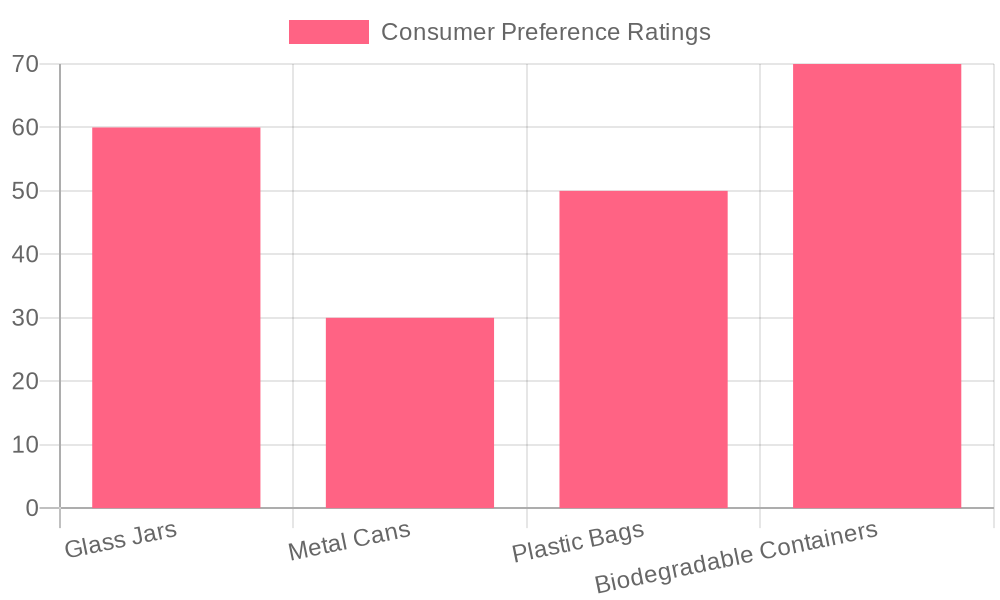
Note: The chart specifically highlights consumer preferences, showing that while biodegradable options are growing in popularity, plastic containers maintain a strong position due to their reliability and effectiveness, particularly in lifting products like pickles, which are essential for many food service operations.
For further insights on how packaging solutions can impact your business, learn more.