

Introduction
In the bustling food industry, particularly within bubble tea shops, restaurants, and catering services, the significance of plastic food containers that freeze cannot be overstated. These versatile containers not only provide the convenience of storing meals and ingredients but also ensure food safety by preventing contamination and spoilage. From single-use disposable tableware to reusable options, these containers are a staple for businesses striving for efficiency and reliability. As eco-friendly practices gain traction, choosing the right type of plastic container that withstands freezing temperatures without compromising quality becomes crucial. Embracing these solutions not only aids in preserving flavors but also aligns with sustainable goals, making them an ideal choice for today’s conscientious food entrepreneurs. Learn more about eco-friendly alternatives and how they can enhance your business strategy.
Put your passion for great food into practice with reliable containers that keep your culinary creations fresh and delicious!
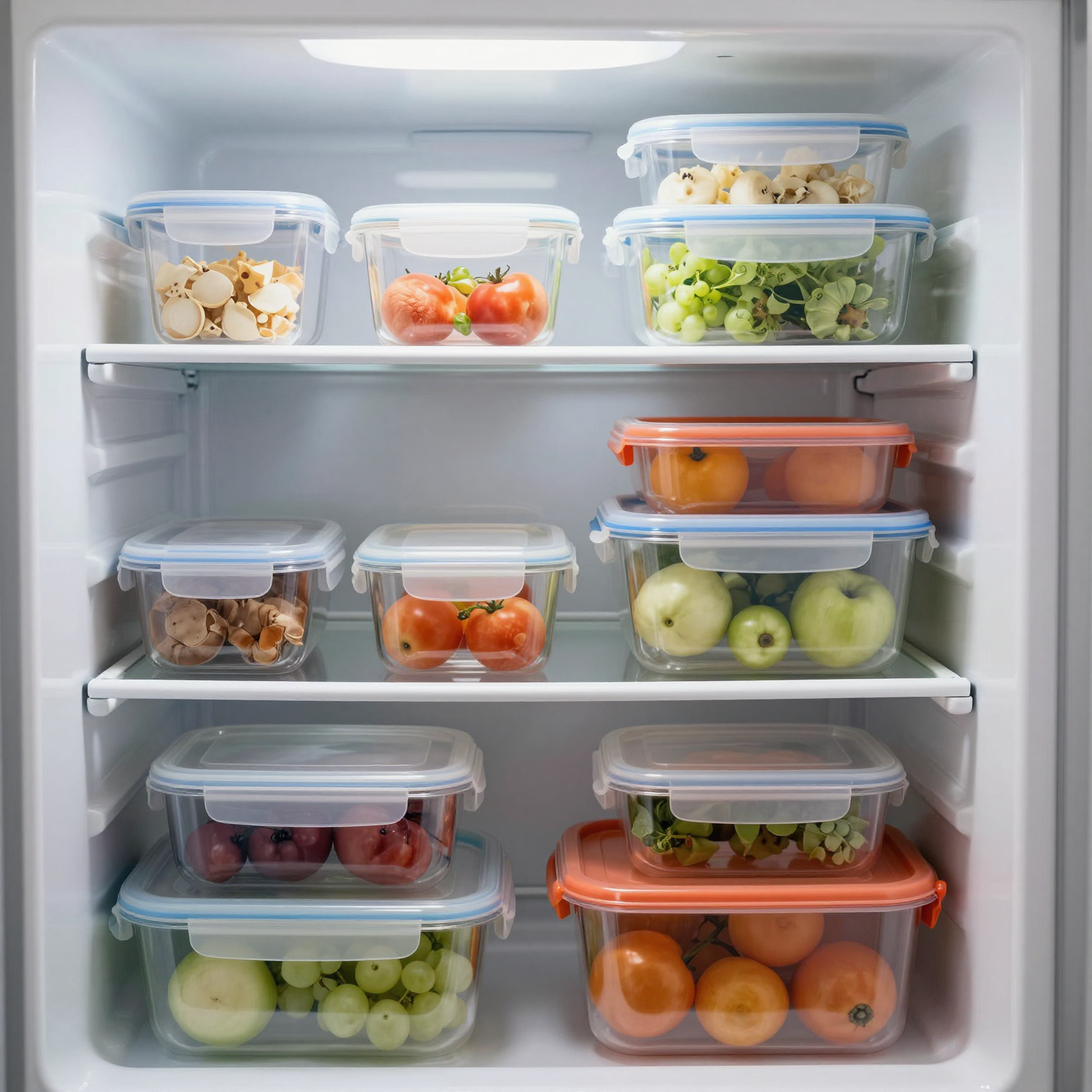
Benefits of Using Plastic Food Containers for Freezing
Utilizing plastic food containers for freezing in bubble tea shops, restaurants, and catering services offers numerous advantages. Here are five key benefits:
- Durability: Plastic food containers are designed to withstand low temperatures and can endure repeated freeze-thaw cycles without cracking or degrading, making them ideal for extended storage.
- Lightweight and Cost-Effective: They are much lighter compared to glass containers, which saves on transportation costs and reduces labor effort when handling and plating meals.
- Moisture and Oxygen Barrier: Quality plastic containers create an excellent barrier against moisture and oxygen, preserving food quality and extending shelf life, which is critical for businesses seeking to minimize waste.
- Versatile and Space-Saving: Many plastic containers are stackable and come in various shapes, providing efficient space utilization in freezers. This serves as a great advantage in busy kitchen environments where space is at a premium.
- Increased Efficiency: Clear plastic containers make it easy to identify food contents, which aids in effective inventory management and reduces the risk of cross-contamination, further enhancing food safety practices.
By opting for plastic food containers, establishments can enjoy a blend of practicality and efficiency in managing their food storage solutions. For more insights on sustainable practices in food service, learn more about sugarcane cup benefits and explore customized options in food presentation.
Safety Standards for Food-Grade Plastic Containers
When it comes to using plastic containers for freezing, it’s essential to ensure they meet safety standards that guarantee they are safe for food contact. Understanding these regulations is crucial for businesses such as bubble tea shops, restaurants, and catering services to avoid health risks associated with non-compliant containers.
Key Standards and Regulations
- FDA Regulations: The U.S. Food and Drug Administration (FDA) sets guidelines for food-contact materials. Only certain types of plastics are approved for food use, including:
- High-Density Polyethylene (HDPE)
- Low-Density Polyethylene (LDPE)
- Polypropylene (PP)
- Polyethylene Terephthalate (PET)
These plastics must meet strict criteria for chemical stability and minimal migration of substances into food. Importantly, any plastic labeled “freezer-safe” should endure repeated freezing and thawing without compromising integrity or leaching harmful chemicals. Learn more about FDA regulations.
-
Consumer Reports Advice: Consumer Reports elaborates that only food-grade plastics like PP and HDPE are suitable for long-term freezer storage. It’s vital to avoid recycled plastics or non-food-grade containers as they may pose leaching risks. Always look for a “freezer-safe” label to ensure safety. Check Consumer Reports for detailed info.
-
European Standards: In Europe, food-grade plastics must comply with EU regulations (EC No 1935/2004). Manufacturers must demonstrate compliance through testing and certification to ensure no migration of harmful substances under cold conditions, specifically for freezing applications.
Visual Reference
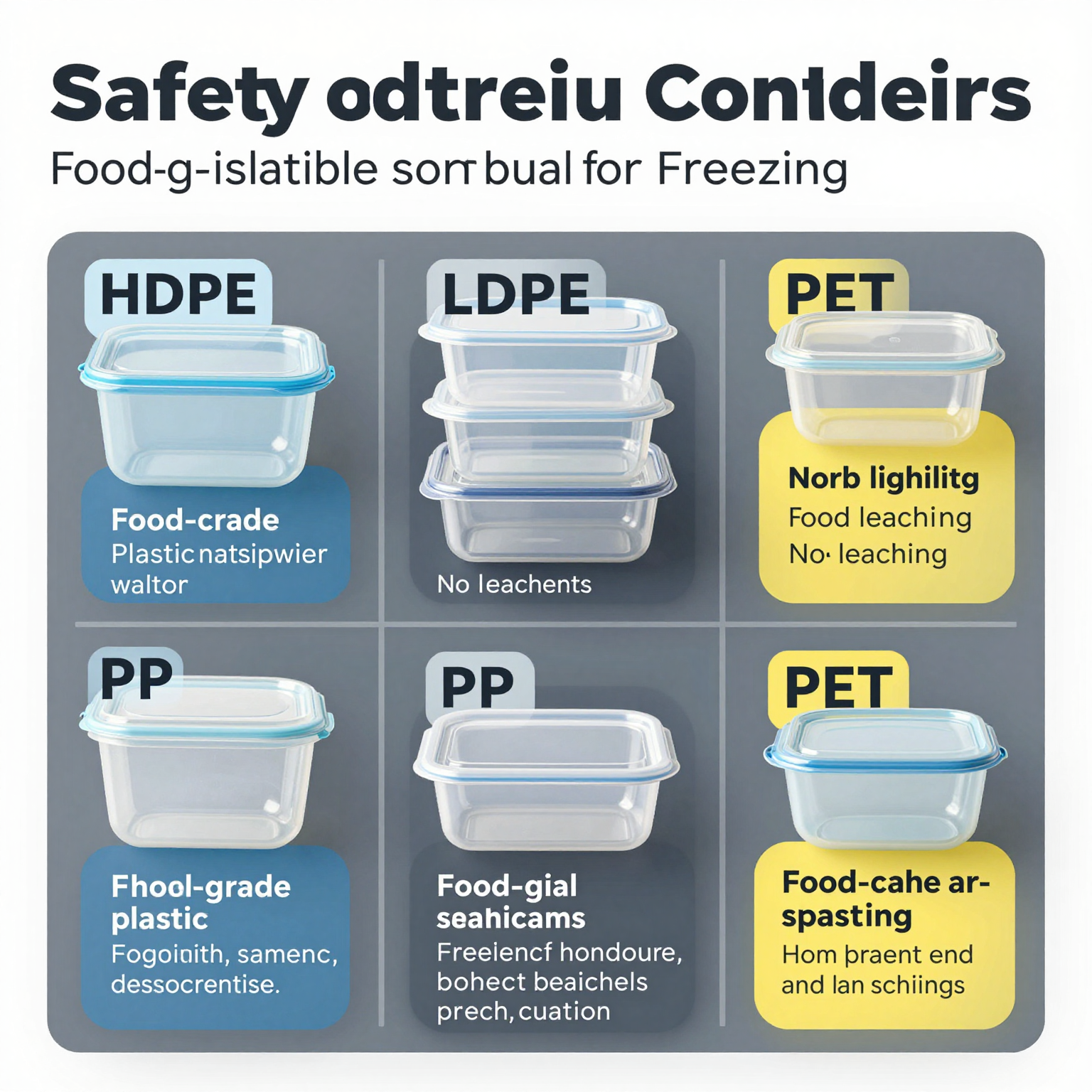
| Type | Material | Durability | Price Range ($) | Eco-Friendliness |
|---|---|---|---|---|
| PP | Polypropylene | -20°C (Excellent) | 7 – 22 | Recyclable; low carbon footprint, minimal leaching. |
| HDPE | High-Density Polyethylene | -18°C (Good) | 8 – 25 | Recyclable; accepted in most curbside programs. |
| PS | Polystyrene | -10°C (Moderate) | 5 – 20 | Not widely recyclable; poor eco-friendliness. |
| PVC | Polyvinyl Chloride | -5°C (Low) | 10 – 30 | Contains harmful additives; not eco-friendly. |
| PET | Polyethylene Terephthalate | -10°C (Low) | 5 – 15 | Can be recycled; environmental impact varies. |
Summary
The table above compares different types of plastic food containers suitable for freezing. Polypropylene (PP) and High-Density Polyethylene (HDPE) stand out as the best options, with strong durability and eco-friendly features. When selecting containers, consider your specific freezing needs and budget. For more insights on sustainable options, learn more about biodegradable containers and their benefits.
Best Practices for Using Plastic Containers When Freezing Food
Using plastic containers for freezing food is an essential practice for businesses looking to optimize food preservation while promoting sustainability. Here are some best practices to ensure you make the most out of your freezing process:
1. Choose the Right Containers
Ensure that you select containers labeled as “freezer-safe”. These containers are designed to withstand low temperatures and prevent freezer burn. High-density polyethylene (HDPE) or polypropylene (PP) are recommended materials, as they resist breaking and cracking at sub-zero temperatures. These choices align with sustainability goals since they often have longer life cycles compared to single-use plastics.
2. Avoid Freezer Burn
Freezer burn occurs when food is exposed to air and moisture in the freezer, leading to texture and taste deterioration. To avoid this:
- Use airtight containers or vacuum-sealed bags to minimize air exposure.
- Leave minimal headspace in containers to allow for food expansion during freezing.
- Label each container with the contents and freezing date to track freshness and ensure you use items before they lose quality. For more information on preventing freezer burn, visit America’s Test Kitchen tips.
3. Stack Smartly
Efficiently stacking containers can maximize freezer space and improve accessibility. Place heavier containers at the bottom and lighter ones on top. Ensure containers are not overfilled to allow for air circulation, which will help food freeze evenly and quickly, maintaining quality and avoiding sogginess on thawing.
4. Portion Control
Consider freezing food in portion-sized servings. This practice minimizes the need for thawing larger amounts of food repeatedly, which can compromise quality and safety. Smaller servings also encourage better inventory management in your food service establishment.
5. Regularly Check Freezer Temperature
Maintain a consistent freezer temperature of 0°F (-18°C) or lower to ensure food safety. Fluctuating temperatures can contribute to ice formation and freezer burn. For best practices on maintaining the right conditions, refer to FoodSafety.gov.
By following these best practices, your food service can ensure high-quality food preservation using plastic containers while adhering to sustainable protocols. Happy freezing!
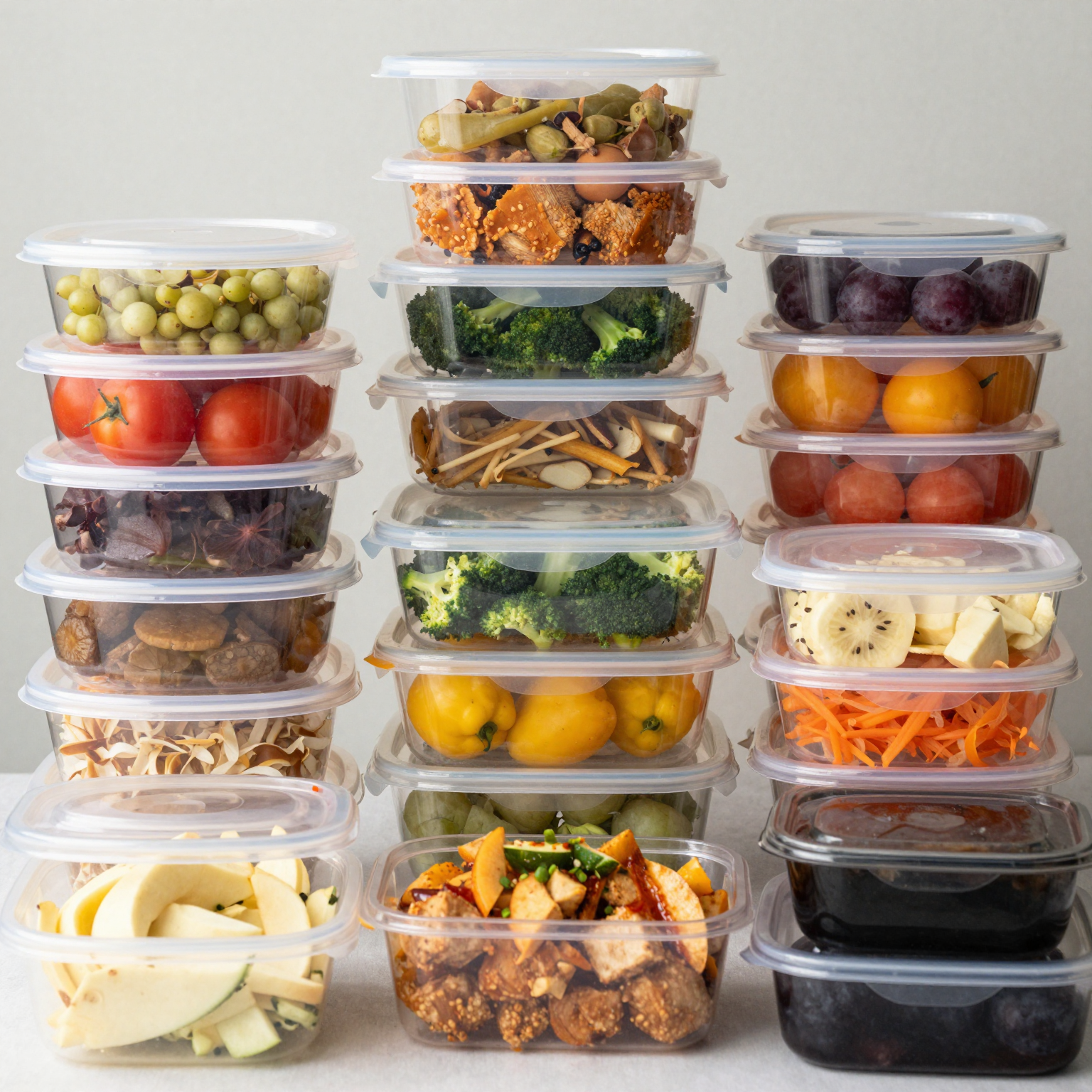
Client Testimonials and Case Studies on Freezing with Plastic Food Containers
Businesses in the food service industry are continuously seeking efficient solutions for preserving product quality while maximizing operational efficiency. Plastic food containers designed for freezing have proven to be a game-changer. Here are some encouraging testimonials and case studies from actual users who have made a successful switch:
1. Major Frozen Food Brand Case Study
A prominent U.S. frozen food manufacturer transitioned to recyclable, lightweight plastic containers for their frozen meals. This change led to a 28% reduction in material usage and a 15% decrease in transportation emissions. Notably, they found that the new packaging maintained product freshness for up to 12 months. Customer feedback indicated a remarkable 92% satisfaction rate concerning the durability and ease of use of the packaging. Read more about this case study.
2. Organic Snack Company Success Story
In a feature by Entrepreneur Magazine, the owner of a frozen organic snack company revealed that switching to BPA-free, freezer-safe plastic containers was pivotal in scaling their operations. The containers ensured consistent product quality during shipping and storage, which improved shelf presentation and significantly reduced spoilage. The packaging choice notably helped them secure distribution deals with major retailers, awed by the product’s freshness and appeal. Explore the interview here.
3. Customer Feedback on Freezer-Safe Containers
On platforms like Walmart and Amazon Business, numerous customers have shared their positive experiences with BPA-free freezer-safe plastic containers. One user noted, “These containers enhance our meal prep efficiency and have significantly improved our food storage quality, leading to fresher meals for our customers.” Another customer from a meal distribution company stated, “These containers not only increased our efficiency but also reduced our waste due to packaging failures.”
By choosing the right plastic food containers, businesses such as frozen meal manufacturers and snack companies not only optimize their operations but also improve customer satisfaction. It’s clear that investing in quality storage solutions pays off in numerous ways!
For more insights on effective food packaging solutions, check out our articles on custom paper bowl options and sustainable materials.
With practical solutions and a focus on customer satisfaction, manufacturers and retailers can leverage functional and eco-friendly packaging to thrive in the competitive food service industry.
User Satisfaction Ratings for Plastic Food Containers
In the competitive world of food service, understanding user satisfaction is key to selecting the right plastic food containers. This chart displays satisfaction ratings based on usability, price, and eco-friendliness for various brands of plastic food containers.
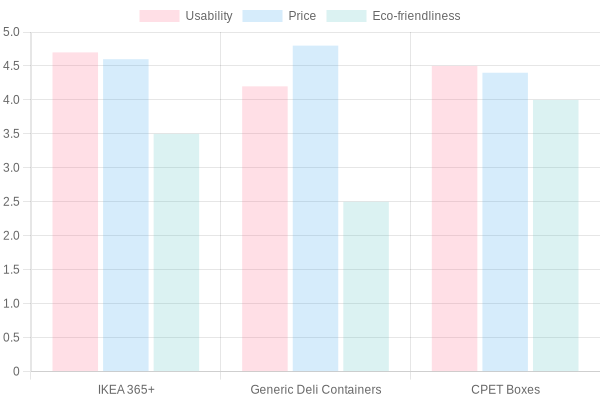
Satisfaction Ratings Overview:
| Brand | Usability | Price | Eco-friendliness |
|---|---|---|---|
| IKEA 365+ | 4.7 | 4.6 | 3.5 |
| Generic Deli Containers | 4.2 | 4.8 | 2.5 |
| CPET Boxes | 4.5 | 4.4 | 4.0 |
This data highlights that while the IKEA 365+ products lead in usability, Generic Deli Containers offer the best price satisfaction. CPET Boxes, on the other hand, provide a balanced eco-friendliness score, making them suitable for sustainable practices, especially relevant for food businesses focused on environmental concerns.
For a deeper understanding of sustainable packaging in food service, you may want to learn more about eco-friendly options and explore various paper bowls that could complement your container choices.
In conclusion, choosing the right plastic food containers for freezing is crucial for maintaining food safety and quality. As we’ve discussed, using containers made from food-grade materials like polypropylene (PP) or high-density polyethylene (HDPE) can help prevent freezer burn and the leaching of harmful substances, ensuring that your frozen products remain fresh. It’s also essential to consider airtight seals and appropriate sizes for your items to avoid contamination. For businesses such as bubble tea shops, restaurants, and food trucks, investing in high-quality, reliable containers is not just a matter of convenience but also of food safety and customer satisfaction.
If you’re looking for tailored packaging solutions that meet your specific needs, we invite you to contact us for a quote on our disposable tableware and packaging solutions. Let’s work together to enhance your food service experience with the best packaging options available!