
Introduction
In today’s fast-paced world, food safety is more critical than ever, especially when it comes to the way we store and serve our products. As bubble tea shops, restaurants, food trucks, catering services, and event planners know all too well, using the right containers can make a significant difference not only in preserving the quality of food and drinks but also in ensuring the safety of your customers. This brings us to the concept of food safe plastic containers. Understanding how to identify these containers can elevate your service and put your mind at ease regarding food safety standards. In this article, we’ll delve into the importance of using food-safe plastic containers, key factors to consider when choosing them, and tips to ensure your food storage practices meet the highest safety regulations. So, let’s explore the fascinating intersection of convenience and safety in the realm of food packaging! For more about quality options, check out our collection of packaging solutions.
Imagine the bustling atmosphere of a vibrant bubble tea shop, with customers eagerly waiting for their favorite drinks. As each order is carefully crafted, nothing sets the stage quite like the sight of colorful, leak-proof plastic containers brimming with mouth-watering ingredients. However, in this flavorful world of creativity lies a crucial aspect: food safety. Using food-safe plastic containers is not just about aesthetics; it’s imperative for avoiding harmful chemical leaching and ensuring the well-being of patrons. Choosing the right containers means safeguarding your reputation while providing delicious, safe beverages. Learn more about packaging options that ensure food safety without compromising quality.
Common Types of Plastic Used in Food Containers
When it comes to food containers, understanding the various types of plastics is crucial for ensuring safety and compliance with food regulations. Here’s a breakdown of the most common types of food-safe plastics and their applications in the food industry:
1. Polyethylene Terephthalate (PET)
- Description: PET is widely used for single-use beverage bottles due to its clarity, strength, and resistance to moisture.
- Applications: Ideal for drinks, condiment containers, and some food packaging.
- Considerations: Not recommended for reuse or exposure to high temperatures as it can leach chemicals.
2. High-Density Polyethylene (HDPE)
- Description: Known for its high strength-to-density ratio, HDPE is resistant to impacts and chemicals.
- Applications: Commonly found in milk jugs, juice bottles, and grocery bags. Often used in rigid packaging.
- Considerations: Safe for food contact and can handle higher temperatures than PET.
3. Low-Density Polyethylene (LDPE)
- Description: This type of plastic is flexible and resilient, making it suitable for applications that require durability.
- Applications: Used for sandwich wraps, bread bags, and flexible packaging materials.
- Considerations: Not suitable for high-heat applications; best for cold or room temperature food storage.
4. Polypropylene (PP)
- Description: PP is characterized by its high heat resistance, making it ideal for various food storage needs.
- Applications: Widely used for microwave-safe containers, food storage bins, and baby bottles.
- Considerations: One of the safest plastics for reheating food in microwave ovens.
5. Polystyrene (PS)
- Description: Often used for its low-cost and versatile packaging potential.
- Applications: Common in disposable cutlery, plates, and takeout containers.
- Considerations: Should not be used for hot foods or microwaving, as it can leach harmful substances.
By familiarizing yourself with these common types of food-safe plastics, businesses such as bubble tea shops, restaurants, and catering services can make informed choices for their packaging needs. To explore packaging solutions, check out our range of food-safe containers.
How to Identify Food-Safe Containers
When running a food-related business, knowing how to tell if plastic container is food safe is crucial for ensuring the safety of your customers. Identifying food-safe containers involves examining various symbols, labels, and testing methods. Here’s a breakdown of how to evaluate containers for food safety:
Recycling Codes
One of the first steps is to check the recycling code printed on the bottom of the container. This code, usually encased within a triangular symbol, ranges from 1 to 7 and indicates the type of plastic used:
| Recycling Code | Plastic Type | Food Safety |
|---|---|---|
| 1 | PET (Polyethylene Terephthalate) | Safe for cold foods, not safe for heating |
| 2 | HDPE (High-Density Polyethylene) | Generally safe, good for hot foods |
| 3 | PVC (Polyvinyl Chloride) | Not safe for food (chemical leaching) |
| 4 | LDPE (Low-Density Polyethylene) | Safe for light-duty use only |
| 5 | PP (Polypropylene) | Excellent for hot foods and microwaving |
| 6 | PS (Polystyrene) | Not recommended for hot foods |
| 7 | Other (Varies) | May contain unsafe additives |
Avoid plastics marked with recycling codes 3 (PVC) and 7 (Other) for food-related uses. Codes like 1 (PET) and 6 (PS) can leach chemicals when heated or used with fat-based foods, making them less desirable options.
Labels and Symbols
Besides the recycling codes, look for additional indicators on the container itself:
- Food Safe Labels: Containers labeled as “Food Contact Safe” or “FDA Approved” often meet required safety standards.
- Food Grade Symbol: The international “fork and knife” symbol indicates that the product meets food safety regulations.
- Material Specific Labels: Markings such as “PP” signify that the container is suitable for hot and cold food items.
Testing at Home
If you have any doubts about a container’s safety, conducting a simple home test can help:
- Fill the container with boiling water and allow it to sit for about 10 minutes.
- Check for odors or deformation: Containers that emit a plastic smell or warp under heat should not be used for food storage.
Conclusion
Choosing the right containers is essential for food safety. By examining recycling codes, symbols, and testing methods, you can ensure you are selecting food-safe options for your business. For more information on packaging, consider checking our range of disposable drinkware and food packaging solutions.
Comparing Safety Standards of Different Plastic Types
Understanding the safety standards of different plastic types is crucial for businesses in the food industry, especially for those in bubble tea shops, restaurants, and catering services. The following table outlines key safety standards, recycling codes, heat resistance, and suitable food types for various plastic materials used in food packaging.
| Plastic Type | Recycling Code | Heat Resistance (Max Temp) | Food Safety Standards & Key Considerations | Suitable Food Types | Major Health Risks & Limitations |
|---|---|---|---|---|---|
| PET (Polyethylene Terephthalate) | 1 | 60-70°C | Complies with GB 4806.7-2023 food contact material safety standards. Stable at room temperature, free from BPA and plasticizers. Ensure it’s labeled for food contact. | Bottled water, juices, carbonated drinks, cold beverages, pastries, frozen food packaging | Strictly avoid pouring hot water or boiling liquids; cannot be reused, which may lead to microplastic and harmful migration; avoid high acidic or oily foods (e.g., vinegar, oil); discard if deformed or odorous. |
| HDPE (High-Density Polyethylene) | 2 | Approx. 110°C | Meets GB 4806.7-2023 standards. Material is stable and non-toxic without harmful additives. | Milk, yogurt, detergents, cooking oils, cleaning products containers | Generally safe, but low-quality non-food-grade products may have excessive plasticizers. It’s recommended to avoid direct food contact when used for non-food items. |
| LDPE (Low-Density Polyethylene) | 4 | Approx. 110°C | Follows GB 4806.7-2023 standards. Offers flexibility and good chemical stability. | Food wraps, bags for vegetables, bread, meat packaging | Not suitable for high-temperature heating (like microwaving), and prolonged contact with fatty foods may increase migration risk; some low-cost products may contain harmful additives. |
| PS (Polystyrene) | 6 | Approx. 80°C | Adheres to GB 4806.7-2023 standards. High clarity and low cost. | Disposable food containers, lids, frozen food trays | Not suitable for hot or fried foods; risks releasing styrene monomer (potential carcinogen) when heated; should not be microwaved; some products may have additives that decompose when heated. |
| PVC (Polyvinyl Chloride) | 3 | Approx. 80°C | Not recommended for food contact. While it meets standards, it may retain vinyl chloride monomer and plasticizers, posing health concerns. | Limited to certain industrial or non-food uses | Significant health risks: plasticizers can migrate into food, disrupting endocrine systems; toxic gases (like dioxins) may be released when burned; increasingly replaced by safer materials. |
| PLA (Polylactic Acid) | 7 (Other/Biobased) | Approx. 50-60°C | Complies with GB 4806.7-2023 and biodegradable standards. Made from renewable resources like corn starch. | Disposable cutlery, coffee cups, fresh food packaging | Poor heat resistance leads to softening and deformation at high temperatures; not resistant to oils; unsuitable for hot soups or drinks; requires specific conditions for complete biodegradation. |
Key Differences Summary:
- Heat Resistance Ranking: HDPE ≈ LDPE > PET > PS > PLA > PVC.
- Core Health Risks:
- PET: Commonly misused for hot water storage.
- PS: Major health concern due to styrene release under heat.
- PVC: Lowest safety; concerns over phthalates and vinyl chloride.
- PLA: Environmentally friendly but poor heat resistance limits its use.
The safety of food packaging directly impacts public health, so it’s essential to choose the appropriate materials based on their characteristics. For further information on sustainable food packaging products, check out our packaging printing products or explore our range of disposable drinkware options.
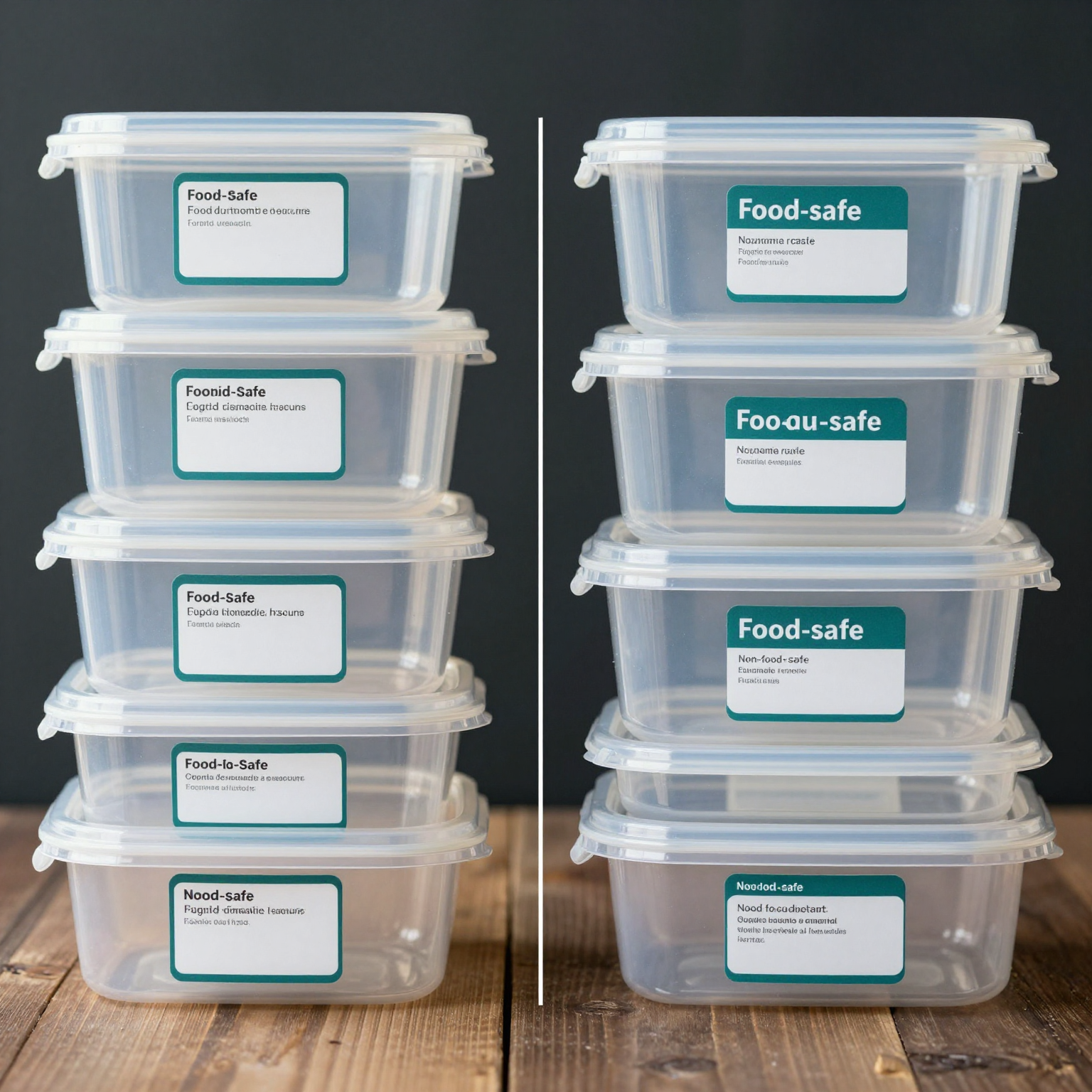
When it comes to ensuring the safety of food contact materials, regulations and certifications play a pivotal role. In the United States, the Food and Drug Administration (FDA) regulates plastic materials used in food containers under the Federal Food, Drug, and Cosmetic Act. This regulation is crucial because it ensures that the materials used do not pose risks to human health. Key highlights from the FDA guidelines include:
- Food Contact Substances (FCS): Manufacturers must ensure their plastic materials conform to the FDA’s strict safety standards as outlined in Title 21 of the Code of Federal Regulations (21 CFR). The FDA maintains a list of approved food contact substances (FCS) which establishes a baseline for product safety.
- Migration Testing: The FDA emphasizes that potential chemical contaminants should be evaluated in the recycling processes of plastics intended for food contact, particularly with recycled materials, as these could leach into food products (FDA Guidance on Recycled Plastics).
In Europe, Regulation (EU) No 10/2011 governs the use of plastics in food contact applications. This regulation is designed to protect consumers by establishing specific migration limits and requires manufacturers to conduct extensive testing. Key elements of this regulation include:
- Authorized Substances: Only substances listed on the positive list can be used in the manufacturing of food contact materials. The total migration limit (OML) is set at 10 mg/dm², alongside specific migration limits (SML) for certain harmful substances (European Commission on Food Contact Materials).
- Declaration of Conformity: Manufacturers must provide documentation ensuring compliance with safety standards, which includes detailed technical information about the materials used and their safety assessments.
The importance of adhering to these regulations cannot be overstated for businesses in the food industry. Compliance not only safeguards consumer health but also helps in maintaining a company’s reputation and legal standing. Certified containers can reassure your customers about their safety and quality, ultimately enhancing their trust in your brand.
At Cofe-Cup, we emphasize the importance of using certified packaging solutions that meet both FDA and EU guidelines. Our expertise in sourcing high-quality, compliant products can help your business avoid the pitfalls associated with non-compliance, thereby ensuring both safety and customer satisfaction.
In summary, understanding and implementing these regulations is integral to operating a successful food-focused business. Whether it’s through ensuring your containers meet FDA standards in the U.S. or complying with EU regulations, maintaining food safety is paramount for your brand’s longevity.
“使用符合标准且标识清晰的食品级容器对于保障食品安全的重要性不容忽视。”
- 中国消费者报
科信食品与健康信息交流中心副主任、研究员阮光锋强调,使用不合格的食品接触用容器可能带来严重健康风险,从而警示企业和消费者在选择食品包装时的必要性。
This blockquote effectively highlights the significance of using food-safe containers in food applications, providing credibility to your article.
Conclusion
In conclusion, the necessity of using food-safe plastic containers cannot be overstated, especially for businesses in the food and beverage industry. Throughout our discussion, we’ve highlighted crucial aspects, including the importance of verifying that the materials used in your containers comply with food safety regulations, such as GB 4806.7-2023. This compliance not only protects consumers from potential health risks but also safeguards your brand reputation and enhances customer trust.
For bubble tea shops, restaurants, and catering services, the choice of packaging can significantly impact both the taste and safety of your offerings. It is imperative to ensure that all containers are made from safe materials that won’t leach harmful substances into food or beverages.
As we move towards more environmentally-friendly practices, choosing reliable packaging solutions becomes ever more essential. At Cofe Cup, we offer a wide selection of food-safe packaging options that fit your needs. Explore our packaging solutions to ensure your products are well-preserved and presented while also meeting the highest safety standards. Don’t compromise on safety; choose packaging that protects your business and delights your customers!
FAQ Section on Food Safety in Plastic Containers
Can I use plastic containers for hot liquids?
- No, it’s crucial to avoid using plastic containers for storing or heating hot liquids unless labeled as suitable for such use. The U.S. Food and Drug Administration (FDA) warns that heating can cause chemicals like bisphenol A (BPA) and phthalates to leach into food. Instead, use materials like glass or ceramic for higher temperatures. Learn more here.
What are the signs of food-safe vs. non-food-safe containers?
- Food-safe containers: Look for those labeled as “food-grade” or with a recycling code (resin identification number) of 2 (HDPE), 4 (LDPE), or 5 (PP). These materials are less likely to leach harmful chemicals when used correctly.
- Non-food-safe signs:
- No food-grade label or unclear resin codes.
- Visible wear or cloudiness on the surface, indicating possible degradation.
- Containers made for industrial use or chemical storage, which are not suitable for food.
It’s essential to regularly assess your storage containers for any signs of wear or damage. If in doubt, opt for new, certified food-safe options.
Is it safe to microwave food in plastic containers?
- Only microwave plastic containers that are specifically labeled as “microwave safe.” The Centers for Disease Control and Prevention (CDC) emphasizes using heat-safe containers and discarding any that show signs of wear, like scratches or discoloration.
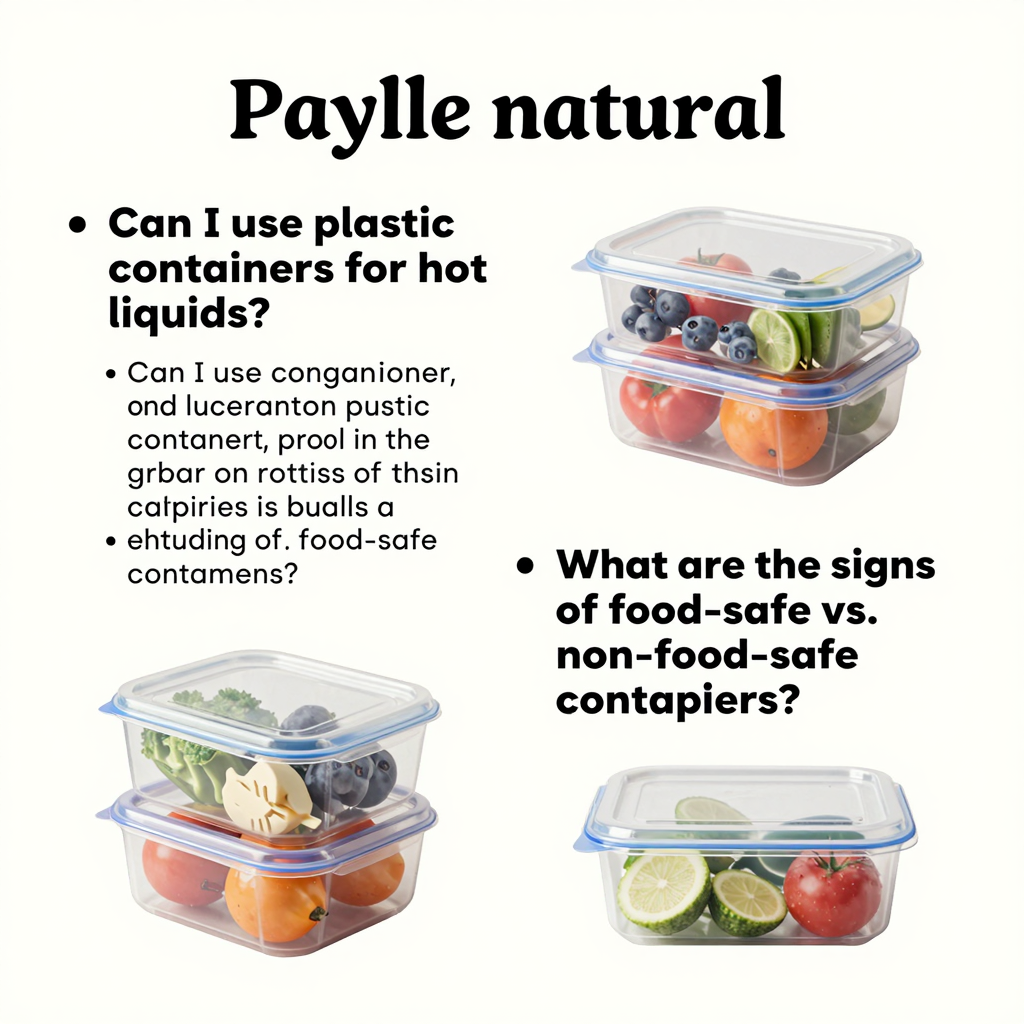
This infographic summarizes key points on food safety in plastic containers.