
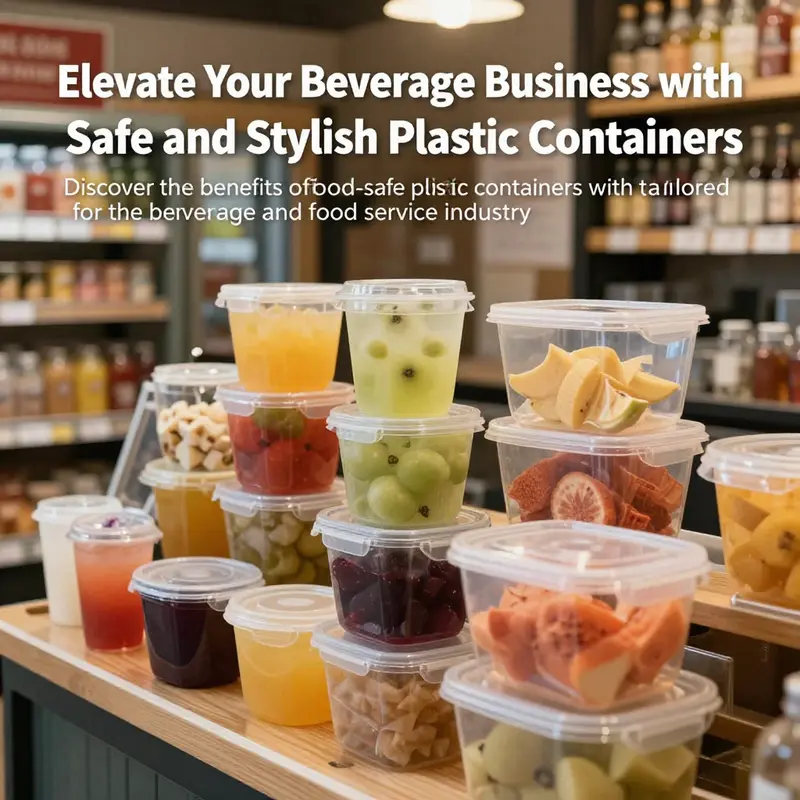
In an era where presentation and safety are paramount, food-safe plastic containers with lids emerge as essential tools for bubble tea shops, beverage chains, restaurants, food trucks, catering services, event planners, and corporate procurement teams. These containers not only ensure the safety of your beverages and foods but also offer versatile solutions that enhance operational efficiency. From understanding the materials that make these containers safe to examining their functional designs and market trends, each chapter will provide valuable insights tailored to your specific needs. Let’s delve into what makes food-safe plastic containers with lids a must-have for your business operations.
Lock, Seal, Safeguard: How Materials, Standards, and Design Make Food-Safe Plastic Containers with Lids Work
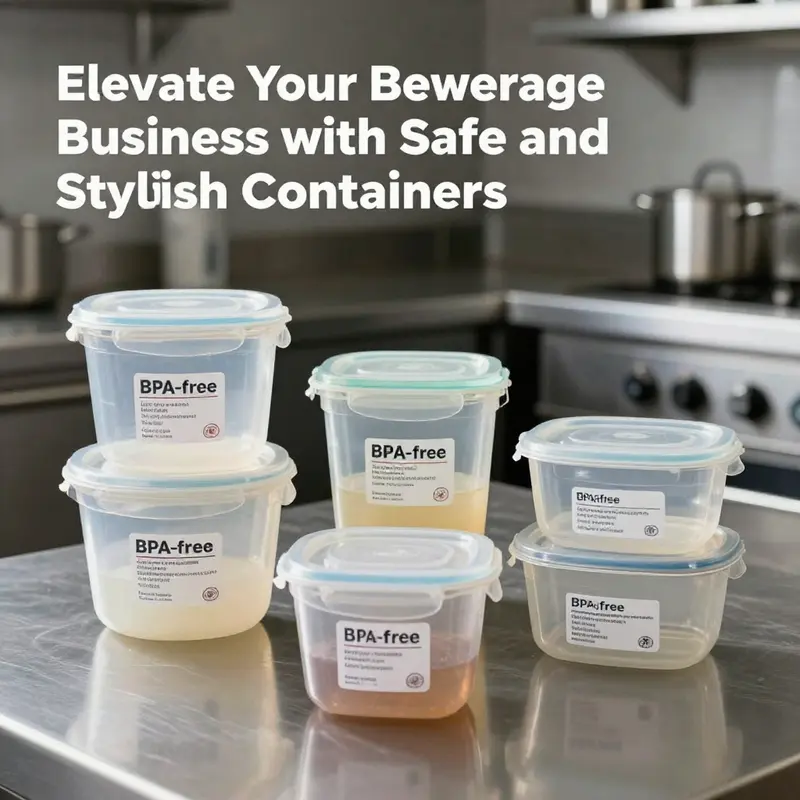
Storing, transporting, and reheating food with confidence hinges on more than appearance or price. It requires a thoughtful alignment of material chemistry, certified safety standards, and practical design that honors the different ways people use containers—from batch-prepping meals at home to packing takeout for a crowded kitchen line. When these elements come together, a plastic container with a lid becomes more than a vessel; it becomes a trustworthy link between the cook and the meal, preserving flavor, texture, and safety through heat, cold, and everyday handling. Across households and professional settings, the best solutions are those that minimize risk without adding friction to daily routines. They resist leaks, survive repeated use, and tolerate a range of temperatures without compromising the food they cradle. That balance—between performance, safety, and user convenience—defines what researchers and manufacturers now describe as food-safe plastic containers with lids.
At the heart of any safe container is the choice of material. Polypropylene, commonly labeled as PP and designated as resin #5 in recycling codes, appears most frequently in containers designed for frequent reuse and hot use. PP’s heat resistance is well suited to microwave reheating, with practical tolerances that allow hot foods to be stored or heated without deforming the container or transferring heat to the user’s hands. This makes PP a practical workhorse for everyday meal prep and office lunch storage. It also resists typical cooking oils and many acidic foods, which helps stabilize flavor and appearance over time. But no material exists in a vacuum. The safety of PP, like all food-contact plastics, depends on an unbroken chain of compliance—from resin manufacture through extrusion, molding, and final packaging—into the consumer’s hands.
Beneath the surface, other plastics contribute distinct advantages. Tritan™, a BPA-free copolyester, has carved a niche in premium, reusable containers because it combines clarity with shatter resistance and dishwasher safety. Its performance under heat—while not identical to PP—enables confident use for hot beverages and warm foods, and it often stands out where visibility of contents matters for meal planning. High-density polyethylene, HDPE, is another staple in the repertoire. HDPE’s durability makes it ideal for rigid containers used in cold storage, such as bulk bins and certain dairy and fruit product containers. It is typically less suitable for microwaving, given its heat tolerance, but for cold and room-temperature storage it provides robust chemical resistance and impact strength. Polyethylene terephthalate, PET, is familiar from single-use bottles and some jars. While PET can be safe for cold liquids and short-term reuse, many guidelines advise against repeated heating or long-term use with high temperatures, as aging can alter its properties and potentially influence migration.
A growing wave of family-friendly containers also emphasizes the so-called BPA-free era. The absence of bisphenols is not merely a branding choice but a core safety premise for many consumers and regulators. BPA-free formulations are often achieved with alternatives like Tritan or carefully engineered PP blends that minimize leaching risk while preserving performance. The emphasis on BPA-free materials aligns with a broader regulatory framework that governs what can contact food. In the United States, the Food and Drug Administration (FDA) regulates food-contact materials under specific sections of the Code of Federal Regulations, including Parts 174–179, which set out the allowable substances and limits for migration into foods. In practice, “food-grade” or “food-safe” labeling reflects compliance with these standards and, ideally, corroborating certifications. Other markets use frameworks such as GB 4806.6-2016 in China or ISO 18602 internationally, each addressing the migration of substances from plastics into food simulants. Together, these standards form a global map that helps ensure a container will perform safely across kitchens, lunchrooms, and professional kitchens worldwide.
Policy alone cannot guarantee safety, however. The guidance surrounding safe use is as important as the material choice. The same study that highlights material safety also underscores practical cautions: always avoid heating PET or LDPE containers that are not explicitly marked as microwave-safe. Reusing single-use PET bottles or food containers designed for one-time use is not recommended. High-fat and high-acid foods can accelerate additive migration, particularly in older or lower-grade plastics. Scratches and wear create micro-crevices that harbor bacteria and can serve as avenues for leaching, especially after repeated cycles in dishwashers or microwaves. Detailing such precautions is not fearmongering but a necessary framework for responsible use. It is equally important to ensure lids match containers in material safety and physical compatibility. The lid’s role is integral to the system; a sealed, food-grade lid with a compatible gasket can transform a loose, spill-prone storage scenario into a secure, stackable unit that preserves aroma and texture while occupying a compact footprint.
This approach to design is not merely about safety labels. It translates into real-world performance metrics that matter in kitchens of every scale. For example, a number of modern containers tout airtight or gas-tight sealing capabilities, which can extend the freshness window for dry goods such as coffee, grains, or pasta. When dryness is maintained, flavor and aroma stay intact longer, which is especially valuable for households that buy in bulk or households seeking to minimize waste. Some products emphasize precise geometric tolerances—down to 1.0 mm—to ensure stable stacking and minimize movement during transport. Such attention to dimensional accuracy reduces the odds of lids slipping out of place or containers becoming misaligned when stored in crowded pantries or mobile delivery environments. These design choices—airtight seals, robust gaskets, and interlocking stackability—are not cosmetic enhancements but practical features that help a family keep staples fresher, longer, and safer in an ordinary kitchen.
The market has rewarded PP and Tritan with broad adoption for both home and food-service use, driven by demand for safe, reusable options that can withstand microwaves, dishwashers, and cold storage. In parallel, a category of containers uses HDPE for durable cold storage and heavy-use environments, from refrigeration to transport. The result is a spectrum of solutions that cover different temperatures, temperatures, and use-cases. The aim, again, is not to overwhelm but to provide a reliable choice that aligns with the user’s routine—whether you are prepping meals for the week, packing lunch for a child, or transporting meals for a restaurant. As such, the design of the lid matters as much as the body: a good seal, a gasket that resists cracking and swelling, and an easy-to-use locking mechanism can transform a container from an occasional tool into a dependable ally in daily meal management.
The global market also reflects the need for clear labeling and traceability. Consumers increasingly scrutinize whether a container is clearly described as food-grade and BPA-free, while manufacturers emphasize compliance with well-known regulatory schemes. The result is a safety ecosystem where materials, migration testing, and end-use labeling work in concert. For households, this means making informed choices based on the right combination of material type, certified safety marks, and practical use guidelines. It also means understanding that the safest choice for high-heat tasks—such as reheating in a microwave or serving piping hot meals—often involves selecting PP or Tritan containers specifically labeled as microwave-safe. In contrast, for long-term cold storage or scenarios where the container will never be heated, HDPE can offer a sturdy, cost-effective option without compromising safety.
Beyond the kitchen, these principles resonate in takeout packaging and restaurant operations. The same materials and safety standards apply, but the scales and expectations differ. In food-service settings, the emphasis shifts toward durability, stackability, and ease of cleaning, as well as predictable performance in the dishwasher. The most effective designs offer a balance of airtight seals to prevent leaks during transport, robust bodies to withstand impact, and lids that lock in place so that the container remains upright during movement. The ability to withstand repeated cycles of refrigeration, reheating, and washing without degrading the container or compromising the food’s safety and flavor is a hallmark of a well-engineered system. In this way, the little circular lid becomes a hinge for overall food safety and operational efficiency—an often overlooked but essential component of modern food safety culture.
As guidance converges with practice, a practical rule emerges for households: prioritize containers that are clearly labeled as food-grade and BPA-free, and that carry explicit microwave-safe markings if you intend to heat food in them. Check the lid for compatibility with the container and for a durable seal. Inspect for visible wear, such as scratches on the lid gasket or cracks in the container body, and replace items that show signs of significant wear. For high-heat cooking, favor PP or Tritan-based options and avoid reusing disposable PET or LDPE containers that were not designed for repeated heating. When in doubt about a material’s suitability for a specific culinary task, consult the container’s labeling and the manufacturer’s care instructions. The safer choice is to reduce uncertainty by selecting a system that has undergone recognized safety testing and displays relevant certifications. In many cases, this translates to a straightforward decision: the safest containers for hot foods are those made from heat-tolerant, BPA-free materials with clearly defined microwave and dishwasher safety, while cold storage benefits from the durability and chemical resistance of HDPE or PET variants that are intended for cold use.
The story of food-safe plastic containers with lids is, at its core, a story about responsible consumption. It is a story of materials science meeting everyday life, of standards that travel across borders, and of design that respects both the cook’s needs and the health of the consumer. It invites us to look beyond glossy finishes and convenient shapes to the hidden conversations between polymer chains, migration limits, and the mechanics of a secure seal. When those conversations are clear and well-managed, the container ceases to be a mere receptacle and becomes a reliable partner in safe, efficient cooking and storage. The best choices empower you to plan, cook, and store with fewer worries and fewer excuses to compromise on safety. They enable you to take control of waste, to reduce repeated heating of leftovers, and to extend the life of dry staples by protecting them from air and moisture. In this way, the simple act of snapping a lid onto a container is a small but meaningful act of safeguarding health in the modern kitchen.
In sum, the safest plastic containers with lids start with the material—PP for hot use and Tritan for clarity and durability—backed by a fabric of regulatory oversight from bodies that test for migration and ensure labeling fidelity. They fit into a broader safety framework that includes hot and cold use guidelines, proper cleaning practices, and routine inspection for wear. They are designed not only to prevent leaks but to maintain the integrity of flavors and textures through heat cycles and storage. They are part of a global system that values safety as much as convenience, and they invite consumers to think of packaging not as an afterthought but as an essential part of a safe, sustainable food culture.
External resource: https://www.fda.gov/food/food-contact-materials-regulation
Sealed for Freshness: The Functional Design and Real-World Performance of Food-Safe Plastic Containers with Lids
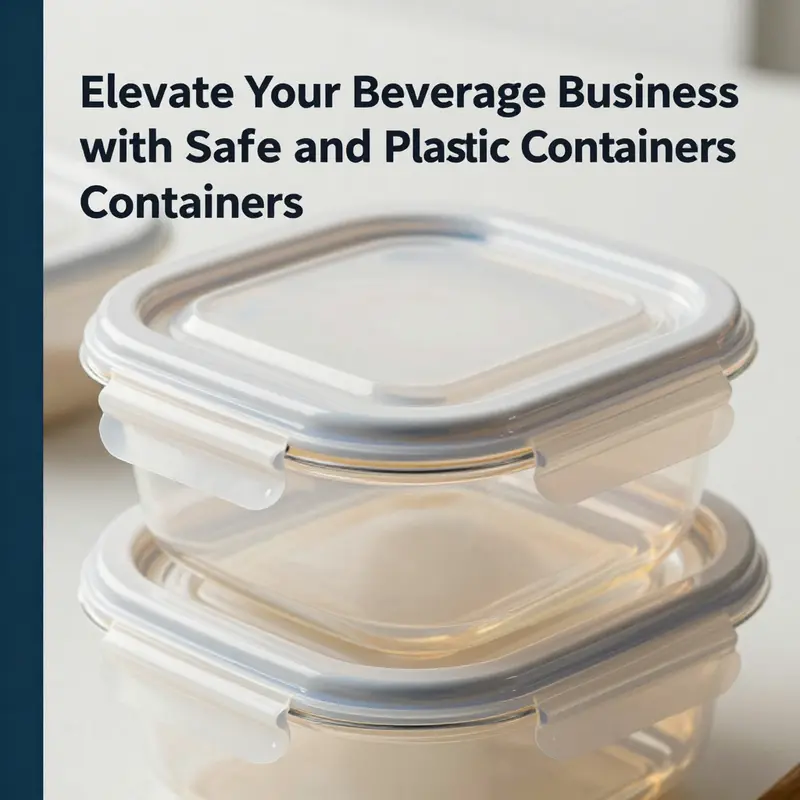
In kitchens, storerooms, and takeout lanes, plastic containers with lids perform more than a simple containment role. They are active participants in food safety, portion control, and workflow efficiency. A container is judged by how well it preserves flavor, prevents leaks, and survives the daily rigors of a busy home or commercial setting. The materials chosen for these containers matter because they determine not only safety but also durability, temperature tolerance, and long-term performance. The standard expectation is that food-contact plastics come from BPA-free families and comply with food-regulation guidelines across regions. In practice, this means choosing materials such as polypropylene, high-density polyethylene, or Tritan-grade polymers. Each brings its own strengths: polypropylene offers a balanced mix of rigidity and heat resistance; HDPE brings toughness and chemical resistance; Tritan provides clarity and exceptional odor and stain resistance. The common thread across these options is safety. BPA-free construction is more than a marketing label; it is a baseline for reducing the risk of unwanted chemical migration into food, even under temperature fluctuations or when acidic contents are present. This safety orientation is complemented by compliance with recognized food-contact regulations, which serve as a bedrock for consumer confidence. The result is a class of containers designed to perform across a spectrum of environments, from household fridge to professional kitchen, while maintaining a consistent standard of safety and reliability. The emphasis is not only on material choice but also on how the container is designed to use those materials most effectively in daily routines. A container must be comfortable to handle, easy to clean, and capable of withstanding repeated cycles of heating, chilling, and washing without compromising its integrity or the safety of its contents. In short, the functional design of food-safe plastic containers with lids is a synthesis of chemistry, engineering, and practical ergonomics that together safeguard freshness and minimize waste.
Functional design, at its core, centers on an airtight seal. Lid mechanisms are often snap-on or twist-lock varieties, chosen for their reliability and user friendliness. A well-designed seal creates a barrier that markedly reduces moisture loss and prevents spills during transport. The seal also limits the ingress of contaminants, a feature that is especially valuable for meal-prep routines, leftovers, and takeout scenarios. Beyond keeping contents secure, a reliable seal helps maintain the sensory profile of food. It preserves aroma, texture, and moisture, which is essential for foods that quickly lose their appeal when exposed to air or temperature swings. In many product lines, sealing isn’t an afterthought but a defining feature that dictates how long a product can keep quality, particularly for dry goods, coffee, grains, and ready-to-assemble meals. The design language of lids extends into openings and rims, where precise tolerances matter. A uniformly manufactured rim supports even pressure distribution along the seal. It also ensures easy, consistent lid replacement—an everyday but often overlooked quality that influences user experience and satisfaction. When you add gaskets or gasket-like lip channels, you create an engineered barrier that resists leaks even when containers are tipped during dishwasher cycles, car trips, or grocery runs. The result is not only a leak-resistant container but one that keeps spillages contained within its own structure, reducing mess and waste.
Stackability is another pillar of practical design. Modern food-safe containers are built with uniform dimensions and reinforced edges to enable stable nesting and vertical stacking. The capacity to nest securely minimizes space in cabinets, pantries, and loading docks, which matters as storage demands grow in households and commercial kitchens alike. An additional engineering focus is the alignment of lids with bases, often achieved through interlocking features or consistent molding tolerances. In practice, this thoughtful design yields a predictable stacking behavior: containers rest without shifting, lids stay aligned, and the overall footprint remains compact. Some contemporary designs claim up to 30 percent more stacking space than standard configurations, a valuable benefit in small kitchens or crowded back-of-house environments. Precision tolerances, sometimes cited as 1.0 millimeter gaps, help ensure that each unit sits stably in a stack, reducing wobble and the risk of tipping during transport. These space-saving attributes translate directly into organized storage and easier logistics, whether it is a family pantry or a bustling catering operation.
The performance profile of these containers extends well beyond containment. In practical terms, most are dishwasher-safe, freezer-safe, and lightweight, with a durability that surpasses glass in many everyday scenarios. The dishwasher-grade resilience speaks to convenience; the ability to withstand repeated washing without degrading the seal or the clarity of the container is essential for households that rely on batch cooking and weekly meal-prep routines. Freezer compatibility is equally important for seasonal recipes, stockpiling, or long-term storage of ingredients. These containers endure the cold without becoming brittle or losing their seal integrity when thawing back to room temperature. At the same time, the transparent nature of many container bodies is a practical boon. Being able to identify contents at a glance reduces unnecessary openings, preserves cleanliness, and speeds up meal prep and inventory checks. The lightness of plastic relative to glass is not incidental either: it reduces the physical strain of lifting and transporting containers, which matters for families and staff who handle dozens of containers daily. A shatter-resistant profile further contributes to safety, particularly in busy environments where accidental drops are a common hazard.
Not every use case benefits equally from every design choice. There are practical limitations to acknowledge. Prolonged exposure to high heat, for instance, can lead to lid warping or deformation, especially when containers are exposed to direct oven-like conditions. As a general rule, these containers are optimized for reheating or warming within the limits of a microwave or boiling water bath rather than for cooking. This caveat aligns with the broader principle that safe containers do not substitute for appropriate cooking vessels. Temperature extremes should be managed with care, particularly for contents that are acidic, spicy, or highly pigmented, which can sometimes affect odors or staining in certain plastics. Even premium materials may retain or transfer strong odors or visual residues if not cleaned promptly or if heavily pigmented foods are stored for extended periods. Premium-grade plastics, such as high-clarity and odor-resistant varieties, tend to resist both staining and lingering aromas more effectively, but no material is entirely odor-proof under all conditions. In everyday practice, choosing a higher-grade polymer often pays for itself through easier maintenance, longer life, and a more consistent user experience.
Specialized consumer and professional applications also shape the design and use of these containers. Catering setups, buffets, or buffet-inspired takeout systems rely on modular sets that can be scaled to meet demand. In these contexts, standardized sizes, modular lids, and stackable forms enable rapid assembly, easy portioning, and smooth replenishment. Similarly, specific configurations exist for spice stations, sample trays, or laboratory-style storage that require consistent dimensions, rigid walls, and secure closures. The habit of modularity—having a spectrum of sizes that interlock or nest reliably—reduces logistical friction and improves inventory management. Collapsible or foldable variants, though less common for general use, illustrate how design can adapt to seasonal or off-season logistics by dramatically reducing storage and return shipping volume. The underlying idea in these specialized formats is simple: you gain efficiency by applying predictable geometry to storage and service workflows.
From a broader perspective, the choice of container material—PP, HDPE, or a premium polymer like Tritan—reflects a balance between safety, durability, and practical performance. BPA-free status remains a core criterion for evaluating safety, but it is not the sole determinant. Compliance with FDA and international regulations provides a regulatory shield that supports consumer trust and retail acceptance. In many markets, the labeling and certification process, rather than a single property like heat resistance, is what customers rely on when assessing suitability for their food handling needs. This multi-criteria evaluation is particularly important for high-use environments in which containers are subjected to frequent cycling through microwaves, refrigerators, and dishwashers. The goal is to minimize any negative impact on either the user experience or the safety of the stored food.
Beyond safety and performance, the environmental dimension of these containers merits attention. The rapid growth of plastic packaging in food systems has drawn scrutiny about recyclability and end-of-life responsibility. Many widely used plastics in food containers are compatible with common recycling streams, but the actual recyclability depends on local facilities and labeling. Consumers and operators increasingly consider the full lifecycle: the energy required for production, the likelihood of reuse, and the feasibility of material recovery at end of life. In practice, this translates into guidance about choosing durable, reusable containers over single-use alternatives, particularly when the goal is to reduce waste. At the same time, manufacturers explore design strategies that facilitate recycling without sacrificing performance. For example, some formulations aim to minimize the number of different plastics in a product line, simplifying sorting and processing in recycling facilities. This evolving landscape highlights the importance of staying informed about local recycling capabilities and considering both safety and sustainability in tandem when selecting storage solutions.
Choosing the right container for a given context means recognizing the trade-offs between cost, durability, and ease of use. Home cooks might prioritize lightweight construction, clear bodies for quick identification, and a lid that seals securely enough for fridge storage but is forgiving during daily handling. Professional kitchens and food-service operations may demand higher abrasion resistance, uniform dimensions for efficient shelving, and more robust sealing systems that can withstand frequent, rigorous washing cycles without loss of integrity. In all cases, the central aim remains the same: to preserve quality through reliable containment, minimize waste, and facilitate efficient food preparation and service. The design and performance of these containers embody a practical commitment to safety, convenience, and trust.
For readers who want concrete examples of how these principles translate into real products, consider a resource that highlights food-grade, disposable options that prioritize safe materials and functional lids. This reference illustrates how design and materials choices come together in items used for soups, stews, or ready-to-serve meals, reinforcing the idea that lids are not mere accessories but essential components of safety and usability. The linked resource provides a window into the world of practical containers that align with the design philosophy described here. food-grade-disposable-kraft-paper-12oz-porridge-bucket-portable-microwavable-paper-soup-cup-with-lids.
The broader knowledge base on standards and performance is reinforced by external references that synthesize material science, safety testing, and regulatory expectations. For readers who want to explore official standards and industry guidelines beyond the examples discussed here, a foundational overview exists that consolidates material standards, technical specifications, and performance insights for food containers with lids. This resource provides context for how safety profiles, mechanical design, and regulatory compliance intersect in everyday products. External resource: https://www.plasticsindustry.org/food-container-standards-2026
Market Trends and Brand References for Food Safe Plastic Containers with Lids
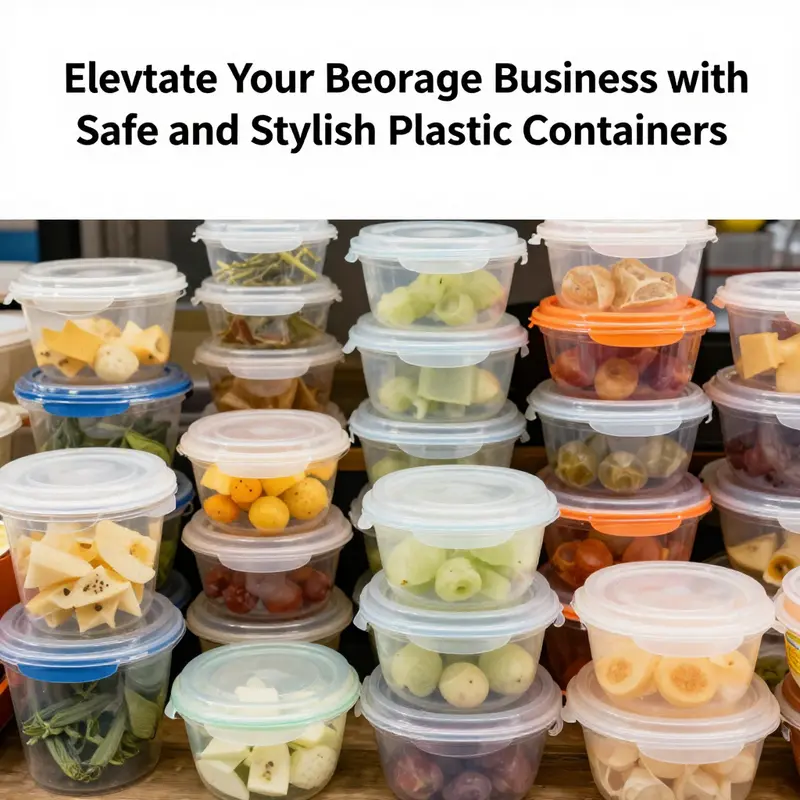
The market for food-safe plastic containers with lids is expanding in tandem with rising consumer vigilance around food safety, sustainability, and the practical demands of modern meal management. This expansion is not a simple uptick in demand for a familiar plastic product; it is a nuanced shift toward durable, reusable packaging solutions that can reliably protect flavors, odors, and nutritional quality over time. Consumers are increasingly aware that what touches their food matters, and they expect materials that are truly safe for contact, easy to clean, and capable of withstanding the rhythms of daily life—from quick morning meal prep to late-night batch cooking. In this evolving landscape, the material choice becomes as important as the design itself. Materials such as high-density polyethylene, commonly identified by resin code #2, have gained prominence because they offer the durability and chemical resistance that home cooks and professionals alike require. HDPE stands out for its ability to resist odors and stains, maintain clarity where transparency is desired, and hold up under repeated cycles of washing, freezing, and light microwaving. These attributes align with both regulatory expectations and consumer realities, creating a dependable baseline for long-term food storage and seasonal meal planning. The emphasis on BPA-free formulations further reinforces the safety profile that modern households now demand. When a container is marketed as BPA-free, it signals an extra layer of assurance that the most scrutinized component—the connection between packaging material and the food it touches—has been thoughtfully addressed. While BPA-free is not a universal guarantee on its own, it serves as a critical indicator of intent and compliance that resonates with health-conscious buyers and foodservice operators who require consistent quality across large volumes. In practical terms, this translates into containers that can be used across diverse contexts—household kitchens, school lunch routines, restaurant prep areas, and take-out operations—without compromising safety or performance. The consumer is not merely purchasing a box; they are investing in a reliable system that preserves flavors, protects freshness, and facilitates efficient kitchen workflows. An important subset of this market is the demand for microwave- and freezer-ready solutions. The ability to reheat meals directly in the container, then move from freezer to microwave to dishwasher—without losing integrity—has become a key differentiator. Standards such as those enshrined in FDA guidelines and related food-contact regulatory frameworks underpin these capabilities. In many regions, products that align with known standards for microwave safety, thermal stability, and chemical resistance are preferred, because they minimize the guesswork in daily meal prep and batch cooking. From a materials science perspective, HDPE’s resilience complements the practical requirements for a lid and seal system. The lid must endure frequent handling, seal effectively against air and moisture, and resist warping under repeated cycles of temperature changes. A well-engineered lid can extend the shelf life of dry goods like grains, coffee beans, or pasta by reducing exposure to air and humidity. The emphasis on hermetic or near-hermetic sealing is where the market often marks a difference between basic storage and premium, performance-focused systems. A lid that locks with an air-tight seal, reinforced edges, and precise fit contributes not only to longer freshness but to a sense of reliability that translates into consumer trust. Market literature consistently notes that many consumer-grade systems now advertise gas-tight or high-integrity seals as a core feature. This shift reflects a broader understanding: when food safety is the priority, packaging must do more than hold contents; it must preserve them from environmental fluctuations and maintain their sensory and nutritional quality through time. At the same time, the market recognizes the value of space-saving, modular designs. Homes and professional kitchens alike benefit from stackable containers and interlocking lids that prevent shifting during storage and transport. Innovations in this area often include reinforced edges and precise tolerances—down to around 1.0 millimeter—to ensure stable stacking without flaring, cracking, or unexpected gaps that compromise freshness. Space optimization matters not just for urban kitchens, but for catering services, meal-prep services, and restaurants that operate with high throughput. The result is a leaner, more organized storage ecosystem in which modules of different sizes interlock and nest efficiently, enabling users to tailor their storage to the rhythm of their routines. The design language that dominates this market couples form with function. Transparent or semi-transparent containers enable quick visual identification of contents without removing lids, a feature valued by households balancing busy schedules and multi-item meal prep. But transparency is not the sole marker of quality; many users prize the combination of clarity with durability, where the container’s walls resist clouding after repeated microwave cycles or dishwashing. Beyond visual cues, the lid has emerged as a focal point for functionality. Some sets feature integrated competencies that extend usefulness beyond simple storage. Built-in utensil pockets, for instance, or lids designed to double as small serving trays, demonstrate how packaging can reduce clutter and streamline on-the-go meals. In commercial settings, this multi-functionality can translate into tangible efficiencies—faster assembly lines, easier inventory management, and a cleaner take-out presentation that still upholds safety and hygiene. The market’s broader trend toward sustainability is inseparable from the push for safety and usability. Reusable, durable packaging is increasingly viewed as a legitimate alternative to single-use plastics, particularly when the containers themselves can endure repeated cycles of washing, freezing, and reheating. This shift dovetails with consumer expectations about environmental responsibility: suppliers and brands that demonstrate transparent sourcing, responsible manufacturing, and reduced environmental footprints earn a premium in trust and loyalty. In practice, this means brands communicating their adherence to safe manufacturing practices, traceable supply chains, and commitments to minimizing environmental impact. It also means acknowledging the lifecycle of a container—from resin selection and dye chemistry to end-of-life considerations and recycling compatibility. The emphasis on transparency in sourcing and manufacturing is more than marketing rhetoric. It translates into measurable signals of quality that recur in consumer choices and in business-to-business procurement. For households, the assurance that a container is produced under documented safety guidelines reduces the cognitive load of decision-making during the shopping experience. For commercial buyers, the decision calculus expands to include supplier reliability, compliance with food-safety standards, and the consistency of manufacturing practices. In this context, the procurement process has become more structured. Brands are evaluated not only on price and the minimum order quantity but also on their alignment with safety standards, their track record of regulatory compliance, and their capacity to provide documentation that supports audits or certifications. The focus on reliability extends to the packaging ecosystem as a whole. Suppliers that can guarantee minimal leakage, consistent tolerances, and durable closures across thousands of cycles offer a compelling value proposition for both home users and foodservice operators. When a lid remains airtight after repeated dishwasher cycles, it signals a higher level of engineering sophistication and a stronger assurance of food protection. The consumer’s trust in these products is reinforced by a consistent story: a BPA-free material choice, a proven safety profile, and a design that reduces waste through reusability without sacrificing convenience. This narrative resonates strongly with families, campuses, and small businesses that aim to streamline meal routines while maintaining safe handling practices. Of course, the market does not overlook trade-offs. Lids that resist warping during frequent dishwasher use may still struggle with heat tolerance when exposed to intense oven temperatures. This limitation invites continuous innovation: dual-material lid constructions, better gasket materials, and improved edge reinforcement to absorb thermal cycling without losing seal integrity. The same considerations apply to more demanding environments, where containers must withstand high-temperature cleaning processes or frequent exposure to freezer temperatures without becoming brittle or discolored. Premium sets are increasingly marketed with these durable, multi-use capabilities in mind, sometimes including built-in utensils or cleverly integrated features that reduce clutter. While such enhancements are appealing, they also prompt buyers to weigh the trade-offs between feature richness and cost. As the market expands, brands are differentiating themselves through sustainability storytelling, transparent manufacturing disclosures, and a willingness to invest in lifecycle assessments that demonstrate responsible production. This trend toward accountable manufacturing is not merely an ethical posture; it is a practical expectation from retailers and institutions that require scalable, safe packaging across large workloads. In the B2B arena, procurement strategies have evolved beyond simple price negotiations. Purchasers now assess supplier reliability through criteria such as quality control processes, traceability of raw materials, compliance with food-contact regulations, and the ability to provide consistent performance data under real-use conditions. A trusted supplier may offer third-party certifications, batch testing records, and clear guidance on whether a given container can be used for microwave reheating, freezing, and dishwashing without compromising safety or aesthetics. Consumers and businesses alike gravitate toward brands that can demonstrate both safety and sustainability. This preference shapes packaging ecosystems that prioritize durable materials and robust seal designs, while communicating environmental stewardship and supply chain integrity. In practice, this means manufacturers investing in clearer resin coding, safer dye chemistries, and recyclability pathways that make post-use materials easier to repurpose or reprocess. The result is a market that rewards clarity and accountability, with brands earning consumer loyalty by consistently delivering containers that perform as promised. For readers seeking a reference point on material standards and performance, the official guide on plastic resin and food safety offers a comprehensive overview of how materials interact with food under various conditions. It underscores the central importance of safety-focused design and testing while helping buyers differentiate between products with rigorous safety credentials and those with more limited assurances. A sense of practical application pervades this landscape. Consider the example of hermetically sealable plastic containers that are designed to maximize shelf life through technology that minimizes air exchange. Such designs highlight how the right combination of material selection, lid geometry, and gasket integrity can yield tangible benefits in product freshness and consumer satisfaction. This is not merely an abstract advantage; it translates into fewer product losses, more confident meal prep, and higher perceived value for households and businesses that rely on dependable packaging. While consumer preferences evolve, the core principles of safety, durability, and intelligent design remain constant. Brands that understand this triad—and that communicate it clearly—stand to gain enduring trust in a crowded market. They also have an opportunity to connect with different consumer segments through tailored messaging about specific use cases: pantry storage for dry goods, meal-prep containers for weekly planning, and take-out or catering solutions that require reliable performance in transit. The overarching narrative is one of confidence: when a container is described as food-safe, BPA-free, and capable of withstanding the rigors of daily life, buyers feel empowered to choose it as part of a well-organized kitchen or a dependable professional operation. In this sense, the market trends and brand references align with a broader movement toward safer, smarter, and more sustainable food storage ecosystems. The consumer’s trust is earned not by a single attribute but by the consistent delivery of performance across materials, design, and responsible manufacturing. A practical takeaway for readers is to look for indicators beyond mere capacity or price: clear safety certifications, documented material codes, robust seal tests, and transparent supply chain disclosures. These signals collectively differentiate products that are prepared to stand up to real-world use from those that are primarily marketed as convenient, low-cost options. When these qualities converge, the result is a packaging system that truly supports healthier, more organized eating habits. The conversation about market trends and brand references thus becomes a conversation about how safety, design, and stewardship intersect in the everyday act of storing and reusing food. It is a narrative that spans households, schools, and commercial kitchens, and it points toward a future in which durable, safe, and intelligently designed containers are the standard, not the exception. For readers who want to explore practical examples of how these principles are applied in real products, a look at a case where hermetically sealed, PET-lid compatible containers meet diverse storage needs can be informative. See the following internal reference for a concrete product example: senang kraft-paper-octagonal-bowl-pet-lid-waterproof-eco-friendly-disposable-customizable-snack-pet-food-salad-containers-1l. This touchpoint illustrates how lid compatibility, material choice, and ergonomic design come together to create a versatile, user-friendly solution that complements the safer-plastic narrative while highlighting the breadth of packaging formats that coexist in the market. External resources continue to guide readers toward a deeper understanding of safety standards and material interactions. For a broader, authoritative reference on plastic resin and food safety, consult the Plastic Resin & Food Safety Guide linked in the external resources. This resource provides a rigorous foundation for evaluating the safety claims that brands make and helps consumers translate marketing language into actionable expectations about performance, compatibility, and end-of-life considerations. As these themes unfold across chapters, readers gain a coherent sense of how the market is evolving—from material choices to seal technologies, from sustainability commitments to supplier reliability—and how these factors collectively shape the everyday practicality, safety, and value of food-safe plastic containers with lids. The next chapter will build on these foundations by examining how consumer experiences with these containers translate into dietary habits, pantry organization, and kitchen workflows, drawing connections between product design and everyday health and convenience.
Final thoughts
Food-safe plastic containers with lids are more than just storage solutions; they are integral to the operational success of food service businesses. By choosing materials that prioritize safety, embracing functional designs that enhance performance, and being aware of current market trends, you can ensure that your products meet customer expectations and regulatory standards. Invest in these containers to not only elevate your service offerings but also to uphold the trust and safety your customers seek. Make the smart choice for your business and watch it flourish.