
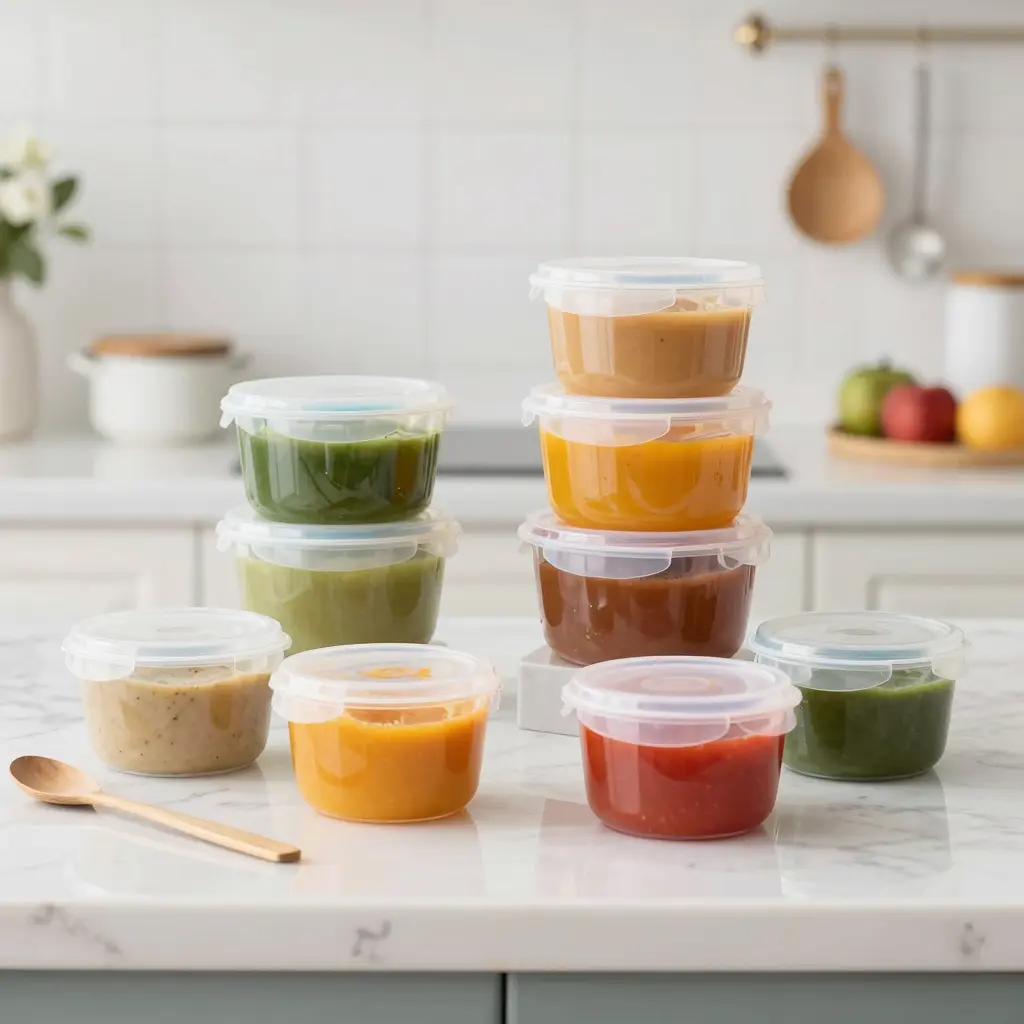
The Benefits of Freezing Baby Food in Gerber Plastic Containers
As parents, we’re always juggling the demands of daily life, and finding time to provide nutritious meals for our little ones can be a challenge. Freezing baby food in Gerber plastic containers offers a convenient solution that allows you to prepare healthy meals ahead of time, ensuring your child enjoys fresh, homemade tasting food without the hassle of daily preparation. These containers are not only designed for safety, ensuring that your baby’s food remains uncontaminated and nutritious, but they also come in various sizes, making it easy to portion out single servings. Plus, Gerber’s sturdy design means you can stack them neatly in your freezer, saving valuable space. By embracing this method, you can reduce food waste while keeping stock of various flavors, introducing your baby to a diverse diet. If you’re interested in other storage solutions for your food service or planning operations, be sure to check out options for storage containers and kitchen storage that can simplify your workflow while ensuring the safety of the food you prepare.
Can You Freeze Baby Food in Gerber Plastic Containers?
Freezing Baby Food in Gerber Containers: Safety Concerns
When it comes to storing baby food, convenience often leads parents to consider freezing it in containers like the ones provided by Gerber. However, several safety concerns surround the use of plastic containers for freezing food, particularly regarding plastic leaching and overall food safety.
Safety of Freezing in Plastic Containers
Recent guidelines emphasize the importance of using safe containers for freezing baby food. Parents Magazine advises avoiding plastics marked with recycling codes 3 (containing phthalates), 6 (styrene), and 7 (often including BPA), suggesting options like glass or specifically marked freezer-safe plastics instead. It is clear that not all plastics are created equal when it comes to food safety during freezing.
Furthermore, according to Happy Family Organics, while glass can be appealing for its non-reactive properties, it can shatter in the freezer, making plastic a more practical choice. The key is ensuring that the plastic used is indeed freezer-safe and labeled as such, which minimizes the risk of chemical leaching.
The Issue of Chemical Leaching
One major concern with freezing food in plastic containers is the potential for chemical leaching. Specifically, compounds like BPA and phthalates can migrate into food, particularly under conditions of heat or long-term storage. A comprehensive overview provided by BBC Food indicates that while the risk of leaching generally decreases at freezing temperatures compared to heating, it is not entirely eliminated.
Fatty and acidic foods are most susceptible when stored long-term in plastic, according to experts at The Modern Milkman Blog. Thus, it is essential for parents to make informed decisions about the type of containers used for freezing baby food.
Recommendations for Safe Freezing
Experts recommend the following practices for safely freezing baby food:
- Use BPA-free, food-grade, and freezer-safe plastic containers. Gerber containers are typically designed for this purpose; however, always verify labeling.
- Avoid containers that are scratched or damaged, as this increases the likelihood of leaching.
- Consider using an initial freezing method by filling ice cube trays with baby food, freezing them, and then transferring the cubes to freezer-safe bags for long-term storage, as suggested by Michigan State University Extension.
- Store baby food for a limited time, ideally consuming it within three months to ensure both safety and quality.
In conclusion, while freezing baby food in Gerber containers can be convenient, it’s crucial to consider the type of plastic used and adhere to recommended safety practices. Overall, ensuring the use of safe materials and proper storage techniques can help alleviate some of the concerns associated with plastic food storage. For alternative storage options, consider exploring our range of kitchen storage solutions.
Pros and Cons of Freezing Baby Food in Gerber Plastic Containers
Freezing baby food in Gerber plastic containers is convenient, but it has its pros and cons. Here’s a closer look:
Pros
- Convenience: Gerber plastic containers are lightweight and portable, making them easy to transport and handle, ideal for busy parents.
- Storage Efficiency: They stack well in the freezer, maximizing space and allowing for easy organization. Parents can prepare multiple servings at once.
- BPA-Free Options: Many Gerber containers are made from BPA-free plastic, reducing health concerns related to chemical leaching during freezing.
- Easy to Clean: These containers can be tossed in the dishwasher, saving time on cleanup.
- Portion Control: They come in various sizes, helping parents manage portion sizes for their little ones.
Cons
- Chemical Leaching: While many plastic containers are BPA-free, there is still a risk of other chemicals leaching into food during freezing and reheating.
- Durability Issues: Repeated freeze-thaw cycles can make plastic brittle, leading to cracks or breakage.
- Odor Retention: Plastic can absorb odors and stains from foods, which may affect the flavor of subsequent batches.
- Less Eco-Friendly: While some plastics are recyclable, the overall environmental impact of plastic use is concerning.
- Limited Longevity: Frozen baby food is best consumed within 1-2 months for optimal quality, so there is a risk of waste if not used in time.
Overall, while using Gerber plastic containers for freezing baby food offers convenience and practicality, potential drawbacks like chemical safety and durability issues should be considered. For more about suitable containers for food storage, check out our selection of storage containers.
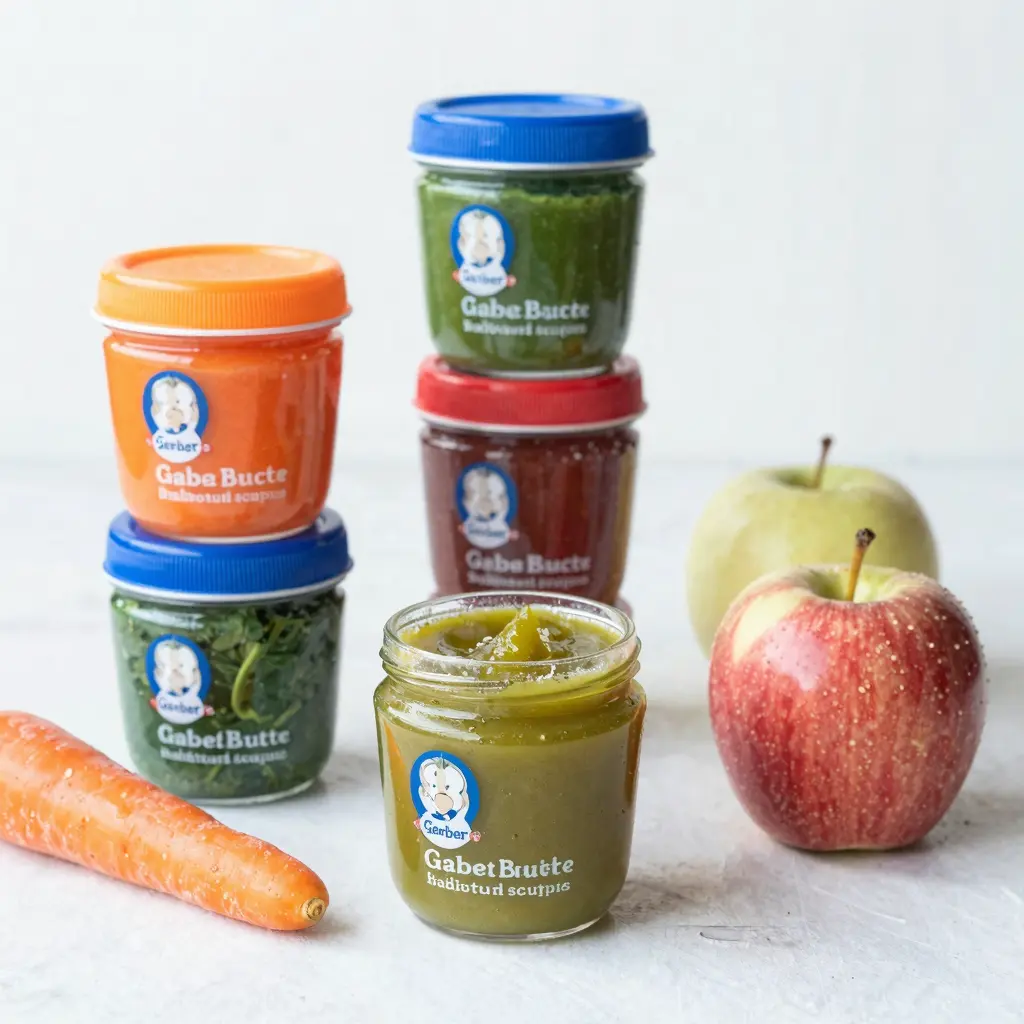
Storage Guidelines for Baby Food in Plastic Containers
Storing and freezing baby food properly is essential to maintain its quality and safety for your little one. Using plastic containers is common, but it’s vital to follow certain guidelines to ensure the food remains nutritious and safe to eat. The following are friendly yet professional guidelines for safely storing baby food in plastic containers.
1. Choosing the Right Containers
- Opt for BPA-Free Containers: Always choose containers labeled as BPA-free to avoid chemical leaching into your baby’s food, especially when using plastic in freezing or reheating.
- Use Airtight Containers: Make sure to use containers that seal well to prevent freezer burn and to keep odors at bay.
- Look for Freezer-Safe Labels: Ensure that your plastic containers are marked as freezer-safe. This will help maintain the structural integrity of the plastic during freezing.
2. Portioning Baby Food for Storage
- Small Portions Are Key: Divide baby food into small portions using ice cube trays or small containers. This method allows for quicker freezing and easier thawing, minimizing waste.
- Label Containers: Label your containers with the date of preparation and the type of food. This helps you track freshness and prevents serving outdated food.
3. Freezing Baby Food
- Proper Freezing Method: Place baby food in small servings in your containers, leaving a little space at the top to allow for expansion as the food freezes.
- Recommended Freezing Duration: Most baby food can be frozen for up to 1-3 months for optimal quality. Here’s a quick summary of storage durations:
| Food Type | Refrigerator (0-4°C) | Freezer (Plastic Containers, -18°C) | Deep Freezer (-23°C or lower) |
|---|---|---|---|
| Strained fruits and vegetables | 2 to 3 days | Up to 1 month | Up to 3 months |
| Strained meats and eggs | 1 day | Up to 2 weeks | Up to 2 months |
| Meat/Meat purees (e.g., chicken, beef) | 3 days | 2 to 3 weeks | 2 to 3 months |
| Fish purees | 3 days | 2 to 3 weeks | 2 to 3 months |
| Vegetable purees | 2 to 3 days | 1 to 2 weeks | 1 to 3 months |
| Fruit purees | 2 to 3 days | 1 to 2 weeks | 1 to 3 months |
Note: Always store baby food in airtight containers. Thawed food must be consumed within 24 hours and should not be refrozen.
4. Thawing Baby Food Safely
- Thaw in Safe Conditions: To thaw baby food, either place it in the refrigerator overnight or use a microwave at a low setting. Avoid leaving it at room temperature.
- Always Reheat Thoroughly: If you’re reheating baby food, make sure to heat it until it’s steaming hot, then let it cool down to a safe temperature before serving to your baby.
By following these guidelines, you can confidently store and freeze baby food in plastic containers, ensuring that your little one enjoys safe and nutritious meals.
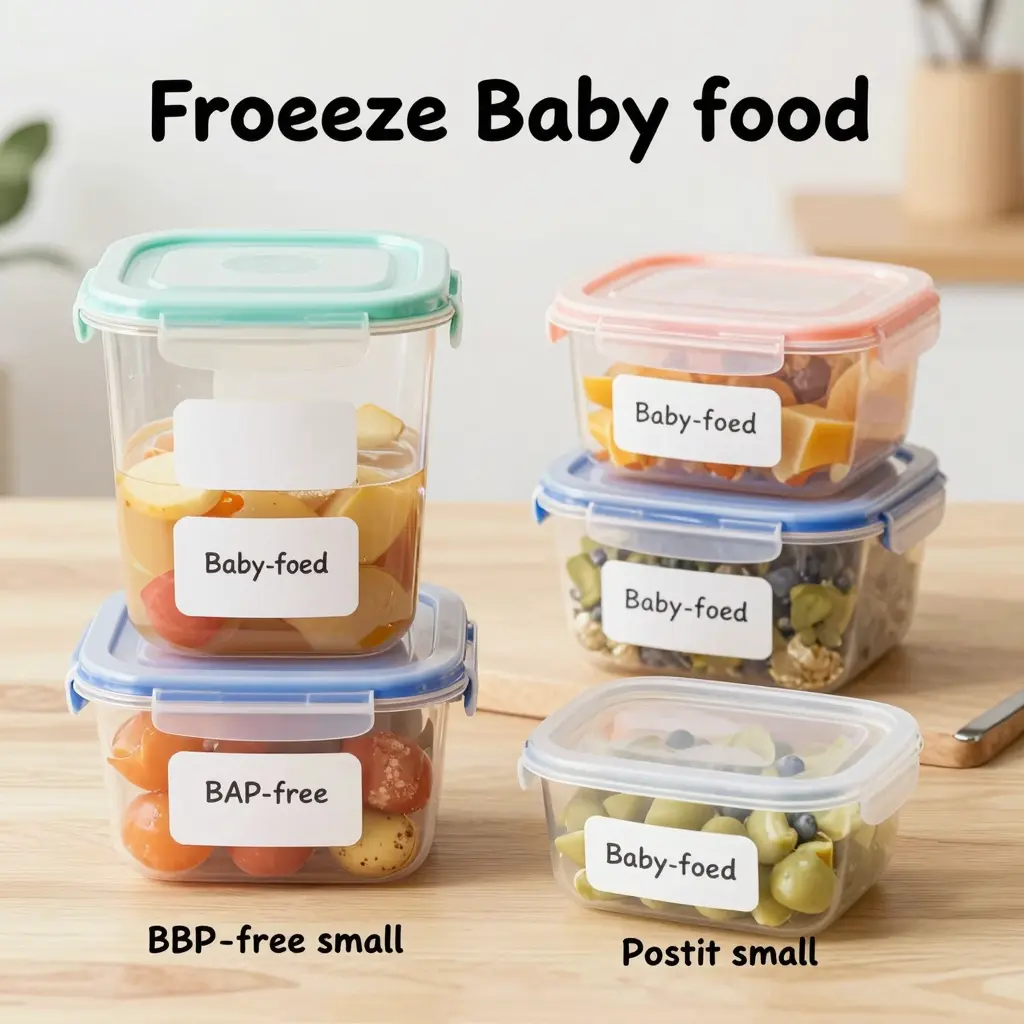
Additional Resources
For more information on food packaging solutions suitable for restaurants and catering services, check out our packaging options.
Also, if you need sustainable storage solutions, be sure to explore our kitchen storage products.
Best Practices for Freezing Baby Food in Gerber Containers
Freezing baby food can be a convenient way to ensure you always have nutritious meals ready for your little one. However, it’s crucial to follow some best practices, especially when it comes to using Gerber containers, to maintain food quality and safety. Here’s how you can effectively freeze baby food:
Preparation Tips
- Transfer to Freezer-Safe Containers: Gerber containers are not designed for freezing. Instead, invest in BPA-free freezer-safe containers or ice cube trays for freezing. This will help you avoid potential leaking, cracking, or diminishing quality due to the wrong materials used for freezing.
- Consider using reusable silicone bags or airtight plastic containers specifically designed for freezer storage.
-
Fill Containers Properly: When filling your containers, leave some space at the top. Baby food expands when frozen, and leaving room prevents the container from cracking or bursting.
-
Portion Control: Portion the baby food into small servings. This way, you can thaw only what you need, reducing waste. Ice cube trays are particularly useful for this, allowing you to freeze small amounts that can easily be thawed as needed.
Labeling
- Use Clear Labels: As you freeze baby food, make sure to label each container with the type of food and the date it was made. Using waterproof labels or a permanent marker can help you keep track. Always consume the older items first (FIFO – First In, First Out).
- Include Ingredients: If you mix different fruits or vegetables, list the ingredients on the label. It’s essential for monitoring allergies or dietary considerations later.
Thawing Methods
- Refrigerator Method: The safest way to thaw frozen baby food is by placing it in the refrigerator overnight. This slow thawing process ensures the food remains at a safe temperature.
-
Warm Water Method: For quicker thawing, you can place the sealed container or baby food bag in a bowl of warm water. Avoid direct exposure to hot water to ensure even warming without cooking the food.
-
Avoid Microwave: Never thaw baby food in the microwave. This method can cause uneven heating and create hot spots that can burn your baby’s mouth.
Important Safety Tips
- Discard Leftovers: Once thawed, use the baby food within 24-48 hours. Any leftovers that have been in contact with your baby’s saliva should be thrown away to prevent bacterial growth.
- Never Refreeze Thawed Foods: Once baby food has been thawed, do not refreeze it. This can compromise the texture and safety of the food.
By following these best practices, you can ensure that your baby food remains nutritious and safe to eat while minimizing waste. Freezing baby food effectively not only saves time but also contributes to your baby’s healthy eating habits. For more food storage ideas, check out our home storage organization options.
Comparing Baby Food Storage Methods
When it comes to storing baby food, particularly if you’re considering freezing, different containers have various pros and cons. Below is a detailed comparison of common storage options: Gerber plastic containers, glass jars, and freezer bags.
| Storage Method | Pros | Cons |
|---|---|---|
| Gerber Plastic Containers | – Lightweight and easy to handle |
- BPA-free options available
- Affordable and convenient for travel
- Generally microwave safe | – Concerns about chemicals leaching into food
- Not all designs are freezer-safe
- Short lifespan, may warp with heat or cold
- Potential for microplastic contamination (Food Babe) |
| Glass Jars | – Non-reactive and chemical-free - Durable when used correctly
- Better preservation of flavor and nutrients
- Reusable and recyclable | – Can crack or shatter in the freezer (Happy Family Organics)
- Heavier and less portable
- More expensive than plastic |
| Freezer Bags | – Space-efficient and easy to label/date - Can flatten for easier storage
- Affordable and convenient for bulk storage | – Not reusable; can contribute to waste
- Potential for freezer burn or unresealable bags
- Can leak if not sealed properly |
Conclusion
Choosing the right storage method for baby food depends on your specific needs, including convenience, safety, and environmental impact. While Gerber plastic containers are handy for on-the-go storage, glass jars may be better for home use if handled with care. Freezer bags provide flexibility but can be less sustainable in the long run.
For further details on food storage solutions, check out our range of packaging options.
Freezing Baby Food in Gerber Plastic Containers
Freezing baby food in Gerber plastic containers can be an excellent way to store nutritious meals for your little one. However, it’s essential to understand the benefits and risks associated with this method of food preservation.
Benefits of Freezing Baby Food
- Nutritional Preservation: Freezing helps to lock in vitamins and minerals right after the food is prepared, keeping it nearly as nutritious as fresh food.
- Convenience: Pre-made meals in convenient portions save time for busy parents or caregivers.
- Reduced Food Waste: Freezing allows parents to make larger batches and store them, minimizing waste associated with spoiled fresh food.
Risks to Consider
- Bacterial Growth: If food is not cooled quickly enough before freezing, it can lead to bacterial growth.
- Nutrient Loss: Over time, some nutrients may degrade, especially if food is stored for too long (ideally, it should be consumed within 3 months).
- Material Safety: Ensure the containers used are specifically designed for freezing to avoid leaching chemicals.
Expert Advice
“Freezing baby food is a practical solution for parents, as it helps retain nutrients, convenience, and reduces waste. However, proper storage and handling are crucial to avoid any potential risks associated with contamination and nutrient degradation.” – Dr. Julie C. McGowan, Pediatric Nutritionist.
For more on packaging and food storage options, you may want to explore our range of food packaging solutions.
Visual Guide to Freezing Baby Food

Benefits vs. Risks Chart

This chart provides a clear overview of the advantages and potential drawbacks of freezing baby food, offering insights into how to do it safely to maintain health benefits while minimizing risks.
By understanding these factors and following safe practices, you can make the most of freezing baby food using Gerber plastic containers, ensuring your baby enjoys nutritious meals without complications.
Conclusion
In summary, the importance of reliable disposable tableware and packaging solutions cannot be overstated for food businesses, including bubble tea shops, restaurants, and catering services. As we have explored, choosing high-quality and eco-friendly products not only assures your customers of safety and satisfaction but also solidifies your brand’s commitment to sustainability. With growing trends towards biodegradable materials and consumer preferences shifting away from traditional plastics, it is vital to stay informed and proactive in sourcing the best options for your needs.
When selecting your disposable packaging, consider factors such as durability, design, and environmental impact. In doing so, you create a more enjoyable experience for your customers while enhancing your operational efficiency. For comprehensive options in disposable products, explore our disposable tableware and packaging solutions that align with your business values.
Make the smart choice today-invest in reliable disposable tableware and packaging solutions for your business!