
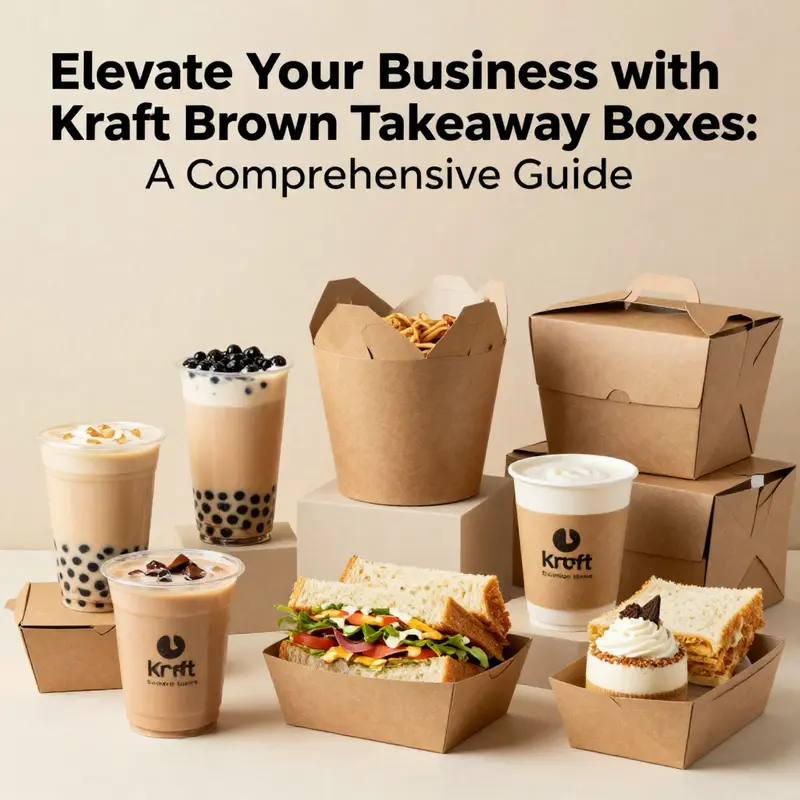
In today’s food service landscape, the need for reliable and eco-friendly takeaway packaging is more pressing than ever. Kraft brown takeaway boxes are becoming the go-to solution for bubble tea shops, restaurants, food trucks, and catering services due to their sturdy construction and sustainable appeal. This article explores how wholesale factories supply these boxes, the array of customization options available, the sustainability attributes that appeal to conscious consumers, and the current market trends impacting the supply chain. Each section provides valuable insights to help businesses make informed decisions about incorporating kraft brown takeaway boxes into their operations.
Sourcing Sustainable Kraft Brown Takeaway Boxes: A Wholesale Factory Perspective
In an era where environmental consciousness meets industrial efficiency, sourcing kraft brown takeaway boxes from wholesale factories has become a strategic move for food service providers and restaurateurs alike. These sturdy, naturally derived containers, produced from high-quality kraft paper, provide not only a resilient packaging solution but also a sustainable alternative that aligns with the growing shifts in market demand and environmental responsibility. As businesses search for ways to merge quality with eco-friendly credentials, wholesale factories stand out by offering bulk, customization, and cost-effective options, ultimately ensuring that companies can maintain brand integrity while meeting consumer expectations.
From the outset, the appeal of kraft brown takeaway boxes lies in their core material. Manufactured from wood pulp, this type of paper is known for its durability and strength, making it an ideal choice for food packaging. Its natural brown color underscores the organic quality of the material, while its biodegradability and recyclability contribute to a reduced environmental impact. In this light, these boxes represent more than just a container; they are a clear statement of sustainability, offering food businesses a tangible way to commit to eco-friendly practices. Wholesale factories have responded to this demand by scaling production, ensuring that even high-volume orders meet rigorous quality standards without compromising the environmental benefits inherent in kraft paper.
Market dynamics play a crucial role in this evolution of packaging. With the expansion of takeout and delivery services, restaurants, cafes, and catering businesses are increasingly seeking packaging solutions that demonstrate a responsible approach to resource use. The surge in demand makes it vital for suppliers to offer consistent, high-quality products that can withstand the rigors of quick-service environments while also providing the aesthetic appeal of natural materials. Wholesale factories, operating on direct supply models, frequently require minimum order quantities that are in the higher range, such as 50,000 pieces or more. This model allows buyers to secure competitive pricing and reliable supply chains, ensuring that bulk requirements are met without the need for intermediaries, which, in turn, supports better quality control and cost efficiency.
A notable facet of the wholesale approach is the extensive customization available to buyers. Many suppliers offer Original Equipment Manufacturer (OEM) services, allowing businesses to tailor the boxes through modifications in size, color accents, and even the incorporation of company logos and bespoke branding elements. Customization not only differentiates a business’s packaging in a crowded market but also transforms an everyday product into a distinctive extension of a brand’s identity. For instance, while a standard kraft box might simply be valued for its functional properties, a customized version could feature additional coatings for water and oil resistance, adaptable dimensions for various food items, or branded impressions that enhance product presentation on social media. This level of personalization empowers businesses to communicate their dedication to sustainability on every level of the customer experience, from the food itself to the packaging that carries it.
The sourcing process from wholesale factories isn’t without its considerations, however. Buyers must navigate issues relating to order size, pricing structures, and quality assurance. Wholesale factories typically offer pricing that decreases with quantity, starting with competitive rates for large orders and often dropping to around $0.01 per piece for very high volumes. This pricing strategy incentivizes bulk purchases, which is particularly beneficial for larger operations or chains that require consistent supply. At the same time, an array of suppliers on platforms such as Alibaba and Made-in-China.com make it easier for businesses to compare offerings and select vendors that not only provide competitive prices but also maintain high standards of quality.
An important aspect that many buyers specifically seek is the reliability of the supplier. Beyond just the final product, trustworthy wholesale factories ensure that every batch of takeaway boxes undergoes stringent testing for strength, durability, and safety. Certified and audited suppliers provide secure trading services and verified quality assurances, often highlighted by high repeat buyer ratings. These repeat ratings signal trust and performance consistency, which are critical when adopting a supply chain that may influence a business’s reputation and operational efficiency. The availability of sample kits, albeit at a higher cost per unit, offers prospective buyers the opportunity to assess material quality and the fit of the product with their brand’s requirements before committing to larger investments. This process reduces risk and builds a solid foundation of trust between buyer and supplier.
Sustainability is more than a buzzword in this context; it is a core requirement that resonates with both consumers and businesses. Kraft brown boxes are especially prized for their eco-friendly credentials. Many suppliers focus on producing products that are fully recyclable and, in some cases, compostable. These enhanced features are essential for fast food suppliers, delis, and snack bars that prioritize minimizing their environmental footprint. Some suppliers go a step further by offering boxes that withstand the challenges of real-world use while maintaining their structural integrity—leak resistance, microwave safety, and stackability are often emphasized to ensure that the boxes meet the varied demands of the food industry.
The incorporation of biodegradable and recyclable materials is a testament to the broader trend toward sustainability in the food service industry. This trend is not solely driven by global efforts to reduce waste, but also by consumer preferences, as an increasing number of customers are inclined to support businesses that employ environmentally responsible practices. In a competitive market, having eco-friendly packaging can be a deciding factor for many consumers, thus serving as a competitive advantage. Wholesale factories that produce kraft brown takeaway boxes are therefore at the intersection of operational efficiency and environmental stewardship, supplying a product that is effective in food delivery while being safe for the environment.
Moreover, the role of wholesale factories extends beyond mere manufacturing to include comprehensive support systems such as logistics and after-sales services. These systems are critical when handling large orders meant for diverse markets with varying regulatory requirements. Compliance with food safety standards is imperative; hence, suppliers ensure that the kraft paper used is food-grade and that any additional coatings, such as PE or PLA, meet regulatory guidelines. The focus on food-grade materials not only protects the consumer but also shields the food service provider from potential liabilities—a significant advantage in an industry where safety and compliance are paramount.
Throughout the sourcing journey, buyers find that integration with digital platforms has streamlined many traditional hurdles. Online marketplaces have become hubs where wholesale factories list detailed product specifications, pricing structures, and customization options, all of which make comparison shopping efficient and transparent. These platforms facilitate direct communication between buyer and supplier, removing intermediaries and enabling more immediate feedback and resolution on product specifications, quality concerns, and customization requests. In this seamless digital ecosystem, businesses can quickly adjust their orders based on current market trends or seasonal variations, ensuring that their packaging remains both functional and appealing at all times.
One cannot overlook the variety of applications that kraft brown takeaway boxes support. They are suited for a range of food items, from hot meals to cold salads, and are designed to endure the rigors of both indoor and outdoor serving environments. Their structural integrity means that even when carrying moist or greasy foods, these boxes maintain their shape and prevent leaks, thus preserving the quality of the food during transit. Their stackability further aids in storage and transport, making them a practical choice for catering companies and large-scale takeout providers. This versatility is one of the key reasons behind their growing popularity, as it seamlessly integrates with the operational needs of varied food establishments.
In addition to their inherent functionality, these takeaway boxes carry with them an image that resonates with modern consumers. The natural, rustic appearance of kraft paper complements many food presentations, adding an element of authenticity to the dining experience. When businesses choose to use these boxes, they are not only selecting a functional item but are also aligning themselves with a lifestyle that values ecological balance. The packaging becomes an ambassador of the brand’s commitment to environmental health, effectively communicating values without the need for extraneous messaging. Such a connection between product and philosophy is particularly relevant in an age where consumer trust and brand loyalty are paramount.
Wholesale factories supporting this market are continuously evolving their production processes to meet both current demands and future challenges. Innovations in manufacturing have led to improvements in coating technologies, which enhance the water- and oil-proof properties of the boxes without diminishing their eco-friendly appeal. Advances in printing and branding also allow for more intricate designs and specialized finishes that cater to different market segments. As a result, businesses can further refine their image through packaging that adapts to both aesthetic and functional requirements. This evolution in manufacturing technology is a clear demonstration of how traditional materials like kraft paper can be modernized to serve contemporary needs.
The economic benefits of sourcing from wholesale factories are equally significant. The direct supply model not only cuts out intermediaries, reducing additional markups, but it also fosters long-term relationships between manufacturers and buyers. These relationships are built on mutual trust, quality assurance, and the shared goal of meeting market needs efficiently. For large-scale operations, the economies of scale achieved through bulk purchasing create a leveraging effect—raising profit margins while ensuring a steady supply of high-quality packaging.
For many entrepreneurs and established food service providers, the decision to invest in kraft brown takeaway boxes is also a strategic business maneuver. It allows them to streamline operations by reducing the variability in packaging quality, cost, and availability. The consistency of products supplied by reputable wholesale factories ensures that menu items are presented uniformly across different locations, reinforcing brand identity and ensuring customer satisfaction. By partnering with reliable suppliers, businesses can concentrate on their core competencies such as food innovation and service quality while leaving the complexities of packaging logistics to experts.
An illustrative example that embodies the principles of this sourcing model can be seen in operations where the boxes are custom printed with company logos and other branding elements. Such personalized packaging does more than just hold food; it becomes an integral part of the customer experience. The visual impact of a custom-designed box can enhance a customer’s perception of a meal, making it appear more artisanal and thoughtfully curated. This small detail can have a ripple effect, encouraging repeat business and positive reviews through word-of-mouth and social media shares. In an increasingly digital marketplace, these factors can result in broader exposure and a stronger brand presence. For instance, buyers interested in a modern and unique appeal may find it useful to explore options such as the new design salad rectangle takeaway kraft paper octagonal box with lid, which exemplifies the blend of functionality and innovative design that many wholesale factories now offer.
The seamless integration of sustainable practices into daily operations is not without its challenges. Supply chain complexities, fluctuations in raw material costs, and compliance with evolving environmental regulations require that buyers remain vigilant. Wholesale factories mitigate these challenges by continuously investing in research and development and by updating their processes to align with international standards of quality and environmental responsibility. This proactive approach not only minimizes the impact of external fluctuations on product availability and pricing but also ensures that the end product remains aligned with the strict safety and environmental criteria demanded by the food industry.
Furthermore, the role of digital connectivity in modern sourcing cannot be understated. Buyers leverage online platforms to communicate directly with manufacturers, compare offerings, and even negotiate special orders that meet niche requirements. The transparency of these transactions fosters confidence and streamlines decision-making processes. As businesses gain access to detailed product descriptions, customer reviews, and certifications provided by suppliers, the risk of inadequate quality diminishes. This level of clarity and accountability underscores the advantages of the wholesale factory model as a sustainable, reliable source of packaging solutions.
As the food service industry continues to evolve, driven by technological advancements and shifting consumer ethics, wholesale factories remain at the forefront of packaging innovation. The adoption of kraft brown takeaway boxes is emblematic of this broader trend, where practicality meets environmental mindfulness in a single, effective product. These boxes, with their robust design, customization potential, and eco-friendly credentials, address the multifaceted needs of modern businesses. They represent a clear commitment to quality and sustainability and offer a pathway to building a brand that stands out even in the most competitive markets.
Ultimately, sourcing kraft brown takeaway boxes from wholesale factories is not merely about acquiring a commodity; it is about investing in a solution that supports operational efficiency, brand evolution, and environmental responsibility. Businesses that opt for this supply chain benefit from the economies of scale, customization capabilities, and robust supplier assurances that these factories provide. With meticulous attention to detail in production and an unwavering commitment to sustainability, wholesale manufacturers continue to set high standards in the packaging industry. For those looking to fully understand the scope of their benefits, broader comparisons and supplier reviews can be found through resources such as the Example Supplier Link, which showcases the depth of options available in the market.
In summary, the journey of sourcing sustainable kraft brown takeaway boxes lays a strong foundation for both cost efficiency and market relevance. Wholesale factories provide a direct path to quality and reliability while empowering businesses to present a clear, eco-friendly message to a conscious customer base. As the global emphasis on sustainability grows, these innovative packaging solutions continue to drive the evolution of the food service industry, proving that even time-tested materials like kraft paper can be at the cutting edge of modern, sustainable design.
Crafting Unique Brand Identities Through Tailored Customizations in Kraft Brown Packaging
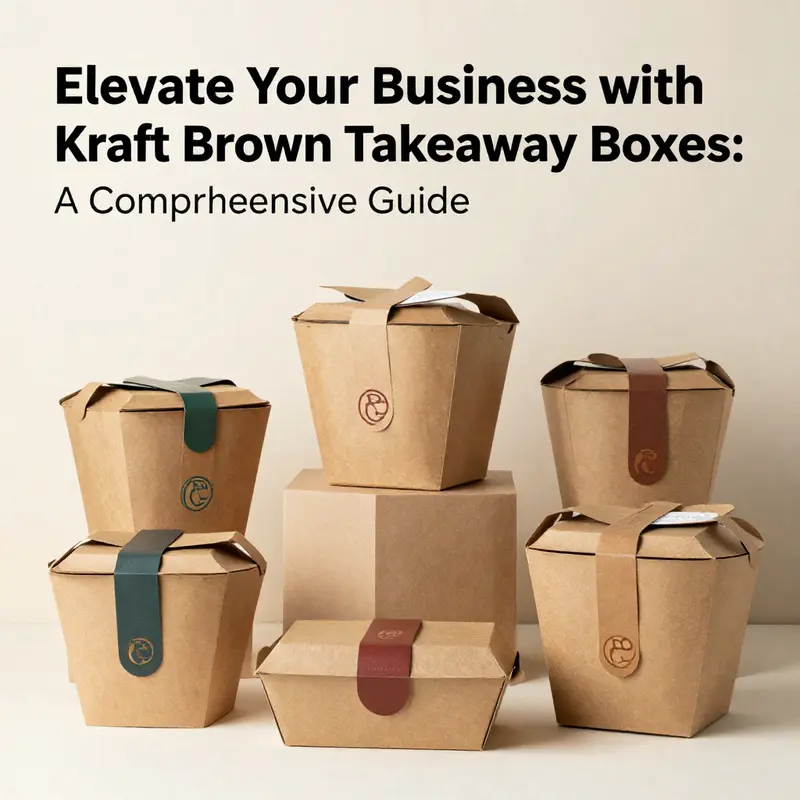
Kraft brown takeaway box packaging has evolved into a dynamic canvas where businesses can express their brand personality and commitment to sustainability. In a market fueled by environmentally conscious customers and the fast-growing demand for takeout and delivery solutions, these boxes have moved beyond mere packaging to become powerful marketing tools. Leveraging the inherent eco-friendly nature of kraft brown paper, manufacturers and wholesale factories now offer an array of customization options that allow brands to turn a simple box into a sophisticated extension of their identity.
The journey to creating a unique brand identity begins with the freedom of customization available in nearly every aspect of the box. One of the most striking features is the integration of custom logos and branding elements. Companies can imprint their logos, taglines, or even intricate designs on the boxes using advanced printing techniques such as offset or digital printing methods. This not only enhances brand visibility but also instills a sense of professionalism in the eyes of consumers. Every time a customer receives a package emblazoned with a distinct logo, they are reminded of the brand’s commitment to quality and environmental stewardship.
Customization does not end with logo placement. Businesses can choose from an impressive range of color and finish options. While the natural, earthy tone of kraft brown paper has long been associated with sustainability, companies now have the option to add a splash of custom colors or apply unique finishes such as matte or glossy coatings. These modifications allow brands to align the packaging with their overall aesthetic, forging a stronger connection between the product and the packaging. The ability to alter the appearance slightly while retaining the eco-friendly properties of the base material gives companies a unique advantage in a market where differentiation is key.
Size and shape flexibility further enhance the customization experience. Wholesale factories are equipped to tailor boxes into various dimensions and configurations—rectangular, square, or even innovative, non-traditional shapes. This adaptability ensures that products can be packaged securely without compromising the presentation. Whether it is a hearty sandwich, a crisp salad, or an assortment of baked goods, the customized solutions can be adjusted to match the specific dimensions of the product, ensuring optimal display and protection. The flexibility in design also enables businesses to experiment with forms that reflect their brand identity, such as creating uniquely shaped packaging that stands out on crowded delivery racks or social media feeds.
Beyond the aesthetic appeal, functional innovations such as custom lid and handle designs play an important role in improving the user experience. A well-designed lid can include features like sliding mechanisms, snap-on or hinged closures, all of which contribute to the ease of use and ensure that the contents remain secure during transport. Some suppliers even offer the integration of transparent windows into the design, allowing customers a glimpse of the product inside without the need to open the box. These seemingly small details contribute significantly to both brand perception and customer satisfaction by blending practicality with style.
Material enhancements also represent a vital customization frontier. While kraft brown boxes are naturally biodegradable and recyclable, innovative manufacturers now offer additional features such as heat-resistant coatings and microwave-safe linings. These enhancements are specifically designed to cater to food items that require re-heating or extended exposure to temperature variations. By integrating material improvements, brands can signal their commitment not only to aesthetic appeal but also to the practical demands of modern food delivery services. Such innovations are especially critical when consumer expectations are high, and the need to balance form with function becomes imperative.
Another essential aspect of customization is meeting the array of sustainability certifications demanded by today’s consumers and regulatory frameworks. In many cases, custom packaging is produced according to strict environmental standards, ensuring that the boxes are not only recyclable but also compostable. This is a crucial consideration in the competitive landscape, as more and more consumers are making decisions based on a company’s overall environmental impact. By adopting packaging that meets recognized standards, businesses convey their commitment to sustainability, which, in turn, builds trust and loyalty among environmentally conscious customers.
For brands that target a diverse range of products, flexibility in customization can extend to the integration of multiple elements into a single package design. Wholesale suppliers often offer Original Equipment Manufacturer (OEM) services, which provide businesses with comprehensive solutions—from design consultation to large-scale production. This means that a company looking to differentiate itself in a crowded market can enjoy the benefits of personalized packaging without the challenges of coordinating multiple vendors. The OEM model allows for a seamless transition from the initial design phase to the final production run, ensuring that every box meets the stringent quality control standards expected by discerning customers.
The benefits of customization extend beyond a purely aesthetic upgrade. They create a platform for strategic branding initiatives. For example, a restaurant chain might opt to incorporate seasonal or festive themes into the packaging design, thereby aligning the customer experience with broader marketing campaigns. Similarly, a specialty cafe might use custom designs to highlight limited-time offers or promote new menu items. These packaging solutions are not just about protecting food; they are a creative outlet that contributes to building an ongoing narrative with the customer. As each box travels from the factory to the consumer, it tells a story about the brand’s values and their attention to detail.
In addition to enhancing brand identity, customization options also contribute significantly to operational efficiency. For supply chains that operate on a large scale, direct sourcing from wholesale factories offers the dual benefit of quality control and cost efficiency. Manufacturers capable of producing thousands of pieces per day are adept at handling large orders with consistent quality. The economies of scale achieved through bulk production allow for lower pricing per unit, which is a boon for businesses aiming to maximize their profit margins without compromising on packaging quality. This blend of efficiency and customization empowers businesses to focus on core operations, knowing that their packaging needs are being met with precision and care.
Wholesale factories dedicated to kraft brown takeaway boxes are keenly aware of the balance between customization and functionality. This balance is evident in the way these boxes are designed to be both visually appealing and highly practical. The design process often involves close collaboration between the manufacturer and the client, where feedback is used to fine-tune every element of the box. From the choice of ink for logo printing to the texture of the finish coating, every decision is made with the end customer in mind. This collaborative approach ensures that each box not only meets the functional requirements of keeping food safe and secure but also resonates with the user on an emotional level.
The interplay between sustainability and customization further enhances the narrative of modern kraft brown packaging. In an era where environmental concerns are at the forefront of consumer decision-making, businesses are under increasing pressure to adopt eco-friendly practices. The kraft brown takeaway box stands as a symbol of this commitment by combining sustainable materials with opportunities for extensive customization. For instance, incorporating eco-friendly inks and biodegradable coatings into the production process ensures that even heavily customized boxes remain aligned with a brand’s green ethics. It is this synergy between environmental responsibility and creative design that makes kraft brown packaging particularly appealing in today’s market.
Functionality is further enhanced by the detailed attention given to ergonomic considerations. Customized designs often include features that make the boxes easier to carry and handle. Innovations such as tailored handle designs not only improve the physical comfort of the consumer but also contribute to the overall aesthetic of the packaging. A well-designed handle can add a touch of sophistication to a seemingly simple box, transforming it into an elegant accessory in the fast-paced world of food delivery. The ergonomic element of design is a testament to the evolving understanding that packaging should be as user-friendly as it is visually striking.
The hidden potential of customization is also evident in the strategic use of design elements to create a memorable unboxing experience. As brands seek to differentiate themselves in an oversaturated market, the unboxing process has emerged as a critical touchpoint in the customer journey. A well thought out design, from the color balance and finish to the configuration of the lid and handle, can elevate the simple act of opening a box into an engaging brand interaction. A thoughtfully designed package invites curiosity, encourages social media sharing, and ultimately reinforces the brand’s message to its audience. By turning the unboxing experience into a memorable event, businesses can create a lasting impression that transcends the mere transactional relationship between product and consumer.
In this evolving landscape, many companies are now opting for integrated supply chain solutions that bring together customization, sustainability, and efficiency in a seamless manner. Wholesale factories are increasingly working with clients to offer tailor-made solutions that meet specific operational needs while also enhancing the overall brand image. This integrated approach means that companies are not confined by traditional packaging limitations; instead, they have the ability to innovate and experiment with new ideas in real time. The direct supply model that many of these factories operate on further streamlines the process, allowing for quick turnaround times and the flexibility to handle fluctuating market demands. For businesses that prioritize agility and quality, working directly with a factory provider offers an unparalleled advantage.
Moreover, a crucial consideration for businesses when selecting a supplier is the scalability of production. As orders increase from tens of thousands to hundreds of thousands or even millions of pieces, maintaining consistency and quality becomes paramount. Wholesale factories with advanced production capabilities are well positioned to meet these demands. They can produce customized boxes in very large volumes while ensuring that every single unit meets the high standards required for food safety and branding. This consistency not only reinforces the brand’s reputation but also builds customer trust over time. Companies that invest in scalable packaging solutions benefit from reduced production costs per unit, increased reliability, and an enhanced ability to manage seasonal peaks in demand.
An illustrative example of the scale and versatility available in customized kraft brown takeaway boxes can be found in one of the solutions highlighted on a well-regarded platform. One such supplier offers fully customizable options that include everything from unique logo printing to innovative lid designs, all while meeting rigorous quality criteria and eco-friendly standards. For instance, businesses have the opportunity to explore designs that incorporate features like dual-wall structures for greater durability or window integrations that provide a sneak peek of the product inside. These advanced customizations empower brands to make a bold statement about their commitment to quality, efficiency, and the environment. In turn, they are able to appeal to a customer base that values both executive branding and practical functionality. Interested parties can learn more about such innovative solutions by exploring details on a page featuring modern design practices in takeaway packaging, such as the insight provided in this resource on an in-stock, new design salad box.
Beyond the design and functional aspects, a major advantage of such carefully tailored packaging is the boost it provides to the overall marketing strategy. Customization imbues the packaging with an extra layer of storytelling. It becomes an integral part of the narrative that customers experience every time they interact with a brand. The tactile feel of the box, the precision of the custom print, and even the eco-friendly aroma of the recycled material work together to create a multisensory experience that leaves a lasting impression. In an age where differentiation is essential, this cohesive blend of art and function is exactly what sets a brand apart from its competitors.
The story behind every customized kraft brown takeaway box is one of careful craftsmanship and attention to detail. From the initial brainstorming of a design concept to the final production run in a wholesale factory, every step is integral to achieving a product that not only meets but exceeds customer expectations. This holistic approach ensures that each box is a reflection of the brand’s values and vision. It also provides an opportunity for businesses to innovate continuously, experimenting with new materials and design techniques to keep up with evolving trends and consumer preferences.
Investing in such customization is not merely about aesthetic upgrades; it is also a strategic business decision that positively influences cost management, waste reduction, and operational efficiencies. When suppliers offer bulk pricing incentives for large orders, businesses can benefit from lower costs per unit without compromising on the quality or design integrity of the packaging. The convergence of cost efficiency and environmental sustainability is proving to be a significant driver behind the surge in demand for kraft brown takeaway boxes. As companies embrace these benefits, they are better positioned to streamline their operations while adhering to the ethical standards expected by modern consumers.
In conclusion, the expansive customization options for kraft brown takeaway box packaging open up a realm of possibilities for brands seeking to combine robust functionality with an innovative, sustainable aesthetic. The blend of custom branding, color and finish adjustments, manifold size and shape configurations, enhanced material features, ergonomic designs, and sustainable certifications offers a comprehensive package solution that meets the practical demands of the food service industry while also elevating brand identity. Manufacturers and wholesale factories provide the expertise required to transform a standard box into an influential marketing tool that resonates with today’s eco-conscious consumers. This continuous evolution of packaging options is not only an example of industrial innovation but also a reflection of the broader shifts in consumer expectations and environmental responsibility. For businesses aiming to stay ahead in a competitive market, embracing the potential of customized kraft brown takeaway packaging is a forward-thinking strategy that yields enduring benefits. To explore a detailed example of innovative design in takeaway packaging, you may wish to review the latest insights on a new design salad box available on a trusted product page. For further depth into customized solutions and industry benchmarks, additional information can be found at this external resource: Bai Jie Sheng Biodegradable Kraft Paper Takeout Box.
This narrative stands as a testament to the idea that packaging is more than a container—it is a platform for storytelling, brand communication, and an unwavering commitment to sustainability. Every element, from design to production, plays a pivotal role in shaping the consumer experience. In a market where the unseen details of day-to-day transactions can profoundly impact brand perception, customized kraft brown takeaway box packaging provides the definitive edge. By enveloping quality, eco-friendliness, and cutting-edge design in one holistic product, businesses set themselves apart as innovators in the realm of sustainable packaging. As the landscape evolves, the potential for creative customization in kraft brown boxes remains limitless, offering brands countless opportunities to make their mark in an ever-changing market.
Eco-Forward Packaging: The Journey of Sustainable Kraft Brown Takeaway Boxes from Wholesale Factories
Throughout history, consumer demand and environmental regulation have continually shaped how products and services are delivered, and this intersection of necessity and consciousness is vividly illustrated in the evolution of packaging solutions, especially in sectors such as food service. With rapid shifts in dining habits and a surging appetite for takeout and delivery, wholesale factories have increasingly turned to sustainable materials that not only protect the food within but also address environmental concerns. Among these solutions, kraft brown takeaway boxes have stood out as a popular choice largely due to their inherent sustainability and versatility. The natural brown hue of these boxes symbolizes their material origins, primarily unbleached wood pulp and recycled paper fibers, staples that lend them a rugged yet eco‐friendly profile. Manufacturers are now refining production techniques to ensure that these boxes meet stringent environmental standards while also accommodating the high‐volume orders required by contemporary food service industries. This balance of efficiency and responsibility is not only a matter of economic viability but also a deep‐seated commitment to sustainable practices, a commitment that resonates with modern consumers who increasingly value ethical consumption. Factories located in bustling industrial sectors across China and innovative zones such as Singapore are at the forefront of these changes, producing these boxes with a keen focus on reducing waste and energy consumption. Sourcing directly from these wholesale suppliers enables food businesses to maintain strict quality control while enjoying economies of scale that underpin competitive pricing models – with some manufacturers offering rates so economical that unit costs drop to a fraction of a cent when ordered in bulk. Such an intricate interplay between cost efficiency and high production standards creates an ecosystem where innovation thrives, further accelerating the advancement of eco‐friendly product designs.
Over the past decade, sustainability in packaging has transcended the realm of mere trends, evolving into a fundamental business strategy. Food service providers have increasingly recognized that eco‐conscious practices are beneficial not only for the environment but also for their own brand reputation in a fiercely competitive market. The packaging choices these providers make serve as powerful signals of a commitment to reducing environmental footprints, and kraft brown takeaway boxes, with their recyclable and biodegradable attributes, have emerged as a favored option. These products encapsulate a dual focus on functionality and sustainability, meeting diverse food safety standards while offering extensive customization options. Many factories now extend Original Equipment Manufacturer (OEM) services to allow businesses to tailor box sizes, shapes, and even textures to reflect their specific brand identities. This capacity for bespoke design not only differentiates a business in a saturated market but also reinforces its commitment to environmental stewardship. By employing food‐grade paper and eco‐friendly printing techniques – such as soy‐based inks – these manufacturers ensure that every box simultaneously meets stringent safety compliance and environmental ethics. This integration of sustainability into every facet of production is evident in the evolution of practices from raw material sourcing through to final product finishing. Readers interested in exploring one example of this modern approach to eco‐friendly packaging can review an eco‐friendly, innovative packaging design that highlights the current trends in sustainable design.
Diving deeper into the operational aspects of these wholesale suppliers reveals a complex network where production sophistication meets environmental accountability. Behind the facade of a simple takeaway box lies a robust system of certifications and quality audits, ensuring that every product adheres to internationally recognized standards such as FSC and ISO 14001. These certifications are not ornamental; they represent a real commitment to sustainable forest management and eco‐friendly production practices. Wholesale factories have constructed meticulous frameworks that incorporate waste reduction, energy conservation, and carbon emission control. Such measures not only enhance the product’s marketability but also build trust with B2B buyers who demand full transparency in production methods and ethical sourcing. In regions like Zhejiang Province in China and designated industrial hubs in Singapore, manufacturers are investing in advanced production techniques that minimize environmental harm while meeting global demand. The development and promotion of compostable versions of these boxes – sometimes featuring clear windows made from plant‐based films – is a significant leap forward. Such innovations blend practicality with modern aesthetics, ensuring that the product continues to evolve in form and functionality. In addition, the recyclable nature of kraft brown takeaway boxes plays an integral role in the product’s lifecycle. End‐of‐life management, whether through composting or recycling programs, expands the environmental benefits far beyond the point of sale. Bulk orders, which often start at a minimum of 50,000 pieces, drive manufacturers to achieve economies of scale that make sustainability not only an ethical imperative but also an economically viable strategy. Custom printing options further enhance the product’s appeal by allowing companies to feature their logos and designs in an eco‐friendly manner.
The economic implications of adopting sustainable packaging solutions are both wide‐ranging and significant. Both producers and B2B buyers have come to realize that an upfront investment in eco‐friendly packaging yields broad, long‐term benefits such as enhanced brand loyalty and a reduced environmental impact. The cost structures associated with these boxes are designed so that larger orders inevitably lead to lower per‐unit costs, thereby making sustainable packaging accessible to large‐scale operators. For instance, orders that exceed one million units often see dramatic per‐piece cost reductions, elevating what was once seen as a niche, high‐end product into an industry standard embraced by eco‐conscious businesses. This economic model is further supported by the use of technology‐driven supply chain management systems that provide real‐time data on production and logistics, ensuring efficiency and transparency throughout the process. In addition, improvements in inventory management and transportation logistics constantly drive down overheads, allowing manufacturers to reinvest savings into further eco‐innovations. This mutually reinforcing cycle – where economic incentives drive environmental advances and vice versa – has become a hallmark of modern sustainable manufacturing. As global regulations tighten and consumers become more informed about the impact of their choices, companies are compelled to redesign their production processes to align profitability with ecological responsibility.
At the heart of these transformative processes is a deep‐rooted commitment to integrating sustainability into every stage of the production cycle. Wholesale factories are turning what was once viewed as a utilitarian product into a symbol of environmental foresight. The unique characteristics of kraft brown takeaway boxes – notably their recyclability, biodegradability, and robustness – are now enhanced with additional features such as leak‐proofing, microwave safety, and improved durability. These attributes are achieved through rigorous research and development, where every component is evaluated not only for operational performance but also for its environmental impact. Innovations in material science and manufacturing techniques have allowed companies to progressively improve the quality of these boxes, reducing reliance on non‐renewable materials and minimizing waste throughout the production process. As manufacturers push the boundaries of what is possible, they help to drive forward an industry-wide movement towards greater environmental accountability. Every step of the process – from raw material selection and energy-efficient manufacturing to post‐consumer recycling initiatives – is meticulously designed to uphold high sustainability standards. This progressive evolution is emblematic of an industry in transition, one that is gradually replacing outdated practices with processes that are both economically and ecologically sound.
Across the globe, the shift towards sustainable packaging is accelerating as businesses acknowledge that consumer preferences are deeply intertwined with environmental values. The narrative surrounding kraft brown takeaway boxes powerfully testifies to this evolution. These boxes, constructed mainly from renewable resources and processed with eco-conscious techniques, serve a dual purpose – they provide an effective means of product packaging while also acting as ambassadors for a circular economy where materials are continually reused with minimal environmental impact. Wholesale factories recognize that the demand for such products is not a passing fad but rather a permanent shift in consumer behavior. This robust emphasis on conservation is reflected in every phase of production, from the careful selection of unbleached, non-toxic raw materials to the adoption of advanced production techniques that lower overall environmental impact.
The lucrative marriage between sustainability and economic efficiency has set new benchmarks for the industry. High-volume orders, often starting at tens of thousands of pieces, create an environment where waste minimization and resource conservation are prioritized alongside cost efficiency. Economies of scale that result from these large orders not only drive down production costs but also reduce the per-unit environmental impact. This symbiosis between large-scale manufacturing efficiency and green production practices encourages ongoing innovation, such as the integration of renewable energy sources in production facilities. Many manufacturers now operate solar panels and energy recovery systems, thereby reducing the overall carbon footprint associated with production. Not only do these technological advancements lower operating expenses, but they also underscore the industry’s steadfast commitment to creating products that meet both performance and sustainability criteria.
This transformation has fostered a collaborative approach among all stakeholders in the food service value chain. Suppliers, manufacturers, retailers, and consumers have all benefited from the transparency and ethical standards now embedded in every stage of production. Suppliers openly share detailed information about certifications and production methods, fostering trust and enabling long-term partnerships based on shared commitments to environmental stewardship. This culture of transparency promotes continued innovation as the entire supply chain moves toward greater sustainability. The ripple effect of these collaborative practices has spurred further advances in technology and methodology, ensuring that every takeaway box not only performs its primary function but also contributes to a broader, more responsible global economy. The evolution of kraft brown takeaway boxes into eco-friendly packaging solutions thus stands as a powerful example of how industry transformation can harmonize economic performance with environmental priorities.
Sustainability in packaging is not merely an operational consideration but a strategic imperative that affects every link in the supply chain. As consumer education deepens and market trends shift towards responsible consumption, the need for eco-friendly products that reduce waste and protect natural resources has never been greater. The kraft brown takeaway box is a tangible expression of this new paradigm – a product that marries practicality with environmental integrity. Wholesale factories have embraced this vision wholeheartedly, investing in cleaner production methods, innovative energy solutions, and sophisticated logistics systems designed to reduce waste and lower emissions. Advanced tracking systems and data analytics now play a crucial role in optimizing every stage of production and distribution, ensuring that sustainable practices are maintained from the factory floor to the consumer’s hands. This well-coordinated approach not only protects the environment but also enhances the overall efficiency and reliability of the supply chain.
The journey of the kraft brown takeaway box from a simple, utilitarian item to a symbol of sustainable industrial innovation is a narrative that encapsulates the spirit of modern manufacturing. Today’s packaging solutions signify much more than their basic function of containing food – they represent an industry-wide commitment to reducing environmental impact while still fulfilling the high demands of a competitive market. By embedding sustainability into every aspect of production, from raw material selection through to final distribution, wholesale factories are forging a path that harmonizes ecological responsibility with robust economic performance. For those interested in a deeper dive into the technical specifics and the broader economic and environmental implications of these advances, further insights are available at the Brown Kraft Paper Takeaway Food Box on Alibaba.
Navigating the Surge: The Sustainable Supply Chain Evolution of Kraft Brown Takeaway Boxes
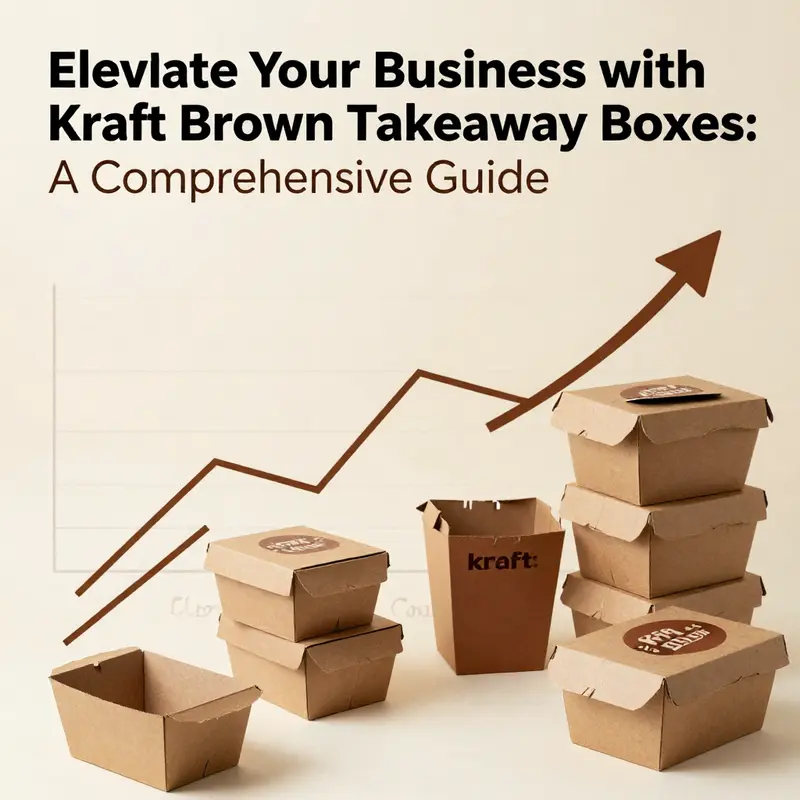
The evolution of the food service packaging industry has led to a significant transformation in the way businesses source and utilize materials, with kraft brown takeaway boxes at the heart of the revolution. This chapter delves into an integrated understanding of the surge in demand for these eco-friendly containers, the dynamics of the supply chain that meet this demand, and the strategic sourcing innovations that have reshaped the landscape. Through the lens of sustainable packaging, one can appreciate how wholesale factories and manufacturers are not only addressing the environmental concerns of today but also setting the stage for tomorrow’s innovations in food-grade packaging.
The rising awareness towards environmental sustainability has pushed restaurants, cafes, and delivery services to seek alternatives to traditional plastic and polystyrene packaging. Kraft brown takeaway boxes, derived from renewable wood pulp, are rapidly becoming the gold standard thanks to their natural appearance, biodegradable nature, and recyclability. This shift is not merely a trend but a direct response to evolving consumer and regulatory pressures that demand packaging solutions with a significantly lower ecological footprint. As the market moves away from harmful materials, it simultaneously embraces products that communicate a brand’s commitment to sustainability. The appeal of these boxes lies in their dual promise: a robust packaging solution that meets high safety standards while ensuring minimal environmental disruption.
At the center of the supply chain lies China—a dominant global player whose vast manufacturing complexes have revolutionized production capabilities. Regions such as Jiangsu, Fujian, and Guangdong have emerged as epicenters of integrated industrial ecosystems, where raw materials, advanced processing technologies, and efficient export logistics work in unison. These industrial corridors exemplify efficiency, with vertical integrations that allow for rapid prototyping, cost-effective mass production, and lead times of only 15 to 30 days for full container loads shipped via sea freight. This scale of production capability has been pivotal in meeting the global surge in demand, as factories here can produce over a million units per month while offering competitive pricing that typically ranges from $0.01 to $0.18 per unit. The combination of speed, volume, and cost efficiency has been a game changer, ensuring that businesses can adopt sustainable packaging without compromising on operational requirements.
Customization and branding have emerged as key trends that have redefined the traditional manufacturing model in the takeaway packaging space. Modern production techniques, including digital printing technologies, allow suppliers to offer high-quality, full-color designs even in relatively smaller production runs. Consumers no longer view packaging merely as a container; it has evolved into a canvas for brand expression. Businesses now have the flexibility to incorporate distinctive elements such as reinforced handles tailored for heavier meals and transparent cellulose windows that enhance product visibility. Innovations like these not only cater to functional needs but also serve as an effective marketing tool, enhancing brand differentiation in a competitive marketplace. In fact, many companies are beginning to embrace bespoke designs that mirror the ethos of their brand, creating a direct connection between the packaging and their customer experience. For instance, innovative packaging solutions can be explored further through suppliers offering unique design variations that incorporate modern aesthetic elements and advanced performance features.
The sourcing dynamics in the wholesale market for kraft brown takeaway boxes rest on the direct supply model. This model facilitates direct engagement between buyers and manufacturers, which helps in maintaining stringent quality control and ensuring cost efficiencies. In a market where Minimum Order Quantities (MOQs) generally start from 50,000 pieces, establishing long-term, reliable relationships with manufacturers is essential. This approach ensures that businesses not only secure a steady supply of quality products but also benefit from economies of scale, reducing overall costs. The streamlined procurement process is supported by robust supplier evaluation frameworks, emphasizing technical capability, operational reliability, compliance rigor, and efficient communication. These frameworks not only focus on price competitiveness but also on the sustainability attributes of the products, including the traceability of FSC-certified materials and adherence to international food safety standards.
Ensuring the safety of food packaging is paramount, and the production of kraft brown takeaway boxes is no exception. All reputable suppliers place a strong emphasis on safety and compliance with international standards such as FDA 21 CFR and EU regulations. The use of food-grade paper, water-based coatings, and plant-based solvents ensures that the boxes are not only robust and reliable but also safe for storing and transporting food. Furthermore, the implementation of industrial composting standards has identified and eliminated a host of potential contaminants, thereby promoting public health through better safety measures. This rigorous approach to safety and compliance relieves businesses concerned with consumer health and avoids regulatory pitfalls, thereby reinforcing the market’s trust in these sustainable packaging solutions.
Over the years, the focus on sustainability and eco-friendliness in packaging has led to significant improvements in raw material usage and manufacturing processes. Kraft paper, made from renewable sources and often certified by bodies like the Forest Stewardship Council (FSC), has become the material of choice. The intrinsic qualities of kraft paper extend beyond sustainability; it also boasts a natural aesthetic that appeals to consumers. The use of this material in takeaway boxes sends a powerful message about a business’s environmental values. Manufacturers are constantly experimenting with various enhancements to boost the durability and functionality of these boxes, ensuring that they are suitable for a wide range of food packaging applications—from bakery items to full meal deliveries. This commitment to continual innovation is a definitive response to consumer demands and the evolving operational needs of food service providers.
The sustainability narrative does not stop at the mere use of biodegradable materials. Manufacturers have increasingly invested in eco-innovations, designing boxes that are industrially compostable and that reduce carbon footprints across all stages of production. Environmental concerns have become intertwined with business operations; companies now take pride in delivering products that not only serve functional purposes but also contribute positively to global environmental goals. As governments and consumers alike place greater emphasis on green initiatives, sustainable packaging has become a core aspect of every responsible business strategy. The end-to-end supply chain—from sourcing raw materials to the final delivery of optimized products—reflects a holistic approach that is both economically viable and eco-conscious.
Moreover, the strategic sourcing of these boxes extends to a thorough evaluation of supplier capabilities, which now includes considerations of communication efficiency and operational agility. Procurement teams are increasingly partnering with suppliers that can demonstrate a consistent track record of performance. These partnerships ensure that supply chains remain resilient in the face of market fluctuations, seasonal demand spikes, and logistical challenges. The modern buyer is not merely focused on immediate pricing advantages but also on the long-term reliability of their suppliers. This more nuanced approach to sourcing supports a broader vision where the supplier relationship becomes a strategic asset, integral to the broader success of the business. The trend towards strategic sourcing is indicative of a market where supplier performance, ethical sourcing, and innovative capabilities go hand in hand.
The innovative strides in personalization and custom branding further illustrate the transformative approach in this sector. For many businesses, packaging is an extension of their brand identity. It plays a critical role in customer engagement by enhancing the overall presentation of the food, thereby influencing perceptions. This trend has given rise to a variety of customizable features—from adding a company logo with state-of-the-art digital prints to engineering the box design in a way that enhances its functionality. As a result, many industries are now able to test new designs on a small scale, thereby reducing the risk associated with large, non-returnable orders. With customized packaging, companies can experiment with different design elements, ensuring that the final product resonates with their target audience before committing to mass production. This level of customization not only boosts brand visibility but also nurtures a deeper connection with the consumer.
Buyer confidence is further bolstered by the continuous investment in advanced printing technology and machinery. Many factories have integrated cutting-edge equipment that supports digital customization, ensuring that even smaller orders reflect the highest levels of printing quality and precision. These technological advancements have narrowed the gap between mass production and bespoke design, making it easier than ever for businesses to get tailor-made solutions that match their unique identity. As a result, suppliers can now offer a broader range of design possibilities, varying box styles from handle-less minimalist options to enhanced designs featuring reinforced handles and cellulose windows. The interplay between technology and tradition in the production process ensures that businesses are equipped to deliver exceptional packaging solutions that are both functional and visually appealing.
In addition to meeting the functional demands of food packaging, the rise of kraft brown takeaway boxes represents a broader shift in global market dynamics. An increasing number of businesses are embracing sustainable practices not only for ethical reasons but also as a response to market trends and consumer expectations. The competitive edge provided by sustainable packaging is now recognized across industries. Food service providers, in particular, are aware that consumers are more likely to patronize establishments that demonstrate a proactive commitment to environmental responsibility. This shift has spurred manufacturers to optimize production processes, leverage sustainable materials, and continuously innovate to meet the high standards set by both regulators and customers.
The integrated supply chain for these boxes has also created an environment where technical innovation and sustainability are closely linked. The ability to scale production efficiently while maintaining eco-friendly operational practices requires a delicate balance of cost management, technical precision, and environmental commitment. Factories have adapted their processes to meet the dual challenge of rapid production and rigorous sustainability standards. As an example, certain manufacturers have adopted advanced recycling techniques and energy-efficient practices that reduce waste and energy consumption during the production cycle. This comprehensive approach is a testament to the evolving priorities in the global packaging industry, where operational excellence and environmental stewardship go hand in hand.
Manufacturing hubs throughout China have become synonymous with dependable supply, leveraging a network of collaborations that span from raw material suppliers to logistics companies. These collaborations ensure that every step of the production and distribution process is optimized for both efficiency and cost-effectiveness. With an emphasis on streamlining operations, many manufacturers have implemented automated processes that reduce production time while ensuring consistent quality. This level of integration has transformed the supply chain into a highly efficient network, capable of responding rapidly to market demands while maintaining the stringent quality standards required by international food safety regulations.
One should also note the importance of communication and transparency in contemporary supplier relationships. In today’s interconnected market, clear and consistent communication between suppliers and buyers is crucial. Companies are increasingly relying on digital platforms to facilitate real-time communication, ensuring that any issues related to order discrepancies, design modifications, or delivery schedules are addressed promptly. The integration of these communication channels not only improves operational efficiency but also builds trust between the business and its suppliers. Trust, in turn, is vital for ensuring long-term partnerships that are mutually beneficial in a competitive and ever-changing marketplace.
As the industry moves forward, strategic sourcing will continue to evolve into a cornerstone of operational success for businesses. Procurement teams are becoming adept at recognizing not only the value of competitive pricing but also the benefits that come with securing robust, long-term supply relationships. The modern sourcing strategy centers on partners who offer technical capability, flexibility in customization, and above all, the ability to adapt quickly to changing market conditions. This trend is clearly visible in the way suppliers innovate with solutions tailored for specific needs, thereby providing businesses with the tools they need to differentiate themselves in a saturated market.
It is also important to recognise that the scope of sustainability is expansive. Beyond the raw materials and design considerations lies a broader commitment to reducing environmental impact. Manufacturers are now actively engaged in research and development to discover new materials and processes that will further reduce carbon emissions and waste. The drive for sustainability has encouraged an exchange of ideas and expertise among suppliers, resulting in a collective effort to not only meet but exceed regulatory standards for food safety and environmental preservation. This collaborative mindset reflects the changing priorities in global commerce, where responsibility for environmental stewardship has become a shared goal.
In this vibrant and rapidly evolving market, both existing players and new entrants are challenged to balance cost, functionality, and sustainability. The emphasis on designing and producing high-quality kraft brown takeaway boxes has redefined what it means to be competitive in the food service packaging industry. Companies that invest in sustainable practices gain a competitive advantage, as consumers increasingly prefer brands that align with their own values of environmental responsibility. As such, businesses that adopt these innovative packaging solutions can expect to experience not only operational efficiencies but also enhanced brand loyalty and market differentiation.
The confluence of sustainability, technology, and strategic sourcing is paving the way for future innovations in the world of food packaging. Through partnerships with reliable suppliers, businesses can leverage the expertise and capacity of manufacturing hubs known for their efficiency and technological superiority. This relationship-centric approach has ushered in a new era where reliability, customization, and sustainability are not separate objectives but are inextricably linked. The modern marketplace demands packaging solutions that are as adaptive as the industries they serve, and the kraft brown takeaway box stands as a prime example of this perfect synergy.
For procurement professionals and business owners alike, the message is clear: harnessing the power of a well-orchestrated supply chain is critical to staying competitive. The transformation in the sustainability narrative is more than just an environmental statement—it is a strategic business imperative. It is about harnessing innovation to deliver products that meet the highest standards of quality, safety, and aesthetic appeal while also being responsible stewards of the environment. Businesses that embrace these principles are poised to experience long-term success as consumer preferences continue to evolve towards environmentally friendly practices.
In conclusion, the dramatic rise in the demand for kraft brown takeaway boxes is not merely a shifting market trend but a profound rethinking of packaging solutions in the modern era. Wholesale factories and manufacturers are redefining production norms by integrating sustainability with technological innovation, ensuring that every box produced is a testament to efficiency, quality, and environmental responsibility. As companies forge long-term partnerships with reliable manufacturers, they are not just securing a supply of high-quality packaging—they are investing in a future where sustainability and innovation become the twin pillars of success. For businesses seeking to transform not just their operations but also their brand image, engaging with suppliers who offer comprehensive customization and sustainable strategic sourcing is essential. For further insight into innovative design and value-added features, you can explore unique packaging solutions that illustrate the potential of modern takeout packaging.
For readers interested in a deeper dive into the strategic sourcing and technical capabilities of these manufacturing ecosystems, additional details can be found in this external resource: https://www.packaginginsights.com/strategic-sourcing-chinese-takeaway-boxes-b2b-guide/.
The journey towards sustainability, enhanced branding, and operational excellence continues as companies adapt to emerging challenges and innovative opportunities. It remains clear that the future of food packaging is not only eco-friendly but also strategically geared towards meeting the comprehensive demands of an ever-evolving market. Every facet of the supply chain—from raw material sourcing and production innovation to customization, compliance, and environmental stewardship—demonstrates the critical importance of forward-thinking strategies in establishing market leadership. This integrated approach ensures that businesses remain responsive to both consumer trends and global regulatory standards, ultimately setting a new benchmark for operational excellence and sustainable success in the competitive landscape of food service packaging.
Final thoughts
Kraft brown takeaway boxes are not just a practical packaging choice; they represent a commitment to sustainability and branding that resonates with today’s consumers. By sourcing from wholesale factories, businesses can benefit from quality, customization, and cost-effectiveness while fostering a positive environmental impact. As market demands evolve, leveraging these attributes will ensure that food service operations remain competitive and customer-centric. Investing in kraft brown takeaway boxes is a step toward enhanced service and eco-consciousness.