

Large plastic food containers are integral to the smooth operation of businesses within the food industry, especially for bubble tea shops, catering services, and restaurants. Their versatility not only helps organize meal prep but also enhances food preservation and presentation. For companies focused on efficiency, understanding the benefits of these containers, selecting the right materials, and exploring commercial applications can construct a clearer pathway to success. This article delves into the multifaceted advantages of large plastic food containers, the critical material considerations for safety and performance, and their extensive commercial uses in food service environments. Get ready to optimize your kitchen operations and enhance your offerings!
Rethinking Bulk Storage: Balancing Convenience and Safety in Large Plastic Food Containers
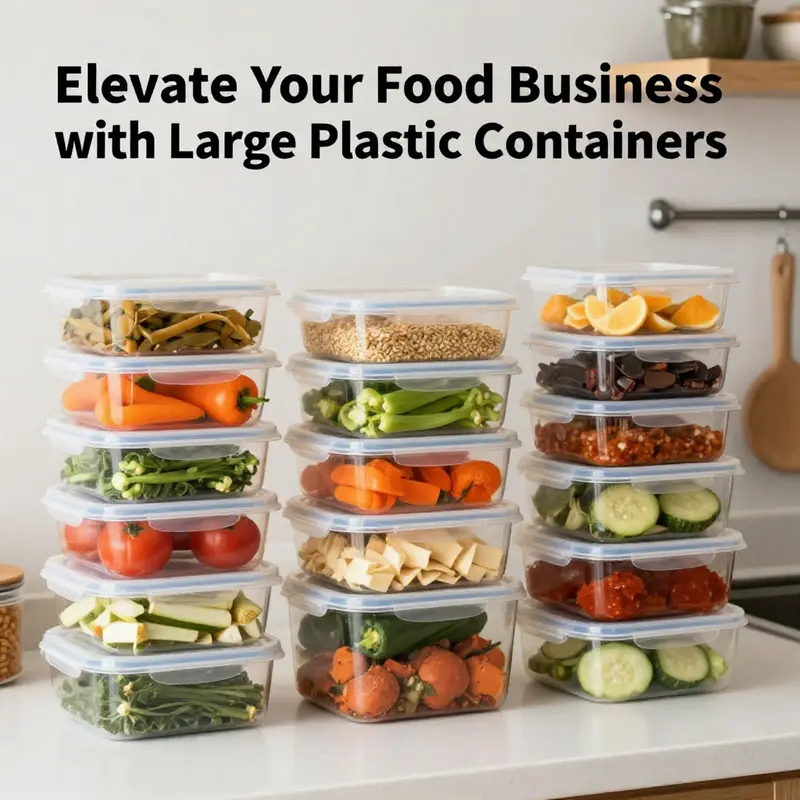
Bulk storage in meal prep offers clear benefits: visible contents, space efficiency, and the ease of pre-portioning large quantities. Rectangular, stackable containers maximize fridge real estate, and transparent walls help identify items at a glance. Lids that seal tightly prevent leaks and help preserve temperature and flavor during storage and reheating. These practical advantages can speed up routines and reduce waste when used with care.
However, safety and long-term quality matters temper the enthusiasm. Repeated heating, abrasion, and long storage can lead to material changes that affect food contact safety. Some plastic additives can migrate under heat or with certain foods, and BPA-free labeling does not guarantee absolute safety. The key is mindful use: match container choice to the food, use appropriate temperature, and retire containers showing wear.
A balanced strategy embraces multiple materials. Large plastic containers still play a role for mild temperatures and rapid turnover, but for hot, fatty, or long-term storage, glass, ceramic, or stainless steel can offer advantages. Cleanliness and proper cycles in dishwashers and microwaves further influence safety. Regularly inspect containers for cracks or clouding and replace as needed.
Finally, consider the broader packaging landscape. Safer, more inert options can complement plastic storage, and consumer demand for safer packaging continues to shape product design and regulation. A thoughtful approach uses plastic where it makes sense while reserving other materials for higher-risk uses.
Big-Batch Confidence: Safety, Performance, and the Science of Large Plastic Food Containers
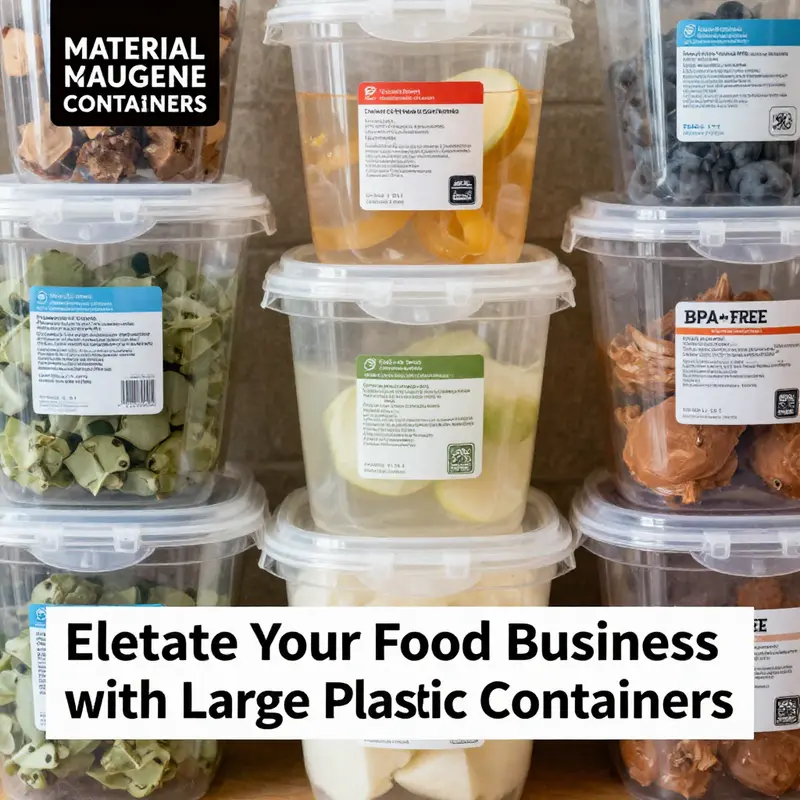
In kitchens and back rooms where meals are scaled for families or staff, large plastic food containers do more than just hold food. They organize, protect, and extend the life of ingredients and dishes. The science behind these containers does not stay hidden; it lives in the choice of polymer, the way heat is handled, and the way the container resists moisture, light, and odors. A good container is a balance of chemical stability, mechanical durability, and practical design. It must withstand daily use, frequent cleaning, and occasional temperature extremes without compromising the safety of the food it carries. When you approach a bulk purchase or a long term investment for a kitchen, you are choosing a material system that will interact with food, cleaning agents, and storage conditions in a predictable way. To navigate this space well, it helps to understand the material families most commonly used for large containers, the safety frameworks that guide their use, and the performance characteristics that matter in real life.
In the realm of food contact materials, safety is not a vague slogan but a formal requirement that translates into test methods, labeling, and regulatory alignment. The most critical consideration is whether the plastic is food grade and whether it complies with national and international standards for materials that can come into contact with food. In China, one of the most visible benchmarks is GB 4806.7-2023, which outlines the requirements for materials such as polyethylene, polypropylene, polystyrene, PET, PVC, and other polymers used in food contact. Containers marketed for direct contact with food should be labeled or certified as meeting this standard to ensure that they are free from toxic substances and that they do not leach harmful chemicals into food under typical conditions of use. This is particularly important when the container might be exposed to acidity from citrus or tomatoes, oils from dressings, or the heat of microwaving, where the risk of migration can be higher. While the standard is written with broad scope, the practical implication for buyers is that safety is built into the product by design, not left to chance.
When we look at the materials most commonly used for large containers, three families account for the vast majority of long term use: polypropylene, high density polyethylene, and, to a lesser extent in this specific category, PET. Each of these polymers brings a distinct combination of chemical resistance, temperature tolerance, and barrier performance that makes them suitable for particular roles in bulk storage. Polypropylene, or PP, is prized for its chemical stability and heat tolerance. It resists acids, bases, and many organic solvents that might be present in sauces or marinades. It can tolerate relatively high temperatures, which makes it a viable choice for hot fill processes, reheating in a microwave, or even routine sterilization in some settings. In practice, PP can handle typical kitchen and pantry cycles where hot liquids are present, and it maintains its shape and stiffness under substantial load during stacking. The thermal resilience of PP, often in the range of 120 to 130 degrees Celsius for short-term exposure, supports workflows that involve hot foods, steam during cleaning, or high temperature sanitation.
HDPE, by contrast, is a sturdier, tougher option with excellent moisture and gas barrier properties. Its impact resistance is well known, which translates to durability during handling, transport, and the inevitable bumps and drops that occur in busy commercial environments. The barrier properties of HDPE, particularly against water vapor and some gases, help keep foods dry and reduce the risk of contamination from environmental moisture. However, its heat resistance is more limited than PP, generally around 70 to 90 degrees Celsius, which means HDPE is well suited to storing non heated foods, dairy products, beverages, and bulk dry ingredients that do not require heating in the container. For frozen storage, HDPE containers can be a reliable option, provided the temperature regime stays within the material’s tolerance and the lid and gasket can maintain a seal under cold shock conditions.
Polyethylene terephthalate, PET, is widely admired for its clarity, which allows quick visual checks of contents. The upside of visibility is balanced by some practical limits. PET generally performs well for storage and display when the contents are not subjected to high heat. Repeated heating and harsh cleaners can degrade PET over time, and its thermal resistance is typically limited to around 70 degrees Celsius. Because large reusable containers in bulk workflows often encounter various heat scenarios, PET is less commonly chosen for long term, microwaveable, or repeated sanitization cycles. It remains a staple for single use applications and for transparent packaging where high heat is not a daily expectation.
Polycarbonate, or PC, adds strength and clarity as well, but it has raised concerns about the migration of certain residual substances, including bisphenol A, which has driven regulatory scrutiny and restrictions in infant feeding contexts and other sensitive uses. For this reason, PC is approached with caution in food contact applications, and many manufacturers phase PC out of high temperature or long term reusable containers in favor of safer alternatives. The decision tree for PC hinges on risk assessment, migration testing, and adherence to evolving regulatory guidance in different markets. In most large volume food storage settings, safer, well established plastics such as PP and HDPE dominate because they offer predictable performance with well understood safety profiles.
The practical outcomes of these material choices hinge on how a container is designed to work in the kitchen as well as how it is integrated into a broader system of use. Temperature resistance is not a single number but a profile that encompasses exposure to hot liquids, cold storage, and the transitions between those extremes. PP shines when there is a need to withstand hot liquids without losing shape or leaching flavor. This is why many large reusable containers intended for batch cooking and reheating choose PP as their primary body material. HDPE, with its robust impact resistance, is commonly favored for walls that must survive repeated loading and unloading, stacking to maximize cabinet and shelf space, and frequent transport within a kitchen or warehouse. The two materials are often selected in tandem within the same line of containers: a PP body for heat tolerance and an HDPE lid or base that benefits from stronger impact resistance and good moisture barriers. In some designs, a clear PET window may be incorporated to provide visibility, but often these windows are limited to single use or short term applications due to heat sensitivity and potential for yellowing or damage under harsh cleaning cycles. The interplay between body and lid becomes a crucial design feature because even a small gap at the seal can undermine the barrier properties, allowing moisture, odors, and air to migrate and diminish the container’s effectiveness over time.
Beyond chemical compatibility and heat tolerance, the barrier properties against moisture, oxygen, and light play a major role in preserving food quality. Moisture barriers help reduce clumping of dry goods, prevent microbial growth in damp environments, and extend shelf life by limiting the ingress of humidity that can foster mold or staling. Oxygen barriers slow rancidity in fats and help preserve flavors in sauces and grains. Light exposure, especially ultraviolet light, can accelerate oxidation and degrade certain sensitive ingredients. In practice, most large containers rely on a combination of material choice and lid design to manage these factors. A robust gasket, a tight snap or twist-lock mechanism, and a well integrated sealing surface can make a decisive difference in performance. The lid geometry and any accompanying sealant contribute to the container’s overall barrier properties. A good seal protects contents from odors and from cross contamination during stacking in a crowded refrigerator or freezer.
When you examine the design of large plastic containers, the shape itself is not a cosmetic decision but a functional one. Rectangular or square profiles optimize space in refrigerators, freezers, and stacked shelves. Clear walls are desirable for quick content checks, but they must be balanced with the potential for staining and odor retention. Some users prefer slightly tinted or opaque walls to minimize visible staining from spices or sauces, while others crave absolute transparency for inventory control. The choice often depends on whether the priority is visibility or a more forgiving appearance over repeated uses. In any case, the walls must be thick enough to resist warping under heat or pressure during transport and cleaning, yet light enough to keep the container affordable and manageable in bulk orders. The lid system is equally important. Snap on lids with locking features, sometimes coupled with a gasket, are common for their ease of use and reliable seals. Some designs incorporate venting features to reduce pressure buildup when hot foods are sealed, which is particularly helpful during reheating in a microwave or when packing foods that release steam. These functional details affect not only how well the container preserves food but also how quickly it can be returned to service after cleaning.
A further dimension to safety and performance concerns how these containers are cleaned and sanitized. Reusable containers are valued for reducing waste, but they also demand reliable cleaning cycles. PP and HDPE are typically compatible with standard commercial dishwashers and many home dishwashers, but the exact temperatures and cycle lengths should be verified by the manufacturer. The interplay of chemistry and heat means that aggressive wash conditions can, over time, test even the most robust plastics. Odor retention, staining, and dulling of the surface can result from repeated exposure to strong cleaners or highly pigmented foods. It is not only the material that matters but also the surface finish and the structural integrity of the container over time. A smooth interior makes cleaning easier and reduces the risk of harboring bacteria in crevices, while a well finished exterior supports efficient handling during busy prep periods. The design also influences sanitation by reducing corners and joints where residues could accumulate. Even the choice of a simple clear wall versus a frosted or colored wall can change the ease of detection for spilled contents and the necessity for more intensive cleaning regimes.
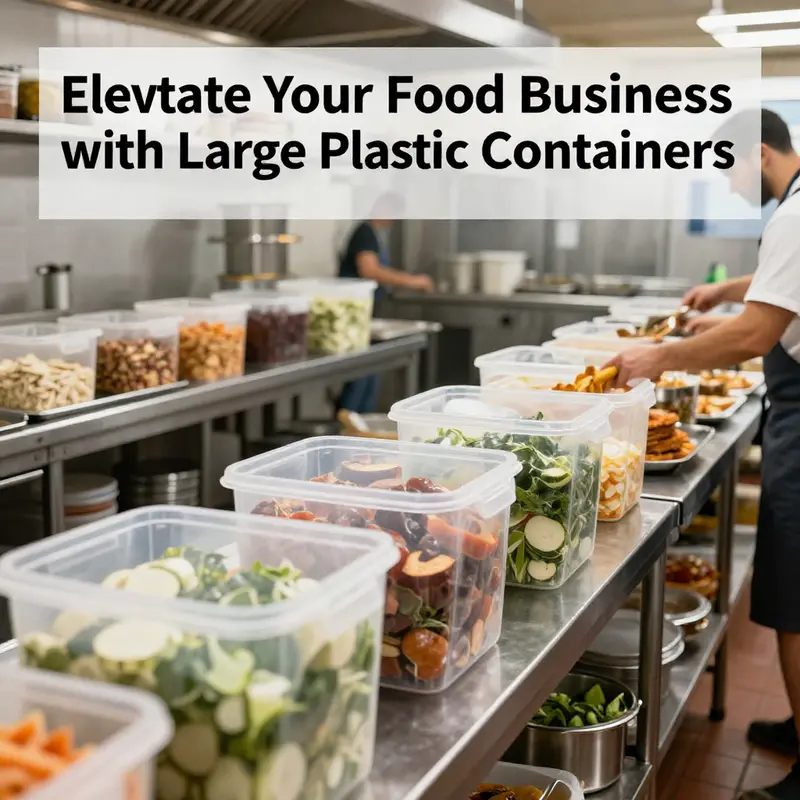
In commercial or industrial settings the stakes are higher, and so are the standards. Large plastic containers intended for bulk storage and transport to restaurants or wholesale operations require a careful balance of cost, performance, and lifecycle expectations. Suppliers and manufacturers in broad markets design containers to withstand repeated loading and unloading, to maintain their seals after thousands of cycles, and to resist discoloration from light or staining from foods with vibrant pigments. In such settings, material selection is coupled with process controls during molding or extrusion, quality assurance testing, and traceability of materials to support compliance with food safety programs. Where heating or sterilization is part of the workflow, PP becomes the natural choice for its stability under repeated heat exposure, while HDPE protects against moisture ingress in environments where cold or damp conditions are common. In these contexts, the ability to reuse containers and to replace individual parts, such as lids or gaskets, without discarding the entire system, translates into significant long term value and waste reduction. It also aligns with the operational realities of large kitchens where efficiency, inventory accuracy, a steady supply of lids, and consistent performance across thousands of cycles matter as much as raw material cost.
Another practical axis concerns regulatory compliance, labeling, and safety verification. The consumer and the professional buyer alike should look for clear labeling that confirms food contact safety in the appropriate jurisdiction. In addition to the core material family, statements about heat resistance, microwave suitability, dishwasher safe status, and freezer performance help build confidence in the product. When a product bears these badges of safety and compatibility, it signals that the container has undergone the testing and documentation needed to withstand daily demands. The evidence of safety is not a single test but a suite of evaluations that consider colorants, additives, and the overall lifecycle of the product. The migration potential of additives into food under various storage conditions is a central concern, and manufacturers typically rely on tested formulations and approved colorants or stabilizers to minimize such risks. This is why the industry favors established polymers with known performance histories over newer, unproven blends for large reusable containers.
For buyers and operators, the decision to select PP, HDPE or a hybrid approach should be guided by the intended use. If the purpose is to store hot meals or to reheat in the container, PP is a stronger choice due to higher heat tolerance. If the priority is long term storage of dry goods or liquids with a lower heating profile, HDPE offers a robust barrier with excellent impact resistance. For transparent visibility and shorter term use, PET can be considered, but only if the storage conditions remain within its heat tolerance. If the context demands the most demanding performance in terms of chemical resistance, mechanical strength, and safety margins, polypropylene remains the most widely adopted and trusted option for large reusable containers. The strategic combination of materials in a single product line, such as a PP body with an HDPE lid or an HDPE base with a PP wall, can deliver the best of both worlds and reflects a mature understanding of how these plastics interact under real world conditions. The design philosophy behind these choices is not simply to minimize cost but to maximize reliability, safety, and ease of use in environments where timing, hygiene, and accuracy are essential to success.
Assuring compliance extends beyond the raw materials to the lifecycle of the product. Reuse cycles, cleaning agents, and exposure to heat all influence how a container will perform over time. Manufacturers may provide guidance on the number of cycles or the expected service life, and buyers should take advantage of this information when planning procurement and maintenance schedules. The ability to verify compliance through third party testing, and to access supplier documentation that confirms food safety status, fosters trust in the product while supporting broader food safety programs. It is also worth noting that renewed emphasis on environmental considerations has encouraged improved recycling or reuse strategies for bulk packaging. Containers that are designed for recycling often carry codes indicating the resin type and can be separated from other plastics at end of life. Understanding these codes and the accompanying recycling streams helps facilities make informed decisions about disposal, rather than simply discarding containers that still have usable life.
Practical guidance for buyers who manage large inventories emphasizes consistency and reliability. When planning purchases, specify expected service life, batch sizes, and replacement cycles. Request documentation on heat and chemical resistance, confirm dishwasher compatibility, and verify that lids are interchangeable across a product line to simplify operations. In ongoing facilities, maintain a simple labeling scheme to track storage duration and rotation, and establish routine checks to ensure seals remain intact after cleaning. These steps help preserve performance across thousands of uses and support sustainability by minimizing waste and downtime.
In sum, selecting large plastic containers for food storage is a decision that touches on multiple dimensions of safety and performance. It requires a thoughtful appraisal of the material family, the thermal and barrier properties, the compatibility with cleaning and reheating protocols, and the long term reliability of the lid and seal system. It also requires attention to regulatory compliance and to labeling that assures users of the container’s suitability for food contact. The end goal is a system that protects the integrity of the food, reduces waste through improved storage efficiency, and remains dependable across the cycles of heavy use. By focusing on polypropylene for long term, heat resistant storage, pairing it with a durable HDPE lid when the task demands impact resistance and moisture control, and respecting the guidance provided by food safety standards like GB 4806.7-2023, buyers and operators can realize big batch confidence in their large plastic containers. The result is not only a safer kitchen but also a more efficient workflow that aligns with modern food service and manufacturing practices. For those seeking regulatory context and the formal documentation, the GB 4806.7-2023 standard documentation offers a comprehensive reference that supports the choices described here: https://std.samr.gov.cn/gb/search/gbDetailed?id=25467.
null
null
Final thoughts
Large plastic food containers are fundamental to the efficiency and safety in the food service industry. Their benefits extend from facilitating meal prep and food preservation to supporting robust commercial operations in various settings. By selecting the right materials and understanding their uses, businesses in the bubble tea, catering, and restaurant sectors can significantly elevate their service standards. Embrace the convenience and effectiveness of these containers, and let them work for you!