
Introduction
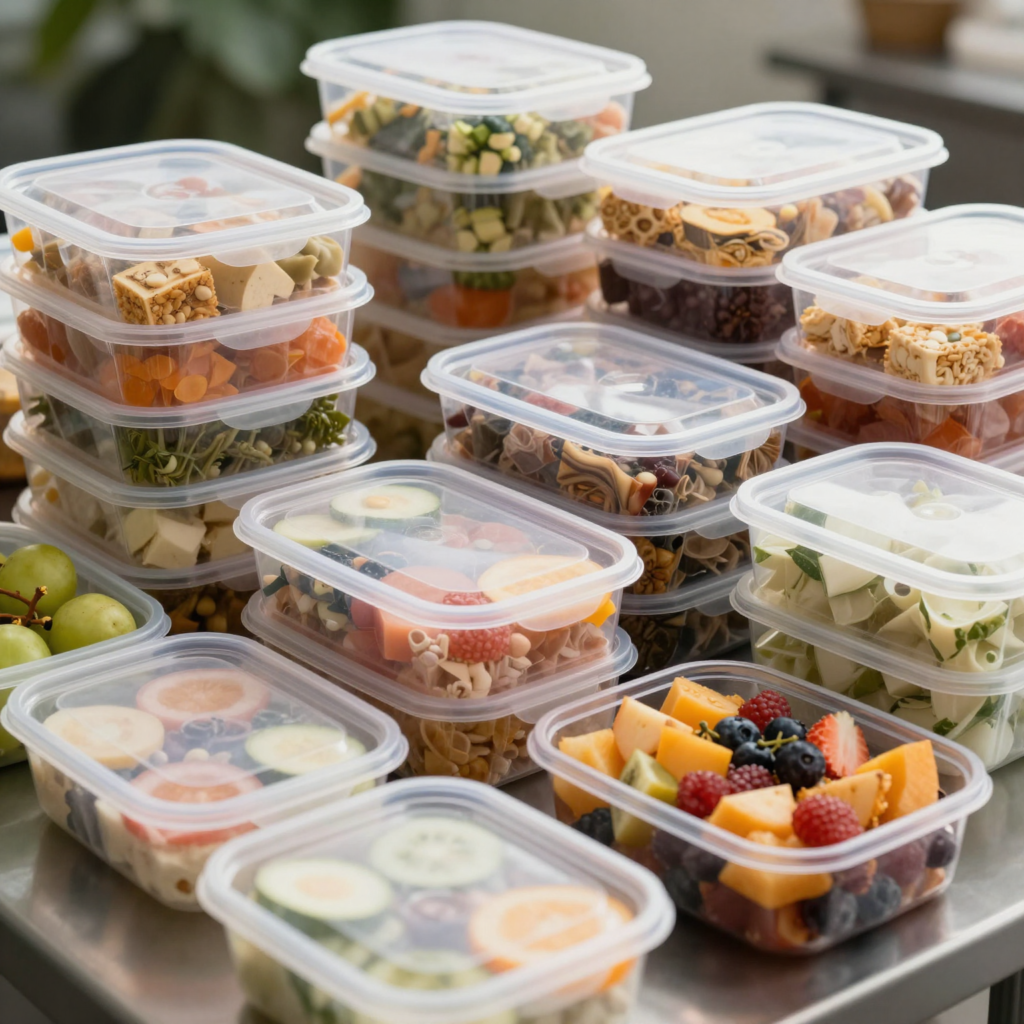
In the fast-paced world of food service, where efficiency and presentation play crucial roles, large plastic disposable food containers have emerged as essential tools for bubble tea shops, restaurants, food trucks, and catering services. These containers are not just practical; they offer a myriad of benefits that cater to both functionality and aesthetics. With the growing demand for ready-to-eat meals and takeaway options, the significance of these containers is more apparent than ever. They provide secure and hygienic storage for a variety of dishes, allowing businesses to maintain quality while ensuring convenience for their customers. Moreover, their versatility makes them ideal for serving everything from delectable bubble teas to hearty meals, enhancing customer satisfaction with every sip and bite. In a competitive industry, investing in high-quality disposable containers can be a game-changer for food industry professionals looking to streamline operations without compromising on presentation or service quality. To delve deeper into how these containers can transform your food service operations, explore our selection of sugarcane cups and their business benefits.
These large plastic disposable food containers not only hold the many flavors of your culinary creations but also reflect your commitment to quality and sustainability. Embracing them could be your best decision yet, as they ensure your food is served fresh, appealing, and ready to delight your customers!
Benefits of Using Large Plastic Disposable Food Containers
Using large plastic disposable food containers offers numerous advantages that can significantly benefit restaurants, food trucks, and event planners. Here’s a look at some key benefits:
- Convenience: Large plastic containers are lightweight and easy to transport, making them ideal for food service operations that require mobility, such as food trucks and catering events.
- Versatility: These containers can accommodate a wide variety of meals, from salads to desserts, which makes them a practical choice for diverse menu options.
- Hygiene: Disposable food containers ensure cleanliness by eliminating the need for washing and sanitizing, thereby reducing the risk of contamination.
- Durability: Made from robust materials, these containers are designed to withstand various temperatures and maintain the quality of food during transport.
- Eco-Friendly Options: Many disposable containers are made from recyclable materials, contributing to sustainable practices in food packaging solutions, which is increasingly important in today’s market.
For more information, learn more about sustainable disposable tableware for restaurants.
Safety Standards for Large Plastic Disposable Food Containers
Ensuring safety and regulatory compliance is paramount when it comes to large plastic disposable food containers, especially for businesses like bubble tea shops, restaurants, food trucks, and event planners. These containers must meet stringent health regulations to safeguard both consumers and the reputation of food service providers.
Key Standards and Certifications
Large plastic disposable food containers are regulated primarily under the Food Safety National Standard for Food Contact Materials and Products (GB 4806.7-2023). This standard mandates that materials used in these containers must adhere to specified safety limits regarding overall migration potential-essentially the amount of non-volatile substances that can migrate into food. The compliance ensures that food items stored in or served with these products remain safe for human consumption.
The U.S. Food and Drug Administration (FDA) enforces regulations stating that all plastic materials intended for food contact must comply with the Code of Federal Regulations, Title 21. Notably, this restricts the use of harmful substances and requires thorough migration testing to ensure safety during typical usage conditions.
Importance of Material Selection
Containers made from high-density polyethylene (HDPE), low-density polyethylene (LDPE), and polypropylene (PP) are promoted due to their lower risk of releasing harmful chemicals into food. It’s vital for food service operators to select products made from these materials to meet safety standards while preventing potential health risks associated with poorly manufactured products.
Consumer Awareness and Precautions
Consumers are encouraged to check for complete labeling, including the manufacturer’s information and compliance markings on packaging. Proper usage guidelines – such as adhering to recommended temperature limits – will help mitigate risks of chemical migration, ensuring that the food served remains safe. Overall, understanding these standards helps stakeholders in the food industry maintain compliance and uphold public trust in their offerings.
For more insights on the benefits of using safe materials for food service, learn more about sugarcane cup benefits.
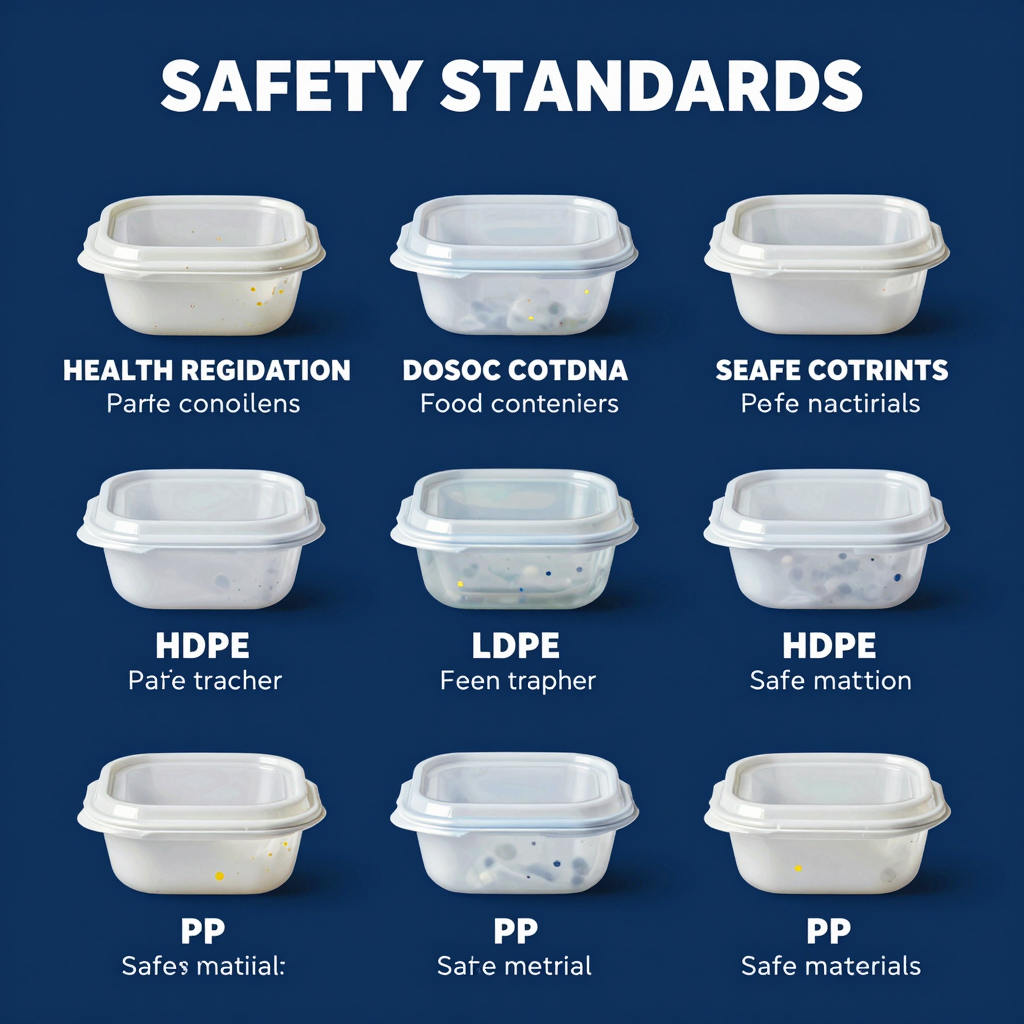
*Infographic illustrating safety standards for large plastic disposable food containers.
In conclusion, adherence to safety standards is not just about regulatory compliance; it is also vital for protecting public health and ensuring the sustainability of the food service industry. By selecting appropriate materials and following established guidelines, businesses can contribute positively to food safety and consumer satisfaction.
| Size | Type | Ideal Usage Scenarios |
|---|---|---|
| 1000ml | Plastic Bowl (PP) | Ideal for salads, sides, and snacks. |
| 1250ml | Rectangular Container | Great for meal prep and takeout meals. |
| 15 oz | Standard Cup | Perfect for beverages and soups. |
| 31 oz | Large Container | Suitable for family-sized servings of food. |
| 6 inches | Clear Plastic Plate (PET) | Recommended for appetizers and small dishes. |
| 9 inches | Clear Plastic Plate (PET) | Best for main courses and larger servings. |
| 1000-1250ml | Customizable Food Containers | Versatile for various meal options across restaurants and catering services. |
Eco-Friendly Practices in the Manufacturing of Disposable Food Containers
In recent years, the trend towards eco-friendly packaging has gained significant momentum, particularly in the manufacturing of disposable food containers. As customers become more eco-conscious, businesses are adapting their practices to meet this growing demand for sustainable solutions. Let’s explore some eco-friendly manufacturing practices and their benefits.
1. Materials Selection
One of the foundational changes in eco-friendly packaging is the selection of materials. Manufacturers are increasingly using biodegradable and compostable materials such as sugarcane bagasse, bamboo, or recycled paper. For instance, sugarcane containers are robust and can decompose naturally, significantly reducing landfill waste. Many of these materials are also sourced sustainably, ensuring that the manufacturing processes are not harmful to the environment. Learn more about the benefits of sugarcane cups.
2. Energy-Efficient Production
Modern manufacturing processes now focus on energy efficiency, implementing technologies that reduce power consumption and greenhouse gas emissions. By utilizing renewable energy sources, manufacturers can significantly decrease their carbon footprint. This not only contributes to a healthier planet but often leads to cost savings, a dual benefit for manufacturers and consumers alike.
3. Innovative Packaging Design
Eco-friendly packaging often involves innovative designs that minimize waste. For example, some disposable food containers are designed for multiple uses or to stack efficiently, reducing the amount of material needed per product. This smart design not only appeals to environmentally conscious consumers but also enhances usability in restaurants and food trucks.
Benefits of Eco-Friendly Packaging
- Consumer Appeal: Today’s consumers are increasingly seeking brands that demonstrate environmental responsibility. Businesses that adopt eco-friendly practices can attract more customers who are willing to pay a premium for sustainable options.
- Regulatory Compliance: With growing legislation aimed at reducing plastic waste, companies that proactively adopt eco-friendly packaging can stay ahead of regulations and avoid potential fines.
- Market Differentiation: As competition grows, eco-friendly packaging serves as a unique selling proposition that can differentiate a brand in a crowded market.
In conclusion, adopting eco-friendly practices in the manufacturing of disposable food containers not only benefits the environment but also attracts modern consumers who value sustainability. Businesses that invest in these practices position themselves for success in an increasingly green marketplace. By embracing eco-friendly packaging, brands can fulfill consumer desires while contributing positively to the planet’s health.
Explore customized eco-friendly packaging options and find out how they can support your business.

As businesses in the food industry seek to balance sustainability with cost-effectiveness, the comparison between biodegradable food containers and traditional plastic options becomes increasingly important. Understanding the advantages and disadvantages of each can help food establishments make informed choices.
Advantages of Biodegradable Food Containers
- Environmental Impact:
- Biodegradable food containers, made from materials like polylactic acid (PLA) or bagasse (sugarcane), decompose naturally in composting conditions, significantly reducing their environmental footprint. Unlike traditional plastics that can take centuries to break down, biodegradable options can decompose within months when processed correctly.
- Health Benefits:
- They are free from harmful chemicals such as BPA and phthalates, commonly found in traditional plastics, which can leach into food. This makes them a safer choice for customers concerned about health risks.
- Consumer Appeal:
- There is a growing demand for sustainable products among consumers. Using biodegradable containers can enhance a brand’s image and appeal to eco-conscious customers, potentially boosting sales.
Disadvantages of Biodegradable Food Containers
- Cost:
- Higher Production Costs: Biodegradable containers are typically 20-35% more expensive than traditional plastic options. This may affect profit margins, especially for businesses focused on cost efficiency. For example, prices for a 700ml biodegradable take-out container can range from $0.29 to $0.84, depending on bulk purchase agreements.
- Supply chain adjustments may be necessary, impacting operational logistics.
- Heat Sensitivity:
- Biodegradable containers can have lower heat resistance compared to their plastic counterparts, making them unsuitable for hot food items, especially in takeout scenarios. Prolonged exposure to heat can cause them to lose structural integrity.
- Dependency on Infrastructure:
- The environmental benefits of biodegradable containers are contingent upon availability of industrial composting facilities. Without proper disposal methods, these containers can behave like traditional plastics in landfills, contributing to pollution.
Advantages of Traditional Plastic Food Containers
- Durability:
- Traditional plastic containers are robust, designed to withstand varying temperatures, and resistant to moisture, which ensures food safety during transport.
- Cost-Effectiveness:
- They are generally cheaper to produce and purchase, making them a preferred choice for budget-conscious businesses. Recycling, though limited, is widely accessible in many regions, although actual recycling rates remain low.
- Usability:
- They perform well in various food service applications and have abundant designs tailored for many types of food services, enhancing convenience for restaurants and event caterers.
Disadvantages of Traditional Plastic Food Containers
- Environmental Concerns:
- Traditional plastics contribute significantly to pollution. They can take hundreds of years to degrade and often end up in oceans and other ecosystems, leading to widespread environmental damage.
- Chemical Leaching:
- Concerns about chemicals leaching into food can deter some consumers, leading to potential reputational damage for establishments serving food in plastic containers.
Conclusion
In summary, the choice between biodegradable and traditional plastic food containers revolves around balancing cost, usability, and environmental impact. While biodegradable food containers offer a sustainable alternative, they require consideration of cost and disposal infrastructure. On the other hand, traditional plastic containers provide durability and lower costs but come with substantial environmental and health drawbacks. Adopting biodegradable options not only caters to consumer demand for eco-friendly products but also positions businesses as leaders in sustainability. For more insights on eco-friendly packaging solutions, learn more about the benefits of sugarcane materials in food service.
This comprehensive comparison equips businesses like bubble tea shops, restaurants, and catering services with the necessary understanding to make informed purchasing decisions in today’s eco-conscious marketplace.
“We rely on these large plastic disposable food containers every day in our restaurant. They are incredibly durable and keep our food fresh for longer periods. The quality is unmatched, making them a staple in our kitchen. We can serve our customers with confidence knowing that each meal is stored safely and securely. Highly recommend for any food service operation!”
- Chef Maria, Owner of Culinary Delights
These testimonials are a testament to the reliability and quality that our large plastic disposable food containers offer. For more insights on sustainable packaging, you can learn more about our sugarcane cup benefits or explore options like customized sugarcane bowl branding.
Optimization Tips for Using Large Plastic Disposable Food Containers
Using large plastic disposable food containers effectively can enhance operational efficiency and reduce costs in the food service industry. Here are some actionable tips to optimize their use:
-
Select the Right Material: Opt for containers that are made from recyclable or compostable materials. This not only meets sustainability goals but can also attract eco-conscious customers. For more insights on eco-friendly options, learn more here.
-
Streamline Inventory Management: Keep an organized inventory to avoid overstocking or running out of containers. Use an inventory management system to track usage patterns and adjust orders accordingly.
-
Optimize Portion Sizes: Use containers that match the portion sizes of meals served. This minimizes waste and ensures customers receive the right amount of food, maintaining quality and satisfaction.
-
Implement Staff Training: Train employees on the proper handling and use of disposable containers to minimize breakage and waste. This can lead to better savings and improved operational performance in busy settings.
By following these tips, businesses can optimize their usage of large plastic disposable food containers, enhancing both efficiency and cost-effectiveness further. Consider this practical guide for more insights on hygiene and efficiency using disposables.
Conclusion: Partner with Us for Reliable Disposable Solutions
In conclusion, the importance of high-quality disposable tableware cannot be overstated for businesses in the food service industry. Whether you are running a bubble tea shop, a bustling restaurant, or catering for a large corporate event, having the right disposable food containers ensures that you provide your customers with a seamless experience. The large plastic disposable food containers we’ve discussed not only offer functionality but also align with sustainability efforts when sourced from responsible suppliers.
As you seek effective packaging solutions, remember the benefits highlighted throughout this article:
- Versatility: These containers are designed to accommodate a variety of food items, ensuring they meet the needs of any menu.
- Durability: With high-quality materials, you can trust these containers to keep your food safe and intact, enhancing customer satisfaction.
- Custom Solutions: Businesses need unique solutions tailored to their branding and operational needs. Our customization options allow you to stand out while effectively catering to your customers.
With all these benefits, it’s clear that partnering with a reliable provider for your disposable tableware and packaging needs is vital. At Cofe-Cup, we specialize in creating top-notch solutions tailored to your specifications. Don’t compromise on quality when it comes to your service. Take the next step towards enhancing your business operations by exploring our extensive range of products, like our customized octagonal paper bowls and sustainable sugarcane options.
Reach out to us today to discuss how we can work together to make your disposable tableware solutions not only effective but also eco-friendly. Let’s partner for success!