

Introduction to Microwaving Disposable Plastic Cups
When it comes to food service businesses, especially bubble tea shops and restaurants, the convenience of disposable plastic cups can be both a blessing and a source of concern. Many operators wonder, “Can I microwave these cups?” This question is fueled by common misconceptions and health concerns regarding the safety of heating plastics. While disposable plastic cups are designed for single use, the idea of reheating drinks or preparing quick snacks in them has gained popularity. However, there are significant factors to consider-ranging from the type of plastic to potential chemical leaching when exposed to high temperatures. Understanding these aspects is essential not only for ensuring customer safety but also for maintaining the quality of the beverages and foods served. Let’s dive deeper into the misconceptions and clarify what you need to know about using disposable plastic cups in the microwave, and explore safer alternatives available in the market. For instance, businesses can explore the benefits of using sugarcane cups or consider customized options that align with environmental sustainability goals.
By addressing these topics, we aim to empower food service professionals to make informed choices about their serving materials, ensuring a better experience for both staff and customers.
Microwaving Disposable Plastic Cups: Safety Guidelines
As bubble tea shops, restaurants, and catering services look for convenient solutions to heat beverages quickly, understanding the safety of microwaving disposable plastic cups is crucial. Here are some key guidelines and safety considerations regarding this practice:
Material Matters
- Polypropylene (PP): The only plastic that can be safely microwaved is polypropylene, recognized by the recycle symbol with the number 5 or the letters PP. This material can withstand temperatures up to 110-120°C without degrading. Specialized versions may even tolerate temperatures up to 140°C for short durations.
- Avoid Other Plastics: Other materials, such as polystyrene (PS), polyethylene terephthalate (PET), and polyvinyl chloride (PVC), are unsafe. For instance, PS (identified as number 6) deforms at 70°C and releases harmful styrene-a known carcinogen-when heated.
Heating Guidelines
- Limit Heating Time: Do not microwave any cup longer than 3 minutes.
- Avoid Hot Foods: Foods high in oil or sugar can reach high local temperatures (over 150°C), potentially leading to plastic softening and the release of microplastics.
- Remove Lids: Cup lids are often made from non-microwavable materials and should always be removed before heating to avoid fires or dangerous releases of substances.
Health Risks
Studies have shown that microwaving PP cups-even when safe-can release microscopic plastics into liquids, raising potential long-term health concerns, such as inflammatory bowel disease. Therefore, while PP cups may be heated in a microwave, it is advisable to favor glass or ceramic containers for optimal safety and environmental sustainability.
For businesses looking for a safer alternative to disposable options, consider sustainable choices like sugarcane cups or custom paper bowls that meet safety standards without the same risks. Always prioritize the safety of your customers by selecting the right materials for food and drink consumption.
Comparing Types of Plastic in Disposable Cups
| Type of Plastic | Microwave Safety | Heat Resistance | Typical Usage Scenarios |
|---|---|---|---|
| PET (Polyethylene Terephthalate) | Generally not safe; can deform in high heat | Up to 70°C (158°F) | Commonly used for cold drinks and commercial iced beverages. Not suitable for hot beverages due to risk of shape distortion and potential leaching. |
| PS (Polystyrene) | Not safe; can release harmful chemicals | Up to 90°C (194°F) | Used in disposable coffee cups and fast food containers, but not recommended for hot food or beverages. Limited heat resistance leads to breakdown. |
| PP (Polypropylene) | Generally safe for microwave use, especially in reheating | Up to 120°C (248°F) | Common in food delivery containers, ideal for reheating options in commercial settings. Often chosen for safety in hot food applications. |
Key Takeaways
- PET is best for cold beverages, while PP is the safest for microwaving.
- Avoid using PS for hot food or drinks to minimize health risks.
- For more on microwave safety and suitable materials, check out this post.
By understanding the properties and safety of these plastics, businesses can make better choices for their food service needs!

Microwave Usage Tips for Plastic Cups
When it comes to microwaving disposable plastic cups, caution is key. Here are some practical tips to ensure safety while maximizing efficiency, especially in a bustling environment like bubble tea shops, restaurants, or food trucks:
Tips for Safely Microwaving Disposable Plastic Cups:
-
Check for Microwave-Safe Label: Always look for cups that are explicitly labeled as “microwave-safe”. Ideally, choose polypropylene (#5) cups, which are known to withstand lower heat levels without compromising their structure.
-
Avoid High Temperatures: Limit usage of plastic cups in the microwave for high-heat applications. Insulating the cup with a paper towel or placing it in a microwave-safe dish can help distribute heat evenly and minimize direct exposure.
-
Short Heating Times: If you must microwave, do so in increments of 30 seconds and check the contents frequently to avoid overheating. Extended exposure can lead to warping or deformation of the cup.
-
Transfer Contents: Whenever possible, transfer beverages or food into glass or ceramic containers before microwaving. This is particularly important for foods or liquids with high fat or sugar content, which can increase the risk of leaching chemicals.
-
Inspect for Damage: Regularly inspect disposable plastic cups for any signs of damage or wear. If a cup appears cracked, warped, or discolored, avoid using it in the microwave.
-
Avoid Certain Foods: Steer clear of microwaving cups with acidic or fatty foods as they might react negatively with plastic materials, leading to potential chemical transfer into your food.
What to Avoid:
- Never Use Old or Reused Cups: Reusing disposable cups can increase the risk of chemical leaching and should be avoided.
- Be Cautious with Colored Cups: Some colored cups might contain dyes that are not stable under heat and could transfer into food.
For more insights into how to choose safe disposable materials, learn more about sugarcane cup benefits.
Safety is paramount in food service; thus, understanding your materials is essential to maintaining quality while ensuring customer safety.
Deformation Temperatures of Plastics Used in Disposable Cups
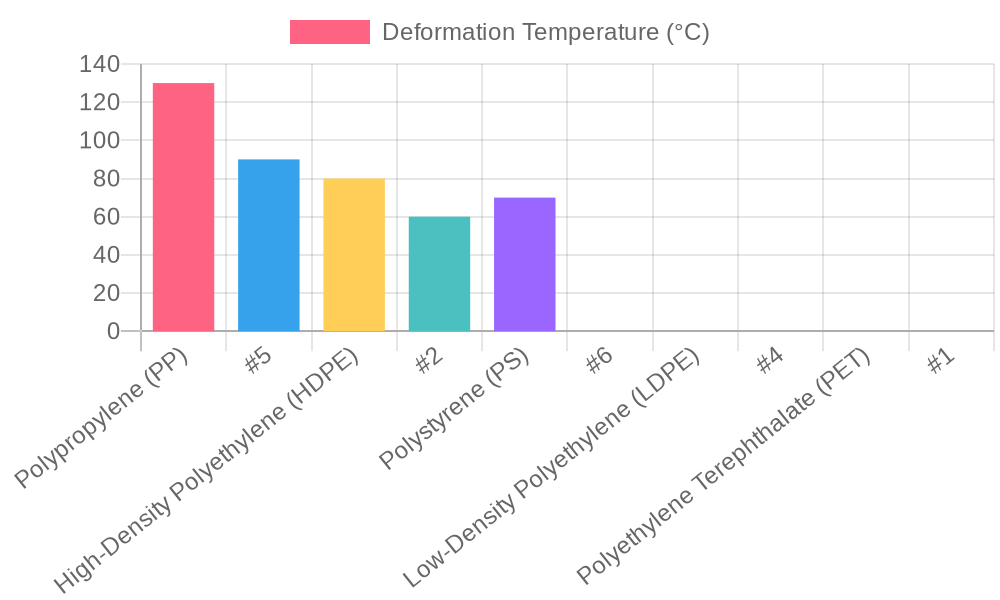
Understanding how disposable plastic cups react to heat is essential for ensuring safety during use. The following bar chart illustrates the deformation temperatures of various plastics commonly used for disposable cups. This information is crucial for bubble tea shops, restaurants, and event planners who want to ensure the safe microwave use of their cups.
| Plastic Type | Recycling Code | Deformation Temperature (°C) |
|---|---|---|
| Polypropylene (PP) | #5 | 130 |
| High-Density Polyethylene (HDPE) | #2 | 90 |
| Polystyrene (PS) | #6 | 80 |
| Low-Density Polyethylene (LDPE) | #4 | 60 |
| Polyethylene Terephthalate (PET) | #1 | 70 |
Notes on Suitability for Hot Beverages and Microwaving:
- Polypropylene (PP): Suitable for hot beverages and microwave use due to its high deformation temperature (130°C). Commonly used in microwave-safe containers.
- HDPE: Acceptable for hot beverages but not recommended for microwaving, as it softens at 90°C.
- Polystyrene (PS): Not suitable for microwaving; deforms at 80°C. Used for cold drinks or short-term hot beverage storage.
- LDPE: Low heat resistance (60°C); not suitable for hot beverages or microwaving.
- PET: Deforms at 70°C; generally not recommended for hot liquids or microwave use.
Source: Plastics Today – Thermal Properties of Packaging Materials
Updated: April 15, 2026
User Experiences with Disposable Plastic Cups in Microwaves
When it comes to using disposable plastic cups for hot beverages, particularly in microwave applications, user experiences and scientific research paint a concerning picture. Numerous testimonies from customers and studies indicate significant risks associated with heating these cups.
Anecdotal Evidence
One of the most striking sources of feedback comes from Reddit users who have engaged in discussions about their experiences. Many shared unsettling encounters after microwaving disposable plastic cups. For instance, users reported that the cups not only warped and melted but also emitted unpleasant odors. One user noted, “After heating my coffee in a disposable cup, it had a strange chemical taste and made me feel slightly nauseous.” These personal accounts resonate with the findings of scientific studies, emphasizing the instability of plastic materials at high temperatures.
Scientific Research
Recent research published in the Environmental Science & Technology Journal highlighted that heating plastic containers, including disposable drink cups, could release up to 21 billion nano-sized plastic particles per liter of liquid. This alarming statistic reinforces user reports of experiencing odd tastes or residues in their beverages after microwaving. Moreover, a study by PubMed Central emphasizes that these cups break down under high temperatures, releasing microplastics which pose potential health risks when consumed.[source]
Health Risks and Recommendations
The evidence is compelling enough that industry experts advise against using disposable plastic cups in microwaves. Both the anecdotal experiences shared by consumers and the research findings raise essential questions about the safety of heating food and beverages in these cups.
In conclusion, while disposable plastic cups may be convenient, firsthand testimonials and scientific research strongly suggest that they should not be used for microwaving. Moving forward, businesses might want to consider alternatives, such as biodegradable or microwavable-safe containers, to ensure consumer safety and satisfaction. For more sustainable options for serving beverages, learn about the benefits of sugarcane cups.
Safety Considerations for Microwaving Plastic Cups
Microwaving plastic containers can be a common practice, especially in food service settings like bubble tea shops and restaurants. However, safety is paramount, and understanding the materials you are using is crucial.
Professor Yao Weirong from Jiangnan University emphasizes the risks associated with microwaving inappropriate plastic containers. She states,
“Even if a plastic container is labeled as microwave-safe, it is still crucial to transfer high-fat foods to ceramic or glass dishes. This practice minimizes the risk of chemical substance migration.”
This highlights the importance of not only checking for microwave-safe labels but also being cautious with the type of food being heated.
Recommended Materials
- Glass and Ceramic: Always preferred for microwaving as they do not leach harmful chemicals.
- Polypropylene (PP): The safest plastic option, labeled with ‘5’ and noted for microwave use, but still poses risks, especially with fatty foods.
By following these guidelines, businesses can ensure they are providing safe food options while mitigating the risks associated with disposable plastic cups.
Recommended Brands for Safe Disposable Cups
When it comes to disposable cups that are safe for microwaving, selecting reliable brands is crucial for ensuring safety and quality. Below is a curated list of recommended brands, each with a brief description of their commitment to providing safe and quality disposable cups.
1. Yasitai
Visit Yasitai
Yasitai offers microwave-safe disposable food containers made from food-grade polypropylene (PP). Their products are designed to withstand high temperatures while maintaining structural integrity, ensuring no harmful substances leach into food. Yasitai’s commitment to high safety standards and environmental compliance makes them a dependable choice for foodservice applications.
2. Lakesstory
Explore Lakesstory
Lakesstory’s 9 oz disposable paper cups are microwave safe and compostable, suitable for both hot and cold beverages. They prioritize eco-friendliness without compromising on safety, making them a popular option for restaurants and events. Their commitment to using recyclable materials reflects a strong stance on sustainability.
3. Visstun Cups
Learn More about Visstun
Visstun specializes in offering microwave-safe paper cups made with sustainable recycled paper. Their products are designed to maintain functionality while being environmentally friendly, making them an excellent option for businesses aiming to reduce their ecological footprint. Visstun prides itself on providing quality cups that meet safety standards.
4. EcoCup Pro
Check out EcoCup Pro
This brand uses FSC-certified materials to produce disposable cups that are not only environmentally friendly but also completely safe for microwaving. With high safety certifications and a focus on sustainability, EcoCup Pro is an excellent option for eco-conscious businesses.
5. Snapcups
View Snapcups
Snapcups are designed for user satisfaction, featuring a double-wall construction to prevent burns and leaks. They are made from FDA-approved materials and offer various sizes, catering to a range of beverage needs. Their innovative design ensures both safety and comfort when holding hot liquids.
6. SOL
Discover SOL
SOL’s soup mugs are microwave and dishwasher safe, featuring a practical design that includes handles for easy handling. Their focus on functionality and safety makes them ideal for meal preparation and service in various settings, from kitchens to events.
Conclusion
Choosing the right disposable cups is essential for food and beverage service operations, especially for those who often use microwaves. By opting for these recommended brands, business owners can ensure safety and quality without compromising on convenience. Always look for products labeled as “microwave-safe” to guarantee user safety and product integrity. For additional insights and information on sustainable options, learn more about sugarcane cups.
Conclusion and Call to Action
In conclusion, understanding whether you can microwave disposable plastic cups is crucial for ensuring safety and preserving the quality of your beverages. While some disposable cups are microwave-safe, others may leach harmful chemicals into your drinks when heated. Therefore, it’s essential to choose reliable products designed for microwave use in your food service operations.
At Coffe Cup, we prioritize safety and enjoyment in your beverage experience. Our range of disposable tableware and packaging solutions not only meets food safety standards but also enhances your service delivery. By partnering with us, you gain access to high-quality products tailored to your specific needs, whether you’re running a bubble tea shop, a food truck, or planning a corporate event.
Explore our extensive collection and discover the benefits of customized octagonal paper bowls and sugarcane cup solutions that align with sustainability goals while ensuring customer satisfaction. Choose Coffe Cup for dependable, safe, and eco-friendly packaging solutions that will elevate your food service experience!