
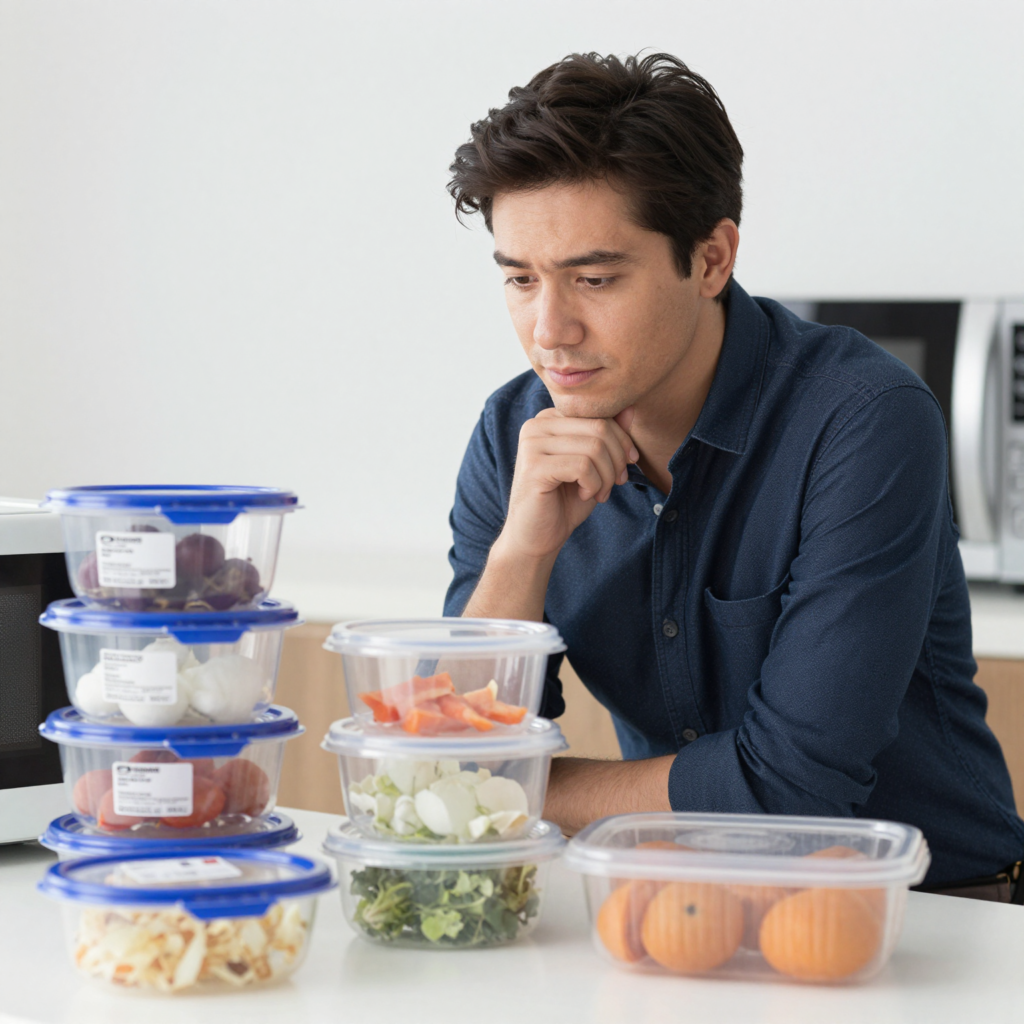
Is Microwaving Plastic Food Containers Safe for Your Business?
When it comes to food safety, one question that looms large in the minds of food industry professionals is whether it’s safe to microwave plastic food containers. As a key player in the food service sector-be it bubble tea shops, restaurants, food trucks, or catering services-understanding the implications of microwaving plastics is not just a matter of convenience but a crucial aspect of ensuring customer safety and satisfaction. Are those containers you use for serving delectable meals and drinks actually putting your customers at risk? The safety of these containers can vary significantly depending on the material they’re made from, and failing to recognize this can lead to health risks that could impact your business’s reputation.
For event planners and corporate procurement teams, the stakes are even higher as they curate the food service experience for others. In a world increasingly scrutinizing health and safety standards, it’s vital to ensure that everything you use, from serving ware to containers, is safe for both microwave heating and human consumption. You wouldn’t want to serve your delicious offerings in a container that could leach harmful substances when heated. This is where the choice of materials like biodegradable options-learn more about sugarcane cups and other sustainable alternatives-comes into play. Join us as we delve into the relevant safety guidelines and best practices for using plastic containers in the microwave, ensuring your culinary creations are enjoyed safely and responsibly.
Safety Standards for Plastics in Food Containers
When it comes to using plastic food containers in microwaves, understanding safety standards and regulations is crucial for ensuring that your food remains safe for consumption. The Food and Drug Administration (FDA) oversees safety standards for food contact materials, including plastics used in food containers. Here’s what you need to know:
FDA Regulations for Plastic Food Containers
The primary regulation concerning plastic food containers is detailed under FDA 21 CFR 177.1520. This regulation governs the use of polypropylene (PP), one of the most common polymers in food packaging. Key points include:
- Material Safety: Containers made from FDA-approved materials like PP are considered safe when appropriately labeled for microwave use. The FDA ensures these materials do not leach harmful substances into food, especially when heated in a microwave.
- Specific Labeling: Look for containers labeled “microwave-safe” or with identification numbers on the bottom. Number 5 (PP) is commonly recognized for safety in microwave applications, while other materials such as PET (#1), PVC (#3), and PS (#6) should be avoided in microwaving due to their lower heat resistance and potential chemical leaching.
You can read more about these regulations on the FDA’s official website: FDA Guidelines on Food Contact Materials.
What to Look for Before Microwaving Plastic Containers
To safely microwave your food, consider these practical tips:
- Check for Safety Symbols: Ensure the container has the label indicating it is microwave-safe. Common symbols include the microwave-safe triangle and the numeric coding.
- Heating Guidelines: Most microwave-safe containers are designed to withstand temperatures up to 120°C (248°F). Avoid prolonged heating as it can lead to warping or breakdown of the material, risking food contamination.
- Inspect the Container: Regularly check for signs of wear, such as discoloration or deformation. Replace any containers that show signs of damage or aging to prevent food safety risks.
- Use Appropriate Power Levels: When microwaving, use lower settings as high heat may cause some plastics to warp or break down.
Conclusion
Being informed about the FDA guidelines and effectively checking the labels on your plastic containers can enhance food safety in your operations. For anyone in food service-from beverage chains to catering services-using the right containers not only upholds safety standards but also ensures quality food presentation.
If you’re interested in eco-friendly alternatives, you might want to explore the benefits of sugarcane cups for your business, which are sustainable and safe for various food applications.
Types of Plastics Used in Food Containers
Food containers commonly use various types of plastics, each with distinct properties and safety ratings for microwave use. Here’s a breakdown of the most popular ones along with their safety ratings:
| Plastic Type | Microwave Safety Rating | Recommended Microwave Use | Melting Point Range (°C) | Details |
|---|---|---|---|---|
| PP (Polypropylene) | ✅ Safe | Yes | 160 – 170 | Known for its high heat tolerance, PP is among the safest materials for microwave use. Look for containers marked with “#5” or “PP.” Generally safe at temperatures up to 120-130°C. |
| HDPE (High-Density Polyethylene) | ✅ Safe | Yes | 120 – 130 | HDPE is versatile and commonly used in containers for liquids, suitable for microwave use with caution. |
| LDPE (Low-Density Polyethylene) | ⚠️ Caution | Not recommended | 105 – 115 | LDPE has a lower melting point, which can cause it to warp or melt under high temperatures. Best used for storing food, not for heating it directly in the microwave. |
| PET (Polyethylene Terephthalate) | ❌ Not safe | No | 70 – 80 | Not safe for microwave use due to the risk of chemical leaching, especially under high heat. Typically found in single-use containers. |
| PVC (Polyvinyl Chloride) | ❌ Not safe | No | 80 – 90 | Like PET, PVC is not recommended for microwaving due to potential toxic chemicals that can leach into food when heated. |
Understanding the properties of these plastics is essential, especially for businesses like bubble tea shops and catering services that rely on the safety and functionality of their food containers. Opting for PP or HDPE plastics for microwave use ensures safety and performance. If you want to explore alternatives, consider eco-friendly options like sugarcane products, which can offer sustainability benefits {learn more about sugarcane cup benefits}.

Microwave Safety Ratings Chart

This breakdown can help guide your choices in food container procurement, ensuring you select the safest options for your customers well.

Comparative Table of Microwave-Safe and Unsafe Materials
Understanding materials that are safe for microwave use is particularly essential for businesses in the food and beverage sector, such as bubble tea shops, restaurants, and food trucks. Below is a comparative table highlighting various materials, including their safety for microwave use, heat resistance, and leaching potential.
| Material Type | Safe? | Heat Resistance | Leaching Potential | Specific Safe Types | Specific Unsafe Types | Overall Safety Guidelines |
|---|---|---|---|---|---|---|
| Glass | ✅ Yes | High (typically up to 500°C) | Very Low | Borosilicate glass, tempered glass, label “microwave-safe” | Cracked or chipped glass, non-tempered glass with imperfections | Use only containers labeled “microwave-safe”; avoid glass with flaws; check for manufacturer’s guidelines. |
| Ceramic | ✅ Yes (caution) | High (varies by type) | Medium to High | Plain, unglazed ceramic; labeled “microwave-safe” | Ceramics with metallic trim or glaze, cracked or chipped pieces | Avoid any ceramic with metal decoration; ensure glaze is food-grade and lead-free; never use damaged ceramics. |
| Plastic (General) | ⚠️ Only specific types | Varies widely | High (in unsafe types) | 5 (PP – Polypropylene); labeled “microwave-safe” | 1 (PET), 3 (PVC), 6 (PS); 7 (other plastics unless labeled safe) | Only use plastics clearly marked as “microwave-safe”; avoid using plastic wrap not designed for microwaving. |
| Silicone | ✅ Yes | Very High (up to 230°C) | Extremely Low | Food-grade silicone (100% pure silicone) | Non-food-grade or mixed-material silicone products | Ensure product is labeled food-safe and microwave-safe; avoid silicone with additives or fillers. |
| Paper | ✅ Yes (short-term only) | Low to Moderate | Low | Uncoated, plain paper, wax-free paper, labeled microwave-safe | Coated paper, paper with ink or dyes, takeout containers with plastic linings | Avoid heating for long durations; never use if it shows signs of melting; remove packaging before heating. |
| Metal | ❌ No | N/A | N/A | None | Aluminum foil, metal utensils | Never place metal in the microwave; can cause damage or fire. |
| Sealed Containers | ❌ No | N/A | N/A | Airtight jars, sealed containers | Always vent or puncture lids before heating; never heat closed containers due to pressure buildup risk. | |
| Melamine | ❌ No | Moderate (up to ~120°C) | High | Not recommended | Melamine dinnerware | Avoid using melamine dishes in microwave; high heat causes formaldehyde release. |
Sources:
- FDA – Microwave Ovens (Published: October 12, 2023)
- Consumer Reports – Microwave-Safe Materials Guide (Updated: 2025)
- Healthline – What You Can and Can’t Microwave (Published: April 2026)
- American Chemical Society – Plastics and Microwave Safety (Updated: May 2026)
This table provides a comprehensive overview to help ensure that food preparation booths, catering services, and beverage chains can safely use their materials in microwave ovens, aligning with current safety guidelines. For insights into sustainable disposable options, learn more about the benefits of sugarcane cups.
Expert Insight on Microwaving Plastic Containers
When it comes to the safety of microwaving plastic containers, the consensus among experts is cautious. Professor Ding Xuejia from Beijing University of Chemical Technology emphasizes the potential risks associated with microwaving plastics:
“While ‘food-grade’ plastic implies relative safety under current conditions, studies show that even microwave-safe materials like polypropylene can release significant amounts of micro and nano-sized plastic particles when heated. As detection technologies advance, food safety standards will continue to evolve. It’s advisable to minimize the use of plastic products and prefer glass or ceramic containers for heating.”
Choosing the right materials for microwaving can not only enhance safety but also ensure the quality of food served in your establishment. For additional information, consider exploring the benefits of sugarcane cups which offer a sustainable alternative for food service products.
Signs of Damaged Plastic Containers
When heating food in plastic containers, it’s crucial to be vigilant about any signs of damage that might compromise safety and quality. Here are some visual cues to look for:
-
Warping: If a container appears misshapen or twisted, it should immediately be discarded. Warping not only undermines the structural integrity of the container but can also lead to uneven heating and potential leaching of harmful substances into your food.
-
Discoloration: Look out for any unusual discoloration, such as yellowing or cloudiness. Such changes can indicate that the plastic has degraded due to heat exposure. This degradation can create micro-cracks that may not be visible to the naked eye, heightening the risk of chemical leaching during heating.
-
Cracks and Scratches: Visible cracks or deep scratches can harbor bacteria and weaken the container’s integrity. Even small cracks can allow harmful substances to migrate into food, especially fatty foods that heat up more quickly. As per the FDA Consumer Updates, it’s crucial to stop using any container displaying such damage.
-
Bubbles and Peeling: Signs of bubbling or peeling after microwaving are alarming indicators that a container is no longer suitable. These issues often signal that the plastic is breaking down, which can release chemicals into your food.
-
Persistent Odors or Stains: If a container retains odors or stains that fail to wash out, it may indicate material degradation. Containers suffering from such issues should be considered at risk for food safety concerns.
If you notice any of these signs in your plastic containers, especially if they are labeled as microwave-safe, it’s best to replace them immediately to ensure the safety and quality of the food served to your customers. Protecting both your brand and your customers’ health is paramount in any food service industry-from bubble tea shops to catering services.
Conclusion: The Importance of Safe Practices in Food Service
As we conclude our discussion on the safety of materials used in food service, it’s clear that selecting compliant disposable packaging solutions is essential not only for regulatory adherence but also for safeguarding public health. The choice of safe materials in food packaging helps prevent chemical migration into food that could pose serious health risks. Authorities like the FDA mandate that materials must meet strict safety standards to ensure that harmful substances do not transfer into food, especially when exposed to heat or acidic environments. For instance, using paperboard with non-toxic coatings or compostable PLA is highly recommended for bubble tea shops, restaurants, and catering services focused on consumer safety and satisfaction.
By prioritizing safe and compliant materials, businesses can mitigate risks of contamination, which could otherwise lead to public health crises, consumer distrust, and legal ramifications. According to the National Restaurant Association, selecting certified and environmentally friendly packaging not only safeguards customers but also enhances an establishment’s reputation for sustainability.
Moreover, as consumer awareness grows regarding food safety and environmental impact, incorporating eco-friendly packaging options can enhance customer loyalty and create a competitive advantage. It’s vital to verify supplier certifications regularly to ensure ongoing compliance with safety standards. This proactive approach ensures that your brand not only meets legal obligations but also promotes a safe and healthy dining experience for all.
In summary, the importance of choosing compliant disposable packaging cannot be overstated. It is an integral part of a responsible food service operation that values public health and sustainability. For further insights on eco-friendly options such as sugarcane cups and compostable packaging solutions, visit our site to explore innovative and safe choices for your food service needs.
Emphasizing safe practices not only protects your consumers but also solidifies your commitment to quality and responsibility in the food service industry.
Popular Disposable Tableware Choices for Food Businesses
Here’s a visual chart that outlines some of the most popular disposable tableware options for food businesses in 2023, including microwave safety ratings:

Overview of Choices
| Disposable Tableware Type | Material | Microwave Safety Rating | Typical Uses |
|---|---|---|---|
| Dixie Ultra Large Paper Plates | Paper | Yes (Confirmation required) | Fast food, Takeout |
| Polypropylene Plates | Polypropylene (PP) | Yes (Confirmation required) | Takeout, Catering |
| Molded Pulp Containers | Pulp with PE coating | No | Cold items only |
| Biodegradable PLA Containers | Polylactic Acid (PLA) | No | Cold or warm food only |
This chart and table help outline the various options available, their materials, safety ratings, and best uses. For food businesses looking to offer convenient and safe dining solutions, these insights are essential.
If you’re interested in more options or specific products, learn about customized octagonal paper bowls here and explore the benefits of using sugarcane cups in your business.
Discover Safe and Reliable Disposable Tableware Solutions
As the food industry continues evolving, safety and efficiency remain paramount. At Cofe-Cup, we provide high-quality disposable tableware and packaging solutions tailored to your business’s needs. Our products are designed with safety, convenience, and hygiene in mind, ensuring they meet FDA safety standards for microwave use.
Key Benefits of Our Disposable Tableware:
- Safety First: All our items are crafted from BPA-free materials and pass stringent food safety standards. You can confidently use our products for hot or cold dishes without worrying about harmful chemicals leaching into your food.
- Operational Efficiency: Say goodbye to labor-intensive cleaning and storage processes! Our disposable solutions allow for faster service and increased table turnover, essential during peak hours.
- Hygiene Assurance: Single-use products minimize the risk of cross-contamination, making them ideal for takeout and delivery services. Knowing your customers are enjoying their meals in hygienically packaged containers improves brand perception.
- Convenient and Cost-Effective: Reduce overhead costs associated with traditional dining ware, such as washing and maintenance. Enjoy predictable costs while enhancing service efficiency, freeing up your staff to focus on customer engagement.
Choosing the right packaging is critical in maintaining food integrity and appealing to customers. With our reliable disposable tableware, enhance your service offering, and ensure the safety of every meal.
Ready to make the switch? Explore our extensive range of customizable options, perfect for food trucks, restaurants, and catering services.
Learn more about customized octagonal paper bowls and discover how our innovative solutions can revolutionize your food service today!