

In a world increasingly conscious of its ecological footprint, the shift towards sustainable practices is more vital than ever. For businesses like bubble tea shops, food trucks, and catering services, the choice of food storage solutions has far-reaching implications. Enter non-plastic storage containers for food – a smart and responsible alternative that aligns with the eco-friendly values of today’s consumers. These sustainable options not only help reduce waste but also enhance the brand image as environmentally conscious, a significant factor appealing to an ever-growing population who prioritize sustainability in their purchasing decisions.
Imagine serving your creative bubble tea creations or gourmet dishes in stylish, non-plastic containers that speak volumes about your commitment to sustainability. With durable materials ranging from compostable sugarcane bowls to recyclable paper options, these containers do more than just hold food; they reflect a brand ethos that resonates with eco-aware clients.
As the demand for environmentally friendly packaging solutions rises, embracing non-plastic food storage containers is not merely a trend but a business imperative. Not only do they contribute positively to the planet, but they also encourage loyal customers who value quality and sustainability in equal measure. Learn more about how sugarcane bowls can benefit your business and embrace the eco-friendly shift in food service.
Benefits of Non-Plastic Storage Containers in Foodservice
Utilizing non-plastic storage containers in the foodservice industry can offer numerous advantages:
-
Health Benefits: Non-plastic materials, such as glass and stainless steel, do not leach harmful chemicals, like BPA and phthalates, into food. This reduces health risks associated with endocrine disruption and gastrointestinal illnesses. Learn more about the health benefits.
-
Environmental Impact: Switching to reusable containers can significantly decrease single-use plastic waste. Operations that have made the switch reduced waste by up to 90% and contributed to a 75% lower carbon footprint per container over its lifecycle.
-
Cost-Effectiveness: Though the initial investment may be higher, these containers often last over ten years, resulting in significant long-term savings and reduced cleaning costs due to lower contamination risks. Discover tried-and-true strategies for lasting sustainability in packaging here.
Types of Non-Plastic Storage Containers
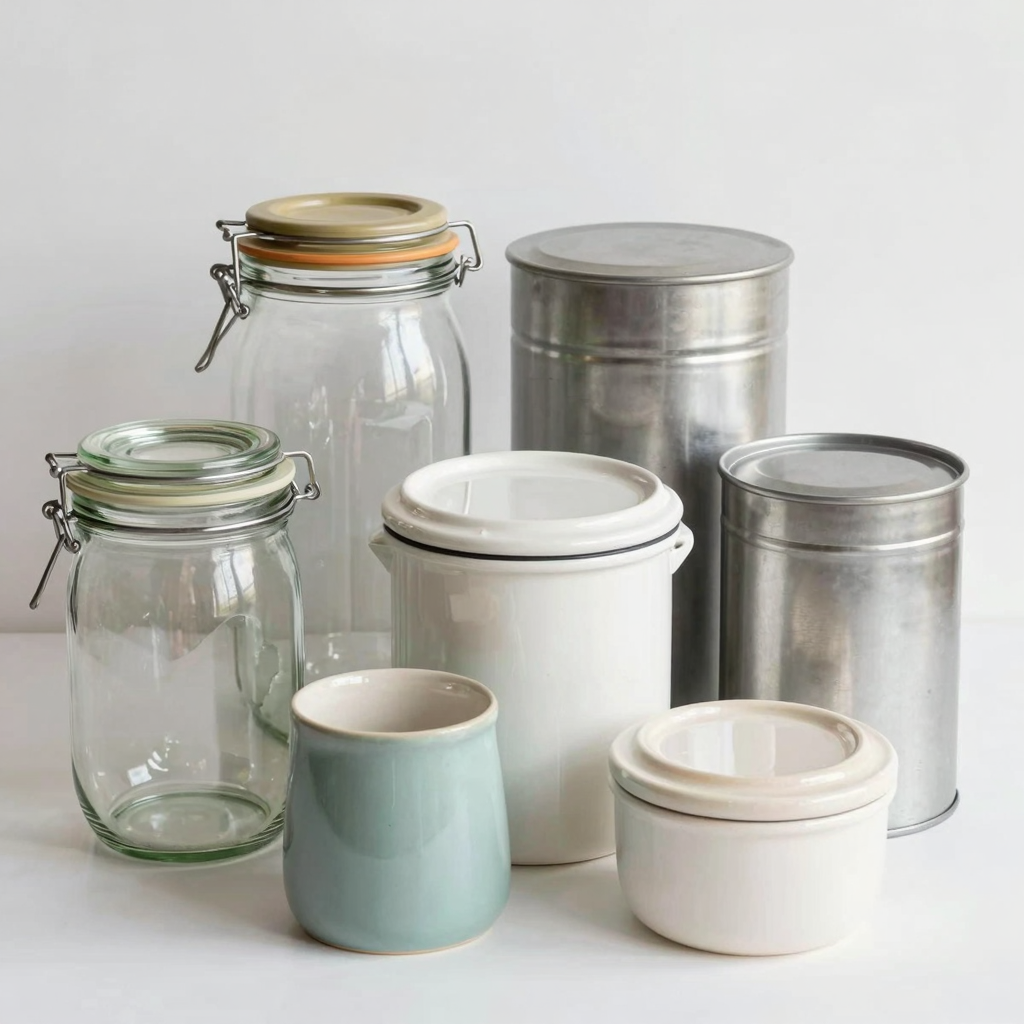
In a world increasingly conscious of health and sustainability, non-plastic storage containers have emerged as preferred alternatives for food storage across various industries, including restaurants, food trucks, and catering services. Here’s a breakdown of some popular types:
1. Glass Containers
Glass containers, such as Mason jars and Pyrex, are celebrated for their sturdiness and safety. They are non-toxic, BPA-free, and resistant to staining and odors. Ideal for preserving freshness, glass containers are perfect for:
- Storing liquids and solids: They work well for soups, sauces, salads, and beverages.
- Long-term storage: Great for freezing and microwaving without the risk of leaching harmful chemicals. Their transparency also allows for easy identification of contents.
- Aesthetic presentation: Perfect for cafes trying to maintain a visually appealing setup.
2. Metal Containers
Stainless steel containers are renowned for their durability and leak-proof designs. They maintain the temperature of hot or cold foods effectively, making them ideal for:
- Outdoor events or catering: Perfect for maintaining the quality of dishes served at food fairs or picnics.
- Meal prep: Excellent for transporting meals due to their lightweight nature and robust structure.
- Long-lasting use: Unlike plastic, metal doesn’t degrade over time, allowing for repeated usage without wear.
3. Bamboo Containers
Bamboo is a sustainable option that appeals to eco-friendly businesses. Lightweight and biodegradable, bamboo containers are best suited for:
- Dry goods storage: Ideal for grains, spices, and snacks, but avoid using them for wet or acidic foods to prevent degradation.
- Pantry organization: Their natural aesthetic enhances any storage solution, adding a rustic charm to restaurant kitchens.
4. Ceramic Containers
Ceramics are non-reactive and can be used to store food safely. They are durable yet elegant, making them a popular choice in restaurants for:
- Serving dishes: Attractive options for presenting food on tables.
- Oven-to-table solutions: Excellent for cooking and serving casseroles or baked goods.
5. Silicone Containers
Although not traditional, silicone containers are flexible, durable, and heat-resistant. They are excellent for:
- Freezing food: Their flexibility allows for easy removal of frozen items.
- Baking and cooking: Versatile enough for oven use while offering easier cleanup.
Adding non-plastic storage containers to your business not only enhances your offerings but also reflects a commitment to sustainability. Incorporating items such as customized octagonal paper bowls may also align with eco-conscious branding efforts!
Adoption of Non-Plastic Storage Solutions in Foodservice
As the foodservice industry continues to evolve, there is an increasing shift towards non-plastic storage solutions. Key statistics from recent studies illustrate an emerging trend favoring sustainable packaging alternatives to combat plastic waste and reflect changing consumer preferences.
Environmental Concerns Drive Change
In 2023, a report from the Food & Environment Research Institute (FERI) highlighted that 78% of consumers actively seek alternatives to plastic containers, driven primarily by environmental concerns (65%) and health safety (45%). Among the materials favored were glass (42%), stainless steel (38%), and bamboo (15%) (source). This demand indicates a significant shift towards eco-friendly options.{
Industry Trends
- Market Growth: The global non-plastic food storage market is valued at $2.8 billion in 2023, with an expected compound annual growth rate (CAGR) of 7.5% through 2030 (source).
- Sustainability as a Priority: Studies show that 60-70% of consumers are willing to pay higher prices for sustainable packaging, reflecting a notable industry transition to compostable paper, board materials, and single-material plastics (source).
- Government Regulations: Governments worldwide are implementing stricter regulations regarding single-use plastics, encouraging food service providers to adopt greener packaging options (source).
Consumer Behavior and Preferences
Research indicates that 68% of consumers consider the environmental impact of packaging during purchase decisions (source). As younger demographics, particularly Millennials and Gen Z, advocate for sustainability, brands are increasingly creating eco-conscious supply chains to meet these expectations.
Conclusion
The trend towards non-plastic storage solutions in foodservice is not just a phase; it’s a fundamental shift as consumers demand higher sustainability from the brands they choose. For bubble tea shops, beverage chains, and other foodservice segments, embracing non-plastic options can enhance brand reputation while contributing positively to environmental efforts. To explore more about non-plastic solutions, learn more here.
| Container Type | Durability | Price Range | Eco-Friendliness | Food Safety |
|---|---|---|---|---|
| Glass Containers | Very High | $$-$$$ | High | Non-toxic, does not leach |
| Stainless Steel | High | $$-$$$ | Medium | Non-toxic, highly durable |
| Silicone Bags | Medium | $-$$ | High | Safe for food but temperature sensitive |
| Bamboo Containers | Medium | $$ | High | Compostable, safe for food |
| Ceramic Containers | High | $$-$$$ | Medium | Safe for food, durable |
Importance of Compliance with Food Safety Regulations for Non-Plastic Storage Containers
Compliance with food safety regulations is paramount for any business dealing with food products, especially when using non-plastic storage containers for food. Non-plastic materials like glass, stainless steel, and food-grade ceramics offer numerous advantages, but they also necessitate strict adherence to safety and hygiene standards.
Food safety regulations, defined by various authorities such as the FDA in the USA and the Australia New Zealand Food Standards Code, dictate that all food storage containers must be clean, durable, and free from contaminants. It is essential for food businesses to ensure their non-plastic storage containers meet these safety standards, as any lapses could lead to foodborne illnesses, loss of customer trust, or legal repercussions. For instance, containers should be resistant to corrosion and not react with stored food, which means maintaining their structural integrity is crucial.
To ensure compliance, businesses should consider the following best practices:
- Regular Cleaning and Inspection: Establish a strict cleaning protocol for all storage containers, ensuring they are washed regularly and inspected for any signs of damage.
- Use Approved Materials: Always choose containers that are FDA-compliant or certified under the appropriate food safety guidelines. This guarantees that the materials are safe for food storage.
- Proper Storage Practices: Segregate raw and cooked foods, label containers accurately, and ensure dry goods are stored in well-ventilated areas to prevent moisture accumulation.
- Document Maintenance Procedures: Keeping detailed records of cleaning schedules, inspections, and maintenance on non-plastic containers aids in demonstrating compliance with safety standards, especially during audits.
By implementing these practices, businesses can confidently use non-plastic storage containers for food while staying compliant with food safety regulations. For more insights on using safe storage solutions, check out our article on food safety for food businesses and guidelines for using non-plastic containers.
The Importance of Eco-Friendly Practices in Foodservice
In today’s environmentally conscious market, adopting eco-friendly practices has become crucial for foodservice businesses. According to Amy Chen, Chief Sustainability Officer at the National Restaurant Association, “Consumers are increasingly focused on restaurants’ environmental footprint, with over 78% of diners willing to pay a premium for establishments that implement sustainable practices. From reducing food waste to utilizing renewable packaging, these initiatives not only lower operational costs but also significantly enhance brand reputation and customer loyalty.”
This insight underscores the trend toward sustainability in the foodservice industry, with many looking for innovative solutions such as non-plastic storage containers that align with these values. By integrating these practices, businesses can not only appeal to eco-conscious consumers but also play a part in protecting the planet.
Conclusion and Call to Action
In today’s world, where sustainability is paramount, transitioning to non-plastic storage containers for food is not just a trend-it’s a necessity. As outlined throughout this article, non-plastic options like glass and silicone not only eliminate the risks associated with harmful chemicals found in plastic but also contribute positively to our environment. They provide superior longevity, making them cost-effective over time while ensuring the safety and quality of the food they store. These materials are also recyclable, further contributing to waste reduction and a healthier planet.
For businesses in the food industry, especially bubble tea shops, restaurants, food trucks, and catering services, the benefits of non-toxic food storage solutions extend beyond just health- they enhance your brand’s commitment to sustainability and appeal to eco-conscious consumers. Not only will you be doing your part in mitigating plastic pollution, but you’ll also be setting a standard for others in the industry.
Take the first step towards a cleaner, greener future! Explore our wide range of non-plastic storage containers at Cofe-Cup. Your choice can make a significant difference in your business and the environment. Join us in leading the charge against plastic and enjoy the myriad benefits that come with sustainable practices!
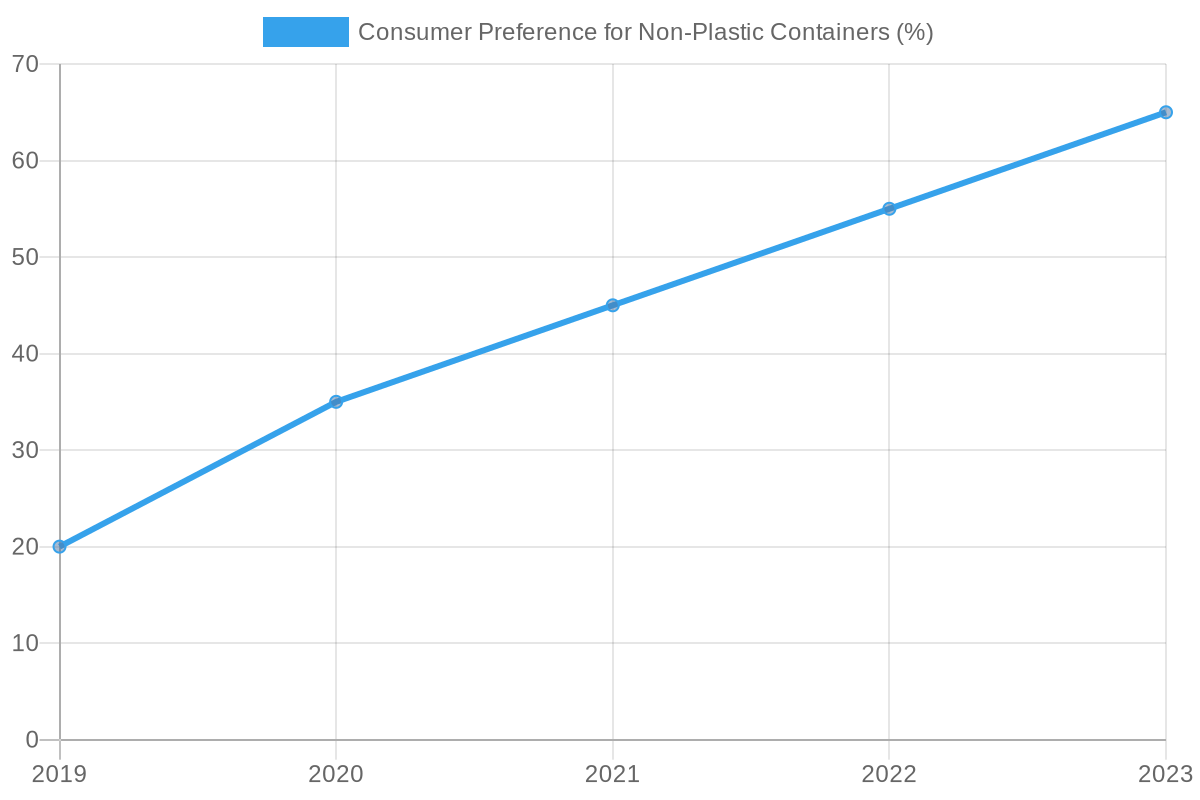
| Year | Consumer Preference for Non-Plastic Containers (%) |
|---|---|
| 2019 | 20 |
| 2020 | 35 |
| 2021 | 45 |
| 2022 | 55 |
| 2023 | 65 |
Data source: Industry trend analysis from foodservice sustainability reports (2024-2025).