
Introduction
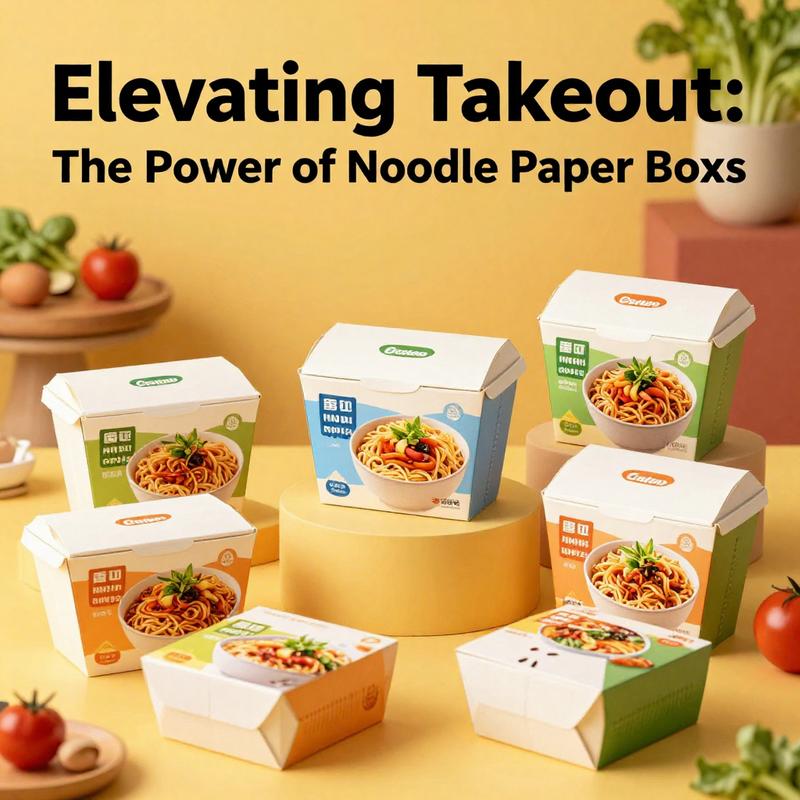
As food service businesses increasingly pivot towards sustainable practices, the choice of packaging has emerged as a critical factor in meeting consumer demands. Noodle paper boxes, crafted from biodegradable kraft paper, not only resonate with environmentally-conscious customers but also provide functional design tailored for takeout and delivery. This article explores the materials of noodle paper boxes and their environmental impact, the essential design features, emerging market trends, and customization opportunities that allow businesses to enhance their branding while promoting sustainability. Each chapter addresses key aspects of noodle paper boxes, empowering business owners to make informed choices for the success of their operations.
Tables of Contents
Chapter 1: Sustainable Practices in Food Packaging: The Kraft Paper Revolution
- Kraft Paper: The Eco-Friendly Backbone of Noodle Paper Box Solutions
- The Promise of Biopolymer Coatings in Enhancing Noodle Paper Box Performance and Sustainability
- Balancing Environmental Benefits and Challenges in Noodle Paper Box Materials
Chapter 2: Innovations in Eco-Friendly Design of Noodle Paper Boxes
- Crafting Sustainability: The Role of Materials in Noodle Paper Boxes
- Engineering Leak-Proof and Moisture-Resistant Noodle Paper Boxes for Food Safety
- Fortified Design: Ensuring Robustness in Noodle Paper Boxes
Chapter 3: Evolving Consumer Demand and Sustainability Practices in the Noodle Packaging Market
- The Shift Towards Eco-Conscious Noodle Packaging: Consumer Preferences and Sustainability Trends
- The Art of Personalization: Elevating Consumer Engagement and Brand Identity with Noodle Paper Boxes
- Revolutionizing Food Service: The Role of Technological Advancements in Noodle Paper Boxes
Chapter 4: Transforming Noodle Paper Boxes into Branding Powerhouses
- Crafting Unique Brand Narratives through Customization of Noodle Paper Boxes
- Harnessing Sustainable Materials for Enhanced Brand Visibility and Impact
- Leveraging Custom Noodle Paper Boxes for Enhanced Operational Efficiency and Marketing Impact
Chapter 1: Sustainable Practices in Food Packaging: The Kraft Paper Revolution
1. Kraft Paper: The Eco-Friendly Backbone of Noodle Paper Box Solutions
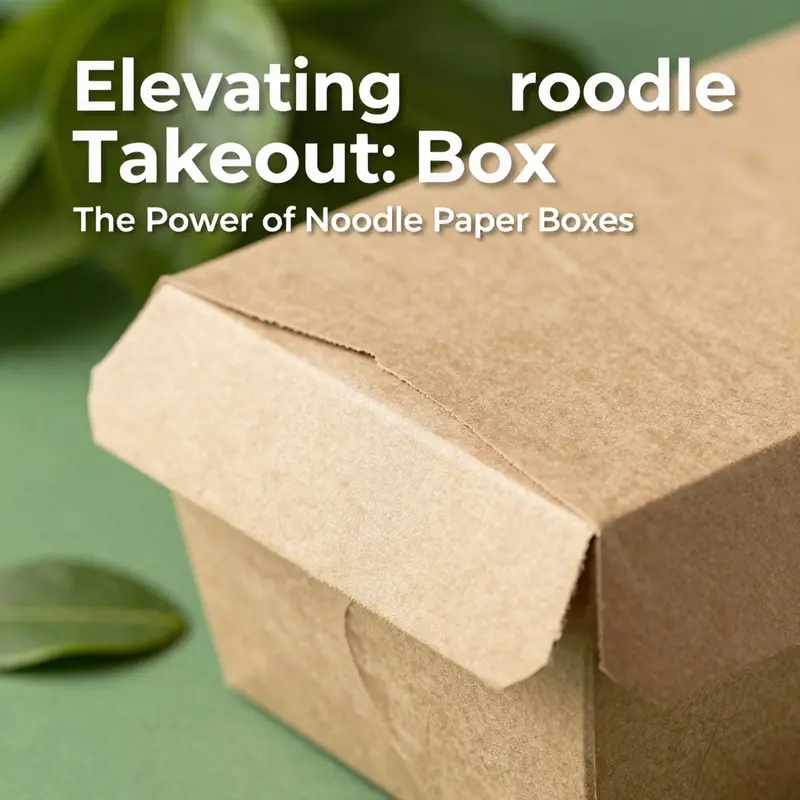
Kraft paper plays a pivotal role in the evolution and sustainability of noodle paper boxes, serving both functional and environmental purposes that resonate with today’s eco-conscious consumers. This strong, durable material, characterized by its unbleached, natural finish, lends itself adeptly to packaging solutions for fast food and takeout items, particularly noodles. Recognized for its resistance to tearing and puncturing, kraft paper is especially suited for containing hot or greasy food items without compromising structural integrity, ensuring that food remains intact during transport.
The versatility of kraft paper allows it to be molded into various box designs. For instance, the traditional square base and innovative round base configurations are prevalent in the food service industry. These designs not only enhance the presentation of the contents but also facilitate organized servings of popular dishes such as noodles and pasta. The inherent strength of kraft paper minimizes the risk of leaks and spills, a critical factor for maintaining customer satisfaction and brand reputation.
The aesthetic appeal of kraft paper cannot be overlooked. With its natural brown hue and texture, it provides a rustic charm that can attract environmentally conscious consumers. In a marketplace increasingly focused on sustainability, these attributes position kraft paper as more than just a functional material; they embody a growing consumer desire for products that align with their values.
Beyond its physical properties, kraft paper exhibits significant environmental advantages over its plastic counterparts. One of the most notable benefits is its biodegradable and compostable nature. Unlike plastic, which can linger in the environment for centuries, kraft paper decomposes naturally, leaving behind no harmful residues. This aspect is particularly vital as the global community seeks to mitigate plastic waste and its detrimental effects on terrestrial and marine ecosystems.
Importantly, the environmental impact of kraft paper begins at the source. When sustainably sourced from responsibly managed forests or made from recycled materials, kraft paper supports sustainable forestry practices and reduces the reliance on non-renewable resources. Companies that prioritize eco-friendly materials can effectively lower their carbon footprint while contributing positively to the ecosystem. The kraft production process has also seen innovations aimed at reducing energy consumption, furthering the environmentally friendly narrative that accompanies kraft paper packaging.
In the context of marketing and brand building, kraft paper boxes offer businesses the potential for customization. The option for dual-sided printing allows brands to showcase logos, slogans, and artistic designs, which can elevate brand recognition and create a more engaging customer experience. As the demand for unique, eye-catching packaging grows, the compatibility of kraft paper with various printing processes becomes a significant advantage. Companies can differentiate themselves in a crowded marketplace by utilizing the aesthetic appeal of kraft paper to connect with like-minded consumers.
It’s not just noodle boxes that benefit from this material; the adaptable nature of kraft paper makes it suitable for a wide range of food items. From takeout lunches to school meal solutions, the use of kraft paper in packaging permeates across various dining contexts. Its ability to cater to different portion sizes––evident in products like customizable 32 oz take-away lunch boxes––ensures that customers have access to suitable containers for their needs, thereby enhancing the overall dining experience.
The integration of kraft paper in food packaging also aligns seamlessly with public awareness campaigns aimed at reducing single-use plastics. By choosing kraft paper over plastic or other non-recyclable materials, food service providers can take tangible steps toward complying with urban waste reduction policies. This alignment not only supports compliance but can also attract consumers who are increasingly making purchasing decisions based on environmental considerations.
In summary, kraft paper forms the backbone of noodle paper boxes by combining functionality, aesthetic appeal, and environmental benefits. As the food service industry continues to pivot towards sustainable practices, the role of kraft paper will likely become even more pronounced. Brands that successfully leverage the unique properties of kraft paper in their packaging strategies will not only enhance their appeal to consumers but also contribute meaningfully to the global effort of reducing waste and protecting the environment. To discover more about the broader impact of innovative packaging materials, explore additional options, such as eco-friendly packaging solutions.
2. The Promise of Biopolymer Coatings in Enhancing Noodle Paper Box Performance and Sustainability
In the pursuit of more sustainable packaging solutions, innovations in biopolymer coatings are emerging as critical advancements for noodle paper boxes in the food industry. These coatings, made from naturally derived materials such as starch, cellulose, chitosan, and polylactic acid (PLA), offer a promising alternative to traditional petroleum-based packaging. Their application can significantly enhance the performance of kraft paper noodle boxes by improving resistance to moisture, oils, and grease, ensuring the integrity of the food contained within while also catering to increasing ecological concerns.
The design of a noodle paper box must address both practical and environmental considerations. Customers expect their takeout experience to mirror that of a dine-in meal, without sacrificing convenience or quality. Biopolymer coatings improve the barrier characteristics of paper boxes, reducing unwanted moisture transfer which is crucial for keeping noodles dry and retaining the deliciousness of their accompanying sauces. Notably, recent innovations from leading companies show that these coatings are not only effective at protecting food but can also be tailored to withstand various temperatures and humidity levels—potentially revolutionizing how food is packaged and delivered.
One prominent example of innovation in biopolymer coatings can be seen with the introduction of Dow’s barrier products. These developments reflect a commitment to the environment, as they are designed to be both compostable and recyclable, thus reducing the overall ecological footprint of packaging solutions. The incorporation of biopolymer coatings can facilitate the shift towards a circular economy where waste is minimized and reprocessed materials are emphasized, aligning with consumer expectations for environmentally responsible products.
Moreover, the functional aspect of these biopolymer coatings extends beyond mere protection; they can serve as carriers for antimicrobial agents. This innovation, highlighted in recent research, illustrates the potential for active packaging that not only preserves the quality of noodles but also reduces the risk of spoilage. By integrating these active components into biopolymer coatings, packaging can play an even more significant role in maintaining food safety while minimizing waste—addressing two critical issues faced by the food service industry today.
From an environmental perspective, the benefits of these biopolymer coatings are profound. Lifecycle assessments have established that biopolymers generally produce fewer carbon emissions compared to their synthetic counterparts and are more likely to decompose efficiently post-consumer. Studies, including those aligned with ASTM D5338 biodegradation testing, support the notion that such biopolymer materials break down more readily, contributing significantly to waste reduction initiatives. Consequently, the adoption of biopolymer coatings is seen as a pivotal shift for industries aiming to increase sustainability.
However, the transition to biopolymer coatings is not without challenges. Issues surrounding cost-effectiveness and scalability remain pertinent. As manufacturers seek to implement these solutions, they must also navigate the intricacies of applying coatings uniformly at high production speeds, which can affect overall packaging quality. Collaborative efforts in research and development, especially those spearheaded by institutions like Dow’s Paper Coating Research Center, are vital for overcoming these barriers, emphasizing the need for a united approach—their outcome could significantly influence the future landscape of food packaging.
In this context, noodle paper boxes not only represent a packaging solution but also encapsulate the broader movement towards innovations in sustainability within the food service industry. By leveraging advances in biopolymer technology, manufacturers can create packaging that meets market demands while prioritizing environmental stewardship. This means not just keeping pace with consumer preferences but also actively contributing to a reduction in plastic waste that currently plagues the planet.
The implications of these advancements are far-reaching, reflecting a growing recognition of environmental responsibility in food packaging. As the technology matures and receives wider industry acceptance, biopolymer-coated noodle paper boxes are likely to become a staple in the drive for sustainable practices, leading the way towards eco-friendly solutions that satisfy both consumer preferences and the planet’s needs. As this innovation continues to evolve, it is imperative for businesses to integrate these sustainable practices into their operations, not only to meet regulatory standards but also to reinforce their commitment to quality and environmental stewardship.
In summary, the development of biopolymer coatings for noodle paper boxes is reshaping how we perceive food packaging, marrying convenience with conscious environmental choices, proving that profitable and sustainable can coexist harmoniously in today’s market.
3. Balancing Environmental Benefits and Challenges in Noodle Paper Box Materials
The increasing popularity of noodles and takeout food has led to a growing reliance on disposable packaging solutions, particularly noodle paper boxes. While these containers, primarily crafted from kraft paper, are celebrated for their eco-friendly characteristics, they are not without complexities. The sustainability narrative around noodle paper boxes revolves around their material sourcing, production processes, performance, and end-of-life implications. Understanding these elements is crucial for manufacturers aiming to align with global sustainability goals.
A fundamental aspect of sustainability is raw material sourcing. Kraft paper can be derived from either recycled fibers or virgin materials. Although using recycled fibers supports waste reduction, there’s an inherent risk associated with potential contaminants present in recycled sources, such as mineral oils. These substances can migrate into food, which poses health risks to consumers. Therefore, it becomes paramount for manufacturers to utilize high-quality, food-grade recycled paper or virgin fibers sourced from forests certified by organizations like the Forest Stewardship Council (FSC). This certification ensures that the materials originate from responsibly managed forests, further aligning product offerings with environmental ethics.
Moving from sourcing to the production process, sustainability challenges intensify. The manufacturing of paper products is resource-intensive, requiring substantial amounts of energy and water. Chemical additives are often employed to enhance paper properties, such as moisture resistance. However, if not adequately managed, these additives can result in considerable environmental pollution. The production process, therefore, must not only focus on output quality but also emphasize reducing resource consumption and pollution. This can include adopting cleaner production technologies or transitioning to renewable energy sources, which can significantly diminish the environmental impact of manufacturing.
A critical dilemma with noodle paper boxes lies in the performance versus sustainability trade-off. To increase their durability and ensure liquid containment, manufacturers frequently utilize coatings made from plastics like polyethylene or wax. While these coatings provide necessary functional benefits, they complicate the recycling and composting processes. Essentially, these coatings convert a paper product into a composite waste stream, making it challenging for traditional recycling facilities to process. This paradox highlights a significant design flaw: the features that make noodle boxes effective for containing saucy noodles actually undermine their ecological credentials.
In response to these challenges, innovators are tirelessly working on sustainable alternatives. Companies are experimenting with fully compostable coatings from plant-based polymers or natural waxes, which could offer vital barrier properties without compromising the entire package’s compostability. These alternative materials not only enhance the product’s environmental profile but also appeal to the growing consumer base demanding sustainable food packaging. Additionally, the advancements in ink technology are noteworthy; adopting water-based or soy-based inks can reduce the environmental footprint during the printing process, thereby enhancing the overall sustainability of the packaging.
To achieve genuine sustainability, manufacturers should adopt a lifecycle approach to product development. As the need for accountability grows, it’s critical that companies prioritize suppliers who provide transparency in their sourcing practices, utilize eco-friendly manufacturing, and create products with an eye toward circularity. Furthermore, businesses adopting these sustainable practices don’t just fulfill environmental regulations; they also position themselves favorably in a market increasingly influenced by consumer preferences prioritizing green practices.
As brands evolve their operations and products, they must recognize that sustainable packaging isn’t merely an operational choice; it is a strategic business advantage. Emphasizing sustainability can resonate with consumers who are becoming increasingly discerning about their choices and the environmental implications of those choices. Therefore, working toward the development of noodle paper boxes that truly embody sustainable principles isn’t just an obligation; it’s an opportunity to lead the marketplace.
For businesses looking to further expand their sustainability policies regarding noodle packaging, resources such as the comprehensive guide on sourcing sustainable kraft paper noodle boxes can serve as invaluable tools. To explore options in eco-friendly packaging, businesses can check out innovative suppliers and explore customizable solutions that align with their sustainability goals. One recommended supplier provides detailed product specifications and printing options, which not only enhances brand visibility but also enables effective communication of a commitment to eco-friendly practices.
Chapter 2: Innovations in Eco-Friendly Design of Noodle Paper Boxes
1. Crafting Sustainability: The Role of Materials in Noodle Paper Boxes
In today’s rapidly evolving food packaging landscape, the importance of eco-friendly and sustainable materials is more pronounced than ever. Noodle paper boxes have emerged as a preferred solution for many food establishments, providing not only practicality but also aligning with the growing consumer demand for environmentally responsible packaging. At the heart of this innovation is kraft paper – a material that stands out for its sustainable properties, robust nature, and aesthetic appeal.
Kraft paper is primarily composed of unbleached, recycled pulp. This specialization starts with a more environmentally friendly manufacturing process compared to traditional paper production, which often involves chemical treatments that can be harmful to the environment. The rustic appearance of kraft paper resonates well with eco-conscious consumers, projecting a natural charm that traditional packaging materials fail to replicate. Beyond its visual appeal, kraft paper boasts high strength and rigidity, making it exceptionally suitable for holding contents that are heavy or wet, such as noodles and sauces. This attribute not only speaks to the durability requirements of food packaging but also aligns with increasing food safety regulations, supporting the need for reliable materials that can withstand varying food textures and weights without compromising structural integrity.
Another critical player in the sustainable narrative of noodle boxes is recycled cardboard. Packaging made from recycled materials offers a closed-loop system that minimizes reliance on virgin resources. As society pushes toward greater sustainability, options featuring recycled cardboard have been increasingly adopted in noodle box production. Furthermore, advancements in printing technologies, such as UV coating and glossy lamination, add to the usability by ensuring moisture and grease resistance without sacrificing eco-friendliness. This protective finish maintains food safety while allowing products to adhere to rigorous environmental standards.
The commitment to sustainable practices is often enshrined in production standards as manufacturers modify their processes to meet global sustainability benchmarks. Certifications indicating compliance with eco-friendly standards add significant credibility, making it easier for restaurants and caterers to market their commitment to the environment. Such labels not only assure consumers but also create a robust narrative for businesses looking to promote their sustainable practices. This resonates with the broader trend of aiming for reduced carbon footprints in various sectors, including the food industry.
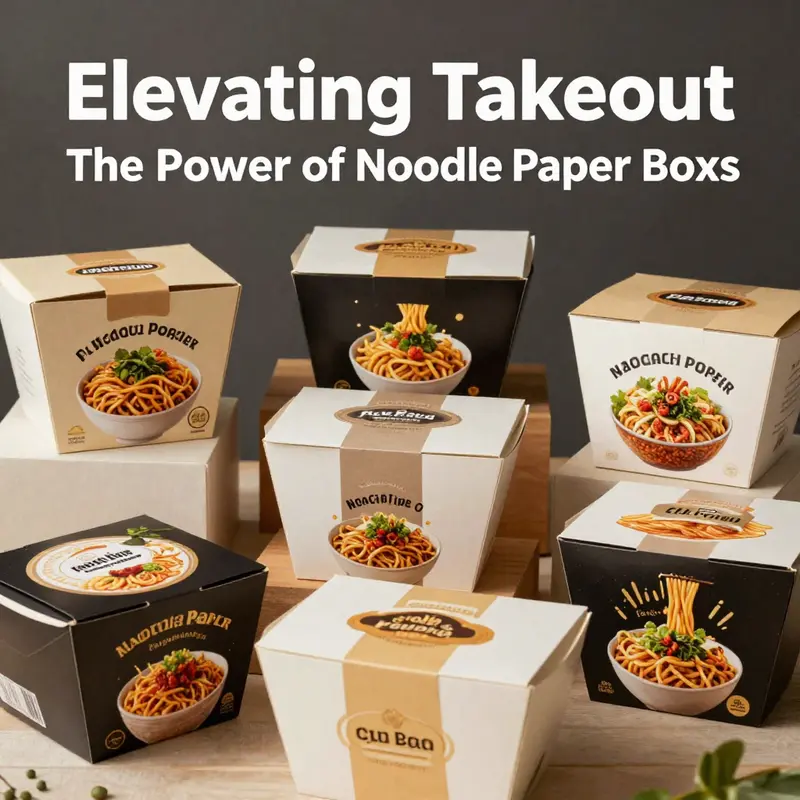
Branding opportunities also flourish within this sustainable framework. Many businesses utilize custom logo printing on noodle boxes, enhancing their marketing strategy while remaining rooted in ethics. This not only creates brand visibility but also reinforces a commitment to sustainability. Customers gravitate toward brands that prioritize eco-friendly solutions, and by incorporating their messaging on kraft paper boxes, establishments can effectively convey their values.
A notable design feature of these noodle boxes is their functional structure, which often includes elements like integrated handles for easy portability. This aspect not only enhances user experience but also demonstrates the versatility of kraft paper in foodservice applications, ranging from takeaway restaurants to food trucks. The foldable structures of noodle boxes allow for efficient storage and transport while minimizing space during shipping and handling.
The versatility of noodle paper boxes extends beyond their primary use. As environmental issues gain more attention, these boxes have emerged as a multifaceted solution suitable for various foodservice applications—be it for school meals, outdoor festivals, or even personal gatherings. Their ability to hold diverse contents while boasting full biodegradability and compostability positions them as a practical choice for companies looking to significantly reduce plastic waste.
The mounting interest in eco-friendly food packaging often leads to inquiries about sampling before full orders are executed. Prospective buyers can typically request samples, which allows them to assess quality and suitability for their specific needs, promoting informed purchasing decisions. This practice is especially beneficial for larger operations seeking bulk orders, offering them a glimpse into the product’s performance before committing to large investments.
With ongoing discussions surrounding sustainable packaging solutions, noodle paper boxes represent not just an operational choice for food establishments but also a crucial movement towards environmental responsibility in the food sector. They encapsulate a holistic approach that balances functionality with sustainability, effectively promoting the principles of reducing plastic waste and encouraging eco-conscious consumerism.
By fostering an ecosystem of sustainable practices, particularly through the use of innovative materials like kraft paper and recycled cardboard, the future of food packaging grows brighter. As we continue to prioritize environmental considerations, packaging solutions will evolve—paving the way for a greener future in a sector that has historically been associated with wastefulness. Exploring certified sustainable packaging solutions not only advocates for a cleaner planet but also aligns business strategies with the changing preferences of consumers eager for ethical consumption.
For those seeking an array of sustainable options, platforms provide access to various products that meet these eco-friendly specifications, ensuring that businesses can find solutions tailored to their needs.
2. Engineering Leak-Proof and Moisture-Resistant Noodle Paper Boxes for Food Safety
The design of noodle paper boxes is a remarkable achievement that merges functionality with environmental considerations. At the heart of their design is a focus on leak-proof and moisture-resistant construction, crucial for maintaining the integrity of food products, particularly those rich in sauces and moisture such as noodles. This engineering feat is made possible through the incorporation of advanced materials and meticulous construction techniques.
A significant feature that enhances the leak-proof capabilities of noodle paper boxes is the internal coating. Typically, a layer of polyethylene (PE) film is employed, creating a barrier that protects against oil and water seepage. This PE coating ensures that even when the boxes contain liquid-heavy dishes, they remain structurally sound, preventing undesired spills during transportation or serving. The reliability of performance under these conditions is critical, enabling restaurants and takeout services to deliver meals without fear of messy accidents that could lead to customer dissatisfaction.
However, the use of polyethylene does introduce sustainability concerns. While it effectively provides moisture resistance, the synthetic nature of plastic means that these boxes are not compostable. As businesses and consumers alike become increasingly environmentally conscious, the pressure mounts to find alternatives that meet both functional and ecological demands. The good news is that the industry is responding to this challenge by exploring biodegradable options aimed at minimizing the ecological footprint of food packaging.
For those seeking sustainable alternatives, biodegradable coatings such as Polylactic Acid (PLA) offer promising potential. PLA is derived from renewable resources like cornstarch and provides comparable grease and moisture resistance to traditional plastic coatings. The use of PLA can significantly lessen the environmental impact of food packaging, provided that access to industrial composting facilities is available. This innovation is a testament to the food packaging industry’s ability to adapt to the growing demand for eco-friendly solutions while ensuring that the functional requirements of noodle boxes are not compromised.
Another advantage of modern noodle paper boxes is their versatility across various applications. Beyond holding noodles, these containers are suitable for a wide range of foods, including takeout meals from diverse cuisines, holiday party platters, and corporate catering services. Their design caters to both aesthetic appeal and practical usability, making them an appealing choice for consumers and businesses aiming to present food in an attractive, functional manner while adhering to modern sustainability practices.
Noodle boxes are also available in multiple sizes, catering to different portion requirements—from individual servings to larger family-style meals. Having an array of options enables businesses to efficiently manage inventory and logistics. For instance, a 32 oz take-away lunch box is geared towards larger meal portions, designed meticulously with dimensions and specifications that facilitate practical packing and storage.
The customizability of noodle boxes represents yet another key attribute in their design. Printing options enable brands to embellish the boxes with company logos, branding, or special offers, transforming a simple food container into a marketing tool. This dual functionality not only enhances brand visibility but allows companies to engage with eco-conscious consumers who value sustainability in their dining choices.
As markets continue to evolve, the engineering of noodle paper boxes demonstrates a commitment to bridging the gap between performance and environmental responsibility. Food service businesses that make use of these innovative designs position themselves favorably in a competitive landscape that prioritizes sustainability. By selecting materials that combine strength, moisture resistance, and eco-friendliness, they not only provide high-quality service but also contribute to the reduction of plastic waste, aligning with global sustainability goals.
To deepen your understanding of the advanced materials and construction of these sustainable packaging options, a comprehensive resource can be found in the Biodegradable Noodle Boxes Overview: Key Features, Specifications, and Industrial Applications Explained. This guide delves into the specifics of material selection and manufacturing processes that underpin the effective use of noodle boxes, supporting businesses in navigating the burgeoning demand for sustainable packaging solutions. Ultimately, the advancements in noodle paper box design not only enhance food safety but prompt a collective movement towards a greener future in food service packaging.
3. Fortified Design: Ensuring Robustness in Noodle Paper Boxes
In the realm of food packaging, the structural integrity of the container plays a pivotal role in ensuring that the food remains in optimal condition until it reaches the consumer. For noodle paper boxes, this importance is magnified, given the nature of their contents—often hot, wet, and heavy dishes. These boxes are meticulously designed with reinforced structures aimed specifically at enhancing durability, thereby minimizing the risk of leaks or breakage.
The backbone of this robust design lies primarily in the choice of materials. Thick kraft paper is widely recognized for its strength and resistance to tearing, making it capable of holding substantial weight. The unbleached, recycled pulp from which this paper is made not only provides an eco-friendly profile but also contributes to the box’s overall sturdiness. When exposed to heat from freshly prepared pasta or broths, the thick kraft paper maintains its shape and integrity, preventing any unfortunate accidents that could lead to messy spills or compromised meals.
To further bolster the durability of noodle boxes, many manufacturers incorporate a kraft corrugated liner or adopt multi-layered constructions. This innovation provides an extra layer of thermal insulation and stiffness, ensuring that the packaging withstands the rigors of transportation while keeping the contents secure. The air pockets created by the corrugated structure absorb shocks during transit, thereby preventing deformation that could otherwise occur in a standard single-layer box. Such engineering ensures that the noodle boxes can survive the hustle and bustle of food service environments, where high-volume turnovers and swift deliveries are routine.
In addition to the materials and structural design, recent iterations of noodle paper boxes have embraced advancements such as UV coatings and glossy lamination. These treatments do more than add visual appeal; they create moisture and stain-resistant barriers that enhance the box’s overall functionality. By resisting stains from sauces or oils, the coated boxes ensure that the structural integrity of the kraft paper is maintained, thereby preventing leaks that can compromise customer satisfaction. It’s not just about attractiveness; it’s about ensuring that the product remains reliable, regardless of the food it holds.
Commercial kitchens and food vendors are particularly inclined towards these fortified designs due to the boxes’ exceptional performance under pressure. Suppliers, especially those found on platforms like Alibaba, offer custom designs tailored to specific restaurant needs. Some brands claim their noodle boxes boast up to 20% greater strength than standard competitors, a selling point that resonates well in contexts like food trucks and bulk delivery services where durability is paramount.
Moreover, the structural enhancements comply with stringent industry standards, including FDA and EU regulations regarding food safety. The use of eco-certified materials means these noodle paper boxes not only meet functional requirements but also align with the growing consumer demand for sustainable packaging solutions.
Flexibility in design is also showcased through various models that cater to different culinary needs. From smaller 16 oz boxes ideal for individual servings to larger 32 oz options for family-sized meals, manufacturers recognize the varied applications of noodle boxes within the food service ecosystem. Each model takes advantage of durable construction methods, ensuring that businesses can rely on quality packaging that meets diverse requirements without compromising on strength.
In terms of market impact, customizability plays a significant role in promoting brand identity. Businesses can choose two-sided printing options, allowing them to feature logos or brand messages on both the exterior and interior surfaces. This added marketing dimension not only enhances the visual appeal but also reinforces the vendor’s commitment to quality—an essential consideration for increasingly discerning consumers.
As the food service industry continues to pivot towards sustainability, the reinforced designs of noodle paper boxes are not just a practical solution; they symbolize a broader movement towards responsible packaging. With the right structural designs, businesses can successfully meet the double challenge of delivering quality food while minimizing their ecological footprint. The future of noodle paper boxes lies in their ability to combine strength, functionality, and sustainability—attributes that will shape the choices of consumers and businesses alike in the coming years.
Chapter 3: Evolving Consumer Demand and Sustainability Practices in the Noodle Packaging Market
1. The Shift Towards Eco-Conscious Noodle Packaging: Consumer Preferences and Sustainability Trends
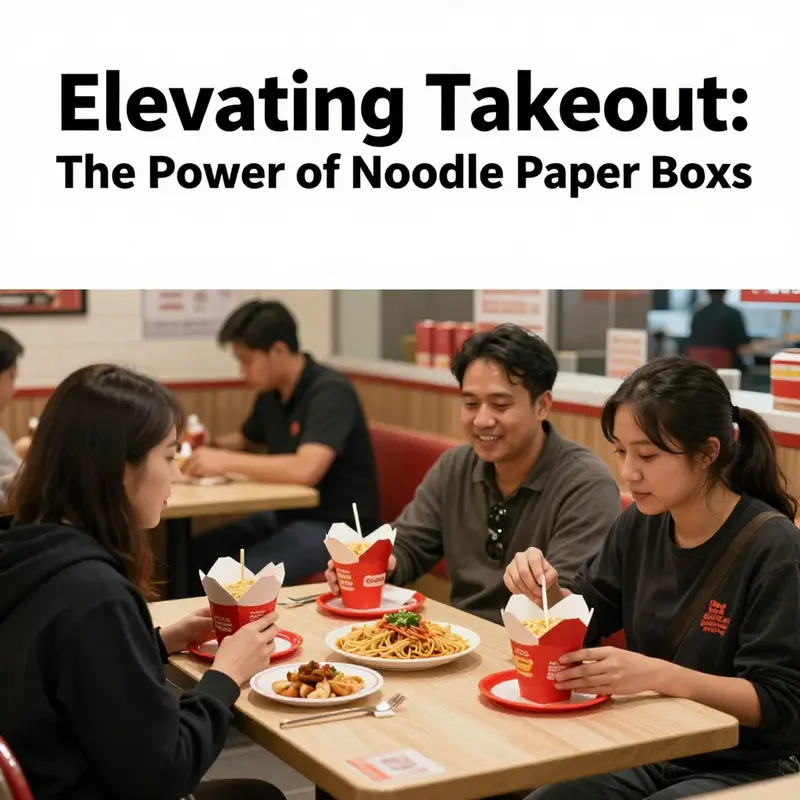
In recent years, the landscape of the food service industry has undergone a profound transformation, with sustainability emerging as a paramount concern among consumers. This shift is remarkably evident in the rising popularity of disposable Kraft paper noodle boxes. These boxes are not only effective in serving their practical purposes but also resonate with an increasingly environmentally conscious customer base that prioritizes eco-friendly packaging solutions. As such, the demand for noodle paper boxes is intricately tied to evolving consumer preferences and overarching sustainability trends.
As awareness of environmental issues continues to grow, consumers are becoming more discerning about the products they choose, particularly with packaging. Kraft paper, a material celebrated for its biodegradable and compostable properties, has become a market leader in this space. Derived from recycled pulp, it offers a robust yet aesthetically pleasing alternative to traditional plastic packaging. In fact, this unbleached paper embodies a rustic charm that appeals to consumers who value products that reflect environmental responsibility. The visual connection with nature enhances the perceived value of food, particularly in casual dining and take-out scenarios where presentation matters.
One of the most compelling factors driving consumer preference for kraft paper noodle boxes includes their lightweight design coupled with the necessary structural integrity to hold heavier or more sauce-laden dishes without risk of leakage. Innovations in product design have led to the development of boxes that are not only oil-proof and leak-proof but also capable of accommodating varying portion sizes with ease. These advancements have rendered them suitable for diverse applications beyond noodle packaging, including take-out services for schools, holiday catering events, and food deliveries. The flexibility of these boxes allows operators to streamline their offerings while maintaining compliance with consumer expectations for quality and sustainability.
Additionally, technological advancements, such as no-sterile packaging techniques, have improved the preservation of food while minimizing energy consumption. By extending shelf life without refrigeration, these innovations help curb carbon emissions across the food supply chain. As consumers increasingly demand fresh, organic, and sustainably sourced food products, the alignment between their preferences and packaging solutions underscores a significant market opportunity for brands that embrace eco-friendly practices.
Moreover, brands that strategically implement transparent and recyclable packaging are likely to position themselves favorably in a competitive landscape. Companies investing in sustainable practices often find that such commitments resonate with consumers, who are willing to support businesses that reflect their own values. The perception that kraft paper surpasses glass in environmental efficacy shows how consumer sentiment shapes market dynamics. The general preference for low-impact solutions is compelling food service providers to rethink their packaging strategies, particularly in favor of materials that enhance sustainability while also appealing to aesthetics.
The strong inclination toward sustainable products extends beyond consumer preferences to influence industry standards. Food service businesses are increasingly motivated to adopt eco-friendly packaging options that align with their corporate social responsibility goals. The market growth of noodle paper boxes demonstrates a shift toward materials that not only meet functional needs but also contribute positively to broader environmental initiatives aimed at reducing plastic waste and carbon footprints. Surpassing traditional packaging materials like aluminum foil highlights a broader trend focused on circularity, leveraging recyclable options that support a sustainable future.
As growth in the noodle packaging market continues, it’s crucial to recognize the differentiation strategies brands can leverage, such as customizable printing options for branding. This allows food service operators to create visually appealing packaging that complements their culinary presentations, making the dining experience more memorable while effectively communicating their commitment to sustainability.
In addition, businesses looking to test the waters before committing to large-scale productions can access sample offerings at competitive prices. The potential for discounts on bulk orders incentivizes sustainable practices for companies seeking long-term benefits not just for their bottom lines but also for the environment.
In conclusion, the increasing consumer preference for kraft paper noodle boxes reflects a significant trend in food service packaging. With sustainability taking center stage, businesses must remain attuned to these preferences, integrating eco-friendly materials and innovative designs to meet and exceed consumer expectations. As the market for noodle paper boxes expands, operators and manufacturers that prioritize sustainability stand to not only enhance their brand positioning but also contribute to meaningful environmental progress in an era that demands greater responsibility from all sectors.
2. The Art of Personalization: Elevating Consumer Engagement and Brand Identity with Noodle Paper Boxes
In the highly competitive landscape of the food service industry, the ability to stand out is paramount. As businesses face increasing pressure to capture consumer attention, customization and branding opportunities in noodle paper boxes have emerged not only as effective marketing strategies but also as vital elements for enhancing overall customer experience. The growing consumer consciousness around sustainable practices has shifted focus toward the aesthetics and functionality of packaging, presenting an opportunity for restaurants, cafes, and takeout services to differentiate themselves.
One of the prominent ways this differentiation is achieved is through personalized designs on noodle paper boxes. The modern consumer places a higher premium on visual appeal, making it critical for brands to embrace innovative printing technologies. Businesses can utilize advanced methods such as UV coating, embossing, and holographic security labels to create high-quality and eye-catching packaging. Notably, the capability for full-color digital printing allows restaurants to strategically customize their packaging—each batch can be adapted for seasonal promotions, holidays, or unique store branding, exemplifying a concept known as “one box, many faces.” This tailored approach goes beyond mere aesthetics; it enriches the customer’s journey by enhancing brand recognition and engagement.
Moreover, custom noodle boxes serve as an effective canvas for narrating the brand’s story. Many modern restaurants capitalize on this opportunity by printing their mission statements, sustainability pledges—such as “100% recyclable”—and even customer engagement elements like QR codes leading to online menus or loyalty programs directly onto the packaging. By transforming the packaging into a mobile advertisement, these brands not only capture immediate consumer interest but also facilitate ongoing relationships, fostering an environment where repeat business is more likely. Additionally, integrating interactive elements, such as games or discount codes within the design, can significantly boost user engagement rates, creating a memorable takeaway experience for consumers.
Structural innovation within noodle paper box design also plays a crucial role in enhancing user experience. Brands have started employing compartmentalized designs that allow the separation of different food items like noodles, sauces, and ingredients. This functionality prevents flavor contamination while ensuring that each component of the meal retains its quality from kitchen to consumer. Such ingenuity not only caters to practical dimensions of food service but showcases a brand’s commitment to delivering an exceptional culinary experience.
Another vital aspect is the growing emphasis on sustainability. As eco-consciousness rises among consumers, brands that adopt sustainable materials and practices can garner loyalty and trust. Increasingly, suppliers are offering options like FSC-certified recycled paper and biodegradable bamboo fiber, enhancing a brand’s green credentials. When packaging options comply with rigorous standards like DIN CERTCO and European regulations, brands can confidently assure their customers of their commitment to sustainability. Such attributes strengthen the overall brand image, resonating well with environmentally motivated consumers who prefer businesses that align with their values.
Digital tools are further revolutionizing branding efforts. The emergence of vertically integrated production clusters in regions like Zhejiang and Guangdong enables businesses to place smaller orders and obtain prototype designs efficiently. This flexibility allows even new and emerging dining concepts—like pop-up restaurants—the capability to test unique packaging solutions quickly. The ability to react promptly to market changes emphasizes agility in branding approaches that can keep pace with consumer preferences.
Amid these innovations, collaboration with OEM partners possessing flexible manufacturing capabilities and sustainable supply chains becomes pivotal for food service businesses looking to elevate their brand identity. A well-executed customization strategy will require cohesive efforts across product design, material selection, production processes, and user experience, incorporating each factor into a seamless narrative that reflects the brand’s ethos and market positioning.
Beyond enhancing brand visibility, such strategies ensure customer satisfaction and loyalty, supporting the notion that customization is not an auxiliary aspect, but a core strategy inherent in product design and consumer interaction. As businesses continue to navigate the evolving landscape of the food service industry, leveraging the personalization potential of noodle paper boxes will continue to serve as a critical tool for brands eager to cultivate lasting consumer connections.
3. Revolutionizing Food Service: The Role of Technological Advancements in Noodle Paper Boxes
The landscape of food service continues to be reshaped by the need for sustainable practices and innovative solutions, especially in packaging. Central to this evolution is the noodle paper box, a product that embodies both practicality and ecological responsibility. With consumers becoming increasingly aware of their environmental impact, businesses are turning to technological innovations that not only enhance the dining experience but also uphold the principles of sustainability.
At the forefront of this transformative movement is the shift towards eco-friendly packaging materials. Manufacturers are exploring alternatives to traditional kraft paper, sourcing biodegradable and compostable substances derived from renewable resources such as bamboo and sugarcane. These materials do not only meet the growing consumer demand for sustainability; they also exhibit remarkable strength and moisture resistance, addressing the challenges that come with packaging heavy or saucy meals like noodles. By utilizing such sustainable materials, businesses demonstrate a commitment to minimizing their ecological footprint while delivering uncompromised product quality.
The integration of digital printing technologies marks another significant advancement. This technology allows restaurants and food brands to create highly customized noodle paper boxes that reflect their unique branding. Whether it’s a vibrant graphical design or promotional information tailored for seasonal menus, the possibilities are vast. The ability to print directly onto the packaging enhances the visual appeal, thus attracting customers. As personalization becomes a key factor in consumer choices, brands that leverage these advanced printing techniques stand out in a crowded market.
Moreover, the rise of smart packaging introduces an exciting dimension to noodle paper boxes. By incorporating QR codes and NFC (Near Field Communication) tags, packaging now plays a dual role as a product vessel and a source of information. Consumers can scan these codes to receive instant access to nutritional facts, ingredient sourcing, and even cooking instructions. This not only promotes transparency but also fosters a closer connection between brands and their customers. As consumer interaction with product packaging grows through digital means, businesses that adopt this innovation not only drive customer engagement but also enhance their credibility.
An equally important evolution comes from automated manufacturing processes. The food service sector is experiencing significant advancements in production efficiencies that align with increased market demands. Automation in the manufacturing of noodle paper boxes reduces waste significantly, allowing for a more streamlined production line that meets high-volume orders without compromising quality. Fast-casual dining options and food delivery services are booming; thus, manufacturers must adapt by adopting technologies that can rapidly scale production while adhering to environmental standards.
Current trends signal that technological advancements in noodle paper boxes are more than a response to consumer demand; they represent a significant shift in the industry towards sustainable practices. As businesses pivot away from traditional packaging methods, the focus increasingly lies on finding solutions that reconcile the practical needs of food service with a heightened social responsibility. This alignment is essential as regulators worldwide impose stricter regulations on single-use plastics and packaging waste, pushing companies to innovate or risk obsolescence.
As these trends develop, the versatility of noodle boxes becomes evident. They not only serve as excellent packaging for noodles, but also extend their applicability to a variety of culinary offerings. From school lunches and catering services to casual food trucks and holiday parties, these boxes are increasingly seen across diverse dining contexts. The broad range of options available, such as customizable sizes and printed branding, allows businesses to cater their packaging to various consumer needs while reinforcing their commitment to sustainability.
Attention to these advancements resonates across multiple sectors in the food service industry. The rise in sustainable practices is not simply a niche market trend; it reflects a broader shift towards responsible consumption and business operations. As restaurants and food providers navigate this changing landscape, those who embrace innovation in their packaging solutions, such as the use of eco-friendly noodle paper boxes, position themselves as leaders in the quest for a more sustainable future.
As the market continues to evolve, staying informed about these developments is crucial not only for manufacturers but also for businesses aiming to resonate with today’s environmentally-conscious consumers. Comprehensive reports and industry insights – such as those available through dedicated research platforms – can provide valuable guidance for navigating this dynamic market. In considering shifts in technology, material sourcing, and consumer engagement, businesses can leverage this knowledge to remain competitive and uphold their environmental commitments effectively.
Chapter 4: Transforming Noodle Paper Boxes into Branding Powerhouses
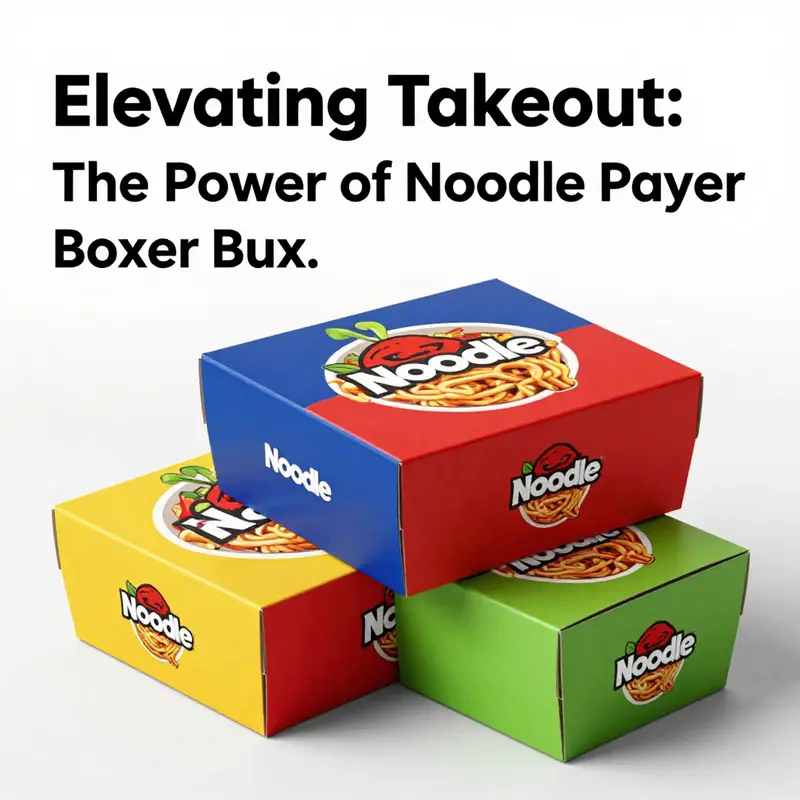
1. Crafting Unique Brand Narratives through Customization of Noodle Paper Boxes
Customization in noodle paper boxes is not merely a design choice but a strategic endeavor that allows food businesses to carve a unique market identity. These boxes serve as more than just containers; they are an extension of a brand’s story, values, and commitment to sustainability. Investing in customized noodle paper boxes is a sophisticated method to create a lasting impression on customers while fostering brand loyalty and trust.
The allure of customization begins with the wide array of printing options that businesses have at their disposal. For instance, matte lamination results in a smooth, non-glossy aesthetic that enhances visual appeal while minimizing fingerprints, making it a perfect choice for presenting a clean brand image. Alternatively, UV coating delivers a high-gloss finish, breathtakingly enhancing color vibrancy and durability. These features allow restaurants not only to showcase their unique logos and branding but also to align their packaging with the overall ambiance and theme of their culinary offerings. Additionally, embossing gives a tactile layer to the design, ensuring that the packaging feels as notable as the meal it contains. These elements together work to engage consumers at multiple sensory levels.
In recent years, consumer preferences have shifted dramatically towards brands that embody authenticity and individuality. A well-branded noodle box can turn a simple takeaway order into a remarkable customer experience. By integrating distinctive visuals and personalized messaging into their packaging, businesses can craft a narrative that resonates with their target audience. Each interaction with a custom box becomes not just a routine purchase but a memorable encounter, reinforcing the customer’s connection to the brand. Moreover, these visual elements significantly contribute to brand recognition, ensuring that the business remains top-of-mind for consumers and potentially drawing new customers through strong word-of-mouth marketing.
The versatility of customizable noodle boxes also allows for varied application scenarios. They can cater to a range of dishes, whether it be traditional Chinese noodles or innovative fusions, helping brands maintain consistency across their product offerings. This adaptability proves invaluable for businesses looking to expand their culinary repertoire while simultaneously reinforcing their brand identity. For instance, a custom-designed box for a gourmet udon dish can convey an upscale experience, while a playful design might align with a casual dining experience, thereby attracting different segments of the market.
The material technology behind noodle paper boxes significantly enhances both their functionality and sustainability. With advancements in sturdy cardboard and paperboard construction, these boxes are designed to hold up against heavy and wet contents without compromising on the environmental aspect. As modern consumers grow more eco-conscious, opting for biodegradable and recyclable packaging is not only welcomed but expected. Custom noodle boxes are available that adhere to strict food safety certifications, ensuring that the integrity of the brand is reflected in every aspect of its packaging.
Customization enables brands to meet these environmentally-driven demands effectively. Flexible order quantities and pricing options allow even small businesses to make meaningful investments in high-quality, custom packaging. Start-ups can access bulk customization at competitive prices, making professional-grade packaging approachable, regardless of budget constraints. This empowers businesses to elevate their branding without the need for extensive marketing budgets.
Moreover, engaging packaging can act as a tool for marketing beyond the meal. When brands leverage packaging as a canvas, they create a platform to communicate their values, special promotions, or connect with current trends, consequently driving consumer engagement. This concept of ‘packaging as advertising’ transforms each noodle paper box into a dynamic point of connection.
In conclusion, the customization of noodle paper boxes extends beyond mere aesthetics; it deeply enriches the customer experience and strengthens brand loyalty. By utilizing thoughtful design elements and sustainable practices, businesses not only enhance their visual identity but also align with the evolving consumer ethos that favors authenticity and environmental responsibility. This strategic approach positions brands at the forefront of the food service industry, navigating through competitive challenges with a robust and inviting presence.
For detailed insights into customizable options, businesses can find resources on various platforms, including Cofe-Cup, which showcase innovative designs and eco-friendly materials.
2. Harnessing Sustainable Materials for Enhanced Brand Visibility and Impact
The introduction of sustainable packaging solutions in the food industry has ushered in a transformative phase, particularly through the integration of materials like kraft paper in noodle paper boxes. As consumer awareness regarding environmental issues has significantly increased, so has the demand for packaging that embodies sustainability and functionality. The distinctive characteristics of noodle paper boxes, made primarily from compostable and biodegradable materials, play a pivotal role in aligning brands with eco-conscious market trends while enhancing their visual appeal.
At the heart of these packaging solutions is kraft paper, a sturdy, unbleached paper derived from recycled pulp. This choice of material is not merely a response to regulatory pressures concerning plastic waste but a step towards establishing brand integrity by championing sustainability. The rustic, natural aesthetic of kraft paper resonates with consumers today who are increasingly drawn to environmentally responsible products. By opting for noodle paper boxes, businesses can distinctly position themselves as advocates for the environment, thus enhancing their brand reputation and fostering consumer loyalty.
Branding Potential
The implications of using sustainable noodle paper boxes extend far beyond aesthetics; they harbor significant branding opportunities. The inherent properties of kraft paper support high-quality printing, which allows brands to display vibrant graphics and compelling messaging directly on their packaging. This capability not only elevates the visual identity of the product but also provides yet another medium for communicating brand values. Companies leveraging this opportunity can reinforce their commitment to sustainability through thoughtful designs, creating an emotional connection with environmentally conscious consumers.
Furthermore, the tactile experience of handling a sturdy yet biodegradable package cultivates positive perceptions among customers, amplifying satisfaction and retention. For example, a noodle box that is both leak-proof and visually striking can influence diners’ choices at takeout restaurants, effectively working as a marketing asset that conveys quality and eco-friendliness simultaneously. Brands can use the noodle paper box as a canvas to share their story, values, and commitment to sustainability, thereby embedding their ethos in every take-out meal.
Innovative Supplier Solutions
Innovation in sustainable packaging is led by suppliers committed to designing packaging solutions that marry functionality with ecological considerations. Companies like Sunkea are at the forefront, providing designs that maximize performance while utilizing sustainable materials. Their kraft paper noodle boxes not only meet the rigorous demands of food service operations but also adhere to the principles of sustainability. With options for customization, businesses can create unique packaging solutions while still maintaining efficiency in logistics and storage practices.
The flexibility offered by suppliers for customization greatly enhances branding consistency as restaurants can choose sizes, configurations, and even printing styles that best represent their brand. Such adaptability allows companies to appear larger and more prominent in a competitive market without compromising their commitment to sustainability. It is not merely about functionality; it’s about creating a lasting brand impression via eco-friendly packaging that resonates with consumers.
Market Trends and Consumer Expectations
The shift towards sustainable packaging is not just a trend but a demographic shift in consumer behavior. Modern consumers actively seek brands that prioritize the environment in their decision-making processes. Studies indicate that a significant percentage of purchasers are willing to pay extra for products that utilize sustainable packaging. Thus, for a brand operating in the food sector, such as those serving ramen or udon, the choice of noodle paper boxes is a strategic business decision that allows for both ecological responsibility and enhanced marketability.
In addition, an organization’s sustainability efforts often lead to newfound partnerships with like-minded entities. Collaborative ventures that reach into sourcing, manufacturing, and distribution can amplify a brand’s message, creating a robust network of sustainable practices that fortify brand values. This interconnectedness not only broadens the market for eco-friendly brands but also encourages continuous improvement in sustainability efforts.
Ultimately, the interplay between sustainable noodle paper boxes and branding offers an expansive horizon for growth and innovation. By creatively leveraging the aesthetic and functional advantages of kraft paper, food businesses can diminish their environmental footprint while simultaneously enhancing their brand impact in the marketplace. Engaging customers through sustainability not only fulfills individual consumer expectations but also contributes to a larger narrative of responsible consumption.
This alignment with eco-friendly practices represents an essential pathway towards establishing competitive differentiation, ultimately creating a symbiotic relationship between product quality and environmental consciousness. Such synergies underscore the importance of sustainable packaging solutions in crafting memorable brands in the modern food landscape, reinforcing that eco-friendly choices can equate to both profitability and purpose.
3. Leveraging Custom Noodle Paper Boxes for Enhanced Operational Efficiency and Marketing Impact
Custom noodle paper boxes represent a vital component for food businesses aiming to blend functionality with savvy marketing strategies. These boxes are specifically designed not only to hold food but also to enhance brand image while optimizing overall operations. From their sturdy construction to their potential for branding, these packaging solutions facilitate a dual focus on customer satisfaction and business growth.
One of the defining features of custom noodle paper boxes is their robust design, constructed from unbleached kraft paper that is naturally strong and environmentally friendly. The use of recycled pulp ensures that these boxes possess a high degree of rigidity, capable of supporting heavy or wet contents. This structural integrity is crucial when transporting delicate dishes like ramen or poké, where spillage can lead to customer dissatisfaction and increased operational costs from reorders or discounts offered for poor service. By choosing custom noodle boxes that remain intact throughout transit, businesses can significantly decrease product damage and ensure that customers receive their meals in pristine condition.
Beyond their protective qualities, these boxes also contribute positively to sustainability efforts—an increasingly important aspect in today’s dining landscape. Their biodegradable and compostable nature appeals to environmentally conscious consumers, allowing restaurants to align their practices with eco-friendly initiatives. This not only resonates well with customers but can also lower waste disposal costs, as many jurisdictions favor companies that employ sustainable practices. Integrating custom noodle paper boxes into the supply chain reflects a commitment to environmental responsibility, presenting a strong narrative that can drive customer loyalty.
The compartmentalized nature of custom noodle boxes further enhances operational efficiency. Each box is often designed to keep different components of a meal separate until ready to be served. This design is particularly useful for dishes that require a careful assembly, as it prevents sogginess and maintains flavor integrity. For example, separators can be employed to keep noodles distinct from sauces or toppings, ensuring that customers enjoy a meal as intended—fresh and flavorful. By mitigating customer complaints about meal quality, businesses can boost satisfaction rates significantly, reducing the likelihood of lost sales due to repeats or negative reviews.
From a marketing perspective, custom noodle paper boxes serve as powerful tools for brand promotion. With the rustic aesthetic of kraft paper and the opportunity for customizable designs, businesses can utilize their packaging as a canvas for brand storytelling. Incorporating logos, slogans, and even unique graphics can transform every takeout order into a potent advertisement, turning the delivery itself into a marketing strategy. The visual appeal of custom boxes can enhance overall brand perception, creating an image of quality and thoughtfulness that resonates strongly with diners. In an age where consumers are bombarded with options, this attention to packaging can set brands apart, prompting repeat patronage and growing word-of-mouth referrals.
Moreover, customization options extend to size and functionality, enabling businesses to cater specifically to their menu offerings. The ability to order boxes in various capacities, such as 750ml or 960ml models, allows for precise matching of packaging to portion sizes, bolstering inventory management and minimizing material waste. Being scale-ready is crucial for businesses that anticipate growth, and suppliers often provide standard carton dimensions that streamline the logistics of stocking and shipping.
Utilizing custom noodle paper boxes also exemplifies a broader trend within the food service industry toward sustainability and efficiency. As restaurants strive to reduce their environmental impact while simultaneously appealing to a socially aware customer base, these boxes become an intersection of quality service and corporate responsibility. They encapsulate the growing awareness of the need for innovative packaging solutions that satisfy both operational demands and marketing goals.
In conclusion, custom noodle paper boxes are more than just vessels for food; they are instrumental in cultivating a brand identity and improving operational processes. By integrating these boxes into their business strategy, food establishments can ensure that they not only deliver exceptional products but also reinforce their commitment to sustainability and quality. This combination of operational efficiency and marketing prowess makes them a strategic investment in the competitive food service landscape, demonstrating that effective packaging can elevate a brand’s presence while maximizing profitability. To delve deeper into various eco-friendly packaging solutions, explore more about sustainable food packaging options.
Final thoughts
Noodle paper boxes represent more than just a packaging solution; they embody a step towards sustainability and a unique branding opportunity for food service businesses. By understanding the materials, design features, and market trends associated with these boxes, companies can not only meet the growing demand for environmentally friendly options but also strengthen their brand identity through customization. As the food industry continues to evolve, those who adapt their packaging strategies, like integrating noodle paper boxes, will likely reap the rewards of loyalty from eco-conscious consumers.
Choose our reliable disposable tableware and packaging solutions for your business. We offer quality products that meet safety standards, with fast delivery and flexible options. Partner with us today to elevate your service – contact our team now for a tailored quote!
About us
We specialize in manufacturing and supplying disposable tableware, packaging paper, and boxes. With years of experience, we prioritize safety, durability, and eco-friendly practices. Our goal is to provide businesses with trusted, cost-effective solutions backed by responsive customer support.