

Introduction
As the global movement toward sustainability continues to gain momentum, paper cup trays have emerged as an essential component in the food and beverage industry, particularly for businesses looking to minimize their environmental impact. These eco-friendly alternatives to traditional plastic and foam trays not only meet growing consumer demands for sustainability but also offer practical advantages for dessert, beverages, and takeaway services. The following chapters will delve into the sustainability and environmental impact of paper cup trays, explore their design and functionality, assess the economic aspects of their production, and analyze current market trends and consumer preferences. By understanding these facets, business owners can make informed decisions that align with both operational efficiency and ecological responsibility.
Tables of Contents
Chapter 1: Innovative Approaches to Enhancing Sustainability in Paper Cup Trays
- Advancements in Technology for Greener Paper Cup Tray Solutions
- Economic Implications and Innovations Driving Sustainable Paper Cup Tray Solutions
- Shifting Perspectives on Sustainability: The Societal Impact of Paper Cup Trays
Chapter 2: The Art and Science Behind Effective Paper Cup Trays
- Innovative Design and Sustainable Material Choices in Paper Cup Trays
- Sustainable Manufacturing and Practical Usage of Paper Cup Trays
- Eco-Friendly Manufacturing and Strategic Economic Benefits of Paper Cup Trays
Chapter 3: Navigating the Economic Landscape of Paper Cup Tray Production
- Evolving Market Dynamics and Future Trajectories in Paper Cup Tray Production
- Scaling Up: Technological Advances and Their Economic Implications for Paper Cup Tray Production
- Navigating Costs and Sustainability in the Production of Eco-Friendly Paper Cup Trays
Chapter 4: Emerging Trends in Sustainable Paper Cup Trays: Shaping Consumer Preferences
- Eco-Conscious Choices: Transforming the Paper Cup Tray Market through Sustainable Innovations
- The Economic Ecosystem Shaping Consumer Choices for Paper Cup Trays
- The Role of Innovation in Shaping the Future of Paper Cup Trays
Chapter 1: Innovative Approaches to Enhancing Sustainability in Paper Cup Trays

1. Advancements in Technology for Greener Paper Cup Tray Solutions
Advancements in Technology for Greener Paper Cup Tray Solutions
As the demand for sustainable products escalates, technological advancements in the production and materials of paper cup trays are becoming more crucial than ever. Traditionally, paper cups have been rendered less eco-friendly due to the incorporation of plastic linings, primarily polyethylene, which enhances their resistance to leakage but significantly compromises their biodegradability. However, recent innovations are shifting this paradigm, focusing on creating fully compostable alternatives. These new solutions leverage bio-based coatings derived from renewable resources such as plant starches, cellulose, and other natural fibers.
These eco-innovations address the dual needs of functionality and environmental stewardship. The challenge lies in producing materials that not only maintain the necessary structural integrity and liquid resistance expected from a cup tray but also seamlessly integrate into composting systems. Manufacturers are actively experimenting with various formulations, ensuring that compostable coatings perform under real-world conditions without disrupting existing waste management processes.
Concurrently, researchers are tackling a more persistent issue related to environmental contaminants in paper cup manufacturing. A study from 2025 highlights that single-use paper cups can harbor trace levels of heavy metals and pose radiological risks, derived from potentially toxic elements involved in their production. This insight underscores the importance of refining material sourcing and enacting stringent waste management protocols to mitigate these risks. Innovations in material recovery systems are becoming increasingly important, focusing on reclaiming valuable economic metals that may be present in these production processes. By enhancing resource reclamation strategies, manufacturers can significantly reduce the harmful impacts associated with the disposal of paper cups while simultaneously deriving economic benefits from recovered materials.
Moreover, the concept of a circular economy is taking root within the paper cup tray industry. This innovative approach rethinks waste, viewing it not as a disposable burden but as a valuable resource. Research indicates that improper disposal methods for paper cups culminate in a growing pile of non-biodegradable waste in landfills, with lasting ecological consequences. New models currently under exploration advocate for converting used cup trays back into raw materials for new product lines. By implementing advanced sorting technologies, chemical recycling, and organic waste processing, paper cups can find a second life, thereby closing the loop in product lifecycle management. This transformative approach is not just theoretical—case studies are emerging where companies actively engage in creating new products from recycled paper cup materials, exemplifying the practicality of these circular economy models in action.
Technological innovations have also permeated the design and functionality aspects of paper cup trays. For instance, ergonomic designs that facilitate better stacking and transport, coupled with lightweight materials that do not compromise strength, are becoming staples in the industry. This evolution is critical, particularly for settings like cafes and outdoor events, where ease of transportation is paramount. Additionally, enhanced moisture barriers have been engineered to address issues of leakage without sacrificing the tray’s compostability, paving the way for more eco-friendly packaging solutions that satisfy consumer demand for convenience while adhering to sustainable practices.
Ultimately, the ongoing advancements in technology surrounding paper cup trays showcase a tremendous potential for harm reduction within their lifecycle. As businesses and consumers grow more conscious of their environmental footprints, the move towards sustainable alternatives fuels this burgeoning industry. By forging partnerships across sectors, from raw material suppliers to waste management innovators, and by embracing new technologies, stakeholders can collaboratively pave the way towards a more sustainable future. For those interested in more about eco-friendly disposable packaging options, visit our shop for a wide range of sustainable products.
2. Economic Implications and Innovations Driving Sustainable Paper Cup Tray Solutions
The intersection of economic factors and environmental stewardship in the realm of paper cup trays reveals a nuanced landscape critical for fostering sustainability in the packaging industry. As consumers and businesses increasingly seek eco-friendly alternatives to traditional plastic products, paper cup trays have emerged as a popular solution, often touted as a greener option in various foodservice contexts. However, the economic considerations surrounding their production and utilization highlight a complex narrative that both challenges and advances sustainability goals.
On the surface, paper cup trays stand out for their biodegradable properties, potentially reducing landfill waste. Yet, an in-depth examination of their lifecycle elucidates several economic and environmental drawbacks that deserve attention. The production of these trays, typically crafted from de facto renewable materials like bamboo pulp or recycled paper, necessitates significant resources—ranging from raw materials to energy for processing—which can inadvertently bolster their environmental footprint. Key among these considerations include deforestation concerns, substantial water consumption in paper manufacturing, and the energy-intensive processes required for production. These aspects contribute to the overall carbon emissions associated with paper cup tray usage, thereby complicating the narrative of sustainability.
Economically, the transition from a traditional waste management model to a resource recovery paradigm presents significant potential for improving the environmental impact of paper cup trays. Recent studies have revealed that even after brief use, these trays may harbor economically recoverable materials, such as metals—an encouraging indication of their capacity to contribute positively to the circular economy. Implementing waste-to-value strategies not only minimizes the necessity for landfill disposal but also fosters the creation of new revenue streams from recycled materials. As eco-conscious businesses integrate sustainable practices, the logical evolution towards resource recovery models for paper cups could redefine economic viability while enhancing the sustainability of paper cup tray systems.
To address these economic challenges, innovative design approaches serve as a compelling focal point. Functional aesthetics paired with ecological considerations can enhance product longevity and recyclability. Designs that optimize material use ensure that the overall costs of production decline while also facilitating easier recovery of valuable elements at the product’s end-of-life. A proactive shift towards more sustainable designs enables the paper cup industry to adapt, evolve, and meet consumer expectations without significantly elevating production costs. Implementing principles of the green economy can result in cost reductions, streamlined recycling processes, and a decrease in detrimental environmental impacts. Moreover, this improves the feedback loop between product design, consumer behaviors, and environmental outcomes.
Both businesses and consumers hold substantial power in shaping the economic landscape of paper cup trays. As public awareness regarding environmental issues grows, customers increasingly prioritize sustainable options, compelling companies to adjust their offerings. This shift not only showcases the potential for profitability through sustainable practices but also instigates an industry-wide movement towards responsible consumption. The emphasis on sustainability may lead to competitive advantages, as brands committed to eco-friendly practices will likely secure customer loyalty and increased market share.
In tandem with enhancing economic viability, addressing societal perceptions plays a critical role in the journey toward sustainability. Companies can actively communicate the environmental benefits associated with their products, fostering a relationship founded on transparency. Educational initiatives and strategic marketing can bridge the gap between an innovative economic model and consumer engagement, subsequently driving demand for sustainable paper cup trays that are as practical as they are environmentally conscientious.
Ultimately, while the discussion surrounding the environmental impact of paper cup trays is undeniably complex, the integration of economic incentives into sustainability efforts illuminates a pathway forward. Through resource recovery, innovative designs, and reshaping consumer perceptions, stakeholders can strive for a future where paper cup trays exemplify not just an alternative, but a key component of a resilient and circular economy. For those keen on aligning with sustainable practices, exploring the broad spectrum of eco-friendly supply options, like those available at cupbowlpack.com, can be an excellent starting point for creating significant impact.
3. Shifting Perspectives on Sustainability: The Societal Impact of Paper Cup Trays
The conversation around paper cup trays is increasingly reflective of a broader societal awakening to environmental issues. As representatives of disposable dining trends, these trays invoke a complex interplay between convenience and ecological responsibility, resonating deeply with the public’s growing concerns regarding waste management and resource sustainability. While marketed as an eco-friendly alternative to their plastic counterparts, the reality is nuanced and illuminates a spectrum of societal perspectives that warrant examination.
At first glance, paper cup trays stand out due to their biodegradable nature, often made from renewable sources like agricultural by-products such as sugarcane pulp or bamboo. This shift to materials perceived as more sustainable reflects an emerging cultural ethos prioritizing environmental stewardship. However, deeper analysis uncovers significant caveats. Research points to the environmental cost associated with their production, including deforestation, substantial water usage, and hefty carbon emissions culminating from the entire manufacturing and transportation process (Kothari, 2025). This reality raises pertinent questions regarding the genuine sustainability of what many believe are disposable items that contribute minimally to environmental degradation.
Moreover, these production practices have broader implications that extend far beyond carbon footprints—impacting local communities that rely on forest ecosystems for their livelihoods. The onset of climate change exacerbates these issues, further complicating food security and escalating health risks among vulnerable populations. Consequently, the adoption of alternative materials like paper cups and trays introduces a critical conversation about ecological equity and the disparate burdens faced by different socioeconomic groups.
As communities embrace discussions surrounding sustainability, initiatives such as public campaigns promoting the shift to reusable systems and compostable packaging illustrate the dynamic nature of consumer behavior. These efforts, highlighted by Meadow and Owen (2021), reflect how research into sustainable disposable products can stimulate transformative change across consumer practices, inciting shifts in social norms that steer society away from traditional single-use models. For instance, cafes and restaurants are increasingly supporting reusable cup initiatives—signifying a cultural shift that aligns with broader environmental goals.
However, while the movement towards disposable sustainability is gaining traction, it continues to encounter challenges. Economic disparities can complicate universal access to these sustainable options. Public understanding and acceptance of reusable systems vary significantly; thus, initiatives designed to foster equitable access remain crucial. Policymakers and businesses must work collaboratively to ensure that sustainable solutions are not only available but also affordable and accessible to all demographics.
The discourse surrounding paper cup trays extends beyond mere environmental concerns, intertwining with vital components of policy development and innovation. Encouragement of circular economy models—practices designed to keep resources in use for as long as possible—demonstrates the potential for systemic changes that can arise from heightened public awareness. Factoring in lifecycle assessments of products, communities can begin to quantify the environmental impacts more accurately and assess how best to mitigate them through continued research and development.
As society grapples with these challenges, it’s essential to incorporate comprehensive reviews and investigations into current practices and alternatives. For a rigorous exploration of the sustainability of disposable tableware, including paper cups and trays from environmental, economic, and societal angles, the peer-reviewed article titled Sustainable Perspectives of Disposable Tableware provides a critical foundation for future discussions (2025).
In conclusion, the societal perspectives on the sustainability and environmental impacts of paper cup trays highlight the complexity of moving towards genuinely sustainable practices. As innovations continue to evolve, anchoring discussions within a broad ecological and social context can help guide communities toward solutions that prioritize not just environmental health but also social equity. By maintaining an inclusive dialogue that considers various stakeholder perspectives, society can work towards a future where consumption patterns align with environmental imperatives, ultimately reducing the footprint of disposable products such as paper cup trays.
Chapter 2: The Art and Science Behind Effective Paper Cup Trays
1. Innovative Design and Sustainable Material Choices in Paper Cup Trays
The design and functionality of paper cup trays have evolved significantly, driven by a fundamental understanding of their practical application in the fast-paced environment of food service. As these trays become staples in cafés, restaurants, and events, their design integrates a range of features aimed not only at optimizing usability but also at addressing environmental concerns. At the heart of successful paper cup trays lies a thoughtful selection of materials, each chosen to enhance overall performance and user satisfaction.
Key to the innovative design of paper cup trays is the selection of construction materials. Most trays are crafted from corrugated cardboard or high-density paperboard. These materials are heralded for their excellent rigidity and cushioning capabilities, making them ideal for supporting the weight of multiple beverages without compromising structural integrity. Furthermore, to stem the infiltration of moisture—an essential characteristic, especially when handling hot drinks—many trays incorporate a food-grade polyethylene (PE) or a wax coating. This protective lining is crucial; it not only prevents leaks but also ensures that the trays maintain an appropriate temperature, allowing for a more comfortable user experience.
Closely related to the material choices are the structural innovations that characterize modern paper cup trays. Many designs feature reinforced edges and non-slip bases, which enhance the overall stability of the tray. This is particularly advantageous when trays are being used in vehicles or on uneven surfaces in busy retail environments. Such design improvements reflect an understanding of user needs, where safety and functionality are paramount.
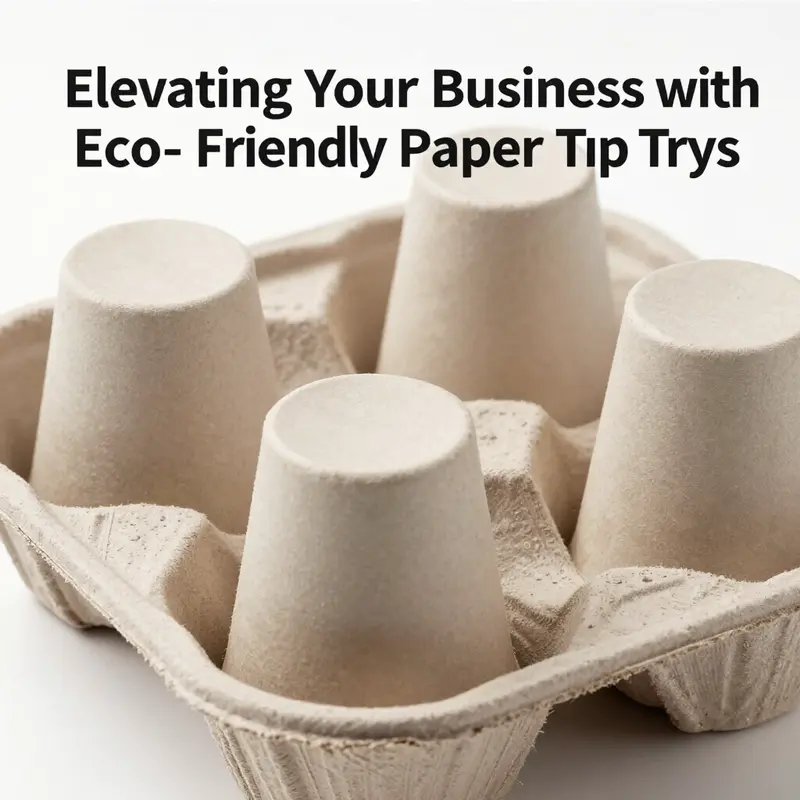
The configuration and usability of paper cup trays have also received a significant focus in their design. Commonly, trays are available with various cup slot designs—typically ranging from one to four slots—catering to a variety of use cases, from individual coffee servings to large multi-cup takeout orders. Ergonomic features further enhance these offerings; trays are often designed with convenient grips and may even incorporate ventilation patterns that allow heat to escape, minimizing the risk of burns for users. Some designs also include integrated lids to further prevent spills, merging convenience with safety.
Material selection, however, is not merely about functionality; it is also fundamentally tied to the market’s evolving expectations regarding sustainability. Disposable paper cup trays, commonly found in fast-food establishments, prioritize cost-effectiveness and ease of disposal, often employing recycled paper composites. These materials strike a balance between strength and environmental consciousness, reflecting a shift towards more responsible consumer behavior. On the other hand, reusable trays are increasingly being developed from silicone-coated cardboard or biodegradable polymers, engineered for repeated use without compromising performance. These durable variations resonate with eco-conscious consumers who favor both sustainability and practicality in their choices.
To ensure their effectiveness, paper cup trays must meet rigorous performance standards. Specifications concerning thickness and load-bearing capacity are scrutinized in product development; while greater thickness can improve support, it can also negatively affect the fit in vehicle cup holders—a critical detail for many users. Additionally, temperature tolerance is a vital consideration, particularly for trays designed to carry hot liquids. By adhering to these established standards, manufacturers ensure that their products not only meet but exceed user expectations.
In summary, the ongoing refinement of paper cup trays encapsulates a broader trend toward innovative design paired with sustainable material selection. By merging functional efficiency with eco-friendly practices, these trays serve as reliable solutions across various sectors, from the bustling café scene to outdoor events. As consumer awareness of environmental issues continues to rise, the industry observes an exciting evolution that embraces both modern design principles and sustainable practices, reinforcing the value of this simple yet essential tool in our everyday lives. For those interested in exploring eco-friendly packaging options, resources on sustainable materials can provide further insights.
2. Sustainable Manufacturing and Practical Usage of Paper Cup Trays
In recent years, the significance of environmental sustainability has surged, reshaping consumer behaviors and industry practices alike. At the forefront of this movement are paper cup trays, designed to balance functionality with eco-conscious principles. Their construction typically utilizes biodegradable materials such as natural plant fibers, including bagasse, bamboo pulp, or recycled paper pulp. This emphasis on sustainable sourcing not only prioritizes the planet but also adds a layer of usability and effectiveness that must not be overlooked.
Material Choice and Its Impact
The materials selected for paper cup trays play a pivotal role in determining their environmental impact. Predominantly, these trays are crafted from recyclable and biodegradable paperboard, ensuring they can efficiently re-enter the natural cycle without leaving a heavy waste footprint. When discarded properly, paper cup trays can be processed through standard recycling systems, substantially reducing the long-term consequences that single-use plastics engender. Biodegradability is another significant feature; under the right conditions, these trays decompose naturally, fostering an environment-friendly method of disposal and reducing landfill waste issues that all too often accompany non-biodegradable materials.
Moreover, a growing awareness of health and safety drives innovation in design. Manufacturers frequently opt for water-based inks and non-toxic coatings that align with biodegradable and recyclable standards, reinforcing their commitment to sustainability. As such, the use of harmful chemicals is minimized, which is essential in circular economy strategies and promotes a shift towards products that are inherently safe for the environment, consumers, and the ecosystem.
Efficient Production Processes
The manufacturing processes for paper cup trays also showcase a significant efficiency advantage over traditional plastic production. Typically, the energy required to produce paper products is less compared to that needed for plastic, which generally involves extensive resource-depleting extraction and processing steps. Furthermore, the carbon emissions released during the manufacturing of paper trays are markedly lower than those for their plastic counterparts, thus contributing to a reduced overall carbon footprint. Such efficiency is crucial as industries strive to mitigate their environmental impact, embracing green engineering principles that advocate for reduced energy consumption and waste.
Versatile and Modular Design
Functionally, paper cup trays are designed with versatility in mind, making them ideal for various settings—from bustling coffee shops to informal family gatherings. The innovative, modular approach allows these trays to adapt based on spatial and volume needs, enabling multiple configurations without significant waste of material. The interlocking design enhances their usability in dynamic settings and promotes operational efficiency by minimizing assembly time and labor. This adaptability not only eases the experience for vendors but also contributes positively to the logistical operation of transporting drinks securely.
Furthermore, these trays come in varying compartmental layouts, such as the popular four-compartment design, which allows for the transportation of multiple beverages simultaneously, thereby reducing the number of trays needed for single transactions. This modular format not only streamlines service but also fatten efficiency, reflecting an eco-conscious mindset that resonates with modern consumers eager to align their purchasing habits with sustainable practices.
Promoting Sustainable Behavior
The design and functionality of paper cup trays embrace a future-forward mindset that improves not just individual experiences but broader environmental implications. Businesses that implement these solutions are participating in a larger conversation surrounding sustainability, signaling to consumers that they are dedicated to a greener planet. Enhanced user experience combined with sustainable choices empowers individuals to make better selections, promoting collective momentum towards eco-friendly practices in everyday life. Integrating these products within a broader sustainability narrative offers firms a competitive edge while fortifying their commitment to preserving the environment.
In conclusion, paper cup trays exemplify a harmonious blend of innovative design and environmentally responsible production. Their practical functionality and sustainable attributes not only meet the immediate needs of consumers today but also pave the way for a more conscientious approach to future consumption. With options like the four-compartment paper cup carrier, users benefit from both utility and ethical consideration, cementing these trays as cornerstone items for eco-conscious lifestyles. To explore a wider range of sustainable packaging options, one can check out additional products such as customizable biodegradable containers that further cater to eco-friendly needs.
3. Eco-Friendly Manufacturing and Strategic Economic Benefits of Paper Cup Trays
The evolution of paper cup trays reflects a growing commitment to environmental sustainability, functionality, and economic practicality. These trays, specifically designed to hold and transport paper cups, have emerged as a beacon of innovation in the food and beverage industry. Utilizing biodegradable materials such as sugarcane fiber, bamboo pulp, or recycled paper, they offer an eco-friendly alternative to traditional plastic or foam trays. Their design prioritizes users’ needs, merging environmental responsibility with modern consumption habits.
One of the most striking features of paper cup trays is their modular design. The trays often exhibit a flexible, interlocking structure, allowing businesses to customize arrangements based on the size and number of cups required. Whether in a bustling café, a large-scale event, or even a small office, this versatility ensures that service can adapt to varying customer demands without compromising on efficiency or aesthetic appeal. Additionally, the integration of these trays into existing cup dispensers reduces the clutter of additional packaging materials, streamlining service while further promoting eco-consciousness.
In terms of manufacturing, the production process prioritizes sustainability and operational efficiency. The process begins with the sourcing of renewable raw materials, which are carefully selected to align with global environmental standards. Automated machinery is then employed to cut and shape the paperboard or cardboard into the final tray design. This automation not only reduces production time but also ensures consistent quality, minimizing waste in the process. The lightweight nature of these materials not only contributes to their overall efficacy but also translates to lower transportation costs and diminished carbon footprints.
Economically, adopting paper cup trays can yield significant advantages for businesses. As environmental awareness among consumers rises, many companies are reevaluating their product lines and service methods to align with this trend. The transition to paper cup trays can be achieved with minimal upfront investment, making them accessible for businesses of various sizes. Their disposable nature means that there is no need for cleaning or maintenance, leading to reduced labor costs and increased efficiency in service delivery.
Moreover, paper cup trays enhance customer experience. The visual appeal and eco-friendliness of these trays resonate with the values of today’s consumers, fostering loyalty and encouraging repeat business. Companies that embrace sustainable practices often find themselves at a competitive advantage, especially in sectors where brand reputation is increasingly influenced by environmental considerations. This shift not only elevates customer satisfaction but also has the potential to bolster profitability in the long run.
The widespread adoption of paper cup trays exemplifies an intersection of design, functionality, and economic strategy that is poised to reshape the food service landscape. As businesses continue to search for sustainable yet efficient solutions, the integration of these trays reflects a forward-thinking approach to customer service and environmental stewardship. The practical benefits of these trays extend beyond mere functionality; they encapsulate an ethos of responsibility, encouraging both businesses and consumers to engage in eco-friendly practices more diligently.
For those looking to explore a variety of packaging options suitable for similar needs, consider checking out the range of customizable and sustainable products available at Cofe-Cup. This selection not only diversifies available choices but also supports the growing trend towards sustainability in food and beverage service. As paper cup trays gain traction, and the demand for eco-friendly packaging continues to rise, the relationship between design, manufacturing, and economic viability will inevitably evolve, shaping future consumer practices and operational models across the globe.
Chapter 3: Navigating the Economic Landscape of Paper Cup Tray Production

1. Evolving Market Dynamics and Future Trajectories in Paper Cup Tray Production
The paper cup tray production market is gaining momentum as part of the rapidly growing paper products sector. This evolution stems from an increasing consumer preference for sustainable solutions and the globalization of the food service industry. With the global economy steadily leaning towards environmentally friendly practices, businesses in this niche are finding more opportunities than ever before.
Market Size and Growth Projections
The global paper cups market, of which paper cup trays are a vital component, is projected to increase significantly. From a current valuation of $11.52 billion in 2025, the market is expected to soar to approximately $16.28 billion by 2032, marking a healthy compound annual growth rate (CAGR) of around 4.42%. This growth not only reflects the increasing sales of paper cups but also extends to the supporting products, including cups and their corresponding trays, which facilitate their transportation and service.
Driving Forces Behind Growth
Several factors contribute to this upwards trend. Firstly, environmental regulations across the globe are pivotal in pushing industries toward sustainable practices. Governments and international bodies are imposing stricter packaging regulations, leading businesses to adopt biodegradable and recyclable materials, which positions paper cup trays favorably in the current market landscape.
Alongside regulatory pressures, urbanization plays a crucial role in increasing demand for these products. More people living in urban centers correlates with a rise in café culture and fast food consumption, which in turn fuels the need for portable, eco-friendly drink carriers. The growing availability of coffee shops and fast-food restaurants signifies a shift in lifestyle that favors convenience, further amplifying the demand for paper cup trays.
Additionally, consumer preferences are evolving towards sustainable products. A heightened awareness of environmental issues among consumers is leading to a marked increase in demand for eco-friendly packaging alternatives. Brands that offer sustainable solutions not only attract environmentally conscious customers but also create a positive brand image, which is increasingly important in today’s market.
Regional Insights
The need for paper cup trays is not uniform across the globe but varies significantly by region. The Asia Pacific market stands out as the largest and fastest-growing segment in this sector, projected to exhibit a CAGR of approximately 4.9% from 2025 to 2033. Factors driving growth in this region include a high population density, rapid economic development, and an expanding middle class that increasingly embraces convenience-oriented lifestyles. Noteworthy government initiatives in countries like China and India also promote eco-friendly packaging options, which further contribute to market expansion.
Key Players and the Competitive Landscape
In this burgeoning industry, established companies such as Dart Container, Huhtamaki, Koch Industries, and International Paper remain at the forefront. These organizations are significantly investing in research and development, enhancing their production capabilities to align with the rising demand for environmentally congenial products. Innovations in design and materials are crucial as they strive to meet both consumer demands and regulatory standards.
External Economic Factors Impacting Production
Market dynamics are invariably influenced by external economic factors, including fluctuating raw material prices. Variations in costs associated with pulp and fiber, essential components for paper cup trays, can disrupt production expenses. Rising logistics costs, influenced by global transport scenarios, also play a significant role in pricing strategies. Moreover, shifts in trade policies can bring uncertainty to supply chains, adding layers of complexity to the production process.
To counterbalance these challenges, manufacturers are re-evaluating supply chain strategies and exploring regional sourcing options to decrease dependency on external factors.
Long-Term Market Outlook
The long-term outlook for paper cup tray production appears strong. The anticipated growth trajectory signifies the strategic importance of this segment within the broader sustainable packaging ecosystem. As the global economy transitions towards sustainability, the demand for products like paper cup trays will likely flourish, supported by manufacturers’ commitment to innovation and compliance with rigorous environmental standards. The sector is well-positioned to continue thriving amid potential economic fluctuations, making it a compelling area for investment in the coming years.
For additional insights related to market trends and forecasts, please refer to the detailed report at the end of this analysis. The interplay between environmental initiatives and consumer behavior will undoubtedly shape the future of paper cup tray production.
2. Scaling Up: Technological Advances and Their Economic Implications for Paper Cup Tray Production
The journey towards sustainable production of paper cup trays is paved with crucial technological innovations that significantly enhance scalability. As industries increasingly seek to harmonize environmental responsibility with economic viability, understanding the dynamics of production scalability becomes vital. The evolution of woodworking techniques, material science, and automation within the domain of paper cup tray manufacturing reflects this intersection of innovation and economic strategy.
Technological advancements play an instrumental role in improving the manufacturing processes of paper cup trays. Streamlined workflows, enabled by sophisticated manufacturing techniques, are pivotal in both expediting production and minimizing resource depletion. By deploying cutting-edge machinery, manufacturers can significantly reduce material waste, relying on advancements that ensure optimal utilization of resources while adhering to eco-friendly practices. Enhanced machinery also fosters the creation of trays that are not only more robust but also more aligned with recycling standards since the industry prioritizes biodegradable or recyclable configurations.
A critical breakthrough in this sector is the development of innovative coating technologies, such as water-based or plant-derived coatings. These advancements allow paper cup trays to resist liquid penetration effectively while remaining compliant with eco-friendly disposal methods. The resultant products not only fulfill functional roles—facilitating the transportation of beverages—but they also nourish the principles of a circular economy. This shift ensures that products maintain their utility without compromising our environmental obligations.
The economic implications of these innovations are profound. Production scalability hinges on two interrelated components: reducing operational costs and increasing throughput. Innovative processes that bolster efficiency yield direct reductions in overhead costs, allowing businesses not only to expand their operations but also to be more competitive in a rapidly evolving market. Accelerated production rates position companies favorably to meet burgeoning demand while simultaneously addressing rising consumer preferences for sustainable options.
Moreover, the integration of automation and smart manufacturing systems into the production framework introduces an entirely new level of precision and adaptability. Automation enhances product quality by minimizing variability, ensuring every paper cup tray adheres to strict quality controls. Smart systems allow manufacturers to remain agile, responding rapidly to shifts in market demand without the drawbacks traditionally associated with extended production timelines. This ability to pivot efficiently translates into fewer disruptions and improved economic outcomes.
From an economic perspective, the return on investment (ROI) associated with these technological upgrades is notably favorable. The interplay between enhanced efficiency and reduced operating costs facilitates significant advancements in profitability. Additionally, companies that invest heavily in these innovative practices enhance their competitive edge, particularly within markets that prioritize sustainability as a core value.
However, the innovation landscape is not without its challenges. A major concern lies in the so-called ‘appropriability problem,’ wherein innovators struggle to capitalize on their inventions due to swift imitation by competitors. To safeguard their interests, many companies now seek to bolster their intellectual property strategies, ensuring that breakthroughs are adequately protected against unauthorized replication. Furthermore, fostering collaborative research and development partnerships has emerged as a viable strategy to collectively develop and share technological advances.
The role of national systems of innovation cannot be underestimated in this context. Government policies aimed at promoting research and technological advancements are invaluable in creating a conducive environment for growth. Investments in infrastructure dedicated to green technologies further facilitate the scaling of eco-friendly paper cup tray production practices. Additionally, social capital—community engagement that prioritizes sustainability—reinforces industry standards and encourages best practice sharing.
In conclusion, the intersection of technological innovation and economic feasibility in paper cup tray production illustrates a significant shift toward sustainable packaging solutions. By embracing these advancements, manufacturers can not only meet the growing demands of the market but also adhere to stringent environmental standards that will shape the future of consumption. The path toward sustainability and profitability in this industry is increasingly bound to the innovation of production methodologies, marking an exciting chapter in the evolution of eco-friendly packaging solutions. For further insights into sustainable paper packaging technologies, you can explore technological innovation resources.
3. Navigating Costs and Sustainability in the Production of Eco-Friendly Paper Cup Trays
The production of paper cup trays embodies a unique confluence of economic factors and sustainability considerations that are increasingly prominent in today’s marketplace. As consumer preferences shift towards environmental responsibility, the cost structures associated with paper cup tray production become a pivotal point of analysis. These costs are heavily influenced by raw material sourcing, production methods, and adherence to stringent environmental regulations.
Raw Material Costs
A significant variable in the economic landscape of paper cup trays is the choice of raw materials. Manufacturers often choose eco-friendly alternatives such as bagasse (sugarcane fiber) or pulp that bears the Forest Stewardship Council (FSC) certification. These materials, while representing a commitment to sustainability, typically incur higher initial costs compared to traditional virgin paper. However, this disparity in expense sheds light on the broader implications of sustainable production.
When companies invest in eco-friendly materials, they are not just incurring immediate costs. They are often aligning their brand with growing consumer demand for green products, which can lead to enhanced brand value and an increased market share. Thus, while the upfront expenditures may be elevated, the long-term benefits, including a strengthened corporate image and reduced environmental liabilities, can outweigh the initial financial outlay.
Economies of Scale and Production Efficiency
The scale of production plays an essential role in determining the overall costs associated with paper cup tray manufacturing. Large manufacturers benefit from economies of scale, which significantly lower per-unit costs. This cost efficiency becomes increasingly relevant as businesses scale up their operations, enabling them to absorb the higher costs of sustainable materials more effectively.
In conjunction with production scale, the integration of automation into manufacturing processes has transformed cost dynamics. The latest technologies, such as automated molding machines, enhance production efficiency while ensuring consistent quality. Although these machines require significant upfront capital investment, the reduction in labor costs and enhanced productivity make them increasingly attractive for high-volume operations.
Conversely, smaller batches or custom-designed trays may not justify the high costs of automation, which can elevate unit costs. This factor shows the necessity for manufacturers to strategize their production methods based on their target market and expected demand.
Global Sourcing and Logistics
The geographical sourcing of materials also influences cost structures and sustainability considerations. Countries like China offer competitive pricing advantages due to their established supply chains, advanced printing technologies, and capacity for large-scale exports. However, brands must carefully evaluate the impact of transportation emissions and compliance with international sustainability certifications. These factors contribute to the total cost of ownership and can dilute the perceived environmental benefits of sourcing competitively priced materials from overseas.
Balancing Costs with Sustainability
While the economic landscape of paper cup tray production is complex, a balanced approach is paramount. Companies must weigh the immediate financial implications of production against long-term benefits that underscore their commitment to sustainability. This includes understanding that investing in eco-friendly materials and efficient production processes can substantially contribute to both environmental conservation and future profitability. Aligning corporate practices with ecological stewardship not only addresses regulatory requirements but also positions companies favorably within a market that increasingly prioritizes sustainability.
In conclusion, navigating the intersection of cost structures and sustainability in paper cup tray production requires a strategic outlook. Companies must engage in a thorough analysis of their choices—from raw materials to production efficiencies—to forge a path toward sustainable profitability. For further insights into innovative materials and production methods that embody this ethos, consider exploring various eco-friendly packaging products that align with these best practices.
For examples of sustainable practices in the packaging industry, see this eco-friendly paper cup product guide.
Chapter 4: Emerging Trends in Sustainable Paper Cup Trays: Shaping Consumer Preferences
1. Eco-Conscious Choices: Transforming the Paper Cup Tray Market through Sustainable Innovations
The demand for paper cup trays is not merely a reflection of changing tastes but is indicative of a broader commitment to sustainability that resonates deeply within contemporary consumer culture. In an era characterized by heightened awareness of environmental issues, businesses across the food service industry are pivoting towards sustainable packaging solutions. This shift is helping to fuel the rapid growth of the market for eco-friendly paper cup trays, which are often crafted from biodegradable materials such as bagasse, bamboo pulp, and recycled paper. Such materials not only serve practical purposes but also align with the ethos of reducing reliance on single-use plastics—a goal that is increasingly cherished by consumers.
Consumer preferences are reflecting this environmental consciousness, with many individuals actively seeking brands that prioritize ethical consumption. Today’s customers are not just looking for a functional carrier; they want products that contribute to a healthier planet. This quest for sustainability is driving an exponential increase in the popularity of paper cup trays that are designed to minimize environmental impact while ensuring reliability in performance. The ability to transport multiple paper cups securely in a tray made from renewable resources positions these products decisively in a marketplace that increasingly values eco-friendliness.
Market analysts forecast significant growth in the paperboard trays market, with projections estimating a value of USD 9.02 billion by 2030. This upward trend is largely attributed to regulations mandating reduced plastic usage and a concurrent uptick in consumer demand for sustainable packaging solutions. The synergy between regulatory requirements and consumer choices is carving out a robust avenue for growth within the paper cup tray sector, propelling it to the forefront of packaging innovation.
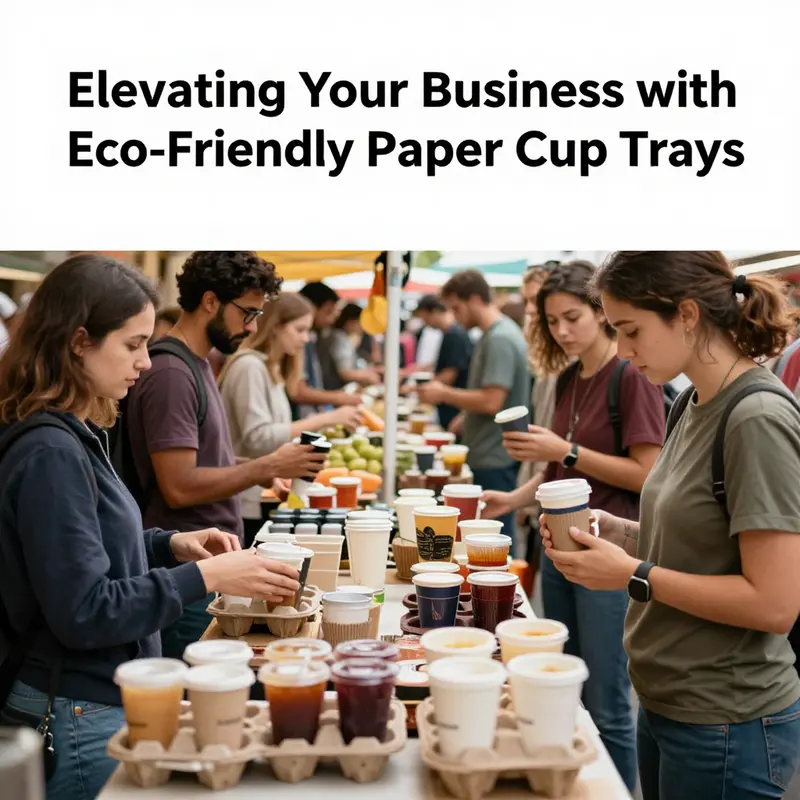
In busy environments such as coffee shops, fast-food outlets, and event venues, the practical design of paper cup trays plays a crucial role. These trays are not only functional but also designed for optimal utility, such as the four-compartment reusable carrier, which allows for simultaneous transport of multiple beverages while maintaining their temperature and quality. Cafés and restaurants are recognizing that an investment in sustainable tray designs is not merely an environmental decision but also a financial one that aligns their brand with consumer values, ultimately enhancing customer loyalty and satisfaction.
The growing focus on waste reduction has fostered an R&D surge in the manufacturing sector, where companies are exploring innovative ways to improve the performance and durability of paper-based tray solutions. Enhancements in technology and design are rendering these trays more robust and user-friendly, further solidifying their place in the beverage service ecosystem. Additionally, the transparency in sourcing materials—from sugarcane byproducts to domestically-sourced recycled paper—adds to the appeal of these products by enabling consumers to make informed eco-conscious decisions.
Brands that capitalize on these trends, effectively communicating their commitment to sustainability, will not only cater to current consumer preferences but will also position themselves as market leaders as the eco-friendly movement continues to grow. Socially responsible practices, such as sourcing locally and ensuring fully biodegradable or compostable product lifecycles, resonate powerfully with today’s environmentally aware shopper. This proactive approach to sustainability serves as a powerful differentiator in an increasingly crowded marketplace.
Moreover, as global sustainability initiatives gain momentum, the paper cup tray market exemplifies how industries can align profit motives with environmental stewardship. Companies making the leap towards green packaging can find themselves at the helm of a marketing wave that appeals to both conscientious consumers and environmentally-focused organizations. As sustainability becomes a valuable selling point, the integration of eco-conscious practices in production processes will reshape consumer perceptions and preferences for the foreseeable future.
The innovative materials and design features adopted in the production of paper cup trays are instrumental in meeting both environmental goals and consumer expectations, setting a standard that other sectors might emulate. As more consumers turn their attention to brands with eco-friendly packaging, the transition towards sustainable paper cup trays stands as a testament to the potential for positive change in consumer mindfulness and industry practices alike. To explore a range of sustainable food container solutions, including various paper cup trays, check out related offerings that resonate with this eco-centered approach.
2. The Economic Ecosystem Shaping Consumer Choices for Paper Cup Trays
The dynamics of the economic arena play a pivotal role in shaping market trends and consumer preferences regarding paper cup trays. These environmentally friendly alternatives to traditional disposable containers are becoming increasingly relevant, particularly amid rising awareness of ecological issues. However, to understand their adoption, we must first consider the broader economic factors influencing their production and consumption.
One primary variable affecting the market is the cost of raw materials. The prices of virgin pulp and recycled fibers can fluctuate based on several factors, including supply chain disruptions, increasing demand from related industries, and stringent environmental regulations. When the costs of these raw materials rise, manufacturers often find themselves faced with increased production expenses. In such cases, they may pass these costs onto consumers, which can lead to a reduction in demand. Conversely, when the prices of raw materials stabilize or decline, manufacturers can offer more competitive pricing, accompanying market growth. This delicate balance underscores the importance of monitoring economic conditions to better forecast trends in the paper cup tray industry.
Additionally, macroeconomic elements such as inflation, disposable income among consumers, and general economic confidence significantly influence purchasing behaviors. During economically challenging times, consumers typically gravitate toward more budget-friendly options. This shift often leads them to favour cost-effective paper cup trays over premium options, even when the latter offer eco-labels or other sustainable annotations. The tension between affordability and sustainability represents a key theme in the evolving consumer landscape.
Amid these fluctuating economic climates, one notable trend is the increasing investment in sustainable innovations within the paper cup tray sector. Companies are responding to heightened environmental awareness and regulatory impetus by adopting greener practices. Economic incentives, such as government subsidies for green manufacturing and carbon credits, can reduce financial barriers associated with these shifts. Such incentives enable companies to experiment with biodegradable materials without incurring prohibitive costs. This not only enhances their product offerings but also aligns their operations with a growing consumer preference for environmentally responsible products.
Moreover, the rise in consumer demand for sustainable options is influenced by broader societal shifts. As consumers become more attuned to the environmental consequences of their purchases, their willingness to pay a premium for eco-friendly products increases. This trend highlights the dual motivations driving consumer behavior: ethical concerns over sustainability and the long-term cost savings associated with reduced waste. However, there remains a challenge regarding the initial costs of sustainable alternatives; manufacturers must find a way to ensure their eco-friendly products are economically viable without sacrificing quality.
As technology advances, particularly in production methods, there is growing hope that companies can achieve economies of scale. Enhanced processing technologies typically lead to lower costs and improved efficiency, which ultimately encourages wider acceptance of sustainable paper cup trays. The interplay between innovation, scale, and investor confidence can ultimately affect the economic outcomes for businesses involved in this space.
In conclusion, as the paper cup tray market continues to evolve, the economic landscape will remain a crucial factor in determining both market trends and consumer preferences. The ongoing dialogue about cost versus sustainability reveals much about our society’s values and priorities. In an era where environmental concerns are rapidly escalating, aligning ecological responsibility with business interests will be crucial. Organizations that can navigate these economic currents while prioritizing sustainability will not only enhance their market offerings but also position themselves favorably within the industry landscape.
For those exploring various sustainable packaging options, including customizable solutions, consider investigating how paper cup trays can serve a dual purpose of convenience and environmental stewardship. You can find a variety of eco-friendly packaging products to suit your needs at Cofe-Cup’s online store.
3. The Role of Innovation in Shaping the Future of Paper Cup Trays
Innovation in technology is driving significant changes within the paper cup tray market, redefining consumer preferences and reshaping industry standards. As more businesses and consumers become aware of the environmental impacts of their choices, the demand for sustainable products is rising. This demand is prompting manufacturers to seek efficient and eco-friendly solutions, leading to intriguing developments in the design and functionality of paper cup trays.
One of the most notable technological advancements has been the introduction of high-speed forming technologies that enhance the production capabilities of paper cup trays. This innovation enables manufacturers to produce these trays at unprecedented rates to keep pace with the growing needs of the quick-service restaurant (QSR) sector and the booming take-away beverage market. In essence, efficiency in production processes not only meets current market demand but also minimizes operational costs, making it an appealing approach for many manufacturers.
Moreover, this surge in production capacity is complemented by a rising trend toward customization. With the development of modular production processes, manufacturers are now able to tailor paper cup trays to meet specific brand and logistical needs. This level of customization also extends to the materials used, as eco-friendly options gain prominence. Biodegradable coatings are increasingly being incorporated to enhance the water resistance and durability of paper cup trays, while plant-based inks provide vibrant printing options without compromising environmental standards. These innovations are pivotal as consumers exhibit a strong preference for products that reflect their values, especially regarding sustainability and environmental responsibility.
Integration of digital technologies represents another significant aspect of this evolution. Tools like artificial intelligence (AI) and the Internet of Things (IoT) are redefining how packaging solutions are developed, managed, and distributed. AI-driven design tools help optimize the geometry of paper cup trays, enabling manufacturers to reduce material waste and improve structural stability. This reduces production costs while ensuring that the trays can effectively carry the weight of beverages without failure.
Furthermore, IoT-enabled smart packaging capabilities have emerged, offering features like real-time tracking of product freshness and handling conditions. This enhancement offers added peace of mind for consumers while ensuring that product integrity is maintained throughout the supply chain. Such advancements cater to a growing consumer expectation for transparency and heightened safety in food and beverage packaging.
The impact of blockchain technology further underscores the shift toward sophisticated supply chain management in the paper cup tray market. Implementing blockchain ensures traceability and transparency in sourcing raw materials, which builds trust and credibility for brands that prioritize environmental stewardship. As consumers become more discerning regarding the products they choose, having verifiable sourcing information becomes increasingly crucial. This trend is seeing brands that embrace sustainable practices gain competitive advantages.
Market forecasts reinforce these innovations’ significance. The Global Paper Cups Market is anticipated to grow significantly, projected to rise from USD 14,035 million in 2023 to an astonishing USD 18,870.6 million by 2032, registering a compound annual growth rate (CAGR) of 3.77%. This growth reflects a robust consumer preference for sustainable solutions, which aligns with the technological advancements reshaping the paper cup tray landscape.
In conclusion, the fusion of technological innovation with sustainable practices is redefining the paper cup tray market landscape. The continuous emphasis on efficiency, customization, and environmental integrity will drive consumer preferences for years to come. For businesses eager to remain relevant in this dynamic market, adopting these innovations is not merely a choice but a necessity. The convergence of these advancements stands as a testament to the evolving narrative of sustainability within consumer packaging, heralding a future where eco-friendly products like paper cup trays become the norm rather than the exception.
Final thoughts
The evolution of paper cup trays signifies a pivotal shift in the beverage and food service industry’s approach to environmental responsibility. Business owners who embrace these sustainable solutions not only contribute positively to the planet but also align their brands with consumer values that favor eco-consciousness. By understanding the sustainability benefits, leveraging innovative designs, recognizing economic advantages, and adapting to current market trends, businesses can open new avenues for growth and loyalty among environmentally aware consumers. The use of paper cup trays represents a crucial step toward a more sustainable and profitable future.
Choose our reliable disposable tableware and packaging solutions for your business. We offer quality products that meet safety standards, with fast delivery and flexible options. Partner with us today to elevate your service – contact our team now for a tailored quote!
About us
We specialize in manufacturing and supplying disposable tableware, packaging paper, and boxes. With years of experience, we prioritize safety, durability, and eco-friendly practices. Our goal is to provide businesses with trusted, cost-effective solutions backed by responsive customer support.