
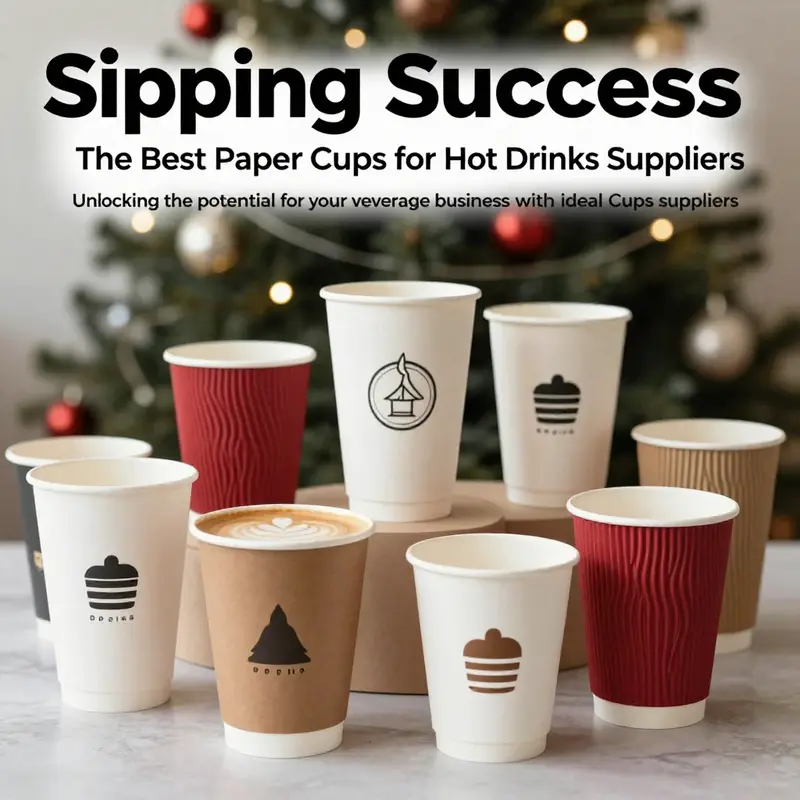
Navigating the world of suppliers for paper cups dedicated to hot drinks can seem daunting, yet it’s an essential task for businesses in the food and beverage industry. From bubble tea shops, restaurants, and food trucks to event planners and corporate procurement teams, finding reliable and durable packaging is key to enhancing customer experience. This article delves into notable suppliers specializing in hot drink paper cups: XINHUA, known for quality; HeFei Paka Eco-Tech, for cost-efficiency; and Qingdao Eastern Dragon, for reliability. Additionally, we will explore current trends and innovations in the industry to help you make informed decisions.
Choosing the Right Paper Cup Supplier: Balancing Quality, Cost and Sustainability for Hot Drinks
Overview of Supplier Choices for Hot-Drink Paper Cups
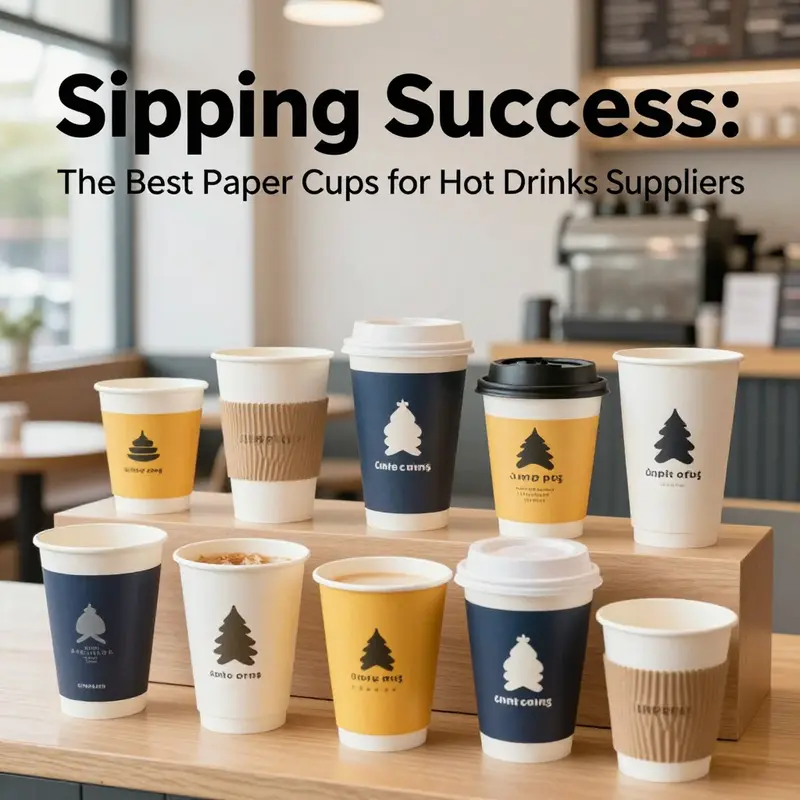
Selecting a supplier for paper cups intended for hot drinks requires a clear view of three overlapping priorities: material performance, operational reliability, and environmental responsibility. These priorities shape the decision process whether you are a café scaling takeaway sales or a distributor building a catalogue. The market is competitive, and many suppliers concentrate in regions with advanced pulp and paper industries. They deliver a range of options from budget-friendly single-wall cups to advanced ripple-insulated designs that enhance user comfort and beverage temperature retention.
Materials and construction matter first. High-quality hot-drink cups use food-grade paperboard with internal linings or coatings. Traditional polyethylene (PE) linings provide a reliable moisture barrier and proven heat resistance. More sustainable alternatives are gaining traction. PLA linings derived from plants and water-based coatings reduce reliance on fossil-derived polymers and can improve compostability under the right conditions. Kraft paper cores offer strength and a natural aesthetic, while white-bleached paperboards provide a better surface for printing. Some manufacturers combine multiple layers for insulation and stiffness. For instance, three-layer structures with an air gap or ripple surface create a thermal buffer. These designs reduce heat transfer and eliminate the need for external sleeves. They are especially useful where speed of service matters and staff must handle cups repeatedly.
Customization is a second key dimension. Suppliers commonly offer custom printing, sizing, and lid matching. Branding on the cup is a practical marketing channel for takeaway services. When evaluating customization, ask about minimum order quantities, print methods, and color fidelity. Flexographic printing is common for large runs, while digital printing allows shorter batches with complex graphics. Accurate die specifications and approval of pre-production samples are standard quality checks. Reliable suppliers provide clear samples for approval and accept iterations until the print, material, and fit meet your requirements. A vendor that offers lid compatibility, sleeve options, and bespoke packaging simplifies procurement and reduces the risk of mismatched components on arrival.
Certifications and testing establish trust. Look for suppliers with third-party certifications and testing records. Food-contact approvals from recognized laboratories confirm the absence of harmful substances. International certifications such as those from accredited testing bodies support export into strict markets. Other endorsements, like forest stewardship credentials, help verify that paper components originate from responsibly managed sources. Suppliers that publicize testing reports and maintain traceable sourcing reduce compliance risk and speed up customer approvals in regulated jurisdictions.
Operational reliability often separates short-term vendors from strategic partners. Key indicators include consistent quality control practices, transparent production timelines, and proven export experience. Ask about production capacity, typical lead times, and on-time delivery rates. Top-tier suppliers provide pre-production samples, in-line inspections, and final checks before shipment. They also communicate clearly about shipping terms and contingency plans for delays. If you depend on seasonal peaks or promotional campaigns, ensure the vendor has scalable capacity and documented performance on previous large orders. Established companies with long export histories tend to handle customs, documentation, and packaging for long-distance shipping more effectively.
Price competes with quality in every buying decision. Low unit costs may hide additional expenses when low-quality materials cause leaks, delamination, or poor print results. Compare total landed cost rather than unit price alone. Include freight, import duties, and the cost of potential replacements. Suppliers with lower MOQs and sample policies reduce initial risk and help smaller buyers test the market without committing to large stock. For businesses that prioritize low cost, some suppliers provide very competitive per-cup prices for basic single-wall cups. For those valuing performance, double-wall or ripple-insulated models offer better user experience and a premium appearance.
Sustainability trends deserve strategic attention. Consumer demand for eco-friendly packaging continues to rise. Suppliers are responding with compostable linings, recyclable paper constructions, and programs to reduce manufacturing waste. However, certifications and local composting infrastructure matter. A PLA-lined cup is compostable only where industrial composting is available. A paper cup with a PE lining may be recyclable in some systems but not others. Verify how a supplier documents environmental claims. Life-cycle evidence, chain-of-custody forest certifications, and transparent waste management practices strengthen sustainability claims. Suppliers that invest in more sustainable coatings and demonstrate end-of-life scenarios offer clearer value to brands seeking to reduce environmental impact.
Three supplier profiles illustrate the range of strategic choices. One manufacturer emphasizes high-performance insulated cups, using multi-layer construction and rigorous testing. Their offerings suit buyers who want premium heat retention and a comfortable hand feel. Certifications and established export channels signal readiness for international partnerships. Another supplier targets cost-conscious buyers, providing competitive unit prices across common sizes and generous sample policies. Their pricing and flexibility fit small chains and seasonal vendors testing branded cups. A third supplier focuses on kraft-style cups and on long-term, secure trading relationships. Strong payment protections and refund policies reduce procurement risk, and their reputation for consistency attracts buyers who value operational stability.
When evaluating potential partners, a consistent selection process helps. First, request technical datasheets and sample units. Verify construction details, lining types, and nominal weights. Second, review third-party test reports for food contact, migration, and moisture resistance. Third, assess print capabilities by requesting a printed sample of your artwork. Fourth, compare quotes using total landed cost. Fifth, confirm production lead times, capacity for scale, and contingency protocols. Finally, check trade credentials, member status on reputable export platforms, and reviews from other buyers. Suppliers with long export records to North America, Europe, and the Middle East often demonstrate the regulatory competence and logistical experience necessary for smooth transactions.
Practical negotiation tips protect buyers. Ask for a written sample approval step that locks in materials and print before mass production. Negotiate payment terms tied to milestones, and retain a small final payment until goods pass inspection at port. Specify packing details to avoid hidden costs from repackaging at arrival. If sustainability is a claim in your marketing, require proof of certifications and specify acceptable end-of-life labels. For repeat orders, establish annual reviews of quality and cost to capture improvements and maintain competitiveness.
As demand evolves, keep an eye on innovation. New coating technologies reduce reliance on traditional plastics. Improved digital printing systems lower setup costs for short runs. And thermal designs continue to refine the balance between insulation and material usage. Choosing a supplier is not only a transactional decision. It defines customer experience, brand expression, and environmental footprint. Target partners that can grow with your needs, demonstrate transparent practices, and support product differentiation.
For examples of eco-friendly printed cup options, see this eco-friendly printed paper cup product page for reference. For a broader directory of manufacturers and listings, refer to the Made-in-China paper cups search at https://www.made-in-china.com/products?keyword=hot+drink+paper+cups
XINHUA: Sustaining Temperature, Trust, and Trade—A Deep Dive into a Leading Paper Cup Supplier for Hot Drinks
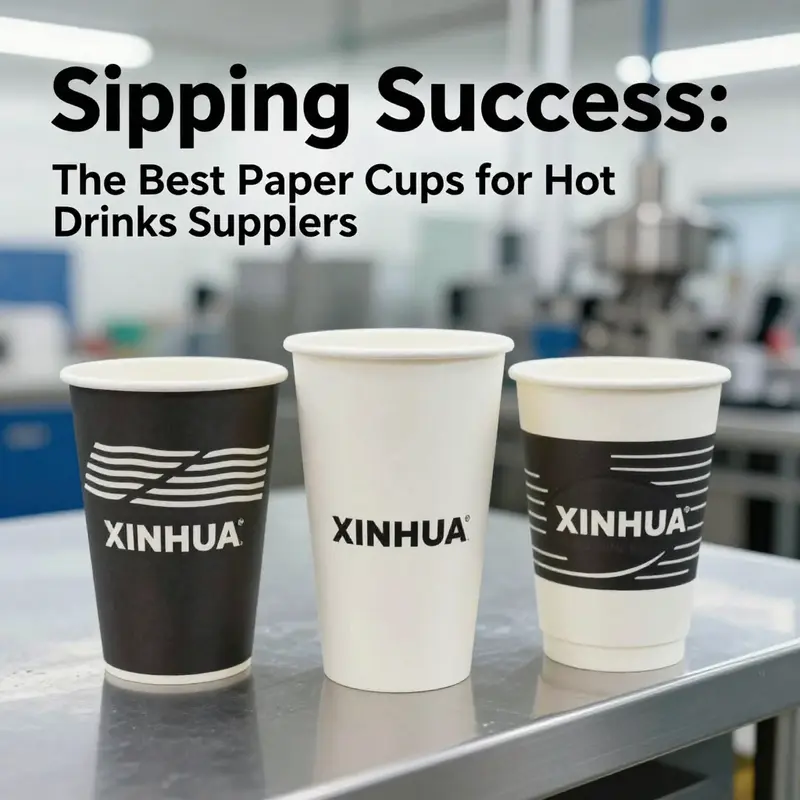
In the global marketplace of disposable tableware, where the competitive edge often hinges on reliability as much as price, XINHUA has carved a reputation as a leading global supplier of high-quality paper cups for hot drinks. The company’s staying power rests on a simple, powerful premise: materials that perform under heat, construction that preserves integrity, and a manufacturing ethos that aligns with contemporary demands for safety, sustainability, and scalable customization. The result is a portfolio that reads not just as a catalog of products, but as a narrative about what it means to govern supply with precision while gently steering the market toward better practices. In practice, this means cups designed with a three-layer structure that combines outer kraft paper, a robust internal barrier, and an insulating air layer that slows heat transfer. The engineering is purpose-built to keep beverages hot without scalding hands, a detail that matters in busy cafés, vending machines, and catering events where customer experience hinges on comfort and convenience as much as containment. While many suppliers can claim heat resistance, XINHUA backs its offerings with a suite of certifications that speak to a broader commitment: food-grade safety, regulatory compliance across markets, and accountability across production cycles. SGS, TÜV, and FDA certifications are not merely checkboxes; they function as a signal to buyers that the company has built a quality system capable of sustaining performance under varied conditions and across diverse geographies. The financial and logistical implications of such credentials are meaningful for operators who source at scale. When a café chain or university can standardize on a single supplier for hot-drink cups, the benefits accrue in consistency, budgeting, and supplier risk management. XINHUA’s export footprint reinforces this, illustrating a logistics sensibility that understands the rhythms of international trade—lead times, packaging configurations, and the nuanced needs of customers who demand dependable delivery windows and clear documentation for customs and compliance.
This is where the company’s OEM/ODM capability becomes a strategic differentiator. Buyers are not confined to a fixed lineup; they can co-create cups that fit specific branding, ergonomic preferences, and operational contexts. The ability to tailor dimensions, handle shapes, and print options—within strict safety and material guidelines—transforms a generic commodity into a tool for brand expression and service optimization. The emphasis on customization also reflects a deeper understanding: hot-drink occasions vary by venue, season, and service model. A coffee shop that pours dozens of daily beverages expects a cup that feels right in hand, matches the cup sleeve, and does not compromise the drink’s integrity during transport from counter to customer. In practice, XINHUA’s approach translates into flexible order quantities and bulk packaging arrangements that accommodate both high-volume exports and smaller pilots. For small and mid-sized enterprises exploring standardized solutions, the option to test with a scalable MOQ while retaining design freedom can be a decisive factor in supplier selection.
Quality control at XINHUA is neither peripheral nor episodic. Each cup passes through a triad of inspections that collectively safeguard appearance, containment, and compatibility. Appearance checks scrutinize the rim finish and print quality, ensuring that the visual presentation remains appealing from first sight to last. Leaking tests verify the integrity of the seal and wall construction under thermal stress, a critical metric for hot beverages that are carried or stored briefly before consumption. Fitting inspections assess compatibility with lids and sleeves, minimizing the risk of gaps or motion-related leaks that can mar the consumer experience. This structured, repeatable process underpins confidence across the entire supply chain: from the factory floor to a buyer’s shelves, and from a distributor’s warehouse to the end user’s hands. It is this combination of material science, process discipline, and certification-driven credibility that makes XINHUA a reliable partner for a broad spectrum of buyers—from independent cafés to large-scale catering operations.
Beyond performance, there is a growing and increasingly critical emphasis on sustainability. XINHUA’s offering includes options that are recyclable and biodegradable, aligning with a shift in consumer expectations and regulatory landscapes that prize responsible end-of-life outcomes. For operators, sustainability is not merely about compliance; it is a business driver. Recyclable cups reduce waste management complexity, while biodegradable variants address consumer concerns about compostability and environmental impact. The company’s capacity to deliver eco-friendly options at scale demonstrates that responsible production can coexist with competitive pricing and consistent performance. In a market where every decision—from raw material sourcing to packaging design—affects the total cost of ownership, the ability to balance cost with environmental considerations becomes a meaningful differentiator. It also supports a broader industry trend toward transparent supply chains, traceability, and accountability—elements that increasingly influence procurement decisions in hospitality and institutional settings.
For buyers seeking assurance in a partner, XINHUA’s track record provides a compelling case study in reliability and export readiness. With more than a decade in operation and a robust global export footprint, the company demonstrates what it means to be both a dependable supplier of hot-drink cups and a thoughtful collaborator in brand development. The OEM/ODM framework is not merely about customization; it signals a willingness to invest in long-term relationships and to adapt to evolving market requirements. In practical terms, this translates into clear communication channels, predictable production schedules, and a willingness to accommodate changes that arise from shifts in demand, seasonal campaigns, or regulatory updates. Such adaptability is particularly valuable in an industry where a single promotional event or a seasonal menu change can create spikes in demand. For buyers, these attributes reduce volatility and enable more accurate demand forecasting and budgeting.
The sourcing journey does not end with product quality and certifications. It extends into the practicalities of how a supplier supports customers through the decision-making and onboarding process. XINHUA’s value proposition includes flexible custom orders, informed by a deep understanding of production capabilities and lead times. This matters to operators who must align procurement with rollout plans, marketing calendars, and equipment compatibility. Bulk packaging options, another practical consideration, influence warehousing, shipping costs, and on-site handling. A well-packaged, consistently reliable product reduces the friction that often accompanies new supplier onboarding and accelerates time-to-value for new programs.
For readers seeking further exploration of supplier capabilities, it helps to look at how such partnerships translate into real-world decision-making. The landscape includes platforms and marketplaces where buyers gather information, compare options, and place orders with confidence. As part of broader sourcing, a reputable platform can serve as a conduit to verified manufacturers and provide additional assurances around compliance, logistics, and after-sales support. In this narrative, XINHUA’s profile reinforces the idea that a leading supplier does more than produce a cup; it helps shape the service ecology around hot drinks—from brand consistency to customer experience and sustainable outcomes. For readers interested in practical examples of design and material choices that align with eco-friendly and ergonomic goals, a resource discussing customizable cup designs and related accessories can be insightful and illustrative. See this resource on eco-friendly, printed cup designs with lids for inspiration: eco-friendly printed logo paper cups with lids.
Those seeking a more expansive view of supplier credibility and the rhythms of international trade can also consult external documentation from established marketplaces. The XINHUA profile, defect testing, and certification framework align with common industry expectations reflected in widely used sourcing channels. In this context, buyers often weigh factors such as traceability, payment security, and refund policies, alongside product performance. XINHUA’s emphasis on three-layer insulation, heat resistance, and consumer comfort, underpinned by rigorous quality checks, positions it as a credible option for long-term partnerships where consistency and risk management matter as much as price.
External resources can augment internal due diligence, offering broader context on how suppliers navigate regulatory landscapes, certifications, and cross-border logistics. A comprehensive external reference that complements the above discussion can be found on leading supplier platforms, which catalog product categories, certifications, and export capabilities in a way that helps buyers triangulate options and make informed decisions. External resource: https://www.alibaba.com/product-detail/XINHUA-XH025416-Single-Wall-3-to-16oz_1600498157557.html
In sum, XINHUA embodies a distinctive blend of performance, governance, and adaptability that resonates with the expectations of today’s hot-drink service operators. Its emphasis on durable materials, insulated design, and food-grade safety creates a foundation that supports both everyday operations and strategic growth. The company’s ability to marry customization with robust quality control—across a web of global markets—offers buyers a pathway to reduce risk, optimize supply chains, and elevate the overall consumer experience. For anyone evaluating a supplier for paper cups intended for hot beverages, XINHUA’s profile illustrates how a well-constructed product, backed by credible certifications and a responsive manufacturing protocol, can become a core asset in a brand’s service toolkit. And because the sourcing journey is ongoing, prospective buyers are encouraged to explore related resources, compare experiences, and consider how a partner’s values align with their own commitments to quality, safety, and sustainability. The choice of a supplier is more than a transaction; it is an alliance that can influence product performance, customer satisfaction, and the trajectory of a business in a crowded and evolving market.
Affordable Precision in Hot-Drink Packaging: HeFei Paka Eco-Tech’s Value-Driven Paper Cups for Busy Cafés and Vendors
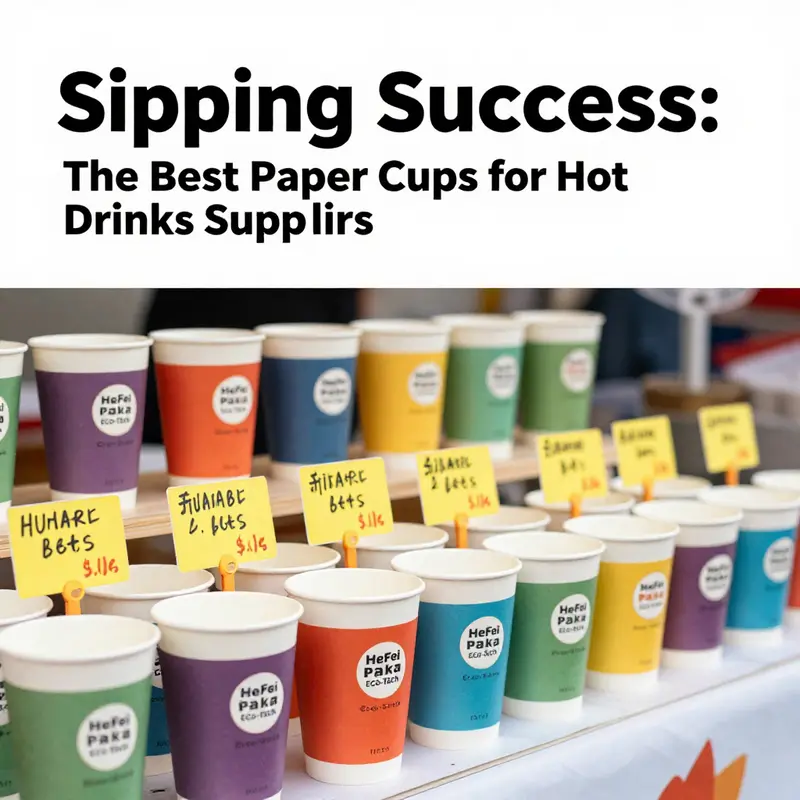
In the hot-drink cup market, price, reliability, and a steady supply chain are as crucial as insulation. HeFei Paka Eco-Tech Co., Ltd. positions itself as an affordable supplier that does not sacrifice essential performance. The company’s diamond member status signals volume, consistency, and a commitment to long-term partnerships, which helps prevent stockouts during peak hours and busy service windows. For operators, that reliability translates into predictable lead times and smoother scheduling, even as demand fluctuates.
From a product perspective, HeFei Paka’s disposable cups focus on practical performance and scalable customization. A key feature is double-wall insulation, which keeps beverages hot while reducing heat transfer to the exterior, protecting hands and enabling more comfortable service during rush periods. While the exact specifications vary by size, the available options align with common café needs, supporting straightforward menu planning and inventory management for daily operations and event-based service.
Customization is a core pillar of the value proposition. Cup handles, lids, and printed logos can be tailored, allowing brands to project a cohesive image across venues—from standalone cafés to market pop-ups and corporate events. This combination of functional design and branding turns packaging into a strategic touchpoint rather than a mere utility product.
Pricing and order terms are central to affordability. HeFei Paka emphasizes cost efficiency with FOB prices that start at a notably economical level and a minimum order quantity of 50,000 pieces. For smaller operators, the MOQ may be a hurdle, but the long-run unit economics—reduced per-unit handling, better freight terms, and simplified procurement with a single supplier—can justify the scale.
Beyond price, the broader supply chain context matters. Fiber costs, manufacturing capacity, and logistics influence lead times and pricing bands, so bulk-focused suppliers like HeFei Paka can offer more predictable scheduling and fewer stockouts. The company’s eco-friendly production stance also aligns with growing buyer expectations for responsible packaging, balancing price with environmental considerations. Prospective buyers can request samples to validate insulation performance and print compatibility before committing to a large order, helping de-risk the procurement process.
For operators seeking additional transparency, the supplier maintains active profiles on well-known sourcing platforms, including Made-in-China, which consolidate product specifications, pricing nuances, and customization options in one place. These channels provide a practical starting point for inquiries, lead-time discussions, and alignment on branding and logistics. In short, HeFei Paka Eco-Tech offers an affordable, customizable, insulation-focused cup line designed to support busy cafés, pop-ups, and event vendors in delivering consistent hot beverages at scale.
Qingdao Eastern Dragon: A Steady Partner in the Hot-Drink Cup Supply Chain

In the evolving ecosystem of paper-cup suppliers for hot beverages, Qingdao Eastern Dragon Pulp & Paper Co., Ltd. stands out as a verified, dependable partner whose focus on durable, heat-ready cup solutions aligns with the needs of cafes, hospitality chains, and contract-packaging operations. The company has cultivated a reputation for producing cups designed to withstand the rigors of daily service, from rapid, high-volume service at busy mornings to the more controlled demands of event catering. The emphasis on strong performance under heat is not just about keeping drinks hot for longer; it is also about safeguarding hands and reducing messy spillages, two practical considerations that store managers and baristas consistently weigh when selecting a supplier. In this sense, Qingdao Eastern Dragon meets a core criterion for buyers who seek reliability without compromising user experience.
A broad product range sits at the heart of their offering. The catalog spans cups intended for hot and cold drinks, with lines that accommodate coffee, tea, and other beverages. The emphasis is on versatility: a portfolio that can support a single concept across multiple formats while still delivering consistent performance. The company has also expanded into eco-conscious options, acknowledging the growing demand for packaging that aligns with sustainability goals. This breadth makes the supplier appealing to brands pursuing continuity across product categories and seasonal campaigns, rather than chasing a new supplier for every line item.
Among the defining features of their hot-drink cup line is the presence of a robust barrier in the cup’s construction. The cups are designed to endure high temperatures and resist leaks, a combination that translates into fewer service interruptions and less waste in both kitchen and back-of-house operations. The barrier coating, paired with a sturdy base paper, contributes to a reliable performance during transport and handling, even when beverages are filled to standard hot-drink levels. For brands that rely on customization to reinforce their identity, the option for custom printing is a meaningful advantage. Being able to place logos, messaging, or seasonal artwork directly onto the cups supports brand consistency across locations and channels, from in-store service to take-away orders. As a buyer, this means you can maintain a cohesive brand experience without the friction of sourcing multiple packaging partners.
The supplier’s standing in the international trade community further enhances its appeal. Qingdao Eastern Dragon has earned a solid 5.0 out of 5 rating on a prominent global sourcing platform, reflecting consistent performance and buyer satisfaction over time. Since 2013, they have been recognized as a Diamond Member, a designation that signals not only interest in long-term relationships but also demonstrated reliability in fulfilling orders, handling payments securely, and honoring commitments to buyers. A Diamond Member status often implies a track record of working with global buyers, which can translate into smoother communications, more predictable lead times, and clearer dispute resolution processes should issues arise. For procurement teams mindful of risk management, these credentials contribute to a sense of stability that is hard to obtain from newer entrants to the market.
Another practical strength lies in the company’s trade terms and protective measures for buyers. The practice of secure trading services that include refund protections offers a layer of security that goes beyond price and delivery timelines. If an shipment fails to ship, goes missing, or arrives damaged, such protections reduce the financial exposure that brands face when onboarding a new supplier. In markets where supply disruptions can ripple across marketing calendars and product launches, this kind of protection is a meaningful differentiator. Buyers often view it as a signal that the supplier views the relationship as long-term rather than transactional.
From a cost and capacity perspective, Qingdao Eastern Dragon presents a compelling proposition for different scales of operation. Sample orders are available at a modest price point, enabling teams to evaluate fit without committing large sums upfront. The sample program is complemented by an appetite for bulk orders, with pricing structures that reward larger purchases. The stated bulk-order framework underscores the supplier’s capacity to handle substantial volumes, a crucial consideration for bakery chains, coffee roasters, and contract-packagers who require consistent supply across multiple locations or client projects. The minimum order quantities, typically in the tens of tons range depending on product type, reflect a manufacturing footprint built to serve both mid-market and larger clients. This balance between accessibility for smaller buyers and scale for bigger operators helps position Qingdao Eastern Dragon as a practical partner across a broad spectrum of sourcing needs.
For buyers who rely on design as a differentiator, the option to customize extends beyond simple branding. Custom printing allows a business to translate its visual identity into the packaging it patrons handle daily. The cups thus become a mobile surface for brand storytelling, reinforcing recognition at the point of consumption and potentially driving repeat purchases. In conjunction with reliability and protective features, customization helps ensure that the packaging becomes an extension of the product itself rather than a disposable afterthought.
The practical implications of engaging with Qingdao Eastern Dragon are clearest when considering how a sourcing team plans procurement cycles. The combination of a proven track record, robust product performance, and protective trade terms reduces the cognitive load on buyers who juggle multiple supplier relationships. Rather than negotiating separate terms with several vendors, a buyer can anchor their hot-beverage packaging needs to a supplier known for consistent quality and dependable execution. This alignment supports demand planning, inventory management, and cost control—factors that are especially valuable in markets characterized by seasonal peaks and shifting consumer preferences.
To illustrate a real-world touchpoint for buyers exploring this supplier, one can consider the practical example of a ready-made packaging option that demonstrates the company’s commitment to utility and design. The product line includes cups that offer reliable heat resistance and leak-proof performance, with the added benefit of the opportunity for brand-specific printing. This combination—durability, branding capability, and a clear path to secure procurement terms—helps explain why buyers may view this supplier as a staple in a well-rounded sourcing strategy for hot-drink packaging. For those evaluating practical samples, a direct look at a typical example of their offering can be informative: a cup designed for hot beverages that supports brand imprinting and can be evaluated for fit in a brand’s service workflow. To explore this example, you can visit the following internal resource: 26oz kraft paper soup cup with lid. This link showcases the kind of packaging proposition that aligns with Qingdao Eastern Dragon’s emphasis on durability, customization, and service reliability.
While the internal landscape features several strong players, Qingdao Eastern Dragon’s profile is particularly aligned with brands seeking long-term stability in hot-drink packaging. Their emphasis on robust barrier properties, the capacity to handle both hot and cold beverage formats, and the ability to customize while preserving performance makes them a compelling option for those who want a single supplier to cover diverse cup needs. The supplier’s rating and Diamond Member status, combined with a transparent approach to samples and bulk pricing, provide a practical framework for procurement teams to move from evaluation to scale with confidence. The combination of product performance and risk-management measures means buyers can plan campaigns and seasonal promotions with a level of assurance that is often difficult to achieve in a market marked by rapid change and price volatility.
For buyers who want a broader external reference to validate the supplier’s market presence and product positioning, the Made-in-China listing offers a consolidated profile of the company’s capabilities and trade terms. This external resource complements the internal observations and gives buyers a touchpoint to cross-verify certifications, payment security, and the general reputation that underpins day-to-day procurement decisions. Access the external profile here: https://www.made-in-china.com/products?keyword=Qingdao+Eastern+Dragon+Pulp+%26+Paper+Co.+Ltd.+Hot+Drink+Cups.
In sum, Qingdao Eastern Dragon Pulp & Paper Co., Ltd. embodies a balanced package for buyers prioritizing reliability, performance, and brand-led design in hot-drink packaging. Their focus on durable barrier-coated cups that can withstand heat, combined with a proven track record and protective buyer protections, positions them as a steady, long-term partner in the supply chain. As brands continue to operationalize their packaging strategies in a way that supports both consumer experience and logistical efficiency, this supplier’s model offers a practical blueprint for value, consistency, and scalable collaboration within the hot-beverage packaging ecosystem.
Brewing Ahead: Trends, Innovations, and Trust in the Paper Cup Supply for Hot Drinks
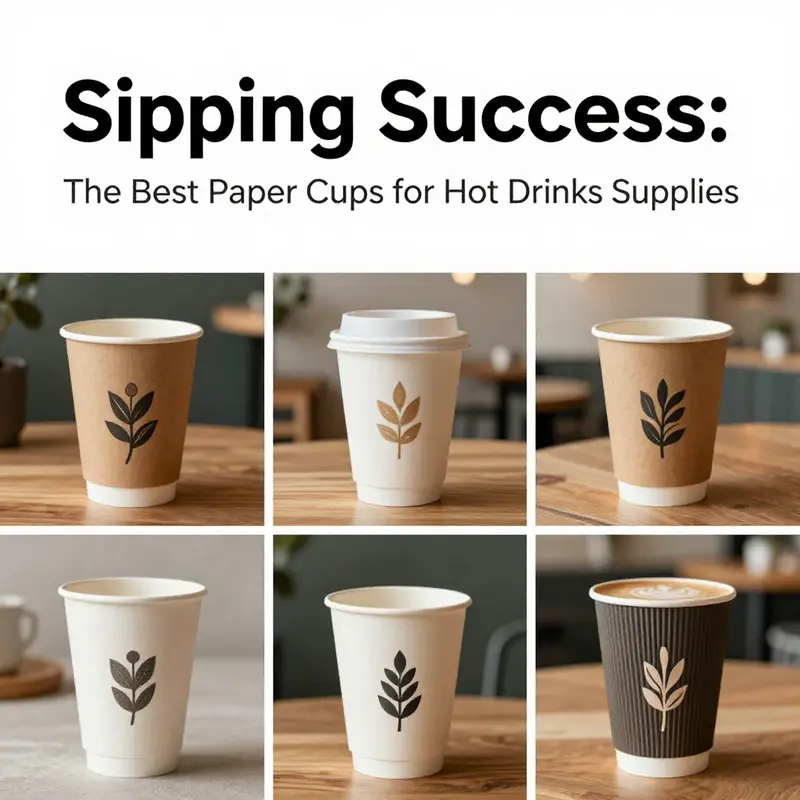
The paper cup market for hot drinks sits at a dynamic intersection of convenience, safety, and sustainability. As urban lifestyles accelerate and coffee culture becomes a daily ritual in cities worldwide, the demand for reliable single use solutions that keep beverages hot while protecting hands continues to rise. Industry projections place the global market in the multi billion dollar range, with robust growth driven by the take out and on the go segments. This momentum is not simply about more cups; it reflects a shift toward smarter materials, better coatings, and smarter design that can withstand heat, resist leaks, and align with evolving consumer expectations around environmental responsibility and safety. For buyers seeking to build resilient supply chains, the landscape offers a spectrum of choices that balance quality, cost, and reliability, while increasingly prioritizing sustainability as a core value rather than a peripheral feature. The result is a market where brands are not just selecting a cup but partnering with suppliers who can deliver consistent performance, transparent certifications, and scalable capacity in a way that supports long term planning and dependable service to coffee shops, cafeterias, and food service networks alike. In this environment, the stories of a few leading suppliers can illuminate why different approaches matter and how buyers can align their procurement strategies with both immediate needs and future goals.
Within this evolving frame, three suppliers emerge as touchpoints for different buyer priorities. One is frequently cited for its deep manufacturing experience and a reputation for high quality food grade paperboard performance. This player emphasizes structural integrity plus effective insulation, aided by a three layer construction that helps keep beverages hot while shielding hands from heat. A key strength here is a broad certification portfolio that includes recognized international standards, which signals reliability for global exports and regulatory calm for customers operating in diverse geographic markets. Importantly, this supplier also offers customizable printing options, enabling brand differentiation without sacrificing performance. For organizations pursuing premium performance and predictable supply, this focus on quality and certified safety creates a foundation of trust that supports large scale deployments and long term contracts.
Another supplier stands out for its cost effectiveness and a proven track record of repeat orders. Market observers note its competitive unit pricing and the appeal of free samples, a practical invitation to trial new formats before committing to larger purchases. The breadth of cup sizes available from this source, along with the option to customize prints and lids, meets the needs of smaller operators as well as medium scale buyers expanding their range. The emphasis here is on value without compromising essential performance, making it attractive for startups and mid sized firms seeking predictable budgeting and rapid onboarding. An important element of this approach is a commitment to eco friendly production practices, which aligns with growing corporate social responsibility agendas and helps buyers reduce their own environmental footprints without sacrificing affordability.
A third supplier, focused on kraft paper and hot beverage cups, highlights reliability through a well established track record since 2013 and a set of payment security and refund policies that many buyers find reassuring for long term partnerships. This emphasis on financial and transactional safeguards complements a reputation for steady quality and service continuity. For buyers prioritizing stability and a low risk profile, including predictable lead times and straightforward dispute resolution, this supplier represents a dependable option that reduces sourcing friction. Taken together, these cases illustrate a spectrum of strengths across the market: premium quality and performance, aggressive pricing with rapid testing, and reliable process governance that supports durable supplier relationships.
The decision for potential buyers often boils down to aligning supplier strengths with strategic procurement goals. For organizations where performance and brand integrity are non negotiable, a partner with strong certifications and a history of rigorous quality control tends to prevail. Where cash flow and rapid experimentation drive growth, a supplier offering flexible pricing and sample programs can unlock new concepts without tying up capital. And for buyers who value predictable service levels and financial safeguards, a partner with robust payment policies and stable delivery histories reduces the operational risk inherent in any large scale sourcing program. A practical way to navigate these choices is to map supplier attributes to procurement priorities, ensuring that every selection supports risk management, cost control, and brand consistency across all customer touchpoints.
As buyers consider this landscape, they may also encounter options that fuse sustainability with design and functionality. The industry has been moving beyond simply meeting minimum waste regulations to embracing materials and coatings that can be recycled or composted under appropriate conditions. Biodegradable and compostable options are no longer niche offerings; they are becoming mainstream in many supplier portfolios as manufacturers invest in supply chains that minimize environmental impact. Recyclable coatings and alternative barriers are also advancing, addressing performance gaps while appealing to consumers who expect responsible choices from brands. In parallel, designers are exploring forms that blend aesthetics with practicality. For example, patterns and finishes are evolving to elevate tea and coffee service experiences, whether in casual settings or more formal environments. Lightweight yet sturdy constructions, combined with protective inner layers and heat resistant surfaces, are increasingly common features that satisfy both comfort and safety requirements. A notable trend is the emergence of color and stripe motifs that convey a sense of occasion without adding compromise to usability. In practice, these innovations translate into cups that feel premium in hand and perform reliably in service lines that demand speed and consistency.
Looking to the future, the convergence of technology and sustainability is likely to sharpen. Smart features such as temperature sensitive sleeves offer a subtle way to communicate whether a drink is still hot enough to sip, while embedded or linked QR codes can enhance brand storytelling or provide recycling guidance to consumers. These technological touches do not replace core performance, but they complement it by delivering a more engaging user experience and clearer end of life instructions. For buyers, this trend suggests that supplier evaluations should consider not only current certifications and price points but also the capacity for ongoing innovation and collaboration on circular economy initiatives. A supplier that can align product design with evolving regulatory expectations, environmental goals, and consumer preferences will be better positioned to sustain supply continuity as markets tighten and regulations tighten further.
From a practical sourcing perspective, the landscape encourages a balanced approach. Buyers should perform due diligence on certifications and production practices, particularly for items designated as food contact materials, to avoid regulatory pitfalls and ensure consumer safety. They should also assess capacity and redundancy to manage seasonality in demand and to shelter operations from potential disruptions. When possible, engaging with suppliers that demonstrate transparent pricing, clear lead times, and straightforward return or refund policies can reduce procurement friction during contract renegotiations or when revising packaging configurations. In addition to direct supplier assessments, buyers often benefit from exploring reputable platforms that host multiple manufacturers. Direct engagement with these ecosystems can yield broader options, more competitive terms, and access to value added services such as co development and logistical support. For buyers seeking practical demonstrations of eco friendly options in action, a representative page dedicated to sustainable and printed configurations offers a tangible glimpse into how partnerships can translate into compelling customer experiences. The page highlights a selection of eco friendly printed logo options for take away cups that can align with brand identity while maintaining performance standards. eco-friendly printed-logo paper cups.
Amid these developments, the importance of a thoughtful sourcing plan becomes evident. A sound plan lays out not only the immediate needs for beverage service but also long term objectives around sustainability and cost control. Buyers should consider lifecycle costs, including material sourcing, coatings, and end of life handling, to ensure that the chosen cups align with broader environmental commitments. Regional considerations matter as well; proximity to manufacturing hubs can reduce freight costs and lead times, while local compliance with waste management practices supports smoother post use processing. The interplay between regional logistics, supplier reliability, and regulatory expectations ultimately shapes the total cost of ownership and the quality of the service experience delivered to end customers.
For researchers and practitioners seeking a broader lens on market dynamics, it is useful to consult industry wide analyses that aggregate trends across geographies and product classes. One external resource offers a comprehensive overview of hot paper cup market dynamics, including drivers, constraints, and strategic implications for manufacturers and buyers. This landscape view complements supplier specific insights by framing how changes in consumer behavior, urbanization, and take out culture influence sourcing decisions and product development cycles. External perspective: https://www.marketresearchfuture.com/reports/hot-paper-cup-market-4897
Final thoughts
Selecting the right supplier for paper cups used for hot drinks is essential for enhancing the customer experience and ensuring operational efficiency. Understanding the strengths of companies like XINHUA, HeFei Paka Eco-Tech, and Qingdao Eastern Dragon allows businesses to make informed choices based on their unique needs. As trends continue to evolve with sustainability at the forefront, staying updated on these developments will empower food and beverage businesses to thrive. Choose wisely to complement your dynamic offerings and meet customer expectations.