
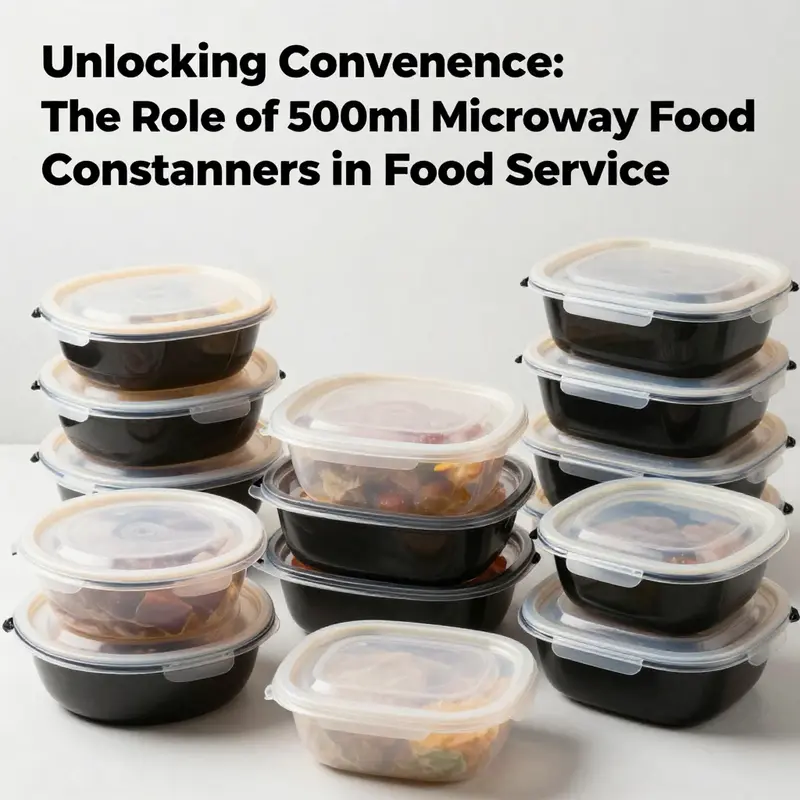
Plastic 500ml microwave food takeaway containers have become essential for establishments like bubble tea shops, restaurants, food trucks, and catering services. Their practical design meets the diverse needs of modern food service, ensuring safe food storage, transport, and convenience. This article will highlight the specifications that make these containers ideal, delve into their numerous benefits, explore various industry applications, consider their environmental impact, and predict future trends in their use and design. By the end, readers will understand why adopting these containers can optimize operations and enhance customer satisfaction.
From Form to Function: The Specifications That Shape a 500ml Microwave Takeaway Container
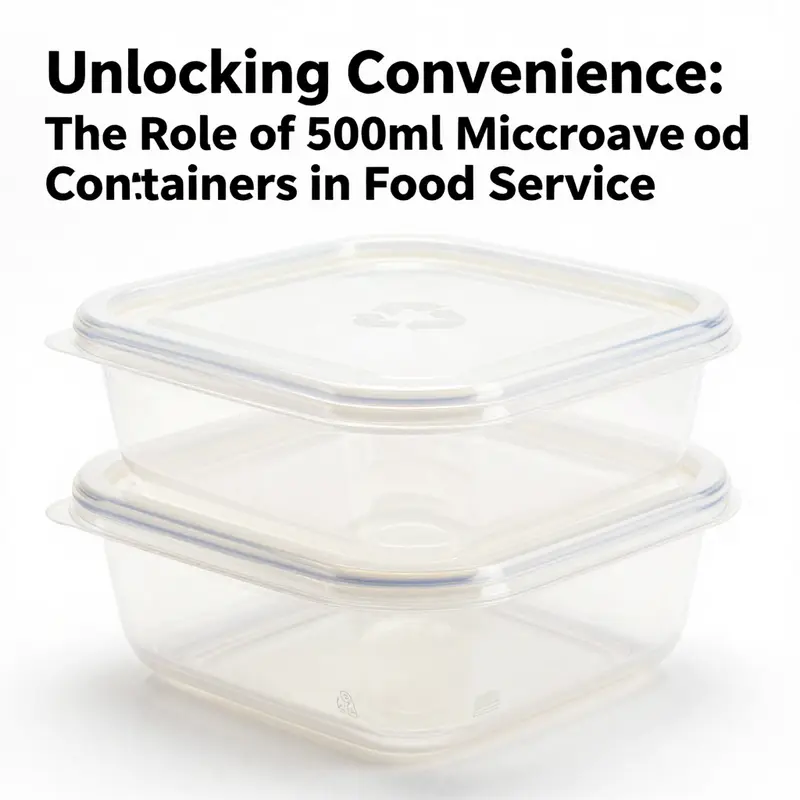
The 500ml microwave takeaway container sits at a critical juncture where portion control, transport safety, and everyday practicality converge. Its design is not simply about holding food; it is about ensuring that a finished, reheated meal travels from kitchen to consumer with minimal fuss, maximum reliability, and a footprint that aligns with both industry standards and evolving consumer expectations. At the heart of this container is a choice of material that champions safety while delivering performance across the stages of a meal’s life—from hot service in a cafe to the quiet, cold storage of leftovers at home.
Material choice anchors the entire conversation about these containers. The primary material is food-grade polypropylene, a plastic widely recognized for its robust performance in cooking-related temperatures and its general compatibility with food contact. This isn’t a casual preference; it is a deliberate selection guided by regulatory frameworks that govern what can and cannot touch our meals. In many regions, polypropylene used for food contact must meet stringent safety certifications, ensuring that the material remains stable under normal heating conditions and does not release hazardous compounds into food. The BPA-free nature of these containers further reinforces the safety narrative. By avoiding Bisphenol A, manufacturers align with health considerations that concern some plastics, offering reassurance to both service operators and diners who reheated meals at home.
The safety story does not end with the raw material. The containers are designed with microwave safety in mind, typically tested to withstand heating at temperatures common in home and commercial kitchens. The practical implication is straightforward: a single-serve meal can be heated, checked for temperature, and consumed without the need to transfer food to another dish. This convenience is essential for takeout services, where speed and reliability can influence the customer’s overall experience. In addition to microwaving, these containers are described as freezer-safe, which broadens their utility. They can be prepped, portioned, and stored for later use, supporting meal-prepping trends and reducing food waste. Some designs even advertise dishwasher safety, a feature that simplifies post-meal cleanup for households and facility kitchens alike.
A fundamental design feature for any takeout container is its leak-proof quality. The lids are typically engineered to snap on or lock securely, creating a barrier against sauces and liquids that might otherwise spill during transit. This risk mitigation is crucial for driving customer satisfaction and minimizing costs associated with spoilage, misdelivery, or customer complaints. Alongside leak resistance, these containers must tolerate a range of environmental conditions. They are intended for use in the freezer, fridge, and microwave, and the interplay of temperature changes across those environments demands a sturdy build and dependable seals.
In terms of form, the standard capacity of 500ml is more than a mere capacity figure. It functions as a standardized measure that supports portion control and predictable inventory management for kitchens and catering operations. It also informs the scale of the packaging work itself. The dimensions—roughly in the vicinity of 170mm in diameter, 117mm in height, and about 60mm in depth—provide a practical envelope for the kinds of meals typically served in single portions. While manufacturers pull slightly different numbers, the 500ml standard helps operators assemble menus, plan takeaway packaging, and optimize storage and stacking in busy service environments.
The visual language of these containers often includes a clear lid, a design detail that serves a simple but powerful purpose: visibility. When a lid is transparent, customers and staff can quickly gauge the contents, assess portion size, and determine freshness without opening the container. This feature complements the broader push toward efficient service and transparent consumer communication. Color options, including transparent or black variants, add another layer of practicality. Transparent options facilitate quick visual checks, while darker tones may be preferred for certain branding or for concealing the contents of a meal that might stain lighter plastics over time.
Another standout feature in the specification sheet is the emphasis on stackability and space efficiency. Containers are engineered to nest and stack securely, which is a major advantage in crowded kitchens and in the logistics chain that moves meals from point A to point B. Some design iterations claim significant improvements in stackability, offering more compact storage and easier handling during delivery. A related space-saving consideration is the possibility of folding or collapsing designs. When empty, collapsible variants can reduce storage space by substantial margins, a practical boon for facilities with limited storage real estate or fleets that must carry a wide variety of packaging options without sacrificing load capacity.
Precision manufacturing is essential to consistent performance. A tight dimensional tolerance, such as 1.0mm, ensures that each unit aligns well with others in a stack or in a storage bin. This precision minimizes wasted space and reduces the likelihood of misfits that complicate packaging, stacking, or transportation. The result is not only an orderly warehouse floor but also a smoother consumer experience, where a lid fits securely and food remains contained during transit.
The lifecycle of a 500ml container extends beyond the moment of purchase. It serves a broad spectrum of uses—from the heavy demands of the food service industry, where takeout and catering rely on reliable packaging, to the more intimate settings of home storage and meal-prep routines. For the food service segment, these containers streamline delivery and service. Their snug-fit lids help preserve heat and moisture, supporting the delivery of warm, appetizing meals to customers. In catering and event scenarios, the portability and portion control aspects align with the needs of banquet-style or event-driven dining, where portions must be equitable, presentable, and easy to transport.
Retail packaging and hospitality further illustrate the versatility of the 500ml container. In supermarkets and online food service platforms, such containers enable ready-to-eat meals and snacks to be distributed with a reliable packaging solution that supports freshness and safe handling. In hotels and airline service contexts, the packaging design translates into efficiency, allowing room service and onboard meals to be delivered in a way that minimizes leakage and supports consistent presentation, even under less-than-ideal travel conditions.
No discussion of these containers would be complete without addressing health and environmental considerations. On the health side, the BPA-free promise remains a key part of consumer confidence. The ability to safely reheat meals without the risk of harmful chemical migration is a central claim that underpins both consumer trust and compliance with regulatory expectations. On the environmental front, the conversation is more nuanced. Reusable, recyclable containers can contribute to sustainability goals, but the proliferation of disposable options has raised legitimate concerns about plastic waste and pollution. The materials selected are often chosen to balance performance with recyclability, yet the end-of-life story depends heavily on local recycling infrastructure and consumer participation.
A notable and practical challenge in the modern packaging landscape is the potential for microplastic release during microwave use. A 2025 study cited in industry discussions suggests that microwave heating can, in some circumstances, lead to microplastic shedding into edible contents. The reported figure—on the order of billions of particles after a brief heating interval—has prompted health warnings and intensified calls for safer, more durable packaging solutions. While the field continues to evolve, this insight underscores why ongoing innovation in material science and packaging design is essential. It also explains why many manufacturers emphasize robust testing, rigorous regulatory compliance, and clear consumer guidance on heating practices and container integrity.
The value proposition for the 500ml microwave takeaway container, when viewed through the lens of design, safety, and practicality, becomes a narrative about reliability and responsibility. It is not simply about holding food; it is about enabling a smooth continuum from kitchen to consumer, with predictable performance at each stage. The container must withstand the heat of reheating, protect the contents during transit, and fit neatly into a stackable system that keeps storage costs down for businesses and clutter out of consumer kitchens. It must also support the modern consumer’s expectations for visibility of contents, leak resistance, and easy cleanup. When any one of these elements falters, the overall experience suffers. When they align, they reinforce a positive perception of both the food and the brand that serves it.
In practice, a family of containers—often offered in 500ml, with extended options around 750ml and 1000ml—illustrates how a packaging line can be designed to accommodate portion variation without compromising standardization. For stakeholders seeking tangible examples of cohesive packaging families, a representative model in this size range demonstrates how lid quality, sealing geometry, and material thickness interact to deliver consistent performance across multiple SKUs. The takeaway for operators is clear: embrace packaging that harmonizes with your menu structure, your delivery model, and your storage capabilities. A well-chosen 500ml system can simplify forecasting, reduce waste, and elevate the dining experience by preserving heat and integrity from kitchen to customer.
Ultimately the specifications tell a story about balance. They reflect a decision to prioritize safety, functionality, and efficiency while acknowledging the broader environmental context in which modern foodservice operates. The result is a packaging solution that can adapt to diverse use cases—from bustling urban eateries to quiet home kitchens—without losing sight of the core aims: safe handling, dependable reheating, and organized logistics. For readers who want to explore related packaging options in the same family of products, a practical example exists in the broader line of take-away containers designed for similar capacities and lids. This link offers a concrete sense of how size, lid design, and stacking features translate into real-world advantages: 500–750–1000 ml take-away bowl with lids.
The Quiet Reliability of the 500ml Microwave Takeaway Container: Safety, Seals, and Sustainability in One Portable Package
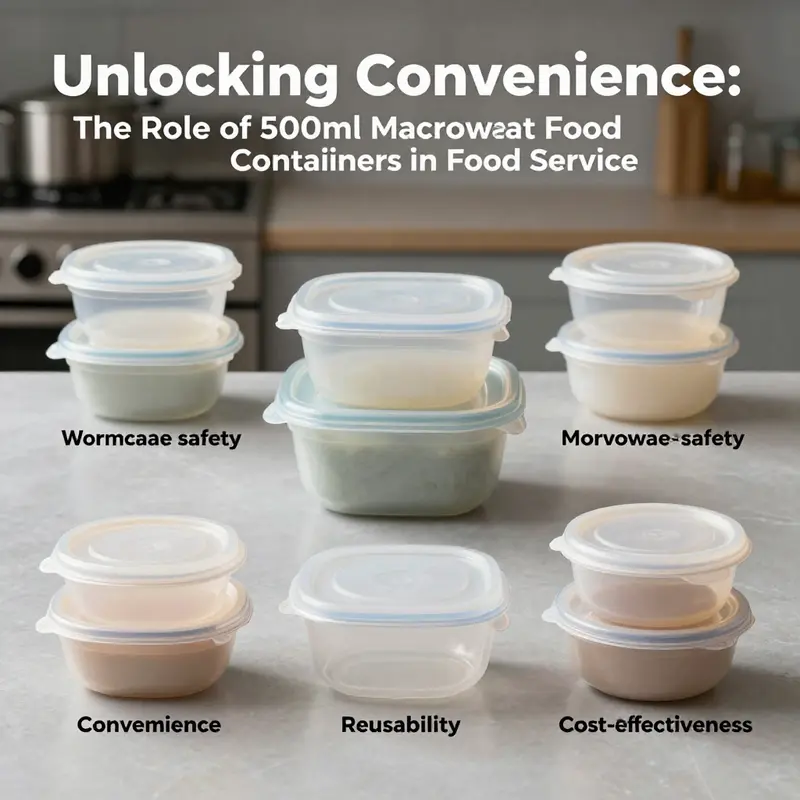
The 500ml microwaveable takeaway container sits at a steady crossroads of everyday practicality and deliberate design. It is small enough to fit into a crowded lunch bag, yet sturdy enough to travel from kitchen to car, curbside pickup to office desk, without spilling or losing heat. Its form is more than mere packaging; it is a compact system built to manage heat, preserve texture, and respect the rhythms of modern meals. At the heart of this system lies the material choice—polypropylene, commonly marked as the number 5 in the resin triangle—chosen for a balance of safety, resilience, and performance. PP can withstand reheating in a microwave without deforming, especially when paired with a lid that provides an airtight seal. A container that tolerates temperatures up to about 120°C (248°F) helps reduce repackaging and the risk of leakage during transit. Users can reheat directly in the container, a convenience that cuts steps and cleans up, while operators appreciate a single-serve vessel that travels well through delivery networks and into customers’ hands.
Safety runs through every layer: the PP material is often described as BPA-free and compliant with food-safety standards across major regulatory environments. Labeled microwave-safe, the container is designed to avoid releasing hazardous substances during heating. The material resists oils, acids, and moisture typical of ready meals, helping maintain integrity over multiple uses and wash cycles. The lid, a precision-engineered component with a snap-on or locking mechanism, completes the system by offering an airtight seal that guards against spills and keeps contents fresher for longer. A tight seal protects aroma, texture, and temperature by minimizing exposure to air and reducing steam dispersion inside the vessel during heating. In practice, this means a consumer can heat, eat, and reseal with confidence, knowing the container will not give way under pressure or warmth. The result is a dependable, portable dining experience aligned with expectations for single-serve meals from a range of foodservice settings.
Beyond safety and convenience, durability is another cornerstone of the 500ml format. Plastic takeaway boxes are lightweight yet resistant to moisture, oils, and compressed impact. This makes them ideal for the rough-and-tumble routine of daily life: stacking in a crowded freezer, slipping into a tote between shifts, and enduring the bumps of a delivery route. When properly cleaned and reused, such containers can be a cost-effective choice for households and businesses alike. The ability to withstand repeated handling and washing, when the product is labeled dishwasher-safe, extends the life cycle and reduces the need for frequent replacements. This durability translates into real-world advantages for restaurants and caterers that rely on volume and predictability. The containers are designed to be light enough to be carried in bulk, yet rugged enough to maintain their shape after multiple uses, which supports both operational efficiency and environmental stewardship by offsetting some waste generated by single-use alternatives. The combination of lightness, resilience, and a favorable heat-tolerance profile yields a practical solution for a broad spectrum of meals, from hot soups to cold salads, from stews to leftover rice bowls. The same characteristics also suit customers who prepare meals in advance, then reheat portions later in the day, without transferring food to another dish and risking an accidental spill or an uneven heat distribution.
From the perspective of service design, the 500ml container is a workhorse for the modern kitchen and its adjacent ecosystems. Its size is calibrated for single portions, aligning with nutrition and portion-control practices that increasingly guide both home cooks and professionals. The compact footprint supports efficient storage in kitchens and in delivery hubs while keeping the cost per unit low enough for high-volume use. The container’s transparency or its ability to be colored during manufacturing also offers branding and product presentation opportunities, allowing restaurants and retailers to communicate freshness and preparation quality at a glance. When transparency is chosen, customers can visually assess the contents, which can reassure them about the portion size and the appearance of the meal before they heat it. Conversely, opaque options can accommodate branding color schemes or branding elements that reinforce the establishment’s identity. Either approach supports the consumer’s decision-making process at the moment of purchase and reheating. In this sense, the container is not a passive vessel but an active participant in how a meal is perceived and enjoyed, bridging the gap between kitchen execution and consumer experience.
The environmental discussion surrounding plastic takeout solutions is complex and nuanced. On one hand, polypropylene is widely recyclable under appropriate systems, and its durability encourages reuse, which can diminish waste relative to disposable alternatives. Recyclability is most effective when users segregate containers correctly and when municipalities provide accessible plastics recycling streams. This is why many suppliers emphasize recyclable PP plastics and, increasingly, the exploration of bio-based plastics as part of a broader shift toward more sustainable packaging. Yet even as recyclability and alternative materials advance, a growing body of research calls for careful handling of microwave heating in plastic containers. For example, some studies have highlighted potential microplastic release during microwaving, noting that brief heating times can contribute billions of microplastic particles to food under certain conditions. The implication is clear: while plastics of this class can serve important needs, responsible use remains critical. Heating practices should be moderated, particularly at higher power levels, and care should be taken to avoid heating durations that exceed what is recommended by the manufacturer. If possible, households and businesses can also explore options that emphasize recyclability, reuse, or substituting alternatives when appropriate, all while keeping the meal’s safety and enjoyment at the forefront.
The practical implications for everyday use flow from these considerations into a broader narrative about how single-serve, 500ml containers fit into the trajectory of prepared meals and convenience. In foodservice settings, they simplify the process of portioning, packing, and delivering meals with predictable quality. A well-sealed lid minimizes leakage during transit, which reduces mess and protects customer satisfaction. In catering and events, such containers support portion control and easy distribution without sacrificing presentation. For home use, they support meal-prepping routines, enabling cooks to portion out ready-to-heat meals that can be warmed quickly for busy days. For retailers, the ability to present ready-to-heat meals in a clear, stackable, and portable format can boost perceived freshness and convenience. In hotels and airlines, the need for reliable room-service and in-flight meals is met by packaging that is easy to store, transport, and reheat, while maintaining food integrity through temperature retention. Across settings, the reliability of the container rests on a few intertwined factors: the material’s intrinsic safety and heat tolerance, the precision of the lid and seal, the container’s durability and weight, and the downstream choices made by users about reuse and recycling. Taken together, these elements form a coherent system that supports modern eating patterns, from spontaneous takeout to planned meal-prep, all in a single, 500ml package that stays true to its functions when heated, stored, and transported.
For readers seeking a concrete example of how these containers integrate with broader packaging ecosystems, a typical take-away bowl with lids that matches the described specifications offers a clear case study. The product’s design emphasizes an airtight seal, a heat-tolerant base, and a lid that remains secure during transit while allowing venting to prevent pressure buildup during reheating. The option for transparency can enhance consumer trust by enabling visibility of the meal, while opaque options can accommodate branding. The manufacturing ecosystem around these containers is organized to deliver consistent quality at scale, ensuring that each unit provides predictable performance across thousands of deliveries or reheatings. The practical upshot is that such containers, when used in accordance with safety guidelines, contribute to smoother operations, better customer experiences, and more efficient meal management for households and foodservice operators alike.
In closing, the 500ml microwave takeaway container embodies a pragmatic synthesis of safety, convenience, and responsible use. Its ongoing relevance rests on careful material selection, thoughtful sealing mechanisms, and a durable yet economical form factor that serves today’s demand for fast, reliable, and portable meals. The chapter above skims the surface of a more expansive conversation about how packaging technologies can evolve in tandem with consumer habits and environmental imperatives. As researchers continue to uncover the complexities of heating, sealing, and end-of-life management, the promise of safer, smarter, and more sustainable takeaway solutions remains within reach for manufacturers, retailers, and diners alike.
External resource: https://doi.org/10.1021/es230123a
Small Vessels, Wide Impact: How 500ml Microwave Food Takeaway Containers Are Redefining Food Service
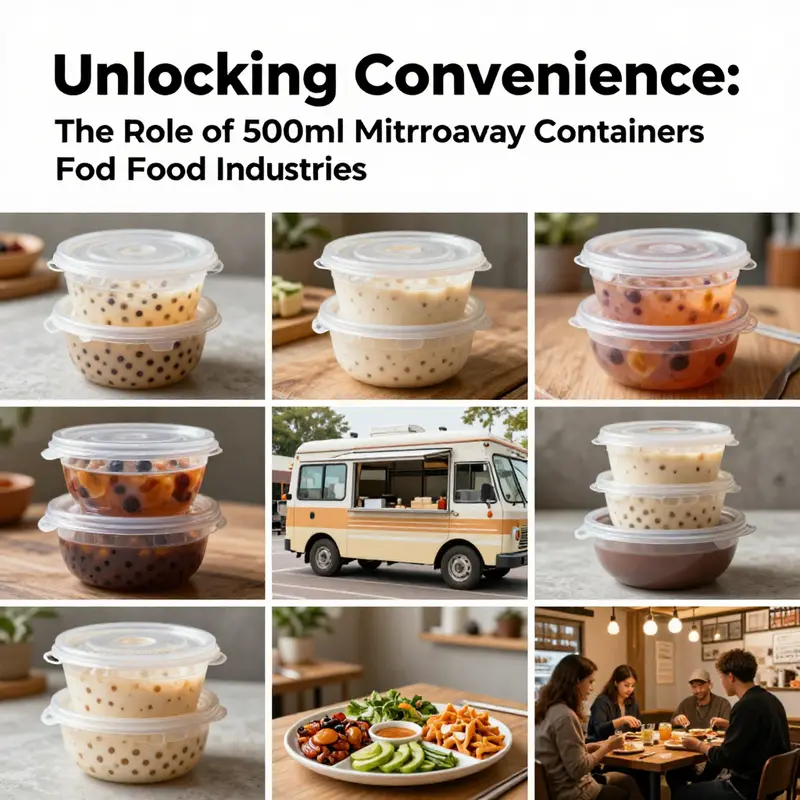
Across kitchens, corners of delivery desks, and hospital corridors, the unassuming 500ml microwaveable takeaway container has quietly become a backbone of modern food logistics. Its capacity, just right for a single serving, anchors a system that blends convenience, safety, and efficiency. The container’s design—compact yet sturdy, light enough to lift with one hand, and resilient enough to withstand the rigors of transport—has influenced how meals move from kitchen to customer. When viewed through the lens of supply chains, consumer expectations, and institutional needs, these containers reveal more than a practical vessel; they reveal a philosophy of portion control, reheating ease, and hygienic handling that underpins a broad swath of food-service activities. The material choice, typically a food-grade polypropylene, carries its own narrative. Polypropylene, identified by the familiar recycling symbol #5 on the base, is celebrated for its heat tolerance and chemical stability. It can endure heating up to about 120°C (248°F) without structural compromise, a threshold well-suited to consumer reheating in standard household microwaves and to on-site warming at catering venues. The BPA-free assurance added to this equation is not just a regulatory checkbox; it is a promise that the container’s interaction with food remains clean and predictable, minimizing the risk of leaching while preserving flavor and texture. In practice, this combination of safety and performance translates into tangible outcomes for practitioners across industries: clearer storage, fewer spill incidents during transit, and a predictable reheating experience that helps maintain the integrity of the meal.
The everyday utility of the 500ml format becomes most evident when the container is viewed as part of a broader system rather than as a standalone product. In the food service sector, these containers are the workhorses of takeout and delivery. They enable restaurants and fast-service outlets to assemble a complete meal, seal it securely, and hand it off with confidence that the contents will arrive intact and ready for reheating. The lid design—whether snap-on or locking—matters as much as the body’s resilience. A tight fit reduces leakage risks during transit, an outcome that protects both the customer’s dining experience and the premises’ cleanliness. Moreover, the containers’ compatibility with refrigeration and freezing broadens their utility. Cold-storage menus that pre-portion meals for the week or for event catering rely on the same vessels to preserve freshness while keeping portions consistent. This consistency is a quiet, powerful asset in hospitality and catering, where uniformity in presentation and portion size underpins operational fairness and guest satisfaction.
Retail and grocery environments also benefit from the transparent, microwave-safe design of these containers. In supermarkets and convenience stores, pre-made meals, salads, and ready-to-eat dishes find a practical home in 500ml packages. The transparent lid offers visibility, allowing shoppers to assess freshness and portion size without opening the container, a feature that supports hygienic handling and reduces spoilage. The ability to reheat directly in the container is another convenience that resonates with busy consumers who juggle work, family, and travel. This seamless reheating capability supports a common consumer pattern: select, heat, and enjoy with minimal dishwashing or transfer. The packaging thus becomes a facilitator of quick meals, not merely a container but a step in a streamlined consumer experience.
In the realm of events and hospitality, standardization matters as much as convenience. For large gatherings, the 500ml format offers a reliable, portion-controlled solution that facilitates mass distribution without sacrificing hygiene. Standardized portions support inventory planning, minimize waste, and simplify service workflows, whether meals are served at conferences, weddings, or corporate functions. The ability to heat meals on-site or at centralized kitchens without compromising quality helps ensure that guests receive hot, appealing fare, even when service scales up. The same logic extends to the broader healthcare and institutional context, where patient and resident meals must reach diners in a timely and safe manner. Hospitals, nursing homes, and care facilities rely on containers that can endure repeated temperature fluctuations and rigorous handling. The microwave safety designation, the structural integrity under heat, and the secure lids collectively support on-site warming procedures that preserve nutritional quality while maintaining temperature control. In these settings, the containers function as a critical link in the chain of meal delivery, reducing delays and ensuring that food reaches vulnerable populations in a form that is both safe and appetizing.
The environmental and health considerations accompanying disposable packaging inevitably shape how organizations approach policy and practice. The environmental narrative surrounding these containers is nuanced. On one hand, reusable or recyclable polypropylene options contribute to waste reduction when cycles of use are optimized and disposal streams are properly managed. On the other hand, disposable variants contribute to plastic waste streams, a reality that has spurred ongoing discussions about end-of-life management and the balance between convenience and environmental stewardship. In parallel, concerns about microplastics have sharpened attention on microwave use and plastic exposure. A 2025 study highlighted that even short microwave exposures can lead to the shedding of microplastics into edible contents, prompting health authorities and industry players to reexamine usage patterns, material choices, and consumer guidance. Such findings do not erase the utility of 500ml containers; rather, they catalyze a more thoughtful approach to how meals are packaged, heated, stored, and disposed of. This means that practitioners must weigh the benefits of rapid, reliable service against long-term sustainability considerations, seeking strategies that minimize waste, maximize recycling, and encourage responsible reheating practices.
Where does this leave the practical user—the chef, the caterer, the store manager, or the hospital dietary supervisor? It points to a pragmatic balance. The containers’ lightweight yet durable construction makes them easy to handle, stack, and transport. In busy kitchens and delivery fleets, this translates into tangible efficiencies: reduced labor time, safer handling, and better space utilization in storage and during transit. The 500ml size supports flexible menu design, enabling a spectrum of single-serve meals that can be customized without complicating packaging, while still allowing for straightforward reheating by customers. The material choice safeguards health by meeting regulatory expectations in many jurisdictions, and the BPA-free status aligns with growing consumer concerns about chemical exposure from food-contact materials.
An additional layer of nuance emerges when considering the packaging ecosystem and alternatives. The broader packaging landscape includes compostable or paper-based options, as well as plastic alternatives with different performance profiles. In many contexts, the 500ml polypropylene container remains attractive precisely because it blends resilience with recyclability, a combination that can be aligned with a facility’s waste-management strategy. For readers exploring related packaging strategies, one avenue of packaging innovation emphasizes PLA-coated designs that optimize the balance between rigidity, heat tolerance, and end-of-life outcomes in fast-food contexts. PLA-coated packaging for fast food offers a glimpse into how alternatives can meet demanding service needs while steering toward more sustainable disposal paths when properly implemented.
In contemplating the full arc of 500ml microwaveable takeaway containers, it becomes clear that their impact extends beyond single meals. They shape operational routines, influence menu engineering, and affect consumer expectations about convenience, safety, and speed. They serve as the portable membranes between kitchen craft and consumer satisfaction, absorbing the temperature and texture demands of a wide array of dishes—from delicate salads to heartier lunches—without compromising the integrity of the food. They also thread through the choreography of events, hospitals, and hospitality industries, where consistent portions, hygienic handling, and reliable reheating contribute to a dependable guest experience. Yet the story remains dynamic. As consumer awareness of environmental and health implications grows, decision-makers in kitchens and supply chains are increasingly guided by data, standards, and a commitment to responsible stewardship. That means ongoing evaluation of waste streams, inspection of recycling capabilities, and continued attention to how heating practices intersect with packaging materials. The 500ml container thus embodies both a practical solution and a prompt for thoughtful, forward-looking packaging strategy.
For those seeking a grounded reference to safety standards and regulatory expectations, it is prudent to consult established guidelines that govern food-contact materials. External resources provide a framework for evaluating how container designs align with health and safety requirements, reinforcing the need for ongoing stewardship of packaging choices in fast-paced food environments. Access to authoritative guidance helps ensure that convenience does not outpace responsibility, and that every meal carried in these vessels upholds both quality and safety as it moves from kitchen to table.
External resource: https://www.fda.gov/food/food-contact-materials/food-contact-materials-and-labeling
The Hidden Footprint of a 500ml Takeout: Environmental Impacts and the Quest for Safer Packaging
The 500ml microwaveable takeaway container sits at the crossroads of convenience and consequence. In kitchens, delivery rooms, and consumer kitchens alike, these vessels are prized for their light weight, stackable form, and ready-made compatibility with reheating. Yet beneath their smooth surfaces lies a complex narrative about energy use, waste management, human health, and the evolving choices that shape our plastic-dependent food system. When we consider the life of a typical 500ml container, from resin to disposal, the story becomes a case study in how everyday packaging decisions accumulate into broad environmental effects. A lifecycle perspective reveals that the most visible costs—those tied to extraction, manufacturing, distribution, and end-of-life treatment—often outpace the visible benefits of convenience, especially when the same item is discarded after a single use. The metrics researchers rely on to gauge these costs call attention to several critical uncertainties and tensions that lie at the heart of modern packaging policy and practice.
A foundational point concerns the materials themselves. Among the plastics most commonly used for these containers, polypropylene stands out because of its heat tolerance and safety credentials. However, in broad lifecycle assessments, single-use polypropylene options frequently perform poorly across a range of environmental categories. A 2018 comparative study found that single-use PP containers ranked at or near the bottom in multiple domains, and their negative signals are not merely about polluting residues in landfills. They reflect higher energy consumption during manufacturing, challenging toxicological profiles, and limited recyclability in real-world waste streams. In other words, even when a container keeps food secure and travels well, its creation and end-of-life management contribute to a broader environmental footprint that can surprise those who assume all plastics are equally efficient because they are lightweight.
Health concerns compound these material science realities. The same dynamic that makes plastic containers appealing for microwaving—the ability to heat foods safely without transferring heat to the container—also creates pathways for exposure. As heating interactions between plastics and food are studied, questions about microplastics and potentially leached organic compounds come to the fore. A 2024 study highlighted the possibility that regular use of plastic takeaway containers during hot or microwave heating can facilitate the transfer of microplastics into food. This reinforces a critical point: even when disposal is managed responsibly, the heating process itself can alter the safety profile of these packaging systems. In practical terms, this means the consumer’s kitchen is not a neutral end point but a battleground where material choices interact directly with health considerations.
These health and environmental concerns intertwine with the broader climate and resource-use picture. A lifecycle assessment of takeaway containers showed that, among common options, PP-based single-use designs can contribute notably to global warming potential and energy consumption, while also facing low recycling rates in many systems. The energy intensity of resin production, the complexity of sorting and processing plastics in municipal facilities, and the economics of recycling all shape whether a given container ultimately returns to a second life or becomes waste. In regions where recycling targets are strong and enforcement is robust, improvements can occur, but the baseline challenge remains: plastics designed for one meal or one throwaway moment quietly accumulate in waste streams when consumer habits, logistics, and municipal programs fail to align. The net effect is a system in which the apparent benefits of lightweight, portable packaging collide with slower improvements in waste infrastructure and plastics literacy.
Comparative assessments also point toward the broader material landscape. Extruded polystyrene or other alternatives may offer lower manufacturing footprints in some analyses, but they carry their own drawbacks—recycling challenges, litter persistence, and, in many cases, public health concerns tied to off-gassing and reuse limits. In other words, what looks like a cleaner choice in a laboratory might not translate to real-world sustainability if the waste stream cannot handle it efficiently. Policymakers, manufacturers, and retailers thus face a tough triage: how to maximize heat-and-serve convenience while reducing the lifetime emissions and pollution burden of packaging. That tension becomes even more acute when considering the policy environment shaping waste management across regions.
Policy developments offer a lens on what could shift this balance. The European Union’s packaging waste policy targets are a crucial signal: if recycling targets are met, the environmental burden of packaging could fall by a meaningful margin—estimates suggest reductions of around 18% in overall environmental impact. Moreover, raising recycling rates for polypropylene and aluminum could push down adverse outcomes by more than 20%. These projected gains depend not only on policy mandates but also on the sophistication of local recycling infrastructure, the clarity of labeling, and consumer participation. It is a reminder that the container’s fate is not sealed at the moment of purchase but is decisively shaped by the value system that governs post-consumer waste.
Against this backdrop, a shift toward more sustainable packaging paradigms emerges as a viable pathway. Reusable polypropylene containers, designed for multiple cycles, can yield clear environmental benefits when the reuse rate and the associated cleaning or return systems are reliable. The math is straightforward: the environmental impact per use decreases as the container accumulates uses, provided sanitation and logistics support the cycle. Studies of reusable systems typically estimate environmental improvements when reuse occurs between roughly three and several dozen times, depending on the metrics used. The caveat is nontrivial: the infrastructure required to support effective cleaning, convenient return, and integrated logistics must be in place. In the absence of such an ecosystem, the promise of reuse may falter, and the system remains locked into single-use cycles that perpetuate the existing waste burden.
Alternative materials also deserve attention. Biobased or renewable options—such as bagasse, derived from sugarcane fiber, or bamboo-based solutions—offer compostability and renewable sourcing as potential advantages. These designs can break the linkage between fossil fuel feedstocks and the end-of-life fate of packaging, a shift that resonates with broader climate and resource-diversification goals. Yet even these options are not panaceas. Compostability requires sewage or industrial composting infrastructure, appropriate collection, and consumer behavior aligned to disposal streams that can honor composting. Without that alignment, even “green” designs can inadvertently become costly impediments in the waste system, adding to contamination and recycling confusion rather than reducing it.
Within this landscape of tradeoffs, the rise of visible consumer concerns about microplastics, chemical leaching, and long-term ecosystem health has begun to recalibrate what “convenience” means in takeaway packaging. If customers prioritize safety alongside speed, and if retailers align with robust waste-management policies, a future emerges in which meals travel in containers designed for longevity, recyclability, or compostability. The imperative becomes not merely selecting a container that survives microwaving but choosing packaging that preserves food quality while reducing environmental and health risks across the entire life cycle. This means manufacturers, retailers, and municipalities must collaborate to design packaging systems that balance performance with end-of-life practicality, invest in efficient recycling and composting infrastructure, and educate consumers about the consequences of their choices at the moment of disposal.
For readers seeking a concrete glimpse into the potential of more sustainable packaging options, a practical example lies in accessible kraft-based designs that trade some disposable convenience for durability and recyclability. The idea of a kraft-paper octagonal bowl with a lid and waterproof features illustrates how packaging can be engineered to prioritize reuse or easy integration into recycling streams without sacrificing food safety. A representative option in this category demonstrates how a product line might be designed to accommodate a variety of meals, while offering clearer pathways to end-of-life management through standardized materials and compatible lids. This approach, while modest in scale, signals a broader shift toward packaging ecosystems rather than isolated products. senang-kraft-paper-octagonal-bowl-pet-lid-waterproof-eco-friendly-disposable-customizable-snack-pet-food-salad-containers-1l
The stakes for the takeaway sector are clear. The ease of microwaving, the allure of single-use convenience, and the pressure to control costs all push packaging toward choices that can either exacerbate or alleviate environmental and health concerns. The path forward lies in aligning economic incentives with sustainable outcomes. That means improving recycling rates, extending the usable life of containers, and expanding the availability of compostable or renewable options where a waste-management framework can support them. It also means embracing transparent communication about material safety during heating and about the lifecycle implications of packaging decisions. When these elements come together, the takeaway experience can remain fast and reliable without compromising the health of people or the planet. For those who want to explore the science behind these shifts, an in-depth analysis of takeout container life cycles, including comparisons between single-use and reusable configurations, offers a rigorous cross-section of the field: https://www.sciencedirect.com/science/article/pii/S0956053X18304275.
null
null
Final thoughts
In summary, plastic 500ml microwave food takeaway containers are indispensable across various segments of the food service industry, from bubble tea shops to catering services. Their specifications ensure safety and functionality, while their multiple applications make them versatile tools in any food operation. As we consider their environmental impacts and evolving designs, it’s clear that these containers will continue to play a significant role in enhancing service quality and operational efficiency in the future. Embracing these containers now not only aligns with consumer convenience but also paves the way for more sustainable practices.