
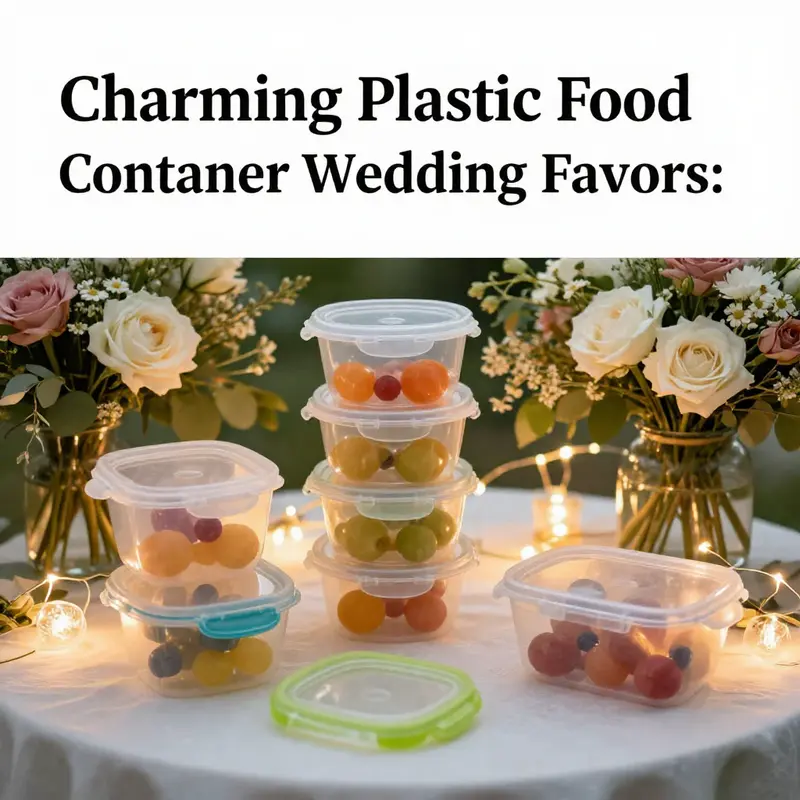
Weddings are celebrations filled with love, joy, and intricate details, and finding the perfect wedding favor is no easy task. As businesses like bubble tea shops, restaurants, and catering services look for sustainable options, plastic baby food container wedding favors are emerging as a unique and eco-friendly choice. These small, charming containers can be decorated and filled with treats or mementos that resonate with guests. In this article, we explore the creative reuse and sustainability of plastic baby food containers, market alternatives available for wedding favors, and how personalization can enhance the wedding experience for couples and their guests alike.
From Everyday Plastic to Timeless Keepsakes: Reimagining Baby Food Containers as Sustainable Wedding Favors
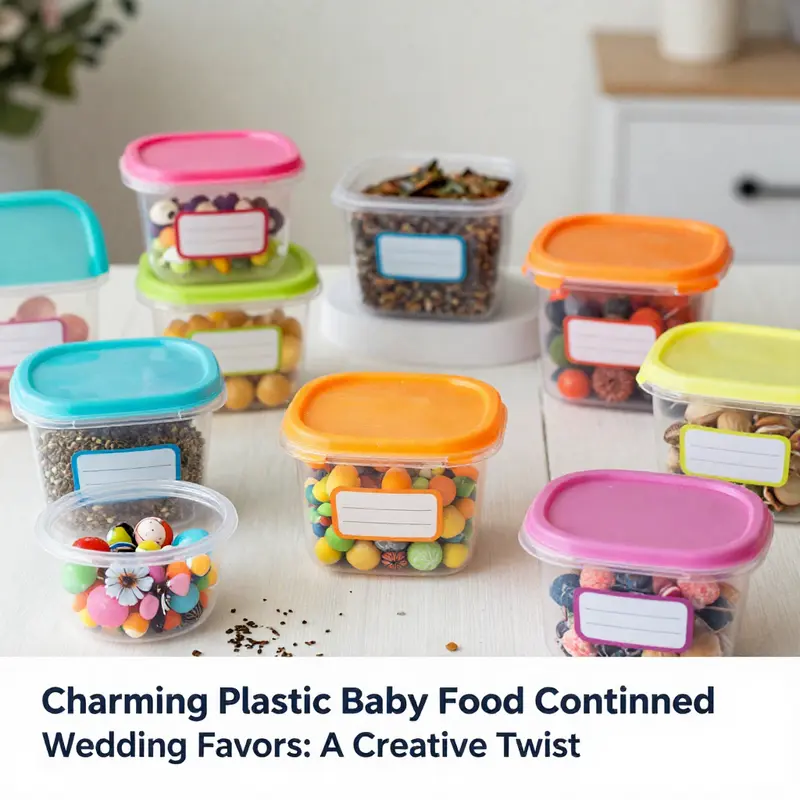
A wedding is both a celebration and a canvas for tiny, deliberate moments. In the quiet exchange of thanks that follows the kiss, guests carry home more than memories; they take a physical reminder of the day, a small token that echoes the couple’s values. In recent years, the most meaningful tokens have often been those that minimize waste while maximizing warmth and personalization. Among the unassuming objects that can become such keepsakes, plastic baby food containers stand out for their unglamorous practicality and surprising potential. Small, durable, and clear, these containers offer a kind of kinetic simplicity: they can be filled, sealed, labeled, and gifted with little ceremony, yet they carry a story of reuse, stewardship, and creativity. When a couple chooses to transform these everyday vessels into wedding favors, they are not merely decorating a package; they are narrating a commitment to sustainable elegance and thoughtful engineering of small joys.\n\nThe appeal of reimagining plastic containers as favors lies in how easily they accommodate variety without demanding heavy manufacturing or a high price tag. In a sea of elaborate wedding décor, the appeal of a clear, compact box that invites curiosity is undeniable. Guests can peek at the contents, anticipate a small surprise, and appreciate the transparent symbolism: a gift that reveals its intention from the first glance. The containers’ size makes them perfect for a handful of carefully chosen contents—mini succulents, bite-sized confections, or tiny bath and beauty items. The possibilities are simple yet expansive, lending themselves to a custom curation that aligns with the wedding’s theme, color palette, and message of gratitude. The practice of filling each favor with something that resonates with the couple’s story helps elevate the ceremony beyond form to feeling.\n\nSustainability is the throughline that binds these ideas into a coherent, modern approach to celebration. Reuse, recycle, and recycle again—in ways that honor the life cycle of products rather than the impulse to dispose. Plastic containers, when repurposed thoughtfully, can reduce waste by avoiding a one-time use that would otherwise end up in landfills. This is not about neglecting aesthetics for the sake of eco-consciousness; it is about marrying beauty with responsibility. The containers themselves are an instrument for that harmony: clear, compact, and easy to customize. They can house almost anything tiny enough to fit, turning practical packaging into a charming focal point of the guest experience. The message carried by such favors is not simply “thank you”; it is a quiet pledge to the planet and a nod to the couples who care about future celebrations as much as the present moment.\n\nThe transformation of these containers is anchored in a simple principle: repurpose what already exists before creating something new. This approach aligns with a broader shift in event planning, where sustainable options are preferred for both their environmental benefits and their ability to tell a story. Although many couples are drawn to glass for its classic, timeless feel, plastic offers practical advantages that should not be overlooked. Plastic is resistant to shattering, which makes it particularly suitable for outer space or table settings where a dropped container could cause a scene. It also tends to be lighter and more cost-efficient in bulk, a factor that matters when large guest lists require many favors. The goal is not to glamorize disposability but to maximize reuse potential—turning a practical, everyday object into a keepsake that outlasts the reception’s last dance.\n\nInspiration for this approach often points to the elegance of glass jars repurposed as party favors. A widely shared DIY spirit describes how old, clean glass containers can be transformed with labels, twine, or tiny decorative elements to create a rustic, handmade aesthetic. While the core concept remains constant—give new life to something previously used—the medium can vary. Plastic versions share the same logic: their durability makes them forgiving in a busy wedding environment, and their transparency invites a playful presentation of contents. The core idea is to pair the container with thoughtful contents and a design language that echoes the wedding’s mood, whether rustic, modern, whimsical, or minimalist. The steps are straightforward: clean, sterilize if necessary, fill with a chosen content, and adorn with labels, ribbons, or small embellishments that tie into the ceremony’s theme. In many cases, this approach blends the sentimental allure of handmade gifts with an efficient, scalable workflow suitable for weddings of any size.\n\nFor couples who want to ground their favors in practical sustainability, the choice to use plastic containers can be paired with a conscious design strategy. First, ensure that the containers are clean and food-grade if the contents involve edibles or anything that guests may handle closely. Second, select non-toxic inks and adhesives for labels. Third, pair the container’s natural clarity with a restrained color palette that matches the wedding’s tones. This often means a soft palette—ivory, sage, blush, and slate—that allows the contents to be the visual centerpiece while the packaging remains a quiet, complementary frame. A minimalist approach can be especially effective when combined with delicate embellishments such as dried flowers, a small wax seal, or a hand-written note tied with a thin ribbon. Each detail contributes to a cohesive story: the wedding was mindful, handcrafted in spirit, and attentive to the guest experience.\n\nContents offer another dimension to the narrative. The contents can reflect a couple’s shared interests, regional flavors, or personal traditions, turning the favors into a conversation starter as guests unpack them. Mini succulents, for example, transform a plastic shell into a living memory; the plant’s growth becomes a metaphor for the couple’s evolving life together. Edible treats—small candies or truffles—provide a sensory link to the celebration, while tiny bath bombs or scented sachets evoke relaxation and indulgence after a long day of dancing. Seeds for future planting invite guests to be part of a living legacy, a gesture that continues to grow long after the wedding day. The content should be chosen with care, ensuring that it travels well in transit and remains appealing when guests discover it at home. The container acts as a delicate framing device for whatever lies inside, and the act of opening becomes a small ritual that reinforces appreciation and delight.\n\nA key part of this approach lies in how the favor is presented. The container’s surface becomes a canvas for personal expression. Labels can be customized with the couple’s initials, wedding date, or a short note of gratitude. Typography can be chosen to mirror the wedding’s font family—elegant script for a romantic affair, bold sans-serif for a modern celebration, or playful type for a whimsical theme. The label material should be robust and food-safe, and the adhesive should be strong enough to withstand travel yet gentle enough to avoid residue or damage to the container. Ribbons, twine, or stitched fabric can wrap the neck of the container, adding texture and color without obscuring the container’s view of its contents. Small dried florals or a single miniature charm can be tucked into the ribbon, adding a tactile element that invites guests to touch and explore.\n\nWhen considering shell-like or boxy shapes for the containers, the visual language becomes even more interesting. Some couples gravitate toward packaging that evokes seashells or gemstone facets to align with a beach wedding or a chic, gem-inspired theme. The appeal of transparent packaging in these cases is its ability to reflect light, creating a subtle sparkle that mirrors the joy of the moment. This effect can be amplified with a light wash of color on the label or a faint metallic accent that catches the eye without overwhelming the contents’ natural appeal. The result is a cohesive aesthetic where the container, its contents, and the design elements support one another, rather than competing for attention. It is a delicate balance, and achieving it often requires a clear vision of how the favors will live beyond the dance floor.\n\nThe practical workflow of producing these favors at scale is worth noting. For a wedding with many guests, sourcing containers in a consistent size and shape helps maintain a unified look. A simple storage system and a labeling template can save time during the assembly phase. By planning ahead, couples can pre-fill a batch of favors and store them in a cool, dry space until the big day. The process becomes a kind of quiet ceremony in itself—filling, sealing, labeling, and packaging—where every step reinforces the message behind the gifts. Even in this routine, there is poetry: the careful assembly of each container mirrors the care that went into planning the event, and the repetition itself becomes a meditative reminder of the commitment being celebrated.\n\nIn addition to the aesthetic and ecological benefits, there is a practical dimension worthy of attention. The use of plastic containers can reduce the risk of breakage on rough wedding day logistics, something that can cause concern with glass jars or delicate packaging. The durability of plastic, when paired with strong sealing and thoughtful content, ensures that the favors survive transportation, hotel storage, and the bustle of reception rooms. This practicality does not have to come at the expense of elegance. With careful selection of materials and a restrained design vocabulary, plastic-based favors can achieve a quietly sophisticated look that resonates with guests who value sustainable choices as part of a broader lifestyle. The goal is to create something that feels special, yet effortless, and that expresses gratitude in a way that aligns with contemporary values around consumption and waste.\n\nTo illustrate how packaging choices shape the overall impression, consider the potential for pairing a plastic container with a carefully chosen outer presentation. Packaging can carry a narrative that begins with the container’s form and ends with the guest’s act of untying a ribbon to reveal the contents. A single, well-chosen accent—perhaps a hand-stamped tag bearing the couple’s message or a small dried flower tucked into the ribbon loop—can elevate the entire experience from routine to memorable. This is not about ostentation; it is about intention. The whole equation hinges on how much thought is invested in the simple acts of filling and presenting. When the couple treats the favors as an extension of the ceremony’s storytelling, they invite guests to carry home a tangible script of the day, a micro-memento that continues to unfold as the years pass.\n\nAn important design touch is the deliberate choice of a single focal point. If the wedding is heavily themed around nature, the contents inside become part of the natural narrative—seed packets, tiny herb plants, or botanically inspired treats—while the container’s exterior keeps a restrained, organic look. If the mood is modern and minimal, the contents might be geometric in shape or color-blocked, while the exterior exudes quiet luxury with a matte label and a slim satin ribbon. When a wedding has a more romantic or classic vibe, soft hues, classic script, and a delicate bow can harmonize with the transparent shell, allowing the contents to glow through. The common thread across all these variations is a mindful curation that respects both form and function. Guests know that each favor was chosen with care, reflecting the couple’s journey together and their commitment to a sustainable future.\n\nIn weaving these elements together, it helps to view the favor as a microcosm of the wedding’s larger philosophy. A well-executed favor tells a story about how the couple treats resources, how they see beauty, and how they want their guests to remember the day. It is less about the size of the container and more about the resonance of the gesture. When guests open a clearly labeled, neatly filled plastic container and encounter a little note of thanks alongside something precious but small, they are offered a moment of connection—a reminder that the couple cared enough to reimagine everyday objects into something meaningful. This is how everyday practicality can fuse with elevated sentiment, producing a keepsake that is both a nod to sustainable living and a personal reminder of shared joy.\n\nFor couples seeking tangible inspiration beyond the DIY ethos, consider how a particular packaging option can be integrated into the wedding’s broader logistics. An adaptable packaging solution—such as a sturdy, customizable container paired with a simple, elegant outer presentation—can streamline production for larger guest lists while still allowing for personalization. The key is to establish a cohesive design system early: decide on a color family, a consistent font treatment for labels, and a uniform approach to contents. A predictable framework makes it easier to maintain quality across hundreds of pieces, ensuring that each guest experiences the same level of care. It also frees time for the couple and their families to focus on the moments that truly matter—the conversations, the first dances, the shared laughter that threads the entire day together.\n\nIn the end, the choice to use plastic baby food containers as wedding favors is a statement about how a couple wants to live with their choices. It embraces the beauty of small, intentional acts—filling, decorating, and gifting—that have a ripple effect beyond the ceremony. It acknowledges that sustainability can be stylish, that practicality can be poetic, and that a wedding can honor both the guests’ delight and the planet’s well-being. The chapter you are reading now is not a recipe but a philosophy: a belief that clever reuse can transform ordinary objects into extraordinary expressions of thanks. The favor becomes more than a container; it becomes a story that guests carry with them, a reminder of a day when two people chose to celebrate with care, creativity, and a shared commitment to a brighter future.\n\nFor readers who want a concrete example of how packaging options can be versatile while remaining accessible, consider a packaging solution that adapts well to a wedding’s needs. An example of a practical and aesthetically flexible option is a compact, clean-lined container paired with a windowed outer presentation. This combination can highlight the contents while preserving a minimalist elegance. The idea is to keep the container’s primary function intact—protecting and presenting its contents—while allowing the design to speak volumes about the couple’s values. The result is a set of favors that feels cohesive with the day’s mood, that travels well, and that leaves guests with a sense of having received something thoughtful rather than merely functional. The containers serve as a neutral stage on which the couple can project personal meaning, rather than competing with it.\n\nTo further connect this concept to practical realities, consider how the favors can be integrated with guests’ experiences during the reception. For example, small signage near the gift table can explain the sustainability angle, inviting guests to appreciate the choice and perhaps share ideas of their own about reusing containers in daily life. A card inside the container could offer a brief note about the contents, the eco-friendly thinking behind the design, and a suggestion for repurposing the container after the event. This small addition reinforces the message without turning the favor into a didactic statement. The aim is to invite conversation, reflection, and gratitude in a way that feels natural and sincere, rather than heavy-handed. In this sense, the favor becomes a communal moment—a shared acknowledgment that beauty and responsibility can coexist in everyday objects.\n\nIf a couple wants to explore alternative but closely related packaging options that still align with sustainability, they can consider a variation that uses a compatible outer shell while maintaining the same interior concept. For example, a recyclable outer carton or a reusable fabric pouch can accompany the clear container, creating an ensemble that feels more substantial while still being easy to transport and store. The outer layer can carry the wedding’s motif through color, texture, or a subtle emblem, complementing the contents inside. In this way, the practical advantages of plastic can be harmonized with the tactile appeal of fabric or paper, producing a layered presentation that feels intentional and refined.\n\nAs this approach becomes more common, it is important to recognize the broader implications for guests and hosts alike. Guests appreciate a thoughtful gesture that is more than a token; they remember the care that went into selecting and presenting it. Hosts gain confidence from a well-planned process that is scalable and adaptable to various wedding scales. The community benefits from a reduced environmental footprint when such favors are designed for reuse or long life. And the couple, who often jostle between budget, aesthetics, and meaning, may find that the simplest choice—the reuse of a modest container—delivers the strongest resonance. This is where sustainability ceases to be a niche concern and becomes a standard woven into the fabric of modern celebrations.\n\nFor those who want a concrete touchstone in this conversation, a practical example of the broader DIY approach can be found in resources describing how to repurpose jars for party favors. While the specifics of that example are beyond the scope of this chapter, the underlying principle remains the same: transform, personalize, and present with intention. This chapter’s narrative is designed to encourage readers to imagine their own unique iteration, to test ideas with small mock-ups, and to refine their design until every detail feels true to who they are as a couple. The result will be an array of favors that are not just pretty, but meaningful—embodying a philosophy of sustainable celebration that guests will carry with them long after the final dance ends.\n\nFor those who want to explore a nearby packaging option that has proven useful in related applications, consider this example: kraft-white-cardboard muffin box with window. This packaging choice demonstrates how a simple outer presentation can elevate a modest inner container, allowing for a cohesive, high-quality look across all favors while still prioritizing reusability and careful material choices. With a packaging system like this, the workflow remains manageable, even for large guest lists, while the aesthetic remains polished and aligned with the wedding’s overall design.\n\nAs you close the chapter on this approach, you may already be hearing the soft rustle of ribbons and the faint scent of botanicals as guests explore their favors. The story embedded in each container is a whisper of the couple’s care for people and planet alike. It is a reminder that sustainable design need not sacrifice beauty or emotion. When done thoughtfully, plastic can become a friendly, forgiving medium that supports a celebration’s intimacy. The favors, in their quiet transparency, invite guests to reflect on the day’s generosity and to carry forward a gentle reminder of the values that guided the celebration. This is how a small, everyday object can become a bridge between the joy of the moment and a more thoughtful, sustainable future. It is not a grand statement, but a daily practice of kindness, creativity, and responsibility—qualities that many couples wish to imprint on the beginnings of their shared life.\n\nExternal resource: https://www.make-life-lovely.com/2018/03/how-to-make-party-favors-from-baby-food-jars.html
From Tiny Jars to Timeless Keepsakes: Market Alternatives to Plastic Baby Food Container Wedding Favors
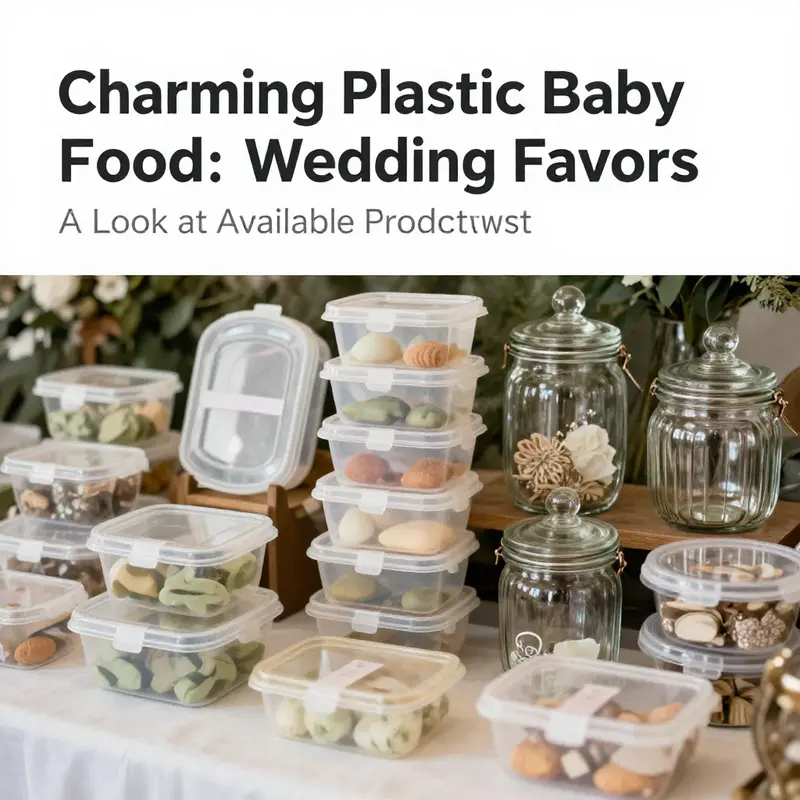
The idea of wedding favors drawn from the familiar shape and purpose of a baby’s first jars may seem whimsical at first. Yet it is precisely this sense of tenderness and memory that makes such a concept resonate with couples who want their celebration to feel intimate and sustainable. In practice, the notion often evolves into a broader design philosophy: how to translate the charm of a repurposed baby food jar into a modern, market-ready favor that guests will treasure well beyond the last dance. The practical challenge is clear. If the goal is to reduce plastic and embrace a keepsake that reflects care for people and planet, then direct use of raw plastic baby food containers is not the route many couples choose. Instead, the conversation shifts toward three closely related questions: what materials can replacement packaging offer, how can the design be cohesive with the wedding’s aesthetic, and what sensible, accessible ways exist to source, fill, and present these favors so they feel personal rather than gimmicky. The research landscape surrounding this topic confirms a practical truth: while explicit, ready-made “plastic baby food container wedding favors” are not a common product category, there is ample, transferable evidence that tiny jars and small, clear, well-formed vessels—whether glass or non-plastic plastic alternatives—already serve as favored vessels for wedding favors. A notable reference point highlights how repurposing glass baby food jars can produce a wedding favor that is both eco-conscious and handmade in spirit. The essence of that approach—use what you have, decorate with care, and fill with something meaningful—serves as a bridge to the market alternatives that couples can purchase or source with minimal environmental impact.
In the heart of this chapter lies a practical synthesis: market-ready alternatives that maintain the look and feel of those beloved little jars while aligning with current consumer priorities around health, safety, and sustainability. The market does not broadcast a single, perfect substitute for plastic baby food containers; instead, it offers a spectrum of options that can be tuned to fit a wedding’s theme, budget, and guest experience. The shift away from plastic, the rise of glass and plant-based packaging, and the growing demand for keepsake-quality, reusable, or compostable containers shape how couples plan these favors. A broader trend across the baby-packaging and gift-packaging world is instructive here: guests respond positively to packaging that communicates thoughtfulness, when the container itself becomes part of the experience rather than a disposable afterthought.
One of the most convincing guiding ideas is to treat the favor vessel as a design element first and a container second. This mindset suggests leaning into glass or other non-plastic materials that are transparent enough to showcase a small, appealing contents and stylish enough to stand on a mantle or windowsill after the event. Glass keepsakes, bare of excess decoration, can be dressed with simple but meaningful embellishments—labeling that echoes the couple’s initials and wedding date, a handwritten note tied with a twine, or a dried flower tucked into the lid. The logic is practical as well as aesthetic. Glass is durable, easy to clean, and familiar to guests as a vessel they can reuse or repurpose, which aligns with a sustainable wedding ethos. This approach is mirrored in the market’s broader packaging trends. Consumers are increasingly wary of concealed chemical exposures and the long-term environmental footprint of materials. They favor glass or BPA-free plastics, silicone, or plant-based packaging when it comes to food-on-the-go and to gifts that travel from a wedding venue to a home kitchen.
The market’s non-plastic alternatives can serve as excellent stand-ins for the traditional baby food jar in wedding favors. Small glass jars with metal or plastic lids, sealed simply and decorated with a label, can hold a variety of contents—from artisanal sweets and tea blends to mini sachets of herbs or seeds that guests can plant. When the contents are edible, the jars can hold compact, high-quality treats such as single-serve chocolates, honey, or fruit preserves. When non-edible, they can house mini keepsakes—pocket-size candles, bath salts, or tiny plantable seed packets. These choices allow couples to tailor the experience to their guests’ preferences, dietary considerations, and wedding theme, be it rustic, modern-minimalist, vintage, or tropical.
In addition to glass, silicone and PP (polypropylene) containers provide practical, non-toxic options for those who want reusable or microwave-safe components. Silicone vessels can be shaped in playful forms while remaining durable and easy to clean. PP-based containers, renowned for heat resistance and chemical safety, offer a lightweight, shatterproof alternative to glass. Both materials have carved out a reliable niche in baby care and gift packaging, and they translate well into wedding favors when chosen with care for aesthetics and function. Importantly, both silicone and PP can be manufactured in clear or translucent finishes, which preserves the visual appeal of a filled jar while signaling a contemporary, family-friendly vibe. In a broader sense, these materials mirror a larger market move toward non-plastic or plastic-free packaging where possible, consistent with a growing global emphasis on sustainability and human health.
Another dimension of market thinking centers on plant-based and compostable packaging. Plant-based packaging—made from materials like molded pulp, bagasse (sugarcane fiber), or other renewable fibers—offers a biodegradable or compostable alternative to traditional clear plastics. For wedding favors, such materials can come in the form of small reusable or compostable containers that still fit the same “tiny jar” silhouette. The benefit is twofold: guests receive a container that can be repurposed or responsibly disposed of, and the wedding party signals a clear commitment to environmental stewardship. The literature on baby food packaging underscores the broader demand for greener packaging solutions; even when the subject is not wedding-specific, the trend is applicable to favors. Consumers are looking for options that minimize chemical leaching, reduce plastic waste, and offer a tangible, lasting takeaway rather than a one-off wrapper.
Beyond the vessel, the content and the presentation define the overall impression. The most successful market-ready alternatives respect the wedding’s aesthetic and the guests’ experience. A rustic wedding might embrace small glass jars filled with dried fruit, tea blends, or honey—contents that pair naturally with twine, kraft labels, and dried florals. A modern, minimalist affair could use clear, sleek glass containers with simple monochrome labels, a delicate string, and a single, crisp wax seal. In a vintage-inspired setting, lace-tied labels and hand-stamped paper can evoke nostalgia while still leveraging non-plastic packaging. In all cases, the design should emphasize coherence with the invitation suite, the color palette, and the venue’s atmosphere. The container becomes an extension of the wedding’s story rather than a separate, stand-alone gift.
From a sourcing perspective, couples today have many options. Glass jars of the exact same size and shape can be purchased in bulk, with clean, simple lids that can be customized with labels or small charms. If glass feels too fragile for the venue, there are sturdy plant-based packaging solutions—though not all plant-based options are created equal in terms cost, durability, or aesthetics. A key consideration is whether the chosen packaging is reusable or compostable, and whether it can be presented in a way that invites guests to treat it as a keepsake rather than something to toss away. In this sense, the choice is not merely about substituting one material for another; it is about choosing an approach that will be remembered and valued by guests long after the wedding. The research results point toward a practical conclusion: even when direct references to “plastic baby food containers” are rare, the market offers a robust set of alternatives that can capture the same sense of intimacy and practicality, while aligning with broader social and environmental goals.
The journey from a baby’s jar to a wedding keepsake also invites a conversation about care and stewardship. The jars and their fillings are, in many ways, a reflection of what the couple values: simplicity, quality, and a thoughtful approach to hosting. The leftovers of a wedding—empty jars, dried flowers, labels—can be repurposed into a small, personal archive. A guest who keeps a small jar on a shelf becomes a tiny ambassador for the couple’s shared life. Even if the contents are consumed on the spot, the container itself continues to tell the story long after the dance floor has cleared. In this sense, the favor transcends its practical function; it becomes a memento. This perspective aligns well with consumer expectations that favors should deliver more than a momentary utility. The modern guest looks for meaning, a sense that the gift honors both the event and the planet.
Putting these ideas into practice requires attention to detail. The first and most obvious step is to curate the vessel; this means choosing a container that feels intentional rather than generic. A small glass jar can be the anchor piece, but it should be complemented by a design system across all favors. Labels should share a consistent font, color, and motif. If the wedding colors are blush and sage, the labels might carry a soft watercolor wash and a delicate script. If the palette is more industrial, a clean sans-serif on crisp white labels with a metallic accent can work beautifully. The lid treatment matters as well. A metal lid with a wax seal, a cork top with a ribbon, or a silicone gasket in a color coordinating with the wedding palette can elevate the entire presentation. Decorations should not obscure the container’s beauty but should amplify it. A sprig of dried lavender tucked under a twine tie, a mini pinecone, or a small fabric badge can add tactile interest without creating waste or clutter.
Filling ideas should reflect both taste and memory. Edible contents can include compact, high-quality confections that travel well and stay fresh for guests to take home. Think of small batches of caramels, cocoa-dusted almonds, or fruit preserves in miniature jars with clean, simple labeling. If the wedding leans toward a more experiential or non-edible vibe, consider seeds, botanical sachets, or small culinary kits that invite guests to recreate a moment from the celebration in their own rooms. The key is to tailor the content to the event’s mood and the guests’ needs. A rustic countryside wedding may favor locally sourced edible treats, while a city wedding could lean toward a refined, artisanal product. Either way, the container’s non-plastic, reusable or repurposable nature should remain a guiding principle. The research results for this chapter emphasize that this is not a fringe idea; it is a mainstream, growing preference. The market’s shift toward sustainable packaging solutions is consistent with a broader consumer movement that favors materials with lower environmental impact and higher end-user value. The practical implication for couples is clear: seek packaging that can be lived with beyond the single day and that can enjoy a second life at home, in the kitchen, or in the craft closet where wedding mementos reside.
In addition to the above, one practical route to unify the station-wagon of ideas into a coherent wedding favor program is to integrate a single, small, shared ritual. For instance, each guest could be invited to plant a seed after the couple’s first dance, with the jar serving as a seed vessel or a tiny planter. Alternatively, the jars could double as place markers on the table, each containing a tiny tag that recalls a memory or a promise—perhaps a note about the couple’s hopes for the future. This approach amplifies the sense of occasion and reinforces a narrative of growth and care that resonates with many couples. It also leverages the market’s capability to supply containers that are charming, sturdy, and intentionally designed to be reused or repurposed. The result is a favor that feels like a thoughtful extension of the wedding’s ambiance rather than a disposable token.
The considerations above translate into a practical sourcing strategy. If one chooses glass jars, look for sizes that harmonize with the contents and the event’s layout. A batch of jars that are visually uniform enough to create a cohesive look is worth any extra effort, because visual consistency helps the entire reception feel intentional rather than ad hoc. For a couple mindful of budget, it can be cost-effective to source jars from bulk suppliers or to repurpose jars from home projects, thrift stores, or family kitchens. The key is to ensure jars are clean, food-safe, and easy to seal, with lids that can be customized or dressed up with minimal waste. If the choice is a non-glass option, prioritize durability and ease of use. Silicone containers can be shaped in elegant forms, while plant-based packaging can be molded into compact gift boxes that still expose their contents with pride. In all cases, the packaging should reflect the couple’s values and the wedding’s aesthetic, while also being practical and safe for guests.
A practical aside relates to the event’s timeline and guest experience. Favor distribution should be considered early in the planning process. The design and assembly plan should account for the number of guests, the time required to tag and decorate each jar, and the logistics of transporting and storing them at the venue. In some instances, couples find it efficient to assemble a portion of the favors in advance and complete the rest on the day of the wedding, using a small team of volunteers or a coordinated family effort. The key is to avoid last-minute rushes that compromise quality. The scent, texture, and visual appeal of the final product should align with the ceremony’s mood and the reception’s rhythm. Guests will remember not just the flavor of the contents but also the elegance of the vessel and the care that went into its presentation.
The broader takeaway is that market alternatives to plastic baby food container wedding favors exist in abundance, provided one approaches the task with an eye for materials, sustainability, and storytelling. A small glass jar, a tasteful lid, a well-designed label, and a meaningful fill create a keepsake that endures. When the packaging is chosen to align with the couple’s values—environmental responsibility, personal touch, and shared memory—the favor becomes more than a token. It becomes a narrative thread that binds guests to the couple’s journey. It is this synthesis of form, function, and feeling that defines the modern wedding favor: a tiny, thoughtful container that carries a larger message about care, not waste. And as consumer preferences continue to evolve toward non-plastic and reusable options, the market will only expand its catalog of fashionable, sustainable vessels, making the idea of a baby-jar-inspired wedding favor not only viable but increasingly desirable.
To connect this practical vision to a tangible resource, consider this related packaging idea: eco-friendly kraft paper snack containers. It points toward a broader spectrum of packaging that can complement a wedding’s theme while staying aligned with sustainability goals. The key is to view the container as an enabler of memory rather than a disposable wrapper. The container carries not just a fill but a story—of care, craft, and consideration for the guests who will carry that story forward into their own homes. In this light, the shift from plastic baby food containers to market-aligned alternatives is less about substitution and more about reimagining how small vessels can honor big moments.
External reading for broader context on consumer trends in baby food packaging, which inform the sustainability lens of this discussion, is available here: https://www.fortunebusinessinsights.com/industry-reports/baby-food-packaging-market-102498. This resource offers a market-wide view of materials, preferences, and innovations shaping packaging choices for infants and families, helping to frame why non-plastic options and reusable packaging resonate with contemporary wedding planning as well. The alignment between baby-focused packaging trends and wedding favors reflects a shared consumer enthusiasm for safer materials, reduced waste, and keepsake-quality presentation. By adopting these market-informed approaches, couples can craft wedding favors that feel intimately tailored, consciously designed, and genuinely useful long after the last guest departs.
Enhancing Weddings with Plastic Baby Food Container Wedding Favors: Personalization and Aesthetic Appeal
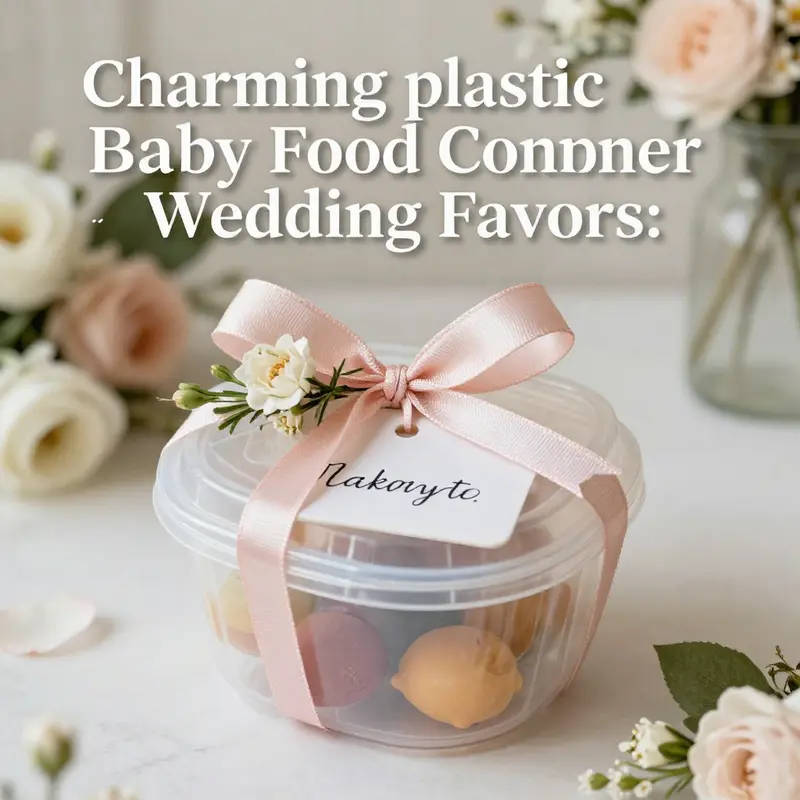
When couples begin to map the look and feel of their wedding, they often search for small, meaningful details that can carry a larger story. One idea that quietly grew in popularity is the wedding favor built around a familiar, compact vessel: the clear plastic container that resembles the little jars once used for baby food. This concept marries practicality with sentiment, transforming an everyday item into a curated keepsake. The appeal lies not just in the container itself, but in what it holds, how it looks from the guest’s perspective, and how it continues to speak long after the last dance has ended. The plastic version, with its light weight and durable construction, invites a modern approach to gifting. It is easy to customize, inexpensive at scale, and resilient enough to travel from ceremony to reception to home. By reimagining this familiar shape, couples can craft wedding favors that look effortless yet feel deliberate, a combination that resonates with guests who value both form and function.
The container’s size is ideal for a variety of tiny but thoughtful offerings. Think of a jar filled with a sealed, miniature jar of honey for a touch of sweetness, a handful of premium candies organized in bright colors to reflect the wedding palette, or even a tiny succulent tucked inside with a note about growth and partnership. The transparency of the plastic is not merely a practical feature; it is a design decision. When guests can see the contents, there is a sense of anticipation—the moment of discovery as the wrapper is untied or the lid is removed. The contents become a part of the moment, a little surprise that mirrors the larger surprise of the couple’s vows and shared life ahead. The effect is visually pleasing and emotionally resonant, especially when the contents align with the wedding’s theme, colors, or seasonal mood.
The glass-and-jar conversation of the past has its silver lining here: the plastic alternative keeps the rustic charm of a small vessel while offering modern benefits. Lightweight and shatter-resistant, plastic makes transport and handling simpler, reducing the risk of breakage during the rush of photos, toasts, and hugs. For guests arriving from different corners of the world, the practicality of a sturdy, recyclable, and easy-to-pack favor matters. The simple shape also acts as a blank canvas. It invites personalization without demanding it. A well-chosen label, a carefully tied ribbon, or a discreet foil-stamped monogram can transform a plain container into a cherished memento. In turn, this kind of customization helps solve a common wedding gifting challenge: avoiding the sense that the favor was a generic afterthought. When the container is paired with a thoughtfully chosen fill, the entire gift morphs into a memorable artifact of the day.
Personalization, in particular, emerges as a central strength of this approach. Modern customization options go far beyond printed labels. They extend into printing directly onto the container, subtle embossing, or delicate foil stamping that catches the light as guests handle the keepsake. Names, wedding dates, initials, or a bespoke message can be added in a script that echoes the invitation’s typography or the couple’s preferred style. The impact of such details is not merely aesthetic; it is emotional. A guest who reads a momentous date or a personal note on the container is reminded of the couple’s story, not just of the party they attended. The container becomes a portable memory capsule, something that travels from the event to the home mantel, still legible and still meaningful years later. This is the core reason many couples gravitate toward these little vessels—the chance to give a gift that is both consumable and collectible.
From a design standpoint, the versatility of a clear, plastic container is a quiet revolution. The container’s transparency is an invitation to experiment with color, texture, and layering. A kiss of tissue paper in a color pulled from the wedding palette, tucked around the fill, can create a soft glow as guests catch sight of the pretty contents inside. A ribbon in a metallic hue—rose gold, copper, or brushed silver—can encircle the neck, catching the light as guests walk by. A small sheet of washi tape or a brushed label can offer a clever way to seal the lid while reinforcing the theme. The aesthetic payoff is not merely about glitz; it’s about cohesion. Every element—the container, the fill, the label, the ribbon—works in concert to tell the story of the couple’s day. And because the container is transparent, it allows the eye to roam across the favor’s surface, creating a unified impression rather than a jumble of disparate pieces.
The presentation and decoration of these favors deserve careful attention. The aim is to achieve a look that feels effortless yet polished. One effective strategy is to curate a small set of decorative accents that can be mass-produced with a consistent effect. For instance, a clear container can be paired with a single, elegantly printed tag that features the couple’s initials and the date, balanced by a slim satin ribbon or a narrow twine. A tiny wax seal impression on the label adds a tactile dimension that guests remember when they pick up the favor. A spritz of scented filler, such as a light herb sachet or a subtle vanilla bean, can appeal to the senses and provide a memorable experience beyond the visual. The aim is to strike a balance: enough embellishment to feel intentional, but not so much that the container looks crowded or cluttered. This balance is often achieved by adopting a restrained color palette—soft neutrals with one or two accent tones that mirror the wedding’s color scheme. The result is a unified, modern presentation that can work across a range of wedding styles—from minimal chic to romantic vintage.
Sustainability sits alongside aesthetics as a guiding force in today’s wedding planning. The idea of reusing or repurposing containers adds a moral dimension to the purchase. Rather than discarding packaging after the party, couples can embrace a lifecycle approach. The plastic container, designed for durability and reuse, invites guests to repurpose it as a small storage jar for spices, pins, or office supplies. In a time when couples increasingly seek to minimize unnecessary waste, couples can introduce their guests to a practical habit: reuse. This aligns with the broader trend toward sustainable weddings, where the goal is to ensure that a celebration leaves a lighter footprint while still delivering beauty and meaning. The conversation around sustainability often becomes more persuasive when guests can see a tangible example—an object that remains useful after the cake has been cut and the last dance has faded. The container’s durability and transparency lend themselves well to this purpose. In a practical sense, it means fewer single-use items and more multi-purpose containers that can accompany a household long after the wedding day.
When it comes to sourcing, there are plenty of pathways to acquire clear plastic favor jars or compatible containers that resemble baby-food jars in form but are optimized for gifts. The market offers a spectrum of options: sizes small enough for a single luscious bite or a tiny cutting of herbs, shapes and lids designed to be securely closed, and finishes that range from crystal-clear to frosted for a softer look. The key is to evaluate both the aesthetic and the practicality. The container should be easy to fill, seal reliably, and accept customization without compromising its clarity or its ability to be reused. There is value in seeking suppliers who can provide samples, enabling couples to verify the fit of their chosen fill and the legibility of any printing or labeling before committing to a bulk order. An important practical consideration is the lead time and minimum order quantities required by different suppliers. When a couple negotiates the details early, they can ensure that the chosen design can be produced within the wedding timeline and budget. They also guard against the disappointment of arriving at the last minute with favors that do not meet expectations.
For those who wish to explore related packaging ideas that align with the same spirit of practicality and visual appeal, there is a spectrum of related options that can complement the main idea without competing with it. One avenue is to consider a family of containers that share the same silhouette and finish but offer different fill options for guests who may have dietary restrictions or personal preferences. A coordinated set of favors in a consistent shape can be visually striking when distributed in groups along the reception space, creating a rhythm that guests can follow as they mingle. The concept extends to the way the favors are presented at the table or along the exit path from the reception hall. An elegant tray or a row of glass or acrylic risers can elevate the display, allowing guests to choose their own favor with a sense of discovery, while still preserving the cohesive look that the couple sought from the outset. In this way, the plastic baby food container-inspired favor becomes not just a gift but a deliberate design statement about the couple’s taste, values, and approach to celebration.
The practicalities of execution deserve careful consideration as well. Planning a favor program requires a realistic assessment of time, budget, and logistics. It begins with selecting the appropriate container size and lid type, then moves to the fill and the decoration. The fill should be chosen with guest delight and practicality in mind. Edible treats are perennial favorites because they satisfy immediate delight and double as a memory cue if the flavor evokes a shared moment from the couple’s journey. Non-edible fills—such as a tiny potted succulent or a mini candle—offer a longer-term reminder of the day and can become cherished keepsakes. Whichever path is chosen, the labeling should be legible and aligned with the wedding’s typography. If the label includes a date, it should be readable without squinting after the favors have been packed and transported. A carefully selected font size, a clear contrast between text and background, and a logo imprint that echoes the invitation can all contribute to a refined look. The final presentation can be understated or elegant, but the most important attribute is consistency: every container should feel like part of a single, well-thought-out system rather than a random assortment.
Another important dimension is the guest experience. Guests appreciate gifts that feel personal and relevant to the couple’s story. A favor can serve as a brief vignette—an invitation to remember the couple’s journey and their shared values. In this sense, the container becomes a narrative device. The fill hints at daily joys that the couple values, the label captures their shared initials or a date that marks a meaningful milestone, and the packaging choice signals a cosmetic and functional investment in what guests will actually use after leaving the venue. The impact of this approach extends beyond the party itself. When guests reuse the container at home, a memory is reinforced in a small, intimate way. The ritual of opening and enjoying the contents can become a small ceremony in itself, a private moment that reconnects the guest with the celebration months or years later. In a world where many favors are admired for their novelty but quickly forgotten, a practical yet beautifully personalized container can become an enduring reminder of a wedding day.
For couples who are coordinating with vendors and family members, the logistics can seem daunting at first. Yet the process can be simplified by outlining a clear plan. Determine the total number of guests and the approximate number of favors needed, allowing for spares in case of last-minute additions. Decide on a fill type and a color palette that resonates with the wedding’s theme. Choose a decoration approach that aligns with the overall aesthetic—whether it is a single-parameter design, like a monochrome tag with a delicate ribbon, or a more layered approach that includes a small charm, a wax seal, and a double-layered wrapper. Remember that you do not need to overcomplicate the plan. The best favors convey a sense of ease and intention. The container’s universal appeal helps maintain that sense, while the personalization adds that bespoke touch that makes a wedding feel intimate rather than transactional.
As you consider the broader ecosystem of wedding favors, it can be useful to view the plastic container as part of a continuum of packaging ideas. The shape and transparency of the container speak to a modern aesthetic that many couples find appealing. The capacity to fill it with a wide range of items—from edible delights to small symbolic trinkets—means that the concept can be adapted to almost any budget or cultural tradition. Packaging remains an opportunity to honor family heritage, to nod to regional culinary traditions, or to celebrate shared hobbies. In a sense, the container becomes a canvas on which couples can project their own narratives. When guests receive a favor that feels personal and well-considered, they are more likely to remember the couple’s day with warmth rather than with a passing sense of novelty. This is the outcome that many couples aim for: a small, beautiful object that prompts a longer, more affectionate memory of a wedding day.
From a practical standpoint, it is worth noting that the broader market supports a range of clear plastic containers designed specifically for events. Suppliers and event planners alike recognize that the simplest, most versatile designs tend to perform best. Clear plastic favors that resemble classic baby food jars offer a timeless silhouette while delivering modern performance. They can be produced in various configurations to accommodate multiple fills, enabling couples to customize each favor slightly without losing the overall cohesion of the design. The result is a flexible approach that accommodates personal preferences and guest demographics. It also allows for experimentation with seasonal or thematic variations, such as summer fruits, autumn spices, or spring florals, all of which can be reflected in the color and texture of the fill and the accompanying label. The end effect is a wedding day that feels cohesive, stylish, and considerate of guests’ experience.
In writing about these containers and the way they work within a wedding narrative, it is important to acknowledge the potential for these favors to become more than tokens of thanks. They can become tiny acts of hospitality, reminders of the couple’s attention to detail and their regard for guests. The act of choosing a fill that is appropriate to the season or to dietary considerations demonstrates care. The act of packaging with a thoughtful label and a tasteful ribbon demonstrates aesthetic sensitivity. Put together, these elements form a gift that is not only attractive but also meaningful. The result is a kind of practical romance: a small vessel that holds something delightful, carries a message of affection, and can be repurposed in everyday life long after the couple has begun their new life together.
For those who want to learn more about related packaging options and how they can be integrated into a wedding plan, there is a breadth of resources and suppliers that support this approach. Platforms that offer customizable clear plastic favor jars and storage solutions enable couples to compare sizes, lids, and labeling options side by side, making it easier to settle on a configuration that aligns with the wedding’s color and theme. In the end, the success of a favor program is less about the initial impression than about the ongoing utility and the emotional resonance it fosters. A favor that is both beautiful and useful is more likely to be kept, cherished, and even reused—long after the celebration has become a memory.
To ensure you have a practical, actionable path, consider this simple guiding framework when planning your plastic baby food container-inspired favors. Start with the container: choose a size and lid style that matches the intended fill and the event’s handling logistics. Next, select the fill—edible or non-edible—keeping in mind guest preferences, potential allergies, and the event’s dietary constraints. Then, design the labeling. Whether you opt for a bold hand-lettered name or a minimalist monogram in foil, ensure it reads clearly and pairs well with the ribbon or twine you’ll attach. Finally, plan the display and the distribution. Group the favors along every table or arrange them on a dedicated shelf, allowing guests to take a moment to discover and choose. The result is a ceremonial moment of gift-giving that is intimate and memorable, grounded in thoughtful design and practical execution.
As with any wedding detail, the most successful execution comes from aligning the favor with the couple’s broader story. The plastic container becomes the thread that ties together the invitation’s invitation to celebrate, the ceremony’s promise of partnership, and the reception’s expression of gratitude. When guests recognize that thoughtfulness in a tiny, tangible form, the favor transcends its size. It becomes a reminder of a shared moment, a symbol of hospitality, and a small but meaningful contribution to the lasting memory of a day that marks the couple’s first steps as partners. The beauty of this approach lies in its adaptability: it can be refined for a classic, formal wedding or reimagined for a contemporary, laid-back celebration. It can be scaled up for large guest lists or personalized for intimate gatherings. It can honor cultural traditions while embracing modern aesthetics. And in every case, the container remains a humble vessel that invites guests to pause, smile, and carry a fragment of the day with them into the ordinary rhythms of daily life.
For readers seeking a direct path to similar packaging concepts and samples, there are practical avenues to explore. Suppliers who specialize in clear or frosted plastic containers designed for gifting can provide a range of shapes and sizes that echo the baby-food jar silhouette. They can also guide you through the customization options that best suit your budget and timeline. If you are interested in broader packaging ideas that complement the same design language, you can examine related options that emphasize sustainability and reuse, ensuring that your wedding favors deliver value both on the day of the celebration and beyond. The ultimate goal remains to craft a small gift that is beautiful, useful, and uniquely yours.
As you map the trajectory from concept to execution, remember that the story you tell through the favors should mirror the story you tell through the day itself. The container is not a standalone feature but a chapter within a larger narrative—one that celebrates partnership, shared values, and the joy of welcoming guests into the new life you are beginning. When the favors feel inevitable and well-considered, guests will sense the care that went into them, and the day will linger in memory as something more than a sequence of lovely moments. It will feel like a carefully curated experience—one that respects the past, honors present relationships, and looks forward to the future with optimism and grace.
For further exploration of packaging options along these lines, you can explore a broader range of related materials and designs that align with the same aesthetic and practical goals. eco-friendly disposable snack containers offer a glimpse into how similar packaging logic translates across materials and formats. This link opens the door to ideas that may complement your choice of plastic containers, enabling a cohesive, thoughtful, and sustainable approach to your wedding favors. While the exact container you select may vary, the underlying principles—personalization, presentation, and purposeful reuse—remain constant across options. External resources, including industry perspectives on clear plastic favor jars, can provide additional context on market trends, best practices for customization, and practical tips for ensuring quality and consistency across large orders. A well-planned favor program can thus be a quiet yet powerful thread that weaves together design elegance with everyday usefulness, inviting guests to carry a small piece of the celebration with them long after the celebration ends.
External reference for further reading on clear plastic favor jars and their use as wedding keepsakes can be found here: https://www.alibaba.com/product-detail/Clear-Plastic-Favor-Jars-Perfect-for-Any-Occasion_1600798537455.html
Final thoughts
Plastic baby food container wedding favors present a wonderful option for those looking to combine functionality with sustainability and a personal touch. By reimagining these containers, businesses in the food and beverage industry can offer delightful, eco-friendly wedding favors that guests will cherish. As we’ve explored, not only do these containers reduce waste, but they also encourage creativity and personalization, ensuring that every couple can express their unique style and make their wedding memorable. Embrace this innovative idea to enhance your offerings and create joyful experiences for all involved.