
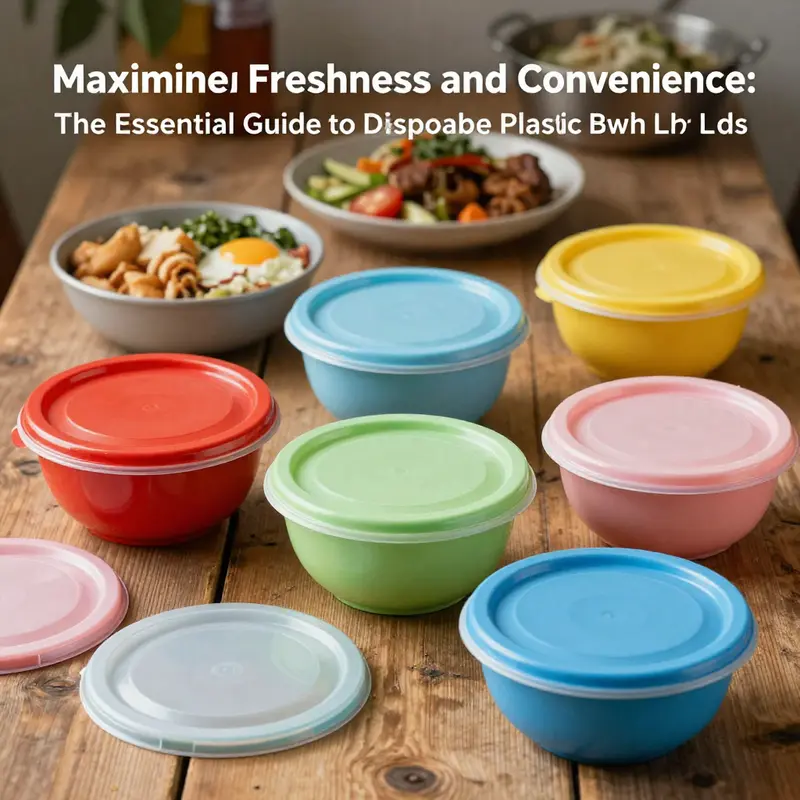
Disposable plastic bowls with lids stand out as a vital resource across various food service sectors. From bubble tea shops and restaurants to food trucks and catering services, these bowls offer a combination of practicality and hygiene. Their design addresses common challenges in food transportation and storage, making them an invaluable asset. This article delves into the key features that differentiate these bowls, explores their diverse applications, analyzes current market trends, and weighs sustainability considerations to provide a comprehensive understanding of this essential product in the industry.
Guarding Freshness on the Go: The Quiet Engineering Behind Disposable Plastic Bowls with Lids
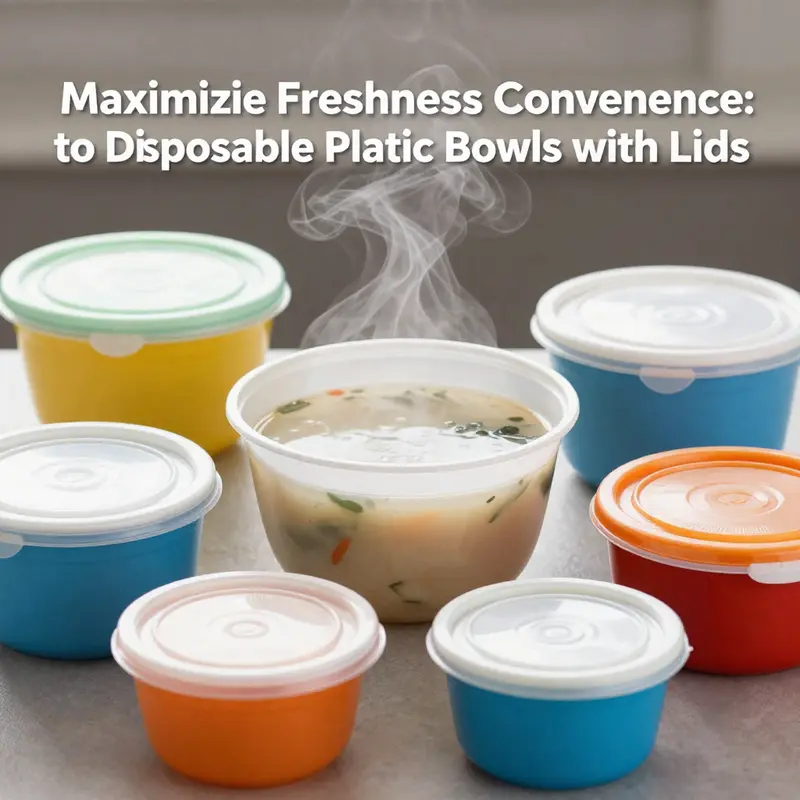
Disposable plastic bowls with lids are more than convenient containers; they are compact carriers of freshness, designed to meet the unpredictable rhythms of modern eating and sharing. In a world where meals travel from kitchen to car, office desk to picnic blanket, the best designs anticipate both human behavior and the realities of transport. The lids are not mere covers but integral components that lock in temperature, prevent spills, and protect the integrity of the food across short hops and longer excursions. The core idea behind these bowls is straightforward yet powerful: a single-use option that does not force a compromise between hygiene, portability, and performance. When you handle one, you are witnessing a system engineered to minimize waste, maximize safety, and simplify logistics for a broad spectrum of settings, from a catered buffet to a casual family meal prepared in advance. The narrative of these containers is a narrative of everyday pragmatism, but it is also a narrative of material science, regulatory stewardship, and evolving sustainability considerations that shape choices at every point from production lines to consumer kitchens.
The most visible advantage is the seal. A well-designed lid snaps onto the rim and forms a tight interface with the bowl, creating a barrier against air, moisture, and incidental spills. This seal supports freshness by reducing evaporation and limiting the ingress of contaminants. It also helps maintain temperature for a reasonable window, a practical feature for soups, stews, sauces, and warm salads. In a service context, the seal translates to less mess during transport and easier handoffs, whether a server is delivering meals to a crowd or an individual is toting a takeout order across a campus lawn. The psychological comfort of knowing the lid won’t pop off during movement enhances the perception of reliability, which in turn supports customer satisfaction and brand trust in a highly competitive market.
Material choices underpin all of these benefits. The most common options are polypropylene and sometimes other plastics that meet food-safety standards. Polypropylene offers a favorable balance of rigidity, heat resistance, and chemical inertness, making it compatible with a wide range of foods and reheating scenarios when used with the lid removed. It can withstand brief exposure to higher temperatures without warping, and it accepts microwave use in many contexts, provided the lid is removed or vented. This caveat is crucial: heating with the lid in place can trap steam and elevate internal pressure, which may deform the container or compromise the seal. Conversely, other materials—such as polystyrene—may offer clarity and cost benefits but carry safety cautions for heating. Styrene monomer can migrate under certain conditions, and prolonged or repeated exposure to heat raises concerns about off-odors, chemical migration, or structural degradation. Those realities push manufacturers and buyers to emphasize correct heating guidelines, consumer labeling, and responsible use.
The chapter of materials does not end with a single plastic family. In some instances, alternative polymers or blends are explored to address evolving sustainability goals. Biodegradable or compostable variants promise a pathway to reduced long-term waste, yet they introduce additional complexity. The disposal or composting of single-use containers hinges on local waste streams and consumer awareness, as well as the stability of the material under real-world conditions. The decision tree for material choice thus becomes a balance between heat tolerance, clarity or opacity, rigidity, moisture resistance, and end-of-life considerations. Each choice has consequences for performance in the field, for safety under various handling conditions, and for the environmental footprint of the product as a whole. For many operators, the primary concern remains simple: the container should do its job reliably for a one-time use, without leaking, without compromising the food’s safety, and without becoming a logistical headache during service.
Beyond the bowl and lid, regulatory compliance shapes every stage of the product’s journey. In different regions, standards constrain what materials can contact foods, how much migration of chemicals is permissible, and how labeling must convey safe usage. A careful reading of national or regional guidelines reveals a layered approach: materials are tested for migration of substances, heavy metals, and overall compatibility with food; packaging must carry clear usage instructions; and the product is often subject to audits and periodic inspections to verify conformance. The weight of these standards becomes apparent in the real-world outcomes of quality checks. For instance, field assessments have shown that some samples fail not because the base material is unsafe, but due to labeling inadequacies or missing usage instructions. Such findings underscore a simple, critical truth: clear communication is as essential as the material science that underpins the container. When vendors and buyers align on labeling, storage, and heating guidance, the risk of misuse drops and consumer confidence rises.
To support a wide range of applications, these disposable bowls come in multiple sizes and configurations. The assortment typically includes small portions for single servings, mid-range sizes for standard meals, and larger options that accommodate generous portions or shared dishes. Some designs feature hinged or clamshell lids that stay attached during handling, reducing the likelihood of lid loss as food moves through crowded service lines, catering events, or takeaway pickups. This design consideration matters in fast-paced environments where misplacing a lid can lead to contamination risks or product waste. The ability to stack, store, and transport without sacrificing lid integrity contributes to operational efficiency, especially in high-volume settings. The variety in sizes and styles also supports portion control and meal-prep strategies, enabling users to pre-portion meals with confidence and simplifying inventory management in kitchens and offices.
In practice, the everyday use of these bowls often spans a spectrum from casual gatherings to formal catering. For a casual family dinner, a batch of pre-portioned bowls can streamline serving and ensure that each guest receives a portion that preserves taste and texture. In a corporate or school setting, the same basic form factor translates into predictable serving sizes and reliable transport between kitchen and dining space. For catering, the combination of a secure seal, a robust material, and the option for bulk packaging becomes a logistical asset, allowing organizers to stage servings, manage dietary variations, and simplify cleanup at the end of an event. The practical advantages extend to meal-prep routines at home as well. Reheating can be convenient and efficient when the product is designed with heat tolerance in mind, while the lid’s removal is a minor but important step that preserves the quality and safety of the reheated dish.
Sustainability remains a critical and evolving consideration in the disposable-bowl category. While traditional plastic is intrinsically less sustainable than durable alternatives, the market is increasingly offering recyclable or compostable choices. The sustainability story is nuanced. Recyclability depends on local facilities and the presence of appropriate streams to reclaim the material, while compostability hinges on industrial composting infrastructure that can accommodate specific polymers and additives. Buyers must balance convenience with environmental responsibility, selecting products that align with their waste-management capabilities and corporate or organizational sustainability goals. The push toward eco-conscious options does not eliminate the need for rigorous safety and handling standards; in fact, it intensifies them, as clearer labeling and robust testing become even more essential to ensure safe use and appropriate disposal.
For operators who seek to optimize their supply chain and reduce waste, a thoughtful purchasing approach becomes essential. It begins with a clear mapping of use cases: which foods will be served, which reheating methods will be used, and what the anticipated transport distances are. It continues with a careful evaluation of material and lid design—whether the seal is truly leak-proof, how easy it is to stack for storage, and whether the design accommodates both cold and warm servings without compromising integrity. The decision tree also includes a consideration of cost-per-use, a practical metric that captures the combined impact of material choice, capacity, and waste generation. Even with seemingly small differences in design, the cumulative effect on efficiency, food safety, and customer satisfaction can be substantial. In the end, the right disposable bowl with lid is not simply the cheapest option, but the most reliable one for a given context, balancing performance with responsible waste management and clear communication about usage.
As the dialogue around single-use containers evolves, design thinkers increasingly explore how form and function can harmonize with evolving consumer expectations. The lids that accompany these bowls do more than cap a bowl; they act as a bridge between hot or cold contents and the practical realities of transport, service speed, and hygiene. The layering of performance features—material resilience, temperature retention, secure seals, and user-friendly handling—creates a coherent system that supports diverse foodservice needs without demanding a one-size-fits-all solution. In spaces such as catering kitchens, campus dining halls, and pop-up events, operators weigh these factors against the realities of labor, storage, and post-consumer disposal. The best choices translate into fewer spillages, more accurate portioning, and a clearer commitment to food safety that remains visible to the diners who rely on these products every day.
Those who plan for the long game will also consider how these bowls integrate with broader packaging ecosystems. The option to choose recyclable or compostable variants can align with corporate sustainability programs and municipal waste guidelines, though it requires diligence in labeling and disposal instructions. The conversation surrounding disposables is not merely about convenience; it is about responsible practice across procurement, usage, and end-of-life management. The preference for transparency—clear material identification, explicit heating guidance, and explicit reuse warnings—becomes a non-negotiable feature in high-quality products.
For readers who want to explore related options without leaving the article’s ecosystem, a quick browse of the Disposable Bowls category can provide a practical snapshot of what is available and how different designs address common needs. You can view this section here: Disposable Bowls category.
Beyond the practicalities, the speed and scale at which these containers operate reveal broader shifts in how meals travel and how communities share food. The single-use format was born from a simple goal: to create a safe, portable vehicle for nourishment that minimizes effort for both servers and diners. Over time, this simple goal has matured into a sophisticated design discipline, balancing thermal performance, leak resistance, chemical safety, and end-of-life considerations. The result is a family of products that can adapt to a cafeteria line, a catering tent, a home kitchen, or a rapid-delivery workflow, without demanding complexities that would slow service or compromise safety. This adaptability is the core value proposition that keeps disposable bowls with lids relevant in an age of rising expectations for speed, cleanliness, and sustainability.
To illuminate the broader landscape of materials science that underpins these containers, consider ongoing research and development in polymer families and additives that influence heat resistance, clarity, and barrier properties. Materials scientists continuously test how different formulations behave under repeated temperature fluctuations, how they interact with various food constituents, and how stable they remain when exposed to light, air, and moisture. The aim is to extend safe use, minimize migration risks, and at the same time offer designers the freedom to optimize lid geometry, snap-fit hooks, and venting mechanisms that enhance user experience. This iterative process helps ensure that the product remains robust across diverse use cases, from a steaming hot serving to a chilled dessert transported over several blocks.
In the practical day-to-day operations of kitchens and event spaces, the hygiene and safety logic is anchored in simple rules that become second nature with experience. Never heat the food with the lid on; remove the lid for microwave reheating when permitted; confirm that the lid remains intact during transport; and store the bowls in clean, dry conditions to prevent contamination or deformation. Clear labeling helps protect both guests and staff by specifying whether the container is suitable for microwave use, what temperatures it can safely endure, and whether the material is intended for reuse or disposal after a single use. When these guardrails are observed, the potential risks associated with single-use plastics diminish substantially, and the benefits—convenience, portability, and consistent hygiene—shine through in daily practice.
The story of disposable plastic bowls with lids thus comes into focus as a hybrid of practical工 and scientific rigor. It is about how a simple lid can transform a portable dish into a reliable meal, how material choices determine safety and performance, and how regulatory frameworks ensure that these everyday objects remain trustworthy components of the food system. It is also a reminder that sustainability is not a single destination but a continuum of choices—between recyclable and compostable options, between the allure of lower upfront costs and the accountability of end-of-life stewardship, and between the ease of use and the responsibility of proper handling. As technology advances and waste-management infrastructure evolves, the conversation will continue to refine what defines an optimal disposable bowl with a lid: a container that protects, preserves, and travels well, while transparently communicating safety and disposal to the people who rely on it.
External reading and related material can provide deeper context on innovations in polymer technology and the ongoing exploration of safer, more sustainable packaging solutions. For a broader overview of material science related to these products, you may consult external resources such as BASF Ultrason’s overview of high-performance polymers and their applications in food-contact packaging: https://www.basf.com/global/en/our-products/ultrason.html. This reference highlights how ongoing developments in specialty polymers influence the durability, heat resistance, and safety profiles that underlie everyday disposable containers.
Balancing Convenience and Responsibility: The Place of Lidded Disposable Plastic Bowls in Modern Food Service
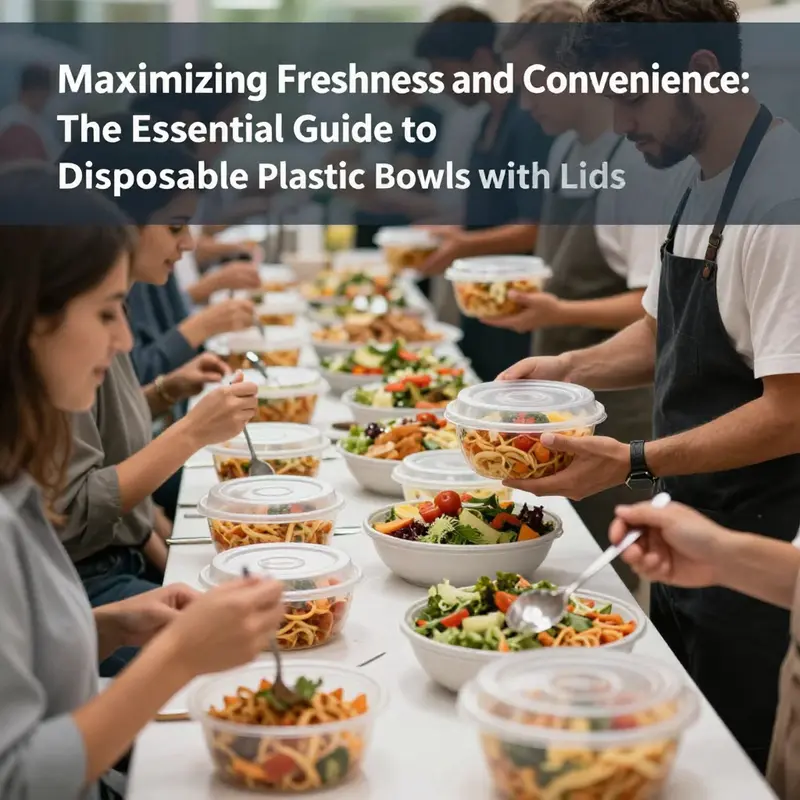
The classroom of modern food service is noisier than it once was, filled with conversations about speed, safety, and sustainability. Lidded plastic bowls—designed to be leak-proof, portable, and hygienic—continue to play a practical role in many operations. They are not a fetish of convenience alone; they are a practical tool in kitchens, catering vans, and event lineups where timing matters as much as the quality of the food delivered. The question many operators ask is not whether these containers can perform, but when and how to use them in a system that values both efficiency and responsibility. In this space, the true application of plastic bowls with lids emerges as a study in balancing the immediate needs of service with the longer arc of environmental stewardship.
The core attributes of these containers anchor their continued relevance. A well-designed lid snaps onto a bowl, creating a seal that guards freshness and helps preserve heat on the move. That tight seal also minimizes the risk of leaks, a feature that translates directly into smoother transport, cleaner service lines, and less waste from compromised servings. Food safety standards are central to the story, and the materials commonly used for these bowls—food-grade plastics such as polypropylene and PET—make direct contact with meals while meeting established safety benchmarks. This combination of reliable seal, heat preservation, and safety is not merely a selling point; it is the practical reason these containers are found in so many workflows—from the immediacy of takeout to the structured rhythms of catering and school events.
The form factors themselves tell a story about application. The available sizes span from compact 8-ounce portions to generous 32-ounce servings, allowing a single container line to cover a spectrum of foods—from fruit cups and salads to hearty soups and desserts. Some designs incorporate hinged or clamshell lids, a feature that keeps lids from becoming lost during busy handoffs and helps streamline assembly lines in cafeterias or event kitchens. The presence of microwave-safe variants further expands the usefulness of these bowls, enabling reheating at home, in office break rooms, or during service periods when time and warming capacity are at a premium. In each case, the decision to deploy a lidded plastic bowl rests on a simple calculation: do the container’s benefits align with the operational tempo and the service context, while still honoring the broader commitments to safety, cleanliness, and waste management?
A quiet but persistent thread within the discourse around these containers is the shift toward more sustainable practices. The environmental footprint of single-use plastics has moved to the center of strategic planning in many food service operations. In practice, this means evaluating alternatives not only on the basis of convenience, but also on lifecycle impacts. Many facilities are exploring reusable systems that embrace robust dishwashing capabilities, compatible with the pace of service and the scale of demand. In such environments, polypropylene or other durable plastics can be designed for repeated use, with the same hygienic assurances that consumers expect. Reusable bowls, when properly cleaned and maintained, can offer a lower cumulative footprint than repeatedly discarded disposables. The conversation is not about wholesale replacement of all disposables but about the selective integration of reusable strategies where they deliver real environmental and economic value.
Even as reuse becomes a central axis for some operators, it would be shortsighted to pretend disposable lidded bowls have no role in contemporary practice. They remain indispensable in contexts where rapid turnover, variable demand, or the need for on-the-go packaging is non-negotiable. Catering events with fluctuating guest counts, family meals prepared for a large group, or corporate gatherings where meals must be portioned and transported efficiently all benefit from a reliable, hygienic packaging solution that can be stored flat, stacked, and labeled with ease. In these circumstances, the practical advantages of a leak-proof seal, a rigid structure that resists crushing in transit, and a surface compatible with labeling and branding come together to justify their presence on the service map—even as sustainability goals push companies to rethink usage patterns and explore alternatives for the longer term.
The decision framework for choosing these containers cannot ignore the realities of cost, waste streams, and the realities of cleaning and reuse. For venues with established dishwashing operations, a reusable polypropylene bowl can be a strategic part of a broader program that reduces waste and encourages efficient menu planning. In such settings, the bowls are not merely vessels for serving; they are part of a system that handles inventory, portion control, and return logistics. In contrast, smaller operators or events with limited washing capacity may rely more heavily on disposables for practical reasons, while still seeking ways to mitigate impact—whether through choosing recyclable alternatives, selecting materials designed for higher recyclability, or donating used containers to proper recycling streams after events. In all cases, the choice is guided by a careful cost-benefit analysis that weighs material performance, cleaning protocols, storage requirements, and the viability of recycling or composting within local infrastructure.
A broader literacy about these containers includes an appreciation of how they integrate with other packaging and service elements. The lids themselves are not afterthoughts; they are part of a packaging ecosystem that influences stackability, transport efficiency, and even branding opportunities in the hands of customers. The interplay between bowl and lid can affect how an operation stages food for service, how staff assemble meals, and how guests perceive the quality of the experience. In settings where presentation matters, transparent or colored options can offer visual cues about contents while still delivering the security of a seal. The design choices that accompany these bowls—whether they emphasize clarity for visual appeal in fruit and salads or opacity to reassure privacy for certain desserts—underscore how the packaging becomes a support role in the storytelling of a menu.
The practical implications of choosing disposable lidded bowls also extend to the logistics of event planning, catering, and daily meal services. For caterers, the reliability of a lid that stays tightly shut is a safeguard against spillage in transit, a feature that cuts down on cleanup time and protects the integrity of the food. For schools and office settings, the ability to portion meals accurately and maintain temperature control can influence the perceived value of the service and the satisfaction of participants. In the home kitchen, where people use these containers for portioning meals and freezing leftovers, the same attributes—leak resistance, heat retention, and food-grade safety—translate into practical benefits that help reduce waste and support convenient meal planning. Across these varied contexts, the chapter of use that unfolds is one of multipurpose functionality, with a clear through-line: the containers serve as enablers of reliable service, while the broader system—kitchens, staff workflows, and waste management—shapes their ultimate impact.
Navigating the ecosystem of options also invites attention to the availability of alternatives and how they are positioned in the market. For operators exploring the transition toward more sustainable practice, it is useful to examine the spectrum of materials and design features that accompany disposable lidded bowls. Recyclable or compostable variants offer pathways toward reducing end-of-life impact, but their effectiveness hinges on the existence of appropriate collection streams and processing facilities. Hence, a practical approach to sustainability often includes a hybrid strategy: leverage the functional advantages of disposable lidded bowls for certain high-demand moments, while investing in reusable systems wherever viable, and supporting recycling or composting programs where infrastructure permits. This approach aligns with a growing consensus that responsible packaging is not a single choice but a portfolio of interventions that adapt to context, capacity, and community needs.
The narrative around these containers would be incomplete without acknowledging the role of guidance and best practices in maximizing their value. Operators can benefit from clear protocols on when to deploy disposables versus reusables, how to sanitize reusable containers, and how to handle waste streams with fidelity to local regulations. Training staff to recognize the signs of compromised containers, to return used items to appropriate washing cycles, and to communicate recycling options to customers can amplify the positive effects of packaging decisions. Consumers, too, increasingly expect packaging to be not only convenient but also consistent with broader values around waste and environmental care. In this light, the packaging becomes a touchpoint for a company’s identity—an opportunity to demonstrate that convenience and responsibility are not mutually exclusive.
For readers seeking practical connections beyond this chapter, consider exploring the Disposable Bowls category, where a range of lidded, food-grade options provides insight into how the market segments these products by size, material, and intended use. This resource can illuminate the spectrum of capabilities available to service operators while offering a concrete reference for how packaging choices align with different workflows. https://cupbowlpack.com/product-category/disposable-bowls/. In the broader context of the article, this chapter has aimed to connect the dots between the everyday utility of lidded plastic bowls and the strategic considerations that govern sustainable practice in food service. While the appeal of one-time-use convenience remains undeniable in certain circumstances, the conversation increasingly orients toward systems that balance reliability with responsibility, ensuring that service excellence can coexist with stewardship of resources.
External resource: for a wider lens on plastic use, waste, and responsibility in packaging, see the ongoing discussions and guidelines from international environmental authorities and sustainability organizations. These perspectives complement the practical considerations described here and encourage continued dialogue about how to harmonize customer needs with planetary health. https://www.un.org/sustainabledevelopment/
Resealing the Plate: Market Currents in Disposable Plastic Bowls with Lids
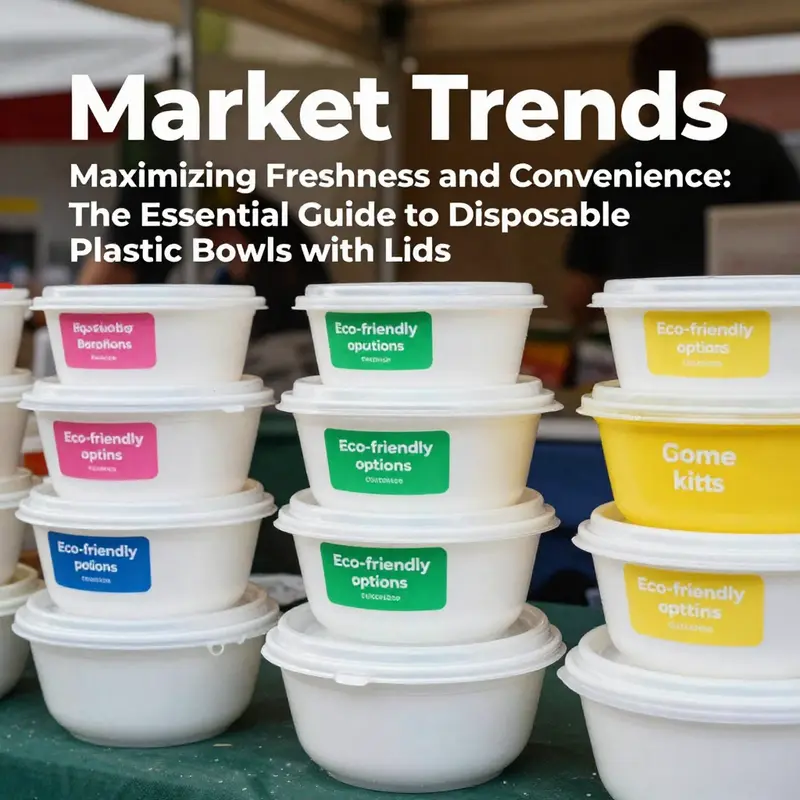
The market for disposable plastic bowls with lids is tracing a steady, forward-moving arc that mirrors how institutions and households think about convenience, hygiene, and efficiency in food handling. In recent industry analyses, the overall Plastic Bowls Market was valued at 11.09 billion dollars in 2025, and projections show a robust compound annual growth rate of about 8.09% from 2026 through 2033. These numbers are not mere headlines; they are reflections of a practical shift in how food is prepared, packaged, transported, and stored across a spectrum of settings—from large-scale catering and buffet services to intimate family meals and bustling office meetings. The appeal of disposable bowls with lids lies in a simple equation: reduce the friction of service while preserving the integrity of the food. A tight, secure seal keeps aromas and textures intact, prevents leaks when the container is tipped during transport, and minimizes the risk of cross-contamination. The benefit cascade extends from professional kitchens to home meal-prep routines, where a single container can move seamlessly from the refrigerator, to the microwave, to the dining table, without sacrificing safety or flavor.
At the core of this market drift is a potent combination of function and economics. Break-even costs for disposable packaging are frequently lower than the per-meal cost of reusable systems when labor, water, and energy for washing are considered. The lids, often snap-on or threaded, aren’t just lids; they are essential seals that defend against leakage and temperature loss. In the case of soups, stews, sauces, or fruit-based desserts, an airtight seal becomes a differentiator between a courier-friendly package and a consumer experience that proves disappointing upon arrival. This practical advantage carries into the catering and event space, where efficiency and reliability can drive repeat orders and influence a brand’s reputation in hospitality networks. The result is a market segment that thrives on reliability, not merely novelty.
Material choice remains central to both performance and safety narratives. The most widely adopted bases are polypropylene (PP) and polyethylene terephthalate (PET). These polymers offer a balance of rigidity, clarity, and chemical stability that suits both cold storage and, in the case of many PP formulations, microwave exposure. The trend toward BPA-free labeling has grown from an environmental and regulatory concern into a consumer expectation, even for single-use items. Food-grade quality remains non-negotiable, as kitchens and lunchrooms demand containers that can come into direct contact with a broad range of foods—from acidic fruit salads to creamy dressings and hot soups. The promise of safety is closely tied to sustainability goals. While traditional plastics have long posed environmental questions, manufacturers are increasingly exploring recyclable, recyclable-grade, or compostable alternatives that align with circular economy principles. The market is not moving toward disposables at the expense of the planet; rather, it is advancing sustainable packaging options that still deliver the reliability customers expect.
Another driver of growth is versatility in size and design. The 8-ounce to 32-ounce range accommodates a wide array of portions, from a single serving of salad or dessert to a multi-portion meal or buffet display. Some lids are hinged, creating a clamshell design that remains attached during handling and reduces the risk of misplacing a cap in the rush of service. The flexibility of this range matters in settings as diverse as hospital cafeterias, school lunchrooms, corporate break rooms, and street-side catering. For many buyers, the ability to standardize on a few core formats lowers procurement complexity and inventory costs while enabling rapid fulfillment of diverse orders. In practical terms, a caterer can select a small set of container families and respond quickly to a client brief that calls for on-site service or takeout meals without continuous retooling of packaging lines.
Design innovation continues to push the envelope beyond simple containment. Seals have evolved to achieve tighter tolerances and more reliable performance under a variety of conditions. Some lids feature threading that helps create a true vacuum-like seal, while others rely on snap-on mechanisms designed for quick, one-handed operation. The result is a packaging experience that feels secure to the user but uncomplicated to operate for staff during rush periods. For cold and room-temperature foods, these seals are a practical safeguard against splatter and leakage, while even hot foods benefit from reduced heat loss during transit, thanks to reflective surfaces and snug closures in some lid designs.
A broader shift toward responsible packaging also colors market expectations. Products are increasingly marketed with clear claims about safety and sustainability. Labels emphasize that containers are BPA-free and designed for safe contact with food. Recyclability takes on new meaning when a product is part of a larger waste-stream management plan; some manufacturers emphasize the end-of-life options for their bowls, advocating for recycling streams that accept polypropylene and PET materials where local infrastructure allows. For consumers seeking greener choices, this transparency matters. They want to know whether a container can be recycled after use or whether it is designed to break down in composting facilities. The push toward environmentally responsible packaging is not a fleeting trend; it is becoming a basic criterion that informs purchasing decisions across commercial and residential segments alike.
In parallel with material and design improvements, the market continues to expand through diversification of applications. Food service environments—from full-service cafeterias to fast-casual takeout—rely on disposable bowls with lids to streamline handling, reduce spillage, and keep foods at the desired temperature longer. Catering and banquet operations find value in containers that can be prepared in advance, portioned, and delivered without compromising safety or quality. For office and school settings, ready-to-serve meals in sturdy containers support wellness programs, daily lunch options, and event catering. Even outside traditional dining contexts, households are increasingly using these containers for meal prep and portion control, as a practical answer to busy schedules and the desire to minimize food waste. The versatility of these bowls is not only a reflection of consumer demand but also a testament to the adaptability of packaging systems that can meet a spectrum of serving styles and transport scenarios.
From the procurement perspective, the scale of demand influences both production planning and logistics strategies. Large orders often involve more than a single container or lid; buyers look for consistency in dimensions, closure reliability, and compatibility with standard display and transport solutions. This means manufacturers must maintain tight quality control across batches, ensuring that sealed lids perform under expected temperature ranges and during visual inspection at point of sale. In turn, distributors and procurement teams seek predictable lead times, straightforward customization options, and clear information about material composition and end-of-life options. The capability to customize with logos or messaging—while common in the packaging industry—needs to be balanced against production costs and the overall goal of delivering cost-efficient, high-volume solutions to clients who emphasize speed and reliability as much as brand differentiation.
The trend toward safer, more sustainable packaging does not occur in isolation. It interacts with broader shifts in consumer behavior and policy landscapes that shape how goods are designed, produced, and disposed of. A growing emphasis on reducing single-use waste has nudged some buyers to consider compostable additives or bio-based polymers where feasible, even in categories traditionally dominated by conventional plastics. Yet the practical realities of supply chains, regulatory requirements, and performance benchmarks mean that the path to greener disposables is iterative. It involves balancing strength, heat resistance, clarity (where transparency is desired for product visibility), and the feasibility of recycling streams. In many markets, the choice between recyclable plastics and compostable materials rests not only on environmental benefits but also on the infrastructure available to handle those end-of-life options. As a result, packaging designers often work within regional constraints to offer solutions that satisfy both consumer expectations and municipal waste programs.
The future trajectory for disposable plastic bowls with lids suggests continued growth, underpinned by innovations in material science, seal technology, and supply chain optimization. We can anticipate more robust temperature management, improved leak resistance, and expanded availability of recyclable and compostable variants. The growth outlook remains favorable for those serving sectors where speed, safety, and portion control are essential—catering, events, food-service operations, and even home meal-prep routines. The numbers project a broadening market footprint across geographies as urbanization and on-the-go lifestyles intensify demand for reliable, portable food packaging. In this context, the capacity to deliver consistent performance at scale becomes a critical differentiator for suppliers who aim to capture multi-year contracts with commercial clients and long-term partnerships with institutions that prioritize hygiene and efficiency.
For readers exploring options from suppliers and distributors, a practical starting point is to consider the disposable bowls category as a consolidated resource. It provides a spectrum of options aligned with the needs described above—easy access to sizes, seal types, and material choices that fit a range of budgetary and performance requirements. In addition to evaluating the core characteristics of each container, buyers should assess the compatibility of the lid with the bowl, the presence of hings or snap-on features, and the overall robustness of the closure under transport conditions. While features like leak resistance and airtight sealing are universal expectations, the precision of the fit and the ease of use can differ and impact the user experience during service, delivery, and consumption. For teams prioritizing bulk orders and configurability, engaging with suppliers that offer OEM/ODM options can unlock the ability to tailor dimensions, lids, and labeling to fit specific workflows and branding strategies while maintaining the efficiency of mass production.
If you are surveying options and want a direct look at how these containers are cataloged and organized, you can explore the disposable bowls category on the supplier site, which provides a practical overview of formats, lid configurations, and bulk-ready options. This resource can serve as a reference during a broader procurement decision, helping teams compare models side by side and quickly narrow down the choices that meet both functional requirements and cost targets. For readers seeking technical depth on performance and material standards, an in-depth guide on grades, composition, and optimization of performance in industrial contexts offers valuable context. The guide discusses how polypropylene and other materials behave under typical usage conditions, including thermal exposure, mechanical stress, and chemical compatibility, which are all relevant to choosing containers that will perform consistently in real-world settings.
In synthesis, the market for disposable plastic bowls with lids stands at a convergence of practicality, safety, and responsible stewardship. The growth story is fed by a mix of demand from food service and the everyday needs of households, while the design and materials landscape continues to evolve to meet rising expectations for seal integrity, durability, and end-of-life options. The trend toward recyclable and compostable variants, coupled with a clear emphasis on BPA-free safety, signals that this category will remain a mainstay of both professional kitchens and domestic pantries for years to come. The challenge for manufacturers and distributors will be to sustain performance at scale while expanding the sustainability envelope, ensuring that convenience does not come at the expense of environmental responsibility. In this evolving ecosystem, the most resilient suppliers will be those who articulate a clear value proposition around predictable performance, safety assurances, and transparent sustainability commitments, all while maintaining the flexibility to tailor packaging solutions to diverse customer needs.
External resource for deeper technical context: https://www.plasticbowlguide.com/grades-composition-performance-industry. This reference offers a detailed examination of material grades, composition, and performance optimization that underpins practical decisions in industrial packaging.
For further reading and related product categories, you may also find value in exploring related packaging and disposable ware sections that align with broader packaging strategies, such as disposable tableware and lids, which can provide additional context on how lids are integrated into the broader packaging ecosystem. The internal collection of resources emphasizes practical options for everyday use and procurement considerations while keeping an eye on sustainability and safety directives.
Balancing Convenience and Stewardship: Sustainability in Disposable Plastic Bowls with Lids
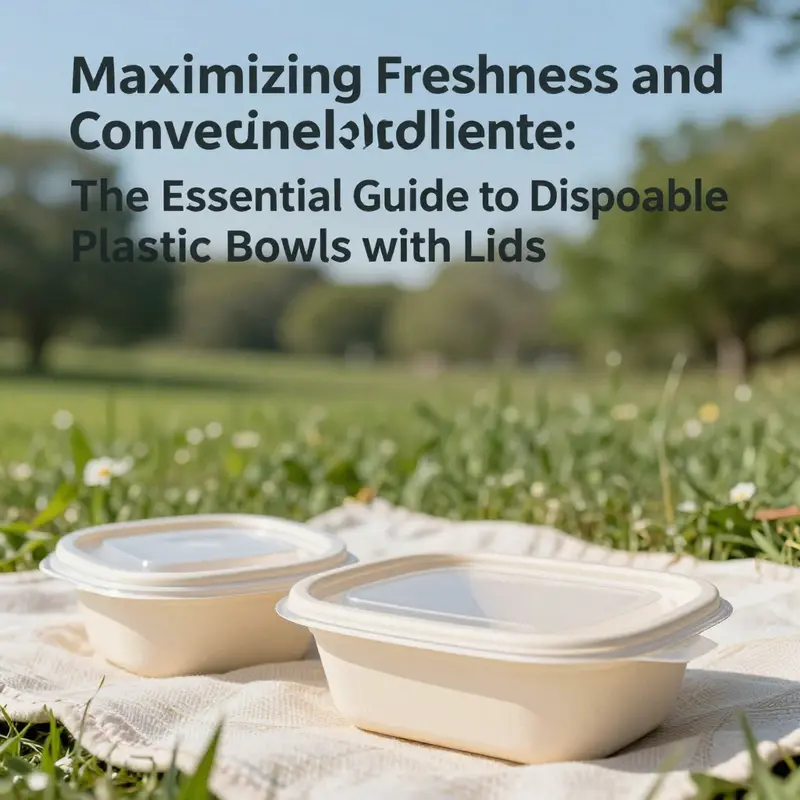
In kitchens, conference spaces, and casual gatherings, disposable plastic bowls with lids are the quiet workhors of modern food service. They promise convenience, hygiene, and portability in one compact package. Yet sustainability sits at the heart of every practical choice: the materials used, how those materials travel from factory to landfill, and what happens when the lid snaps shut on a finished meal. This chapter weaves together the threads of material science, waste management, and user behavior to illuminate what truly makes disposable bowls with lids a more or less sustainable option, and how buyers, manufacturers, and food-service operators can tilt outcomes toward stewardship without sacrificing the essential benefits of these containers.
The most common material in these bowls is polypropylene, often labeled as PP and identified by resin code #5. PP has several attributes that tilt its profile toward sustainability compared with other plastics. It is lightweight, which reduces transportation emissions during distribution. It is also surprisingly durable for a disposable item, capable of withstanding microwave and freezer temperatures, enabling the same container to be used for reheating and storage without degrading quickly. This durability, however, is a double-edged sword: it offers convenience and potential reuse opportunities, but it can also contribute to longer persistence in the waste stream if not disposed of properly. The true environmental benefit of PP depends heavily on the efficiency and accessibility of local recycling streams. When a region lacks robust PP recycling, the material loses much of its potential advantage and may become indistinguishable from other waste in a landfill. In short, the environmental story of PP hinges largely on what happens after the meal leaves the plate.
A central pillar in assessing sustainability is recyclability. PP is widely accepted into many curbside recycling programs, making it a relatively practical choice in regions with established infrastructure. But the picture is nuanced. Recycling success depends on clean streams, regular collection, and consumer participation. Contamination—such as leftover food residue, sauces, or mixing PP with non-recyclables—can jeopardize an entire batch of otherwise recyclable material. This is where meticulous preparation and informed disposal matter. At the design level, manufacturers can help by producing bowls and lids that are easy to separate when necessary, clearly labeled with resin codes, and compatible with standard sorting processes. When these practices align with local facilities, the lifecycle impact of PP-based disposable bowls improves markedly.
Another meaningful pathway toward reduced ecological impact is using post-consumer recycled content. Replacing a portion of virgin PP with PCR content lowers the energy footprint and reduces reliance on new fossil resources. The presence of PCR in food-contact plastics signals a broader commitment to circular economy principles. It also raises questions about performance and safety, which manufacturers must address through rigorous quality controls and certifications. In high-volume contexts such as catering or large offices, PCR can make a notable difference in overall material footprints while preserving the seal, leak resistance, and heat retention that define these bowls’ practicality.
The lifecycle of disposable bowls with lids, however, does not end at recycling. After collection and processing, the recycling stream returns material that can be remade into new bowls, lids, or other PP products. Part of the challenge lies in ensuring that recycled content remains food-safe and durable enough for repeated use in food service settings. This is why many operators favor items that explicitly advertise food-grade PP and auditable recycling practices. It is not merely a matter of compliance; it is a matter of building consumer trust that the packaging upholds safety standards from the first bite to the last spoonful.
In parallel with recyclability, there are discussions about alternative materials, including compostable bioplastics such as PLA derived from corn starch. These options promise a different end-of-life trajectory, but they come with caveats. Compostable plastics typically require industrial composting facilities to break down effectively. In the absence of such facilities, compostable bowls can behave like conventional plastics, lingering in landfills and contributing to long-term waste. Moreover, home composting is rarely sufficient to achieve meaningful degradation for many of these materials. For this reason, the sustainability calculus for compostables must consider local composting capacity, processing standards, and the actual waste-management practices of the user base. In the marketplace, this translates into a nuanced decision: when a community has accessible industrial composting, compostable options can serve as an attractive alternative; when it does not, conventional PP with robust recycling options often remains the more responsible default.
From a design perspective, how a bowl is shaped and sealed can influence its environmental impact beyond the material itself. Leak-proof and secure seals reduce spills during transport, protecting both the food and the packaging from waste. Lids that snap firmly onto bowls minimize the need for additional wrapping or secondary containment, cutting down on extraneous packaging. Hinged or clamshell lids, which stay attached and reduce the risk of lid loss during handling, can also lower litter in public spaces and improve the efficiency of waste collection in large events. In turn, fewer lost lids mean smaller cleanup costs and less abandoned plastic in outdoor environments. These design considerations intersect with consumer behavior: when users experience reliable performance, they are more likely to reuse containers, rinse them for future use, or at least recycle them correctly rather than discard them haphazardly.
The practical implications extend into waste management policies and consumer education. Even the most advanced material science cannot overcome the challenges posed by inconsistent disposal practices. Clear labeling helps users distinguish PP from other plastics and understand whether an item is recyclable in their locale. Manufacturers who provide consistent, legible labeling contribute to higher rates of correct recycling, which in turn strengthens the downstream viability of recycled resin. Programs that encourage proper cleaning before recycling—rinsing out sauces, removing metal components, and separating liners—also improve the quality of the feedstock for recyclers. In large institutions, waste audits and staff training can yield measurable gains by identifying contamination hotspots, adjusting the inventory mix toward more recyclable options, and streamlining the bin labeling so that workers at every step can sort correctly.
Within this evolving landscape, an important step is for buyers to evaluate options not just by price and appearance but by the entire lifecycle narrative. A robust sustainability assessment considers material composition, recyclability, potential PCR content, and the availability of end-of-life solutions in the target market. It also looks at how the product is manufactured—whether the plant uses energy-efficient processes, whether water usage is minimized, and whether waste streams are diverted from landfills through recycling or reclamation. When these factors are aligned, the result is a package that supports hygiene and convenience without sacrificing responsibility. As part of this evaluation, many procurement teams find it helpful to browse the broader catalog of disposables to identify a cohesive family of products that share sustainable principles. For those browsing options, the Disposable Bowls category offers a range of models designed with compatibility and performance in mind, including lids that snap securely and bases that maximize stability during transit. Disposable Bowls category.
Beyond the micro-level choices of material and closure, there is a macro-level question about the role disposable bowls play in modern dining and service models. In catering and buffet contexts, these bowls enable rapid service, portion control, and hygienic handling across large groups. In office environments and schools, they simplify meal distribution while supporting regulatory food-safety standards. In these settings, the environmental burden is real, but so is the potential for meaningful reductions via process improvements, better waste segregation, and a shift toward more sustainable packaging families. The goal is not to eliminate disposables overnight but to steer their adoption toward products that are recyclable, contain meaningful PCR content, and are supported by robust waste-management systems. When organizations commit to such a pathway, they create market signals that encourage manufacturers to advance toward closed-loop or near-closed-loop solutions, where at end-of-life the material is reintroduced into new products rather than sent to landfills. This is not just a technical ambition; it is a practical, incremental strategy that aligns with broader sustainability objectives across the food-service sector.
Safety and quality remain essential anchors in this discussion. Recyclability does not excuse lax performance. Bowls that fail to perform—leaks, inadequate heat retention, or brittle lids after repeated cycles—inevitably generate waste through dissatisfaction and premature replacement. Therefore, the best-path sustainability often combines durable performance with responsible end-of-life practices. Certifications and standards that verify food-grade safety, low contamination risk, and reliable recycling pathways can provide confidence to buyers and operators. In practice, this means selecting PP-based products that carry credible assurances and that come from manufacturers who publish transparent recycling metrics and end-of-life stories. When such information is available, it becomes a practical instrument for comparing options across a range of use cases—from a single office lunch to a high-volume catering event.
A critical backdrop to all these considerations is the shifting cultural expectation around packaging waste. Consumers increasingly expect the products they purchase to be part of a responsible system. They demand clarity about whether the materials can be recycled, whether recycled content is used, and what happens after disposal. In response, suppliers and retailers are moving toward clearer packaging statements, better labeling, and more accessible recycling streams. For responsible buyers, the choice of a disposable bowl becomes part of a broader sustainability program that includes waste reduction targets, supplier engagement, and consumer education. In that sense, the sustainability of disposable bowls with lids is less about a single decision and more about an integrated approach that connects procurement, facility management, and community-level waste infrastructure.
To close this circle, it is useful to acknowledge the longer horizon of research and policy. The understanding of plastic bowls for food service—encompassing composition, standards, and industrial benefits—frames ongoing dialogue about how to balance performance with environmental responsibility. Innovations in resin chemistry, recycling technologies, and waste-stream management will continue to reshape what is considered sustainable in this space. The current trajectory suggests that PP remains a practical backbone for many applications, especially where recycling programs are robust and where end-of-life infrastructure reinforces safe reuse of materials. At the same time, developments in PCR content and selective use of compostable alternatives, aligned with local facilities, will expand the toolbox available to operators seeking to minimize environmental impact while maintaining the essential functions of disposables.
For readers seeking to dive deeper into the technical and policy dimensions, a deeper examination of material science and environmental standards behind food service plastics can be found in dedicated industry resources. This broader context helps translate practical packaging choices into measurable sustainability outcomes. External research and industry analyses complement the day-to-day decisions made in kitchens, cafeterias, and catering operations, guiding budgets and workflows toward solutions that respect both people and the planet. See further reading for a foundation on how material composition, standards, and industrial practices intersect with real-world packaging decisions. https://www.plasticsindustry.org/understanding-plastic-bowls-for-food-service-composition-standards-and-industrial-benefits/
Final thoughts
In summary, disposable plastic bowls with lids offer a myriad of advantages for businesses in the food service industry. They enhance efficiency, ensure food safety, and cater to diverse customer needs. As you navigate the market, consider the features and applications that best serve your business model, all while keeping sustainability at the forefront of your choices. By embracing these innovative solutions, you can elevate your service offerings and meet the demands of today’s environmentally conscious consumers.