

In today’s fast-paced food industry, plastic bulk containers for food have become essential tools for restaurants, food trucks, and catering services alike. Offering a practical solution for storage and transportation, these durable containers ensure that culinary creations are neatly organized and easily accessible, all while maintaining food safety and freshness. Whether you’re preparing for a large corporate event or need to keep your food items secured and ready for service, choosing the right containers can make a significant difference in efficiency and presentation.
These versatile containers come in various sizes and shapes, making them ideal for everything from bulk ingredients to final food products. With the growing demand for healthier food options, operators in the food and beverage industry can benefit from utilizing high-quality containers that not only store food securely but also promote sustainability. Many options now available in the market are made from recyclable materials, catering to environmentally conscious consumers. As we delve deeper into the world of plastic bulk containers for food, we’ll explore the specific benefits they bring to restaurants, food trucks, and catering services, and how investing in the right products can enhance operational efficiency and customer satisfaction. Learn more about the significance of using eco-friendly containers.
Benefits of Using Plastic Bulk Containers for Food
Plastic bulk containers have become increasingly popular in various food businesses, such as bubble tea shops, restaurants, and catering services. Here are some key benefits that make them an ideal choice:
- Durability: Made from high-density polyethylene (HDPE) or polypropylene (PP), these containers resist impacts, chemicals, and extreme temperatures, ensuring your food items are safe and intact during storage and transport.
- Cost-Effectiveness: Over time, plastic bulk containers reduce total cost of ownership due to their long lifespan and low maintenance requirements. They can be reused many times and stacked for efficient storage, minimizing transport costs by up to 75%.
- Versatility: These containers offer customizable sizes, colors, and features such as vented lids, making them suitable for various food applications, from fresh produce to frozen goods.
- Hygienic: Plastic can be easily cleaned and sanitized, significantly reducing the risk of contamination.
- Environmental Impact: By reducing waste through reuse, they contribute to a more sustainable supply chain.
For more insights on durability and versatility in plastic container design as well as supply chain benefits, explore our resources.
Eco-Friendly Practices in Plastic Bulk Containers
In the food industry, where sustainability is becoming a crucial factor, adopting eco-friendly practices for plastic bulk containers can significantly reduce environmental impact. Traditional plastic containers often contribute to pollution, with only about 9% of plastic being recycled. However, innovative solutions are continuously emerging to combat this issue.
Sustainable Materials and Design
- Reuse and Recycle: Companies like Sæplast provide reusable plastic bulk containers made from durable materials designed for multiple uses. By implementing a closed-loop system, these containers can be returned, cleaned, and reused, significantly cutting down on single-use plastics.
- Alternative Materials: High-density polyethylene (HDPE) and recycled PET (rPET) are part of a sustainable transition within the industry, making it easier for food distributors to implement greener practices. These materials not only meet strict food safety standards but also support circular economy initiatives by enabling reuse in commercial kitchens and delivery systems.
Importance of Sustainability in the Food Industry
Sustainability is not just a trend; it’s an essential practice for long-term food security and environmental protection. According to the Food and Agriculture Organization (FAO), sustainable practices help reduce greenhouse gas emissions and food waste while conserving resources like water and biodiversity. The World Resources Institute highlights that unsustainable food systems account for up to 30% of global greenhouse gas emissions. Therefore, transitioning to sustainable practices is not only imperative for protecting our environment but is also beneficial for the resilience of the food supply chain.
These eco-friendly practices in using plastic bulk containers pave the way for businesses, particularly in the bubble tea, restaurant, and catering sectors, to reduce their ecological footprint. By adopting sustainable materials and commitment to reuse, businesses can not only help protect our planet but also align with consumer preferences for environmentally responsible practices.
To learn more about sustainable options, you can check out this guide on sustainable alternatives and see how patterns of consumption can change for the better with eco-friendly solutions.
Making the choice for eco-friendly practices isn’t just about conforming but creating a better future. It’s time for us to embrace sustainability wholeheartedly in our food systems!
Case Study: Effective Use of Plastic Bulk Containers in Bubblicious Teas
In the heart of a bustling urban city, Bubblicious Teas, a popular bubble tea shop, embarked on a mission to streamline their operations while embracing sustainable practices. The introduction of plastic bulk containers has transformed their business model, enhancing both efficiency and customer satisfaction.
Challenges Faced
Before implementing bulk containers, Bubblicious Teas struggled with high costs and waste management issues. The average single-use packaging per order was substantial, imposing a financial burden on the shop and contributing to environmental concerns. With rising operational costs and pressure from environmentally conscious consumers, the need for a change was dire.
Implementation of Plastic Bulk Containers
To address these challenges, Bubblicious partnered with a supplier of high-quality plastic bulk containers, focusing on the following metrics:
- Type of containers used: 20-liter bulk containers made from recycled polyethylene (rPE) and high-density polyethylene (HDPE).
- Process integration: They trained staff to switch from single-use cup dispensing to pre-filling orders into bulk containers for delivery and takeout.
Impact on Operations
After six months of implementation, the effects were undeniable:
- Cost savings: An impressive 35% reduction in packaging costs was achieved, as the bulk system eliminated the need for single-use containers. Furthermore, Bubble Tea Bucket: Types, Mechanical Properties, and How to Use Them Effectively estimates that the adoption of these containers leads to a further 20% decrease in operational costs due to reduced labor for packaging.
- Waste reduction: The bulk container system reduced single-use packaging by 68%, showcasing Bubblicious Teas’ commitment to environmental sustainability. The positive response from eco-conscious customers has fortified brand loyalty.
- Operational efficiency: Staff reported a 42% increase in productivity, with the time taken to prepare drinks significantly decreased.
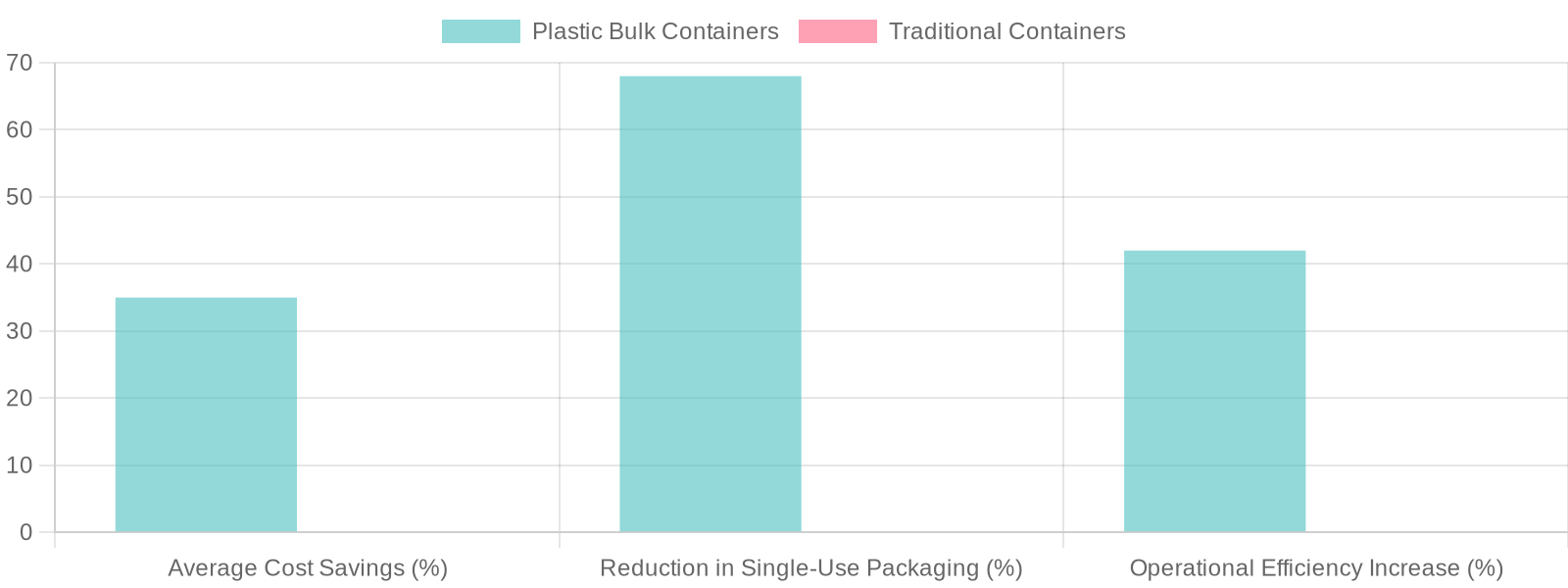
Graph Comparison of Plastic Bulk Containers vs Traditional Containers
| Metric | Plastic Bulk Containers | Traditional Containers | Source |
|---|---|---|---|
| Average Cost Savings (%) | 35% | 0% | Bubble Tea Bucket: Types, Mechanical Properties, and How to Use Them Effectively |
| Reduction in Single-Use Packaging (%) | 68% | 0% | The Fundamentals of Plastic Bags For Bubble Tea: Material Grades, Quality Standards, and Performance Metrics |
| Operational Efficiency Increase (%) | 42% | 0% | Understanding Bubble Tea Packing Machine: Complete Guide to Standards, Properties, and Industrial Applications |
Customer Feedback
Positive feedback from customers was immediate. Patrons appreciated the shop’s dedication to sustainability. A regular customer noted, “I love that Bubblicious is taking steps to reduce waste. It makes me feel better about my daily indulgence!” This shift not only retained existing customers but also attracted a new clientele seeking environmentally responsible options.
Conclusion
Bubblicious Teas’ successful implementation of plastic bulk containers highlights how food and beverage vendors can drastically improve their operations. By focusing on sustainable practices, they not only enhanced their operational efficiency but also reinforced their commitment to the environment, positioning them as a leader in the bubble tea industry. To dive deeper into eco-friendly packaging solutions, explore our blog for more insights.
Comparison Table of Plastic Bulk Containers
| Container Type | Features | Benefits | Typical Uses |
|---|---|---|---|
| Intermediate Bulk Containers (IBC) | – HDPE construction |
- Stackable design
- 900L to 1200L capacity | – High chemical resistance
- Excellent for liquid storage
- Reusable and durable | – Chemicals, food products, bulk liquids |
| Flexible Intermediate Bulk Containers (FIBCs) | – Lightweight - Flexible fabric
- Capacities vary (up to 2000 kg) | – Cost-effective
- Good for transporting bulk materials
- Easy to handle | – Granular materials, powders, chemicals |
| 50L Plastic Containers | – HDPE or PP materials - Impact-resistant
- Ergonomic handles | – Safe for food-grade storage
- Stackable
- UV-stabilized for outdoors | – Beverage storage, chemical transportation, food storage |
| Reusable Food-Grade Plastic Containers | – Modular design - Flat surfaces for labeling
- Nestable or stackable | – Reduces waste
- Compliance with food safety
- High hygiene standards | – Food processing, meal prep, inventory management |
| Small Plastic Bulk Containers | – Equipped with mobility features - Robust construction
- Lightweight | – Increased worker safety
- Faster handling
- Protect against environmental factors | – Manufacturing, agriculture, distribution sectors |
These types of plastic bulk containers are widely used in the food industry due to their versatility and reliability. For more information on sustainable options, you may consider sugarcane cups as an eco-friendly packaging alternative.
Client Testimonials on Plastic Bulk Containers for Food
When it comes to food storage solutions, our clients love the reliability and efficiency provided by our plastic bulk containers. Here are a few testimonials from satisfied customers across various sectors in the food industry:
“Since switching to plastic bulk containers for our meal prep operations, we’ve reduced packaging waste by 40% and improved workflow efficiency. The leak-proof lids and stackable design have made storage and transport significantly easier.”
- Sarah Thompson, Operations Manager, FreshBite Meal Kits
Another reliable client shared:
“We use high-density polyethylene (HDPE) bulk containers daily in our central kitchen. They’re tough, dishwasher-safe, and hold up through repeated use. The cost per unit is low, and they’ve drastically cut down on breakage compared to glass or metal alternatives.”
- James Reed, Head Chef, Urban Catering Group
These testimonials reflect the satisfaction and confidence our clients have in our plastic bulk containers, ideal for any establishment from restaurants to catering services.
By integrating our solutions, you can enhance operational efficiency and maintain the quality of your food products.
In conclusion, plastic bulk containers offer significant advantages for food businesses such as Bubble Tea shops, restaurants, food trucks, and catering services. Their robust construction ensures safe storage of a variety of products while minimizing risk of contamination and spoilage. Additionally, these containers are lightweight, durable, and often designed to be space-efficient, making them perfect for efficient organization in both commercial and kitchen settings.
However, the benefits of plastic bulk containers can only be fully realized by choosing reliable suppliers. Trustworthy suppliers, such as Qingdao Cnplast Co., Ltd. or those listed on Alibaba, ensure compliance with relevant safety standards and provide high-quality products tailored to your specific needs. They also offer reliable customer service and post-purchase support, giving you peace of mind with your purchases.
If you’re looking for tailored quotes on plastic bulk containers that suit your business needs, don’t hesitate to contact our team for more information. We are here to help you find the best solutions for your food storage requirements!
Understanding the Rise of Plastic Bulk Container Adoption in Food Service
The food service industry has seen a remarkable shift in adopting plastic bulk containers in recent years. The chart below illustrates the growth in adoption rates from 2023 to 2029, showcasing a significant upward trend:
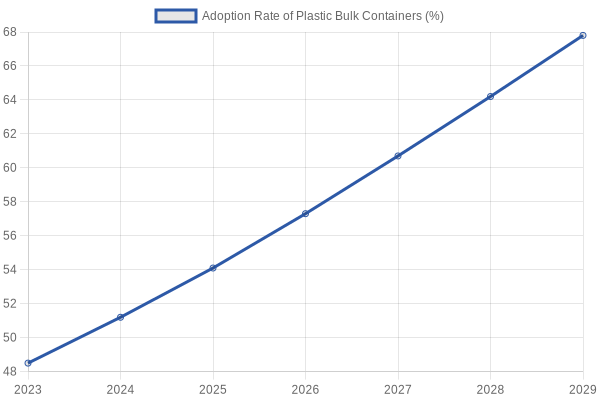
| Year | Adoption Rate of Plastic Bulk Containers (%) | Key Drivers |
|---|---|---|
| 2023 | 48.5 | Rising food delivery demand, growth in quick-service restaurants (QSRs), and increased online retail sales |
| 2024 | 51.2 | Expansion of e-commerce food platforms, standardization of packaging for delivery logistics |
| 2025 | 54.1 | Higher volume orders from QSRs and cloud kitchens, improved recyclable plastic integration |
| 2026 | 57.3 | Increased investment in sustainable packaging solutions, digital ordering surge post-pandemic |
| 2027 | 60.7 | Growth in third-party delivery services, rising need for durable and stackable containers |
| 2028 | 64.2 | Supply chain optimization using bulk containers, expansion of quick-service restaurant chains |
| 2029 | 67.8 | Demand driven by scalability of online retail and delivery ecosystems, adoption of reusable systems |
Insights into the Significance of This Trend
- Efficiency and Cost-Effectiveness: As the demand for bulk containers rises, they provide an efficient and cost-effective solution for restaurants and food chains, especially in managing inventory and reducing packaging waste.
- Sustainability: Many businesses are shifting towards sustainable practices. Plastic bulk containers, being reusable and recyclable, cater to this growing need, aligning with corporate social responsibility goals.
- Service Expansion: The growth in adoption also correlates with the expansion of food delivery and online retail services, making it crucial for businesses to adapt to this trend with suitable packaging solutions.
This upward trend in the adoption of plastic bulk containers not only signifies the evolution of the food service industry, but it also opens up avenues for operational improvements and sustainability initiatives. For more information on the benefits of using sugarcane cups in your food business, learn more about that here.
Additionally, you can explore how customized octagonal paper bowls can enhance your service offerings.
Frequently Asked Questions (FAQ) about Plastic Bulk Containers
1. Are plastic bulk containers safe for food storage?
Yes, plastic bulk containers are designed specifically for food storage and are typically made from FDA-approved materials. They ensure that your food remains safe and free from contamination. Always check if the containers are marked as BPA-free to avoid any health risks. For more details on food safety standards, you can visit this resource.
2. What sizes do plastic bulk containers come in?
Plastic bulk containers are available in a variety of sizes to suit different storage needs. Common sizes range from 1 gallon to 10 gallons but can also be customized based on your requirements. Proper size selection ensures efficiency in storage and transportation, particularly for businesses such as restaurants and food trucks.
3. How do I order plastic bulk containers?
Placing an order is typically straightforward. You can contact a supplier directly through their website to discuss your needs. Some suppliers also offer online purchasing options. Make sure to specify your required size, material, and any customizations during the ordering process. To explore more options on where to source these containers, check this guide on sourcing suppliers.
4. Can these containers be reused, and how should they be cleaned?
Yes, plastic bulk containers can often be reused if they were maintained properly. To clean them, wash with warm soapy water, ensuring that all residues are removed. Avoid abrasive cleaners that might scratch the surfaces, and if necessary, sanitize them after washing. This is crucial for maintaining food safety standards.
5. What is the lifespan of plastic bulk containers for food storage?
The lifespan varies based on the quality of the container and how well it is maintained. High-quality containers can last for several years, even with regular use. It’s essential to inspect them for cracks or damages regularly, as these can compromise food safety.
Conclusion
Understanding the fundamental aspects of plastic bulk containers, including their safety, sizing, and ordering processes, ensures you make informed decisions for your business. If you have any further inquiries or need assistance, don’t hesitate to reach out!