
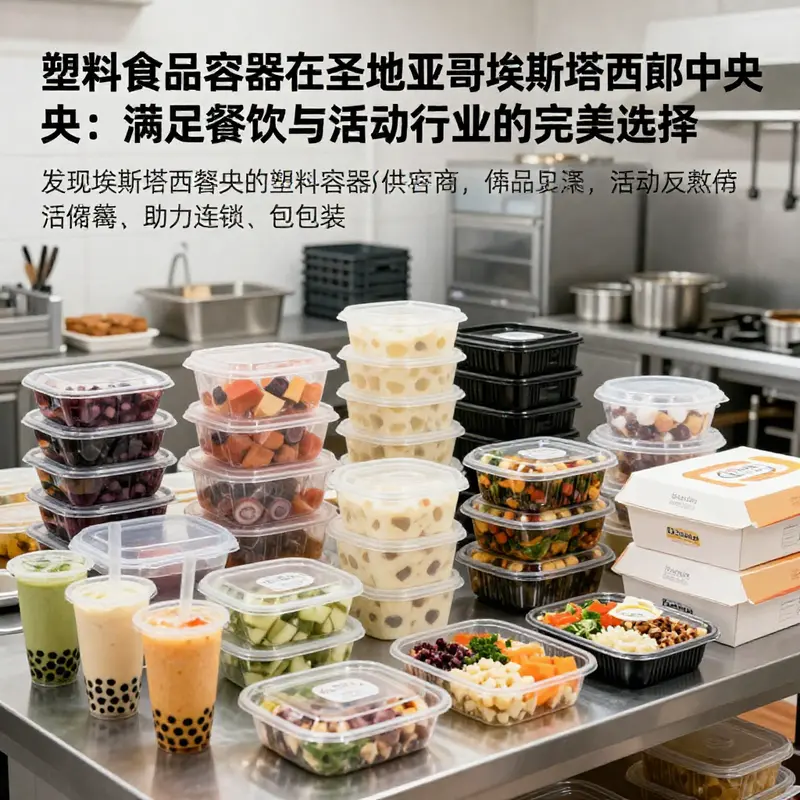
在圣地亚哥的埃斯塔西翁中央地区,食品级塑料容器供应商汇聚,满足各种餐饮业态与活动需求。从一次性环保包装到坚固耐用的存储解决方案,这里为不同规模的企业和专业团队提供丰富选择。本文将引领您了解三大关键供应商如何为泡泡茶店及饮品连锁、餐厅、餐车及餐饮服务,以及活动策划与企业采购团队,提供安全、实用且高效的塑料容器产品方案。首先,“Envases Desechables Chile Estación Central”为一次性包装容器提供多样选择,支持灵活便利;其次,“La Bodega de Plástico Más Grande en Santiago”专注于为餐饮业定制塑料包装,提升外卖与陈列体验;最后,“Cajas de Plástico para Almacenamiento en Santiago”则以创新存储容器提升厨房操作效率和物流管理。通过这三章内容,您将全面理解埃斯塔西翁中央地区塑料食品容器市场的丰富资源及其在现代食品服务中的重要价值。
Estación Central’s Disposable Container Corridor: Tracing the Flow of Food Packaging Through a Chilean Transit Hub
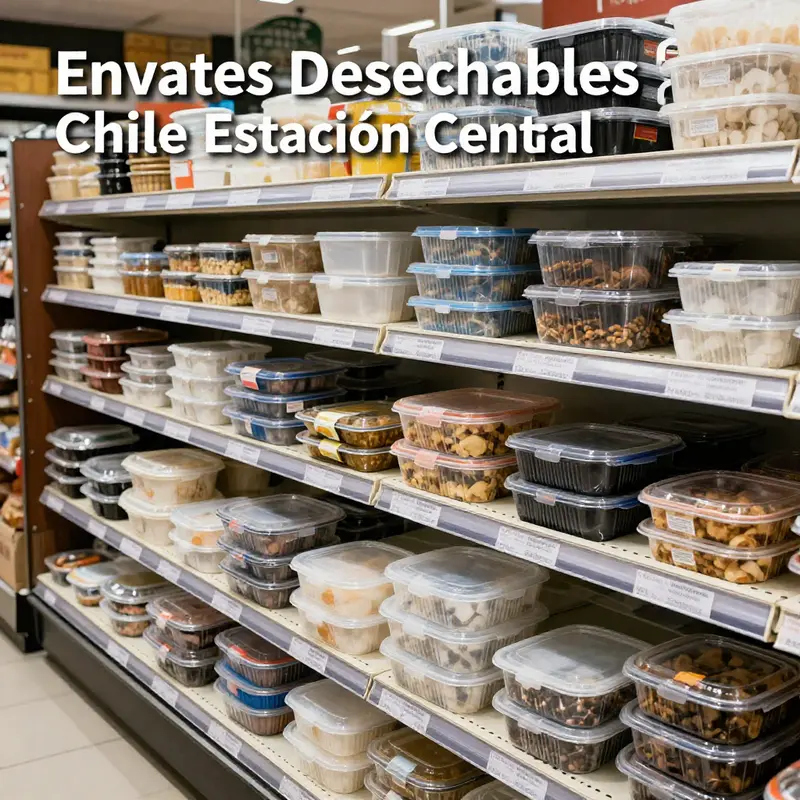
The pulse of Santiago begins at Estación Central, where the city’s geography and its people intersect in a way that makes every street corner a microcosm of modern Chile. The station itself is more than a transit point; it is a vibrant crossroads where workers, students, vendors, and families pass through with the rhythm of daily life. The nearby commercial lanes teem with small eateries, bakeries, coffee kiosks, and markets that feed the surrounding neighborhoods and the expanding deliverables economy. In this crowded reality, disposable plastic containers have become one of the most visible artifacts of urban food culture. They are the practical artifacts that enable street-level entrepreneurship to scale—serving everything from quick-bite snacks to prepared meals for takeout and delivery. Yet their ubiquity has also drawn attention to a harder truth: what you see in the street today becomes a question for tomorrow’s city planning and waste management strategy. In Estación Central, the problem of single-use containers is not a distant environmental issue; it is a concrete, daily challenge that touches sidewalks, storm drains, and the river that threads through the region, shaping public perception and policy alike.
The ecosystem that sustains the local food economy in Estación Central is, at its heart, a network of suppliers and customers who share a common need: reliable, food-grade packaging that keeps food safe, preserves quality, and travels well from kitchen to container. The region has become a hub of activity for distributors who stock a broad spectrum of containers—ranging from small, sealable cups for desserts and sauces to large, durable boxes for bulk storage and transportation. This is not merely a matter of availability; it is a case study in how a dense urban corridor coordinates material flow, price discipline, and product standards under the pressure of rapid turnover and high volume. In practical terms, the local market must balance several competing demands: low cost for small businesses, robust sealing to maintain hygiene, temperature tolerance for hot and cold dishes, and compatibility with recycling or recovery systems that can actually absorb the packaging once the consumer has finished with it. The result is a delicate equilibrium where packaging choices influence menu design, service speed, and even the way a brand is perceived by its customers.
Within this dance of supply and demand, the role of packaging goes beyond mere containment. It is a tool of brand storytelling, a temporary but essential interlocutor between kitchen and consumer. A well-designed container can convey cleanliness, reliability, and care for the customer’s experience. A poorly chosen one can undermine trust, leak, or distort the perceived value of a meal. The Estación Central market has learned this through experience, observing how a container’s performance under transport conditions affects customer satisfaction and repeat business. This is why the regional suppliers, including small importers and wholesalers, curate choices that cover a wide range of use cases: from single-use trays for quick-service restaurants to reusable or semi-reusable containers intended to support a slow but deliberate shift toward more sustainable practice. The language of choice here is not simply cheaper versus more expensive; it is about trade-offs among cost, performance, durability, and end-of-life outcomes. A practical implication of this is that many local operators have embraced containers that can withstand the rough handling of busy service periods and the sometimes messy realities of street-level delivery, all while keeping the risk of food contamination at bay.
Even as this market evolves, one cannot ignore the visible environmental footprint that accompanies it. The region’s dense population, combined with the high throughput of food service activity, translates into a steady stream of waste. Plastic packaging that is discarded after a single use often becomes litter on sidewalks, clogs in storm drains, and, during heavy rains, contributes to debris entering the urban drainage system. In the longer term, this waste can find its way to waterways flowing toward the Mapocho River, where the cumulative impact of plastic fragments and microplastics persists in ecological systems and affects downstream communities. This is not a hypothetical scenario; it is a lived reality that has shaped policy debates, urban planning decisions, and the daily work of waste management agencies in and around the capital region. The connection between the city’s consumption patterns and the river’s health is not abstract. It is a tangible line that links the commerce of Estación Central to the broader environmental stewardship responsibilities that Chile, like many other nations in the region, has undertaken in recent years.
From the policy perspective, the broader Latin American and Caribbean context offers a sobering backdrop. The United Nations and international partners have long cautioned about the mounting pressures of solid waste management in rapidly urbanizing cities. The region’s cities, with their dense populations and vibrant service sectors, confront a challenging paradox: the same packaging that enables efficient food service also creates material flows that must be captured, sorted, recycled, or responsibly treated to avoid long-term environmental costs. In this sense, Estación Central serves as a microcosm of a wider urban phenomenon. It reveals how policy shifts, technology adoption, and community engagement must coevolve with the needs of a dynamic street-food economy. Local authorities, in collaboration with national agendas, have pushed forward with measures designed to curb the most problematic plastic items, while recognizing the practical constraints facing small businesses in a competitive market. Even as a nationwide framework promises greater uniformity, the day-to-day challenges of enforcement, education, and infrastructure investment still require adaptive, place-based approaches that can respond to the station’s unique rhythms and constraints.
A crucial part of the story is the supply side’s ability to respond to policy signals without undermining the economic viability of small operators. The Estación Central landscape hosts a mix of operators, including regional importers and wholesalers who maintain large warehouses and stockrooms. They provide a structured catalog of packaging solutions, from bulk storage containers that help front-of-house operations hold quantities needed throughout the day to a portfolio of take-away solutions suited for home delivery. The availability of such containers is essential for sustaining a vibrant take-away economy, which in turn supports hundreds of small businesses and micro-entrepreneurs. But with the growing emphasis on sustainability, these suppliers are increasingly being asked to diversify beyond traditional single-use plastics. They are exploring materials that can offer similar performance while improving end-of-life outcomes, including biodegradable and compostable alternatives that can fit within evolving municipal waste streams or extended producer responsibility frameworks. This shift is not simply a matter of substituting one material for another; it is about reimagining product design, manufacturing processes, and the lifecycle narrative of packaging in a way that aligns with a city’s environmental goals and its people’s expectations for a clean, healthy urban space.
On the ground, the social texture of Estación Central—where vendors and customers negotiate prices, preferences, and practicalities—shapes how packaging choices propagate through the system. Consumers, more than any other stakeholder, determine demand patterns. Their willingness to trade price for perceived environmental benefits, or to participate in take-back or recycling programs, can tilt the market toward more sustainable options. Yet the reality remains complex. The cost of greener packaging is often higher, and the infrastructure needed to collect, sort, and process used containers is unevenly distributed across the city. This creates a situation in which the environmental benefits of change depend on coordinated action among multiple players: businesses, residents, and public agencies. In Estación Central, where street activity is constant and space is at a premium, even small shifts can yield outsized outcomes if they are anchored to practical, scalable solutions.
Here, the interplay between waste management realities and economic incentives becomes central. A nationwide policy ban reached some of the most visible corners of the problem, especially with the prohibition of certain disposable plastics. Yet the enforcement narrative in Estación Central illustrates a broader truth: policy by itself cannot close the gap between ideal environmental outcomes and actual practice. The difference lies in how communities adopt new habits, how businesses retool operations to minimize waste at the source, and how smart systems are deployed to capture what would otherwise escape containment. This is where technology, logistics, and human behavior converge. For example, smart labeling, better inventory controls, and standardized packaging formats can reduce confusion and speed up the sorting process after consumption. Similarly, support programs for small businesses—such as scalable recycling partnerships, access to affordable reusable containers, or incentives for adopting compostable materials—can help bridge the gap between policy ambitions and everyday realities on the street.
The Futuro Verde field survey of 2025 adds a sobering note to the optimism about change. It found that in several waste collection points around Estación Central, more than six in ten recyclables were contaminated by non-recyclable plastic waste. This contamination undermines the efficiency of recycling streams and increases the cost of processing every bag of recyclables. It also highlights a gap in community education and awareness that policy alone cannot close. When residents and small merchants lack clear guidance about what can be recycled, how to clean containers, or how to participate in local take-back programs, the result is a cascade of inefficiencies that ripple through the system. It is not simply about telling people to do better; it is about equipping communities with the practical tools, routines, and incentives that make good waste practices second nature. In Estación Central, this means pairing clear labeling and accessible bins with outreach that resonates with busy street vendors who operate on thin margins and with residents who rarely encounter formal recycling infrastructure in the same way as residents of more affluent neighborhoods. It also means acknowledging that the best packaging for a given context may change over time as new materials and systems emerge. This reality requires ongoing, iterative collaboration between policymakers, suppliers, and communities.
Against this backdrop, several converging trajectories begin to emerge. First, there is a clear push toward packaging that prioritizes end-of-life performance without compromising food safety or convenience. This includes exploring biodegradable and compostable plastics, plant-based alternatives, and reusable packaging schemes that are practical for a bustling city environment. Second, there is a renewed emphasis on source separation and on extending producer responsibility so that packaging waste is managed closer to the point of consumption and with greater accountability. Third, there is a recognition that digital tools and data-driven approaches can help optimize waste flows, reveal bottlenecks in recycling streams, and guide targeted education campaigns for specific districts or user groups. Each of these threads is being woven into the fabric of Estación Central’s daily life, where a seemingly ordinary act—picking up a take-away container—can become a catalyst for broader conversations about urban sustainability, social equity, and the future of Chile’s food economy.
These developments also reflect a broader truth about the role of packaging in cities like Santiago: packaging is a logistical instrument as much as a consumer product. It determines how fast food moves from kitchen to consumer, how securely meals travel across crowded streets, and how waste enters the municipal system. In Estación Central, the container is more than a vessel; it is a symbol of how the city negotiates modernity. It embodies the tension between the convenience of a thriving take-away economy and the responsibility to preserve clean streets, healthy waterways, and resilient urban ecosystems. The path forward blends practical adaptation with aspirational goals. It invites small operators to adopt smarter packaging choices that deliver reliable service at a cost that remains sustainable in a competitive market. It invites policymakers to craft rules that are clear, enforceable, and supportive of innovation rather than punitive in nature. And it invites residents to participate in a collective project where every container discarded becomes a data point in a larger map of urban stewardship.
In this sense, Estación Central’s disposable container corridor is not just a local story; it is a lighthouse for other dense urban centers facing similar challenges. The way this corridor absorbs the pressures of demand, waste, policy, and community action will influence how neighboring districts approach packaging in a world where the line between consumption and environmental health is increasingly fine. The answer will not come from a single silver bullet; it will emerge from a holistic approach that makes sustainable choices practical for everyday life. It will require a willingness to experiment with reuse models, to invest in sorting and processing infrastructure, and to engage with consumers in a language that values health, cleanliness, and accountability as much as convenience and price. And it will demand a shared belief that the city’s health and the health of its rivers are inseparable from the choices made at every take-away counter, in every warehouse, and along every curb where a plastic container spends its brief but consequential life.
To readers looking for a concrete thread through this complex tapestry, consider the way a single container’s journey reflects a broader system: the container’s origin in a local warehouse, its journey through a restaurant kitchen, its passage into the hands of a customer, and its final destination in a waste stream or recovery program. Each link in that chain is an opportunity to improve outcomes—whether through better product design, smarter logistics, clearer labeling, or stronger community engagement. The Estación Central story does not merely describe a problem; it outlines a framework for thinking about urban packaging as a shared responsibility. It invites businesses to reimagine their packaging choices, policymakers to align incentives with outcomes, and residents to participate in a culture that sees waste not as a nuisance but as a signal for better design and collaboration.
For readers who want a concrete sense of the ongoing debates around packaging in Latin American cities, a broader commentary on the region’s plastic waste challenges can be found in external research documenting how a range of cities confronts similar pressures. Chile’s Plastic Waste Crisis: The Case of Estación Central provides context for the kind of policy responses and public engagement that shape outcomes in Estación Central. Although the story may play out differently in other settings, the core dynamics—the interplay of demand, waste, policy, and community action—remind us that cities can transform packaging from a daily nuisance into a lever for sustainable growth. Chile’s Plastic Waste Crisis: The Case of Estación Central
Internal link note: for readers who want a practical look at packaging options and their potential roles in a sustainable city, a representative catalog of food-grade containers used by food businesses offers useful context. See a representative product page that highlights how containers of varying sizes and designs support take-out and retail operations in dense urban markets. senang05-food-grade-500-750-1000ml-take-away-bowl-with-lids-packing-food-single-wall-fast-food-salad-bowls. This link demonstrates how packaging options are presented to customers and how material choices are framed for business use, illustrating the practical constraints businesses navigate each day.
In sum, Estación Central embodies a broader urban question: how can cities sustain a thriving food economy that relies on convenient packaging while building a credible pathway toward reduce, reuse, and recycle? The chapter you have just read is a close look at how the local economy, waste streams, policy signals, and community actions converge at a single transit hub. It is a reminder that every disposable container carries with it a narrative about urban life, environmental stewardship, and the shared responsibility of citizens, businesses, and governments to craft a future where convenience and care coexist.
La red de envases plásticos en Estación Central: el motor invisible de la gastronomía de Santiago

Estación Central, en el corazón logístico de Santiago, no es solo un cruce de trenes y avenidas. Es también un ecosistema de suministro donde la demanda de la industria alimentaria converge con la oferta de materiales de embalaje. Al mirar detrás de las vitrinas de los restaurantes y las estanterías de los pequeños comercios, se descubre un entramado de proveedores, almacenes y flujos que hacen posible que una ensalada fresca, un pudín de postre o un tazón de sopa viaje de la cocina a la mesa sin perder calidad. En este capítulo, exploramos ese tejido: cómo los envases plásticos para alimentos se vuelven una parte esencial de la experiencia culinaria en una ciudad que valora la rapidez, la higiene y la presentación atractiva, sin perder de vista la economía y el impacto ambiental. El almacenamiento eficiente, la variedad de formatos y la innovación en materiales se entrelazan para sostener una escena de comida para llevar y reparto que ha crecido con rapidez, especialmente en entornos urbanos como Estación Central, donde la afluencia diaria exige soluciones que sean a la vez seguras, prácticas y asequibles.
La escena es bastante simple en su esencia, pero compleja en su ejecución. Los mercados de la zona funcionan como nodos: grandes almacenes con miles de referencias, importadores que tratan con fabricantes de plástico, y una clientela que va desde cafeterías de barrio hasta cadenas de comida rápida y negocios de catering. En este contexto, una buena parte de la eficiencia operativa depende de los contenedores que sostienen, protegen y presentan los alimentos. El contenedor correcto puede conservar la temperatura, evitar fugas, facilitar la manipulación y, a la vez, servir como soporte para la marca. Cada tipo de alimento, cada formato de porción y cada canal de distribución —dine-in, take-away, entrega a domicilio o venta minorista en estantería— genera necesidades distintas. La demanda de soluciones que combinan seguridad alimentaria, resistencia mecánica y costos controlados impulsa una oferta que, en Estación Central, se mantiene robusta gracias a una red de proveedores que operan con eficiencia a gran escala.
Una parte esencial de esta red es la clasificación por función: almacenamiento en cocina, transporte entre cocinas y puntos de venta, y exhibición o distribución minorista. En la cocina, se busca contenedores que resistan la humedad y el calor sin deformarse, que sean fáciles de apilar para un almacenamiento compacto y que cierren herméticamente para evitar la contaminación y las fugas. Para el transporte, la prioridad es la durabilidad, un cierre fiable y una geometría que maximice la cantidad de unidades por palé o por caja, reduciendo costos logísticos. En la exhibición minorista o en los mostradores de autoservicio, la claridad del material y la compatibilidad con el branding resultan críticas: el envase debe presentar el alimento de manera atractiva, permitir una buena visibilidad y, a la vez, sostener imágenes y textos de marca sin perder legibilidad. Estas necesidades se atienden con una gama de materiales que van desde polipropileno, PET y polietileno hasta opciones biodegradables o con contenido reciclado, cada una con perfiles de rendimiento diferentes y con implicaciones de costo y sostenibilidad.
El criterio técnico que guía todas estas decisiones no es único. La seguridad alimentaria marca el paso: los envases deben cumplir normas que regulan la comida para llevar. En la práctica, esto significa escoger materiales que sean aptos para contacto con alimentos, que resistan temperaturas de uso y transporte, y que no liberen sustancias tratables con restricciones. La compatibilidad con la cadena de frío, la resistencia a golpes y la facilidad de limpieza para reutilización en algunos formatos también influyen. En Estación Central, hablando en términos generales, hay una preferencia creciente por productos con alto rendimiento en sellado y conservación, para evitar pérdidas en rutas largas o en climas cálidos donde la variabilidad de la temperatura puede afectar la calidad de ciertos productos, como postres lácteos o ensaladas templadas.
La variedad de formatos que se encuentra dentro de la red local es amplia y está diseñada para cubrir casi todas las combinaciones de alimentos y ocasiones. Existen contenedores de porciones únicas, cajas rectangulares o cuadradas para ensaladas y porciones mixtas, vasos y tazas para bebidas, bandejas con tapas que permiten una presentación higiénica, y grandes recipientes para almacenamiento a granel que pueden arrimarse a flujos de trabajo de catering o de preparación de mercancía para cadenas de venta minorista. Las diferencias entre estos formatos no siempre se deben a la estética. Están influenciadas por la forma de manipulación en la cocina, la ergonomía del personal, la rapidez con que se pueden apilar durante periodos de alta demanda y la capacidad de los envases para integrarse con tapas, separadores y etiquetas de marca. En un entorno tan dinámico como Estación Central, donde las operaciones deben moverse con fluidez para evitar cuellos de botella, la interoperabilidad entre diferentes componentes del sistema de envasado es tan importante como la propia resistencia del envase.
El flujo de compra en la zona suele apoyarse en grandes almacenes y distribuidores que ofrecen un abanico de soluciones para bares, cafeterías, restaurantes de comida rápida y negocios de catering. Estos proveedores actúan como puentes entre la demanda de la ciudad y la producción de envases en otras regiones o incluso fuera del país. La ventaja para las empresas locales es doble: acceso a una amplia gama de formatos y la posibilidad de negociar precios al mayoreo, así como recibir soporte técnico sobre compatibilidad de materiales, tendencias de diseño y requisitos de cumplimiento. En muchos casos, la decisión de compra se apoya en un equilibrio entre precio por unidad, durabilidad y la capacidad de personalización. El endurecimiento de las condiciones de entrega en momentos de alta demanda o de gestión de eventos —por ejemplo, catering para grandes reuniones o festividades urbanas— puede hacer que las empresas prefieran proveedores con inventario amplio, capacidad de entrega rápida y una reputación de consistencia.
La presencia de estos proveedores en Estación Central no sólo facilita la adquisición de contenedores. También estimula la innovación en la presentación de los alimentos y en la experiencia del cliente. El envase actúa como una primera señal del producto; cuando se utiliza un contenedor que comunica limpieza y calidad, el consumidor percibe el alimento de forma más favorable incluso antes de probarlo. En el día a día de la cocina comercial, la posibilidad de seleccionar envases que permiten imprimir logotipos, colores corporativos o mensajes de marca, sin comprometer la funcionalidad, puede traducirse en una diferencia perceptible en ventas y en la lealtad del cliente. Esa capacidad de personalización se ha vuelto especialmente atractiva para negocios que buscan destacarse en plataformas de delivery o en ventas en tienda, donde la imagen del envase es parte de la promesa de la marca.
Para ilustrar cómo estas consideraciones se traducen en decisiones concretas, es útil recordar que los contenedores no son un producto único, sino una familia de soluciones interconectadas. Un ejemplo práctico es la opción de un envase de cartón kraft o plástico reciclable para porciones mixtas. Este tipo de contenedor combina una buena barrera a la humedad con una sensación de robustez que funciona bien para menús que se consumen fuera de casa. Si el objetivo es una buena retención de calor y una tapa segura para evitar derrames durante la entrega, se pueden elegir sistemas que, además de ser funcionales, permiten una experiencia de usuario más agradable. Y si la marca quiere transmitir un compromiso con la sostenibilidad, los envases de materiales con origen renovable o con alto contenido reciclado pueden servir como un diferencial sin sacrificar la eficiencia operativa. En la práctica, muchos negocios en Estación Central optan por soluciones que ofrecen un balance entre sellado confiable, resistencia a impactos y la posibilidad de etiquetar o decorar el envase para reforzar la identidad de la marca.
Dentro de esa lógica, la decisión de adopción de ciertos formatos también se ve influida por la estacionalidad y por patrones de consumo. En días de mayor actividad comercial, cuando las cadenas de suministro deben moverse con rapidez, los contenedores apilables, ligeros y resistentes permiten que el personal cubra volúmenes amplios sin aumentar significativamente el peso de las cargas ni el espacio de almacenamiento. En periodos de menor demanda, la diversidad de tamaños y la capacidad de realizar ajustes en inventario y presentación pueden ayudar a las empresas a responder con mayor agilidad a cambios en el menú o en el tipo de cliente. Todo ello se entrelaza con la necesidad de normalizar procesos de lavado y reutilización en aquellas operaciones que optan por soluciones reutilizables o semirrígidas, donde la durabilidad se convierte en un valor a largo plazo frente al costo inicial. Aunque la mayor parte del envasado se orienta a soluciones desechables para la conveniencia de take-away y delivery, la conversación sobre sostenibilidad ha ganado terreno, impulsando una demanda cada vez mayor de opciones que minimicen el impacto ambiental sin comprometer la seguridad o la eficiencia.
La red de Estación Central también revela un patrón en el que la eficiencia se consigue mediante la estandarización de productos y procesos. Cuando una cadena de suministro se apoya en un conjunto limitado de formatos que funcionan bien para varias categorías de alimentos, la capacitación del personal y la gestión de inventario se simplifican. Esto se traduce en menos errores, tiempos de preparación más cortos y una menor necesidad de cambios frecuentes entre proveedores o tipos de envases. En este marco, las tiendas y cocinas que aprovechan la escala de los grandes distribuidores pueden obtener beneficios en términos de costos unitarios y consistencia de calidad. Sin embargo, esa misma escala debe gestionarse con visión para evitar depender de un único canal de suministro; la diversidad de proveedores y la disponibilidad de alternativas puede ser una salvaguarda ante interrupciones logísticas. En Estación Central, los negocios más exitosos suelen equilibrar la seguridad de un suministro estable con la flexibilidad de poder diversificar cuando las circunstancias lo exigen.
En el plano de la innovación, el entorno de Estación Central es también un campo de pruebas para nuevas soluciones de envasado. Las tendencias en la industria de alimentos se traducen aquí en la demanda de formatos que alineen rendimiento, costo y experiencia del usuario. Esto incluye, por ejemplo, diseños que mejoran la experiencia de entrega mediante tapas fáciles de manipular, paredes más gruesas para retener mejor la temperatura, o bases que evitan que la comida se deslice durante el transporte. También existe interés en opciones de envases con contenido reducido de plástico, compostables o biodegradables, así como en soluciones que permiten la impresión de marcas o mensajes promocionales sin perder legibilidad. La variedad de opciones disponibles en Estación Central facilita a las empresas experimentar con formatos que mejor se adaptan a su oferta, público y canal de distribución, sin renunciar a la seguridad ni al rendimiento.
La experiencia de compra en este sector también subraya la importancia de la logística de apoyo. Los envases deben estar disponibles de forma oportuna, con entregas que coincidan con las horas de operación de las cocinas y los puntos de venta. La gestión de inventario en almacenes cercanos a las áreas de mayor densidad de restaurantes y comercios de Santiago permite a los proveedores entregar en plazos cortos, un factor que a su vez reduce el tiempo entre la toma de pedido y la salida de los productos. Esta rapidez es crucial para mantener la frescura de los alimentos y la confianza del cliente final, que cada día depende de que el envase correcto esté disponible cuando se lo necesite. En este marco, la relación entre compradores y proveedores se basa tanto en la oferta de productos como en la capacidad de asesorar sobre soluciones adecuadas, adaptar selecciones a cambios de menú o temporada y garantizar que los envases cumplan con las normativas y las expectativas de calidad.
Entre las consideraciones de costo y operación, la personalización juega un papel cada vez más relevante. Muchos establecimientos ven valor en envases que pueden llevar el logotipo o los colores de la marca, convirtiendo el envoltorio en una extensión de la experiencia de la tienda. Este tipo de valor añadido puede justificar un costo adicional cuando se traduce en reconocimiento de marca y fidelidad del cliente. En Estación Central, la posibilidad de integrar soluciones de branding con la funcionalidad del envase, sin comprometer la seguridad ni la practicidad, es una oferta que se valora mucho entre las empresas que buscan diferenciarse en un mercado competitivo. A la vez, se mantiene la necesidad de mantener el control de costos, especialmente para operaciones con márgenes estrechos, como tiendas de barrio o puestos de comida rápida, donde cada decisión de diseño debe justificar su impacto en la rentabilidad sin sacrificar la experiencia del cliente.
La red de Estación Central ofrece también una plataforma para la educación de compradores y usuarios finales. La claridad de las recomendaciones de uso, la información de seguridad y la compatibilidad de los envases con equipos de cocina o equipos de entrega son factores que influyen en la experiencia operativa diaria. Las guías de uso correcto, las sugerencias de apilamiento, y las indicaciones sobre reciclaje o reutilización contribuyen a que los negocios cumplan mejor con las normas y al mismo tiempo reduzcan el desperdicio. En un entorno tan activo, las prácticas de gestión de residuos y la búsqueda de soluciones más sostenibles no son meras tendencias; son componentes prácticos de la viabilidad a largo plazo. En bosques de opciones, la elección de envases que permiten una gestión más limpia, eficiente y responsable se traduce, una vez más, en una cadena de suministro más robusta y en una experiencia de cliente que se percibe como confiable y actualizada.
Para cerrar este recorrido, vale la pena subrayar una observación que emerge de la experiencia diaria en Estación Central: la economía de la envasación para alimentos no se entiende sólo por el costo por unidad. Se entiende como la suma de seguridad, rendimiento, versatilidad y, cada vez más, sostenibilidad. Los contenedores que resisten el peso de una noche de operaciones, que pueden apilarse sin dañar su forma, que cierran con confianza para evitar derrames y que, además, pueden ser personalizados para reforzar una marca, se convierten en componentes invisibles pero esenciales de la experiencia gastronómica urbana. En la medida que la ciudad sigue expandiéndose y la demanda de comida para llevar y entregas a domicilio crece, Estación Central seguirá siendo un polo de innovación y eficiencia en la cadena de suministro de envases plásticos para alimentos. Este esfuerzo conjunto entre cocinas, minoristas, proveedores y distribuidores es lo que sostiene la calidad y la fiabilidad de la oferta alimentaria que la gente en Santiago espera cada día, sin importar si la jornada comienza temprano o se extiende hasta la medianoche.
Mientras esta dinámica se despliega, la elección entre envases desechables y reutilizables, entre materiales vírgenes o reciclados, entre soluciones estandarizadas o personalizables, continuará siendo una decisión estratégica para las empresas. En Estación Central, cada cliente aporta una pieza más a un rompecabezas que representa la sostenibilidad, la eficiencia y la satisfacción del usuario final. Y en esa intersección de necesidad y posibilidad se encuentra la clave para entender por qué el plástico de uso alimentario sigue siendo, para muchos negocios, una apuesta que vale la pena mantener y optimizar. La economía de la vida cotidiana en la ciudad depende de ello, y la historia de cada taza, cada caja o cada bandeja que sale de un almacén de la zona es un recordatorio de que, a veces, los avances más significativos no están en la cocina, sino en la estantería que la acompaña.
Para quienes buscan entender el paisaje de Estación Central, un detalle importante es la disponibilidad de soluciones específicas para categorías de alimentos. Para postres y preparaciones como pudines o tarta fría, se prefieren recipientes con bordes suaves para evitar dañar la presentación y para facilitar el consumo directo. En estas aplicaciones, el diseño de la tapa y la superficie de contacto con el alimento deben evitar la infiltración de humedad que altere la consistencia o la textura. En la entrega de ensaladas y mezclas frías, la rigidez de las paredes y la capacidad de sellado ayudan a mantener la frescura, al mismo tiempo que permiten apilar de forma estable en la ruta de reparto. En el caso de productos como salsas o aderezos, los envases con tapas seguras y sistemas de cierre herméticos evitan fugas que podrían dañar la experiencia del cliente o la presentación de otros productos dentro del mismo pedido. En definitiva, el envase se transforma en un aliado de la operación cotidiana, un compañero de ruta que acompaña cada plato desde la cocina hasta la mesa o la puerta del cliente, sin convertirse en un obstáculo.
El panorama descrito subraya que, para las empresas que operan en Estación Central, invertir en un portafolio sólido de envases alimentarios no es solo una cuestión de estética o de imagen corporativa. Es una decisión operativa que impacta en costos, tiempos de entrega, calidad del alimento y satisfacción del cliente. En un mercado tan dinámico como el de Santiago, donde la competencia entre comercios es intensa y las preferencias de los consumidores cambian con rapidez, la flexibilidad de un proveedor para adaptar inventarios, ofrecer asesoría técnica y garantizar suministro constante puede marcar la diferencia entre una operación que crece y otra que se ve obligada a reducir su alcance.
En este contexto, la experiencia de compra en Estación Central se beneficia de la sinergia entre una oferta amplia y una red de distribución eficiente. Los negocios que logran combinar precio, rendimiento y personalización suelen salir adelante con mayor resiliencia ante cambios en las tendencias de consumo o shocks en la cadena de suministro. A la vez, la atención al detalle en aspectos como la seguridad alimentaria, la claridad de información y la responsabilidad ambiental se ha convertido en un criterio de selección cada vez más relevante para clientes que valoran la transparencia y la confianza en sus proveedores. La ciudad, con su ritmo acelerado, recompensa a aquellos que logran equilibrar estas dimensiones sin perder de vista la calidad del servicio y la experiencia del cliente final.
La historia de Estación Central, entonces, no es solo la de un mercado de envases. Es la crónica de una ciudad que aprende a convertir un material plástico en una promesa de comida rápida, segura y bien presentada. Es también una narración de cómo la logística, la innovación y la colaboración entre cocinas, minoristas y distribuidores permiten que millones de porciones lleguen a consumidores cada día sin que se pierda el cuidado, la higiene y la estética que definen la experiencia gastronómica. En ese sentido, la red de envases plásticos para alimentos que late en Estación Central es, sin exagerar, el motor invisible de la gastronomía de Santiago. Al entender sus dinámicas, se obtiene una visión más clara de cómo se alimenta una ciudad moderna y de cómo la tecnología de envases acompaña ese alimento desde su origen en la cocina hasta la mesa de cada cliente, ya sea en un local, en una oficina o en la puerta de su casa.
Como nota práctica para quien pretenda involucrarse en este ecosistema, es útil observar que una parte considerable de las soluciones disponibles pueden acompañar diversas estrategias de negocio. Si una empresa quiere explorar opciones que combinen rendimiento con una estética cuidada, hay soluciones que permiten incorporar branding, sin sacrificar la funcionalidad. Si, por otro lado, el objetivo es minimizar el uso de plástico o aumentar la reciclabilidad, existen alternativas que priorizan materiales reciclables o con contenido renovable, conservando a la vez la seguridad del alimento y la facilidad de manejo. Este abanico de opciones facilita que los negocios en Estación Central calibren su cartera de envases a las necesidades de sus menús, sus clientes y su modelo de negocio, sin perder la integridad operativa ni la experiencia de usuario que define la calidad de la oferta alimentaria.
Para quienes deseen profundizar en la comparación de formatos y materiales, el territorio de Estación Central ofrece una gran cantidad de ejemplos. En la práctica, cada decisión de envasado se apoya en un análisis de costo total que incorpora no solo el precio de compra, sino también la durabilidad, la tasa de desecho, el costo logístico y la posibilidad de reutilización o reciclaje. Este enfoque holístico ayuda a las empresas a construir una cartera de envases que sea resiliente frente a cambios en la demanda o en las condiciones del mercado. A la larga, es esa planificación integrada la que permite que Santiago, con su vibrante escena de alimentos para llevar y entregar, continúe brindando experiencias consistentes y de alta calidad a sus residentes y visitantes.
Para facilitar la conexión entre la teoría y la práctica, conviene recordar que, detrás de cada envase, hay una cadena de decisiones que combina seguridad, desempeño y responsabilidad. La forma en que se eligen los materiales, la tecnología de sellado y la posibilidad de personalización indican la dirección que tomará la experiencia del cliente. A su vez, esa experiencia influye en la reputación de un negocio y en su capacidad para competir en un entorno urbano acelerado. En Estación Central, esa intersección entre producto y proceso es la base sobre la que se construye la confianza de la clientela y, en última instancia, la sostenibilidad de la industria alimentaria local.
Si se mira con atención, la red de envases plásticos para alimentos en Estación Central revela que la innovación no es extraordinaria con respecto a otros mercados. Es, más bien, una característica de la práctica diaria: soluciones que responden a problemas comunes con diseños eficientes, que se adaptan a las demandas de volumen y que, al mismo tiempo, permiten a las empresas comunicar su identidad. En ese sentido, la escena de Estación Central es un ejemplo claro de cómo una cadena de suministro bien articulada puede sostener un sector tan dinámico como el de la restauración y la comida para llevar en una ciudad en construcción constante. En última instancia, comprender este ecosistema ayuda a entender no solo qué compran los negocios, sino por qué lo compran, y cómo ese porqué se traduce en experiencias que llegan al cliente de forma rápida, limpia y agradable.
En resumen, la red de envases plásticos para alimentos en Estación Central es un motor que opera con baja visibilidad, pero con un impacto claro en la calidad de la experiencia gastronómica de Santiago. Su éxito depende de la habilidad para equilibrar seguridad, rendimiento y costo, mientras se avanza hacia opciones más sostenibles y adaptables a un entorno urbano que exige rapidez, claridad y consistencia. Este capítulo ha querido trazar ese mapa: un paisaje de almacenes, distribuidores y cocinas que, a través de una diversidad de envases, sostiene la vida cotidiana de una ciudad que come, comparte y evoluciona día a día. Y aunque las tendencias en envases pueden cambiar, el papel de Estación Central como centro neuronal de la cadena de suministro de envases para alimentos en la capital chilena parece asegurado, con su capacidad para unir proveedores y usuarios finales en una danza de eficiencia, seguridad y servicio que alimenta el pulso de la ciudad.
En una nota de cierre práctico, quienes buscan entender o participar en este ecosistema pueden tomar como guía la idea de que el envase correcto no es solo una necesidad logística, sino una parte integral de la experiencia del cliente. Elegir entre opciones desechables o reutilizables, entre materiales reciclables o renovables, entre diseños simples o personalizados, implica analizar la operación en su totalidad: desde el sabor y la temperatura del alimento hasta la facilidad de manejo por parte del personal y la percepción de la marca por parte del consumidor. En Estación Central, esa narrativa se va tejiendo día a día, y cada decisión de envasado contribuye a una historia mayor: la historia de una ciudad que aprende a alimentar a millones con innovación, cuidado y atención al detalle.
Para quienes deseen ver un ejemplo práctico de uno de los enfoques de envasado que conviven en este ecosistema, se puede explorar una opción que ha ganado popularidad por combinar capacidad, seguridad y adaptabilidad a la entrega en formatos compactos: food-grade disposable kraft paper soup cup with lids. Este tipo de envase ilustra la convergencia entre rendimiento, branding y sostenibilidad que caracteriza a la decisión de compra de muchos negocios en la zona. En última instancia, la experiencia de Estación Central es la experiencia de una ciudad que transforma logística en servicio, y servicio en satisfacción del cliente, en un ciclo que sostiene la vida cotidiana de Santiago.
External resource: https://www.arirang.cl
Cajas de Plástico para Almacenamiento en Santiago: Innovación y Eficiencia en el Almacenamiento de Alimentos en Estación Central
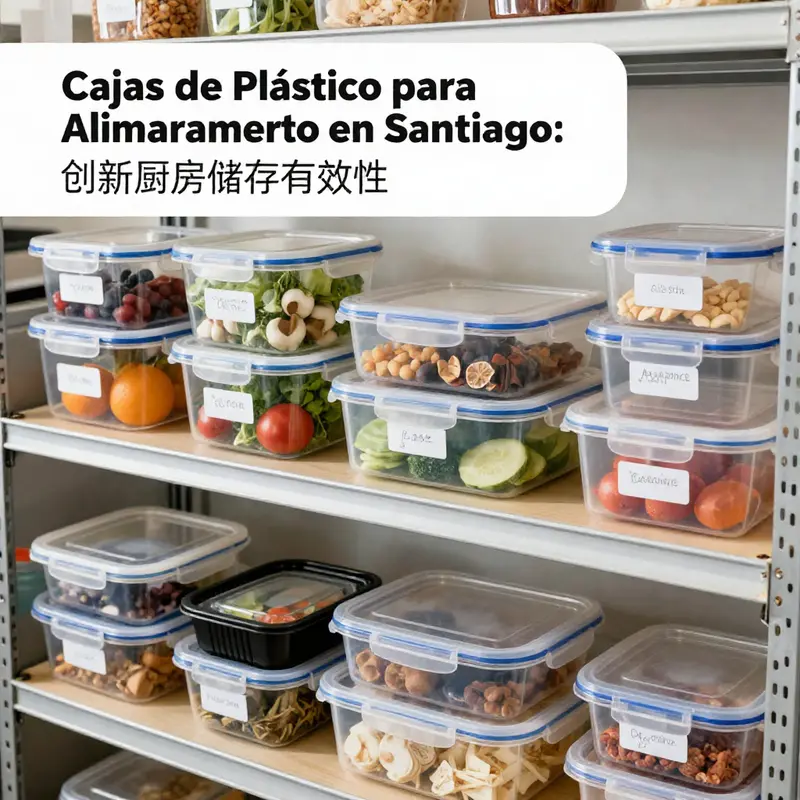
In the bustling corridors of Estación Central in Santiago, a quiet revolution unfolds around the plastic box. It is not the loud, headlines-grabbing kind of innovation, but a steady refinement that transforms how food travels from kitchen to customer, how households organize their fridges, and how small eateries sustain steady service during peak hours. Plastic storage containers have moved beyond simple containment. They have become essential tools for food safety, operational flow, and waste reduction. In this neighborhood, where vendors, restaurants, supermarkets, and homes all converge in a shared rhythm, the humble storage box proves its worth every day. The story is not merely about what is inside the box, but about how the box shapes routines, how it negotiates space, and how it carries the promise of organized food handling through the entire supply chain.
From the outset, the Estación Central area has emerged as a hub for food-grade plastic containers. Here, corridors pulse with the logistics of daily commerce, and containers of various sizes line shelves in suppliers’ showrooms, ready to be picked up, stored, or dispatched. The material itself—the choice of polypropene (PP), polyethylene terephthalate (PET), or bio-based options such as polylactic acid (PLA)—is more than a badge of durability. It signals a relationship between the user and the food it envelops: a commitment to seal, to temperature tolerance, to visibility, and to reuse where possible. In practice, this means food service operators can count on appliances and containers that can withstand cold storage, transport on delivery routes, and brief heating or reheating when needed. It also means households can select containers that keep leftovers appetizing and safe for later meals, reducing waste while maintaining the flavors and textures customers expect.
A crucial factor in Santiago’s storage ecosystem is the availability of a spectrum of containers designed for different contexts. For takeout and delivery, there are containers with tight seals and robust lids that resist leakage during transit. For bulk storage and kitchen organization, there are larger, stackable boxes that maximize vertical space in kitchen cabinets and pantries. For front-of-house display and grab-and-go meals, there are clear or lightly tinted boxes that help staff and customers identify contents at a glance. Across these applications, the design language has shifted toward systems thinking: containers that nest when empty, lids that snap securely without excessive force, and rims that resist warping after repeated cycles of opening and closing.
The practical benefits are immediate. A busy kitchen can layer its workflow with containers that align with the rhythm of prep, packaging, and service. When a chef needs to portion sauces or dressings for a lunch rush, precisely portioned containers with airtight lids prevent cross-contamination and stabilize sensory quality. For desserts or salads that rely on color and texture to attract buyers, transparent or semi-transparent bodies enable quick visual checks, speeding up line decisions and reducing restock errors. In a city where food safety regulations are strict and consumer expectations are high, the choice of storage solutions is as important as any cooking technique. The containers themselves embody that standard, serving as a visible reminder that every step—from receiving ingredients to plating a dish—occurs within a controlled, monitored environment.
Estación Central’s suppliers have learned to interpret these needs through a spectrum of product families that address both business scale and the daily realities of operation. Some vendors emphasize disposable, single-use packaging that simplifies cleaning and compliance in high-turnover contexts. Others specialize in durable, reusable containers intended for long-term use, with emphasis on durability, washable surfaces, and easy labeling. Still others curate a mix: sturdy, reusable boxes for storage and transport, paired with lighter, clamshell-style containers for service. The common thread across these offerings is not merely containment; it is the capacity to support a fast-moving workflow while maintaining quality and safety. Each container is a piece of a larger system designed to minimize handling time, prevent spillage, and guard against contamination.
The technology behind these containers is not static. Manufacturers continuously adapt materials and geometries to address temperature variations, moisture exposure, and the rigors of daily handling. In many kitchens, plastic containers must endure the realities of refrigeration, freezing, and occasional microwaving. That demands polymers that resist cracking, maintain lid integrity, and resist odors—properties that influence how a box ages in a real-world setting. Clear walls, for example, help staff and customers verify contents without opening every lid, which reduces cold-chain disruption and helps preserve food safety from prep through delivery. The lids themselves have become smarter in a practical sense: snap-lock mechanisms that stay secure even when a box is moved on a cart, and seals that resist accidental opening during vigorous transit.
In conversation with a broad cross-section of users in Estación Central—restaurant owners, street vendors, grocery stockers, and home cooks—the recurring theme is reliability. A container must earn its keep through many cycles of use. It must withstand repeated washing without losing clarity or sealing capability. It should be light enough to lift during a busy shift but sturdy enough to survive a drop on tile or concrete. It should stack neatly under shelves and stack again when empty, a feature that unlocks precious storage space in crowded kitchens. And perhaps most importantly, it should be food-grade, free from contaminants, and easy to sanitize. These practical demands shape not only product selection but also maintenance routines. A well-chosen container reduces the overhead of washing and sanitizing, cutting downtime between tasks and enabling teams to serve more customers with fewer bottlenecks.
Within this ecosystem, the interplay between storage containers and workforce efficiency becomes clear. When a kitchen or a storefront can rely on a predictable set of containers, the operators can standardize inventories, train staff quickly, and implement more robust traceability. Labels and clear lids are simple yet powerful tools. A printed label on a box or a clearly marked lid communicates contents, date of preparation, or batch numbers. The more consistent the labeling practices, the easier it becomes to rotate stock, monitor shelf life, and minimize waste. In many Estación Central businesses, lightweight, see-through containers coupled with legible labeling perform a quiet but essential role in daily operations. They reduce the cognitive load on workers, who otherwise might spend valuable minutes scrutinizing packages, opening lids, or guessing what a box holds. This is not a flashy innovation; it is a practice-changing improvement that compounds over a shift, a day, and a week.
The environmental aspect also weighs heavily in decisions around plastic storage. In Chile as in many parts of the world, sustainability conversations increasingly emphasize how containers are reused, cleaned, and disposed of after service life. Reusable containers that survive hundreds of cycles offer a cost advantage while diminishing waste. Recyclability matters, too, and manufacturers advertise containers as recyclable through standard municipal streams where available. For some operators, bio-based or compostable options may appear as alternatives for short-term packaging needs, particularly for desserts, fruit cups, or pastry displays where convenience and reduced waste are prized. While the immediate cost savings of disposable packaging can be attractive for pop-up stalls and seasonal vendors, the long-term calculus often points toward durable, reusable systems when storage space and maintenance capacity align. In Estación Central, where space is at a premium and turnover is brisk, this is a practical distinction that shapes procurement decisions and the daily routines of dozens of kitchens.
A reflective glance at the supply landscape in the area reveals more than a vendor directory. It reveals a local economy that has learned to translate global packaging trends into solutions tailored to Chile’s foodservice realities. Containers designed to seal tightly during transit mitigate the risk of leaks on crowded avenues and during long distances traveled by delivery riders. Boxes sized for bulk storage enable a compact, organized pantry where ingredients can be retrieved quickly and without rummaging through a disordered stack. The availability of a wide range of dimensions means chefs and stock clerks can create modular, scalable storage schemes. This is not merely about saving space; it is about enabling a precise, repeatable workflow in a setting characterized by variability—varying menu items, fluctuating customer flows, and the unpredictable rhythms of street commerce.
For households in Estación Central, the same principles apply, but the scale shifts. Families juggle groceries, leftovers, and meal-prep routines. The home kitchen benefits when boxes are designed to marry durability with everyday practicality. A family can segment pantry staples into transparent boxes that slot neatly into a high cabinet or a deep pantry, while labeling helps children learn organization. The ability to repurpose containers after a shopping trip, to wash and reuse them, and to keep food safe from spoilage translates directly into cost savings and reduced waste. In a city that values efficiency, the storage box becomes a personal tool for time management inside the home—an uncomplicated, forgiving system that respects both consumer budgets and the planet’s limits.
Insight from design-minded practitioners highlights the importance of shape and lid design for operational efficiency. Rectangular boxes with flat lids, for example, align well with the geometry of standard shelving, enabling users to maximize space without losing items to irregular gaps. Curved shapes or irregular lids, while sometimes appealing for specific use cases, can complicate stacking and increase the risk of toppling during busy periods. Consequently, many suppliers emphasize simple, robust, and modular geometries that support both stacking stability and rapid access. Such features matter most when staff must switch from prep to packaging to delivery in minutes rather than hours, a cadence common in Estación Central’s competitive food scene.
The narrative of plastic containers in Estación Central is inseparable from the discipline of labeling and inventory management. A well-maintained labeling system—content, date, batch, reuse status—reduces waste and reduces the time staff spend on routine checks. When a box clearly communicates its purpose, it becomes part of a feedback loop in which staff can quickly learn which containers perform best in particular contexts, which seals hold up under repeated cycles, and which lids are easiest to operate during hurried moments. The result is a self-reinforcing culture of care around food storage. This culture aligns with global best practices increasingly embraced by kitchens and retailers: standardized containers, predictable performance, and clear accountability for handling, storage, and transport.
The chapter would be incomplete without acknowledging the aspirational side of this everyday technology. A selection of containers with design-conscious aesthetics—transparent bodies that showcase food, colored lids that help differentiate meal types, or branding opportunities through simple, durable surfaces—can influence customer perception and staff motivation. In Estación Central, where competition at the street-front and storefront levels is intense, the packaging experience becomes part of the brand story. A well-presented takeout box, sealed properly and displayed neatly in a retail setting, communicates care and reliability to customers, reinforcing trust and encouraging repeat business. In this sense, plastic storage containers do not merely store; they communicate a brand’s commitment to quality, consistency, and thoughtful service.
As this ecosystem evolves, it is natural to expect further refinements that blend convenience with sustainability. The ongoing exploration of reusable, easy-to-clean designs aligned with local waste-management practices will shape future purchasing decisions. Kiosks that rotate stock to emphasize durable, reuse-friendly options may emerge, driven by both consumer demand and cost considerations. In such a landscape, the container transcends its function as a passive receptacle. It becomes a versatile instrument in a larger orchestra of food safety, operational efficiency, and environmental responsibility. Estación Central’s market participants understand that a box is a starting point, not an end point—a tool that can unlock smoother service, clearer organization, and better experience for both businesses and households.
For readers who want a tangible example of how these ideas translate into everyday practice, consider the way a typical shop in Estación Central handles stock for the lunch rush. A clerk will retrieve a set of medium-sized, airtight boxes to portion sauces and dressings, ensuring that the jars on the prep line stay pristine and that portions remain consistent across dozens of orders. The same clerk may bring in tall, narrow storage boxes to hold cut vegetables or herbs, maximizing vertical storage space above a busy workbench. When the rush ends, the containers are rinsed, sanitized, and stacked in a ready-to-use configuration for the next day. This is not merely maintenance; it is a disciplined choreography that reduces misthrows, speeds assembly, and keeps customers satisfied. In households, the same discipline appears as a neatly organized pantry with transparent boxes that reveal contents at a glance and allow quick rotation to prevent spoilage. The chorus remains the same: containers designed for the realities of use, not just for aesthetic value, become the backbone of a smoother, safer, and more efficient food system.
The international dimension is also worth noting. While Estación Central has its own distinctive economic and cultural texture, the use of plastic storage containers in food contexts reflects a global pattern. The balance of cost, durability, and performance is a shared concern across cities that share similar market dynamics: fast service, varied menus, and the constant pressure to minimize waste while meeting strict hygiene standards. Chile’s packaging suppliers respond to these pressures with adaptable lines that accommodate diverse uses—from large-scale catering operations to home meal-prep setups. This adaptability is what makes the local market resilient. It is what allows vendors to pivot quickly when demand shifts, whether due to seasonal promotions, changes in food trends, or evolving regulatory requirements. It is also what makes Estación Central a microcosm of how communities around the world manage food storage with practical, reachable tools.
In closing, the plastic storage container has earned a quiet but enduring place in the life of Estación Central. It is a practical instrument that brings order to clutter, reliability to service, and safety to every bite. It is a tool that scales from a single family kitchen to a bustling corridor of small businesses and large suppliers alike. Its value lies not only in what it holds but in how it holds a workflow together—how it keeps a line moving, how it preserves freshness, and how it supports a culture of care around food. The story of these containers in Santiago is a reminder that sometimes the most important innovations are those that disappear into the background, enabling daily operations to run with ease and confidence.
Internal link reference: senang02-disposable-eco-friendly-kraft-box-boat-shape-pla-coated-custom-packaging-for-fast-food-cookie-sugar-tray
External resource for broader context on storage container designs and durability: https://www.homedepot.com/p/Plastic-Storage-Containers-Set-of-6-12-Piece-White-Plastic-Storage-Boxes-with-Lids-10-5-Quart-8-Quart-6-Quart-4-Quart-3-Quart-2-Quart-272911/321178688
Final thoughts
塑料食品容器在圣地亚哥埃斯塔西翁中央以其丰富的品种和专业的供应商群体,为泡泡茶店与饮品连锁、餐厅、餐车与餐饮服务,以及活动策划和企业采购团队,提供了切实可行的包装与存储解决方案。从Envases Desechables Chile带来的多样一次性包装容器,到La Bodega de Plástico Más Grande en Santiago提供的餐饮专用塑料解决方案,再到Cajas de Plástico para Almacenamiento在厨房存储方面的创新,这些供应商协同满足了现代食品行业对安全、效率与品质的多重要求。选择合适的塑料容器不仅关乎食品卫生与保鲜,更关系到品牌形象和运营成本的优化。埃斯塔西翁中央的供应市场为多元化餐饮企业和活动组织,搭建了坚实的包装与储存基础,助力他们在激烈的竞争环境中稳健前进。