

The evolution of the food service industry in San Ramón, Chile, calls for innovative solutions that cater to various storage and presentation needs. As bubble tea shops, restaurants, food trucks, and catering services look for reliable ways to enhance their offerings, plastic containers have emerged as a go-to choice. This article delves into the market dynamics surrounding plastic containers, exploring the types most favored by local businesses, addressing environmental considerations, and assessing the economic impacts they bring. Each chapter builds a comprehensive understanding of how these containers can enrich food storage practices, ensuring businesses are equipped for today’s demands.
Container Futures in San Ramón: Navigating Plastic Storage and Sustainability in a Chilean City
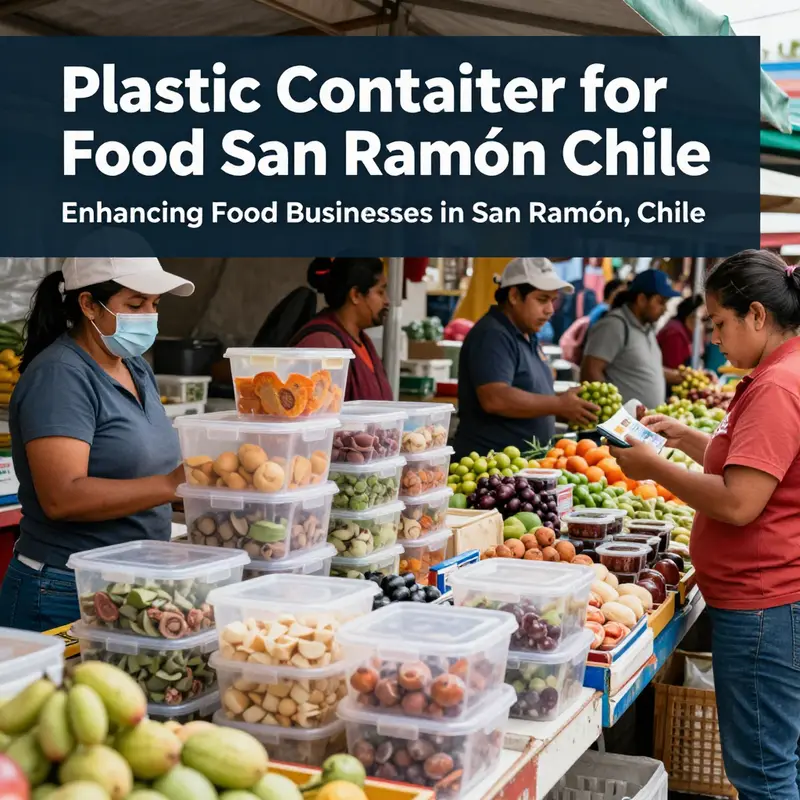
San Ramón, Chile sits at a crossroads where daily life, small- to mid-scale commerce, and evolving attitudes toward packaging intersect. The broader national context shows a market that still leans heavily on plastic containers for food storage and take-away needs, even as awareness of environmental impact grows. In San Ramón and similar urban centers, households, mercados, and family-owned eateries rely on plastic options for affordability, lightness, and practicality. Yet as consumers increasingly demand responsible choices, the local scene is beginning to reflect a broader shift toward sustainability. The story of plastic containers in this Chilean city is not simply about what is popular now; it is about how buyers, sellers, and policymakers negotiate an evolving balance between convenience, cost, and environmental accountability, right where many everyday decisions about food storage are made.
To understand the San Ramón situation, it helps to look at how people shop and store food in a landscape where e-commerce, traditional markets, and small retailers all compete for attention. Nationally, online platforms and physical stores alike carry a wide range of plastic containers designed for dry goods, sauces, leftovers, and meal-prep. The mechanics of selection—size, resealability, stackability, and compatibility with other packaging elements—shape what a household reaches for in a given week. Across platforms, these containers are valued for their predictable performance: they seal tightly, resist leakage, and are available in a spectrum of capacities that align with family meals, batch cooking, or bulk storage. In San Ramón, these traits translate into practical benefits for households juggling work, school, and social life. A shopper can purchase a multi-pack of containers to cover a week’s worth of leftovers, or choose smaller, single-use options for lunches and snacks without breaking the budget. The affordability factor remains a central driver, particularly in a city where cost-conscious choices often determine whether a purchase is made at the moment or postponed.
This reality coexists with a rising sensitivity to environmental considerations. Chile has seen a growing push toward more sustainable packaging, including compostable and biodegradable alternatives. Consumers, especially in urban areas, are increasingly aware of the lifecycle of packaging and its impact on streets, rivers, and neighborhoods. The national trend toward sustainability is echoed in San Ramón’s retail ecosystems, where store owners and vendors are paying attention to waste streams, recycling options, and the public’s interest in responsible packaging. This awareness does not instantly replace plastic’s popularity; rather it creates a marketplace where eco-friendly features become a differentiator. Retailers that offer containers designed for longer shelf life, easier recycling, or lower environmental footprints can appeal to customers who want practical storage solutions without compromising environmental values. The challenge for many is to navigate a market in which eco-friendly choices exist alongside entrenched, low-cost plastic options that remain convenient for everyday use.
Policy signals and governance also influence how San Ramón markets themselves to the public. National policies aim to improve food market efficiency and sustainability by encouraging responsible packaging, reducing waste, and guiding producers and retailers toward more sustainable practices. In parallel, municipalities adapt to these shifts by updating waste-management programs and educating residents about disposal options. The result is a packaging ecosystem in which plastic containers remain ubiquitous, but with a growing ecosystem of alternatives and practices that encourage smarter choices. The dynamic tension between affordability and environmental stewardship is felt in every aisle of a local grocery, every stall at a market, and every household kitchen where leftovers are stored. The consumer’s decision becomes a microcosm of national policy in action: how to maximize convenience and safety while minimizing environmental impact as urban life grows more fast-paced and interconnected.
From a design viewpoint, plastic containers for food storage are prized for reliability and uniformity. They come in an array of shapes and sizes, engineered to withstand temperature variations, resist leaks, and stack neatly for storage. A notable feature in many packaging lines is the peel-able film or lid systems designed to preserve freshness and prevent spills during handling and transport. The concept of a container with a film or film-like seal speaks to a broader principle: protecting the integrity of food from the moment of sealing to the moment it is opened. These design attributes matter in San Ramón where families shop for the week and rely on predictable performance to prevent spoilage during busy mornings or long commutes. At the same time, customers increasingly scrutinize the full packaging narrative—the energy spent to produce plastic, the potential for waste, and the availability of recycling or composting options after use. In this way, a seemingly simple storage vessel becomes a point of intersection between daily routines and longer-term environmental considerations.
The distribution and supply chain for these containers illustrate another layer of complexity. In practice, a local retailer can source plastic containers through national distributors or regional suppliers that serve multiple markets, ensuring consistent availability and pricing. For consumers, the practical takeaway is that even in a city like San Ramón, the market for plastic containers is interconnected with a nationwide and even transborder supply network. This reach matters because it shapes what options appear on shelves, what deals are possible for bulk purchases, and how quickly new sizes or features can appear in local shops. A rapid turnover of inventory helps keep prices stable, but it also means retailers must carefully balance the lure of discounts with the long-term implications of waste and the company’s sustainability commitments. For households, this translates into choices about how often to buy in bulk, how to reuse containers, and whether to opt for more eco-friendly alternatives when available.
Online marketplaces have emerged as an important channel within this ecosystem. Even if San Ramón does not host exhaustive local inventories, national and regional e-commerce platforms bring together a wide range of plastic storage solutions that can be delivered to or picked up in town. The ease of comparing sizes, seals, and prices online makes it easier for households to identify options that fit their storage needs and budget. For many, the decision to purchase is anchored in a straightforward calculation: how well does a container preserve freshness, how safe is it for food contact, and how much waste will result from disposal or recycling. In this context, the value proposition of a particular container is measured not only by its performance but also by its alignment with personal or household sustainability goals. A growing segment of consumers seeks products that combine dependable functionality with a reduced environmental footprint, even if the upfront cost is slightly higher.
This evolving landscape has practical implications for everyday life in San Ramón. For many families, plastic containers with lids are a simple way to manage weekly meals and leftovers, a habit reinforced by busy schedules and diverse food preferences. The containers facilitate batch cooking, meal-prepping, and efficient use of leftovers, helping households minimize waste while keeping food safe and ready to eat. However, the social discourse surrounding packaging also pushes shoppers to consider alternatives that might ease waste streams. Compostable or recyclable options offer a path toward reducing landfill contributions, while reusable containers, though sometimes requiring more care and investment, can lower ongoing costs and ecological impact. The balance between these choices is not static; it evolves with the availability of options, the social discourse around sustainability, and the price signals that shape consumer behavior.
Looking ahead, the outlook for plastic containers in San Ramón is nuanced. On the one hand, the city’s urban dynamics and the broader Chilean market imply continued demand for low-cost, reliable storage solutions. On the other hand, rising consumer awareness and policy actions suggest a gradual shift toward more sustainable packaging practices. The trajectory points toward a gradual decline in conventional plastic usage, particularly in dense urban centers where environmental literacy and access to alternative options are more developed. Yet it would be premature to assume an abrupt transition. Changes will likely unfold incrementally, guided by policy incentives, supply-chain innovations, and the practicality that keeps plastic containers in use in kitchens and markets across the city. The next era of packaging in San Ramón may feature more visible choices for recyclability, greater availability of compostable materials, and smarter designs that extend shelf life while minimizing waste.
For researchers and readers seeking a broader policy frame, the OECD offers a set of insights on how health and efficiency in food markets can be supported through thoughtful policy actions. This context highlights how packaging decisions ripple through the food system, affecting not only consumer convenience but also producer choices, retailer practices, and environmental outcomes. The policy lens helps illuminate why sustainable packaging is being pursued and how the market can respond in ways that maintain affordability and safety while driving improvements in waste management and resource use. As consumer demand evolves in San Ramón, policymakers and industry players will likely continue to collaborate on standards, incentives, and education that shape how plastic and alternative packaging fit into the city’s food landscape.
For practical readers who want to explore packaging beyond the general narrative, consider the scope of options available in regional markets. If you are assessing storage needs for take-away meals, batch cooking, or dry-goods storage, the available containers cover a broad spectrum of sizes, materials, and sealing mechanisms. A helpful reminder is that sometimes the most durable solution is not the most elaborate packaging but the one that aligns with how you store and reuse it. For example, a compact, easy-to-seal take-away bowl with a reliable lid can reduce waste by encouraging reuse and saving space in the fridge. When seeking these solutions in San Ramón or similar Chilean urban settings, you can explore online and in-store options that emphasize food-grade safety, compatibility with common storage temperatures, and a design that reduces the likelihood of leaks during transport. The balancing act among cost, convenience, and environmental responsibility remains central to decisions made in homes and shops alike.
To connect this discussion with broader opportunities, consider the following example that illustrates how the market can offer practical, scalable options. For those curious about regional availability and the kinds of containers that are common across markets, a representative listing demonstrates how a take-away bowl with a lid can satisfy a range of needs—from fast-food portions to meal-prep sets for families. See a representative product page for a sense of the category and its packaging features: senang05-food-grade-500-750-1000ml-take-away-bowl-with-lids-packing-food-single-wall-fast-food-salad-bowls. This link exemplifies the practical design logic that makes such containers attractive for everyday usage, while also hinting at how product quality, safety, and convenience converge in the consumer decision-making process.
The broader narrative remains grounded in a simple premise: inside a city like San Ramón, the choice of plastic containers for food is not merely about a single purchase. It reflects a dynamic interplay of affordability, practicality, and evolving values about sustainability. Consumers want containers that protect taste, preserve freshness, and travel well, all at a cost that fits a family budget. They also increasingly seek packaging that aligns with responsible waste management and supports a healthier environment. Vendors respond by offering packaging options that deliver consistent performance while gradually integrating more sustainable materials and reuse opportunities. In this sense, the plastic container market in San Ramón can be seen as a microcosm of a broader transition in Chile and similar economies—an ecosystem where convenience and cost continue to drive demand, but where environmental considerations are progressively reshaping preferences, procurement choices, and policy conversations.
In closing, the San Ramón narrative is not a static snapshot of a market but a living thread in a larger tapestry of food packaging, consumer behavior, and environmental policy. The city’s households, retailers, and producers navigate a landscape shaped by the enduring practicality of plastic containers and the aspirational pull of sustainable alternatives. The balance between these forces will continue to evolve as awareness grows, new materials enter the market, and policy actions guide the paths that packaging innovation can follow. The outcome will influence how food is stored, carried, and enjoyed in San Ramón for years to come, as the city and the region pursue a future where storage remains reliable and responsible in equal measure. For scholars and practitioners, the Chilean case offers a compelling study of how urban life, market dynamics, and sustainability imperatives converge in everyday choices about packaging and storage.
External references can provide a broader lens on how policymakers view these market dynamics. See the OECD resource on policy actions for healthier and more efficient food markets for a broader framework that helps situate local packaging decisions within national and international objectives: https://www.oecd.org/agriculture/food-markets/policy-actions-for-healthier-and-more-efficient-food-markets.htm
Preserving Freshness in San Ramón: A Practical Tour of Plastic Food Containers
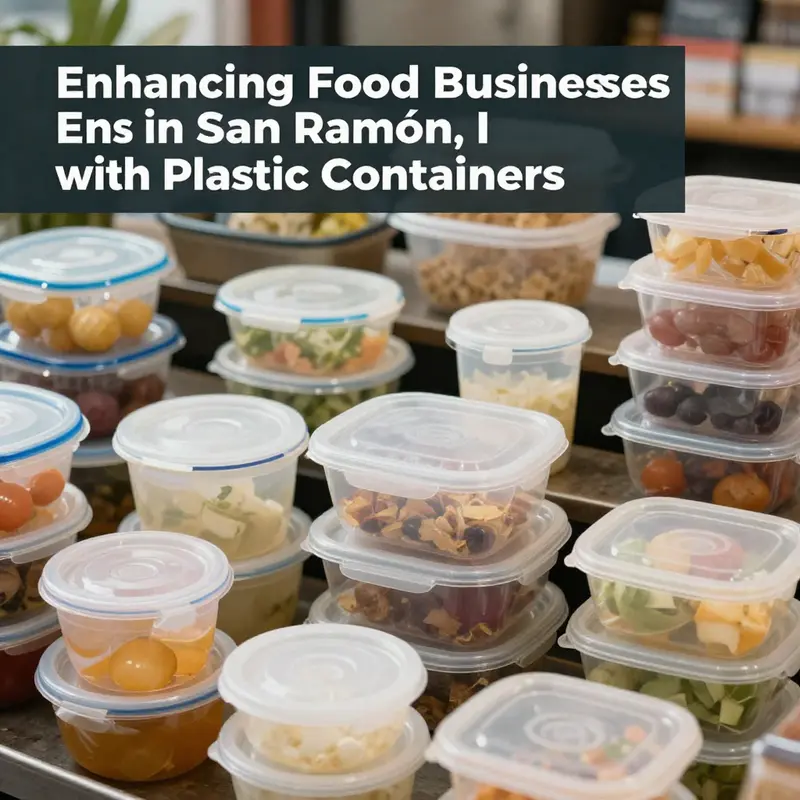
In San Ramón, Chile, the rhythm of family meals and weekly shopping reveals a practical demand for reliable plastic food containers. These containers are everyday tools that help households manage leftovers, batch cook meals for busy weekdays, portion sauces, and protect dry goods from damp air that often accompanies a busy kitchen. The local reality mirrors broader regional patterns: a wide range of plastic storage options exist, each serving distinct purposes from long term pantry stability to quick meals on the go. Rather than framing storage as a single choice, residents navigate a spectrum of materials and designs that balance practicality, safety, and cost. This chapter surveys that spectrum, tracing how the different plastic materials behave in Chilean homes, how people decide what to buy, and how those decisions shape everyday life in San Ramón while tying these local habits to larger regional dynamics.\n\nFirst, consider the core reasons plastic containers matter in this context: they are designed to keep food protected from spoilage, contamination, and the surprises of daily living. For dry goods such as beans, pasta, and rice, containers with tight fitting lids reduce the chance of moisture infiltration and pest intrusion. For leftovers and precooked meals, containers that withstand microwaving or freezing become part of the meal prep workflow, turning a once dreaded task reheating leftovers into a straightforward routine. For sauces, dressings, and liquids, rigid containers with secure seals prevent leaks during transport to school, work, or social gatherings. Across San Ramón, you encounter a practical ecosystem of storage options that are valued not for novelty but for dependability and predictability. This is not simply about keeping things fresh; it is about preserving the texture, aroma, and flavor of food while minimizing waste and effort.\n\nWithin this ecosystem, several plastic families recur because they answer different needs with clear advantages. Polypropylene, for instance, is celebrated for its durability and heat tolerance. It often appears in containers that are intended for reheating in microwaves, washing in dishwashers, and storing in freezers. In kitchens across the region, such containers are prized for letting a single vessel function from fridge to oven to table, a convenience that matters in homes with tight schedules or limited space. Their transparency, sometimes with a lightly tinted tint, makes it easy to identify contents at a glance, reducing the time spent rummaging through pantry baskets and drawers. Consumers who prioritize versatility frequently gravitate toward polypropylene because of the broad temperature range and the sense that these containers can stand up to repeated use without quickly losing clarity or structural integrity.\n\nPolystyrene occupies a different niche. It is often employed for takeout boxes or disposable trays that serve a practical function for single use meals, snacks, or parties. The appeal lies in its light weight and cost, making it a convenient choice for events or quick meals away from home. Yet, there is an evolving caution in many households about reusing PS containers, especially with hot foods. The material can become brittle over time and, when subjected to repeated heating, can pose concerns about chemical leaching and environmental impact. In daily practice, PS remains common for specific short term tasks, but many families in San Ramón increasingly reserve it for occasions where disposability is acceptable and where reuse is not a goal.\n\nBeyond these, high density polyethylene (HDPE) and low density polyethylene (LDPE) appear in forms that are well suited for liquids and flexible packaging. HDPEs rigidity makes it a natural choice for sturdy storage jars and containers that hold milk, juices, or condiments. Its resilience and recyclability align with broader regional efforts to reduce waste while maintaining practical storage solutions. LDPE, with its flexibility, finds a home in wrap or bag formats and in certain lid designs that require a gentle seal rather than a rigid closure. These materials are commonly encountered in everyday life, offering safe food contact and reliable performance for medium-term storage needs.\n\nPolyethylene terephthalate (PET) surfaces in contexts of lighter packaging and certain ready-to-eat meals. Its combination of light weight and clarity can be attractive for display purposes or travel-ready meals. However, PET is generally not favored for long-term reuse or heating, as heat exposure can degrade the material and affect safety and performance. In San Ramón, PET is often part of the initial packaging rather than a long-term storage solution, guiding households to move toward containers designed for repeated use when possible.\n\nStyrene acrylonitrile (SAN) containers offer another path, prized in more formal or premium storage contexts. SAN combines clarity with durability and heat resistance, standing up to higher temperatures than some other plastics while maintaining a clean, transparent appearance. In kitchens where durability and visibility matter and where one wants to see the contents clearly without opening lids, SAN can be a favored option. In practice, SAN is found through local suppliers or larger online marketplaces that connect regional buyers with manufacturers capable of producing clear, robust storage options suitable for both microwaving and freezing.\n\nAn increasingly visible thread in this landscape is the rise of recycled plastic containers. PCR (post consumer recycled) materials are showing up more often in food contact packaging as environmental awareness grows. The appeal is clear: the same functional designs available in virgin plastics can be offered with a smaller environmental footprint. The trade off is ensuring that the recycled material remains food grade and that the safety standards are certified for repeated use. In San Ramón, this means shoppers now encounter more options labeled as recycled or reclaimed, paired with assurances about safety and compliance. The balance between sustainability and safety, cost and durability frames a practical decision making framework for households.\n\nThe practical act of purchasing these containers in San Ramón often blends local retail experiences with online convenience. Local supermarkets, kitchenware shops, and small neighborhood stores provide immediate access to a spectrum of sizes and shapes. Marketplaces that cater to Chilean buyers, including major regional e commerce platforms, make it possible to search in Spanish for terms like contenedores plasticos para alimentos or recipientes de plastico para comida. The ability to compare sizes, lids, and seals without leaving home adds a layer of confidence to a decision that historically depended on in person inspection.\n\nFor many residents, this is not merely about storage; it is about enabling a reliable routine. A family might portion sauces into compact containers to take to work, keep a set of dry goods in a stackable, clear tub, and maintain a freezer friendly supply of homemade meals in a freezer safe option that seals tightly. The choice of container becomes a small but meaningful determinant of how smoothly a week unfolds, how predictable weekday dinners feel, and how much food is saved from waste. The logic of everyday use, rather than the allure of novelty, drives the ongoing demand for practical plastics in San Ramón. In this sense, plastic storage is less about a trend and more about a reliable partner in daily life.\n\nThe path to an informed choice often benefits from knowledge about how containers are designed to work. A well sealed lid with a secure gasket, a robust hinge, and a tight seal can transform a simple container into a reliable partner for both freezing and reheating. A container cycle reduces clutter in small kitchens and makes seasonal storage more efficient. A clear body helps users monitor contents, which is especially helpful for households managing multiple ingredients or batch cooking routines. When a container fails cracking in the fridge, leaking in transit, or warping under heat, the negative impact cascades through the week, forcing unnecessary trips to the store or rework of planned meals. Thus, the durability and design of the container become as much a part of daily planning as the recipe itself.\n\nEvaluating quality in this context flows from everyday use. For many families, a good container is not the most expensive one but the one that reliably keeps its seal over time, withstands the dishwasher, and remains easy to clean. Materials that tolerate repeated washing without clouding or delamination are particularly valued. The lids should fit snugly even after multiple cycles of freezer and microwave use. Transparent or lightly tinted plastics that resist staining from sauces or spice rich foods are especially practical, enabling quick visual checks on what is inside without opening the seal. The presence of venting features can matter for liquids or foods with steam; a vented lid can reduce pressure buildup during heating and minimize leaks.\n\nSeveral practical realities shape how San Ramón residents shop and select containers. Availability, price, and perceived safety all interplay with personal habits and family routines. The decision to choose plastic over alternative materials such as glass or metal depends on the need for lightness, breakage resistance, and price. For many households, plastic remains the most accessible option that also fits the shared intent of minimizing waste, improving food safety, and simplifying everyday tasks like portioning meals or transporting leftovers. Shopping patterns reflect a pragmatic balance: households often mix materials across their kitchen ecosystem, using plastic for lightweight, everyday tasks and reserving glass or stainless options for occasions where durability and aesthetics take precedence. The overall approach is not dogmatic. It is a flexible, experience based practice that prioritizes reliability, ease of use, and the real world constraints of life in a busy Chilean town.\n\nWithin this landscape, there is a broader regional thread worth noting. For practical sourcing, residents commonly rely on local retailers or cross border online marketplaces to access a broad range of designs, sizes, and heat tolerance profiles. If one is seeking bulk options for events or commercial use, online marketplaces that connect buyers with manufacturers from Asia can offer an array of choices, with specifications on material, size, and intended use. In a market where safety is paramount, it helps to verify that any plastic container intended for repeated use carries appropriate food grade certifications and that its heat tolerance aligns with the planned reheating or freezing regimes. This is especially relevant for households that like to prepare meals in large batches or those who routinely ship food to family members in different neighborhoods.\n\nThe local dynamic of container choice is thus a blend of science, practicality, and everyday habit. Families weigh heat resistance against safety, durability against cost, and the convenience of microwaving against the desire to minimize waste. They also consider whether a container is easy to clean, whether it seals tightly enough to prevent leaks during transport, and whether it stacks neatly in the kitchen cupboard or pantry. All of this happens within the sensory frame of San Ramón daily life, a place where the meal is often a gathered, shared moment, and the container that holds it is judged not only on its function but on how it fits into the rhythm of a home. In that sense, plastic containers in this city are more than packaging; they are the quiet infrastructure of daily nourishment, enabling families to preserve, transport, and enjoy food with confidence.\n\nAs a practical takeaway for readers who map storage needs in San Ramón or similar contexts, a layered approach often serves well. Start with a core set of sturdy, heat tolerant containers in a few sizes for leftovers and batch cooking. Add a second tier of lighter, transparent options for dry goods and snacks, prioritizing stackability and easy visibility. Include a few liquid safe containers for dressings, sauces, and beverages, ensuring that lids have reliable seals. Consider a few vented or differently designed lids for foods that release steam during heating. Finally, remain open to recycled material options for a smaller environmental footprint, provided they meet safety standards and are certified for food contact. In this way, the daily practice of food storage becomes a balanced routine rooted in local needs and informed by broader material truths.\n\nFor readers seeking beyond the local shelf, a practical example of the packaging landscape can be found in global supplier catalogs, where many of the same plastics PP, PS, HDPE, LDPE, PET and SAN are featured with specifications on size, material, and intended use. These listings illuminate the spectrum of options available to San Ramón shoppers and underscore the common design logic that unites diverse markets: a convergence of durability, safety, and usability. A broader awareness of these material profiles helps consumers navigate moderation in buying, selecting containers that meet the daily demands of family meals, while acknowledging environmental considerations and the realities of local infrastructure for recycling and waste management.\n\nWithin the context of this broader conversation, it is worth acknowledging a practical link many readers will explore. A related resource shows how different packaging formats, including plastic and paper based options, can intersect in a single chain of supply, illustrating the breadth of choices that may arrive at a Chilean doorstep through online channels and local distributors. You can explore a broader category that includes plastic and other packaging formats through the linked catalog entry that discusses clear plastic connected to pastries and desserts containers, which exemplifies how packaging versatility continues to evolve across markets. The embedded link points to a catalog entry that highlights the range of food contact packaging materials and designs, illustrating how suppliers present options that range from simple reusable containers to more complex seal worthy designs that suit both household and commercial use. This example helps anchor the discussion in tangible, real world sourcing while remaining mindful of the need to compare materials, temperatures, and safety certifications when selecting a solution for everyday storage in San Ramón.\n\nInternal link reference (example of packaging versatility across formats): disposable-biodegradable-kraft-paper-matt-lamination-clear-plastic-combo-pastry-dessert-tiramisu-cake-food-container-packaging\n\nIn closing, the take home point is simple yet powerful: plastic containers for food in San Ramón do not exist in isolation. They are part of a dynamic, practical system that supports family routines, shopping habits, and meals that travel from fridge to table, and often beyond to school, work, and gatherings. The range of materials and designs reflects a community that values safety, reliability, and cost effectiveness while gradually embracing environmental considerations and recycled content. This balanced view helps explain why plastic storage remains a mainstay in many kitchens, even as households grow more selective about materials and durability. It also hints at how local preferences intersect with global trends, creating a vibrant, evolving marketplace where households in San Ramón can protect freshness, reduce waste, and keep pace with the practical demands of daily life. For readers who want to explore further, the broader catalog of food containers and related packaging resources provides a window into how design decisions translate into everyday usability, safety, and sustainability.\n\nExternal resource: https://www.alibaba.com/wholesale/food-containers-divider_10.html
Rethinking Plastic Container Life in San Ramón: Environmental Realities, Local Waste Systems, and the Push Toward Circular Packaging
San Ramón, a municipality emblematic of many communities across central Chile, sits at the intersection of daily practical needs and global environmental challenges. In conversations about storage for food and groceries, plastic containers are ubiquitously praised for their lightness, durability, and affordability. Yet behind the convenience lies a web of environmental implications that increasingly matter to residents who care about soil health, waterways, and the future of their children’s coastlines. When we look closely at the broader region, it becomes clear that plastic storage options are not a niche habit but a common thread in home pantries, small eateries, and neighborhood markets. The practical utility of plastic containers—from dry goods to sauces and leftovers—has generated a complex relationship with waste systems that is as much about local governance as it is about individual choices. This chapter considers that relationship, tracing how life-cycle thinking, municipal capacity, and consumer behavior intersect in a way that shapes both current behavior and future policy in San Ramón and its surroundings.
The lifecycle logic of plastic containers is a useful lens for understanding the environmental footprint that accompanies everyday use. The journey begins with the extraction of raw materials, often fossil-based, followed by energy-intensive manufacturing, packaging and transportation, and finally the use phase, where containers fulfill their mission of protecting contents and simplifying storage. The disposal phase is where the consequences become most visible: waste is directed toward landfills or, in some cases, discarded into the environment where it can fragment into microplastics and migrate through rivers toward coastal ecosystems. Globally, the figure often cited in environmental assessments is that a large majority of plastic waste ends up in landfills, a pattern that mirrors many regional waste systems that struggle with capacity, sorting, and funding. In San Ramón, as in other towns with similar infrastructure, this dynamic translates into a tangible risk: plastics that fail to be reclaimed or repurposed may persist in land, water, and soil long after their initial use has passed.
The regional and national context matters. Chile’s recent policy landscape, including measures aimed at curbing single-use plastics and boosting recycling, signals a policy intent to align consumption with circular economy principles. The 2022 National Solid Waste Management Law, for example, marks a national push toward reducing disposable plastics and expanding the infrastructure needed to recover materials. Yet policy is only part of the equation. The actual impact depends on local implementation—how municipalities collect, sort, and process different streams of waste; how households separate recyclables; and how businesses design packaging that can be efficiently recycled. In smaller municipalities like San Ramón, collection routes, local facilities, and community engagement programs can be limited by budget constraints and logistical challenges. The gap between policy and practice can be especially wide when space for sorting is modest, when residents commute to work or school, and when informal practices fill gaps in official systems.
That disconnect becomes particularly evident when examining the fate of single-use plastics employed for food storage and service. In many households, the same container that protects remnants or dry goods in the pantry becomes a candidate for reuse, repurposing, or disposal after a single or few uses. The result is a mixed landscape: some containers are cleaned and reused multiple times; others are discarded promptly, contributing to the local waste stream. The variability in behavior mirrors broader social and economic forces. For some families, the cost of alternatives—whether durable containers or reusable systems—competes with tight household budgets and time constraints. For others, there is growing awareness of environmental costs, but limited access to convenient recycling pathways keeps behavior in a familiar pattern. In either case, the question is not merely about preference but about the feasibility and reliability of the systems that manage plastic waste once it leaves the home.
The environmental stakes extend beyond local boundaries. Plastic pollution is a global concern with local manifestations: litter on streets, plastics in waterways, and microplastics entering the food chain via freshwater and marine ecosystems. The sciencebase on plastics is clear about persistence: plastics fragment slowly and can travel far from their point of origin. In coastal Chile and its inland regions, microplastics have the potential to travel through rivers and eventually reach ocean systems, where they can affect organisms and habitats. A widely cited global pattern shows a substantial share of plastic waste ending up in landfills, with a portion escaping into the environment and contributing to marine debris. That reality places responsibility on municipal authorities, community organizations, and individuals to consider alternatives, not as exclusive bans but as strategic shifts toward more sustainable pathways that fit local conditions.
Against that backdrop, life-cycle assessment (LCA) of containers—while inherently complex—offers a concrete framework for evaluating trade-offs. LCAs consider raw material extraction, production, packaging, distribution, use, and disposal. In places where recycling becomes technically challenging due to mixed plastics or contamination, the environmental advantage of a given plastic container can rapidly diminish. This is not a call to abandon useful packaging; rather, it is a call to understand where the most impactful improvements can be made. For San Ramón, improvements may appear as better separation of recyclables at the household level, more efficient collection routes, and improved municipal facilities for processing different plastic streams. They may also appear as consumer-facing design choices that prioritize durability, reusability, and ease of cleaning—factors that can extend a container’s life and reduce the need for frequent replacement.
A evolving narrative around packaging emphasizes not only what is inside the container but how it is designed, used, and disposed of. The practical utility of containers is undeniable: they keep foods safe, preserve freshness, and enable convenient storage for families and businesses alike. Yet the same containers can be part of a larger problem if they are designed for single-use at scale, shipped in conditions that maximize demand for new stock, or created without regard to end-of-life outcomes. In San Ramón, this tension becomes a focal point for discussion among residents who want to balance immediate practicality with stewardship for the local environment. The conversation is broader than a single item; it is about a system where choices—ranging from the materials used to the ways people recycle—accumulate to determine a community’s ecological footprint.
What does a more sustainable path look like in practical terms? Some communities are exploring reusable storage systems that emphasize durability and long life, paired with accessible washing, drying, and storage routines. Others are looking at materials that can be composted at municipal facilities or home scales, reducing long-term persistence in the environment. Yet another approach calls for packaging designs that minimize material use while maintaining performance, combined with clear labeling that makes sorting and recycling easier for households and informal waste workers. In all these directions, the role of consumer behavior remains central. The best-designed container can fail if people do not have reliable access to collection or if the disposal infrastructure is unclear or inconsistent. Conversely, even modest improvements in sorting accuracy, reuse practices, and education can yield meaningful environmental benefits when they are embedded in daily routines.
A practical reminder of the local context is the everyday use of containers for a range of food storage needs: dry goods on pantry shelves, sauces and leftovers in the refrigerator, or take-away meals in busy households and small enterprises. The same containers that aid organization and food safety also become part of a waste stream whose fate depends on how households store, clean, and decide to discard them. In many cases, the intention to reuse can extend a container’s life and dilute its environmental impact, but that path requires time, effort, and an accessible set of routines—factors that vary widely across families and neighborhoods. Meanwhile, the convenience-driven use of disposable options persists, in part because it aligns with quick service formats and the uncertain schedules of urban life. Recognizing this dynamic is essential for any effort to improve waste outcomes without discarding the pragmatic benefits plastic containers offer.
The environmental dimension is complemented by policy and community action. Chile’s national strategies signal intent, but the real test lies in building municipal capacity to collect, sort, and process plastics effectively. For San Ramón, a path forward may involve a mix of improved recycling access, better public education about material separation, and incentives for using reusable or compostable options where feasible. At the same time, public and private partners can explore packaging redesign that reduces material intensity and simplifies end-of-life management. Even small shifts—such as coordinating collection days with market activity, or supporting programs that encourage households to bring containers back for cleaning and reuse—can accumulate into meaningful changes over time.
The practical implications for households and local businesses alike are clear. If San Ramón can integrate a more circular approach to plastic containers, the benefits extend beyond environmental health. Reduced contamination in recycling streams, lower maintenance costs for waste facilities, and improved public confidence in the city’s capacity to manage its own waste system all contribute to a more resilient community. This is not a call for perfection or a sudden pivot away from convenience; it is a call for smarter, more deliberate choices that honor the realities of daily life while aligning with broader environmental and public health goals. The path requires collaboration among residents, municipal services, small businesses, and civil society organizations to design and sustain practical changes that can be maintained in the long term.
As the conversation about packaging evolves, one practical insight emerges with clarity: shifts in containers and their end-of-life pathways do not occur in a vacuum. They are part of an interconnected system that includes production choices, consumer habits, waste infrastructure, and policy signals. In San Ramón, this means recognizing plastic containers as a component of a broader strategy to reduce environmental footprint while preserving the essential benefits they offer for food safety and storage. It also means acknowledging the value of alternatives that complement plastic where appropriate, such as reusable options and materials more friendly to recycling or composting. The balance between convenience and stewardship requires ongoing dialogue, accessible options, and a willingness to invest in systems that make sustainable choices easier and more affordable for every household. In this sense, the local experience will contribute to a broader regional narrative about how communities can navigate the complexities of plastic use without sacrificing daily practicality.
For readers seeking concrete, on-the-ground options that align with a more sustainable packaging ethos, consider exploring materials and designs designed for reuse or easier end-of-life processing. One tangible channel to explore is environmental alternatives that emphasize compostable or recyclable packaging, such as durable, recyclable, or compostable kraft-based options. These approaches are worth considering not only for their potential to reduce long-term waste but also for their capacity to be adapted to the rhythms of local life in San Ramón. In that spirit, the following resource offers a glimpse into the kinds of packaging solutions that mirror this shift toward sustainability: eco-friendly disposable kraft paper soup bowl with lid. This type of design, when used thoughtfully and paired with robust local recycling or composting options, can help bridge the gap between daily convenience and environmental responsibility. As communities learn from each other, San Ramón can carve out a practical path that respects both the needs of residents and the health of the surrounding environment, while remaining mindful of the realities of local waste systems and regulatory frameworks.
In the broader arc of Latin American packaging and policy, the challenge remains how to translate global knowledge about plastics into actionable local practice. The environmental considerations raised here reflect not only the material properties of containers but also the social, economic, and governance structures that determine how waste is generated, captured, and treated. While no single silver bullet can resolve these interwoven issues, a combination of smarter design, improved waste management, and community engagement offers a viable route toward a more sustainable equilibrium. The story of San Ramón thus becomes part of a larger narrative about how communities can align daily needs with the imperative to reduce plastic pollution, safeguard ecosystems, and foster a circular economy that serves both people and place.
External macro-level insights underscore the urgency of this challenge. The scientific literature documents the persistence of plastics in the environment and the ecological and health implications of microplastics that permeate water bodies and soils. Those findings reinforce the case for a systemic shift in how communities design, use, and dispose of plastic containers. They also illustrate the potential for meaningful local action when residents, policymakers, and businesses collaborate to minimize waste, maximize reuse, and ensure that materials move through the economy in healthier, more controlled ways. In San Ramón, as in many places, this translates into a nuanced balance: acknowledging the indispensable utility of plastic containers while actively pursuing strategies that reduce their environmental impact and improve the resilience of the local waste system.
The chapter above integrates the practical realities of storage needs with the environmental and policy dimensions that shape waste outcomes. It acknowledges the central tension between convenience and responsibility, and it sketches a path toward a more circular approach that remains sensitive to local capabilities and constraints. For readers who want to explore further, the environmental literature on plastic pollution provides a broader context to understand why local practice matters so much. You can learn more about how plastics behave in the environment and why lifecycle thinking matters at: https://www.sciencedirect.com/topics/environmental-science/plastic-pollution. This external resource complements the local perspective by situating San Ramón’s challenges within a wider continental and global dialogue on plastic waste, recycling, and sustainable packaging.
To connect with practical examples of local packaging choices that align with a sustainability mindset, consider exploring resources that discuss recyclable or compostable packaging options suitable for food service and home use. A representative example of the kind of option that can support low-wriction adoption—while still providing the convenience needed in busy households or small businesses—is an eco-friendly disposable kraft paper soup bowl with lid. Such designs illustrate how packaging choices can be aligned with circular economy principles when integrated with effective waste management, community education, and accessible reuse or recycling pathways. This kind of alignment matters precisely because it translates high-level environmental goals into everyday decisions that residents in San Ramón and similar communities can make with confidence and ease. The overall message is that local adaptation matters; sustainable progress hinges on matching packaging strategies to local realities, while keeping a clear eye on broader environmental imperatives and the scientific understanding of plastic pollution.
Beyond Convenience: The Economic Pathways and Environmental Costs of Plastic Food Containers in San Ramón, Chile
In San Ramón, a town nestled in a region known for agriculture and small- and medium-sized商 businesses, the humble plastic food container operates as a quiet but powerful enabler of everyday life. It is the unsung conduit through which farmers, shopkeepers, and households move food from field to table, from pantry to plate, and from kiosk to kitchen. To understand the economic impact of plastic containers for food in San Ramón, one must trace not only the price tags and sales channels but also the intricate choreography of production, distribution, storage, and waste management that underpins the local food economy. Plastic containers, by virtue of their lightness, durability, and low unit cost, lower the friction costs of handling and transporting food, helping small retailers and informal vendors keep margins thin enough to compete in a crowded marketplace. In this sense, these containers are less a consumer novelty and more a form of logistical infrastructure—a cargo space in miniature that travels with the product across markets and households alike. The economic logic is straightforward: if a container reduces spoilage, minimizes leakage, and lowers transportation weight, it can translate into tangible savings for producers, sellers, and even end users who habitually purchase ready-to-use or portioned foods for convenience. Yet the full picture demands a broader lens that considers not only short-term cost savings but also longer-term sustainability, regulatory expectations, and the evolving preferences of consumers who are increasingly aware of the environmental footprints embedded in everyday packaging decisions.
From the global to the local, the economics of plastic containers rests on a set of interlocking advantages. Plastics are lightweight, shatter-resistant, and comparatively inexpensive to manufacture in large volumes. In a supply chain that stretches from regional manufacturers and importers to neighborhood stores and street vendors, these attributes translate into lower handling costs and reduced breakage losses. A common consequence is lower freight weight and bulk, which directly reduces fuel consumption per unit of product—an effect magnified when containers travel across long distances to reach markets near San Ramón. In a broader sense, this efficiency has contributed to what some observers describe as the resilience of the plastic container economy in food sectors worldwide. While a single container may seem trivial, its cumulative impact across millions of units etched into national and regional commerce can be substantial. In the global discussion, examples from larger markets have highlighted how the economic benefits of single-use plastics—such as employment in production, packaging, and retail ecosystems—create a dense network of livelihoods that support tens of thousands of households. The logic is not merely about the container itself; it is about the web of value creation that wraps around it, from raw material suppliers to logistics workers and recycling facility staff who keep the loop turning.
This logic translates to San Ramón in several concrete ways. First, for farmers and small-scale producers who deliver to local markets, plastic containers enable predictable portioning and safer handling of dry goods, sauces, and ready-to-eat items. The weight reduction relative to glass or metal alternatives eases the burden on trucks and on workers who must load and unload goods in often tight urban spaces. Second, for neighborhood tiendas and informal vendors who operate on thin margins, the low unit cost of plastic packaging can help maintain competitive price points for consumers who rely on affordable, ready-made options during busy days. The ability to stack, seal, and transport without risk of leakage or contamination offers reassurance to both sellers and customers that the product will arrive in a saleable state. In these cases, plastic containers contribute to a steady cash flow and a predictable inventory cycle, factors that are essential in an economy where small-scale retailing serves as a social fabric as much as a market mechanism.
But the economics extend beyond the shop floor. The container system indirectly influences irrigation decisions, harvest timing, and post-harvest practices. Producers who pack and ship to markets must consider shelf life and the risk of spoilage, and the container is an active part of that calculus. A container that preserves freshness and prevents spillage reduces waste along the supply chain, a factor that affects not only profits but also the reliability of food supply to households with varying access to refrigeration or storage space. In communities where electricity reliability fluctuates or where cold-chain logistics are inconsistent, the container’s ability to maintain product quality during transit can be a decisive factor in whether a farmer’s crop reaches market price and a consumer’s home kitchen with minimal loss. The economic calculus, therefore, encompasses not only the purchase price of the container but also the broader costs and savings associated with waste, spoilage, and the integrity of the product through the distribution pipeline.
However, the economics of plastic containers in San Ramón is inseparable from their environmental implications. An overreliance on single-use plastics generates long-term external costs that fall on society at large and on public finances. Waste management becomes more challenging as volumes increase and the burden of cleaning, collection, and processing grows. This tension between short-term efficiency and long-term sustainability reflects a broader political and policy conversation that crosses borders. The Food and Agriculture Organization (FAO) has emphasized the need to balance efficiency with environmental health and food security. In its 2021 assessment, FAO underscored that plastics in agriculture and food systems should be guided by a voluntary code of conduct to harmonize productive efficiency with ecological safeguards. While the precise regulations vary by country and municipality, the idea of a framework—one that incentivizes responsible production, safe use, and responsible end-of-life management—resonates with San Ramón’s local realities. In practice, this means that every plastic container designed to move a product through the economy also accrues an obligation to consider its lifecycle: how it is sourced, how it is used, and how it is disposed of when it has fulfilled its job.
Against this backdrop, the question becomes not only how plastic containers can continue to support the local economy but how the town can transition toward more sustainable packaging without sacrificing affordability and reliability in everyday food storage. This is where the limits of economic thinking intersect with environmental and social dimensions. For many households and small businesses in San Ramón, the immediate concern remains access to affordable packaging that protects food quality, minimizes waste in the short term, and fits within the logistical constraints of daily life. Yet policymakers, entrepreneurs, and researchers alike recognize that a prudent path forward must align short-term economic performance with post-use waste management, recycling infrastructure, and the cultivation of consumer habits that favor reuse or safer disposal. In this sense, the container economy is not a static feature of the market but a dynamic arena shaped by policy choices, technology adoption, and evolving cultural norms around consumption and waste.
The peel-able film category, identified in broader circles as an important technology for preserving freshness and preventing spills, serves as a pertinent example of how material science interfaces with economic outcomes. These solutions, while not always dominant in all markets, illustrate the double-edged nature of packaging innovations. On one hand, peel-able films can extend shelf life and reduce damage during handling, contributing to lower loss rates and steadier supply chains. On the other hand, they add complexity to end-of-life management and can complicate recycling streams if not properly separated. In San Ramón, where recycling and waste management infrastructure may be uneven, such trade-offs become especially salient. The local advantages of lightweight containers are clear, but the broader environmental costs—pollution, waste processing expenses, and ecological restoration needs—still need to be addressed through smart policy design and community engagement.
As San Ramón navigates this terrain, there is growing recognition that the choice of packaging cannot be viewed in isolation from the region’s aspirations for sustainable development. The logic of economic efficiency should be complemented by a policy environment that supports diversified packaging ecosystems. This could include encouraging investments in local recycling capacity, exploring deposit-return schemes, promoting reusable containers where feasible, and supporting the development of compostable or bio-based materials that can fit within existing waste streams. Such options would not just reduce environmental externalities; they would also create new economic opportunities in design, manufacturing, and municipal services. For instance, if local producers and retailers begin to pilot reusable packaging systems, the immediate costs of the transition might be offset by reduced packaging waste and longer product lifecycles, yielding lower long-run expenditure for businesses and households alike.
In this context, the domestic market in San Ramón, with its mix of traditional shops and increasingly digital marketplaces, becomes a testing ground for affordable packaging futures. The region’s retailers—whether selling dry goods, sauces, or ready-to-eat snacks—must balance the immediacy of consumer demand with the long-run implications of packaging choices. The dynamics of supply, demand, and waste are bound together in a single economic system where the container is both the guardian of product quality and a potential vector for environmental strain. This dual role invites a more nuanced appreciation of plastic containers as part of a broader economic and ecological system rather than as mere commodities priced at the shelf. The implications extend to planning and policy at the municipal level, where waste collection capacity, sorting infrastructure, and public awareness programs can either amplify or mitigate the environmental costs associated with packaging waste.
Amid these considerations, there is also a practical openness to alternatives that can complement plastics rather than replace them wholesale. While the overarching narrative of local packaging in San Ramón remains rooted in practical, affordable solutions that support the daily rhythms of households and businesses, the trend toward sustainable packaging is measurable and real. Local actors are increasingly exploring packaging formats that minimize environmental impact while preserving the operational benefits that plastics provide. These explorations are not about a sudden rupture with the current system but about a transition path that preserves economic vitality while embracing lessons from environmental science and global best practices. The debates surrounding packaging choices in San Ramón thus reflect a broader global truth: economic development and environmental stewardship can be compatible, but they require deliberate design, informed choices, and resilient systems capable of absorbing policy shifts and technological advances.
The conversation about packaging in San Ramón is inseparable from the channels through which food moves from producer to consumer. Marketplaces, retailers, and e-commerce platforms—whether local or regional—act as nodes that translate the economics of containers into real-world outcomes. The cost of a container, while seemingly modest, has ripple effects on prices, shelf availability, and consumer choices. The possibility of substitution—between plastic and alternative materials—depends on the availability of affordable supply chains for these alternatives, the reliability of waste management, and the willingness of consumers to adjust their habits. In other words, the container is not just a container; it is a lever that can modulate the efficiency of a food system, the affordability of food for families, and the environmental footprint of daily life in a town like San Ramón.
For readers seeking a concrete example of how packaging formats are evolving in regional markets, one can examine the broader ecosystem of disposables and paper-based packaging that is gaining traction in similar contexts. The move toward recyclable and biodegradable options signals a potential path for San Ramón’s packaging landscape. Yet any shift must be designed with care to avoid abrupt disruptions in supply chains, price spikes, or pockets of waste mismanagement. The aim should be to sustain the economic benefits that plastics currently confer while integrating smarter design choices, better end-of-life solutions, and policies that encourage circularity rather than simple substitution. This balanced approach acknowledges the real economic advantages of plastic containers for food storage and distribution, while recognizing the necessity of addressing environmental costs through collaborative action among government, industry, and citizens.
To connect these reflections to practical choices in the local marketplace, consider the broader packaging options that exist in nearby markets. While plastic remains a central player, a growing segment of retailers and consumers is experimenting with sustainable alternatives that still honor the practical needs of storage, transport, and consumer convenience. The tension between affordability and environmental responsibility remains a live issue in San Ramón, shaping decisions at the point of purchase, the design of storefronts, and the policy conversations that guide municipal waste programs. In this sense, the economic impact of plastic containers is not a finished ledger but a living dialogue—one that tracks how a town negotiates efficiency, price stability, and ecological health as part of a broader, evolving food system.
For readers curious about tangible packaging alternatives, a convenient path to explore options beyond traditional plastics is to examine readily available kraft-paper-based containers that are designed for disposability yet offer an environmentally friendlier profile. These alternatives illustrate how retailers and households can negotiate cost, functionality, and sustainability in a practical, everyday setting. For a glimpse into one such packaging format accessible in regional markets, you can explore a rectangle kraft-paper salad bowl with lid, a type that demonstrates how form and function can align with waste-management goals while keeping costs within reachable ranges for small businesses and families alike. This example anchors the broader discussion in a concrete asset that many in San Ramón could consider as part of a transition strategy. rectangle kraft paper salad bowl with lid.
Looking ahead, the chapter’s core insight remains: the economic vitality of San Ramón’s local food economy is profoundly intertwined with packaging choices. Plastic containers enable efficiency and affordability today, yet the long-run health of the system will depend on deliberate, integrated strategies that align economic goals with environmental safeguards. This may involve building local capacity for waste separation, expanding recycling opportunities, promoting reuse where feasible, and encouraging the development of alternative materials that do not unduly disrupt supply chains or inflate costs. The path is not only about replacing one material with another; it is about sculpting a packaging ecosystem that supports livelihoods, protects food quality, and respects the community’s environmental responsibilities. In the next chapters, the narrative will turn to how policy design, consumer education, and technological innovation can converge to shape a more resilient packaging landscape for San Ramón, one that honors both economic pragmatism and ecological stewardship.
External resource for further context: FAO. Voluntary Code of Conduct on the Sustainable Use of Plastics in Agriculture (2021). https://www.fao.org/3/cb8950en/cb8950en.pdf
Final thoughts
Plastic containers represent a vital asset for food businesses in San Ramón, Chile. They not only enhance food storage but also play a role in sustaining the freshness and presentation of culinary offerings. As the food service landscape becomes increasingly competitive, adopting effective packaging solutions such as these can empower businesses to improve efficiency and satisfaction among their clientele. Moving forward, embracing innovative storage solutions will be pivotal for success in the sector.