
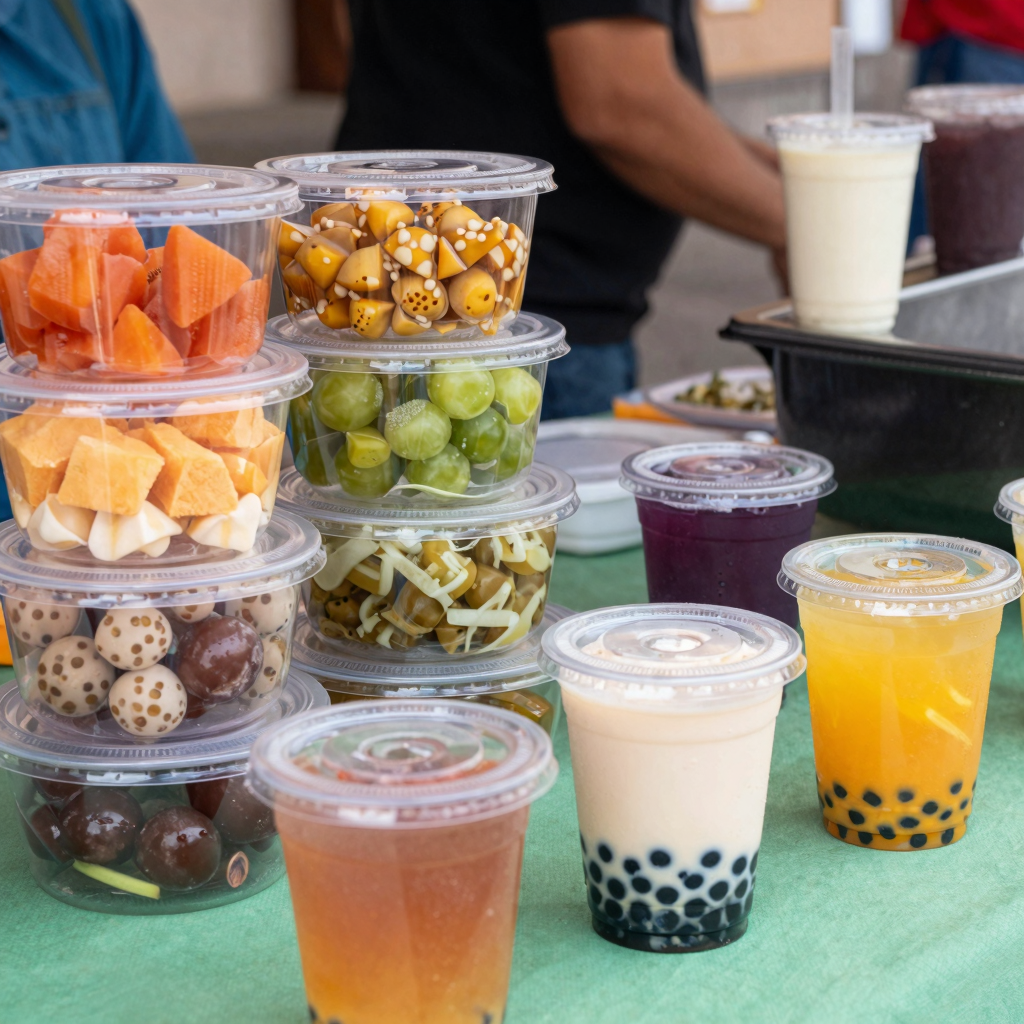
In the vibrant culinary landscape of Chillán Viejo, Chile, plastic containers play a pivotal role in the food service industry, serving as the unsung heroes behind every takeout meal and catering event. With the rise of bustling bubble tea shops, food trucks, and catering services, the demand for reliable, high-quality food packaging has never been greater. Not only do these containers ensure the freshness and safety of food, but they also contribute to an appealing presentation that enhances the dining experience. For businesses looking to make a mark in a competitive market, investing in quality plastic containers is essential. Choosing the right packaging solutions can boost brand image, streamline operations, and meet customer expectations for convenience and sustainability. Learn more about the benefits of sugarcane cups and explore innovative options that can elevate your food service offerings.
Plastic containers indeed play a significant role in the food service industry, but balancing convenience with sustainability is increasingly becoming a priority for businesses such as bubble tea shops, restaurants, and catering services. Understanding the environmental impact of plastic containers allows businesses to make informed choices that benefit them and the planet.
Sustainability of Plastic Containers
Traditional plastic containers, particularly those made from petroleum-based plastics like PVC (polyvinyl chloride), have been criticized for their environmental harm. They contribute to pollution, habitat destruction, and impose high recycling challenges, leading to microplastic contamination in ecosystems. These plastics can take hundreds of years to decompose, leaching harmful chemicals into the soil and water supply during their lifetime.
However, companies are responding to these challenges by embracing biodegradable alternatives. Materials such as cornstarch, sugarcane, and bamboo are becoming more popular in manufacturing food containers. Unlike conventional plastics, these biodegradable options can decompose within months when composted in industrial settings, significantly mitigating their environmental footprint. This shift not only alleviates the burden on landfills but also addresses public health concerns associated with plastic pollution.
Commitment to Eco-Friendly Practices
Beyond just offering biodegradable options, many forward-thinking companies are committed to sustainability by adopting eco-friendly manufacturing practices. For instance:
- Use of Renewable Energy: Many manufacturers are utilizing renewable energy sources, such as solar, in their production processes to reduce greenhouse gas emissions by as much as 40%.
- Closed-Loop Systems: The adoption of closed-loop systems is gaining traction, ensuring that materials are recycled and reused in a circular economy model, which prevents waste.
- Reducing Carbon Footprint: By prioritizing low-impact raw materials and energy-efficient processes, companies are pushing towards zero waste, integrating on-site composting, and waste-to-energy systems.
For instance, a study highlights the importance of biodegradable food containers as sustainable solutions in food packaging. These products not only meet compostability standards (like ASTM D6400 or EN 13432) but also offer functionalities such as leak-resistance and heat stability suitable for a variety of food types (Amazon Sustainability Blog).
Advantages for Businesses
Choosing the right plastic containers can significantly enhance a business’s sustainability efforts. By offering biodegradable options and demonstrating eco-friendly practices, food service providers can:
- Appeal to the growing consumer base that values sustainability.
- Reduce operational costs in the long term through efficient resource management.
- Protect their brand reputation by aligning with responsible sourcing standards, which can enhance customer loyalty.
In conclusion, as the demand for sustainability continues to rise, businesses in the food service industry should prioritize sourcing responsible packaging solutions. By opting for biodegradable containers and committing to eco-friendly practices, establishments can play an essential part in protecting the environment while also meeting the expectations of their eco-conscious clientele. For more on eco-friendly food packaging solutions, check out our overview on the benefits of sugarcane cups.
With the right approach, choosing sustainable options like biodegradable plastic containers can lead to positive outcomes for both businesses and the planet.
Comparison of Plastic Containers for Food Service
Choosing the right plastic container for your food service operation is crucial, not only for functionality but also for sustainability. Here’s a comprehensive comparison of various plastic container types based on size, material, and sustainability features:
| Type of Container | Size Range | Material | Recyclability | Sustainability Features |
|---|---|---|---|---|
| Small Containers | 2 – 4 oz (60 – 120 ml) | PET (1) | Widely recyclable | Ideal for single servings; safe for cold applications. |
| Medium Containers | 8 – 16 oz (240 – 480 ml) | HDPE (2) | Highly recyclable; safe | Lightweight and durable; often made from recycled material. |
| Large Containers | 32 – 128 oz (1 – 4 L) | PP (5) | Universally recyclable | Suitable for hot food; can withstand high temperatures. |
| Bulk Storage | 128 oz (3.8 L) | LDPE (4) | Limited recycling options | Good for storing dry ingredients; less common in food service. |
This table summarizes the essential characteristics of plastic containers, helping operators like bubble tea shops, catering services, and restaurants select suitable options. To dive deeper into sustainable practices, you might want to learn more about sugarcane cups and their benefits or explore customized octagonal paper bowls.
Ultimately, selecting food-grade plastics with good recyclability and understanding the specific applications and benefits of each type will enhance operational efficiency and sustainability.
Health and Safety Standards in Food Packaging
Health and safety standards play a pivotal role in ensuring that food packaging is safe not only for consumers but also for businesses. In Chile, the regulations surrounding food packaging are increasingly stringent, aimed at maintaining high health standards and ensuring consumer safety. One of the most relevant pieces of legislation includes the Chilean Food Hygiene Regulations, effective from July 15, 2025, which stipulates that all food packaging must clearly indicate the product’s composition, origin, and constitute safety certifications. This is crucial for products like plastic containers used in food, as they must be capable of containing food substances safely without leaching harmful materials into the food.
According to the Food Safety Regulation No. 977/1996, there are mandatory guidelines regarding labeling and packaging, including allergen declarations and nutritional information. This aligns with consumer protection measures that bolster transparency in the food industry and help consumers make informed decisions. Specific amendments have been made to label processed meats, which further underscore the importance of precise and transparent packaging.
Our company’s products, including various plastic containers for food, comply with these health and safety standards. We prioritize using materials that are safe for food contact and resistant to heat or chemical degradation, contributing to the overall safety of food served in our containers. By adhering to the regulations, we not only ensure the health and safety of consumers but also protect businesses from potential liabilities related to food safety cases.
Embracing these standards enhances consumer trust and boosts brand reputation. Thus, investing in compliant food packaging is not just about meeting legal requirements-it’s about fostering a safer food environment for everyone. Learn more about the benefits of sugarcane cups and how they align with health standards.

Customer Testimonials
In the realm of food service, every decision counts. When it comes to choosing the right containers, a few of our valued clients have shared their success stories:
Maria S., Owner of Veggie Delights Cafe
“Switching to COFE’s plastic containers was one of the best decisions we’ve made! Our takeout orders have seen a 30% increase in customer satisfaction. The containers keep our dishes fresh and intact, and they are easy to stack and store. We’re proud to offer our meals in environmentally friendly packaging.”John D., Manager of Chill & Grill Food Truck
“We adopted COFE’s plastic containers last summer, and they have improved our operational efficiency significantly. Our team can prep orders faster without worrying about spills or leaks. We also noticed that customers appreciate the quality, leading to more repeat business.”Alice H., Event Planner for Local Festivals
“Using COFE’s containers for our catering services has transformed our approach. They’re sturdy, and the variety allows us to present our food appealingly. Our clients love them, and it has helped us elevate our catering game. I highly recommend these for any food service!”
These testimonials reflect the practical advantages and increased customer satisfaction that come from using high-quality plastic containers in food and beverage operations. To learn about other options that can enhance your service, check out our guide on sugarcane cups and their benefits!
Key Benefits of Using Quality Plastic Containers in Food Service
As the food service industry continues to evolve, utilizing high-quality plastic containers becomes increasingly essential. Here are some compelling benefits that these containers offer to bubble tea shops, restaurants, food trucks, and more:
1. Durability
Quality plastic containers, often made from high-density polyethylene (HDPE) or polypropylene (PP), are designed to withstand impact, cracking, and deformation. This durability allows for repeated use in busy environments without compromising integrity, making them ideal for high-volume food service operations.
2. Safety
Food-grade plastics such as HDPE and PET are certified for food contact, ensuring that they are free from harmful chemicals, including BPA and phthalates. This makes them a safe choice for both hot and cold food storage, giving you peace of mind when serving your customers.
3. Cost-Effectiveness
Plastic containers are lightweight and cheaper to produce than glass or metal alternatives. Their cost-efficiency is enhanced by their reusability, which lowers long-term expenses, and their lighter weight reduces shipping costs.
4. Eco-Friendliness
Many plastic containers are recyclable, which helps minimize waste. With a growing number of manufacturers using post-consumer recycled (PCR) plastics, businesses can reduce their environmental footprint while maintaining product quality. According to the Recycling Partnership, effective recycling can significantly decrease landfill waste.
5. Versatility and Customization
Quality plastic containers come in various sizes and shapes. They can be customized with branding, enhancing visibility and customer recognition. Moreover, their ability to resist various cleaning agents ensures durability through a range of applications.
6. Temperature Resistance
These containers can maintain structural stability across a wide temperature range, making them suitable for both freezer storage and microwave use when specified.
In conclusion, investing in high-quality plastic containers provides practical advantages, making them a wise choice for any food service establishment seeking custom packaging solutions.
Trends in Food Packaging in Chile (2023)
In 2023, the food packaging market in Chile is witnessing pivotal shifts influenced by regulatory mandates and evolving consumer preferences. Let’s delve into the growing trend towards eco-friendly packaging solutions and the persistent reliance on traditional plastic.
Key Market Insights
- Eco-Friendly Solutions: The adoption of biodegradable materials, cellulose-based films, and plant-derived polymers is on the rise. Government regulations have incentivized food businesses to transition from single-use plastics to sustainable materials, pushing over 65% of food companies to pilot eco-friendly alternatives.
- Traditional Plastic Packaging: Despite the movement towards sustainability, plastic packaging remains prevalent due to its cost-effectiveness. Notably, innovations in packaging design aim to enhance recyclability and sustainability, like the use of post-consumer recycled (PCR) plastic in flexible packaging.
Chart of Trends
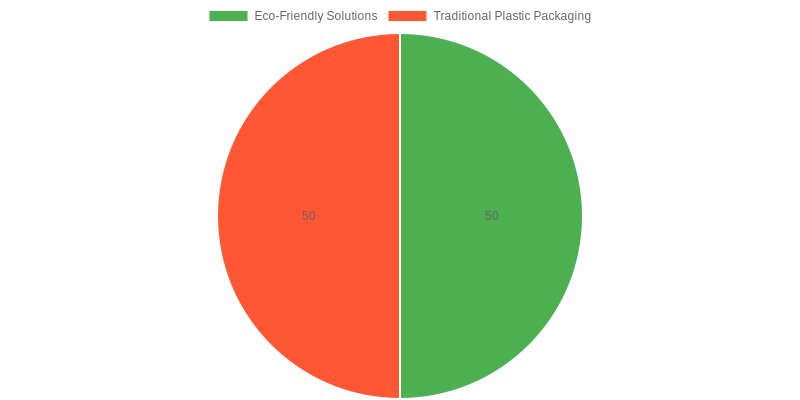
This pie chart illustrates the percentage of companies adopting eco-friendly solutions versus traditional plastic packaging in 2023. While not explicitly quantified in terms of adoption rates, we see an industry split indicating significant movement towards greener alternatives.
Conclusion
Investing in quality suppliers who prioritize eco-friendly materials can not only ensure compliance with regulatory standards but also attract environmentally conscious consumers. This shift not only represents a responsible business strategy but also aligns with the global push towards sustainable practices. To explore more about custom packaging solutions, learn more about sugarcane cup benefits and pilot programs using recycled materials.
Conclusion: Elevate Your Food Service with Top-Quality Packaging Solutions
In the vibrant food industry of Chillán Viejo, utilizing high-quality plastic containers for your business can significantly enhance your service and maintain food safety. As we’ve explored, these containers not only provide excellent moisture and odor barriers but are also lightweight, durable, and versatile for various food types. Whether you’re in the bubble tea business or running a food truck, the right packaging can extend the shelf life of your products and improve customer satisfaction-critical factors for thriving in today’s market.
By choosing premium plastic food containers, you ensure compliance with safety standards and prioritize environmental sustainability. With a promise of durability and safety, these containers are designed to meet the demanding needs of food service operations.
Are you ready to elevate your food presentation and service? Contact our team at Cofe Cup today for a tailored quote that fits your unique requirements. Learn more about our customized packaging solutions and discover how we can help you achieve exceptional quality and style for your business!
In recent years, Chile has witnessed a significant shift in the food service industry towards the adoption of sustainable packaging solutions, particularly in response to increasing environmental concerns and regulatory pressures. This transition primarily involves a marked decline in the use of single-use plastic containers, coinciding with Chile’s broader initiative to combat plastic pollution.
Shift Towards Quality Disposable Containers
As of January 1, 2023, Chile enacted a nationwide ban on single-use plastic containers, including well-known items such as takeout boxes and straws. This legislative change highlights the government’s commitment to reducing plastic waste, which previously accounted for over 80% of the country’s unregulated solid waste. According to the Chilean Ministry of Environment, these measures aim to promote recyclable or compostable alternatives, enhancing the adoption of eco-friendly packaging across the food service sector.
The immediate impact of this regulation has been noticeable. A report by UNEP revealed that within just six months of the ban, there was an impressive 47% reduction in plastic container usage in urban dining establishments. Furthermore, a consumer survey indicated that 68% of respondents observed a positive shift towards more sustainable packaging, showcasing a growing societal preference for environmentally responsible choices.
Consumer Behavior Insights
Consumer attitudes towards food service providers are shifting dramatically. A survey conducted by the Centro de Estudios para el Desarrollo Sostenible (CEDS) in late 2023 found that 72% of consumers actively avoid restaurants that continue to use non-recyclable plastic containers. Among younger adults (ages 18-35), the shift is even more pronounced, with 81% stating they would change their dining preferences if their favored restaurant did not offer sustainable packaging options.
Moreover, businesses have begun responding to these consumer demands, with over 60% of major fast-food chains now adopting compostable or recyclable materials. The Ministry of Environment reported an 18% decline in single-use plastic containers compared to the previous year, reinforcing the trend towards environmentally friendly practices within the sector.
The Future of Packaging in Chile
The market analysis from Fitch Solutions indicates that Chile has emerged as a leader in the transition to sustainable food packaging within Latin America. By the end of 2023, more than 45% of fast-food establishments had integrated certified compostable or recyclable options into their services. The ongoing shift is anticipated to accelerate, with projections suggesting that 65% of the market will be utilizing sustainable packaging solutions by 2025.
In conclusion, the recent changes in Chile’s food service industry illustrate a robust trend towards the adoption of quality, eco-friendly disposable containers. With increased regulation and consumer demand for sustainable practices, businesses in relation to food service are adapting efficiently, paving the way for a greener future. For further insights on sustainable options, learn more about sugarcane cups to see how they can benefit your establishment.
This significant transition not only reflects societal values but also offers a compelling argument for businesses to invest in sustainable packaging solutions, enhancing their marketability and operational responsibility in an increasingly eco-conscious world.