
In the fast-paced world of hospitality, effective food storage is crucial for maintaining quality, freshness, and safety. This rings particularly true for establishments such as bubble tea shops, restaurants, and catering services where the integrity of ingredients directly influences customer satisfaction. Enter plastic containers for food freezers-an essential tool that not only safeguards perishables but also streamlines operations. These versatile containers offer convenience and organization, allowing busy food service professionals to optimize their freezer space and reduce food waste. Imagine having ingredients readily accessible while ensuring they remain in peak condition for that perfect bubble tea or gourmet dish. With a focus on efficiency and reliability, the right storage solutions can significantly enhance service and quality-unlocking a new level of success for your business. To explore various options tailored for your needs, check out our selection of storage containers that can elevate your food preparation and storage practices.
Discover the Advantages: Why Plastic Containers are a Game-Changer for Your Freezer Needs
Who doesn’t love the efficiency and quality that plastic containers bring to food storage? For bubble tea shops, restaurants, food trucks, and event planners, understanding the benefits of using plastic containers for your freezer can transform how you manage perishable products. Let’s explore how these versatile containers can enhance your food storage experience and streamline your operations.
Benefits of Using Plastic Containers for Food Freezing
Plastic containers are increasingly becoming the go-to choice for food freezing, especially in the food service industry. Their potential benefits make them particularly appealing to bubble tea shops, restaurants, food trucks, and catering services. Below are some key advantages of utilizing plastic containers for your food storage needs:
-
Durability:
-
Plastic containers are designed to withstand low temperatures and resist breakage, making them a reliable option for freezing food. They will not crack or shatter like glass containers, ensuring that your food remains protected.
-
Many plastic containers are constructed from high-density polyethylene (HDPE) or polypropylene, which are strong and resilient materials.
-
Safety:
-
Using BPA-free plastic containers safeguards against harmful chemical leaching, which can be particularly concerning when freezing food. This ensures that your food remains safe and free from contaminants. Articles like Green Dispo Pack’s discussion on safety concerns highlight the importance of selecting the right containers.
-
Plastic containers create a barrier against external contaminants, helping maintain the longevity and hygiene of stored food items.
-
Space Efficiency:
-
Plastic containers are typically more lightweight and compact compared to their glass counterparts, making them easy to stack and store in freezers with limited space. This is essential for food trucks and catering services where space is at a premium.
-
Many plastic containers come with features like airtight seals that help to optimize storage space by reducing the chances of spoilage or freezer burn.
-
Easy to Clean:
-
Most plastic containers are dishwasher-safe, simplifying the cleaning process. This time-saving feature is beneficial for food services that handle large volumes of food preparation and need quick turnaround times.
In conclusion, the use of plastic containers for food freezing combines durability, safety, and space efficiency, making them an excellent investment for any food service operation.
Comparison of Plastic Container Types for Freezing
When it comes to selecting plastic containers for freezing, understanding the various types available is crucial for efficient food storage – especially for bubble tea shops, restaurants, and catering services. Below is a comparison of commonly used plastic materials, their temperature resistance, and cost effectiveness:
| Material Type | Temperature Resistance (°F) | Cost Effectiveness |
|---|---|---|
| Polyethylene | -40 to 120 | Low |
| Polypropylene | -20 to 230 | Medium |
| PET | 0 to 140 | High |
Sources of information include Green Disposable Packaging and other relevant sources discussed across the web.
Key Insights
- Polyethylene (PE) is the least expensive option but may not handle very low temperatures well, making it less suitable for extended freezing.
- Polypropylene (PP) offers higher temperature resistance and is ideal for a variety of freezing applications while remaining cost effective.
- PET, while more costly, provides robustness against heat fluctuations, making it suitable for freezing and reheating.
Using the right type of plastic container is essential to prevent freezer burn and maintain the quality of your food products. For more insights, visit Cup Bowl Pack and learn more about effective food storage solutions.
How to Choose the Right Plastic Container for Freezing Food
Selecting the right plastic container for freezing is crucial for maintaining food safety and quality, especially in food service settings such as bubble tea shops, restaurants, and catering services. Here’s a comprehensive guide on what to look for:
1. BPA-Free Options
- Health Safety: BPA (Bisphenol A) is a chemical commonly found in certain plastics, which can leach into food and potentially cause health issues. Opting for BPA-free containers ensures that you are using safer materials. These containers are specifically designed for food storage without compromising safety. For more about the health advantages of BPA-free containers, check out this source.
2. Material Specifications
- Freezer-Safe: Ensure the plastic containers are labeled as freezer-safe. This means they are engineered to endure low temperatures without cracking or becoming brittle.
- Durability: Look for high-quality plastics like polypropylene (PP) or polyethylene (PE) known for their strength and resistance to cold temperatures.
3. Sealing Mechanisms
- Airtight Lids: A good sealing mechanism is essential to prevent freezer burn and to keep food fresh. Opt for containers with snap-on or screw-on lids that provide an airtight seal. This not only preserves the quality of the food but also minimizes odor transfer between different items stored in the freezer.
- Leakproof: Especially important for liquids, ensure the lids are designed to be leakproof, preventing spills and messes in your freezer.
4. Sizing and Stackability
- Different Sizes: Choose a variety of sizes to accommodate different food portions. Smaller containers are perfect for sauces or sides, while larger ones work well for entrees.
- Stackable Designs: Look for containers that stack neatly to maximize your freezer space. This feature is particularly valuable in commercial kitchens, where space can be limited.
By considering these factors, you can make an informed decision when selecting plastic containers for freezing. For a variety of suitable options, explore our range of plastic packaging solutions.
Temperature Ranges for Plastic Containers in Freezers
Understanding the temperature capabilities of various plastic containers used in food storage is crucial, especially for businesses such as bubble tea shops, restaurants, and catering services. The following chart illustrates the temperature ranges at which different food-grade plastic containers maintain their integrity in a freezer.
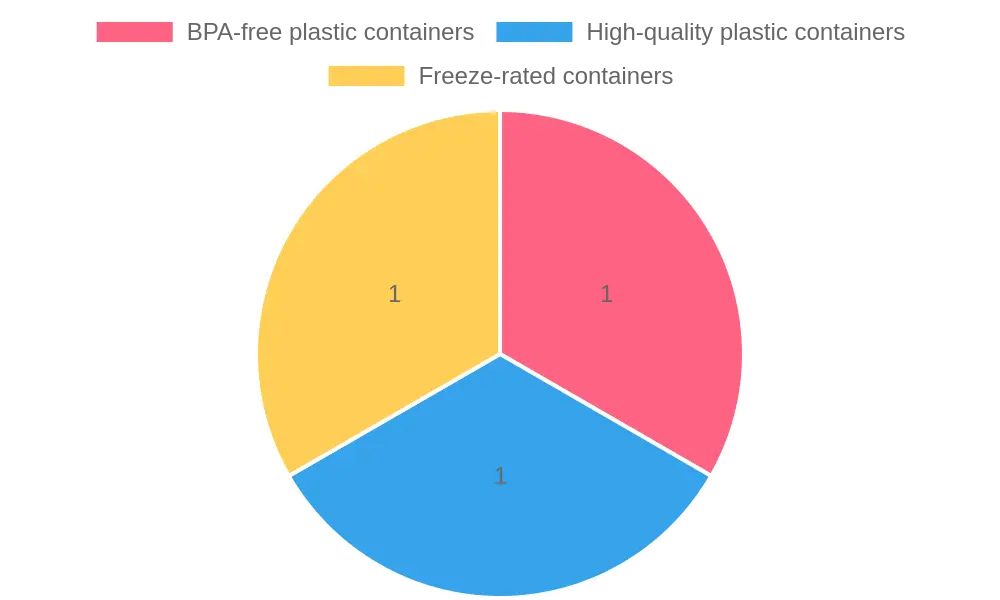
| Type of Container | Temperature Range |
|---|---|
| BPA-free plastic containers | down to -40°F (-40°C) |
| High-quality plastic containers | about -20°F (-29°C) |
| Freeze-rated containers | between -20°F to 250°F |
Understanding these temperature specifications is vital to prevent freezer burn and ensure food quality. Learn more about our plastic packaging options suitable for freezing and storage.
In conclusion, investing in high-quality plastic containers for food freezing is a crucial step for businesses in the food industry, including bubble tea shops, restaurants, and catering services. These containers not only enhance the safety and longevity of stored food but also boost the efficiency of operations. Reduced waste and maintained flavor integrity can have a significant positive impact on customer satisfaction and overall success. Therefore, choosing the right packaging is not just about function; it’s about delivering the quality that customers expect.
For businesses looking for reliable and effective packaging solutions, partnering with a trusted supplier like Cup Bowl Pack can make a significant difference. Explore our range of plastic packaging options that meet all your food storage needs and elevate your service quality. Don’t hesitate to learn more about our packaging solutions and transform your food storage today!
The Importance of Quality Materials in Food Storage
When it comes to food storage, especially in businesses like bubble tea shops, restaurants, and catering services, the materials we choose can significantly affect food safety and quality. As experts in the field emphasize, using high-quality packaging can prevent contamination and spoilage, ensuring that food retains its freshness and taste.
“Food packaging is essential for protecting products during transportation and storage, ensuring they remain safe, fresh, and visually appealing. Proper packaging can extend shelf life and significantly reduce food waste.”
Choosing the right containers is vital not just for aesthetics but for maintaining the integrity of your meals and drinks. Consider investing in premium food storage options that offer durability and reliability, essential for your food service business.
Best Practices for Using Plastic Containers in Food Freezing
Using plastic containers for food freezing is a common practice in various food businesses, including bubble tea shops, restaurants, and catering services. Here are some best practices to ensure the safe and effective use of these containers:
-
Choose the Right Containers
Opt for containers specifically labeled as freezer-safe. These containers are designed to withstand low temperatures without cracking or leaching harmful chemicals. Avoid thin or low-quality plastics that may not provide adequate protection against freezer burn. -
Ensure Airtight Sealing
To prevent freezer burn, make sure the containers are airtight. Look for containers with tight-fitting lids, or consider using cling wrap along with the lid to seal them properly. -
Label Clearly
Always label your containers with the contents and date of freezing. Use erasable labels or dissolvable freezer labels to maintain organization while ensuring food safety. For more on effective labeling methods, check out this guide on labeling frozen food. -
Avoid Overfilling
When freezing liquids or foods that expand, leave some space at the top of the container. This prevents spillage and allows for the natural expansion that occurs during freezing. -
Stacking for Efficiency
Stack containers neatly to maximize space and maintain airflow around them. This helps in even freezing and efficient use of freezer space. -
Maintain Cleanliness
Regularly clean your containers to prevent contamination. Always ensure they are completely dry before putting food inside.
Following these best practices can help your food business maintain high standards of food safety and quality.