
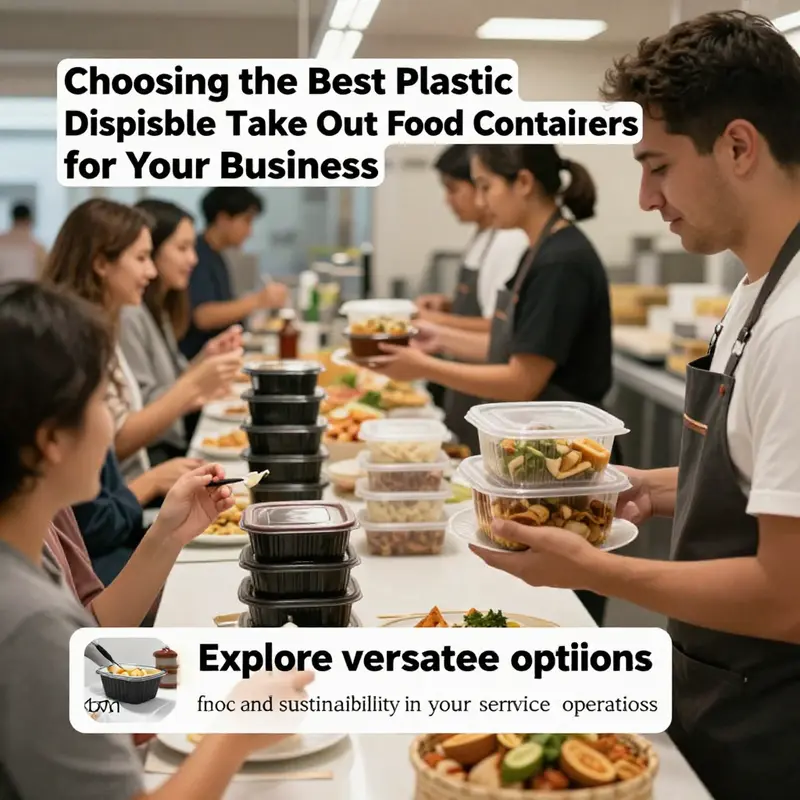
Plastic disposable take out food containers are essential in connecting food service providers with their customers in today’s fast-evolving market landscape. From bubble tea shops to catering services, understanding the variety of available options is crucial for maintaining operational efficiency and customer satisfaction. This article explores diverse offerings on platforms like Alibaba, the eco-friendly characteristics of modern containers, customization and bulk purchase options, and the latest market trends. Each chapter will delve deeper into how these factors can influence your choices and enhance your business operations.
From Millimeter Precision to Global Reach: Unpacking Alibaba’s Diverse Plastic Disposable Takeout Containers for Sale
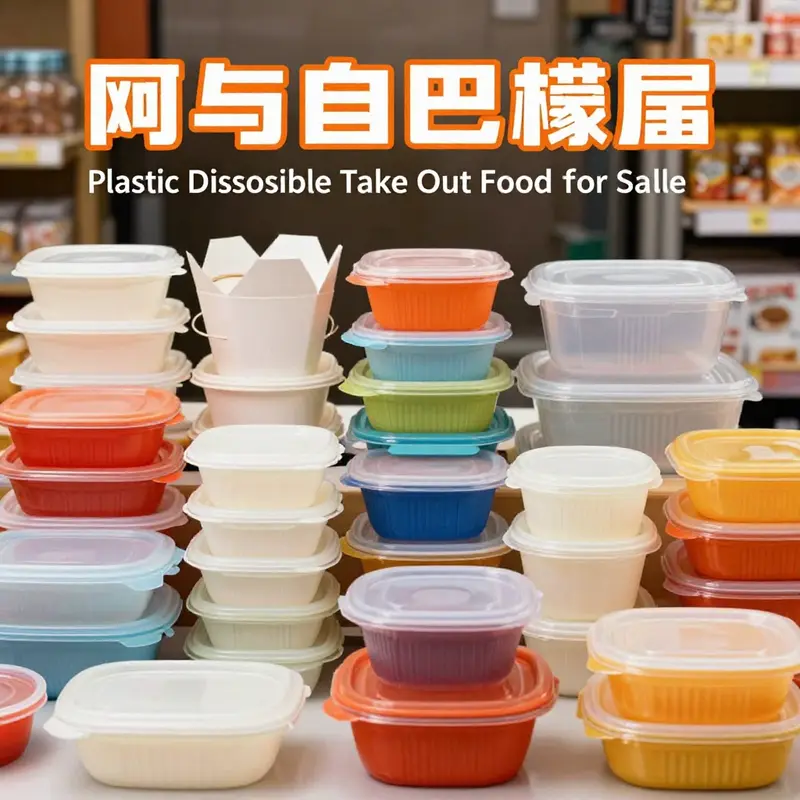
In the mosaic of packaging options that serve the modern foodservice ecosystem, plastic disposable takeout containers occupy a central role. They promise convenience, durability, and a level of standardization that helps restaurants, delis, caterers, and micro-fulfillment hubs scale quickly. Within this landscape, Alibaba.com emerges as a global marketplace where suppliers present a spectrum of plastic containers designed to meet a wide range of operational realities. The narrative here is not merely about a catalog of shapes and sizes; it is about how material science, regulatory compliance, manufacturing precision, and branding ambitions converge to shape what is sold and how it is used. The core appeal of these containers lies in their ability to shield food from the moment it is portioned to the moment it reaches the customer, while also offering predictable performance in heat, cold, and transport. BPA-free formulations, microwave compatibility, and food-grade polypropylene become more than technical descriptors; they are assurances that a consumer’s meal remains safe and appetizing across the often unpredictable journey from kitchen to curbside pickup or doorstep delivery. This level of reliability is essential in a market that prizes speed without sacrificing safety, where a small defect in a lid seal or a marginal tolerance in cap dimensions can translate into leakages, messy deliveries, or wasted product. The Alibaba marketplace responds to that demand by orchestrating a supply chain that can deliver both the single-unit convenience necessary for pop-up kitchens and the bulk efficiency that large chains require. In practical terms, suppliers highlight containers that meet FDA standards such as 21 CFR 177.1520, while explicitly stating that their products are BPA-free and suitable for microwaving. These claims are not cosmetic; they signal an alignment with food safety norms that many buyers must demonstrate to their own regulators, insurers, and customers. The emphasis on safety is complemented by an insistence on performance. Containers are designed with vented or semi-vented lids to manage steam during reheating, a feature that reduces the risk of pressure buildup and spillage. The balance between venting and sealing is delicate: too much venting can compromise a package’s ability to stay closed during transit, while too little venting can lead to soggy meals or pressure-induced leaks. The marketplace’s solutions to this dichotomy reflect a mature understanding of kitchen-to-delivery logistics and a willingness to innovate around how steam, moisture, and heat interact with plastic. These design choices tie directly into the practical realities of takeout and meal-prep use. If a restaurant’s workflow depends on predictable portioning, the supplier’s tolerance specifications—often stated as ±1.0 mm—provide a measurable guarantee that lids will align and seals will perform across thousands of cycles. Precision at this scale translates into real-world benefits: faster packing times, fewer reject rates, and a smoother handoff during delivery runs. The capacity spectrum on Alibaba is telling. Containers range from compact 12-ounce (roughly 350 ml) designs that suit side dishes, sauces, or sample meals, up to 48-ounce (about 1400 ml) offerings that can handle substantial entrees or multi-item combos. Some models push even higher, with flexible configurations that reach toward three-liter capacities, reflecting a need in bulk-food storage, catering, or batch-prep operations where quantity and portion control are critical. The variety serves diverse business models: quick-service cafés requiring compact, stackable boxes for efficient shelf-space use; takeout-centric restaurants needing robust, leakproof solutions for hot meals; and grocers or caterers who store leftovers in bulk or assemble meal kits that travel well through the supply chain. The physical designs extend beyond capacity alone. Shape options—round or rectangular—accommodate different product assortments and stacking efficiencies. Color choices, from translucent to stark black, also play a role in branding and shelf presentation, while some suppliers offer customization options that include logos, graphics, or decorative finishes such as UV coating or foil-stamping. This blend of customization is not merely cosmetic. It is a practical way for businesses to reinforce brand identity in a crowded marketplace and to create a cohesive unboxing experience for customers who increasingly equate packaging with brand trust. In this way, the packaging becomes a marketing vehicle as well as a protective vessel. The certification landscape further reinforces buyer confidence. Beyond FDA-related compliance, several product lines on Alibaba carry CE certification, signaling alignment with European safety and quality norms. For buyers operating in or serving European markets, such certifications carry significant weight, reducing regulatory friction and signaling a commitment to higher standards of safety and performance. The regulatory dimension matters because it intersects with consumer perception. As sustainability and responsible sourcing become more prominent in consumer decision-making, suppliers are increasingly transparent about material composition and end-of-life considerations. Polypropylene itself is notable for its recyclability relative to other plastics, a factor that becomes important for food-service operators looking to balance efficiency with environmental stewardship. Even within a landscape that favors disposability for convenience, there is a palpable push toward responsible usage: containers that maximize reuse of space in storage, minimize risk of leaks during transit, and, where possible, align with recycling streams after use. The market narrative on Alibaba thus reflects a convergence of practical functionality and strategic branding. A container must do its job—keep cold or hot foods at the right temperature, seal securely, prevent leaks, and survive the rigors of stacking and shaking during delivery. It must also fit within a business’s procurement process, which often includes considerations of cost per unit, lead times, and the ability to customize sizes or shapes to align with specific menus or promotions. The economics of bulk purchasing on a platform like Alibaba means that businesses can negotiate price breaks for larger orders, while still accessing a broad range of configurations from different manufacturers. The supplier’s ability to guarantee tight tolerances and reliable seals is a crucial differentiator for buyers who must scale operations without compromising service quality. The integration of performance, safety, and branding underscores a broader truth about plastic disposable takeout containers: they are not merely containers; they are enablers of a faster, safer, and more visually coherent dining experience. They support the operational realities of a dynamic foodservice landscape in which speed, predictability, and trust are the currency of customer satisfaction. Yet, even as this Alibaba-driven ecosystem showcases the strengths of plastic-based packaging, it sits within a broader conversation about packaging alternatives. The messaging around durability and cost-efficiency often collides with growing consumer expectations around environmental impact. For readers who would like to explore non-plastic options or hybrid packaging strategies, a related take on kraft-paper takeout boxes demonstrates how eco-friendly materials can be integrated into branding and logistics without sacrificing the convenience essential to modern takeout. For a look at that approach, you can explore a related discussion on disposable kraft paper takeout boxes with clear lids and customizable printing, which provides a contrasting but informative lens on how packaging choices influence customer perception and sustainability outcomes. Dispo sable kraft paper takeout box with clear lid This linkage illustrates that the packaging conversation extends beyond single-material solutions and into a broader design and supply-chain conversation that shapes what buyers expect when they search for plastic disposable containers. While the Alibaba ecosystem emphasizes the strength of a global supplier network—an advantage for buyers who need scale and consistency—it is also a reminder that the market continually evolves toward more responsible, value-aligned packaging strategies. The reality is that buyers must balance performance with cost, safety with sustainability, and speed with customization. In practice, this means evaluating suppliers not just on unit price but on capabilities such as coating quality, sealing precision, heat resistance, and the ability to support brand printing at scale. The discussion of certifications and standards is not a bureaucratic checkbox; it is a practical signal of reliability for buyers who rely on containers to protect meals during unpredictable delivery routes and weather conditions. And while plastic remains central to many takeout operations for its lightweight, durable, and moisture-resistant properties, the packaging ecosystem is increasingly powered by data-driven procurement. Order quantities, lead times, and the ability to adapt container specifications to changing menu needs now define supplier relationships as much as material properties do. As the chain of custody from manufacturing floor to customer doorstep grows more complex, buyers rely on transparent specifications, consistent tolerances, and clear safety assurances to minimize risk and maximize satisfaction. This is the essence of what Alibaba’s diverse plastic disposable takeout container offerings bring to the table: a scalable, standards-aligned, and brand-conscious solution for a globally distributed dining audience. External resources provide additional context for those seeking specific product examples or certifications. For a broader look at related packaging and sustainability options, see the following external resource: Alibaba listing.
Rethinking Convenience: The Eco-Friendly Evolution of Plastic Disposable Takeout Containers for Sale
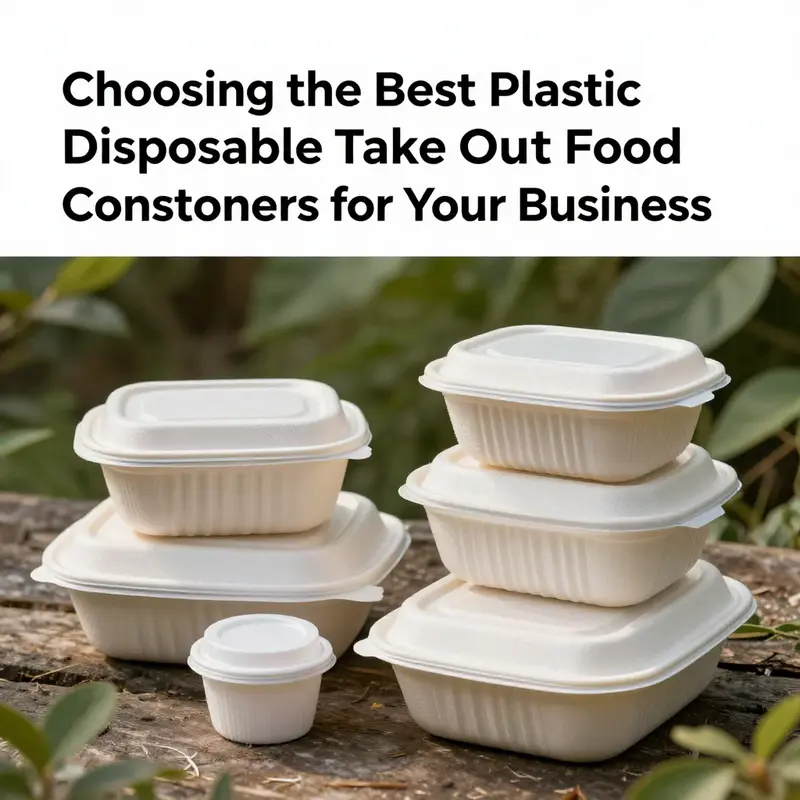
The perception of plastic disposable takeout containers as inherently burdensome to the environment is being rebalanced by a surge of eco-conscious design and manufacturing practices. The landscape described in the recent research overview shows a market that is growing not only in volume but also in responsibility. Takeout packaging now must juggle two imperatives at once: deliverability and safety for hot and cold foods, while reducing environmental impact where possible. This tension between functionality and footprint has become a primary driver behind material choices, end-of-life strategies, and the way suppliers position their products for sale to restaurants, meal-prep services, and retailers. As businesses seek reliable, cost-effective solutions, they increasingly demand packaging that aligns with broader sustainability goals without compromising the convenience that customers expect. In this sense, eco-friendly characteristics are not a fringe feature but a core criterion that shapes product development, customization, and procurement decisions across the entire value chain. The result is a more nuanced, if still evolving, understanding of what “sustainable” means in disposable plastic takeout containers, and how these products can be sold in a way that honors both safety standards and environmental considerations.
Material choices are at the heart of this shift. Many manufacturers are expanding the palette beyond traditional virgin plastics to include recycled content and bio-based polymers. Notably, containers made with recycled post-consumer plastics (rPET) help divert waste from landfills and reduce reliance on new fossil fuels. Bio-based options, derived from renewable resources such as cornstarch, offer a different pathway by introducing polymers compatible with existing processing ecosystems while lowering cradle-to-gate emissions. These materials can be engineered to preserve key attributes—durability, leak resistance, and temperature stability—without sacrificing performance. Yet the practical benefits depend on the supply chain’s ability to integrate recycled and bio-based streams with consistent quality. For buyers, this means asking manufacturers about feedstock provenance, processing methods, and the degree of recycled content in each container. It also means recognizing that blends and multilayer constructions may complicate end-of-life sorting unless designed with recyclability in mind.
Recyclability and compostability form a central axis of eco-friendly design, even when the end results vary by geography and infrastructure. Modern formulations increasingly aim for compatibility with existing municipal recycling streams, so waste materials can re-enter the economy rather than ending up as residue. Where industrial composting facilities exist, certain containers are certified to break down under defined conditions, leaving no toxic residues. Certifications aligned with standards such as ASTM D6400 or EN 13432 provide a framework for assessing compostability, while recyclability is often tied to the ability to separate container components—like lids, liners, and coatings—from the main body. The design challenge lies in creating a package that remains intact through handling, transport, and consumer use, yet can be disassembled or processed after service. When a container relies on multiple materials or specialized coatings, it can hinder recycling unless the market supports effective separation. This nuance underscores a broader truth: true sustainability is not determined by a single attribute but by the entire lifecycle, from raw material choices to end-of-life processing.
The trend toward lighter, more material-efficient designs also features prominently in this eco evolution. Advances in polymer science and manufacturing enable thinner walls and leaner geometries without sacrificing essential properties like leak resistance and heat retention. Thinner walls reduce the amount of plastic needed per unit, which lowers both material usage and transportation emissions due to lighter weights. At the same time, the demand for durable, microwave-safe containers continues to push innovations in polypropylene (PP) and other transport-friendly polymers. Clear PET lids, for example, offer visibility to the contents while maintaining a secure seal, supporting user confidence and reducing the likelihood of product waste driven by product mishandling. The balancing act here is delicate: as packaging becomes lighter, manufacturers must ensure that performance remains consistent across a range of temperatures and durations of hold. When done well, the lighter design translates into lower overall environmental impact, from production through disposal, while preserving the consumer experience that makes takeout packaging indispensable.
Functionality and convenience do not have to be sacrificed in pursuit of sustainability. Eco-conscious containers are engineered to meet the same standards of leak resistance, heat tolerance, and sanitary safety expected of conventional options. This often involves improved sealing mechanisms, well-engineered lid geometries, and dependable closure systems that keep sauces in place and prevent cross-contamination during transit. In many cases, the use of clear, recyclable lids supports consumer inspection of contents without compromising protective performance. The capacity to heat or chill foods safely in the same package can also reduce the need for additional packaging, thereby cutting waste. Importantly, these improvements are designed with the service environment in mind: containers must withstand the rigors of stacked transport, brief and extended hold times, and the demands of meal-prep workflows where speed and consistency are critical. The net effect is a set of containers that deliver the same level of reliability while offering a smaller environmental footprint.
Sustainable manufacturing practices further amplify the environmental benefits of eco-friendly containers. Companies that pursue greener production methods may invest in energy-efficient equipment, optimized water usage, and cleaner utility practices. They may also pursue traceability and transparency in their supply chains, enabling customers to understand where materials come from and how they are processed. In some cases, brands adopt certifications that reflect a commitment to environmental stewardship, helping buyers compare options beyond price and performance. These practices are not universal, but they are increasingly common as manufacturers respond to growing demand for responsible packaging. The cumulative effect is a set of packaging solutions that can be sold with a credible sustainability narrative, not merely a technical specification.
Despite these advances, a caveat remains central to the eco equation. End-of-life realities determine the true environmental impact of disposable containers. Even the most eco-friendly formulations rely on consumer and business disposal practices that align with local capabilities. When facilities lack dedicated streams for recycling or industrial composting, the potential environmental gains can be undermined. This reality places a premium on labeling clarity, consumer education, and collaboration with waste management systems. Packaging that is technically recyclable or compostable only achieves its promise if the corresponding infrastructure is accessible and well-utilized. For buyers and policymakers, the message is clear: sustainable packaging is a shared responsibility, requiring investment in disposal networks as much as in product design.
In the market for plastic disposable takeout containers, suppliers are increasingly differentiating themselves through material science, certification, and lifecycle thinking. Buyers now look beyond price and basic performance to consider how a container aligns with broader sustainability goals, including waste diversion, resource efficiency, and climate impact. Customization options—such as size, shape, and color—remain important, especially for brand alignment and operational efficiency. However, the sustainability story is now a core part of the value proposition. A container that can be produced with recycled content, has a clear path to recycling, and is manufactured with lower energy use becomes more attractive in the eyes of operators seeking to balance cost, compliance, and environmental responsibility. This shift is reshaping how containers are marketed and sold, moving sustainability from a niche selling point to a standard expectation in the market.
Practical implications for procurement teams and food-service operators are significant. When evaluating options for sale, they must weigh material composition, end-of-life potential, and performance credentials together. A package with modest recycled content but robust recycling options in a given jurisdiction may be preferable to one with higher recycled content but limited downstream processing. Labels and materials declarations become essential tools, helping buyers understand feedstocks, certifications, and handling recommendations. In an industry where margins are tight and food safety is non-negotiable, the ability to source containers that reduce waste while preserving quality can translate into meaningful cost savings over time. The interplay between design, manufacturing, and waste management thus emerges as a practical guide for selecting containers that meet both business objectives and environmental expectations.
Within this evolving framework, one can glimpse how a real-world product category emerges in sales as a holistic packaging solution. The goal is to offer a reliable, safe, and visually suitable option for hot and cold dishes, ready-to-eat meals, and prepared snacks, while minimizing overall resource use and end-of-life clutter. For buyers exploring eco-conscious options, it is worthwhile to consider the entire lifecycle—from raw material sourcing to processing, packaging, use, and ultimate disposal. In practice, this means asking questions about recycled content, compostability certifications, and the presence of multi-material barriers that might complicate recycling. It means evaluating the energy footprint of production and the water efficiency of manufacturing sites. It also means considering how the packaging supports efficient waste collection and sorting in customers’ communities. The more thoroughly a container’s lifecycle is understood, the more confidently operators can align their purchasing with sustainability targets without compromising the consumer experience.
From a strategic perspective, the market’s push toward eco-friendly characteristics in plastic disposable takeout containers for sale signals a broader trend: packaging that earns trust through substance, not just perception. Businesses that communicate clearly about material choices, recycling options, and disposal guidance are more likely to cultivate informed customers who participate in responsible waste practices. This is not simply about reducing a single container’s footprint; it is about integrating packaging with existing waste streams and municipal programs so that end-of-life outcomes improve in aggregate. The resulting packaging ecosystem is more resilient, as it invites collaboration among manufacturers, distributors, and local communities to close the loop on plastic use. It also aligns with consumer expectations for transparency, safety, and accountability in the goods they purchase for takeout and meal prep.
For those seeking concrete avenues to explore eco-friendly options within the broader takeout packaging landscape, a practical entry point is to consider eco-conscious kraft paper-based designs that are compatible with standard disposal infrastructure. These options illustrate how lighter-weight, recyclable, or compostable alternatives can coexist with traditional plastic formats in the market for sale. In practice, this means choosing formats that can be efficiently processed in municipal recycling streams or industrial composting facilities, where available, and that provide clear labeling to guide users. To see an example of how an eco-friendly kraft paper approach translates into a takeout container offering, you can explore the following example focused on kraft paper salad boxes with lids, which demonstrates how form, function, and sustainability can converge in a practical packaging solution: in-stock kraft paper salad boxes with lids.
As the chapter closes, the external landscape of sustainable packaging continues to unfold. The broader narrative emphasizes that the sale of plastic disposable takeout containers is moving toward products that deliver safety and convenience while acknowledging environmental responsibilities. The evolution includes materials strategies, end-of-life pathways, design efficiency, and responsible manufacturing practices. Each of these elements contributes to a more credible sustainability story, guiding buyers toward solutions that perform well in service and perform better in the long run for the planet. For further reading on sustainable packaging alternatives that complement these developments, see the broader discussion at an external resource focusing on eco-friendly options and their practical implications: https://www.ecoexperts.com/best-eco-friendly-alternatives-to-single-use-plastic-food-storage/.
Branding by the Box: Customization and Bulk Sourcing for Plastic Disposable Takeout Containers
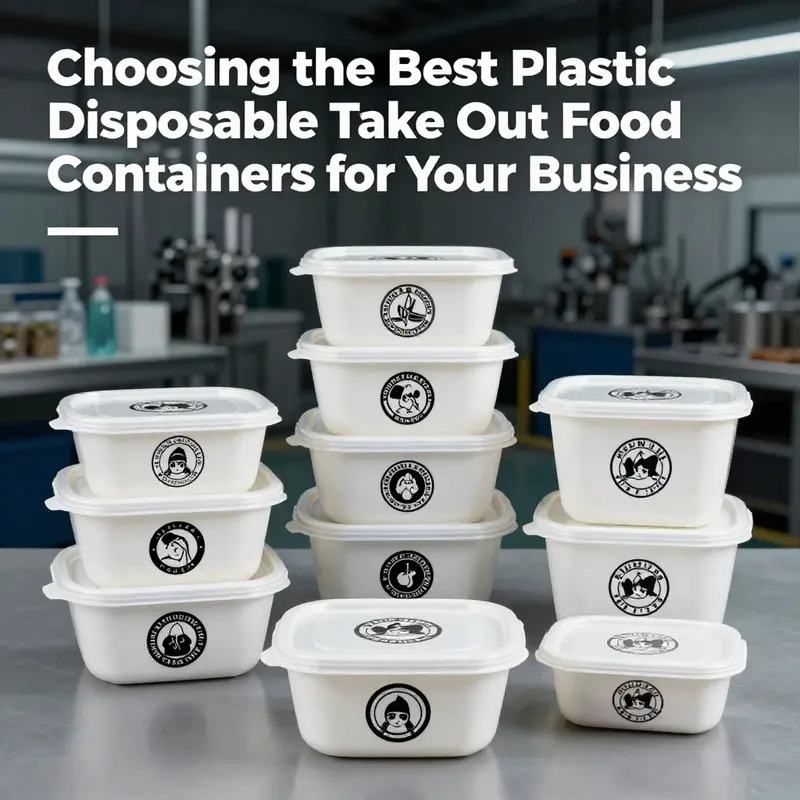
The choice to move from generic packaging to customized, bulk-sourced plastic disposable takeout containers is more than a cost decision. It is a strategic turn toward consistency, protection, and brand presence at every customer touchpoint. In a market that spans small food stalls to large-scale commissaries, the underlying logic remains the same: packaging should support the food, reflect the brand, and arrive reliably when needed. This convergence of function and identity has made customization and bulk purchasing a central pillar for many operators. It enables restaurants, cafes, and caterers to control not just the look of their containers, but the quality, durability, and safety of their packaging ecosystem. When a meal leaves the kitchen, the container becomes a portable billboard, carrying color, logo, and promise across guest journeys—from the counter to delivery, and finally into the consumer’s home or office. In this context, the most successful packaging strategies blend flexibility with standardization, offering enough customization to reinforce brand values while preserving the efficiency and predictability required by busy service environments.
For businesses pursuing scale, bulk purchase options are not merely discounts; they are enablers of supply security and operational simplicity. Suppliers and bulk marketplaces frequently present significant price incentives for large-volume orders, with tiered pricing that lowers the unit cost as order quantities rise. This matters not only for the bottom line, but for forecasting and inventory management. When a restaurant group plans for peak seasons or a catering event series, knowing that a 1000ml square takeaway container can be secured at a predictable unit price helps align packaging budgets with menu revenue projections. Similarly, bulk offerings such as multi-pack cases or boxed bundles of round bowls create predictable packaging kits that simplify store shelves and back-of-house workflows. The idea is to minimize last-minute sourcing drama by locking in reliable stock while maintaining flexibility for menu changes. The economics of bulk purchasing become even more attractive when logistics are efficient. For many buyers, suppliers advertise rapid fulfillment, such as 48-hour dispatch, which translates into shorter lead times and reduced risk of stockouts during busy periods. In practice, the ability to receive shipments quickly supports just-in-time inventory strategies, enabling kitchens to keep more shelf space for ingredients rather than for packaging.
A hallmark of modern bulk sourcing is the breadth of product formats available. The market extends well beyond simple rectangular or round containers. Operators can source double-compartment dry/wet separation boxes that suit meal-prep services, yogurt fruit bowl trays for healthier grab-and-go options, and sauce cup dispensers that streamline condiment service in both takeout and dine-in settings. This diversity matters because it allows a single supplier or platform to satisfy a spectrum of packaging needs from a single source, reducing the administrative burden of coordinating multiple vendors and streams of packaging. It also lays the groundwork for cohesive branding across product families. When a menu requires a particular container geometry to protect moisture separation, or when a dine-in plate presentation tool translates into a takeout version, having access to a range of compatible shapes and sizes helps maintain a uniform brand experience across formats and channels.
On the customization front, the scope is broad and practical. OEM and ODM arrangements enable operators to imprint their logos, brand colors, and design motifs directly onto containers. Brand reinforcement is not only about aesthetics; it can influence consumer perception of safety, quality, and care. Custom branding can extend to color-matched lids, embossed logos, and even shell designs that evoke a restaurant’s culinary identity. Beyond branding, buyers can specify materials and thicknesses to meet specific use cases. Food-grade polypropylene is a common choice for containers designed for microwave reheating, while thicker walls or reinforced bottoms can improve durability in high-volume delivery environments. Custom features such as leak-proof lids, stacking-friendly profiles, and tamper-evident seals address core user experience concerns and regulatory expectations. In some cases, suppliers offer tailored shapes—ranging from conventional rectangular formats to more specialized forms that align with particular food types, like sushi boxes or burger boxes. Such design flexibility fosters better portion control, heat retention, and presentation, which in turn supports pricing and perceived value for customers.
Sustainability trends also weave into customization and bulk sourcing. Retail and food-service buyers increasingly demand eco-friendly choices that align with corporate responsibility goals and consumer sentiment. Customization platforms respond with options like recycled or recyclable plastics, bio-based materials, and compostable or bagasse-based alternatives. The choice of material often carries implications for microwave safety, seal integrity, stackability, and shelf life. For many operators, the decision process balances performance with environmental impact: a durable, microwave-safe container with a recyclable lid may be preferred for speed and reliability, while an eco-friendly variant appeals to customers who value sustainable packaging narratives. In practice, many suppliers offer a spectrum—from standard, cost-optimized plastic compounds to premium lines featuring enhanced insulation, clearer cling for branding visibility, or modulated transparency to showcase food appeal while maintaining product integrity. The ability to align packaging choices with sustainability commitments while preserving cost effectiveness is a central advantage of the current market framework.
Diversity in product formats is not incidental; it reflects a deliberate strategy to meet a spectrum of dining and service scenarios. Bulk buyers frequently source standard rectangular containers for entrees, round containers for bowls, and multi-compartment designs for meals that pair mains with sides. The wider catalog also accommodates niche needs, such as specialized waste-prevention packaging for desserts, watermelon salads, or yogurt-based meals. The breadth of formats reduces the cognitive load of vendors; operators can curate a core set of containers that cover most use cases, then add on seasonal or promotional shapes to align with campaigns. For those planning branding continuity across all packaging, a single supplier capable of delivering multiple formats under a cohesive design language becomes a compelling proposition. The consolidation reduces the risk of misfit lids, awkward stacking, or mismatched branding and simplifies quality control, labeling, and reordering processes.
Supply-chain dynamics play a critical role in how customization and bulk purchasing are executed in practice. A central feature is the ability to place orders with a predictable cadence, supported by reliable logistics. Many suppliers advertise multi-item sourcing as part of a single relationship, offering “one-stop” service for a range of packaging items. This is especially valuable for businesses expanding into new service lines or markets, where the packaging ecosystem must scale in parallel with product lines. Lead times can vary with customization complexity, but even standard configurations benefit from streamlined order processing and standardized packaging runs. Fast fulfillment, such as 48-hour dispatch, is more than a statistic; it translates into steadier kitchen operations, fewer expediting fees, and reduced stockouts that can derail service during peak hours.
Within this landscape, the decision to customize and buy in bulk is inseparable from brand strategy and operational discipline. Custom logos and color schemes reinforce recognition and recall, while standardized bulk purchases ensure that the physical packaging reliably performs under heat, moisture, and transport. For operators seeking to integrate packaging into a broader brand narrative, the ability to align lid designs, container shapes, and color palettes across product families offers a cohesive, professional look that customers associate with quality and care. It also helps marketing initiatives, enabling promotions and seasonal campaigns to feature packaging that feels like part of the menu experience rather than an afterthought. The result is a packaging system that supports guest satisfaction through consistent performance, an attractive on-pack presentation, and a brand story that travels with the meal from kitchen to destination.
For teams exploring customization options, there is value in a hands-on approach that includes sample orders, prototype runs, and clear specifications. Early testing with real food items helps verify heat resistance, leak-proof performance, and lid compatibility. It also provides a practical check on branding outcomes—whether logos remain legible after washing, whether prints resist smudging during handling, and whether color schemes maintain their identity through storage and transit. The pathway from concept to scalable production is facilitated by OEM/ODM capabilities and by platforms that support bulk procurement across a spectrum of formats. This approach enables operators to gradually expand their packaging family, starting with a core lineup and then augmenting it with additional shapes and materials as brand ambitions grow and as consumer expectations evolve.
An important ally in this process is accessible online marketplaces and sourcing platforms that aggregate both standard and customized options. These platforms often present price ladders, lead-time estimates, and compatibility notes that help buyers plan effectively. The emphasis on bulk purchase with fast fulfillment makes it easier to forecast cash flow and optimize packaging inventory. While global sourcing can introduce variables such as shipping costs and transit times, the versatility of bulk suppliers—especially those offering cases, boxes, and multi-item assortments—helps reduce the number of separate vendor relationships a business must manage. In practice, a well-structured procurement strategy leverages bulk pricing, reliable dispatch, and coherent branding to achieve a packaging system that is not only cost-efficient but also aligned with a restaurant’s or caterer’s identity and sustainability commitments.
For readers seeking concrete starting points in this space, consider how a brand might approach a customization plan. Begin with a core set of containers tailored to a few signature dishes, ensuring that their shapes and sizes optimize presentation and protection. Map these formats to a branding concept—logos, color blocks, and typography that translate well onto plastics and paper-based materials. Then evaluate bulk options by projecting demand across peak periods and events, taking into account potential seasonal variations. Use mock orders to test lead times and the reliability of distributors. As orders scale, tap into the bulk incentives, ensuring that storage and handling processes are adapted to larger shipments. By combining thoughtful design with strategic purchasing, a business can build a packaging program that strengthens its market position while preserving efficiency and customer satisfaction.
To explore practical examples of customization that exemplify this approach, you can review a resource that showcases branded, eco-friendly disposable kraft catering options. This example illustrates how branding can be embedded into packaging through logo printing, color choices, and durable, microwave-safe materials that still honor sustainability goals. For a closer look at such customization capabilities, see this resource: custom-logo eco-friendly disposable kraft catering box.
Across the board, the pathway from bulk sourcing to branded packaging is increasingly streamlined. Platforms that provide a broad catalog, reliable lead times, and robust customization options are best positioned to help operators realize a cohesive packaging ecosystem. The ability to blend cost efficiency with aesthetic and functional demands is what ultimately defines success in the plastic disposable takeout container market. The convergence of bulk economics, material science, and branding strategy is reshaping how businesses think about packaging—from a simple wrapper to a strategic touchpoint that supports food safety, delivery efficiency, and consumer trust.
External resource for further context: https://www.alibaba.com/trade/search?fsb=y&IndexArea=product_en&CatId=&q=custom+plastic+takeout+containers
Shifting Currents in Takeout Packaging: Market Trends, Consumer Values, and the Search for Sustainable Plastic Containers
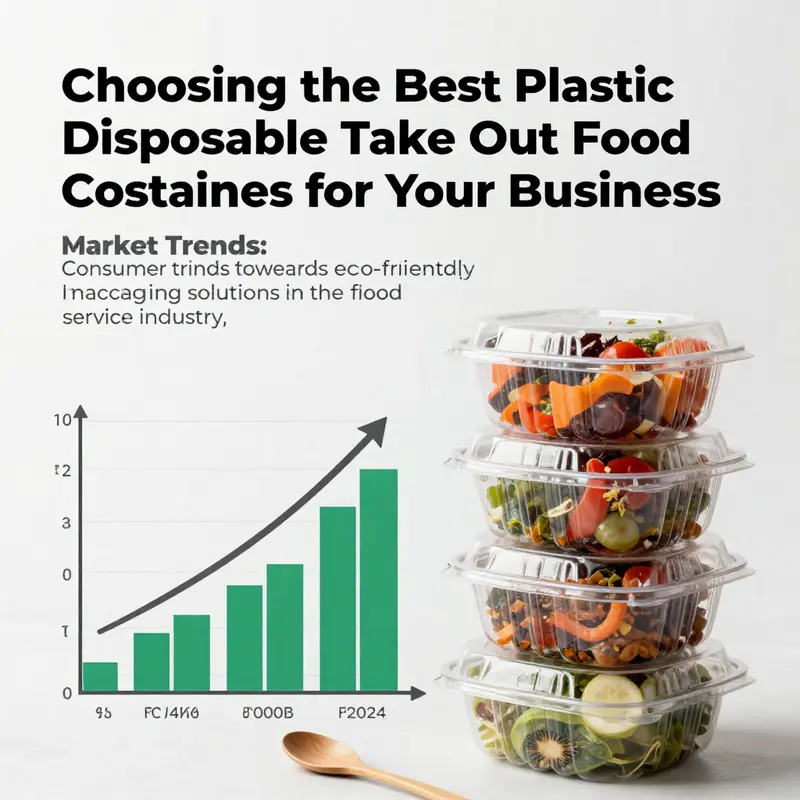
The landscape of plastic disposable takeout containers is evolving in tandem with how people eat, how cities manage waste, and how businesses balance cost with responsibility. The core of this shift is not a single breakthrough; it is a layering of market dynamics, consumer psychology, and policy pressures that together redraw the contours of what is sold, how it is made, and how it is used once and then disposed of. Even as polypropylene and other plastics continue to hold a dominant position in many markets, the conversation around packaging is increasingly framed by questions of sustainability, recyclability, and the practical realities of modern takeout service. This tension between convenience and stewardship creates a market that is both steady in its demand for reliable, lightweight, and cost-efficient containers and restless as buyers seek options that align with broader environmental goals. The result is a nuanced equilibrium in which traditional plastic solutions remain essential for many operators, while a growing segment of buyers demands and rewards more sustainable packaging choices, whether through compostable materials, renewably sourced fibers, or innovations that extend reuse or simplify end-of-life processing.
To understand how this tension plays out, it helps to start with market dominance and its implications. Plastic containers, particularly those made from polypropylene, still command a sizable share of the market—about 60 percent nationally and as much as 90 percent in certain dense urban corridors. This dominance is not merely about material science; it reflects a convergence of cost, performance, and supply-chain familiarity. PP offers a lightweight profile, strong barrier properties for some foods, predictable thermal performance, and a high degree of transparency when used in clear variants. These attributes translate into lower per-unit costs, streamlined manufacturing, and easy integration with existing systems in many restaurants, delis, and quick-service eateries. But the same strengths that make plastic attractive also sharpen the push for alternatives: the same lightness and clarity that attract operators can complicate recycling, and the same affordability can mask long-term costs tied to environmental impact and regulatory risk.
Alongside this material mainstream, a discernible shift is taking shape in consumer preferences. The new wave centers on eco-friendly attributes that go beyond the container’s immediate utility. Consumers increasingly articulate a preference for materials that are tree-free, plastic-free, or made from biodegradable inputs such as sugarcane bagasse, bamboo pulp, or recycled paper. These options are often positioned as compostable and renewable, aligning with urban initiatives to curb plastic pollution and to divert waste from landfills. The appeal here is not merely ceremonial; it rests on practical considerations about waste management infrastructure in many cities, and about the desire for packaging that can integrate with municipal composting or industrial processing streams. When shoppers see a takeout container that can be composted rather than added to a landfill, they perceive a tangible impact from their purchase, which in turn colors their expectations of brands, retailers, and the venues that serve them.
There is corroborating momentum behind these preferences. A 2025 study highlighted robust consumer demand for single-use dinnerware featuring environmentally responsible features. The study’s implications extend beyond consumer desire; they map onto procurement strategies, supplier capabilities, and the kinds of certifications customers increasingly associate with credible sustainability. Buyers are looking for verification—third-party compostability, post-consumer recycled content, or responsibly sourced fibers—that helps them communicate responsible choices to customers and to meet internal sustainability targets. In practice, this means that the market is expanding beyond mere plastic-versus-paper debates. It is moving toward a spectrum of options that can coexist within a retailer’s or a food-service operator’s portfolio, each with its own set of trade-offs in cost, usability, and end-of-life outcomes.
The dialogue around plastic’s advantages and its challenges is central to how buyers approach purchasing decisions. On the positive side, plastic containers offer several undeniable benefits. They are lightweight, inexpensive to produce at scale, durable enough to withstand the rigors of handling and transport, and often transparent, which helps food-service operators showcase contents without opening the lid. These characteristics support quick-service throughput, reduce breakage, and keep costs predictable for operators facing thin margins. However, these advantages sit alongside genuine challenges. Not all plastic containers are recyclable within local waste streams, and their degradation under UV exposure can limit long-term use or reuse potential. These realities complicate a simple narrative of “plastic is always bad” and instead push stakeholders to consider life-cycle outcomes, local recycling capabilities, and consumer responsibility in disposal practices.
In response, the industry has begun to present a more nuanced menu of packaging options. Reusable plastic variants are being explored as a way to flatten the volume of single-use waste, while advances in biodegradable packaging aim to marry the convenience of disposables with more favorable end-of-life scenarios. The push toward biodegradables often emphasizes materials designed to break down in industrial composting facilities or through specific composting ecosystems, seeking to reduce the container’s environmental footprint without sacrificing the performance required in busy kitchens. Yet even as these innovations gain traction, the practicalities of scale, cost, and consumer convenience keep basic plastic containers in steady demand. The market thus evolves through a dynamic balance: maintain the affordability and reliability of traditional plastics while gradually expanding the catalog of sustainable alternatives that can meet rising consumer expectations and policy objectives.
For businesses, this evolving landscape translates into strategic imperatives that go beyond product specs. First, understanding market trends is essential. Operators who track local consumer sentiment, municipal waste-management capabilities, and the availability of certified eco-friendly options can better align their packaging choices with demand and regulatory contexts. Second, a hybrid approach emerges as a prudent path. This strategy blends affordable, functional plastic options for broad audience reach with a growing line of certified eco-friendly alternatives to address sustainability concerns and brand differentiation. By offering both, businesses reduce risk and maintain competitiveness as customer expectations shift. Third, customization—whether in sizes, shapes, or even color accents—continues to be a lever for standing out in a crowded market. Customization can also signal alignment with sustainability goals, insurance in supply chains, and a clear statement of brand values, which matters to both the end consumer and the business clients who purchase packaging at scale.
The practical implications extend to procurement and operations. Bulk purchasing remains a cornerstone of cost efficiency, enabling retailers and food-service providers to negotiate favorable terms and maintain consistent supply. Yet bulk alone is not enough; it must be coupled with a thoughtful selection process that weighs material composition, recyclability, and the availability of end-of-life options. Certifications and compliance with food-safety standards are not optional add-ons but core criteria. Containers must not only protect the food and ensure safe handling; they must also align with the expectations of regulators, waste managers, and customers who are increasingly vocal about packaging disclosures and environmental performance.
In this evolving space, one can observe a visible shift in how suppliers respond. The market recognizes the demand for performance parity with traditional plastics while offering pathways to reduce environmental impact. Some suppliers are expanding their lines to include products made from bagasse, bamboo pulp, and recycled content, with certifications that help buyers verify compostability or recyclability. Others are refining the durability and heat tolerance of biodegradable options, ensuring they can perform under the pressures of microwave reheating, oil-rich sauces, and long transit times. The result is a more diverse ecosystem where buyers can articulate their needs with precision—whether they require a container that can withstand high-heat meals, a box that preserves aroma and moisture, or a lid design that minimizes leaks while accommodating a quick-service workflow.
Crucially, the market’s direction is not a simple binary choice between plastic and eco-friendly alternatives. Instead, it embraces a continuum that acknowledges the realities of food service, consumer behavior, and municipal waste infrastructure. A growing segment of buyers values compostable and renewable materials even if the price premium is modest, especially when they can communicate a clear sustainability story to customers. Yet the same buyers may still rely on polypropylene or other plastics for routine menu items where reliability, cost effectiveness, and supply assurance are non-negotiable. This nuanced view fosters a layered portfolio approach: maintain robust plastic options for mainstream demand, while expanding access to eco-friendly alternatives that meet specific use cases, geographies, and customer segments.
From a practical standpoint, the shift towards sustainability is also supported by a broader rethinking of packaging functions. Features such as leak resistance, microwave compatibility, temperature retention, and ease of stacking influence purchasing decisions as much as the material’s environmental credentials. A container that provides a better seal reduces spoilage and returns, which lowers overall costs for the business. A lid that fits securely and communicates clearly about contents can enhance customer experience and reduce confusion at pickup. In regions where UV exposure can degrade plastic performance, manufacturers are engineering formulations with improved light stability and longer shelf life. These improvements help justify the use of plastic in contexts where it remains the most efficient choice, while still offering pathways toward more sustainable alternatives where feasible.
The integrated takeaway for operators and suppliers is crisp: balance is the operative principle. A well-considered mix of plastic and eco-friendly packaging can address mainstream demand while satisfying a growing subset of environmentally conscious consumers. This approach supports price competitiveness, risk management, and brand perception in a market where shoppers increasingly expect responsible packaging to be part of the value proposition. It also aligns with urban sustainability efforts that seek to reduce plastic waste without sacrificing the reliability and speed of service that define takeout experiences. In practice, this means suppliers are expected to offer clear specifications, robust certifications, and transparent end-of-life guidance. Buyers, in turn, should demand reliable data on recyclability, biodegradability, and the conditions under which a given material performs as claimed.
The narrative above is not a prescription but a map of the terrain. Within it lie opportunities for innovation and collaboration. For example, as the appetite for sustainable packaging grows, there is increasing interest in materials that can be integrated seamlessly into existing operations. This includes packaging lines that support modular designs, enabling operators to swap in eco-friendly components without overhauling their entire supply chain. Such modularity can reduce risk and preserve the efficiency advantages that plastic packaging currently provides. It can also encourage suppliers to invest more heavily in the development and certification of alternative materials, knowing there is a ready market for products that deliver measurable environmental benefits without compromising safety or convenience.
The practical takeaway for businesses contemplating this space is clear. Start with a precise assessment of your customer base, your waste-management context, and your financial tolerance for change. Then design a packaging strategy that mixes proven performance with a tiered offering of sustainable options. Ensure that your procurement criteria include not only price and durability but also verifiable environmental attributes and practical disposal pathways. Finally, embed this strategy within a larger narrative of responsibility that resonates with customers and employees alike. When a business can articulate how its packaging choices reduce waste, support recycling, or enable composting, it can cultivate trust and loyalty alongside revenue. This is not merely about market share; it is about building packaging decisions into a broader sustainability story that aligns with evolving consumer values and the realities of urban waste systems.
For readers seeking concrete examples of how supply ecosystems are responding to these trends, consider the growing availability of eco-friendly kraft paper takeout options. These products illustrate how a traditional packaging material can be reimagined to meet modern demands for sustainability without abandoning the practical benefits that operators rely on daily. eco-friendly kraft paper takeout containers exemplifies how design, materials, and certifications can align to deliver a credible environmental story while preserving food-safety and service performance. This kind of integration—where material science, waste management, and consumer perception converge—will shape the next generation of takeout packaging.
As this chapter closes, the thread remains that consumer preferences are not a fleeting fashion. They are a signal of the kinds of exchanges customers want with brands, and they reflect the broader systems in which packaging operates. The plastics industry, recyclers, policymakers, and retailers are all negotiating how to respond to this signal in a way that preserves affordability and convenience while advancing environmental outcomes. The path forward is not a single destination but a continuum of choices, each with a distinct balance of cost, functionality, and sustainability. The most resilient players will be those who recognize the dual mandate: serve the needs of today’s takeout economy with dependable plastic options, and expand the offer with responsibly sourced, certifiably sustainable alternatives that unlock value for customers who prioritize the environmental narrative as much as the tangible performance.
External resource for further reading: https://www.sciencedirect.com/science/article/pii/S235255612500024X
Final thoughts
Plastic disposable take out food containers play a pivotal role in the food service industry, offering versatility, sustainability, and customization. By exploring the diverse offerings available through platforms like Alibaba, understanding the eco-friendly options, and leveraging bulk purchasing capabilities, businesses can enhance their operational efficiency and appeal to evolving consumer preferences. Staying informed about market trends will also ensure that your business remains competitive and aligned with customer expectations. Embracing these innovations will not only improve customer satisfaction but also contribute positively to the environment, setting your business up for long-term success.