
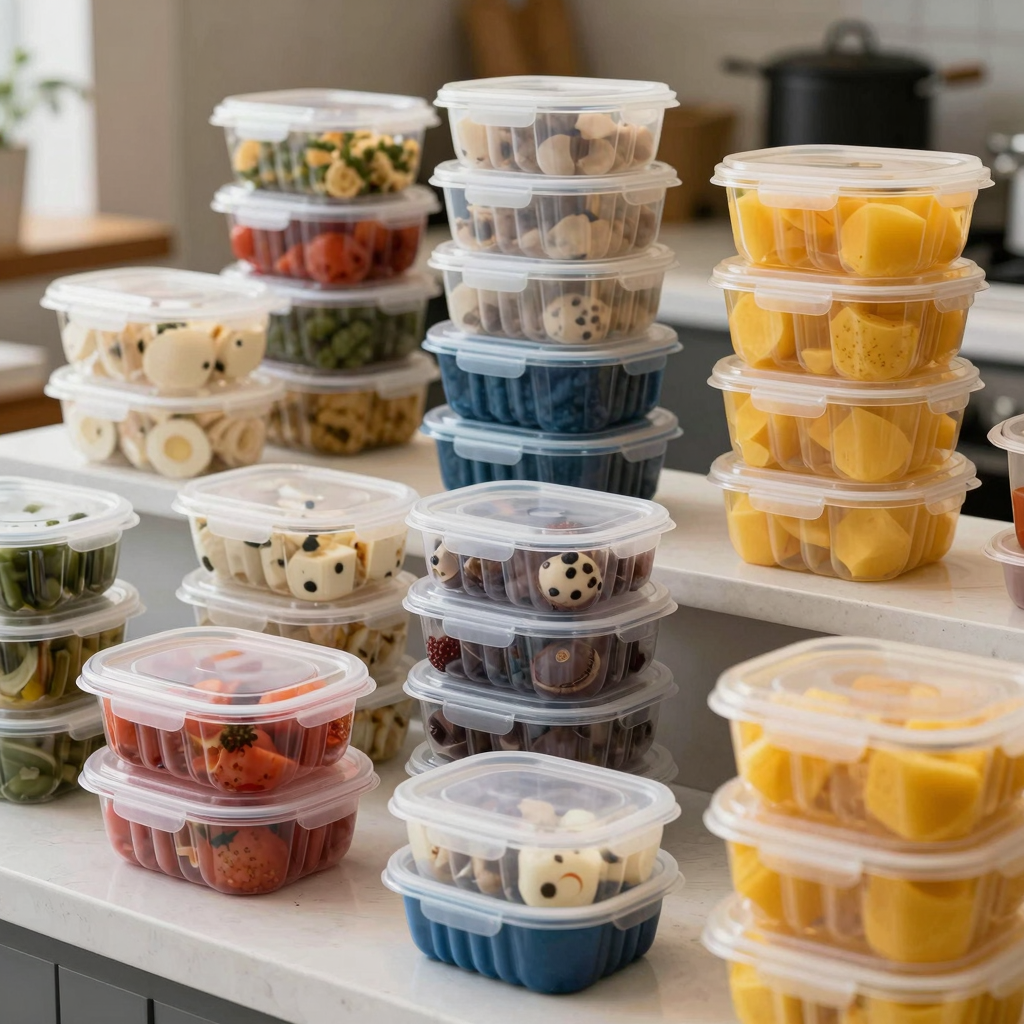
When it comes to running a successful food business, whether it’s a charming bubble tea shop, a bustling restaurant, or a lively catering service, the choices you make about food containers can greatly impact your brand’s image and customer satisfaction. Plastic food containers, in particular, offer a versatile and practical solution for storing, serving, and transporting food and beverages. With the right selection, you ensure that your culinary creations not only remain fresh but also appeal to your customers’ eyes.
Choosing the right containers involves more than just functionality; it’s also about aligning with the sustainability trends that consumers care deeply about today. This guides businesses to consider eco-friendly options that speak to their brand values. From leak-proof lids that prevent spills during delivery to visually appealing designs that enhance presentation, the nuances of food container selection can set your business apart. Explore customized octagonal paper bowls and other innovative packaging solutions to find what suits your unique needs best. In this article, we will delve into a variety of plastic food container ideas tailored for the needs of bubble tea shops, restaurants, and event planners alike.
Benefits of Using Plastic Food Containers
Plastic food containers are an excellent solution for businesses in the food and beverage industry, offering a range of advantages. Here are some key benefits:
-
Durability: Plastic containers, particularly those made from materials like polypropylene (PP) or polyethylene terephthalate (PET), are designed to withstand various environmental conditions. They resist breaking or shattering like glass, making them ideal for fast-paced environments like food trucks and catering services. Their durability ensures that food remains well-preserved and safe for longer periods.
-
Cost-Effectiveness: One of the significant advantages of plastic food containers is their affordability. They provide a cost-effective packaging solution without sacrificing quality. For businesses like restaurants and beverage chains, reducing packaging costs can significantly impact overall profitability. They are lighter and often cheaper to produce than glass or metal containers, leading to savings in both manufacturing and shipping costs.
-
Lightweight Properties: Plastic containers are incredibly lightweight, facilitating easier transportation and handling. This is particularly beneficial for establishments with limited storage space, such as food trucks or small restaurants. The lightweight nature allows for more efficient transport, reducing fuel costs and labor required to carry heavier glass containers.
-
Versatility: Plastic containers come in various shapes and sizes, accommodating different types of food items. From salads to beverages, these containers can suit all needs, enhancing organizational flexibility for businesses in food service or event planning.
-
Safety: Many modern plastic containers are designed to be BPA-free, ensuring that they do not leach harmful chemicals into food. They offer enhanced safety for consumers, which is vital for any business wanting to ensure customer satisfaction and safety standards. Additionally, their sealed designs help in preventing contamination from external elements.
-
Ease of Use: Plastic containers often come with convenient features, such as snap-on lids, which make them easy to open, close, and store. This ease of use can enhance customer experience, as they can effortlessly access their food or beverage.
-
Environmental Considerations: While plastic has historically been viewed as environmentally harmful, many manufacturers are now producing recyclable and reusable options. Using eco-friendly plastic containers helps businesses align with sustainable practices, appealing to environmentally conscious consumers.
In conclusion, for bubble tea shops, restaurants, food trucks, catering services, event planners, and corporate procurement teams, utilizing plastic food containers offers advantages that can enhance operational efficiency. For more on environmentally friendly choices, learn more about sugarcane cup benefits and explore other packaging solutions.
Word Count: 444
Comparison of Different Types of Plastic Food Containers
When it comes to plastic food containers, various types are available, each suited for specific purposes in food service and beverage chains. The following table provides an overview of key features and best uses for popular plastic container types:
| Type of Container | Size Options | Shape | Key Features | Best Uses |
|---|---|---|---|---|
| Polypropylene (PP) | 200ml – 3L | Rectangular, cylindrical, square | BPA-free, microwave-safe, dishwasher-safe, heat-resistant (up to ~160°C), recyclable (#5), durable, chemical resistance | Hot meals, prepared foods, deli items, bakery goods, reusable containers for meal prep and catering |
| High-Density Polyethylene (HDPE) | 200ml – 3L | Cylindrical, rectangular | BPA-free, opaque (blocks UV light), chemical-resistant, temperature-stable (hot and cold), recyclable (#2), impact-resistant | Milk jugs, juice bottles, sauces, condiments, bulk storage, single-use or reusable containers for liquids and semi-solids |
| Polyethylene Terephthalate (PET) | 200ml – 3L | Cylindrical, narrow-necked | Clear and transparent, lightweight, impact-resistant, moisture-resistant, recyclable (#1), does not absorb odors/flavors | Beverages (water, soda), salad dressings, peanut butter, single-use food packaging, retail-ready containers |
| Polystyrene (PS) | 200ml – 3L | Rectangular, shallow trays | Lightweight, clear visibility, cost-effective, good for hot and cold foods (some grades), often non-recyclable | Takeout meals, deli salads, cold sandwiches, fast food packaging (single-use) |
| Low-Density Polyethylene (LDPE) | 200ml – 3L | Flexible, pouch-like or squat cylinder | Flexible, low-temperature resistant, grease-resistant, recyclable (#4), food-grade certified | Oil and sauce dispensing, flexible food wraps, small portion packaging, disposable use |
Sources:
- Food-Grade Plastic Containers: Types, Uses, and Safety Guidelines for Food Service
- Plastic Packaging in the Beverage Industry: Material Selection and Container Design Trends
This table summarizes the characteristics of different plastic container types, helping beverage chains, food trucks, and catering services make informed decisions about their packaging options.
Key Insights
- Polypropylene (PP) is versatile for both hot and cold applications, making it ideal for meal prep.
- High-Density Polyethylene (HDPE) is excellent for dairy products and beverages due to its durability and temperature resistance.
- Polyethylene Terephthalate (PET) containers are lightweight and commonly used for beverages.
- Polystyrene (PS) offers cost-effective options for takeout and deli meals.
- Low-Density Polyethylene (LDPE) is flexible and suitable for dispensing sauces and oils.
By selecting the right types of containers, businesses can better serve their customers while ensuring product integrity and safety.

For more insights about food packaging and containers, check out our resources on customized octagonal paper bowls and eco-friendly sugarcane cup benefits.
Customer Testimonials: Enhancing Operations with Disposable Tableware
In the bustling world of food service, user experiences with disposable tableware can provide valuable insights. Here are some testimonials from professionals who have transformed their operations by using eco-friendly disposable products from our offerings at Cofe Cup.
“Since switching to sugarcane tableware, our customers have not only appreciated the environmentally-friendly options, but our brand image has also significantly improved. We saw a noticeable increase in positive online reviews, especially among patrons who value sustainability!”
- Sarah T., Owner of Trendy Tea Café
“Our food truck shifted to bamboo utensils and sugarcane bowls last year, and it has made a massive difference. The containers withstand high temperatures and do not leak, which is crucial for takeout. Plus, they look fantastic at events!”
- Mark J., Food Truck Entrepreneur
“Using eco-friendly tableware has been a game-changer for our corporate catering services. The feedback has been overwhelmingly positive, and clients appreciate our commitment to sustainability. It’s an excellent decision for both brand image and client satisfaction.”
- Emily R., Catering Service Manager
These testimonials illustrate the positive impact of adopting sustainable disposable options in the food service industry. As trends in consumer preferences evolve, embracing products that resonate with eco-conscious values not only satisfies customers but also helps position businesses favorably in a competitive market. For innovative ideas on food container solutions, check out our boat tray options and learn how they can enhance your operations.

Eco-Friendly Practices in Plastic Container Production
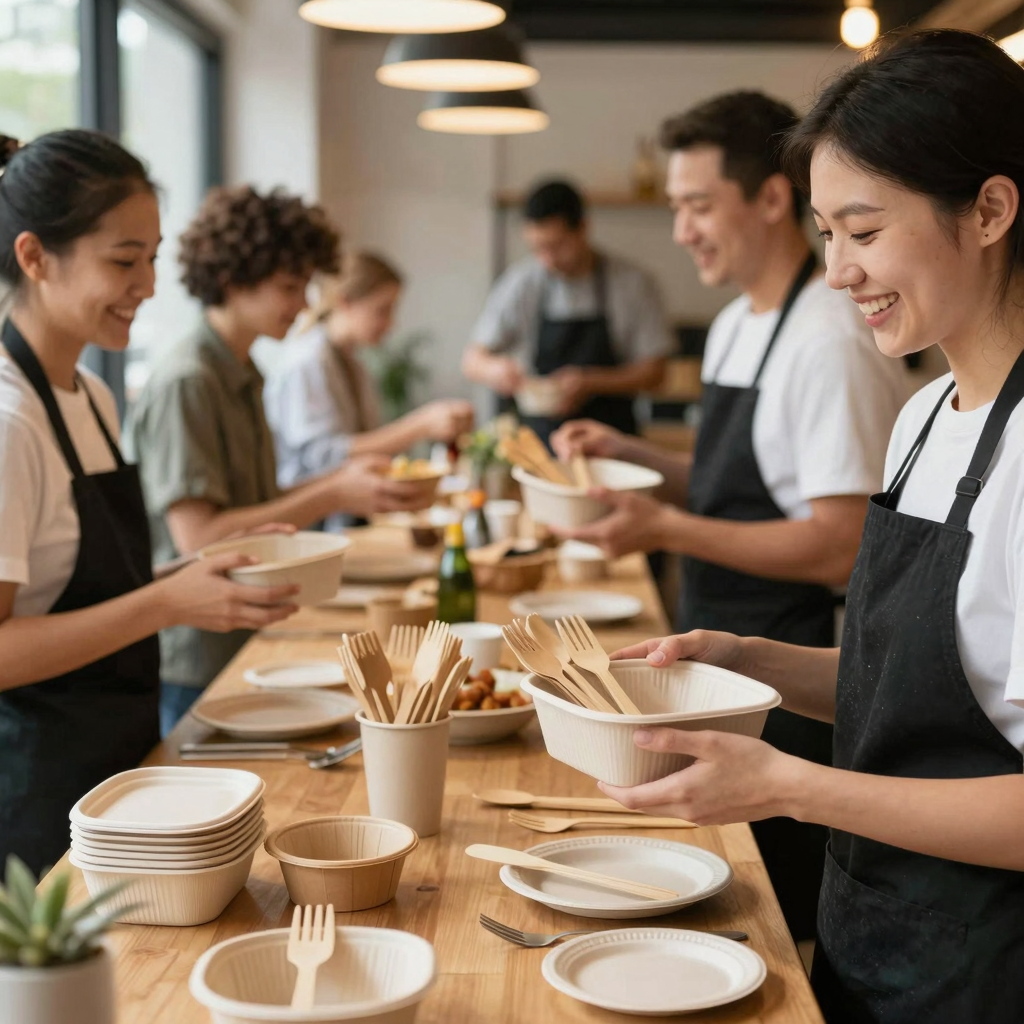
The necessity of adopting eco-friendly practices in the food service industry cannot be overstated, especially concerning plastic containers. As consumer awareness and environmental concerns escalate, selecting sustainable packaging solutions is critical for modern businesses, particularly in industries such as bubble tea shops, restaurants, and food trucks.
Why Choose Eco-Friendly Plastic Containers?
Eco-friendly plastic containers significantly reduce reliance on conventional petroleum-based plastics, which contribute harshly to pollution. According to a recent report by the Global Sustainable Packaging Alliance, over 70% of consumers factor in packaging sustainability when making food purchases. This shift is not just a trend; it reflects a growing consumer base that values environmentally responsible practices.
These eco-friendly containers often utilize biodegradable materials like PLA (Polylactic Acid) or cPET (composed of recycled PET), which effectively minimize harmful environmental impacts. Innovations in material science mean that these containers now offer comparable qualities-like durability and heat resistance-making them suitable for various culinary applications.
Incorporating Sustainable Practices in Production
Our commitment to sustainability goes beyond just providing eco-friendly products. We integrate conscious practices throughout our production process, emphasizing resource conservation and responsible sourcing. For instance, we prioritize using recyclable polymers such as PET, HDPE, and PP, known for their recyclability. By adopting a circular model of production, we aim to minimize waste at every stage-from manufacturing through disposal.
Moreover, our production facility is designed with sustainability in mind. We utilize advanced technologies and processes that significantly reduce our carbon footprint. For example, we have implemented alternative packaging materials that cut down plastic use by over 27 tons annually. This change not only reflects our responsibility toward the environment but also enhances our operational efficiency.
We also support initiatives that educate consumers about the benefits of eco-friendly packaging, furthering a culture of sustainability within the food industry. As restaurants and food service providers transition towards sustainable alternatives, they not only comply with increasing regulations-like the EU’s Single-Use Plastics Directive-but they also strengthen their brand reputation and customer loyalty.
Ultimately, choosing eco-friendly packaging solutions is about more than meeting market demands; it is a fundamental step toward a more sustainable future. By making informed choices with our plastic container options, businesses can contribute positively to the planet while enhancing their brand’s appeal to eco-conscious consumers.
Creative Ways to Use Plastic Food Containers
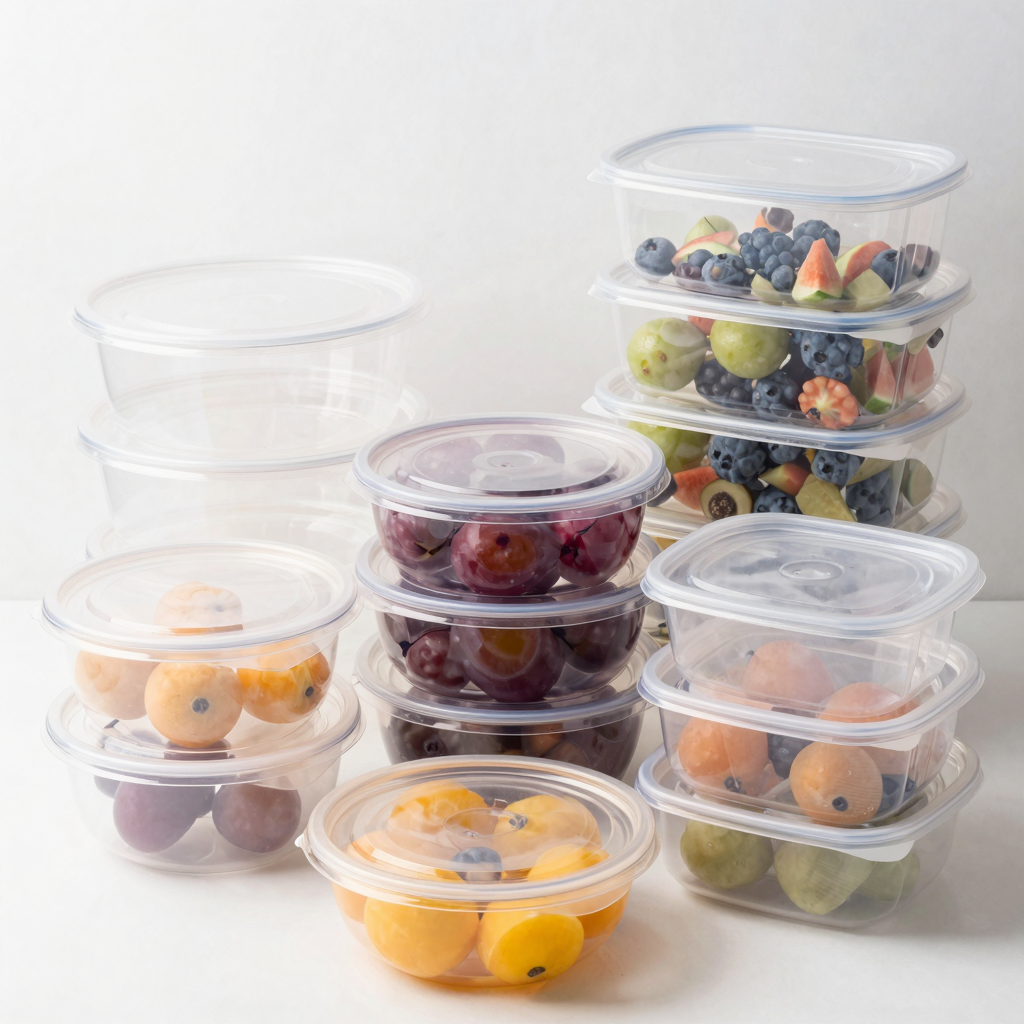
Plastic food containers are not only practical for storing food but can be creatively repurposed in various settings, including events, catering, and food trucks. Here’s a list of innovative ideas to maximize their use:
-
Event Decor: Use clear plastic containers as decorative elements for events. Fill them with themed items like flowers, lights, or colorful sand to create stunning centerpieces.
-
Food Sampling: Offer small samples in reusable plastic containers at promotional events. They provide a hygienic way to taste-test different flavors while keeping portions controlled.
-
Themed Party Packs: Assemble party packs in colorful containers for kids’ events. These can include snacks, games, or craft supplies tailored to a specific theme, providing a fun and convenient option for parents.
-
DIY Desserts: Create individual servings of desserts in plastic containers for catering. Layer ingredients like cakes, fruits, and creams to showcase visually appealing treats that guests can grab and enjoy easily.
-
Portable Meal Kits: Food trucks can utilize containers to provide portable meal kits that customers can easily carry. Include ingredients that require minimal preparation, allowing customers to enjoy a homemade meal on-the-go.
-
Fresh Ingredient Displays: For catering services, use clear containers to display fresh ingredients such as salads or toppings. It’s an engaging way for guests to customize their own meals right in front of them, enhancing the overall dining experience.
-
Craft Supply Storage: Post-event, repurpose used containers to store craft supplies at community events or workshops. They help organize materials for activities while reducing waste.
-
Cold Beverage Station: Set up a beverage station with different flavored iced teas or lemonades in plastic containers with easy-pour lids. This setup encourages guests to try new flavors and keeps the lines moving efficiently.
-
Traveling Snack Station: Especially for food trucks, keeping snacks like pretzels or popcorn in containers allows easy access for customers while they wait for their orders. It can also add a casual, fun vibe to the service environment.
By incorporating these creative ideas, businesses in the food industry can not only enhance their service but also contribute to a more enjoyable customer experience. For more insights on how to effectively utilize catering supplies, check out these helpful tips.
Enhancing your setup with these containers isn’t just about practicality; it’s about creating memorable experiences for your clients and guests.
For additional information on innovative container solutions, you can explore further resources like customized food packaging options.
Safety Standards and Regulations for Plastic Containers
When it comes to the food service industry, selecting the right plastic containers is more than just a matter of convenience; it’s vital for health and safety. Food service providers, including bubble tea shops, restaurants, catering services, and food trucks, must adhere to stringent safety standards and regulations to ensure the safety of the food being served. Here’s a comprehensive overview of the key regulations governing plastic food containers.
FDA Guidelines
The U.S. Food and Drug Administration (FDA) plays a crucial role in regulating food contact materials, including plastics used in containers. Under the Federal Food, Drug, and Cosmetic Act (FFDCA), all food contact materials must either
- Obtain FDA approval
- Meet the “Generally Recognized as Safe” (GRAS) standards.
Key Points:
- Material Requirements: Only specific types of plastic, such as polyethylene (PE), polypropylene (PP), and polyethylene terephthalate (PET), are typically approved for food contact. These materials must meet certain criteria regarding additives.
- Migration Limits: The FDA sets specific migration limits to prevent harmful substances from leaching into food. This includes testing for substances like bisphenol A (BPA), which is often scrutinized due to its potential health risks.
For more detailed guidelines and updates on plastic food containers, you can refer to the FDA’s food contact materials guidelines.
Food Safety Modernization Act (FSMA)
Enacted in 2011, the Food Safety Modernization Act (FSMA) shifts the focus from responding to food safety issues to preventing them. For food service providers, this means implementing a proactive approach to food safety when using plastic containers.
Key Requirements Include:
- Preventive Controls: Food service providers must establish preventive controls based on risk assessments to ensure materials and processes meet safety standards.
- Supplier Verification Program: This requires food service businesses to verify that their suppliers comply with safety standards, ensuring that the materials used are safe for food contact.
Compliance and Best Practices
To ensure compliance with these regulations, food service providers should:
- Conduct Regular Safety Assessments: Regularly assess and audit suppliers and materials to ensure ongoing compliance with FDA regulations.
- Training Staff: Ensure that all employees are trained to understand and implement food safety practices concerning the use of plastic containers.
- Document Practices: Maintain thorough records of materials used and safety assessments conducted, which may be necessary during audits or inspections.
Conclusion
Choosing the right plastic containers is essential not only for food presentation but also for maintaining the safety and health of your customers. Understanding and adhering to relevant safety standards and regulations can significantly mitigate risks associated with food service operations. For a more in-depth look at alternative materials and sustainable practices, explore our post on sugarcane cup benefits.


This balancing act between compliance and effective service is essential for establishing trust and ensuring longevity in the competitive food service market.
Sales Trends in Disposable Food Containers (2023-2026)
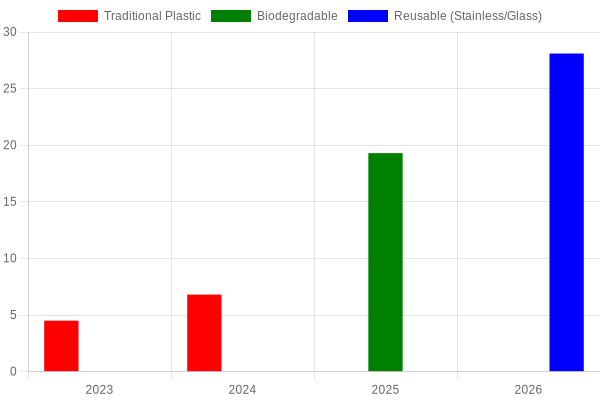
The market for disposable food containers has seen significant shifts in recent years, particularly influenced by consumer demand for sustainability and convenience. The following bar chart illustrates the sales trends and growth across various types of disposable food containers from 2023 to 2026.
Sales Trends Overview
- Traditional Plastic: Despite environmental concerns, traditional plastic containers still dominate due to their low cost and established supply chains.
- Biodegradable Options: Increasing consumer awareness and regulatory pressures are driving the demand for biodegradable containers, which have seen substantial growth.
- Reusable Containers: A surge in popularity has been noted particularly in urban areas where sustainability is increasingly prioritized.
Chart Illustration
Key Observations
- The data indicates a strong growth trajectory for biodegradable and reusable containers, especially in the Asia-Pacific region, as highlighted by robust sales growth percentages.
- Regulations targeting single-use plastics are facilitating a shift towards more eco-friendly solutions.
If you’re a restaurant owner or involved in food services, keeping an eye on these trends can guide better procurement and menu planning decisions as consumer preferences continue to evolve.
In today’s fast-paced food industry, the importance of using reliable disposable tableware and packaging solutions cannot be overstated. Quality materials not only enhance food safety by preventing contamination but also bolster your brand’s reputation. As emphasized by Food Safety Magazine, using high-quality disposable products can minimize liability and ensure regulatory compliance, particularly when it comes to safeguarding your customers’ health.
Moreover, investing in quality disposable packaging fosters a better customer experience, maintaining food freshness and temperature. The National Restaurant Association highlights that by choosing certified, environmentally friendly materials, you can not only appeal to eco-conscious consumers but also enhance customer loyalty. Moreover, as the industry shifts towards sustainability, aligning your packaging solutions with these trends will position your business favorably within the market.
At Cofe-Cup, we offer a wide range of reliable disposable tableware options tailored for bubble tea shops, restaurants, and catering services. Our products are designed to meet high safety standards and are available in eco-friendly materials. Whether you’re looking for custom designs or wholesale options, we have innovative solutions to meet your unique needs.
Now is the time to take the leap towards safe, efficient, and sustainable disposable tableware. Don’t settle for anything less than the best-experience the difference with Cofe-Cup’s packaging solutions. Explore our offerings today!
This concluding section effectively summarizes the key points while providing a compelling call-to-action for businesses to consider Cofe-Cup’s reliable disposable tableware and packaging solutions.