
Introduction
In the bustling world of food and beverage businesses in Malaysia, the role of proper packaging is paramount. Choosing the right plastic food containers is not simply about convenience; it’s a key factor influencing customer satisfaction, food presentation, and, ultimately, business reputation. From bubble tea shops that require vibrant and sturdy cups to restaurants seeking elegant takeout solutions, and catering services that need versatile packaging for various event types, the diverse needs cannot be understated.
Importantly, understanding the market, especially current trends, allows business owners to make informed decisions that align with their branding and operational needs. A critical component is to consider the plastic food container Malaysia prices, which can significantly impact profit margins and logistics planning. The competitive nature of the industry emphasizes the need to balance cost with quality, ensuring that packaging enhances the overall experience of the customer while staying budget-friendly.
It’s essential for businesses not just to look at functionality but also to consider sustainability and compliance with local regulations, given the increased demand for environmentally friendly packaging options. As we navigate through the nuances of packaging for various sectors-from quick-service food chains to full-service events-the insights gained will empower Malaysian entrepreneurs to excel in their market, ensuring that their choices reflect both their brand values and customer expectations. For further reading on customized solutions to elevate your packaging needs, check out our article on customized octagonal paper bowls.
Types of Plastic Food Containers in Malaysia
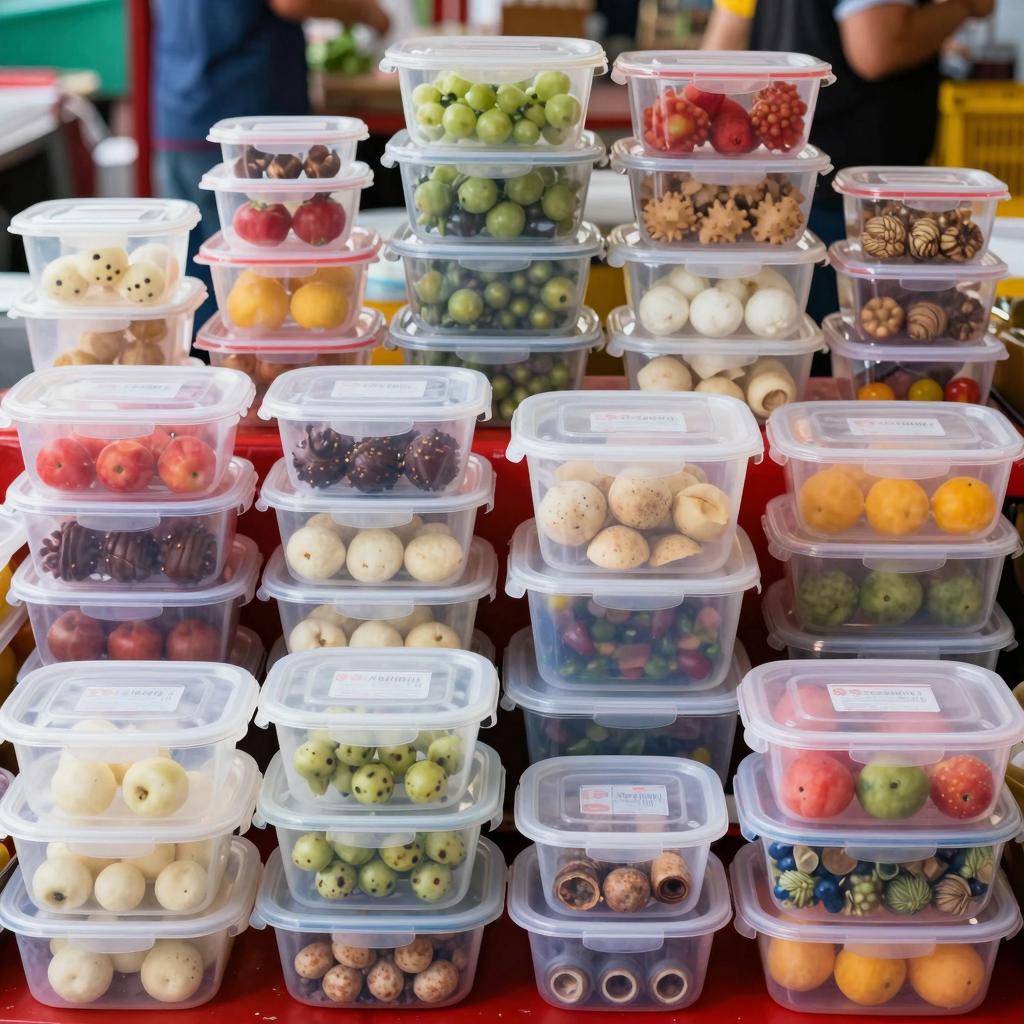
When selecting plastic food containers in Malaysia, businesses such as bubble tea shops, restaurants, and catering services have a wealth of options to consider. Here are some popular types:
- Deli Containers: These versatile containers are ideal for salads, pasta, and sauces. Prices typically range from RM1.20 to RM3.50 per unit, depending on size and material.
- Portion Cups: Small portion cups are perfect for dressings, sauces, or snacks. These can be purchased for approximately RM0.30 to RM0.80 each.
- Clamshells: These food-grade containers are great for packaging items like burgers and sushi. The price usually falls between RM0.70 to RM2.00 per unit, making them an affordable choice for many food vendors.
- Airtight Containers: Offering enhanced preservation, these containers cater to various sizes and uses, ranging from RM1.50 to RM6.00 each.
For more insights on container choices and packaging benefits, you can learn more about customized options that might better suit your needs.
Factors Influencing Plastic Food Container Prices in Malaysia
The price of plastic food containers in Malaysia is shaped by several key factors that are essential for businesses ranging from bubble tea shops to catering services. Understanding these factors can help businesses make informed decisions when purchasing these containers.
1. Material Quality
Material quality plays a pivotal role in determining the price of plastic food containers. Higher-quality plastics, such as polypropylene and polyethylene, are often more costly due to their enhanced durability and safety for storing food. The demand for biodegradable and eco-friendly materials, driven by increasing environmental awareness, also influences prices. As businesses shift towards sustainable packaging options, costs may rise due to the premium associated with these materials.
2. Container Size
The size of the container significantly impacts its price. Larger containers typically cost more due to the increased amount of raw material needed for production. Additionally, size variations can lead to different production processes, with larger volumes often benefiting from economies of scale. However, smaller, specialty sizes may sometimes carry a premium due to lower production runs and higher manufacturing costs associated with customization.
3. Supplier Pricing Strategies
Various supplier pricing strategies also affect the cost of plastic food containers. Suppliers may set their prices based on bulk purchasing agreements, special customization requests, or shipping costs. For instance, bulk purchases often lead to discounts, while custom designs may increase prices due to additional production time and resources. Furthermore, fluctuations in shipping costs due to logistical challenges or changes in fuel prices can impact the final retail price.
4. Environmental Regulations
Regulatory changes in Malaysia regarding plastic use are becoming increasingly relevant. The introduction of stricter environmental regulations, such as those outlined in the National Plastic Strategy, can increase compliance costs for manufacturers, which are often passed on to consumers. This includes costs related to recycling and environmentally friendly packaging solutions.
As the market adjusts to these influencing factors, cost comparisons will become vital for businesses to ensure they are obtaining the best value for their investment in plastic food containers. To make informed choices, exploring pricing trends and supplier offerings can provide insight into how to balance quality with cost-effectiveness. For more insights into specific container options, check out our guide on customized octagonal paper bowls.

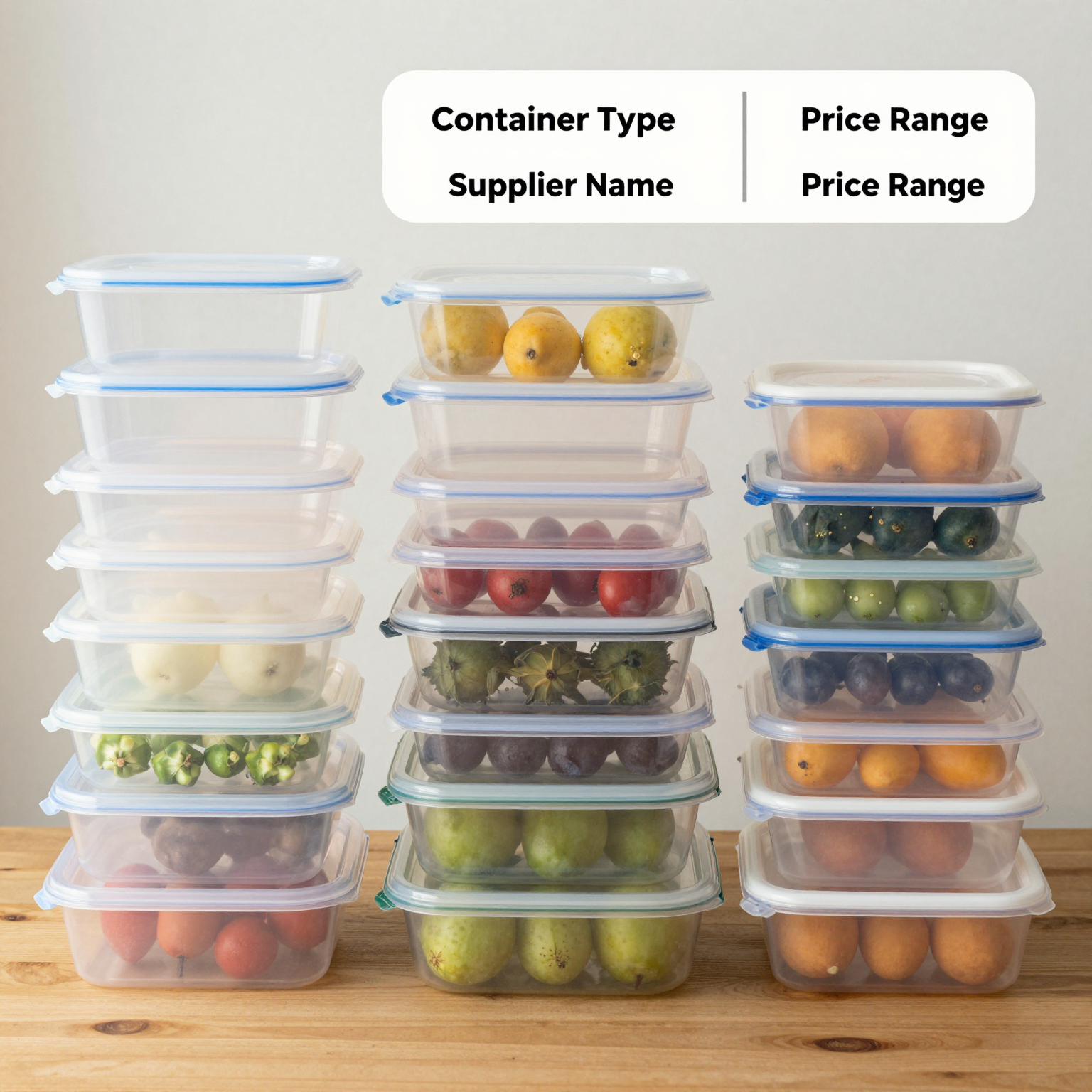
| Container Type | Supplier Name | Price Range |
|---|---|---|
| Food Storage Containers | IKEA Malaysia | RM 13.90 |
| Disposable PP Bowls | Alibaba Suppliers | RM 0.30 – RM 2.50 |
User Testimonial on Container Durability
“As a bubble tea shop owner, I’ve always struggled with packaging that could withstand the rigors of delivery. Since switching to these plastic containers, I’ve seen a huge reduction in breakage during transit. Even when my orders are stacked high, they maintain their integrity without cracking. Plus, my customers have commented on how well these containers keep our drinks fresh and appealing. I highly recommend them to any food service business looking for reliable and durable packaging!”
- Emily Zhang, Owner of Bubble Bliss, California
Environmental Impact of Plastic Containers in Malaysia
The increase in the usage of plastic food containers in Malaysia has raised significant environmental concerns. Plastics, particularly single-use containers, contribute to a substantial amount of waste, with estimates stating that Malaysia generates over 170,000 tons of plastic waste every year, about 30% of which comes from food packaging alone. This plastic waste is notoriously difficult to decompose, often remaining in landfills for centuries, and can lead to serious environmental degradation. Plastic waste has been implicated in harming marine life, increasing greenhouse gas emissions through poor waste management, and contributing to toxic leachates that can seep into the soil and waterways. To further compound this problem, reports indicate that plastics make up over 84% of waste collected along Malaysian beaches, underscoring the acute need for sustainable practices in the food industry (Source).
Challenges of Plastic Waste
Strictly managing plastic waste can prove to be challenging for Malaysia. The country has struggled with inadequate recycling facilities and insufficient public awareness regarding proper waste disposal. Many consumers are unaware of the environmental cost associated with plastic containers, leading to careless disposal practices that exacerbate the plastic waste crisis. Moreover, the government has attempted to implement bans on single-use plastics, yet enforcement remains an issue. The lack of effective waste management systems means that a significant portion of plastic containers ends up in landfills or the ocean, severely affecting local ecosystems (Source).
Innovations in Eco-Friendly Options
In response to these challenges, Malaysia is observing a noteworthy shift towards eco-friendly alternatives. According to recent studies, numerous local businesses and startups are now prioritizing biodegradable options such as bamboo containers, molded fiber packaging from sugarcane or palm leaves, and reusable containers made from stainless steel or glass. These alternatives not only reduce the reliance on single-use plastics but also support sustainable business practices. Innovative solutions like coconut husk containers and banana leaf wraps are being adopted, especially in urban centers like Kuala Lumpur and Penang (Source).
The government is also playing a role by promoting initiatives aimed at reducing the usage of single-use plastics, with a goal to cut this down by 50% by 2030. Through incentives such as grants and tax breaks, sustainability has gained traction in the food delivery and retail sectors, encouraging businesses to adopt these eco-friendly packaging solutions (Source).
Conclusion
For catering services, event planners, and food businesses looking to align their operations with sustainable practices, the growing availability of eco-friendly packaging is more critical than ever. By transitioning to sustainable alternatives, these businesses can not only help mitigate the environmental impacts of their operations but also resonate more with the values of their environmentally-conscious consumers. The shift towards greener packaging signifies a promising direction for Malaysia, presenting opportunities for innovation while contributing positively to the environment. Embracing eco-friendly solutions will not only elevate brand image but also ensure a better future for the generations to come.
For more information on sustainable packaging options, consider checking out our blog on sugarcane cups and their benefits or explore customized options for sustainable food containers.

User Adoption Trends for Plastic Food Containers in Malaysia
The use of plastic food containers in Malaysia has seen significant growth, particularly among bubble tea shops, restaurants, and catering services. According to recent market analyses, the plastic food containers market was valued at approximately $3.9 million in 2024 and is projected to reach $5.6 million by 2032, driven primarily by the increasing demand from restaurants and the burgeoning bubble tea industry, which heavily relies on single-use plastic containers for takeaway and delivery.(Mordor Intelligence)
In 2023, over 75% of bubble tea shops in major cities such as Kuala Lumpur, Penang, and Johor Bahru reported using plastic containers for drinks and snacks. Restaurants and catering services displayed similar trends, with over 60% of their operations utilizing plastic food containers for delivery and takeout services. Businesses prefer these containers due to their cost-effectiveness, durability, and consumer familiarity (Statista).
However, the landscape is changing as environmental concerns grow. A government survey conducted in early 2023 indicated that a staggering 78% of Malaysian consumers support banning single-use plastics in food services. Consequently, some bubble tea chains and restaurants are beginning to explore alternatives. For instance, 45% of chain bubble tea stores have already transitioned to compostable packaging made from plant-based materials, as they align with the growing trend for sustainable packaging (The Edge Markets).
Despite these changes, challenges persist. Many independent shops cite cost and supply chain constraints as barriers to adopting biodegradable options. As stricter regulations loom, the pressure to reduce plastic waste is expected to push more businesses toward embracing sustainable alternatives (New Straits Times).
As a result, sharing insights on sustainable packaging could prove beneficial for businesses looking to adapt to these trends.
| Year | Market Value (USD Million) | Key Trends |
|---|---|---|
| 2024 | 3.9 | Base year; market valued at $3.9 million. Rising demand for rigid plastic food containers, especially in dairy and fresh produce packaging. Initial push toward biodegradable alternatives due to environmental regulations and consumer awareness. |
| 2025 | 4.1 | Growth begins; CAGR of ~4.3% initiated. Increased adoption of BPA-free and airtight sealed containers. Expansion of automated processing in manufacturing. |
| 2026 | 4.3 | Continued growth; plastic packaging gains share in Malaysia’s packaging materials market (4.02% CAGR). Rise in use of bioplastics and recycled content driven by zero single-use plastics roadmap. |
| 2027 | 4.5 | Stronger momentum in rigid plastic containers (4.2% annual growth trend projected). EPR (Extended Producer Responsibility) policies begin impacting supplier portfolios. |
| 2028 | 4.7 | Consumer demand for sustainable packaging intensifies. Brands emphasizing eco-friendly claims gain market share. Microplastic and VOC concerns influence product design. |
| 2029 | 4.9 | Biodegradable and compostable alternatives gain traction, particularly in food service and retail sectors. Investment in green technologies increases. |
| 2030 | 5.1 | Market nears $5.1 million; rigid plastic remains dominant but faces competition from bio-based options. E-commerce-driven demand shapes modular, stackable designs. |
| 2031 | 5.4 | High growth phase; sustainability mandates accelerate innovation. Integration of recycled feedstock in production processes. |
| 2032 | 5.6 | Projected peak value of $5.6 million. Market stabilizes with balanced mix of rigid plastic, bioplastics, and recycled content. Long-term sustainability goals met through policy and industry collaboration. |
Conclusion and Call to Action
In conclusion, exploring the plastic food container prices in Malaysia reveals a competitive landscape where quality and safety are paramount. As we have discussed, various options are available in the market, from 750ml round disposable plastic containers priced around RM4.41 to food-grade paper boxes that assure durability and protection for your culinary creations. These containers are not only affordable but also compliant with safety standards, ensuring your food remains safe and appetizing for customers.
The benefits of choosing high-quality food containers cannot be overstated. By investing in reputable brands, you ensure that your food products are stored safely, reducing risks that could lead to contamination or spoilage. This is especially crucial for businesses in the food service industry, such as restaurants, catering services, and food trucks where maintaining the integrity of the food is essential for customer satisfaction and loyalty.
We at Cofe Cup are dedicated to providing you with the best options that combine quality, affordability, and excellent delivery service. We understand the needs of businesses like yours and are here to offer customized solutions that suit your unique requirements.
Don’t compromise on quality when it comes to food storage. Explore our range of plastic food containers today and discover how our products can enhance your brand’s reputation and ensure the safety of your food operations. Let us support you in your journey towards providing exceptional service to your customers!
Visit our website to place your order and take the first step towards better food safety and quality in your business.