
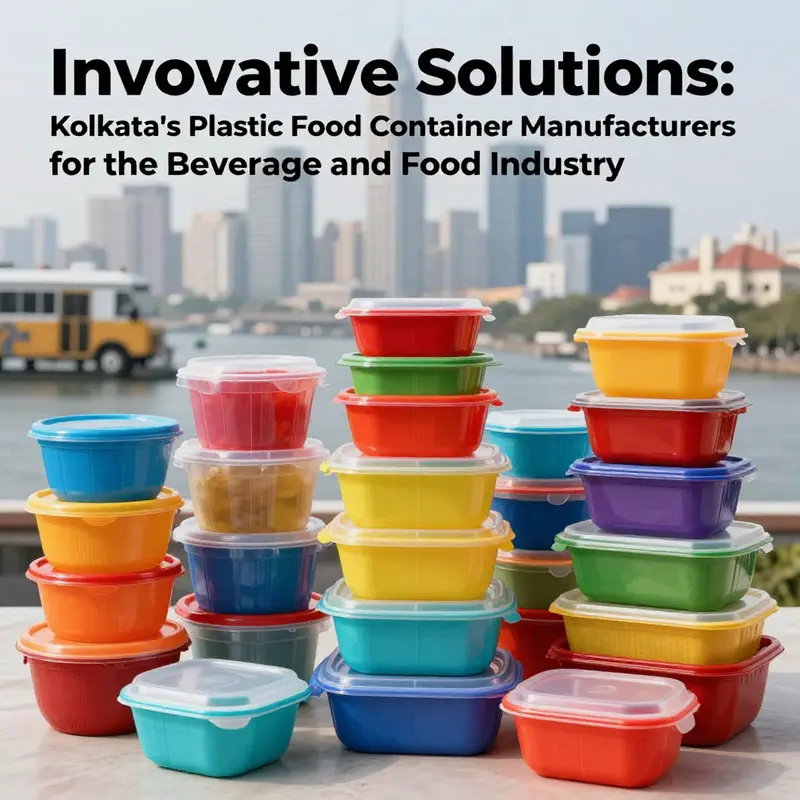
Kolkata stands at the forefront of plastic food container manufacturing, a sector crucial for the thriving beverage and food industries. The city’s manufacturers cater to a diverse range of clients, including bubble tea shops, restaurants, food trucks, catering services, and corporate procurement teams, providing durable and safe packaging solutions. This article delves into various aspects of plastic food container manufacturing in Kolkata, exploring the operational capabilities of these manufacturers, their advanced manufacturing techniques, market trends driving innovation, economic impacts on the region, and the sustainability practices that are shaping the industry’s future. Each chapter aims to present a comprehensive view to help stakeholders make informed decisions when choosing suppliers as they navigate a market increasingly emphasizing eco-friendliness and quality.
null
null
Molds, Machines, and Market Demands: The Manufacturing Techniques Shaping Kolkata’s Plastic Food Containers
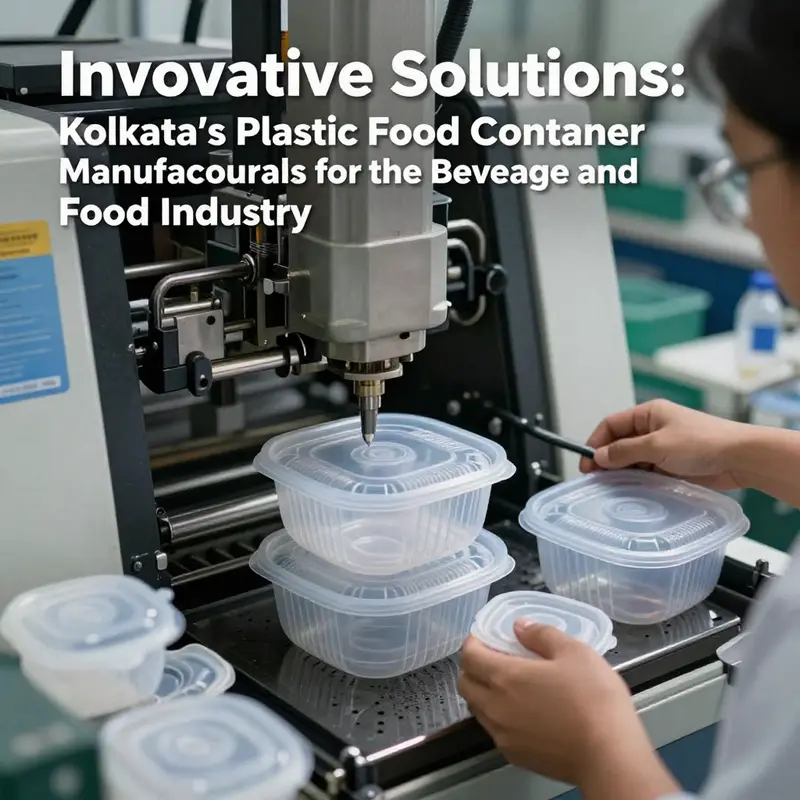
Kolkata sits at a crucial intersection of traditional craft and modern plastics engineering, a hub where the needs of street vendors, family-run eateries, and national retail chains converge with the capabilities of contemporary manufacturing. The plastic food containers that migrate from Kolkata’s plants into kitchens and service counters embody a careful balance of material choice, process discipline, and regulatory awareness. At the heart of these endeavors are three materials that dominate the market: polypropylene (PP), high-density polyethylene (HDPE), and polyethylene terephthalate (PET). Each is chosen for a reason. PP offers excellent heat resistance and chemical stability, HDPE provides impact strength and toughness, and PET delivers clarity for packaging and a lighter weight with adequate barrier properties. Together, they form a versatile palette that allows manufacturers to tailor products for hot and cold foods, for takeout and storage, and for a range of consumer preferences. In practice, the choice among these resins is less about a single hero material than about an integrated design philosophy that anticipates how a container will be used, cleaned, and, crucially, reground or recycled at the end of its lifecycle.
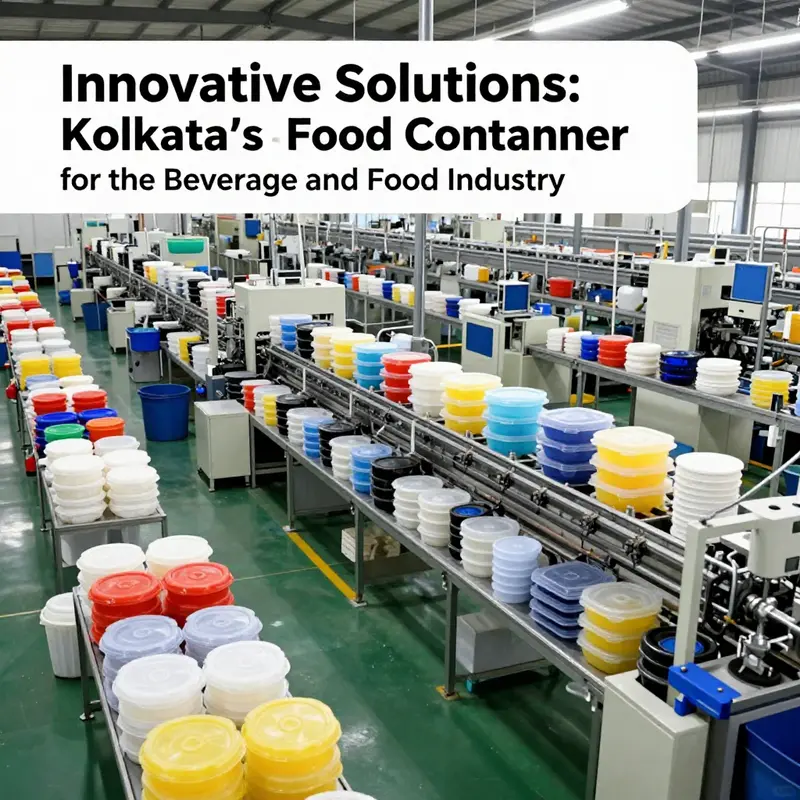
The actual production of these containers relies on two core molding technologies that have become the backbone of scale in the region: injection molding and blow molding. Injection molding is the workhorse for parts that require precision walls, tight tolerances, and complex geometries. It is through high-speed, multi-cavity molds that manufacturers can achieve thousands of units per hour, turning a design concept into a produced range in short order. The process is not simply about force and speed; it is about control. Integrated automation lines monitor melt temperatures, fill rates, and cavity pressures, feeding components through automated ejection and sorting systems. In practice, this means a single facility can convert resin into finished, stackable containers with consistent wall thickness and weight, a critical factor for reliability in food service operations where performance under heat, cold, and repeated wash cycles matters.
Blow molding complements injection molding in another essential way. For hollow containers such as takeaway boxes, bowls, and cups, blow molding creates a seamless interior surface and uniform wall thickness that resist deformation when stacked or transported. Modern blow molding lines in Kolkata often feature vertical integration that extends from resin handling to preform production to the final blow-molded part. This vertical integration reduces lead times and tightens quality control by keeping critical steps under one roof. It also enables rapid adaptation to demand shifts, such as a sudden spike in orders from a large catering company or a new local brand launching a disposable line. When these lines are coupled with high-capacity extrusion preforms and energy-optimized heating systems, the result is a responsive operation capable of meeting both the routine and the extraordinary needs of a dynamic market.
Beyond the machinery, the real story is how facilities structure their operations to deliver consistent quality and reliable delivery dates. A growing number of Kolkata producers operate in a vertically integrated model that controls the lifecycle of a product: from resin sourcing and resin drying to mold design, mold maintenance, and final packaging. This approach yields tighter process control, easier traceability, and quicker response to customer specifications. It also supports a culture of preventive maintenance. Machines are scheduled for regular calibration, and molds are kept in a rotating stock of cooling channels and gate designs to minimize cycle time variability. The result is not just a push for speed but a careful engineering of repeatability. Quality checks are embedded at multiple stages of the line: melt temperature monitors, pressure sensors, inline weight checks, and automated texture and finish evaluations. Each check is a small safeguard that protects against deviations that could compromise food safety or performance in a crowded kitchen or a busy street corner.
Automation has moved from a novelty to a standard in these facilities. Fully automated injection molding machines, often with inline grading panels and robotic arms, handle the transfer from mold to sorting to palletizing. This automation supports a predictable flow even when the batch sizes vary dramatically from one customer to the next. The scale of production—thousands of units per hour in the right configuration—allows mid-to-large volume orders to be fulfilled with reasonable lead times. In practice, lead times after order confirmation typically fall within a 15- to 25-day window, with shorter spans for standard, non-customized geometries and longer spans for brands requesting unique sizes, wall thicknesses, or branding elements. The ability to offer such timelines is not simply a matter of a large workforce; it rests on the synergy between smart mold design, preform readiness, automated handling, and real-time process monitoring.
Sustainability is no longer a peripheral concern; it is an operational discipline. A portion of Kolkata’s manufacturing community has begun to emphasize recyclable resin sourcing and energy-efficient production. This shift aligns with broader consumer expectations and regulatory trends toward reducing plastic waste. Reprocessing streams, better colorant management, and closed-loop solvent and lubricant systems are appearing in more facilities. The adoption of recycled content in resins is carefully staged to preserve the pristine surface finish and the chemical integrity required for food contact. Yet the industry remains mindful of the fact that food-grade safety, leak resistance, and heat tolerance cannot be compromised in the service of eco-friendliness. As a result, many manufacturers pursue a measured path: lean manufacturing with waste segmentation, efficient energy use, and responsible end-of-life considerations. Some sites also explore digital printing for branding and customization, which allows a local brand or food startup to project its identity without introducing additional secondary packaging stages that would add cost and waste. The digital workflow supports on-demand branding while maintaining the hygienic and regulatory standards expected of food-contact containers.
Another facet of contemporary technique is the way Kolkata plants connect with the broader supply ecosystem through digital platforms. The market recognizes the value of credible supplier data, especially for organizations seeking quality assurance and regulatory compliance. Platforms like Alibaba provide access to verified suppliers in India, including Kolkata, where buyers can review production capabilities, testing regimes, and certifications for food-grade plastics. This external reference complements local know-how by offering a benchmark for capacity, quality, and supply chain reliability. The collaboration between domestic manufacturing strength and international marketplaces helps distributors and large buyers calibrate expectations regarding lead times, tolerances, and the availability of custom features such as improved barrier properties or branded interiors. When a buyer compares a mid-sized Kolkata facility with a global supplier network, the advantages of a well-integrated local operation—shorter communication loops, easier field testing, and closer regulatory familiarity—become apparent, even as the scale and reach of international platforms provide a broader safety net for procurement planning.
Within Kolkata’s factory floors, the human element remains essential. Skilled technicians, mold setters, and process engineers translate the abstract advantages of modern equipment into tangible products. They adjust cycles for different container shapes, optimize gas-assisted or standard blow-molded formats, and fine-tune wall thickness to balance weight and strength. They implement color-matching protocols to ensure consistent aesthetics across batches, and they oversee sanitation and hygienic handling to meet food-contact standards. The work is iterative and collaborative, weaving together material science, mechanical engineering, and supply-chain pragmatics. In this sense, the manufacturing techniques are not simply about machines performing tasks; they are about people shaping the conditions under which those machines produce safe, reliable, and cost-effective packaging.
For buyers seeking a reliable partner in a market that increasingly prioritizes customization, the combination of vertical integration, automated lines, and eco-conscious practices offers a compelling value proposition. The capacity to produce standard lines quickly while also accommodating branded, small-batch runs reflects a nuanced understanding of the food service ecosystem in and around Kolkata. The industry’s trajectory points toward greater Digital Printing integration for on-container branding and easier customization, enabling local brands to tell their story directly on packaging without the cost and waste of extra labeling. This convergence of technology and practicality supports a broader goal: delivering containers that perform under pressure in a fast-paced food economy, while aligning with responsible manufacturing norms that the market increasingly demands.
As the field evolves, the London-to-Calcutta bridge of knowledge—where best practices in resin handling, mold design, and automation are shared across borders—will continue to sharpen the competitiveness of Kolkata’s plastic container producers. The practical takeaway for buyers and policy observers is clear: a factory’s capability scan now has to include not only the machine lineup and cycle times but also its sourcing ethics, its energy profile, and its willingness to adapt to new branding and compliance requirements. In other words, the most resilient Kolkata manufacturers are those that can translate precise molding, disciplined process control, and sustainable choices into containers that meet the exacting standards of modern food packaging. For readers who want to explore how these capabilities translate into broader packaging trends, the landscape of plastic packaging—an evolving ecosystem that includes protective films, liners, and branding media—offers a useful frame of reference. plastic packaging.
External reference for additional context on global supplier capabilities and certifications can be found at the following industry resource: https://www.alibaba.com/showroom/plastic-food-container.html. This external snapshot complements the locally grounded insights and helps situate Kolkata’s manufacturers within the wider competitive and regulatory environment.
A Dynamic Convergence: Market Trends Shaping Kolkata’s Plastic Food Container Manufacturers

Kolkata stands as a pulsating node in India’s plastic goods ecosystem, where a mix of longstanding artisanal networks and modern manufacturing lines converges to meet a rising tide of demand for safe, reliable food packaging. The city’s plastic food container sector is not simply responding to local appetite; it is navigating a web of shifts that extend from urban living patterns to global supply dynamics. The core of these changes lies in how quickly households and businesses are adopting convenient packaging solutions, and how the factories that produce these containers adapt to keep pace with quality expectations, cost pressures, and regulatory thresholds. In this environment, the most visible driver is the surge in urbanization and the corresponding appetite for ready-to-use, hygienic packaging that can withstand busy, high-volume operations. Restaurants, caterers, cloud kitchens, and e-commerce entrants all rely on a predictable supply of containers that perform consistently across thousands of cycles. The need for tight tolerances, durable materials, and scalable production capacity pushes manufacturers to optimize every stage of their process, from mold design to stock inventory and on-time delivery. The result is a market that rewards reliability and precision almost as strongly as it rewards price, particularly for clients who place large, recurring orders. The city’s manufacturers increasingly view every shipment as a test of hygiene and performance, since the containers must protect food quality in transit and on shelves, while also appealing to customers who are more discerning about safety and environmental footprint.
Yet the domestic production landscape in Kolkata harbors its own constraints. Many local operations still wrestle with limited automation, a finite range of molds, and gaps in achieving export-grade consistency. These frictions ripple through the supply chain, making it harder for regionally focused producers to match the speed and customization offered by international suppliers. When a B2B client requires a high volume of identical parts with exacting tolerances, the ability to sustain uniform results across thousands of cycles becomes the defining factor between a winning and a merely adequate bid. In such contexts, the appeal of imports grows, especially from manufacturers who maintain integrated production lines that cover everything from preforms to blow molding under a single control point.
Within this competitive frame, cross-border sourcing has gained traction. Chinese manufacturers, with access to advanced injection molding, thermoforming, and high-precision tooling, can turn around complex, customized runs more quickly and with tighter process control. For Kolkata buyers, the promise of shorter lead times and more predictable quality sometimes outweighs the allure of local procurement, particularly for high-stakes packaging needs. This shift does not erase the importance of local capability; rather, it reframes the procurement calculus. Local producers respond by partnering more closely with customers, adopting leaner manufacturing practices, and seeking collaborations that boost automation and mold diversity. At the same time, buyers increasingly expect a level of technical sophistication that some regional suppliers cannot supply in-house, such as precision preform fabrication or inline mold design capabilities. The dynamic is reshaping how orders are placed and how responsibilities are allocated across suppliers, with many Kolkata-based firms turning to integrated international partners that can orchestrate end-to-end production while maintaining a clear timeline.
A notable feature of this market is the globalization of procurement strategies. Companies are moving toward integrated suppliers who control multiple stages of the packaging value chain. Such vertical alignment reduces the number of touchpoints, enabling more responsive batch production and tighter quality control. For example, a capable supplier may handle preform fabrication, mold design, and blow molding within a single organizational framework. This in-house coordination enables faster adjustments during batch runs, minimizes the risk of miscommunication, and shortens the typical lead-time window. In practical terms, clients often see lead times shrink to a range of roughly 15 to 25 days after sample approval when working with these integrated operations, a tempo that aligns well with the expectations of large-volume distributors and institutional buyers. It also gives purchasing teams greater confidence in consistency, repeatability, and traceability—factors that matter when containers must meet uniform standards across thousands of units.
The push toward integrated supply chains is complemented by a genuine emphasis on sustainability and compliance. Worldwide demand for eco-conscious packaging is no passing trend. In Kolkata, manufacturers are responding by exploring recycled content in resins, adopting cleaner production practices, and investing in materials that meet international safety standards. The regulatory environment around food-contact plastics is increasingly stringent, with references to FDA 21 CFR Part 177 and EU food-safety regulations surfacing as benchmarks of best practice. Buyers are now more likely to ask for traceability that can reassure end-users about the origin and handling of materials along every step of the supply chain. Cleanroom manufacturing standards, once the reserve of premium operations, are becoming a baseline expectation for premium or health-focused brands in the market. This tightening of requirements elevates the value of providers who can demonstrate rigorous quality systems, full material provenance, and documentary evidence of compliance across batches.
Sustainability in Kolkata’s packaging scene is not simply about using recycled content. It also covers the design phase and end-of-life outcomes. Containers are increasingly evaluated for recyclability and reusability, with manufacturers encouraged to consider multi-material blends’ compatibility with recycling streams. The industry recognizes that the most cost-effective path to long-term growth is to harmonize material performance with environmental responsibility. In practice, this means transparent supply chains, clear labeling, and consistent performance metrics that reassure customers about both safety and sustainability. Traceability systems are evolving from a desirable feature to a standard requirement, enabling brands to confirm material provenance, processing conditions, and batch-specific test results. The upshot is a market that rewards suppliers who can demonstrate not only technical competence but also responsible stewardship of resources.
Against this backdrop, a broader strategic picture emerges for Kolkata’s plastic container makers. The competitive edge now rests on the ability to combine local agility with global standards. Local firms that invest in automation, expand mold libraries, and partner with international manufacturers can offer fast turnarounds and consistent results at scale. This convergence helps local players compete with imports on reliability and price, provided they can maintain strict quality controls and offer traceability. The procurement landscape is also evolving, with more firms adopting strategic sourcing approaches that prioritize end-to-end supplier capabilities—such as in-house preform fabrication, mold engineering, and blow molding—over piecemeal subcontracting. The result is a procurement ecosystem that emphasizes responsiveness, predictability, and a transparent path from raw material choice to finished container.
Within this shifting context, it becomes essential to recognize the nuanced balance between domestic capacity and international capability. Kolkata’s manufacturers are not simply at a disadvantage; they are at a crossroads where choice and collaboration matter most. For many local operations, the decision to source from international lines does not cancel the value of homegrown expertise. Instead, it invites a more informed approach to product development, where local teams contribute design know-how, customer relationships, and rapid feedback that can be integrated into globally coordinated production cycles. This collaborative model can deliver the best of both worlds: the responsiveness of a regional supplier and the technical sophistication of a globally integrated producer.
The market signals also encourage nuanced product strategy. In a setting where growth is sustainable but selective, manufacturers increasingly tier their offerings: base-line containers for high-volume but price-sensitive segments, and premium lines for health-conscious brands that demand stricter testing, cleaner production, and clearer labeling. Such segmentation helps manufacturers optimize capacity and margin, ensuring that capital invested in automation and tooling yields returns across a broader range of customer needs. It also invites more precise conversations about materials, processing conditions, and post-production handling. The interplay of demand for convenience and the rising premium placed on safety and traceability shapes the kinds of partnerships that flouris h in Kolkata.
To ground these trends in practical terms, one can look to the procurement practices that buyers are adopting in parallel with supplier capabilities. Leading purchasers now expect end-to-end controls, including in-house mold design and preform production where possible, as well as the ability to adjust orders quickly in response to market developments. The advantage of such arrangements is evident in shorter lead times and reduced risk of misalignment between design intent and manufactured parts. In this sense, Kolkata’s market is moving toward a model where strategic supplier relationships are as important as the containers themselves. For buyers, the value lies not only in the quality of the final product but in the confidence that production will stay aligned with evolving safety standards and changing consumer expectations.
From the perspective of a regional industry observer, what emerges is a dynamic equilibrium. Local manufacturers leverage their proximity to customers and understanding of domestic supply chains, while tapping into the capabilities of international partners for technical depth and batch consistency. The result is a richer ecosystem where innovation and reliability go hand in hand. The push for eco-friendly materials, the prioritization of traceability, and the adoption of cleanroom-like controls in premium production settings signal a shift toward a more mature market. Providers who can demonstrate a transparent, end-to-end approach—covering material selection, process validation, and post-production stewardship—will likely command stronger partnerships with major food brands and food service operators.
As the market continues to evolve, stakeholders in Kolkata’s plastic container segment would do well to watch two converging lines. First, the push toward sustainability will intensify, with regulators and consumers alike seeking packaging that reduces environmental impact without compromising safety. Second, the globalization of procurement will persist, though it will be tempered by the desire for resilience. The most successful players will be those who integrate local know-how with global best practices, maintaining flexibility in capacity while ensuring rigorous quality across batches. In this sense, the Kolkata landscape is not merely adapting to trends; it is shaping a framework in which regional production can meet international expectations through thoughtful investment, collaborative sourcing, and a steadfast commitment to safety and traceability.
For readers seeking a broader sense of packaging strategy and supplier capabilities, a deeper look into the plastic packaging category offers useful context on how materials, tooling, and process controls intersect to produce reliable end products. plastic packaging category.
External perspectives also underscore the value of integrated procurement practices that align with the realities of today’s global supply chains. A recent guide on PET bottle sourcing highlights how end-to-end control over preform fabrication, mold design, and blow molding can reduce lead times and improve batch consistency in a market where timing and quality converge. This external resource provides practical insight into how Indian buyers can navigate supplier options and set expectations that reflect both local strengths and international capabilities. External resource: https://www.example.com/kolkata-pet-bottle-sourcing-guide-2025
From Local Loom to Global Shelf: The Economic Footprint of Kolkata’s Plastic Food Container Makers

Kolkata’s plastic food container manufacturing ecosystem stands as a quiet yet potent engine powering urban commerce. This city, renowned as a manufacturing hub in India, nurtures a multitude of firms that produce containers from materials such as polypropylene (PP), high-density polyethylene (HDPE), and polyethylene terephthalate (PET). The choice of these resins is not only about durability and safety; it is about aligning cost, performance, and regulatory expectations with the diverse needs of households, street vendors, and formal food service operators. The resulting products are lightweight, versatile, and scalable, enabling a broad spectrum of users to store, transport, and present food with reasonable margins. In this way, Kolkata’s container manufacturers underpin a chain that starts with raw materials and ends with meals on a plate, touching every corner of the city’s economy. The presence of modernized plants—where injection molding and blow molding lines operate in tandem with automated handling and quality assurance—speaks to a mature sector that has integrated efficiency into daily production. The outcome is not merely a product line; it is a practical infrastructure that supports entrepreneurship, reduces waste in occasional markets, and helps food businesses manage risk through standardized packaging. Across districts, small workshops and larger plants alike contribute to a shared supply that keeps stalls bustling and households fed, illustrating how the city’s manufacturing identity is inseparable from its daily life and commercial rhythms.
The economic significance of this industry in Kolkata extends beyond job counts or factory outputs. It shapes opportunities for thousands of workers who participate in procurement, manufacturing, distribution, and retail. A notable portion of employment arises in the informal economy, where many family-run operations rely on accessible packaging to sustain small-scale food ventures. Yet formal employment and organized distribution networks have grown as well, driven by consistent demand from shops, caterers, and takeaway outlets that seek reliable packaging partners. In practice, plastic container producers act as a critical liquidity node within the city’s market system: they enable more predictable pricing for food vendors, support inventory management for restaurants, and provide the kinds of standardization that mid-sized buyers rely on to scale their operations. The effect reverberates through the supply chain, helping to stabilize prices, reduce spoilage, and accelerate turnover in a fast-paced urban economy.
An essential feature of Kolkata’s packaging sector is its widespread reach to small and medium-sized enterprises (SMEs). These firms often depend on affordable, readily available options that come from established manufacturers using high-throughput technologies. By offering a broad portfolio of container types—ranging from simple takeaway boxes to more complex multi-compartment trays—local producers empower SMEs to tailor packaging to their menus, portions, and presentation styles. The ability to mix and match sizes, shapes, and lid configurations improves operational efficiency for cafés, street food vendors, and household-delivery teams alike. This flexibility helps SMEs compete in a crowded marketplace, where consumer expectations include not only convenience but also the visual appeal of the packaging. The net effect is a more resilient local economy, where the packaging supply chain supports a diverse mix of businesses, enabling both continuity during lean periods and growth during peak seasons.
Within this dynamic, the materials and processes play a decisive role in cost control and performance. The majority of containers are molded from PP, HDPE, and PET, each offering a different balance of barrier properties, heat resistance, and clarity. For hot or refrigerated foods, these materials can be engineered to withstand temperature fluctuations without warping or deformation, a feature that reduces returns and dissatisfaction among buyers. The manufacturing process combines precision injection molding with advanced blow molding, generating parts with tight tolerances and consistent wall thickness. Automated cooling, sorting, and quality-check routines minimize defects, cutting waste and shortening lead times. Color matching and in-line printing capabilities further allow manufacturers to offer branded options or customized labels at scale. When buyers demand safe handling and predictable performance, these technical capabilities quietly become a competitive advantage for Kolkata’s producers. The reliability of supply—tied to consistent resin quality and steady machine uptime—helps buyers plan production, promotions, and inventory without the fear of sudden stockouts or delayed deliveries.
As the market evolves, so do the expectations around sustainability and regulatory compliance. For many operators, the economic calculus increasingly includes environmental costs as a factor in total cost of ownership. The long-term viability of the sector hinges on adaptability: shifting toward recyclable content, reducing material consumption, and designing products that fit circular economy principles. In Kolkata, several manufacturers are already integrating recycled materials into their lines, balancing performance with environmental impact while meeting increasingly stringent safety and hygiene standards. This approach not only aligns with growing consumer awareness but also with the risk management practices that buyers increasingly demand from suppliers who handle food packaging. Adopting sustainable practices thus becomes a driver of resilience, allowing firms to mitigate potential future constraints on raw materials, waste disposal charges, and regulatory penalties.
The local market’s appetite for cost-effective packaging also interacts with global shifts in packaging policy. The pandemic period, followed by evolving regulatory climates, has sharpened attention on the lifecycle costs of disposable packaging. A 2025 report on plastic pollution during COVID-19 underscored the pandemic-era surge in single-use plastics and the consequent pressure on waste-management systems. In Kolkata, as in many urban centers, this has translated into higher expectations for waste reduction, clean production, and end-of-life responsibility. While these pressures present challenges—potentially elevating costs and altering the competitive landscape—they also create openings for firms that can offer verifiable sustainability credentials, take-back options, and clear recyclability information on product packaging. At the international level, policy developments such as the EU’s 2026 FCM sustainability report signal a broader shift toward tighter restrictions on single-use plastics and greater scrutiny of chemical safety standards. Although these developments mainly affect exporters, they also reverberate within India’s packaging ecosystem by elevating the importance of compliance, traceability, and transparent material declarations. For Kolkata’s manufacturers, this means opportunity as well as risk: opportunity to differentiate through responsible practices, and risk if market access surfaces penalties for non-compliance or misalignment with global norms.
Looking ahead, the economic strength of Kolkata’s plastic container industry depends on proactive innovation and policy alignment. A forward-looking path involves designing for recyclability, increasing the share of recycled content, and reducing virgin-resin dependence without sacrificing performance. This may include rethinking container geometries for easier sorting, adopting labeling strategies that do not contaminate recycling streams, and exploring resin blends that balance strength with lower energy requirements in production. Investments in energy efficiency and waste minimization on the factory floor can pay dividends in both cost savings and environmental impact, reinforcing the sector’s appeal to buyers who prize reliability and responsible sourcing. Collaborative initiatives with recyclers and local waste-management networks can help close the loop, turning packaging waste into a feedstock for new products and reducing the pressure on municipal systems. In essence, the region’s plastic container makers are navigating a delicate balance: they must remain price-competitive and dependable for a diverse customer base while integrating sustainability practices that future-proof their operations against regulatory shifts and shifting consumer expectations. When firms succeed at this balance, their economic contributions extend beyond profits, touching employment stability, entrepreneurial vitality, and social resilience across Kolkata.
For readers curious about how this evolving packaging landscape translates into practical choices within Kolkata’s markets, one can explore broader product ecosystems that intersect with packaging needs. Plastic-packaging options across the sector offer a useful lens for understanding how manufacturers position themselves to serve a wide range of buyers—from small street vendors to mid-size restaurants and clinics. By examining these offerings, buyers gain insight into the trade-offs between cost, durability, and recyclability, informing smarter procurement decisions that support both business objectives and environmental stewardship. While the chapter centers on economic impact, the underlying thread remains clear: packaging is not a mere commodity. It is a strategic asset embedded in the routines of daily commerce and the aspirations of a city that seeks growth with responsibility.
Internal link to explore packaging options in the local market further enhances the connective tissue between production capability and end-user needs. Plastic Packaging offerings illustrate how suppliers tailor choices to diverse menus, portions, and service formats, reinforcing the idea that Kolkata’s container producers operate within a broader ecosystem that spans design, manufacture, and deployment. This linkage helps readers appreciate the practical implications of the industry’s scale and skill set, while also signaling where procurement professionals can source aligned solutions within the local marketplace.
In sum, Kolkata’s plastic food container manufacturing sector remains a core economic feature—one that sustains employment, supports SME growth, and underpins a vibrant urban economy. Its strength lies in the combination of accessible materials, modern production lines, and a growing commitment to sustainability that is increasingly evident in both practice and policy. The chapter’s exploration of these dimensions highlights a region that is not only a manufacturing center but also a living example of how local industries can adapt to global expectations, preserve competitive advantage, and contribute to a more resilient, circular economy. As policymakers, industry players, and researchers continue to engage with these questions, Kolkata’s container makers are likely to remain at the center of conversations about economic vitality and sustainable packaging futures.
External resource: Creative Ecotech – Sustainable Packaging in Kolkata
Green Corridors of Kolkata: How Sustainability Shapes Plastic Food Container Manufacturing
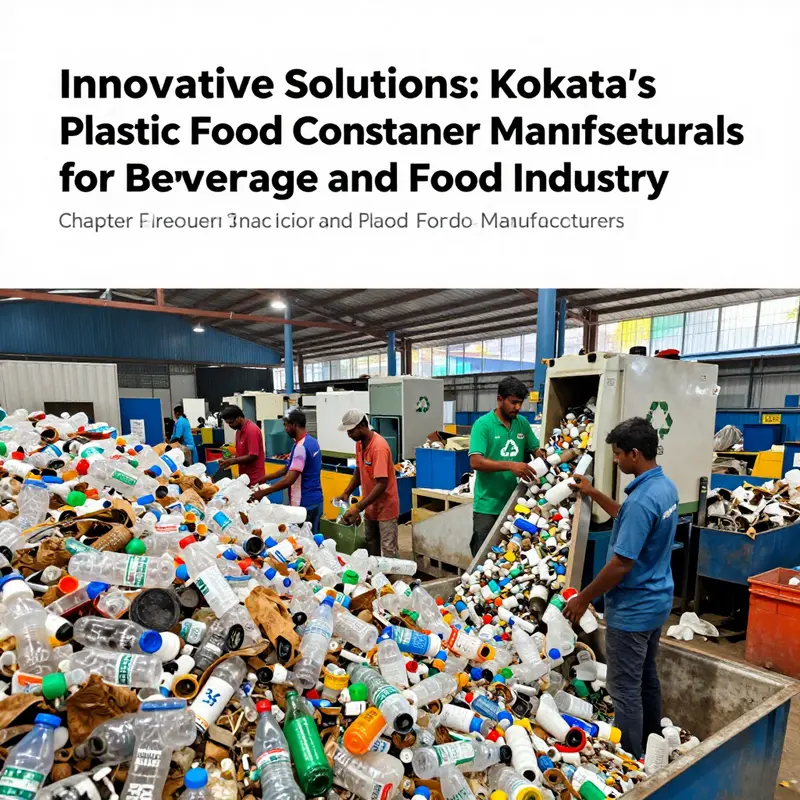
Sustainability has moved from rhetoric to a core performance metric for plastic food container manufacturers in Kolkata. The city, a long-standing plastics hub, is now aligning production with environmental responsibility, shaping material choices, product design, and end-of-life thinking.
The sustainability push rests on three pillars: recycled content, design for reuse and recyclability, and cleaner, more efficient manufacturing processes.
A deliberate shift toward PCR resins and post-consumer scraps supports a circular economy while maintaining food safety and heat resistance. Manufacturers validate performance under heat, implement contamination controls, and ensure traceability of recycled feeds across production batches.
Design for reuse and recyclability emphasizes polymers such as polypropylene (PP) and engineered plastics like Tritan for heat resistance and durability. Containers are designed for repeated washing, secure sealing, easy stacking, and clear visibility of contents to minimize waste and encourage responsible use.
Cleaner manufacturing involves innovations in molding and handling to reduce energy use and scrap. Closed-loop cooling, optimized mold designs, and automation contribute to higher yields without compromising safety or quality, while scrap is redirected into new resin streams through cross‑industry collaboration.
Certification and regulatory alignment underpin buyer confidence. Food-contact safety standards, barrier properties, and supplier governance are part of a robust quality assurance framework that communicates reliability and lifecycle stewardship to retailers and consumers.
The market impact is a more resilient packaging ecosystem in Kolkata, where recycled-content goals, durable design, and efficient production work in concert to deliver safe, affordable, and environmentally responsible containers for everyday use.
Final thoughts
Understanding the plastic food container manufacturing landscape in Kolkata reveals a dynamic and essential industry for food and beverage providers. With advanced manufacturing techniques and a commitment to sustainability, local manufacturers are not only meeting the growing demand for reliable packaging solutions but also adapting to critical market trends that favor eco-friendly practices. The economic benefits extend beyond just production; they foster job creation and contribute positively to Kolkata’s industrial growth. As businesses in the food and beverage sector evolve, partnering with these manufacturers means choosing quality, compliance, and sustainability, ensuring a greener future for the industry.