
Introduction
In today’s fast-paced world, the importance of food packaging cannot be overstated, especially for businesses in the beverage and food industry. Whether you are a trendy bubble tea shop, a bustling restaurant, or a mobile food truck, effective packaging is key to attracting customers and enhancing their experience. With the rise of takeout and delivery services, the role of packaging has evolved beyond protection and is now a vital component of branding and customer satisfaction.
With so many options available, from stylish paper cups to durable plastic containers, selecting the right packaging can help you stand out in a crowded market. When customers take a sip from your beautifully packaged bubble tea or unwrap a meal presented in eco-friendly packaging, they are not just consuming food – they are engaging with your brand on a deeper level. This connection can lead to repeat business and increased brand loyalty, which are crucial for success in a competitive landscape.
Furthermore, as environmental concerns grow, your choice of packaging can convey your commitment to sustainability, attracting eco-conscious consumers. By partnering with reliable suppliers like Cofe Cup who offer a variety of packaging options, you ensure quality while enhancing your brand image. Don’t underestimate the power of food packaging – it’s not just a necessity, but an opportunity to showcase your brand’s identity and commitment to excellence!
Key Benefits of Using Plastic Food Container Packaging
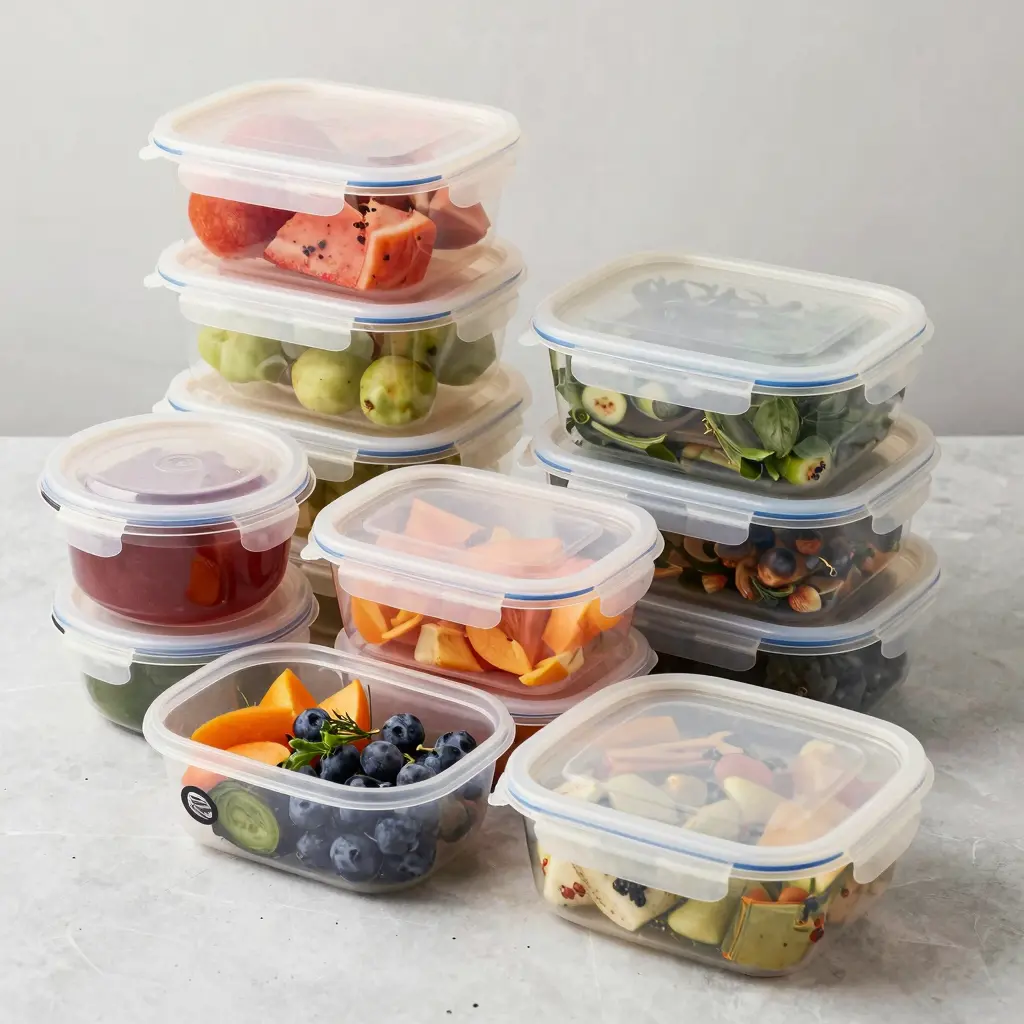
Plastic food container packaging offers several advantages, making it an ideal choice for food trucks, event planners, and catering services. Here are the top benefits to consider:
1. Safety and Hygiene
Plastic food containers are made from food-grade materials that adhere to strict safety regulations. They provide optimal hygiene by protecting food from contaminants and external elements. This is particularly vital for food trucks and event planners where cleanliness is crucial.
2. Durability and Versatility
These containers are designed to withstand various conditions, from extreme temperatures to physical impacts. Their robustness ensures that food stays intact during transport and serving, making them suitable for hot and cold food items. Food trucks, which often operate in dynamic environments, benefit from their sturdy nature.
3. Lightweight and Cost-Effective
Plastic containers are lightweight, which reduces shipping costs and makes them easier to handle. They are also available at a lower price point than many alternatives, allowing catering services to maintain profit margins without compromising quality. Learn more about affordable packaging options.
4. Eco-Friendliness and Sustainability
Recent innovations in the packaging industry have led to the creation of eco-friendly plastic containers made from biodegradable materials. This sustainability aspect appeals to environmentally conscious customers, a growing demographic for food trucks and events. For example, containers made from PLA (polylactic acid) offer a biodegradable alternative that doesn’t compromise on functionality. Explore green packaging solutions for your needs.
5. Customizability
Plastic containers can be easily customized in shape and size, allowing brands to stand out. Custom branding options can enhance marketing and promote a unique business image, essential for food trucks and catering services looking to attract more customers.
In summary, the benefits of using plastic food container packaging are significant for food trucks and event planners. Their safety, durability, cost-effectiveness, eco-friendliness, and customizability make them a smart choice for any food service operation. By leveraging these advantages, businesses can better meet customer expectations and enhance their service offerings.
Environmental Impact of Plastic Food Container Packaging
Plastic food container packaging has become an essential part of the food industry, but its environmental impact is a growing concern. Fortunately, recent advancements in eco-friendly practices are making waves in this sector, providing both environmental benefits and enhancing business reputations.
Eco-Friendly Practices Emerging in Food Packaging
- Sustainable Materials: One of the most significant shifts in plastic food packaging has been the rise of sustainable materials.
- Bioplastics: Derived from renewable resources like cornstarch or sugarcane, bioplastics are not only biodegradable but also help in reducing carbon emissions associated with traditional plastics. Companies like Coca-Cola are incorporating bioplastics in their packaging, such as their PlantBottle, which uses up to 30% plant-based material.
- Recycled Plastics: Innovations in reprocessing plastics have led to a growing trend of incorporating recycled content in packaging. Recent studies suggest that brands are now using recycled PET (rPET) in their containers, with projections indicating that over 30% of major food brands will switch to packaging containing recycled material by 2027. This not only mitigates waste but also reduces reliance on virgin plastic production.
-
Design for Recycling: Implementing design-for-recycling principles ensures that containers can be easily sorted and processed in municipal recycling systems. The Sustainable Packaging Coalition reports that packaging designed with recycling in mind can improve recycling rates significantly.
-
Composting Innovations: The development of fully compostable materials like polylactic acid (PLA) is another significant step forward. These materials can break down in industrial composting facilities within months, leaving no harmful microplastics behind. Restaurants and food trucks adopting these packaging types can offer choices that protect the environment while demonstrating social responsibility.
Business Benefits
Adopting eco-friendly packaging practices not only helps the environment but also enhances business reputation.
- Consumer Preference: A 2026 McKinsey study highlights that over half of consumers consider environmental impact a vital factor in their purchasing decisions. By utilizing sustainable packaging, businesses can attract eco-conscious customers and foster loyalty.
- Compliance with Regulations: With regulations around packaging becoming stricter, such as the EU’s mandate for at least 30% recycled content in plastic packaging by 2030, companies investing in sustainable solutions align with expected compliance, avoiding potential legal hurdles.
- Enhanced Brand Image: Companies making a clear commitment to sustainability can bolster their brand image, presenting themselves as leaders in the industry. This can translate into positive media coverage and increased customer trust.
In conclusion, the shift towards eco-friendly practices in plastic food container packaging is a necessary evolution for the food industry. By investing in sustainable materials and design approaches, businesses not only mitigate their environmental impact but also position themselves favorably in a competitive market. For more insights into sustainable packaging options, check out our packaging solutions that support eco-friendly practices.
Comparison of Different Types of Plastic Food Containers
Here is a detailed comparison of various plastic food containers suitable for bubble tea shops and restaurants. This table highlights the advantages, limitations, and best use cases for each type of plastic food container.
| Plastic Type | Advantages | Limitations | Best Use Cases for Bubble Tea Shops and Restaurants |
|---|---|---|---|
| PET (Polyethylene Terephthalate) | Excellent clarity and transparency; lightweight and shatter-resistant; strong moisture and gas barrier; highly recyclable (#1); ideal for carbonated beverages and single-use containers. | Not suitable for high-temperature applications; designed primarily for single use; potential for chemical leaching if exposed to heat or prolonged storage. | Bubble tea hard cups (standard size, 16-24 oz); water and soda bottles; short-term food storage; retail packaging for ready-to-drink teas. |
| PP (Polypropylene) | Heat-resistant (microwave-safe up to ~160°C); durable and flexible; good chemical resistance; recyclable (#5); safe for hot foods and liquids. | Can become brittle over time with repeated heating; may have a slight odor when new. | Hot-filled tea bottles; microwave-safe meal containers; reusable or semi-reusable bubble tea cups; takeout containers for hot soups or meals. |
| HDPE (High-Density Polyethylene) | High impact and chemical resistance; opaque appearance resists UV degradation; microwave and dishwasher safe (depending on design); BPA-free and food-safe; highly recyclable (#2). | Less transparent than PET; stiffer texture limits flexibility in design; can become brittle in extreme cold. | Milk jugs, juice bottles, yogurt tubs; durable takeaway containers for thick or chunky boba drinks; storage containers for toppings or ingredients. |
| LDPE (Low-Density Polyethylene) | Flexible and soft; excellent sealability; resistant to moisture and chemicals; low cost; recyclable (#4). | Lower strength and rigidity compared to HDPE; not ideal for structural support; limited heat resistance. | Food wrap films; flexible lids for bubble tea cups; lining for paperboard containers; secondary packaging for boba drink sets. |
| PVC (Polyvinyl Chloride) | Versatile-can be made rigid or flexible; historically used in cling wraps and food films. | Declining use due to health concerns; potential for harmful additives (e.g., phthalates); not recommended for food contact in many regions; non-recyclable in most systems. | Not recommended for use in modern bubble tea shops or restaurants due to safety and regulatory concerns. |
Source: Understanding Food Container Plastics
For more options, visit our packaging printing section.
Safety Standards for Plastic Food Container Packaging
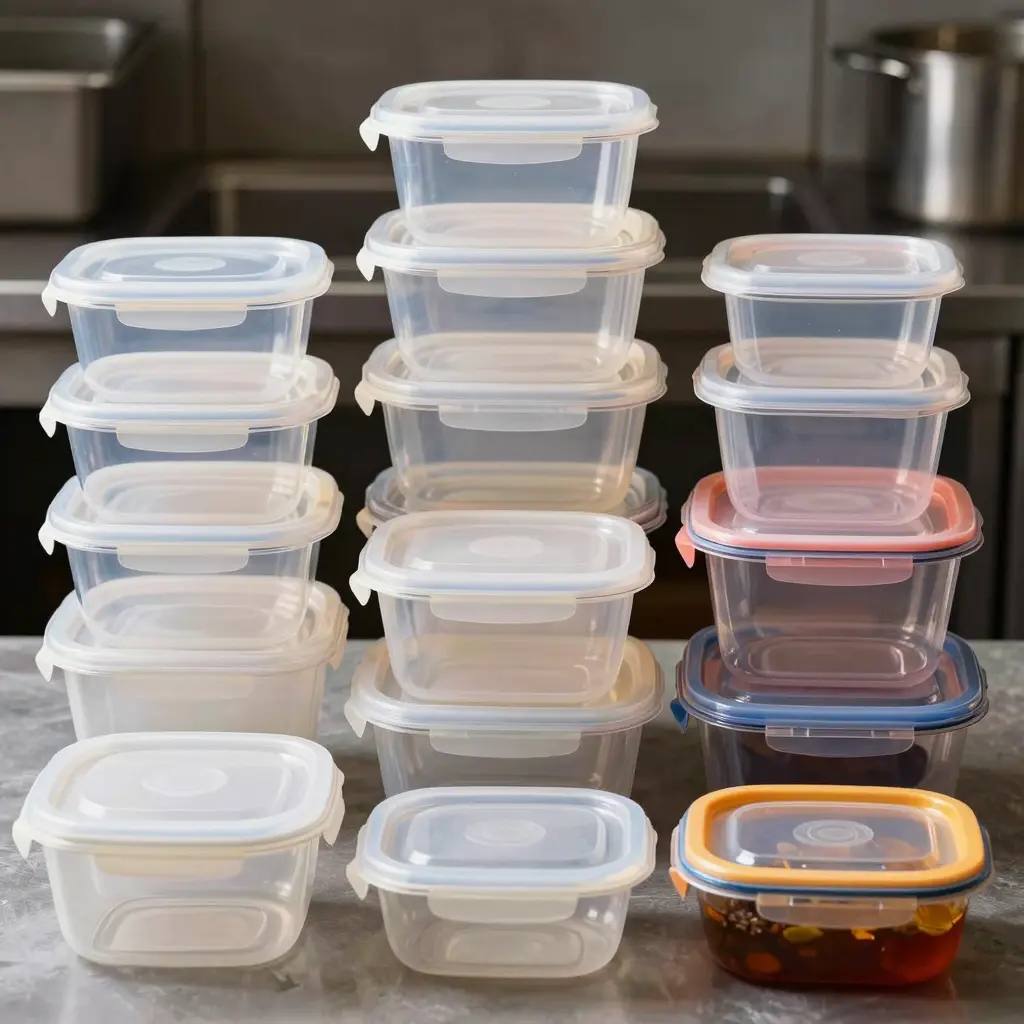
When it comes to plastic food container packaging, ensuring safety and compliance with industry standards is of utmost importance. These standards not only protect consumers but also maintain the integrity of the food being packaged. Here’s an overview of the key safety standards and certifications that plastic food containers must meet:
1. FDA Regulations
In the United States, the Food and Drug Administration (FDA) oversees the safety of materials used in food contact applications. Containers made from plastic must comply with the Code of Federal Regulations (CFR) Title 21, which outlines the requirements concerning materials, substances, and how they interact with food. For example, plastics such as polypropylene (PP) need to meet specifications regarding the migration of substances into food. To learn more about these regulations, visit the FDA’s guidelines.
2. European Union Regulations
In the European Union, food contact materials are regulated under Regulation (EC) No. 1935/2004. This regulation emphasizes that materials must not transfer constituents to food in quantities that could endanger human health. Additionally, EU Directive 10/2011 specifies specific limits for over 1,000 substances that may migrate into food.
3. Compliance Testing
Plastic food containers often undergo various compliance tests to validate their safety. These tests include:
- Migration Testing: Ensuring that harmful substances do not leach into food. Standards such as GB 4806.7-2023 in China require tests under specific conditions simulating food contact.
- Heavy Metal Testing: Assessments to ensure trace amounts of heavy metals, like lead, are within permissible limits (often ≤1 mg/kg).
4. Certifications
Manufacturers often obtain certifications from third-party organizations such as SGS or Intertek to validate their adherence to safety standards. These certifications not only build trust with consumers but also serve as a requirement for many retailers and distributors. Companies must be transparent about their sourcing, production, and testing processes to guarantee compliance. To explore more about food-safe packaging options, check out our product offerings.
5. Sustainable Practices
With increasing awareness of environmental sustainability, many manufacturers are adopting practices that ensure their packaging meets both safety and eco-friendly standards. Using recycled plastics, however, requires careful consideration to minimize contamination risks. The FDA has specific guidelines as to how recycled content can safely be used in food packaging.
Conclusion
Understanding these safety standards and certifications is essential for bubble tea shops, restaurants, food trucks, and other suppliers in the food industry. By ensuring compliance with these regulations, businesses can assure their customers of the safety and quality of their food packaging. For more details on food-grade containers, visit our packaging options.
Practicing diligence in selecting compliant plastic food containers will not only enhance your brand’s reputation but also contribute positively to customer satisfaction and safety.
“When you choose reputable brands with clear labeling and use them according to manufacturer guidelines-avoiding heat and harsh detergents-you minimize risks. These containers are durable, lightweight, and prevent food contamination, which is especially important for leftovers and meal prep.”
- Dr. Emily Chen, Food Safety Scientist, University of California, Davis
For more on quality food storage options, check out our packaging solutions.
User Adoption Trends for Reusable vs. Disposable Containers
The growing awareness of environmental issues associated with single-use packaging has led to a significant interest in reusable containers. A recent report by the Ellen MacArthur Foundation highlights a noticeable gap between consumer intention and actual behavior regarding reusable packaging systems.
Key Insights from 2023:
- 85% of consumers express a desire to buy products in reusable packaging.
- However, only 16% currently engage with reusable packaging systems.
This data clearly reflects the need for improved infrastructure, convenience, and design in reusable options to bridge this gap.
Visual Representation
Below is a chart that demonstrates the disparity between consumer desire for reusable containers and their actual engagement with these systems:
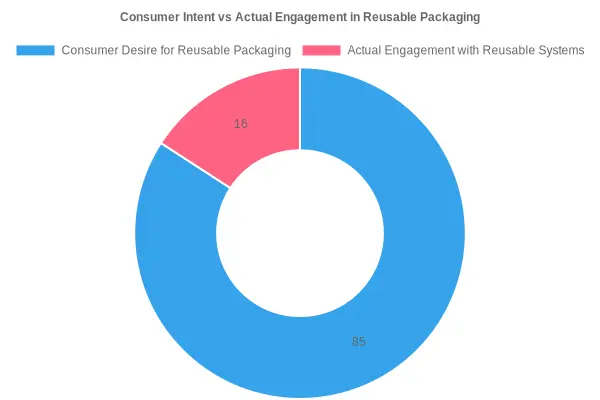
Consumer Intent vs Actual Engagement in Reusable Packaging
Additionally, systemic support, such as workplace initiatives offering easy access to reusable options, can increase usage rates significantly. To delve deeper into our available packaging solutions, check out our packaging printing options or explore our disposable tableware offerings.
Conclusion
Choosing reliable disposable tableware and packaging solutions is essential for food businesses looking to enhance their operational efficiency and customer satisfaction. These products offer numerous advantages, such as reduced labor costs through the elimination of cleaning and sanitizing reusable items. This translates to faster service times which is crucial in high-volume settings, particularly for bubble tea shops and restaurants that specialize in takeout and delivery options. Furthermore, investing in high-quality disposable packaging minimizes risks of food contamination and helps preserve the integrity of the food during transport, thus ensuring compliance with health and safety regulations.
Additionally, modern disposable solutions are increasingly available in sustainable materials that resonate with environmentally conscious consumers. By selecting eco-friendly products, food businesses can significantly enhance their brand image, attract new customers, and retain existing ones who value sustainability. This alignment with consumer expectations not only supports corporate social responsibility initiatives but also positions companies favorably within competitive markets.
In summary, embracing reliable disposable packaging can lead to improved operational practices, enhanced customer experiences, and a positive brand reputation. If you’re interested in learning more about your options and obtaining tailored quotes that cater to your specific needs, don’t hesitate to contact us today. Let’s work together to elevate your business with the best packaging solutions available!
Choose the Right Packaging Solutions for Your Business
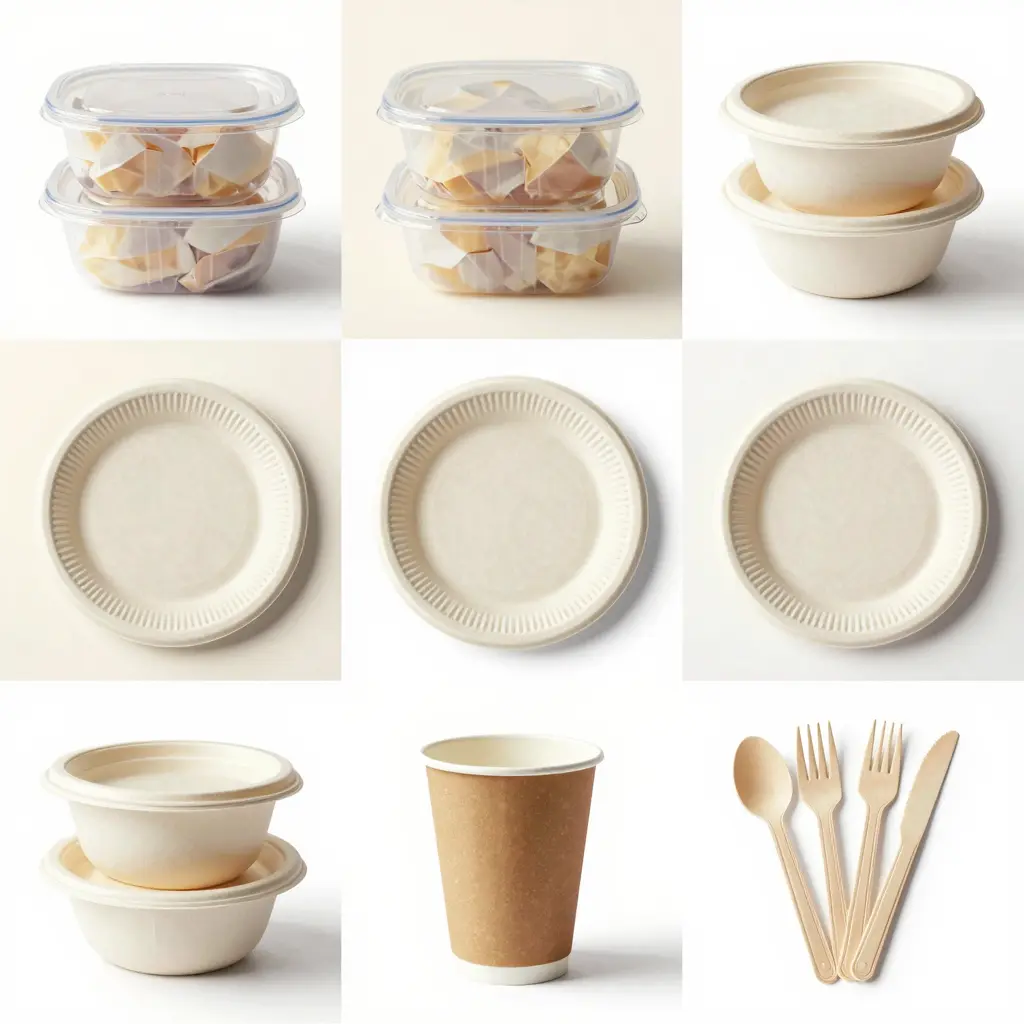
When it comes to serving delicious food and beverages, having the right packaging is just as crucial as the flavor itself! At Cofe-Cup, we understand that every beverage shop, restaurant, or catering service needs packaging solutions that not only preserve the quality of their products but also enhance the customer experience.
Imagine being able to offer your bubble tea, fresh juices, or gourmet meals in customizable plastic food containers that reflect your brand and resonate with your customers. Our packaging solutions come in a variety of styles, enabling you to find the perfect match for your aesthetic and practical needs.
Fast Delivery and Flexible Options
What sets us apart? We pride ourselves on fast delivery – getting your packaging to you quickly means you can focus on what you do best: serving your customers! Plus, our flexible options ensure that you can choose the specific products that fit your needs, whether you are a food truck looking for portable packaging or a restaurant seeking eco-friendly choices.
Ready to elevate your brand with outstanding packaging?
Browse our wide selection of packaging printing solutions and discover how our high-quality materials can help showcase your delicious offerings while keeping them fresh! Don’t let subpar packaging detract from your stellar services – choose our tailored solutions today and make a lasting impression!
For more options, check out our range of disposable drinkware and stay ahead of the competition! Let’s create something amazing together!