
Plastic food containers are essential for various sectors including bubble tea shops, restaurants, and catering services. Understanding what these containers are made of is vital for ensuring food safety and sustainability. This article will delve into the chemical composition of plastics used in food containers, examining their physical properties, addressing environmental implications, and exploring recycling options to help your business make informed packaging choices.
Chemistry at the Table: The Hidden Polymer Architecture Behind Food Containers
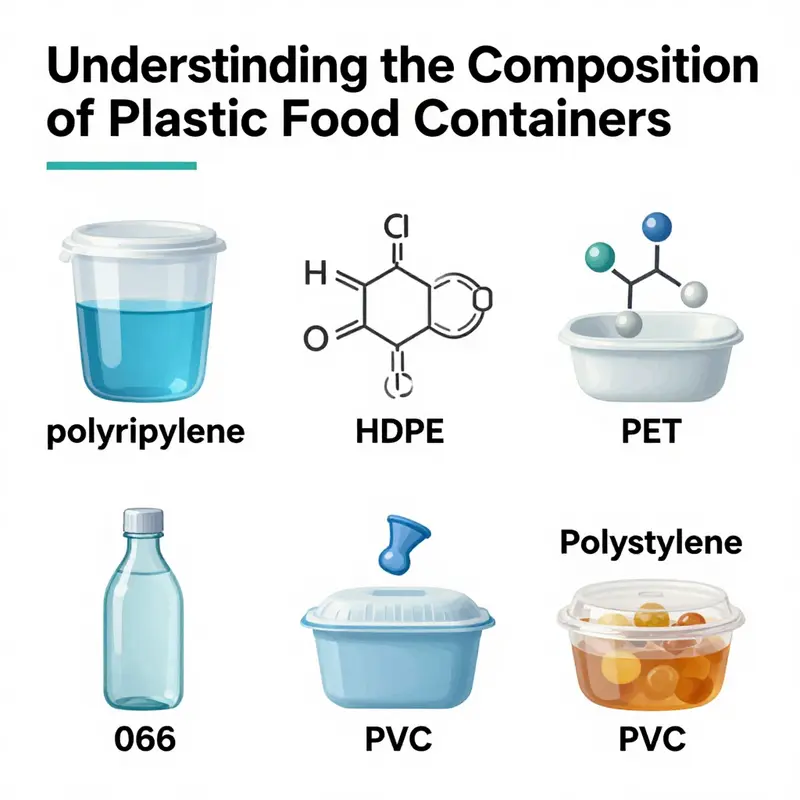
When we study the everyday containers that cradle our meals, we are looking at a story written in molecules, not just molded plastic. The chapter of a plastic food container begins long before the box is filled; it starts with the choice of resin, an arrangement of long polymer chains that governs how the container behaves in heat, in oil, in cold, and in contact with plain or fatty foods. The chemistry matters because it determines whether a container can safely hold a hot curry, or a cold salad, or a sauce that clings to the sides during transport. It guides whether the container can be reused, or should be recycled after a single use. In the realm of food contact, the material choices are a careful balance of safety, performance, and practicality, a balance that is enshrined in standards and tested through countless days of use in kitchens and homes around the world.
At the core of most plastic food containers you will find one of a few key thermoplastic resins. Each resin has a distinctive chemistry that translates into specific properties—heat resistance, barrier performance against moisture and gases, mechanical toughness, clarity, and chemical inertness—that suit particular tasks in food storage and handling. The most common members of this family include Polyethylene Terephthalate (PET or PETE), Polypropylene (PP), High-Density Polyethylene (HDPE), Polyethylene (PE), and Polystyrene (PS). A smaller but notable concern is Polyvinyl Chloride (PVC), which has largely fallen out of favor for direct food contact due to safety concerns. In many consumer conversations, these materials are identified by a number and a three-letter code on the container, which is a quick fingerprint of the resin type and its intended use. The codes and the properties they encode are not random; they reflect the chemistry that makes the difference between a container that can be reheated in a microwave and one that should never be heated in a conventional oven.
PET is among the most familiar plastics in food packaging. It is prized for its clarity and its barrier properties. When you see a bottle or a salad clamshell, the transparency of PET is often what makes the product appealing. PET resists moisture and gas transmission well enough to keep beverages and fresh foods stable during short-term storage. However, PET’s heat tolerance is modest. In practical terms, PET containers are generally designed for cold to mildly warm storage and are not suited for high-heat applications or repeated heating. The chemical stability that makes PET a good barrier also means that under heating it can become less stable and, in some contexts, may release substances if subjected to inappropriate conditions. This is why PET is typically marketed for single-use or very brief reuse scenarios and why many guidelines recommend avoiding heating PET containers directly in microwaves or ovens.
PP occupies a different niche. Polypropylene is celebrated for its higher heat resistance, often tolerating temperatures up to roughly 130°C (266°F). This makes PP a preferred choice for microwave-safe containers and for meal boxes that are intended to be reheated. The polymer’s toughness and chemical resistance contribute to a useful life in daily kitchens: it can stand up to repeated cycles of washing, handling oils and fatty foods, and occasional impacts during transport. PP’s anti-oil and seepage properties derive from its crystalline structure and the way its chains pack together, limiting permeation by fats and liquids and helping to maintain the integrity of the food’s sensory qualities. In standards regimes, PP is frequently cited as a primary material for compliant food containers, with explicit labeling to communicate the maximum safe use temperature. In short, PP is often the practical backbone of reusable, microwave-friendly containers that families and meal-prep routines rely on.
HDPE brings strength, stiffness, and chemical resistance to the table. This resin is widely used for milk jugs, detergent bottles, and a variety of rigid food storage containers. Its performance profile makes it robust for everyday handling and for foods that require some protection against leaks and chemical migration. Yet HDPE’s heat tolerance is lower than PP’s, and it is not generally the first choice for microwave heating. The stability of HDPE under normal grocery-store shelf conditions is a practical advantage, yet when heat becomes a factor—whether in a microwave or a hot day on the curb—PP often takes the lead. The use of HDPE in food contact remains widespread, particularly for long-term storage where the container will not be subjected to high temperatures.
PS, or polystyrene, has long been used in disposable takeout boxes and some salad containers. Its light weight and injective insulation make PS a convenient option for short-term use and for containers that need a bit of heat resistance without becoming heavy. However, PS has a relatively low heat tolerance, and heating PS can raise concerns about the release of certain byproducts. Styrene monomer and related compounds have been topics of safety scrutiny when PS is heated, which is why many guidelines caution against microwaving PS containers and often advise against reusing them for hot foods. In many regulatory frameworks, PS is considered less suitable for direct contact with heated, fatty foods over extended periods, explaining why alternatives such as PP and PET are often recommended for hot or fat-rich items.
PVC, at one time encountered in some food wraps and flexible films, now faces tighter restrictions. The health concerns around plasticizers such as phthalates and the potential for leaching into food have reduced PVC’s role in direct food contact. In many regions, the use of PVC in packaging destined for contact with food is either restricted or banned. This is not simply a conclusion drawn from taste or odor—it reflects the fundamental chemistry of additives and monomers and their behavior under conditions of contact with fatty, warm foods. The chemical safety considerations around PVC underscore a broader point: not all resins are interchangeable, and how a polymer interacts with a given food matrix depends on a combination of chemistry, processing, and the design of the container.
If you begin to connect these properties to the real-world choices shoppers see on shelves, you start to understand why certain containers are described as microwave-safe, while others are meant for cold storage or simple refrigeration. The material’s classification, often with a resin ID code and temperature guidance, is a concise summary of how the container was engineered to behave in the kitchen. But the stories told by these numbers go deeper when safety standards come into play. The Chinese national standard GB4806.7-2023, for example, mandates that all plastic food containers must not release harmful substances under expected conditions and must have their maximum use temperature clearly marked. This is not merely a labeling convention; it is a reflection of the chemistry’s consequences for health. When the temperature rises or when the fatty content of a food interacts with a resin that hasn’t been designed to handle it, there is a real risk that additives or breakdown products could migrate into the food.
Research consistently highlights the dangers associated with substandard or non-food-grade plastics. Additives like phthalates and bisphenols can pose endocrine disruption risks, especially with hot, fatty foods where migration is more likely to occur. BPA, for instance, has been the focus of extensive scrutiny in the last decades, and many manufacturers have shifted away from BPA-containing formulations in consumer packaging. The conversation around safety is not just about one chemical in isolation; it is about the entire matrix of additives, residual monomers from processing, and potential contaminants from recycled streams. Recycled plastics, in particular, can carry the baggage of previous uses, which may include heavy metals or bacterial contaminants if not properly processed. The chemistry, then, becomes a governance issue as much as a materials issue: how to ensure that what is in contact with food remains at safe levels across a product’s life cycle.
In terms of what is approved for direct food contact, the picture narrows to food-grade resins that have been vetted for stability and migration under typical use conditions. The core trio—PP, PE, and PET—are the most commonly approved for direct food contact in many regulatory environments, with clear guidance on temperature, reuse, and cleaning. The emphasis is not only on what a resin is capable of achieving in the abstract but on how it performs in the real environment of a kitchen: exposure to heat, oil, high-fat sauces, and repeated washing. The science behind these decisions looks at barrier properties, where PET’s moisture and gas barrier might protect a salad from rapid spoilage, or PP’s heat resistance might make it a safer choice for reheated meals. It is this fusion of chemistry, engineering, and safety that converts a simple container into a trustworthy ally in food handling.
From a consumer perspective, it helps to read the container’s guidance and to understand that the resin code is a shorthand for a myriad of potential behaviors. A container marked with PET is likely intended for cold storage and short-term storage; it is not a guarantee of heat tolerance. A PP-marked container, particularly when a microwave-safe symbol or explicit maximum temperature is indicated, signals a tool designed to withstand heat and repeated use. HDPE offers robustness for cold-to-warm storage scenarios, but the presence of oil-rich foods or higher heat may call for alternatives depending on the exact formulation and design. PS provides insulation and lightness for certain takeout applications, but heat exposure is a red flag in terms of safety, and many nutrition-focused guidance documents discourage its use for hot foods.
The overarching message from this chemistry-rich landscape is practical and cautious: choose materials with proven, tested safety profiles for the intended use, respect the stated maximum temperatures, and be mindful that recycled streams may carry more variability. The conversation about plastic in food packaging is not only about immediate convenience. It also touches on long-term health considerations, environmental stewardship, and the evolving landscape of regulatory expectations. As researchers and manufacturers refine resin systems and processing, the available options become more nuanced, even as fundamental principles—heat stability, barrier performance, and chemical inertness—remain the compass by which packaging decisions are guided.
For readers who want a glimpse beyond the chemistry to a broader packaging conversation, consider non-plastic options and the trade-offs between convenience, safety, and sustainability. The discussion about resins is not an alarm about plastics but a call to understand how chemistry translates into reliable performance in the kitchen. It invites readers to recognize that every container is a small engineered system, designed to manage heat, protect flavor, and safeguard health while balancing cost, recyclability, and user behavior. In this sense, the chapter on chemical composition is really a chapter about how science quietly sits beside our meals, shaping the containers that carry them and, by extension, our daily routines. For readers seeking more on packaging alternatives and the decisions that go into selecting safe materials, this internal resource provides a relevant starting point: senang07-eco-friendly-printed-logo-buy-paper-cup-take-away-coffee-cup. Access it here: senang07-eco-friendly-printed-logo-buy-paper-cup-take-away-coffee-cup.
External resource: https://www.ncbi.nlm.nih.gov/pmc/articles/PMC10595624/
The Shape of Safety: How the Physical Make-up of Plastic Food Containers Governs What Reaches Your Plate
The journey from plastic resin to a ready-to-eat meal involves more than color, texture, or branding. It begins with the physical properties of the container, the invisible gatekeepers that determine whether a container will protect its contents or contribute unwanted substances to the food it cradles. In the laboratory of everyday use, the most consequential properties are those tied to composition, thermal stability, mechanical strength, and barrier performance. Together, these attributes shape safety in practical, real-world contexts. They influence what kinds of foods a container can safely hold, how long it can hold them, and how reliably it will do so under the stresses of storage, transport, and microwave reheating. When we speak of plastic food containers, the conversation naturally turns to polymers such as polypropylene (PP), high-density polyethylene (HDPE), polyethylene terephthalate (PET), polystyrene (PS), and occasionally PVC. Each material brings a distinct profile of advantages and caveats that must align with the intended use. PP, for example, is celebrated for heat tolerance and toughness. It can endure higher temperatures without deforming, which makes it a preferred choice for containers designed for reheating or hot foods. HDPE, sturdy and chemically resistant, lends itself to durable storage that can withstand a range of conditions, though its heat tolerance is generally lower than PP. PET offers lightness and shatter resistance, but its heat tolerance is limited, which is why it is less favored for heating applications. PS provides excellent insulation and rigidity, yet its low heat resistance and potential for styrene migration under high temperatures raise safety concerns for use with hot or fatty foods. PVC, although once common in packaging, carries health concerns and regulatory restrictions in many jurisdictions, primarily due to plasticizers and residual monomers. These material distinctions are not just about performance; they are about what can safely touch what we eat and under what conditions. The FEHD study conducted in Hong Kong, which evaluated several plastic materials for their migration behavior under various conditions, offers a concrete snapshot of how these physical properties translate into safety outcomes. The key finding was reassuring in many respects: most tested materials met overall migration limits under the tested scenarios, signaling that contemporary manufacturing processes can, in many cases, keep harmful substances within regulatory bounds. Yet the study also carried a caution. Under extreme conditions designed to simulate fatty foods heated to 120°C, one sample from the PS family exceeded the migration limit. The implication is explicit: thermal stability is a non-negotiable driver of safety. When a material’s structure begins to fail or relax under heat, the barrier it provides to chemicals can falter, enabling migrated substances to approach or exceed permissible levels. This insight is not merely about choosing a heat-resistant polymer for hot meals; it is about understanding that a container’s reactions to heat are bound up with both its chemistry and its microstructure. In practical terms, makers must ensure that the polymer’s glass transition temperature, melting point, and any additives or fillers do not undermine safety when subjected to the temperatures that real meals will encounter. The FEHD findings align with a broader regulatory framework that emphasizes not only the chemical composition of the polymer but also its physical integrity as it endures the rigors of its intended life cycle. The Chinese standard GB/T 5737-1995, which has guided many packaging manufacturers, sharpens this focus on physical performance. It prescribes a battery of tests designed to mimic real-world handling, from stacking and anti-slip testing to drop tests at ambient and low temperatures. One particularly telling requirement is that the bottom of containers must support a 15-kilogram load for at least 15 minutes without significant deformation. This criterion sounds straightforward, but it encapsulates a core safety principle: a container must stay intact from the moment it leaves the production line through to the moment it reaches a consumer’s table. A compromised container can leak, spill, or fail to protect its contents against external contaminants, any of which would undermine safety in unexpected ways. The physical properties undergird not only safety from chemical migration but also protection against physical contamination and product quality. The barrier properties—the ability to resist the passage of chemicals, heavy metals, and residual monomers—stand at the heart of this protection. In the FEHD study, barrier performance was assessed alongside chemical migration, and the results were broadly reassuring: all samples met safety standards for heavy metals and residual styrene monomers. The takeaway is nuanced, however. Safety is a tapestry, not a single thread. While current practices manage detected risks effectively, there is a growing awareness of microplastics and the potential for physical degradation of plastics over time to release microplastic particles into food. Even when chemical migration stays within limits, gradual fragmentation of the container material could, over the course of repeated use or under stress, release minuscule particles that may be ingested. This emerging dimension—microplastics—helps explain why ongoing vigilance is essential. It is not enough to test for immediate chemical migration; investigators and regulators are increasingly asking what happens to a material under the long arc of ordinary use, including repeated heating and mechanical wear. In this sense, the physical properties of containers are not static; they are dynamic traits that interact with usage patterns. The tension between durability and safety becomes most visible when we consider which polymers are chosen for different food scenarios. PP’s heat resistance makes it well suited to microwaveable or hot foods, aligning its physical profile with the needs of reheated meals. PS, with its rigidity and insulation, has historically offered useful properties for takeout packaging, but its comparatively low heat tolerance and propensity for styrene migration under higher temperatures raise concerns about heating fats and oils. HDPE’s strength and chemical resistance support durable storage and resistance to leaching of many additives, but it does not always align with the higher heat demanded by reheating scenarios. PET’s lightness and clarity are advantageous for packaging that emphasizes product visibility, yet its heat tolerance constrains its suitability for heating. PVC’s legacy in some packaging routes is increasingly constrained by health concerns about additives such as plasticizers and potential leaching. These material characteristics—how the polymer behaves at room temperature, how it responds to heat, how rigid or flexible it is, and how effectively it blocks the migration of substances—collectively shape a container’s safety profile. It is helpful to view these properties not as absolutes but as a balance struck by design choices. A container designer must weigh objective performance data against practical constraints such as cost, manufacturability, transparency, and consumer expectations. The FEHD study’s implication—that most materials perform well within standard testing conditions, while a select subset may fail under stress—highlights the need for continued surveillance and testing under real-use scenarios. In the broad landscape of consumer packaging, the practical takeaway is not that one polymer is categorically safer than another, but that appropriate material selection and rigorous adherence to tested conditions are essential to maintain safety across the lifecycle of a container. The physical properties guide not only what the container can hold, but how it must be used. If a container is designed for hot foods or for microwave reheating, the materials chosen should exhibit robust thermal stability, low potential for monomer or additive migration under heat, and sustained barrier integrity even when the container is handled, stacked, and transported through busy supply chains. If a container is intended for cold or room-temperature storage, barrier performance and chemical compatibility with food components still matter, but the emphasis on heat resistance may be reduced. In all cases, the policy environment and the standards regime matter—standards like GB/T 5737-1995 provide the procedural backbone for evaluating physical performance, while migration testing documents the chemical safeguards. The interplay between physical robustness and chemical safety is not abstract; it directly informs consumer trust. When people microwave leftovers in a container, or when a container sits in a car’s trunk on a hot day, the material’s response becomes a test of safety. If the polymer’s structure begins to soften, crack, or permit greater migration of styrene, heavy metals, or other additives, the food’s safety margin can narrow. It is encouraging that many materials currently perform within regulatory limits under standard tests, yet the cautionary PS example reminds us that testing must reflect the most demanding plausible conditions. As researchers continue to probe the long-term effects of microplastics and particle release, future iterations of standards are likely to incorporate more stringent assessments of physical degradation and particle release. In the meantime, consumers can engage in safer use by following manufacturer guidelines for heating and by avoiding usage outside recommended conditions. They can also stay informed about the materials used in containers and consider choosing designs that emphasize safer polymers for the intended application. The narrative here is not about championing one plastic over another; it is about recognizing that the safety of plastic food containers is inseparable from their physical properties and the contexts in which they are used. When a container is properly matched to its use, and when it is manufactured and tested with rigorous standards in mind, it becomes a reliable ally in safeguarding food. A practical note invites one to visualize the everyday packaging decision as a material science choice wrapped in consumer safety. For instance, consider a take-away rectangle bowl equipped with a PP lid—an embodiment of a design that leverages polypropylene’s heat tolerance while maintaining a user-friendly form. Such a container serves as a tangible reminder that the physical makeup of packaging is not just a matter of stiffness or clarity; it is a chain of safeguards designed to keep food safe from the moment of packaging to the moment it arrives at the dining table. For readers who wish to explore a concrete example of a PP-based take-away container in a real-world product line, you can view a representative example here: rectangle kraft paper salad bowl with PP lid. This connection underscores how material choices translate into practical safety features, from heat resistance to barrier performance to mechanical resilience. In sum, the physical properties of plastic food containers—composition, thermal stability, mechanical strength, and barrier integrity—are not abstract engineering metrics. They are the conduits through which safety materializes in daily life. Standards-setting bodies and researchers have long emphasized that safety comes from a careful alignment of material science with actual use. The Hong Kong FEHD work plus the GB/T 5737-1995 framework illustrate how that alignment operates in practice. While the data reassure us that many common containers meet safety requirements, the evolving landscape of microplastics and long-term exposure signals that continuous refinement of materials, testing, and usage recommendations will remain essential. As manufacturers innovate and regulators respond, the goal remains constant: to ensure that the materials we rely on to hold our meals do not just perform well in the lab but perform safely in the kitchen, on the road, and at home over the long arc of everyday life. External resource: https://www.fda.gov/food/packaging-food-safety
From Crude Oil to Everyday Storage: Tracing the Environmental Footprint of Plastic Food Containers
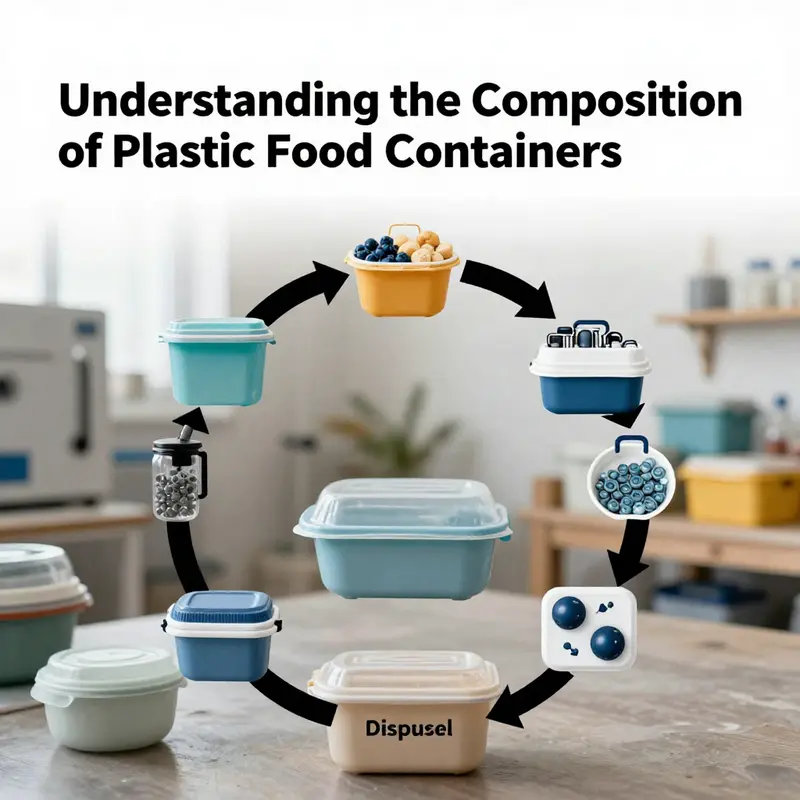
Every time a plastic food container leaves a manufacturer and slides into a pantry or a lunch bag, it carries more than just a simple utility. It embodies a chain of decisions about energy use, raw materials, and waste that reverberates through ecosystems and communities. The production of plastic food containers hinges on fossil fuels, from feedstock extraction to polymer formation, and the energy intensity of shaping, molding, and finishing finished products. At each step, choices about material science, processing methods, and scale ripple outward, shaping emissions, resource use, and environmental risk long after a container has fulfilled its role in preserving, separating, or transporting food. The narrative of these containers begins with the chemistry and energy systems that convert oil and gas into a material molded into countless forms and functions. The materials scientists design polymers to balance heat resistance, mechanical strength, chemical inertness, and safety for food contact; the manufacturing engineers optimize runs through pipelines and furnaces; and the logistics networks push these products to markets around the world. All along, the environment bears the imprint of those decisions, sometimes subtly, sometimes in stark, measurable ways.
The environmental footprint of plastic container production extends beyond the obvious question of carbon dioxide. Life cycle assessments show that packaging for many foods contributes a relatively modest share of total emissions, yet the footprint is multifaceted. The energy required to extract and refine petroleum-based raw materials is substantial. Refineries, cargo transport, and polymerization processes that stitch simple molecules into long chains consume energy, releasing greenhouse gases, consuming water, and generating process wastes. The habitat implications of petroleum extraction—land disturbance, water contamination, and ecosystem fragmentation—are rarely contained within the walls of a factory. Upstream impacts compound downstream realities of end-of-life management, where discarded containers become a source of pollution if not properly managed. Microplastics, formed as fragments break down or shed additives, can reach soils and waterways, potentially entering food webs. In short, the life cycle of a plastic container is a cascade of environmental interactions that demands careful scrutiny from cradle to grave.
The emissions story is nuanced. Plastic packaging may reduce food waste by extending shelf life and protecting quality, but those benefits do not erase the need for responsible production and end-of-life stewardship. A broader view considers energy intensity, water use, and land footprint associated with obtaining, processing, and transporting the materials. The packaging sector faces challenges: the diversity of plastics used for food contact, the varying degrees of recyclability, and geographic disparities in waste management infrastructure. When a container is not recycled, or when its contents contaminate a stream of recyclables, the environmental cost can escalate quickly. These dynamics underscore a central paradox of modern packaging: efficiency in one dimension can be offset by waste and leakage if the system lacks robust circularity, collection, and processing.
A crucial thread is recyclability and the fate of plastic waste. The majority of plastic food containers are not easily recycled in practice, and even among those that are, the rate of recovery is far from universal. Economic incentives, consumer behavior, and the efficiency of sorting facilities determine how much material reenters production cycles. Contamination with food residues, coatings, or multiple polymers in a single item complicates recycling streams and invites downcycling, where a material is repurposed into lower-value products with shorter lifespans. The consequence is a persistent stream of plastic waste that accumulates in landfills or pollutes aquatic environments. The problem is not merely the presence of waste, but the long residence time of plastics in the environment. Decades later, fragments can persist and fragment further, becoming microplastics that travel through soil and water and can be ingested by wildlife and, in some cases, by humans. This reframes our understanding of convenience in modern life: convenience today can translate into longer-term environmental persistence if cradle-to-grave considerations are not integral to design and policy.
Against this backdrop, improvements do emerge, driven by material science, process engineering, and policy incentives. Life cycle assessment studies consistently point to broad avenues for reducing environmental impact. The first is material substitution—choosing polymers and blends that require less energy to produce or that enable higher performance with thinner walls. The second is process optimization, including energy efficiency in polymerization, extrusion, molding, and curing operations, as well as reducing water use and generating fewer process wastes. The third is increasing recycled content, with the idea that recycled content in manufacturing can significantly lower emissions. While specifics differ across materials, the overarching principle is consistent: smarter design, tighter production controls, and higher recycled content can trim environmental burden.
Alongside these improvements, a broader shift toward durability and reuse presents a compelling path. Materials such as aluminum and stainless steel offer long lifespans and robust thermal performance, making them attractive for households and commercial kitchens seeking reusable options. These metals can outlast plastics in repeated use cycles and are often easier to recycle in regions with established metal recycling streams. Their higher embodied energy and cost can be offset by long service life and repeated use, reducing waste generation over time. The practical takeaway is not a blanket rejection of plastics, but a nuanced calculus: where reuse, durability, and end-of-life management align with local infrastructure and consumer behavior, metal or other durable materials can yield lower footprints over multiple cycles.
Policy design and corporate responsibility also shape the trajectory of packaging sustainability. Regulations that encourage recyclability, set targets for recycled content, and limit certain additives can amplify environmental benefits. Manufacturers bear responsibility for transparency in material composition, labeling, and end-of-life pathways. Consumers influence outcomes through purchasing choices, waste sorting, and participation in take-back or recycling programs. The interplay among policy, industry, and consumer action determines how quickly improvements translate into real-world reductions in environmental impact. The environmental narrative of plastic food containers is a social and systemic challenge that requires coordinated efforts across sectors.
In the spirit of connecting production realities with practical alternatives, readers can view examples of eco-friendly packaging and related products that illustrate a shift toward sustainable options, including items designed to minimize environmental impact while maintaining usability. For instance, packaging innovations emphasizing renewable energy in manufacturing, lightweighting strategies, and design for recyclability are part of a portfolio of approaches aimed at reducing emissions without compromising safety or functionality. A broader ecosystem includes disposable, eco-friendly bamboo-based alternatives that complement efforts to reduce plastic waste in daily life. A representative resource highlights bamboo utensils as a case study in renewable materials.
The environmental conversation surrounding plastic food containers also benefits from cross-disciplinary inquiry. Material scientists, environmental engineers, and life cycle researchers emphasize that there is no one-size-fits-all solution. Local waste management capabilities, consumer habits, and industry incentives shape which approaches yield the best outcomes in a given place. Reviews of packaging materials in scientific literature offer a synthesis of trade-offs, highlighting both strengths and limitations under varying conditions. The broader sustainability agenda requires attention to energy sources, end-of-life options, and ecological costs embedded in resource extraction. For readers seeking a deeper dive into sustainable packaging, the literature serves as a rigorous framework for evaluating material choice, manufacturing energy, transportation, and waste management.
As the discussion turns toward practical decision-making, recall that the environmental narrative cannot be decoupled from consumer behavior and supply chain design. Food safety and hygiene remain paramount, and plastics protect perishables and reduce food waste through shelf-life extension. Lightweighting—reducing material use while maintaining performance—emerges as a key tactic. The process by which containers are heated, stored, transported, and eventually recycled or disposed of must be considered as an integrated system. The chapter on production is connected to chapters that come after; factory decisions influence how containers behave in households, how efficiently they are recycled, and how far materials travel through the economy before re-entering production cycles.
Ultimately, the environmental considerations in the production of plastic food containers warrant a nuanced evaluation of trade-offs and opportunities. The materials themselves—PP, HDPE, PET, PS, and PVC—carry distinct properties that influence their suitability for different uses and heat exposures. Yet the sustainability story widens beyond the resin to include energy mix, manufacturing efficiency, end-of-life pathways, and cultural practices around consumption. The most meaningful progress will come from an integrated approach that blends responsible design, cleaner production, and circular waste systems. By foregrounding energy sources, embracing recycling where feasible, and considering alternatives where appropriate, the packaging ecosystem can reduce its environmental footprint while maintaining safety and usability. The landscape of packaging innovations and sustainable design practices continues to evolve, with ongoing reviews and case studies offering guidance for policymakers, industry, and consumers.
What They’re Made Of: The Chemistry Governing Reuse, Recycling, and Real-World Outcomes for Plastic Food Containers
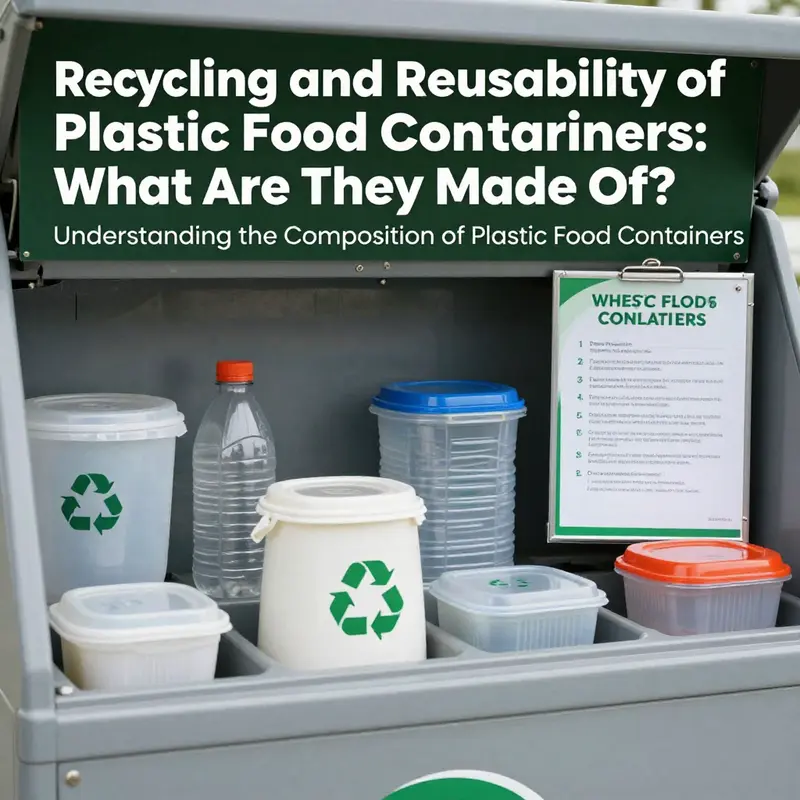
The terms plastic food containers use are not just about convenience; they are about the chemistry that makes a box keep food safe, survive a microwave session, or yield to a recycling stream that is too often imperfect. In exploring what these containers are made of, we move from the bottle-green chemistry of polymers to the everyday choices that determine reuse, risk, and the chances of a circular life for the packaging we frequently rely on. The journey begins with the most common families of thermoplastics and ends with the messy realities of recycling systems, consumer behavior, and policy. It becomes clear that the material itself—its strength, heat tolerance, and potential for contamination—shapes nearly every other consideration, from how we use it to how we dispose of it, to how likely it is to re-enter the economy after its first life ends. In short, the material is not just a backdrop; it is the protagonist in the drama of plastic food containers.
At the core of most plastic food boxes are thermoplastic polymers, a family defined by their ability to soften when heated and harden as they cool, only to be reshaped again. Among these, two polymers dominate the dialogue about food contact, safety, heat, and reuse. Polypropylene, identified by the resin code 5, stands out for its robust behavior under heat. It tolerates temperatures up to about 130°C (266°F), which makes it a trusted option for containers designed to be reheated in microwaves. The resilience of PP is not merely a matter of temperature; it also resists many chemicals, resists cracking under tensional stress, and holds up to repeated use when hand washing or machine washing is careful. For the consumer, that translates to containers that can be opened, filled, and heated multiple times without significant deformation or odor carryover—assuming good cleaning practices.
Another familiar polymer is high-density polyethylene, or HDPE, assigned resin code 2. HDPE is well-known for its stiffness, strength, and chemical resistance, properties that make it a staple for dairy jugs, beverage bottles, and many rigid food storage containers. It is perceived as a safe, durable option for food contact, though its heat tolerance is generally lower than PP’s. For hot-use scenarios like microwaving, HDPE is typically not the recommended choice; it can warp or soften with higher temperatures, which can compromise the seal and, in some cases, the container’s integrity. HDPE’s advantages are still significant; in many households it endures as a workhorse for cold storage and for long-term storage of non-heated foods, prized for its rigidity and long-term resilience to wear and tear.
Beyond PP and HDPE, the landscape of common plastics includes PET (or PETE, resin code 1), widely used for single-use beverage bottles and some packaging, and PS (polystyrene, resin code 6), familiar in various takeout and cold-food containers. PET is light, shatter-resistant, and generally clean for its designed purpose, but heat tolerance remains limited, typically around 70°C (158°F). This constraint makes PET unsuitable for heating or repeated use in hot-food scenarios. PS, celebrated for its insulation and light weight, is frequently found in disposable salad boxes and cold-serve containers. Yet PS carries notable cautions: its heat tolerance is relatively low, around 75°C (167°F), and when heated it can release styrene—a compound tied to health concerns and consumer warnings. PVC (resin code 3), meanwhile, has largely fallen out of favor for food-contact applications due to concerns about plasticizers and potential leaching, leading many regions to restrict its use in packaging.
If we pause here, a key insight emerges: the very properties that make a polymer attractive for a particular food packaging task—heat resistance, stiffness, and chemical inertness—also shape how it behaves at the end of life. A container made from PP may withstand microwaving, but it can still complicate recycling streams if it has been contaminated with fatty or sugary residues. A PS takeout box may provide excellent insulation in cold packaging, yet its low heat tolerance and potential chemical leaching when exposed to heat push it away from reuse scenarios. The practical picture that arises is nuanced: not all plastics are equally suitable for heating, not all plastics are easy to recycle, and a container is rarely a pure polymer in practice. Many boxes are multi-material assemblies, incorporating coatings or adhesives that further complicate sorting and recycling. The material science matters, but so do the decisions people make in kitchens and in the waste stream.
The reusability story is tightly connected to polymer choice. PP’s durability supports repeated use when the product is cared for—cleaned properly and stored away from intense heat that might warp or degrade the polymer. This durability helps to extend a container’s useful life, reducing the need to replace it after a single use. Yet even the most durable plastic must contend with real-world behavior. Reuse hinges not only on a container’s resistance to physical wear but also on consumer habits around cleaning and storage. A polypropylene box that is reused dozens of times only achieves its environmental benefit if it is washed and dried between uses and if it is kept free from contaminants that might degrade the polymer’s integrity or cause odor migration between cycles. In contrast, PS-based packaging, though inexpensive and light, tends to be less forgiving of repeated heating cycles. Its insulation value is valuable in some cold-to-warm transitions, but its relatively soft structure under higher heat and its propensity to deform can shorten its effective life in a reusable context.
From the recycling standpoint, the conversation becomes more complex. The 2023 pilot recycling project in Beijing shed light on a practical truth that has resonated globally: PP, despite its favorable properties, is not automatically leading a large-scale recycling revolution. The project identified PP as a primary component with relatively high recycling value, yet the overall rate of large-scale recycling for takeout containers remained stubbornly low—around 5%. This chiffre is not a claim about technical feasibility alone; it is a window into the failures of separation, collection, and sorting systems, the friction in consumer behavior, and the governance structures that shape waste infrastructure. It is a reminder that the chemistry inside a container cannot, by itself, guarantee a closed-loop life. The box life is also determined by how systems are organized to collect and reprocess plastics after use, how easily the packaging can be sorted by resin type, and how contamination is prevented during the recycling stream. In a world where disposable packaging continues to dominate, the interplay between chemistry and systems becomes the hinge on which environmental outcomes swing.
The broader market reality as of 2024 added another layer of context. Predictions indicated an enormous scale of disposable containers in China, with an expected sales volume around 84.9 billion, and plastics constituting more than 60% of that total. This market momentum underscores why the material choices in plastic containers have outsized consequences for waste streams and for policy levers aimed at reducing environmental footprints. At the same time, a clear trend toward biodegradable or compostable alternatives began to appear in policy discussions and investor dialogues. The allure of plant-based fibers, bagasse, and other alternatives offers a potential path to reducing plastic volumes, but it also raises questions about performance, composting infrastructure, and the realities of end-of-life handling. The tension between convenience and sustainability remains acute as manufacturers and policymakers experiment with what to replace and how.
If we step back from the polymers and look at the recycling challenges through a more grounded lens, several recurring obstacles emerge. Mixed materials stand out as a central obstacle. A container may be principally PP, yet the presence of inner coatings, colorants, or thin adhesive layers used to join components can render it non-recyclable in many streams. Labels and symbols, meant to guide sorting, often fail to provide precise, actionable information for waste processors. When a container is contaminated with heavy soiling or fatty residues, it becomes even more unlikely to re-enter a high-quality recycling loop. The practical implications are sobering: even containers labeled as recyclable may not be sorted into the correct stream or may be rejected by processing facilities, especially if the contamination level is high.
Safety concerns also shape the life cycle. When plastic containers are heated, especially in microwaves, there is an increased risk that microplastics and certain chemicals could migrate into food. Bisphenols, styrene monomers, and related compounds have been cited in various studies as substances of concern when plastics are exposed to heat and fat-rich foods. In daily life, this translates to cautious advice about using certain plastics in high-heat contexts or for repeated heating of fatty foods. It does not mean that all plastics are dangerous, but it does mean that the decision to reuse or reheat should be guided by an awareness of the material’s resin type and the container’s condition. A cracked lid, a warped bottom, or a discolored surface can be signals that a container’s integrity has degraded and that it may not be performing as safely as it once did.
These scientific and practical observations feed into a larger conversation about policy, public awareness, and the design of waste systems. If recycling rates stay stubbornly low even for plastics with relatively favorable properties, then policy interventions must tackle the supply chain of contamination, the clarity of labeling, and the incentives that push consumers toward safer, more sustainable options. Public awareness campaigns can illuminate best practices for cleaning, separating, and storing containers. Producers and retailers can be nudged—whether through labeling standards, product design, or take-back programs—to create packaging that is easier to recycle, easier to reuse safely, and more compatible with evolving waste management capabilities. The path forward is not solely technical; it is social and organizational as well. The chemistry of the container matters, but so do the systems designed to collect, separate, and reprocess the plastic after its use ends.
For readers who are curious about alternatives to traditional plastic packaging, a glance at take-away packaging in kraft paper can be informative. While not a plastic, such packaging demonstrates how the industry is responding to the demand for safer materials and clearer end-of-life pathways. The idea is not to abandon reuse and safety but to broaden the toolkit of options so that the material choice aligns with real-world disposal and recycling capabilities. For more on practical packaging options that emphasize recyclable or compostable pathways, see takeaway packaging in kraft paper.
In sum, the materials chosen for plastic food containers—PP, PS, HDPE, PET, and the occasional PVC—are not simply about keeping food safe in the short term. They influence how containers perform under heat, how long they last in everyday use, and how feasible it is to reclaim the materials after disposal. PP’s heat resistance and general toughness make it a preferred option for microwaveable and reusable containers, while PS’s lighter weight and insulation come with trade-offs in safety and recyclability. HDPE’s strength and chemical resistance suit it for cold-store use and some rigid containers but not as a heat-tolerant choice. PET’s lightness and shatter resistance are excellent for beverages and some packaging, but its heat limitations restrict its reuse scenarios. PVC remains largely out of the food container conversation in many regions due to health concerns. The end-of-life realities—low recycling rates, contamination, mixed materials, and labeling challenges—shape what we can meaningfully recycle and reuse. If the industry is to move toward a more circular economy, the path must weave together polymer science with cleaner labeling, better collection and sorting systems, consumer education, and thoughtful policy design. Only then does the chemistry of what containers are made of align with the reality of what they can become again, rather than ending up as waste that is difficult to reclaim.
External resource: https://www.beijing.gov.cn/zhengce/zhengceku/2023/11/t20231115_3482347.html
Final thoughts
Understanding the materials that make up plastic food containers is crucial for any food-related business. By selecting the right types of plastics, incorporating safe practices, and considering sustainability, you can optimize your packaging without compromising food safety. As you explore options for your packaging needs, always prioritize the health and environment while ensuring a premium experience for your customers.