

Introduction
In the fast-paced world of food service, especially in mobile environments like RVs, choosing the right food containers is crucial not only for maintaining food quality but also for enhancing operational efficiency. Whether you run a bustling bubble tea shop, cater events, or manage a fleet of food trucks, plastic food containers offer a versatile and durable solution. They ensure that beverages and snacks are transported safely without compromising on freshness or flavor. From serving delicious bubble tea to hearty meals at catering events, these containers are designed to meet the demands of any food service operation. With convenience, cost-effectiveness, and sustainability in mind, opting for high-quality plastic food containers can streamline your business operations and improve customer satisfaction. Learn more about customized options to suit your unique needs!
Explore the benefits of using plastic food containers tailored for RVs and discover how they can serve as a reliable partner for your food service endeavors.
Benefits of Using Plastic Food Containers for RVs
Using plastic food containers in RVs presents a host of benefits, especially appealing to food service providers like restaurants and food trucks. Here are some key advantages:
-
Durability: Plastic containers are incredibly tough and resistant to impact, ensuring that your food storage solutions can withstand the rigors of travel without cracking or breaking. This durability is crucial for maintaining food safety during bumpy rides.
-
Leak-Proof Design: Many plastic food containers come with secure, leak-proof lids. This design is essential for preventing spills and leaks, crucial when you’re on the road or parked at an event. It keeps food fresh while avoiding messes in your RV.
-
Lightweight: Compared to glass or metal options, plastic food containers are significantly lighter. This feature is particularly advantageous for RVs, where weight can impact fuel efficiency and driving stability.
-
Versatile Sizes: Available in a variety of sizes and shapes, plastic containers allow you to store everything from snacks to full meals. This versatility simplifies meal prep and planning, especially in a compact space like an RV.
-
Easy to Clean: Plastic containers are often dishwasher safe and easy to clean, helping you maintain hygiene standards without the hassle.
-
Eco-Friendliness: Many modern plastic containers are made from recyclable materials, making them a more eco-friendly option compared to traditional plastic products. This aspect is increasingly appealing to environmentally-conscious consumers and businesses.
-
Cost-Effectiveness: Plastic containers are generally more affordable than their glass or metal counterparts, making them an economical choice for food service providers looking to maximize budget efficiency without compromising quality.
Practical Applications of Plastic Food Containers
Plastic food containers have become essential tools in various industries, particularly in food trucks, catering services, and restaurants. Their versatility and efficiency boost operational effectiveness, making them ideal for the fast-paced world of food service.
Food Trucks
In food trucks, plastic containers enable quick service and easy meal prep. They are used for:
- Meal Storage: Durable containers are perfect for storing prepped ingredients and ready-to-serve meals on the go. Their lightweight design allows food vendors to manage inventory more efficiently while avoiding unnecessary waste.
- Temperature Control: Many plastic containers are designed to retain heat or chill items, ensuring that food maintains its quality from preparation to delivery. This feature is essential in providing customers with fresh and tasty meals, which can significantly enhance customer satisfaction.
Catering Services
Catering companies often rely on plastic food containers for several reasons:
- Portability: Plastic containers are easy to stack, transport, and serve, which allows caterers to manage large events smoothly. For instance, they can quickly distribute meals while ensuring that different dishes do not mix, maintaining presentation and flavor integrity.
- Customization: Disposable plastic containers can be customized to match corporate branding or event themes, allowing caterers to make a striking impression.
Restaurants
In restaurants, these containers serve various purposes:
- Takeout and Delivery: With the rise of food delivery services, restaurants utilize plastic food containers to deliver meals safely and securely. Options that include compartments hold different menu items separately, ensuring an appealing presentation upon arrival.
- Food Safety: Compliant plastic food containers help restaurants adhere to food safety standards set by health authorities. They offer secure seals minimizing contamination risks, vital in maintaining the integrity of the food served.
In conclusion, plastic food containers play a crucial role in enhancing service efficiency and customer satisfaction across various food service industries. They offer a combination of convenience, safety, and versatility that businesses such as food trucks and catering services heavily depend on.
For more insights into eco-friendly packaging solutions, explore our range of biodegradable containers and see how they can benefit your food service operation.
Environmental Impacts of Plastic Food Containers
Plastic food containers, while convenient, pose significant environmental challenges that affect our planet. The production and disposal of these containers significantly contribute to pollution, greenhouse gas emissions, and long-term ecological harm.
Key Environmental Concerns
-
Production Process: The manufacturing of plastic containers is reliant on fossil fuels, leading to considerable greenhouse gas emissions. In 2019, the global plastic industry emitted approximately 1.8 billion tonnes of greenhouse gases, accounting for 3.4% of total emissions worldwide. This trajectory continues to worsen as demand increases.
-
Persistence in the Environment: Once discarded, plastic containers can remain intact for hundreds of years. The accumulation of waste leads to significant environmental pollution, with 11 million metric tons of plastic entering our oceans annually, threatening marine ecosystems and wildlife.
-
Microplastics and Health Risks: Plastic degrades into microplastics, which can enter the food chain, posing risks to both wildlife and human health. These microplastics can carry harmful pollutants, exacerbating potential health problems.
Recycling Challenges
Unfortunately, the recycling rate for plastics remains dismally low, approximately 9% worldwide. Most plastics, including food containers, are either landfilled or incinerated, both of which release harmful greenhouse gases such as methane and carbon dioxide. This ineffective waste management intensifies the already critical issue of climate change.
Sustainable Alternatives
For businesses like bubble tea shops, food trucks, and catering services, the transition to more environmentally friendly options is pivotal. Consider utilizing materials such as sugarcane or compostable containers which not only reduce carbon footprints but are increasingly meeting customer demand for sustainable practices. You can learn more about the benefits of sugarcane cups and customized options that resonate with environmentally conscious consumers.
Conclusion
Recognizing and addressing the environmental impacts of plastic food containers can inform better choices for the future. By shifting towards reusable or biodegradable alternatives, businesses can significantly contribute to reducing pollution and mitigating climate change.

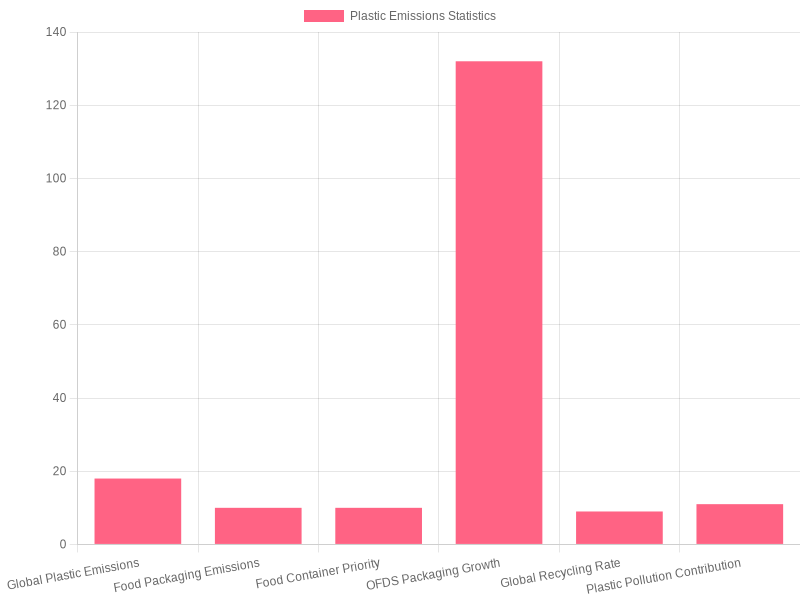
| Category | Statistic | Source |
|---|---|---|
| Global Plastic Emissions (2019) | Plastics generated 1.8 billion tonnes of greenhouse gas emissions, accounting for 3.4% of global emissions. | UNEP |
| Food Packaging Emissions (Global) | Plastic packaging is responsible for less than 10% of the total life cycle emissions for 23 out of 30 foods. | ScienceDirect |
| Food Container Priority | Food containers are a priority replacement group, reducing GHG emissions by 10% possible with alternative materials. | ScienceDirect |
| Australia OFDS Packaging Emissions Growth | Predictions indicate a 132% increase in greenhouse gas emissions from food packaging by 2024. | ScienceDirect |
| Recycling Rate (Global) | The global recycling rate for plastic waste is approximately 9%. | UNEP |
| Plastic Pollution Contribution | Contributes significantly to ocean and land pollution, with 11 million metric tons entering oceans annually. | UNEP |
| Type of Container | Size | Material | Applications |
|---|---|---|---|
| Small Cup | 400-500ml | PP | Ideal for single servings of bubble tea |
| Medium Cup | 600-700ml | PP | Good for medium servings, suitable for various beverages |
| Large Cup | 800-1000ml | PP | Perfect for large servings or sharing |
| Meal Box | 600-800ml | PS | Great for meals, salads, and bowls |
| Soup Container | 400-600ml | PET | Ideal for hot soups and broths |
| Salad Bowl | 700-900ml | PET | Best for salads and mixed dishes |
| Takeaway Box | 550-750ml | HDPE | Designed for takeaway meals and snacks |
| Dessert Cup | 300-500ml | PS | Perfect for desserts and sweet treats |
Client Testimonials
One of our satisfied customers, a restaurant owner from Chicago, had this to say about our plastic food containers:
“We have been using these recyclable plastic food containers from Cofe Cup for our takeaway service, and they have exceeded our expectations. The durability and leak-proof lids ensure that our food arrives fresh and intact, which our customers love! Plus, the clear design showcases our dishes beautifully. They are cost-effective and the supply is consistently reliable!”
- Chicago Restaurant Owner
Our containers are not only functional but also help you maintain a strong brand presence. A restaurant chain in Texas reported:
“Switching to these custom 900ml disposable plastic food containers has been a game changer. The sturdy construction and ability to brand them have garnered positive feedback on social media, and our meals look fantastic!”
- Texas Restaurant Owner
These testimonials reflect the quality and reliability that we aim to provide. Whether you’re running a food truck, catering services, or a bubble tea shop, our plastic food containers cater to your needs. For more information on our versatile products, check out our blog on customized octagonal paper bowls or learn about the benefits of sugarcane cups.

Compliance with Safety Standards
When it comes to plastic food containers, ensuring safety and compliance with regulatory standards is paramount. Most plastic containers used in food service settings adhere to strict safety standards outlined by various organizations around the world. Here are some key standards to consider:
-
FDA Regulations: In the United States, the Food and Drug Administration (FDA) enforces regulations on food contact substances (FCS). All materials must pass rigorous testing and receive approval to be deemed safe for food use. This includes a variety of plastics such as Polypropylene (PP) and Polyethylene Terephthalate (PET). The FDA closely monitors substances like Bisphenol A (BPA) for their migration rates into food, ensuring that harmful contaminants are not inadvertently released.
-
EU Regulations: Similarly, the European Union enforces Regulation (EC) No 1935/2004, which dictates that all food contact materials must not transfer constituents to food in quantities that could endanger human health. This regulation is complemented by technical rules that specify test methods and requirements for labeling, ensuring products remain safe throughout their supply chain.
-
National Standards: In China, food contact plastics are governed by standards such as GB 4806.7-2023, which covers materials like polyethylene (PE) and PVC. These standards prohibit the use of recycled plastics or unapproved materials, ensuring high safety levels for consumers.
For businesses in the food industry, using compliant plastic food containers not only meets regulatory requirements but also guarantees customer safety and confidence.
Disposable Tableware Market Value (2020-2023)
The sales trends for disposable tableware have shown a significant increase over the years, particularly driven by the growth in the food service industry. The following chart illustrates the market value from 2020 to 2023:

Market Value Growth
| Year | Market Value (USD Billion) |
|---|---|
| 2020 | 25.0 |
| 2021 | 28.0 |
| 2022 | 30.0 |
| 2023 | 32.8 |
Insights into Market Trends:
- CAGR Growth: The market is experiencing a steady compound annual growth rate (CAGR), which can be attributed to:
- Rising demand for convenience in food services.
- Increased dependence on takeaway and delivery options post-pandemic.
- Regulatory influences favoring eco-friendly materials.
Analysts predict that this positive trend will continue, reflecting the ongoing needs of quick-service restaurants and catering businesses. For further exploration of trends and products, check out our custom octagonal paper bowls and learn more about sugarcane cup benefits.
In conclusion, disposable plastic food containers are a game-changer for RV travelers and businesses in the food service industry. Their lightweight design not only makes them easy to pack and carry but also contributes to improved fuel efficiency-a crucial factor for any road trip. Convenience is key; forget about cleanup and carrying heavy dishes, as these containers make meal prep hassle-free. Moreover, their leak-proof and stackable features ensure secure storage during travel, preventing spills that can ruin your journey. By choosing our high-quality disposable tableware solutions, you’re not only enhancing the dining experience for your customers but also embracing the practicality and safety these products offer.
For exceptional disposable tableware designed to meet your needs, visit our website to explore our range today! learn more about our products here
