
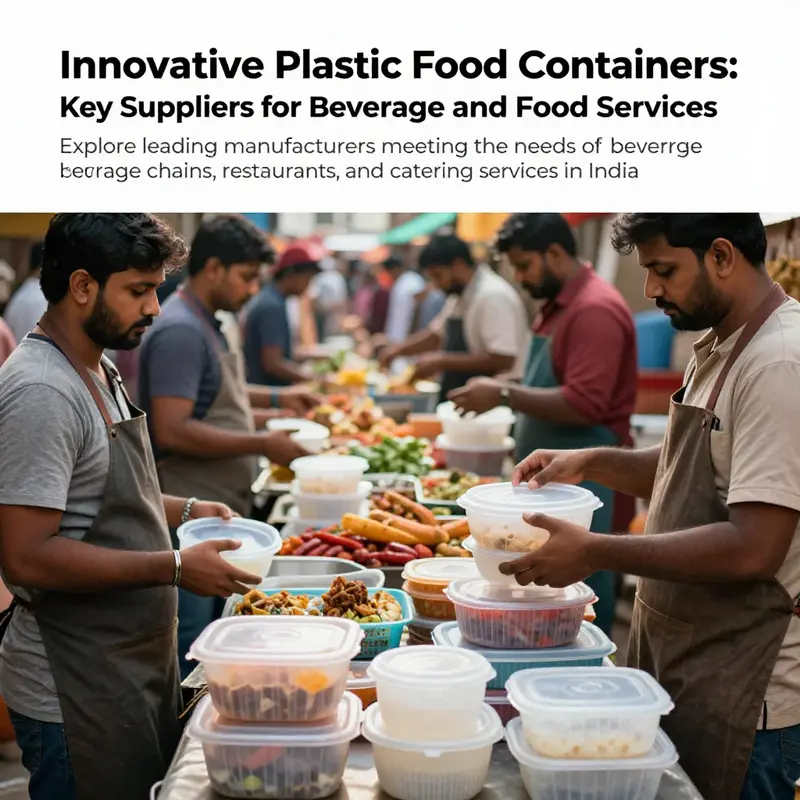
As the demand for quick, convenient, and safe food packaging continues to rise, the role of plastic food containers manufacturers in India becomes paramount. This article dives into prominent players in the market, such as 4M Plaastech and various plastic cap manufacturers, emphasizing their contributions to the food and beverage sector. We will explore how these suppliers not only cater to the needs of bubble tea shops and restaurants but also support event planners and catering services in maintaining high standards of quality and safety. Each chapter will highlight specific manufacturers, key trends, and innovations shaping the industry’s landscape, providing valuable insights for procurement teams and business owners alike.
4M Plaastech: Pioneering Excellence in India’s Food Container Revolution
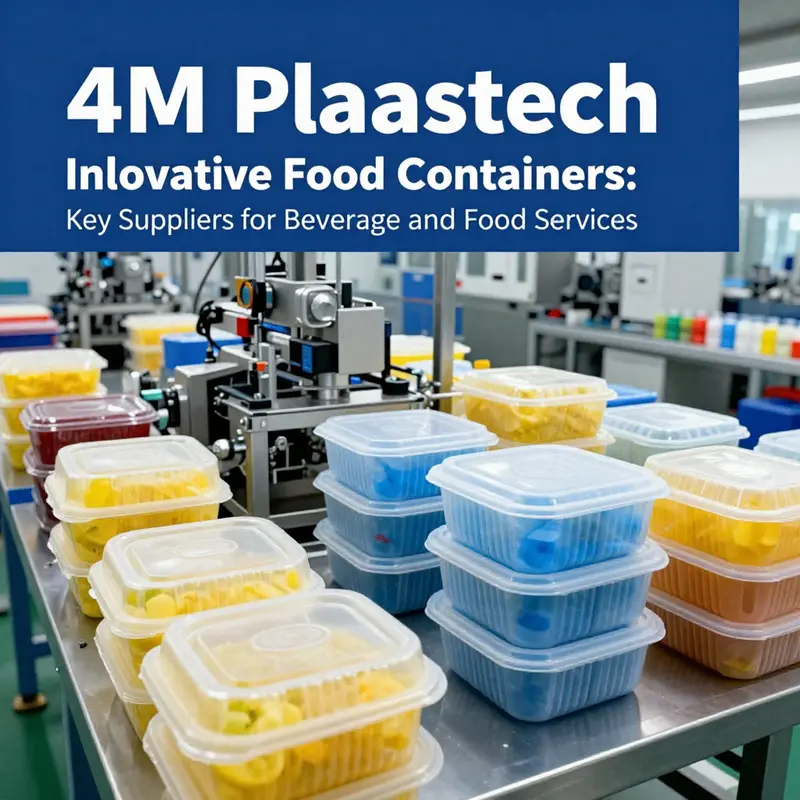
In the ever-expanding landscape of India’s food industry, manufacturers of plastic food containers have emerged as unsung heroes, facilitating the rapid evolution of packaging solutions that meet the country’s dynamic culinary demands. Among these establishments, 4M Plaastech stands out as a pioneering force that has successfully blended local expertise with global standards. Based in Coimbatore, Tamil Nadu, this manufacturer has engineered a niche by focusing on the production of food-grade, disposable plastic containers and has developed a reputation for offering customized designs that resonate with the specific needs of local culinary businesses and larger chains alike.
The journey of 4M Plaastech is marked by its relentless pursuit of innovation and quality. Operating in a market where safety and hygiene are paramount, the company has invested heavily in designing production processes that strictly adhere to food safety regulations. By selecting materials such as BPA-free, food-grade polypropylene (PP) and high-density polyethylene (HDPE), 4M Plaastech not only complies with the Food Safety and Standards Authority of India (FSSAI) guidelines but has also set new benchmarks for container durability and performance. These materials exhibit essential properties such as resistance to high temperatures and chemical stability, features that are critical in ensuring that food remains safe for consumption even during prolonged storage or when exposed to varying environmental conditions.
One of the distinctive attributes of 4M Plaastech is its deep-rooted commitment to customization. The manufacturer recognizes that in a diverse market like India, a one-size-fits-all approach is rarely sufficient. Thus, they have developed an advanced system for custom designs, where businesses can incorporate specific branding elements directly onto the packaging. This integrated approach bolsters the brand identity of their clients while simultaneously maintaining rigorous safety standards. The company’s ability to offer tailor-made solutions has given it a competitive edge over other manufacturers, as it allows for quick adaptation to the ever-evolving requirements of food service operators, fast food chains, supermarkets, and event caterers.
As consumer behavior steadily shifts towards greater convenience and sustainability, the role of manufacturers like 4M Plaastech becomes even more pronounced. With an emphasis on local production, the company has successfully reduced supply chain times, effectively catering to small and medium-sized enterprises that value rapid turnarounds and reliable supply schedules. The localized manufacturing base not only minimizes logistical delays but also supports regional economic growth by creating jobs and promoting skills development in the manufacturing sector. This strategic focus on home-grown production has allowed 4M Plaastech to achieve high responsiveness in a market where time-sensitive delivery is crucial, thereby solidifying its position as a trusted partner in food packaging solutions.
Delving deeper into the technical aspects, the use of food-grade PP and HDPE offers considerable advantages that directly benefit the end users. Polypropylene is celebrated for its lightweight and high temperature resistance, capable of withstanding conditions up to 120°C. This makes it an ideal candidate for applications involving soups, sauces, and even microwaved meals. On the other hand, high-density polyethylene provides exceptional impact resistance and resistance to chemical reactions, ensuring that products like fruit juices and edible oils are securely stored without degradation of quality. By consistently leveraging these materials, 4M Plaastech has demonstrated an exemplary understanding of material science and its application in ensuring food safety.
Beyond the technical and operational merits, the company’s role in the broader spectrum of the food industry cannot be understated. The rapid growth in food delivery services, driven by the increasing pace of urban lifestyles, has heightened the demand for packaging solutions that preserve both the quality of food and its presentation. 4M Plaastech, with its innovative design capabilities and fast production turnaround, has adeptly filled this requirement. Food businesses that rely on 4M Plaastech’s containers benefit from packaging that not only satisfies regulatory safety norms but also adds aesthetic value, creating a lasting impression on consumers. This dual focus on functionality and design is critical in an era where presentation is as important as taste.
The company’s ability to tailor its production for a variety of applications—from disposable plastic cups for cold beverages to robust food containers designed for take-away meals—illustrates the breadth of its expertise. The manufacturing process integrates quality control mechanisms at every stage, ensuring that the final product is free from contaminants and ready to meet the exacting standards of the modern food industry. It is this rigorous adherence to quality that has made 4M Plaastech a preferred manufacturer not only in the domestic arena but also in markets across Southeast Asia, where quick turnaround times and cost-effective production are highly valued.
In addition to its impressive operational standards, 4M Plaastech exemplifies a forward-thinking approach to design and technology. The company has embraced modern manufacturing technologies that continuously improve production efficiency, reduce waste, and enhance the precision of custom printing. For instance, their custom design services allow clients to not only imprint logos and brand identities on containers but also to experiment with innovative shapes and structures that differentiate their products in a crowded marketplace. An example of this integration of design and functionality can be seen in the transformation of traditional container shapes into more ergonomic and stackable forms that simplify storage and handling. Such innovation is a testament to the company’s commitment to meeting the practical challenges faced by the food industry’s diverse stakeholders.
Sustainability is another area where 4M Plaastech has made notable strides. In a market increasingly sensitive to environmental concerns, the company is aware of the impact its products can have on the environment. Initiatives such as developing alternatives that offer environmental benefits, without compromising on safety or durability, have found favor among eco-conscious businesses. This balanced approach to sustainability aligns well with the broader global trend toward responsible consumption, and it also prepares the company for potential future regulations that may mandate greener production practices. The ongoing research and development efforts at 4M Plaastech have led to incremental improvements in recyclability and waste reduction, ensuring that the company remains at the forefront of environmentally responsible manufacturing practices. Such efforts are crucial given that plastic waste and environmental degradation are central concerns for both consumers and regulatory bodies worldwide.
Moreover, 4M Plaastech’s operational philosophy is grounded in transparency and compliance. With its products clearly marked as ‘Food Grade’ and ‘BPA-Free’, the manufacturer assures its customers that every container meets stringent safety protocols. This proactive stance on quality assurance has not only earned the trust of domestic food service providers but has also paved the way for the company’s foray into international markets. The adherence to internationally recognized standards, such as ISO 22000 for food safety management, further reinforces its credibility as a reliable partner. In an industry where even a minor lapse in quality can have significant repercussions, the company’s rigorous testing procedures and certifications provide both reassurance and competitive differentiation.
The ripple effects of 4M Plaastech’s success extend well beyond its direct clientele. The company’s emphasis on local production has stimulated the development of ancillary services such as packaging design support, logistics integration, and even digital marketing solutions tailored for the food industry. These value-added services are integral to the overall supply chain, ensuring that clients receive end-to-end support that simplifies operations and enhances brand visibility. For instance, companies looking to establish a cohesive brand image can leverage the custom printing options offered by 4M Plaastech and combine them with well-integrated logistic services to optimize the delivery of fresh, high-quality food. This holistic approach not only simplifies operations for clients but also underlines the strategic advantage of partnering with a manufacturer that understands both the technical and commercial aspects of the packaging industry.
Furthermore, the evolution of consumer preferences, particularly in urban centers, has necessitated a greater focus on convenience and hygiene. In a country like India where fast-paced city life often results in substantial reliance on take-away and delivery services, the quality of food packaging assumes critical importance. The high standards maintained by 4M Plaastech ensure that food retains its freshness and quality even when packaged for transportation. This reliability has been vital in building strong relationships with restaurant chains, catering businesses, and retail outlets. By offering products that are both durable and visually appealing, 4M Plaastech has set a solid example of how adherence to high-quality manufacturing practices can lead to lasting customer satisfaction and increased brand loyalty.
Intertwined with these operational successes is the company’s commitment to innovation. This dedication is evident in the continuous improvement seen in its product designs and manufacturing techniques. The integration of automated quality control systems has elevated consistency and minimized the chances of defects, ensuring that every product leaving the production line is of the highest standard. Emerging trends such as the demand for customized packaging have been met with flexible manufacturing processes that allow for rapid alterations in design, size, and functionality. For businesses in the food industry that are constantly evolving, having a packaging partner capable of agile transformations is a significant advantage. This agile approach helps clients keep pace with market innovations while simultaneously reinforcing the idea that quality need not be compromised for the sake of design flexibility.
The strategic significance of 4M Plaastech is further illustrated by its role in supporting local and regional businesses. Smaller enterprises, which may lack the scale for large batch orders, find a reliable partner in 4M Plaastech due to its willingness to work flexibly with smaller order volumes. This support for small and medium-sized businesses not only drives local economic development but also encourages entrepreneurship within the food sector. By providing options that range from small trial batches to bulk orders, the company secures a broad customer base and contributes significantly to the sustainability of the local market. Its competitive pricing, coupled with quick turnaround times, has cemented its reputation as a manufacturer that understands the nuances of local supply chains and customer requirements.
In addition to domestic market success, there is a growing trend of Indian plastic food container manufacturers expanding their reach into international markets. 4M Plaastech is well-positioned to participate in this global shift due to its stringent adherence to safety and quality standards that are recognized worldwide. With global consumers placing a premium on hygienic and robust food packaging, the company’s dedication to quality assurance offers it a distinct advantage. Many international clients are increasingly looking to source food-grade containers from India not only because of cost efficiencies but also because of the rapidly improving manufacturing capabilities backed by certifications. This dual focus on quality and speed of delivery has positioned 4M Plaastech as a pivotal player in both domestic and international arenas.
An important aspect of 4M Plaastech’s operation is its dynamic research and development unit. Investing in advanced machinery and modern techniques, the company continuously refines its manufacturing process, ensuring that innovation keeps pace with industry trends. The R&D team works in close collaboration with marketing and quality assurance divisions to identify emerging trends, test new materials, and develop prototypes that push the boundaries of conventional packaging. This iterative process has led to breakthroughs such as improved sealing technologies and the development of containers that effectively combine functionality with aesthetic appeal. Businesses looking for innovative food packaging solutions can learn more about the evolving trends in the industry by exploring the comprehensive product specifications provided in detailed design examples, as found in this insightful source on food-grade packaging solutions.
The market landscape in which 4M Plaastech operates is defined by rapid technological advancements and shifting consumer expectations. As the food industry continues to evolve, so too does the need for manufacturing partners who prioritize adaptability and forward-thinking. The company’s endeavors in sustainability, quality assurance, and process optimization exemplify the type of innovation that is required to successfully navigate the challenges of a competitive global economy. With each incremental improvement in production and each customer testimonial that underscores its reliability, 4M Plaastech is steadily carving out a legacy as a critical contributor to India’s overall food infrastructure.
Especially in a country marked by vibrant culinary traditions and a rapidly modernizing consumer base, the fusion of tradition with modern technology is key. 4M Plaastech’s ability to customize traditional packaging concepts to meet contemporary needs highlights the blend of cultural understanding and technical expertise that drives the company forward. Each container manufactured by the company is a testament to a careful balancing act—where heritage meets innovation, and where the timeless values of quality and safety are integrated with the dynamic demands of modern production. Such an approach not only helps to retain the intrinsic value of traditional culinary practices but also ensures that food presentation and preservation continue to improve in tandem with technological advancements.
As the industry continues to expand, the importance of reliable, locally produced packaging solutions cannot be overstated. Companies like 4M Plaastech provide the essential link between the burgeoning food industry and the need for safe, practical, and well-designed packaging. Their commitment to employing state-of-the-art machinery, stringent quality control measures, and eco-friendly production practices underscores the vital role that local manufacturers play in both the domestic and international markets. In an increasingly competitive global arena, the emphasis on locally sourced, high-quality packaging serves as a reminder that robust supply chains and innovation are not mutually exclusive.
Looking to the future, it is evident that the evolution of food packaging in India will be shaped by continuous improvements in material science and manufacturing technology. The integration of digital tools in production planning, along with a growing emphasis on customization and sustainability, suggests that the market is poised for further transformation. As consumer needs evolve, manufacturers like 4M Plaastech are expected to not only expand their product ranges but also to enhance their logistical frameworks, ensuring that every product meets the highest standards of quality and safety. It is this forward momentum that inspires confidence in the industry’s capacity to meet future challenges head-on, while also paving the way for a new era of innovation in food packaging.
For stakeholders, partners, and customers, the journey of 4M Plaastech symbolizes a commitment to excellence that resonates across every facet of the food container industry in India. The company’s integration of advanced production techniques, customized design services, and a vigilant approach to quality control spells out a recipe for success in a competitive market. By aligning its manufacturing ethos with both traditional values and modern demands, 4M Plaastech sets an inspiring precedent for what can be achieved when local expertise is harnessed in service of global standards.
Those seeking a broader perspective on the global dynamics of plastic food container manufacturing may find additional insights in comprehensive industry analyses such as the Global Plastic Food Container Market Report (2026-2032). This external resource delves into competitive strategies, market trends, and technological innovations that mirror the transformative journey experienced by key players like 4M Plaastech.
In summary, 4M Plaastech exemplifies the excellence and innovation that are vital to the future of food packaging in India. Through its meticulous focus on quality, rapid customization, sustainability initiatives, and cutting-edge manufacturing processes, the company not only addresses the needs of today’s demanding food industry but also sets the stage for a promising future. With each container produced, 4M Plaastech reinforces its pivotal role in bridging the gap between traditional culinary practices and modern food safety requirements, establishing itself as a cornerstone in the ever-evolving arena of plastic food container manufacturing in India.
Transforming Food Safety: How India’s Plastic Cap Innovations Enhance the Plastic Food Container Landscape
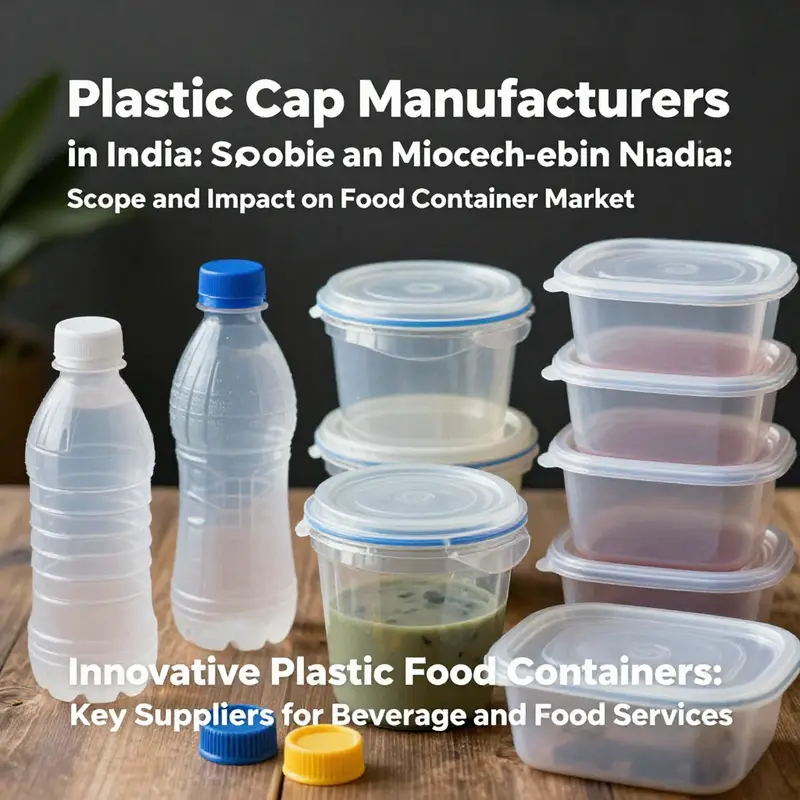
In India, the innovations and advancements in plastic cap manufacturing have become an indispensable component in the broader ecosystem of plastic food container production. As manufacturers strive to deliver products that not only ensure food safety but also support sustainability and consumer confidence, the plastic cap segment has emerged as a dynamic engine of growth and sophistication. This chapter explores the journey of plastic cap manufacturers, charting their evolution, the technologies they employ, and how their products dovetail with the demands of the plastic food containers market in India.
At the heart of packaging, plastic caps serve as the first line of defense against contamination, tampering, and spoilage. Indian manufacturers have recognized this need by investing heavily in advanced injection molding and quality control systems. These systems have enabled them to produce food-grade caps using lightweight yet durable materials such as polypropylene (PP) and high-density polyethylene (HDPE). These materials not only comply with FSSAI standards and international regulations similar to FDA benchmarks, but they also provide the robustness required to secure food products during transport and storage. With rapid technological advancements, manufacturers ensure that each cap offers a perfect seal, thereby preserving the freshness and safety of its contents. The precision with which these plastic closures are engineered is a testament to the ingenuity and commitment to quality that many domestic companies exhibit in meeting the stringent demands of both local and international markets.
Indian plastic cap manufacturers work at a scale that allows them to serve an impressive array of sectors, from packaged beverages and dairy items to savory sauces and condiments. In each application, the cap is more than just a covering – it is a symbol of quality assurance and brand integrity. The incorporation of tamper-evident features such as breakaway bands and induction seals has enhanced the appeal of these closures to brands looking to bolster consumer trust. Such features are especially important in a market that is progressively leaning towards uncompromised product security. These manufacturers often incorporate technology that allows a visual inspection of the cap’s integrity, ensuring that any signs of tampering can be quickly detected. This is particularly significant in regions where food safety is of paramount importance, and it boosts customer confidence in the final product.
The growth of the plastic cap segment in India has been closely linked to the expanding packaged food and beverage industry. With the national market valued at USD 5.63 billion in recent estimates and expected to reach USD 7.23 billion in the coming years, the upward trajectory is apparent. This growth is underpinned by increased demand for safe and reliable packaging solutions among producers of packaged foods, dairy products, beverages, and even personal care items. Many of these industries have stringent requirements, pushing manufacturers to consistently innovate and improve their cap designs. The need for caps that not only seal products securely but also maintain their integrity under varying temperature conditions and mechanical stresses has driven research and improvement in both design and manufacturing processes.
Emphasis on sustainability has also significantly influenced innovations in the sector. Industrial leaders are increasingly responding to environmental concerns by developing caps that use recyclable materials and are designed for reuse, where possible. The industry is witnessing a shift from a purely cost-centric approach to one where environmental responsibility forms an integral part of the value proposition. Manufacturers are exploring new polymer blends and lightweight designs that reduce material usage without compromising the durability and safety of the cap. In some cases, companies have even integrated biodegradable additives into their production processes to ensure that the lifecycle of the product is more in tune with environmental sustainability goals. These steps not only help reduce environmental impact but also align with the global trend of responsible production and consumption.
Technological innovation stands as a cornerstone of the Indian plastic cap industry. Companies in regions like Gujarat and other major industrial hubs have adopted the latest in injection molding technology. These advances allow for high precision and consistency in each production cycle, ensuring the final product meets exacting standards. The integration of robotics and automation into the manufacturing processes has further streamlined production, reducing waste and improving efficiency. An automated quality control system monitors every stage of production, inspecting the caps for uniformity, dimensional accuracy, and overall quality. Manufacturers who deploy such cutting-edge technologies have not only improved the reliability of their products but have also enhanced their ability to scale production while maintaining cost-effectiveness. For buyers, this means that even at high volumes, there is no compromise on the safety or performance of the product.
These technological processes are complemented by robust quality assurance protocols that are critical in ensuring compliance with both local and international food safety standards. Indian manufacturers adhere to guidelines such as the FSSAI and ISO 22000 certifications, which mandate strict controls and regular audits of production facilities and product quality. This adherence provides food companies with confidence that the caps, and by extension, the food containers they secure, are free from harmful residues and contaminants. The integration of these international standards into domestic production processes is a reflection of a mature manufacturing ecosystem that is well-equipped to handle the rigorous demands of global food safety regulations.
Cost competitiveness is another key advantage that Indian plastic cap manufacturers offer. Despite the increased focus on quality and technology, the inherent efficiencies in India’s manufacturing sector allow these producers to offer their products at competitive prices. Companies operate with agile supply chains and have developed robust export infrastructures, making them attractive not just to local businesses but also to international markets. The cost-effective production process coupled with high-volume capabilities means that businesses worldwide can source high-quality plastic caps without inflating production costs, thereby improving their overall supply chain economics. Buyers are encouraged to consider small batch trial orders to assess material quality and sealing performance, which many manufacturers recommend as a part of their procurement strategy. This approach allows both domestic and international businesses to verify product performance and suitability for their specific needs.
In addition to cost and quality, customization plays a significant role in this industry’s appeal. Many manufacturers offer bespoke solutions that cater to specific packaging needs and brand aesthetics. Custom designs that allow for the incorporation of brand logos, personalized color schemes, and specialized tamper-evident features provide companies with an edge in highly competitive markets. This ability to customize not only enhances brand identity but also ensures that the final product meets the unique demands of different food and beverage segments. For instance, some closures are designed with extra reinforcing structures to accommodate products that may be subject to high-pressure conditions or temperature fluctuations. This level of customization is vital for food-service providers and manufacturers who need to maintain a consistent brand image while also adhering to rigorous safety protocols.
Beyond the manufacturing floor, successful procurement of plastic caps often relies on strategic supplier relationships and integrated service offerings. Many suppliers offer packaging design services and logistics expertise, providing end-to-end solutions that extend far beyond the simple supply of caps. This integration of design, production, and logistics ensures that food producers have a single point of contact for securing all their packaging needs, thus streamlining operations and reducing overhead costs in the process. For example, a supplier that offers integrated services can coordinate the design of unique packaging solutions that effectively incorporate both containers and matching caps. Such comprehensive service models provide convenience and consistency, which is increasingly valued in the complex supply chains of the modern food industry. The ability to offer these integrated services further reinforces the reliability and versatility of Indian plastic cap manufacturers within the broader plastic container market.
The influence of these advancements extends into diverse sectors beyond the typical confines of the food and beverage industry. In addition to packaged foods, plastic caps are playing a pivotal role in securing containers for personal care products, pharmaceuticals, and even chemical packaging. While the primary focus remains on food safety, the versatility of plastic caps has enabled manufacturers to tap into multiple industries, thereby demonstrating the far-reaching impact of their innovation. As a result, the technologies and quality standards that once were exclusive to food packaging are now being leveraged across different sectors. This cross-industry diffusion highlights the adaptability and enduring relevance of these products in an increasingly interconnected manufacturing landscape.
A culture of continuous improvement is evident within the Indian manufacturing community. Companies are investing in research and development not merely to keep pace with global standards but to set new benchmarks in product quality and sustainability. Collaboration with technology partners, academic institutions, and even international regulators has helped these companies conceptualize and implement more advanced manufacturing practices. Such partnerships have spurred the development of next-generation caps that offer enhanced durability, ease of use, and improved safety features. Manufacturers increasingly view these collaborations as opportunities to innovate, paving the way for future breakthroughs that may redefine the limits of what plastic packaging can achieve. As consumers demand ever-safer food packaging and tighter quality controls, these collaborative efforts ensure that Indian products remain at the forefront of global innovation.
Environmental stewardship remains a key concern as well. In a marketplace that is progressively sensitive to the environmental impact of plastic waste, Indian manufacturers have taken proactive measures to mitigate their ecological footprint. Many are developing caps that provide a higher degree of recyclability and are transitioning towards using polymers that are more environmentally benign. The promise of sustainable packaging has become a significant selling point, especially in an age where both consumers and regulators demand minimal environmental impact. Manufacturers are investing in lightweight designs that reduce overall material consumption, thereby lowering the volume of waste generated during both production and disposal. This focus on sustainability is supported by continuous improvements in production efficiency and waste management practices, ensuring that environmental responsibility is embedded across the supply chain.
The benefits of these innovations can be experienced in real-world applications. Consider a leading food service provider that sources its disposable food containers with matching caps from a reputed Indian manufacturer. The integration of high-quality, tamper-evident caps into their products ensures that each container maintains its seal during transport and storage, significantly reducing instances of spillage and contamination. This has not only boosted consumer confidence but has also enhanced the operational efficiency of the brand by reducing product wastage and logistical complications. The collaborative approach between cap manufacturers and food container producers has culminated in packaging solutions that deliver both on functionality and aesthetics. Businesses relying on such high-quality packaging can present their products as reliable and safe, which positively influences customer loyalty and brand reputation.
Furthermore, the emphasis on seamless supply chain management has enabled manufacturers to offer additional value through quick turnaround times and scalable production capabilities. For instance, small- and medium-sized enterprises benefit from the ability to place trial orders in small quantities, assess product performance, and subsequently place larger volume orders with confidence. This flexibility reduces the initial risk for businesses and encourages them to explore new packaging innovations without significant financial commitments. By offering integrated solutions that extend from product design to final logistics, these manufacturers maintain competitive pricing and swift delivery schedules, which are crucial in the fast-paced food industry.
The continuous evolution of the plastic cap manufacturing sector in India also represents an important narrative for the plastic food container market as a whole. With multiple facets of production scaling new heights in efficiency and regulatory compliance, the once-overlooked details of packaging are now recognized as vital components of the overall food safety landscape. Advancements in cap manufacturing directly influence the design and performance of food containers, thereby ensuring that the complete packaging solution is not only functional but also aesthetically pleasing and environmentally sustainable. The interdependence between plastic caps and food containers has reached a level where improvements in one segment continuously ripple through to enhance the quality and reliability of the other.
For businesses looking to secure high-quality, food-grade packaging solutions, the integrated nature of the supply chain provides a compelling case for sourcing from Indian manufacturers. Indeed, the cost-effective production, coupled with stringent quality assurance and innovative design, positions India as a lucrative hub for both domestic and international markets. Those interested in exploring a broader array of food-grade packaging products can learn more about competitive options by visiting resources such as the selection of high-quality disposable bowls available on this platform, which highlights complementary products in the food packaging space.
In summary, the evolution of plastic cap manufacturing in India is intrinsically linked to the overall success of the plastic food container market. Through continuous innovation in technology, quality control, and sustainability practices, Indian manufacturers are setting new standards for food safety and packaging efficiency. As the demand for secure, reliable, and eco-friendly packaging continues to grow, these manufacturers are not only meeting current industry needs but are also paving the way for future advancements. The synergies between cost-effectiveness, robust design, and environmental stewardship are transforming the packaging landscape and reaffirming India’s position as a pivotal hub for plastic container production worldwide. For further insights into market valuations and growth trends in this sector, additional data and analysis are available at the detailed report on Statista.
This comprehensive narrative underscores the critical role of plastic cap manufacturers in enriching the quality and functionality of plastic food containers. Their dynamic evolution—marked by technological innovation, adherence to rigorous safety standards, and a sustained focus on environmental and cost-effective practices—ensures robust support for the entire packaging chain. As the food industry continues to demand safer, more reliable, and sustainable packaging solutions, the contributions of these manufacturers will remain a cornerstone of success, fostering improved consumer trust and global market penetration. The journey ahead is poised to be one of sustained innovation, where the interplay between design, quality, and environmental stewardship will define the next chapter in food safety and packaging excellence.
Domestic Landscape of Indian Plastic Food Container Manufacturers
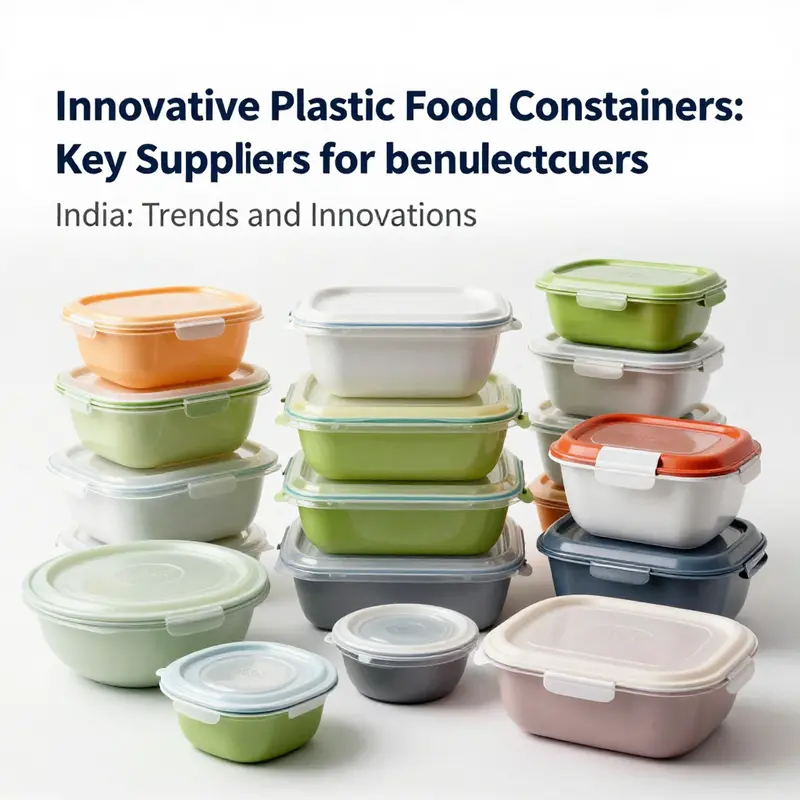
Indian plastic food container manufacturers have made significant strides in recent years, balancing cost‑effective production with rising expectations for safety, sustainability, and design innovation. Domestic firms have leveraged India’s robust polymer supply chain to offer competitive pricing while investing in upgraded extrusion and thermoforming equipment that improves dimensional accuracy and reduces material waste.\n\nA key focus has been the adoption of food‑grade polymers such as polypropylene (PP) and high‑density polyethylene (HDPE) that meet international BPA‑free and FDA standards. Manufacturers are increasingly integrating automated quality‑control systems—vision inspection, laser sealing verification, and IoT‑enabled sensors—to ensure consistent compliance across large production runs. These technologies not only boost throughput but also provide real‑time data that helps predict maintenance needs and minimize downtime.\n\nSustainability is reshaping product portfolios. Companies are experimenting with recyclable blends, biodegradable additives, and even bio‑based resins derived from renewable feedstocks. While full transition to compostable containers remains a longer‑term goal, early adopters are already marketing “green” lines that appeal to environmentally conscious brands and meet emerging regulatory mandates on single‑use plastics.\n\nDesign innovation is another differentiator. Modern containers now feature tamper‑evident lids, stack‑optimized geometries, and customizable printing options that allow fast‑food chains and retail outlets to reinforce brand identity on the packaging itself. By offering end‑to‑end services—from CAD‑driven prototyping to on‑demand production—Indian manufacturers are positioning themselves as strategic partners rather than mere suppliers.\n\nOverall, the sector is navigating a complex landscape where cost leadership, regulatory compliance, technological adoption, and sustainability intersect. Continued collaboration between industry associations, research institutions, and government incentives is expected to accelerate the pace of innovation, ensuring that Indian plastic food container makers remain competitive both domestically and in export markets.
Final thoughts
The landscape of plastic food containers in India is evolving, driven by innovative manufacturers like 4M Plaastech and a diverse range of suppliers supporting various sectors—including restaurants, catering services, and beverage chains. As the market grows, the emphasis on safety, sustainability, and design continues to shape consumer preferences. By understanding these trends and the leading players in the industry, businesses can make informed decisions regarding their packaging needs, ensuring both quality and compliance with safety standards.