
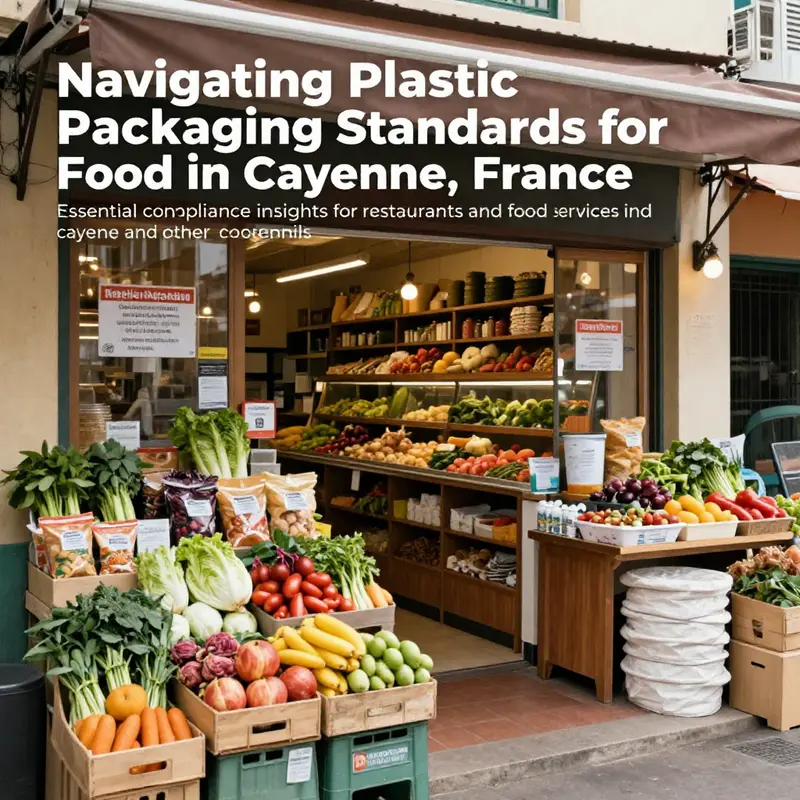
Understanding the regulatory landscape surrounding plastic food packaging is crucial for businesses in Cayenne, France. With a focus on compliance with strict EU regulations and local standards enforced by the DGCCRF, this article explores the key aspects of using plastic containers specifically for cayenne. From essential testing protocols ensuring safety to the evolving market trends toward eco-friendly alternatives, we’ll guide you through what your business needs to thrive in this competitive environment. Each chapter will build your knowledge comprehensively on compliance requirements, testing protocols, and market trends vital for your operation in the gastronomic world.
Regulatory Currents and Sensory Safeguards: Navigating France’s Rules for Plastic Food Containers in Cayenne

In Cayenne, the bustling gateway of France’s overseas presence in South America, the journey of a simple plastic container from factory to table is anything but simple. The packaging that carries cayenne pepper—the vibrant, pungent dried spice that defines both kitchen benches and market stalls—must move through a labyrinth of rules that braid European Union governance with France’s own fortified oversight. The container is not merely a vessel; it is a site of compliance where chemistry, taste, and public policy converge. To understand what this means in practice, one must anchor the discussion in the core rules that govern materials in contact with food, then trace how those rules cascade into testing, certification, labeling, and end-of-life responsibilities across the Cayenne supply chain. The overarching frame is EU No 10/2011, which sets the baseline for substances that may migrate from packaging into food. But in France, and particularly in overseas territories that mirror French law closely, there is a layer of national administrative refinement managed by the DGCCRF—the French General Directorate for Competition, Consumption and Fraud Repression. This DGCCRF framework often tightens expectations beyond the EU floor, demanding an extra stratum of due diligence as soon as a product crosses a border into the French market, and even more so when it is destined for products with a high risk of flavor and fat transfer, such as crushed cayenne and its oil-rich relatives. The result is a compliance culture that begins with raw materials, proceeds through design and testing, and ends with documentation that proves conformity in a market that prizes both safety and consumer confidence.
At the heart of the requirements lies the two-tier migration paradigm: total migration (or overall migration) and specific migration. Overall migration measures the total nonvolatile substances that can migrate from a packaging material into a food simulant under defined conditions. For a product like dried cayenne pepper, which can be processed into powders or flakes and may be rehydrated for culinary use, the testing matrix must reflect the highest-fat content simulants among those specified in EU guidelines. The classic oil-based simulant—often olive oil or an equivalent fatty medium—comes into play precisely because dried spices can absorb and carry lipophilic residues. This is not a cosmetic concern but a safety one; the spices can act as carriers, and any nonvolatile migrant can alter taste, safety, or even consumer perception of the pepper’s quality. The practical upshot is that culinary practitioners in Cayenne who import or manufacture spice packaging must not overlook oil-fat migration when validating their containers.
Specific migration, by contrast, targets particular substances of concern. Heavy metals such as lead, cadmium, mercury, and hexavalent chromium are scrutinized for their potential to migrate into foods at levels that could pose health risks, especially when spices are processed or stored for extended periods. Phthalates and other plasticizers—though increasingly restricted across the EU—still require vigilance in packaging resin systems, particularly if recycled content is used or if process aids may leach. Antioxidants and stabilizers—compounds like BHT or certain Irganox derivatives—are similarly under the lens, as are the residues that can accompany plastic resins. The aim is not to ban all substances but to keep aggressive migrants out of the consumer’s bowl, thereby preserving the integrity of the cayenne’s aroma, heat, and color while protecting vulnerable populations who are sensitive to chronic exposure.
In practice, the oil-rich nature of cayenne—whether as whole dried pods, coarsely ground powder, or a blend used in seasoning blends—makes the migration assessment even more technically demanding. Oil simulants can enhance the mobility of hydrophobic compounds, and the French regulators in Cayenne expect that brands and manufacturers account for this complexity in their testing protocols. In a regulatory narrative, the container is evaluated under conditions that mimic real-world storage, including time-temperature profiles that reflect how the product is stored on shelves, during transport, and in consumers’ homes. The goal is a robust evidence package that demonstrates the absence of harmful migration beyond widely accepted thresholds while ensuring that the packaging does not impart flavors or odors that could compromise the pepper’s sensory profile.
Beyond the chemistry of migration, the chapter’s arc traces the path from laboratory validation to official documentation. Selection of a laboratory with ISO/IEC 17025 accreditation is not cosmetic; it is a practical necessity. The ISO standard ensures technical competence and consistent operation of testing laboratories, a prerequisite for the DGCCRF’s acceptance and for a DoC, the Declaration of Conformity, to be recognized in France. In France’s regulatory ecosystem, the DoC is the formal bridge that ties test results to market access. The DoC must be drafted in French and accompanied by a lab report in English or French, with the familiar caveat that it represents a precise claim of compliance for the specific product and its intended use. The logistical choreography requires submitting a representative sample of finished containers—often 20 to 50 units—to permit cutting, multi-test evaluations, and validation of performance across the anticipated use-cases for cayenne packaging.
The chapter’s practical spine acknowledges how these steps unfold in Cayenne’s unique regulatory geography. The overseas status of Cayenne means that French law—and by extension EU law—applies in full. Exporters and local manufacturers alike must orient their packaging projects toward both the EU’s general safety framework and the French modules that translate those rules into daily practice. It is not enough to rely on a generic compliance statement. The DGCCRF’s expectations are clarified through official notes and decrees, and manufacturers must align with those interpretations to avoid non-conformity determinations that can disrupt shelf space, imports, or domestic distribution. The regulatory emphasis is clear: safety of food contact materials, traceability of materials and processes, and verifiable conformity through tested evidence and consistent documentation.
In parallel with this central compliance architecture, the broader market context in France imposes additional imperatives that any Cayenne-based packaging program should anticipate. France has embarked on a sweeping strategy to reduce single-use plastics, with a 2024 nationwide prohibition on a broad range of single-use plastic items. While the policy may appear to target everyday consumer items, its spirit also frames the packaging ecosystem that surrounds food products. For cayenne pepper containers, the implication is twofold: first, a push toward alternatives that are recyclable, reusable, or compostable where feasible; and second, a heightened expectation that plastic packaging slated for high-fat, highly aromatic foods can be designed to minimize environmental impact without compromising safety. The ambition is not just to pass regulatory tests but to align with the policy narrative that places plastics within a broader lifecycle responsibility. A related, forward-looking posture is the Extended Producer Responsibility (EPR) regime, which assigns responsibilities to manufacturers for the packaging waste they introduce into the market. In Cayenne, as in the metropolitan parts of France, the EPR framework translates into practical requirements around collection, recycling, and end-of-life labeling—an important factor when a container’s design is assessed for recyclability or compostability.
The regulatory landscape also interacts with more specific national instruments. For instance, Note 2004-64 and Décret no 2007-766 govern certain aspects of labeling and safety notes for materials used in contact with food, while 2023-478 addresses the plastic packaging of most fresh fruits and vegetables. Although cayenne pepper itself is a dried spice rather than a fresh vegetable, these decrees illustrate the French appetite for precise governance and risk management around packaging materials used for food. The implication for Cayenne’s pepper sector is a packaging approach that prioritizes material integrity, clean migration profiles, and transparent, legible documentation that satisfies both authorities and consumers who expect a clean, trustworthy product on the shelf.
In this regulatory choreography, the choice of packaging strategy matters as much as the compliance strategy. The literature and regulatory discourse point toward a continuum: from conventional food-grade plastics with strict migration limits to alternatives that emphasize recyclability and a reduced risk profile for complex spice matrices. The latter includes exploring barrier properties that limit the absorption of flavors and odors, selecting resin systems with lower migration tendencies, and designing closures and liners that minimize contact with the food column. Yet even as reformulation and design evolve, the focus remains on a tested, auditable evidence base. The DoC is not a one-off artifact but a living document whose validity is anchored to test reports, method definitions, and the specific product formulation at issue.
From a market-facing perspective, Cayenne’s packaging decisions sit at the intersection of safety and sustainability. The market trend toward more sustainable packaging in France is not merely a philanthropic aspiration; it is a policy driver with tangible implications. Brands and producers are urged to consider recyclable, compostable, or reusable alternatives where feasible, without compromising the integrity of highly pungent and oil-rich cayenne products. The regulatory frame does not prescribe a single material paradigm; rather, it requires a scientifically substantiated migration profile and a convincing journey of conformity from materials to finished product to documentation. This is the core architecture that guides decisions in Cayenne’s pepper packaging—the blend of EU baseline safety, French specificity, robust testing, and responsible lifecycle thinking.
Within this integrated landscape, a practical note emerges for those who design and supply cayenne packaging. In addition to the mandated tests for overall and specific migration, the sensory dimension cannot be overlooked. Sensory testing checks for odors, flavors, or color shifts that could betray the pepper’s identity or degrade consumer acceptance. A container that alters the pepper’s color, or passes an off-flavor into the product through migration, defeats both regulatory expectations and brand trust. Sensory assessments are conducted in controlled conditions to ensure that the packaging does not impart any perceptible changes to the cayenne, preserving its heat, aroma, and visual appeal. The upshot for Cayenne’s packaging program is a rigorous, end-to-end approach: design for safety, verify via accredited laboratories, document thoroughly in French, and align with broader environmental and waste-management obligations that shape the marketplace’s expectations.
Where does a brand go from here? The practical pathway includes selecting a capable testing partner with ISO 17025 accreditation and familiarity with DGCCRF expectations. It also means curating a submission plan that covers the full lifecycle of the product as it is stored and transported in Cayenne’s climate, ensuring that the sample set reflects the diverse packaging forms used across markets: from small, tight-seal jars to broader, multi-use containers for spice blends. The DoC then becomes the formal artifact that accompanies the product as it enters retail, and possibly a dossier that supports ongoing surveillance by authorities. The ultimate objective is not only to pass inspection but to establish a credible, transparent, and auditable quality story that endures as market conditions and regulations evolve.
For packaging developers and spice suppliers, the narrative is one of balance. It is a balance between the aggressive safeguards demanded by migration science and the pragmatic realities of overseas logistics, where the spice’s aroma and potency meet the realities of shipping, storage, and shelf life. It is a balance between the EU’s harmonized baseline rules and France’s additional expectations, translated into a Cayenne-specific implementation plan. And it is a balance between the historical use of conventional plastics and the ongoing drive toward more sustainable materials and end-of-life solutions that comply with EPR and related waste-management schemes. In this dynamic, the Cayenne market becomes a proving ground for a packaging paradigm that can withstand rigorous regulatory scrutiny while delivering on the consumer promise of safety, flavor integrity, and environmental responsibility.
As an actionable takeaway, firms preparing for the Cayenne market should map their packaging’s migration profile against both EU No 10/2011 and the relevant French guidance, plan for oil-fat simulant migration testing, and ensure that lab partners hold ISO 17025 and DGCCRF-relevant credentials. The process should culminate in a French-language Declaration of Conformity supported by a comprehensive set of test reports. Simultaneously, the company should anticipate ongoing policy shifts toward plastic reduction and increased recyclability, exploring packaging formats that align with future standards while still delivering reliable performance for cayenne products. In short, compliance is not a checkbox; it is a disciplined, continuous practice that integrates chemistry, law, and market expectations into a resilient packaging program for Cayenne’s pepper.
To illustrate how these principles translate into tangible packaging decisions, consider the broader packaging ecosystem in which Cayenne-based products exist. For instance, the choice of a packaging solution that emphasizes recyclability and lower migration risk can harmonize with consumer demand for safer, cleaner labels and with regulatory expectations around end-of-life responsibility. A practical example of packaging design thinking that aligns with both safety and sustainability can be found in the realm of disposable, eco-friendly kraft box packaging for fast food. This reference point—though oriented toward a different segment of the food industry—illustrates how material selection, barrier properties, and lifecycle considerations intersect with regulatory demands. It demonstrates how a packaging approach can maintain product integrity while signaling environmental stewardship to retailers and consumers alike. For a deeper dive into comparable packaging concepts and their regulatory implications, readers can explore this example: disposable eco-friendly kraft box packaging for fast food.
The Cayenne chapter of the regulatory story thus leaves us with a clear cadence. Start with EU No 10/2011 as the anchor, embed the French DGCCRF expectations as a rigorous local overlay, and insist on a migration-focused testing regime that explicitly accounts for oil-based food simulants given cayenne’s lipophilic characteristics. Validate everything with ISO 17025-accredited labs and produce a French-language DoC that anchors your conformity narrative. Recognize that policy trajectories in France are steering toward reduced plastic use and reinforced end-of-life accountability. Build packaging concepts that satisfy migration safety while offering recyclability or compostability where possible, and plan for lifecycle compliance that keeps pace with evolving regulations. If Cayenne’s spice sector can translate this integrated approach into its packaging programs, it will not only meet regulatory demands but also earn trust with consumers who increasingly demand safety, traceability, and environmental responsibility in equal measure.
For those who want to situate this discussion within the broader policy debate, one may consult external resources that chronicle the evolution of France’s approach to plastics and consumer protection. The environmental policy discourse, including perspectives from environmental advocacy groups, provides a comparative backdrop to the DGCCRF-led regime described here. See the following external resource for additional context: https://www.europe-ecologie-les-vertes.fr/.
In summary, the Cayenne market for plastic packaging of cayenne pepper sits at the intersection of stringent food-contact safety, precise regulatory implementation, and a growing emphasis on sustainability. The pathway to compliance is not merely technical; it is strategic. It requires a well-documented migration profile, a robust testing program, and a design mindset that anticipates France’s evolving environmental standards without compromising the pepper’s sensory identity. When these elements align, Cayenne’s packaging can deliver safe, high-quality products that meet the expectations of regulators, retailers, and consumers alike, while contributing to a more sustainable packaging future around the world.
Guarding Spice, Safeguarding Standards: A Cohesive Narrative on Plastic Pepper Packaging Testing and Compliance in Cayenne, France
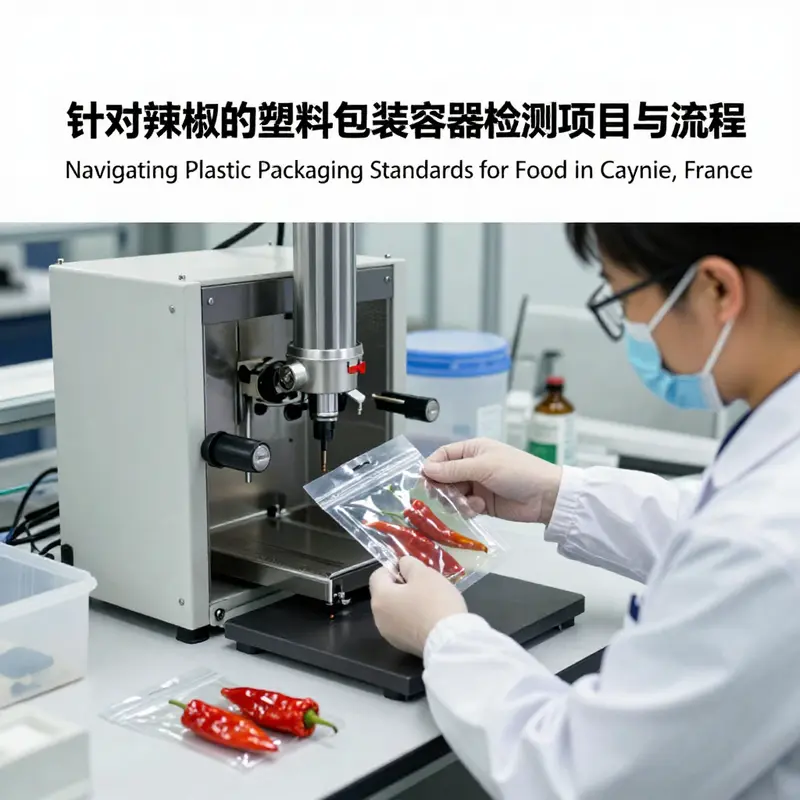
In Cayenne, where the world of peppers, parfumed by heat and aroma, moves from farm to market to table, the packaging surrounding each pod and each jar is more than a container. It is a functional gatekeeper that must balance safety, performance, and regulatory fidelity. The packaging that cradles dried cayenne or ground chili must not only preserve flavor and color but also resist migration of potentially harmful substances into the food and withstand the rigors of transport and storage. In the European Union and in France, the rules for materials in contact with food are precise and often stricter than the broad, generic expectations of consumer safety. The core framework begins with EU Regulation No 10/2011, which governs plastics intended to come into contact with foods, and then layers on French-specific oversight from the Direction Générale de la Concurrence, de la Consommation et de la Répression des Fraudes (DGCCRF). Together, these rules create a pathway that manufacturers, importers, and retailers must follow to bring cayenne and its packaging to market with confidence.
If one could distill the core requirement into a single idea, it would be this: packaging that touches high-fat and high-flavor foods like chili must be tightly characterized, tightly controlled, and transparently documented. Dried cayenne, with its concentrated essential oils and potential for oil-based migration, intensifies the need to focus on oil simulants during testing. In practice this means that the testing regime cannot rely on a single snapshot of a material’s safety. It must simulate real-world contact scenarios and capture both the total non-volatile migration and the specific migration of substances that could present risks to consumer health. The migration testing, coupled with sensory evaluation, ensures that the spice’s aroma and visual appeal remain pristine while safeguarding against the transfer of undesired compounds.
The regulatory landscape is not a static backdrop but a dynamic frame that shapes every step of packaging development. EU 10/2011 provides the baseline expectations for plastic materials and articles intended for food contact, but French authorities often require additional scrutiny and documentation that exceed a purely European standard. This has practical implications for Cayenne’s supply chain: every batch of plastic pepper containers, whether for whole dried cayenne or for ground chili powders, must be accompanied by rigorous testing data and a declaration of conformity that aligns with both EU and French requirements. In this ecosystem, the laboratory becomes a critical partner, not merely a place to obtain a certificate of compliance but a collaborator that helps translate regulatory language into reliable, practice-based results.
From a laboratory perspective, the selection of an accredited facility—one familiar with the DGCCRF’s expectations and with ISO 17025 standards for testing—can be the decisive factor in obtaining credible data. The process typically involves submitting a representative set of finished containers, in sufficient quantity to permit varied testing, and then allowing the lab to perform a suite of analyses that mirror actual usage. The spectrum ranges from migration tests using solvent simulations that reflect olive oil or other oil-rich environments, to the measurement of specific migration for metals, phthalates, antioxidants, and other additives. The rationale behind this breadth is practical: cayenne’s high essential oil content can facilitate the transfer of substances through the polymer matrix, especially when oils are involved in the simulation. Thus, the-test plan must explicitly consider oil-based simulants to avoid gaps in safety evaluation.
Physical performance, too, cannot be treated as a peripheral concern. Cayenne packaging must resist the physical rigors of distribution: it must seal effectively, endure stacking pressure, withstand accidental drops, and perform across a broad temperature range—from tropical storage conditions to cool, chilled or frozen transport environments. A robust physical performance assessment complements the chemical safety profile. It ensures the container maintains its integrity during shelf life, packaging lines, and consumer handling. Thickness uniformity checks, for example, help prevent weak points that could compromise barrier properties or mechanical resilience. The result is a packaging system that keeps cayenne intact, its color stable, its aroma contained, and its package from failing in the field.
The testing matrix for cayenne packaging also features a set of specific measurements that are widely regarded as essential in the French regulatory context. Total migration, or Overall Migration, provides a comprehensive gauge of all non-volatile substances that might migrate into the food simulant under defined conditions. Specific migration sharpens the focus to particular molecules of concern: heavy metals such as lead, cadmium, mercury, and chromium; phthalate plasticizers (the six- to sixteen- segment families that may still be encountered in certain formulations); and common antioxidants or stabilizers that may be added to preserve integrity and shelf life. The emphasis on oil simulants—given cayenne’s oil-rich profile when present in dried form or as a spice blend—can reveal migration behavior that might not surface in aqueous or low-fat simulants. This emphasis is not merely theoretical; it is a practical safeguard against flavor alteration and potential health risk.
In addition to chemical safety, there is the sensory dimension. A practical sensory assessment looks for off-odors, color transfer, or any perceptible change to the product’s appearance. In the cayenne context, even subtle odors could indicate solvent residues or processing-induced contaminants, which would undermine consumer confidence. At the same time, the packaging’s own odor must be neutral enough not to interfere with the product’s aroma. Ink adhesion, print durability, and opening torque are not only consumer experience factors; they intersect with regulatory expectations regarding hygiene, tamper-evidence, and ease of use. The packaging must present a clean, legible label that withstands typical handling without degradation that might compromise traceability or safety data.
The process to achieve compliance is as important as the results themselves. It begins with selecting a laboratory that is ISO 17025 accredited and familiar with DGCCRF procedures. The sample submission should be carefully controlled: the finished containers must be representative of production lots, and the number of units sent should enable meaningful cropping and cross-testing. The laboratory then conducts the analyses and issues a report in either English or French, depending on the client’s needs, but French documentation—most notably the Declaration of Conformity (DoC)—is typically required for market access in France. The DoC is more than a formality; it is a legal document that attests to compliance with EU and French standards and serves as the basis for customs and regulatory review upon entry into the market. This is why the DoC is often required to be in French, ensuring the regulator can readily interpret the data and the conclusions drawn from it.
Beyond the laboratory and the paperwork, there is also a broader policy drift that players in Cayenne should heed. While the EU is advancing a broader strategy to reduce single-use plastics, especially in consumer packaging, certain food-grade plastics remain permissible for high-risk foods, including spices like cayenne. The practical implication is that packaging designers and manufacturers should plan for a strategic transition toward recyclable, reusable, or biodegradable options where feasible, but not at the expense of safety or compliance. The future-ready approach balances immediate regulatory obligations with longer-term sustainability goals, recognizing that strict regulatory scrutiny will continue to evolve and become more granular in both testing methods and the scope of substances monitored.
Within this landscape, the pathway to market in Cayenne becomes a matter of disciplined risk management and rigorous documentation. The recommended workflow begins with a clear product specification that aligns with EU 10/2011 and the French addenda, followed by the selection of a qualified testing laboratory. The lab executes a comprehensive migration and specificity testing program tailored to cayenne packaging, including oil-simulated testing for migration, heavy metals analysis by ICP-MS or AAS as appropriate, and a suite of solvents appropriate to the intended contact conditions. Results are interpreted against current limits and regulatory expectations, and the final report supports the drafting of a DoC that is precise, complete, and legally defensible. The DoC inline with DGCCRF expectations then accompanies the shipment of containers to the French market, providing regulators with a consistent, auditable trail from material selection to finished product.
As the regulatory and market environments evolve, it is essential for manufacturers and importers to remain attuned to official guidance. The DGCCRF website provides up-to-date information on enforcement practices, risk assessment frameworks, and procedural expectations, and it serves as a vital touchpoint for anyone planning to introduce pepper packaging into France. The official resources, together with the ISO 17025-accredited testing, create a robust ecosystem where safety, performance, and transparency reinforce each other. The end result is not merely regulatory compliance; it is a credible commitment to consumer health and product integrity that supports trust in the pepper supply chain from Cayenne to the kitchen table.
To illustrate how packaging choices can broaden or narrow the scope of testing, consider a related packaging concept that has found resonance in contemporary practice: sustainable alternatives that reduce reliance on traditional plastics without compromising safety. A related example of packaging design philosophy can be found in eco-friendly kraft packaging solutions for fast-food contexts, which demonstrates how material selection, barrier properties, and regulatory compliance converge in practice. For readers seeking a concrete, real-world example of sustainable packaging design that aligns with the same attention to regulatory rigor, a representative reference is available at this link: eco-friendly kraft-box packaging for fast food cookies. This example underscores the broader industry trend toward responsible material choices while highlighting the enduring priority of safety, traceability, and regulatory compliance that Cayenne’s pepper supply chain must uphold.
In closing, the Cayenne packaging story is a story of due diligence under pressure. It is about translating EU and French rules into a practical, verifiable testing program that protects consumers and preserves product integrity from harvest to plate. It is about choosing testing partners that can navigate the precise lexicon of migration limits, heavy metals, and specific additives, while delivering results that are timely and defensible in a court of regulatory opinion. And it is about embracing a future where packaging is not a mere barrier, but a transparent, responsible interface between the product’s heat and its safe, appealing presentation. The journey from raw material to market requires a careful balance of science, regulatory insight, and strategic foresight. When done well, it ensures that Cayenne’s spice travels with its flavor intact and its safety unquestioned, earning the trust of consumers and regulators alike.
External reference: DGCCRF guidance and regulatory framework are continually updated to reflect new scientific findings and evolving policy priorities. For current details, consult the official resources at https://www.economie.gouv.fr/dgccrf.
From Regulation to Recycling: How Market Forces and Environmental Policy Are Shaping Plastic Food Containers for Cayenne, France

Cayenne, as the administrative center of French Guiana, occupies a unique position. It sits outside mainland Europe yet remains fully subject to French and European food contact rules. That geopolitical fact shapes both regulatory compliance and market dynamics for plastic food containers used with cayenne pepper and other spices. Retailers, packagers, and importers there must respond not only to local customer preferences, but to Paris and Brussels. Those decisions now center on three linked pressures: stricter rules, rising demand for sustainable options, and logistical limits in local waste infrastructure.
The regulatory backbone is decisive. EU-wide law mandates material safety for food contact. France adds further controls, including enforcement by its DGCCRF authority. These rules set the minimum for migration testing, documentation, and labeling. They also interact with broader European policy. New requirements on recycled content and single-use plastics shape design choices. Manufacturers who sell to Cayenne must therefore design packaging that passes migration limits, withstands spice-specific challenges, and meets evolving sustainability targets.
Market trends follow regulation but also reflect consumer signals. Across France, customers increasingly prefer packaging with clear environmental credentials. Retailers respond by prioritizing recyclable formats and lower-carbon supply chains. For products like cayenne pepper, which are high in oil and aroma, consumers expect packaging that preserves flavor while minimizing environmental harm. That expectation forces a trade-off. High-barrier, multi-layer plastics perform well on preservation. They often resist straightforward recycling. Conversely, mono-material containers offer better end-of-life outcomes, but they may need technical upgrades to match barrier performance.
This tension steers innovation. The EU target for recycled content in certain containers and the 2030 push against many single-use plastics prompt manufacturers to adopt recycled PET and improved polypropylene blends. Companies invest in processes that increase the strength and clarity of recycled polymers. They also explore mechanical and chemical recycling to reclaim value from used packaging. In parallel, non-plastic alternatives gain traction. Coated paper bowls, molded fiber trays, and bagasse containers appear as options for dry spices, where moisture control is less demanding. These choices carry their own constraints, however, especially when long shelf life and oil resistance are needed.
Local realities in Cayenne alter the calculation. Recycling infrastructure in overseas territories is often less developed than on the mainland. Collection rates, sorting capacity, and local recycling facilities may lag behind European averages. That reduces the practical value of choosing a technically recyclable material when it ends up in landfill. For this reason, supply-chain strategies for Cayenne must consider end-of-life logistics as carefully as compliance paperwork. Packaging that is recyclable on paper does not guarantee it will be recycled locally. Companies should therefore prioritize options that maximize local recovery rates, or build take-back solutions that bypass weak municipal systems.
Design for circularity becomes a priority. That means choosing mono-materials where possible and minimizing problematic additives. It means avoiding multi-layer laminates that hinder mechanical recycling. It also means clear labeling to inform consumers about disposal options. For cayenne pepper, where oil migration is a concern, the solution often lies in selecting a mono-material with adequate barrier properties, or pairing a recyclable outer container with an inner, replaceable barrier liner. Such systems can retain product quality while remaining simpler to recycle.
Sustainability also takes shape through supply-chain transparency. Buyers and regulators want evidence of recycled content, verified chain-of-custody, and documented testing. That drives stronger supplier audits and more rigorous material sourcing. Recycled feedstocks must be traceable to credible collection streams. Certification schemes and third-party verification are increasingly common. They reduce reputational risk and simplify market access in France.
Material innovation is rapid. Recycled PET now offers improved clarity and mechanical strength. Additive technologies help adjust barrier properties without adding layers. Enhanced processing methods can raise the performance of recycled polymer blends. At the same time, bio-based polymers and compostable materials are evolving. But for spices with oil content, many compostable plastics underperform. They may soften or allow migration. Therefore, packaging choices must balance real-world performance with sustainability claims. Overpromising on biodegradability can backfire in regions where industrial composting is unavailable.
Cost pressures remain real. Recycled materials often cost more than virgin polymers during periods of supply shortage. Transport costs to overseas territories add another layer. For smaller markets like Cayenne, order volumes may not support bespoke packaging runs. That reality nudges many suppliers toward standard, multi-market packaging. To reconcile cost and sustainability, companies can explore design standardization, volume pooling, and regional sourcing. Group purchasing and cooperative logistics lower per-unit costs. They also provide leverage to demand higher recycled content from suppliers.
Consumer communication matters. Labels that clearly explain recyclability, recycled content, and proper disposal increase correct consumer behavior. Because local recycling options vary, precise, location-aware messaging helps. In Cayenne, this means directing consumers to the most realistic disposal route. It may also mean promoting refill systems or resale packaging options for local markets that can support them.
Testing and compliance are non-negotiable. Spices like cayenne are dry but oily and highly aromatic. That combination increases the risk of migration of unwanted substances into the food. Test protocols should include oil-based simulants. Testing must check for overall migration, specific migrants like certain plasticizers and heavy metals, and sensory impacts. Choose accredited labs familiar with French and EU standards. ISO 17025 certification and DGCCRF-awareness are essential. A correctly prepared test dossier, complemented by a French-language Declaration of Conformity, streamlines market entry and reduces the risk of enforcement actions.
Beyond product safety, manufacturers must consider extended producer responsibility schemes. France operates packaging EPR rules that require producers to finance collection and recycling. The system can influence packaging design choices and operating costs. For companies shipping to Cayenne, EPR fees may apply, depending on distribution arrangements. Understanding the fee structure and the implications for packaging selection is critical. Some companies opt to absorb EPR costs while redesigning packaging to reduce the fee tier. Others invest in local collection partnerships to improve circular outcomes.
Operationally, three pragmatic pathways emerge for businesses targeting Cayenne’s market. First, optimize plastics for recyclability. Use mono-materials, reduce additives, and specify recycled content. Second, adopt alternative materials where technically feasible. Coated paper, bagasse, or coated kraft formats may work for dry spices, especially when paired with a simple barrier solution. Third, build supply-chain and end-of-life solutions that reflect local infrastructure. This can mean shipping reusable containers, implementing store-level refill stations, or contracting with regional recovery centers.
Each pathway requires clear, measurable goals. Set targets for recycled content, weight reduction, and end-of-life recovery. Monitor them with simple KPIs. Track migration test results and maintain up-to-date documentation in French. Engage with local stakeholders, including municipal authorities and waste operators. That engagement can reveal untapped recovery routes or collaboration opportunities. It also demonstrates corporate responsibility to both regulators and consumers.
There are trade-offs to accept. High-barrier, multi-layer packaging may offer the best shelf life for cayenne pepper. It may also complicate recycling. Conversely, natural fiber containers score high on environmental perception. They may not always protect the spice adequately. The right choice depends on brand positioning, shelf life needs, logistics, and local recovery systems. Smart companies blend technical testing with local insights and clear communication. They avoid one-size-fits-all decisions.
In practice, a combined approach often works best. Use recyclable plastics where performance requires it, but reduce weight and additives. Complement plastics with recyclable paper outer packaging to improve consumer perception. Where possible, choose materials that local collection systems actually recover. Consider secondary packaging and retail display design to minimize waste. And always document compliance in French, with robust migration data and a signed Declaration of Conformity.
Innovation need not be costly. Simple design changes often yield big gains. Remove unnecessary multilayer laminates. Avoid colorants and metalized films that block recycling. Standardize container sizes to benefit from economies of scale. Label clearly with disposal instructions tuned to local practices. Small material savings across many SKUs multiply into lower environmental impact and reduced EPR costs.
Finally, remember that Cayenne’s market is interconnected with larger French and European systems. Policy shifts in Brussels will ripple to French Guiana. Preparing for higher recycled content mandates and tighter single-use restrictions today reduces future compliance costs. It also positions brands as forward-thinking. Consumers in Cayenne, as elsewhere, reward clarity and authenticity. Packaging that balances safety, durability, and environmental responsibility will perform best.
For those considering non-plastic alternatives, evaluate performance under real storage and transport conditions. Conduct migration and sensory tests with oil-based simulants. If switching to coated paper or molded fiber, test for aroma retention and grease resistance. If choosing recycled PET or enhanced polypropylene, verify recycled content claims with traceable documentation and third-party verification.
To explore a practical example of an eco-oriented container option suitable for many dry or low-moisture foods, consider a waterproof kraft bowl fitted with a clear lid. It can offer a balance of barrier and recyclability. Learn more about general designs in this category by reviewing an example of a kraft paper octagonal bowl with a PET lid.
Regulatory links and testing cannot be overlooked. For guidance on enforcement and the latest French rules, consult the national regulator’s site: https://www.economie.gouv.fr/dgccrf
Adapting packaging strategy for Cayenne means aligning safety, circularity, and logistics. It requires testing, clear documentation in French, and a realistic view of local waste systems. Brands that integrate those elements will lead the market while reducing risk and environmental impact.
Final thoughts
As businesses in Cayenne, France, navigate the complex landscape of food packaging regulations and testing protocols, it becomes clear that compliance is not merely a checklist but an integral aspect of ensuring food safety and brand trust. The shift towards sustainability further invites food service providers to stay ahead by adopting eco-friendly packaging solutions. Remember, your choice of packaging reflects your commitment to quality and health. Embracing these insights will not only enhance your compliance with local and EU regulations but also align your business with emerging market trends, ensuring a successful presence in the vibrant culinary scene of Cayenne.