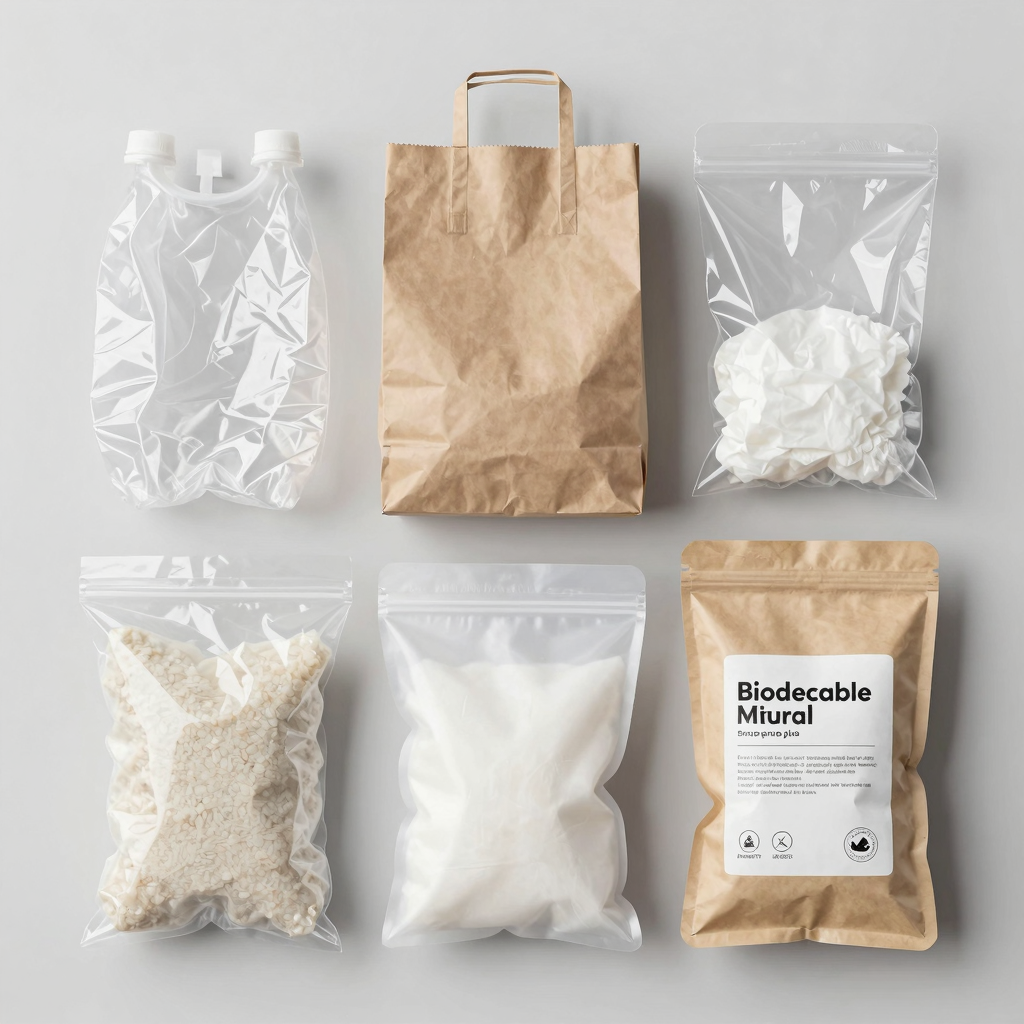
In the charming town of Creil, France, the bustling culinary scene thrives, with bubble tea shops, restaurants, and food trucks serving up delectable delights. As the demand for fresh, convenient food options rises, the importance of quality packaging cannot be overstated. Plastic packaging food containers play a vital role in preserving flavor, maintaining freshness, and enhancing the overall dining experience. For bubble tea shops and beverage chains, attractive and functional packaging not only keeps drinks safe but also adds to the aesthetic appeal, enticing customers. Similarly, restaurants and catering services must navigate the fine line between sustainability and practicality in choosing containers that are not only durable but also environmentally friendly. As they cater to health-conscious consumers, the right packaging can reflect a commitment to quality and sustainability. Engaging with local suppliers who specialize in innovative food packaging solutions, such as those available at Cofe-Cup, can elevate a business’s branding and operational efficiency. Join us as we delve deeper into the world of plastic packaging in Creil, exploring its significance for food-related businesses.
Plastic packaging food containers offer numerous advantages tailored for the food industry, particularly for businesses such as bubble tea shops, restaurants, and food trucks. Here are five key benefits:
- Convenience and Versatility:
- Plastic containers are lightweight, stackable, and available in various shapes and sizes, making them easy to transport and store. Their versatility allows for a wide range of uses, from takeout meals to event catering. Businesses can customize containers to enhance product presentation, providing a better overall customer experience.
- Extended Shelf Life:
- One of the primary benefits of plastic food packaging is its ability to protect food from moisture, oxygen, and light. This helps in extending the shelf life of perishable items and reduces food waste-an essential factor in the food industry learn more about food safety.
- Safety and Hygiene:
- Plastic containers often feature secure locking lids that help maintain freshness and prevent contamination. Designed with food-grade safety standards, they ensure safe storage and handling of food products, especially in settings where hygiene is paramount, such as in catering and food service environments.
- Cost-Effectiveness:
- The production process for plastic containers is generally cheaper and less energy-intensive compared to alternatives like glass or metal. This cost-effectiveness can be significant for food service operations looking to manage budgets while adhering to quality standards.
- Eco-Friendliness and Recycling:
- Modern advancements in plastic manufacturing have led to the creation of recyclable and biodegradable options, which help reduce environmental impact. Many plastic food containers are made from materials like PET and HDPE, which can be recycled effectively, contributing to a circular economy discover more about eco-friendly packaging.
In conclusion, plastic packaging food containers are rising in popularity due to their convenience, safety, and practicality in the food industry, making them an excellent choice for businesses focused on quality and customer satisfaction.
Types of Plastic Packaging for Food Containers in Creil, France
In Creil, France, a diverse array of plastic food containers is available to cater to the rising needs of businesses like catering services, food trucks, bubble tea shops, and more. Understanding the types of containers, their materials, sizes, and applications can empower these businesses to make informed choices for their specific needs.
Common Types of Plastic Food Containers
- Polyethylene Terephthalate (PET)
- Material: Transparent and lightweight, PET is recyclable and offers high clarity, making it perfect for showcasing food.
- Sizes: Commonly ranging from 250ml to 1.5 liters.
- Applications: Ideal for short-term food storage, salad boxes, and ready-to-eat meals. These containers can be found at major retailers like Auchan.
- Polypropylene (PP)
- Material: Known for its durability and heat resistance. BPA-free PP containers are microwave and freezer safe.
- Sizes: Available in various sizes, typically from 500ml to 2 liters.
- Applications: Excellent for meal prep, takeout containers, and food truck service. They can hold hot liquids, making them versatile for different menu items.
- Polylactic Acid (PLA)
- Material: A biodegradable material made from cornstarch, PLA presents an eco-friendly alternative.
- Sizes: Commonly found in sizes from 300ml to 1 liter.
- Applications: Suitable for light salads, snacks, and beverages, it addresses sustainability concerns and meets EU packaging regulations.
- Silicone-Sealed Containers
- Material: Made from flexible silicone combined with sturdy plastic, these containers lock in freshness and prevent spills.
- Sizes: Often available in nested sets, ranging from 500ml to 1.5 liters.
- Applications: Perfect for meal prep and food vendors who want a reusable option.
Conclusion
With the growing trend towards sustainability and convenience in the food service industry, businesses in Creil are increasingly adopting a mix of these plastic food container types. From durable PP containers for hot meals to eco-friendly PLA options for salads, the range of choices reflects both functionality and consumer preferences. As the rigid plastic packaging market in France continues to grow, aligning with these trends is essential for operators in the food industry. For additional insights and information on custom packaging solutions, visit learn more about sustainable packaging solutions.
| Supplier | Price | Product Variety | Delivery Options | Customer Service Ratings |
|---|---|---|---|---|
| MAUSER (Creil, France) | Competitive pricing for industrial-scale orders; costs vary based on customization and volume. Specific pricing requires direct inquiry. | Wide range of rigid plastic containers, IBCs, and custom packaging solutions for food and chemical industries. Focus on composite IBCs and high-performance packaging. | Offers regional and international delivery from its Creil facility; logistics services available for large-scale clients. | High customer satisfaction; praised for technical support and long-term partnership approach (based on industry feedback). |
| IPACKCHEM GROUP | Generally mid-to-high range due to advanced barrier technology and UN certification; cost-effective for high-volume buyers. | Extensive range of 100% recyclable mono-material rigid plastic containers with advanced barrier protection; includes UN-certified packaging for hazardous materials. | Provides global shipping with dedicated logistics partners; supports time-sensitive deliveries for key markets. | Strong reputation for responsive, expert-level customer service; valued for innovation and sustainability guidance. |
| Globalink International Limited | Pricing varies significantly by product type and order size; typically higher for specialized or custom packaging solutions. | Broad portfolio including custom-designed plastic food containers, bulk packaging, and modular systems; offers a wide variety of sizes and configurations. | Offers worldwide delivery with flexible options including air, sea, and land freight; customized logistics planning available. | Positive reviews for responsiveness and project management; known for reliable communication and after-sales support. |
Safety Standards for Food Containers in France
In France, food safety standards for plastic packaging are strictly regulated to protect public health and ensure that all food products are safe for consumption. The key legislation governing food contact materials is Regulation (EC) No 1935/2004, which mandates that packaging must not transfer harmful substances to food. This regulation is complemented by France’s updated packaging laws, ensuring compliance with both national and European directives.
Key Safety Regulations:
- Leko Registration System: Beginning in 2023, France introduced a new registration system, requiring all food packaging materials to adhere to stringent health and environmental standards. Packaging must be free from harmful chemicals and comply with guidelines set by the European Food Safety Authority (EFSA).
- Clear Labeling Requirements: Food packaging must include clear labeling, especially recycling instructions in French, promoting sustainable packaging practices.
- Environmental Compliance: In an effort to reduce plastic waste, France enforced a ban on single-use plastic packaging for fresh produce that came into effect on July 1, 2023. Alternative solutions must be recyclable or compostable, without posing any health risks to consumers.
Importance of Safety Standards
Adhering to these safety standards is critical for food businesses. It not only mitigates health risks associated with harmful substances leaching into food but also helps businesses maintain compliance with regulations, avoiding costly penalties and product recalls. Moreover, a robust adherence to safety standards enhances consumer confidence, ensuring that food establishments such as bubble tea shops, restaurants, and food trucks can operate successfully in a competitive market.
To learn more about the significance of sustainable practices in food packaging, check out our article on the benefits of sugarcane cups.
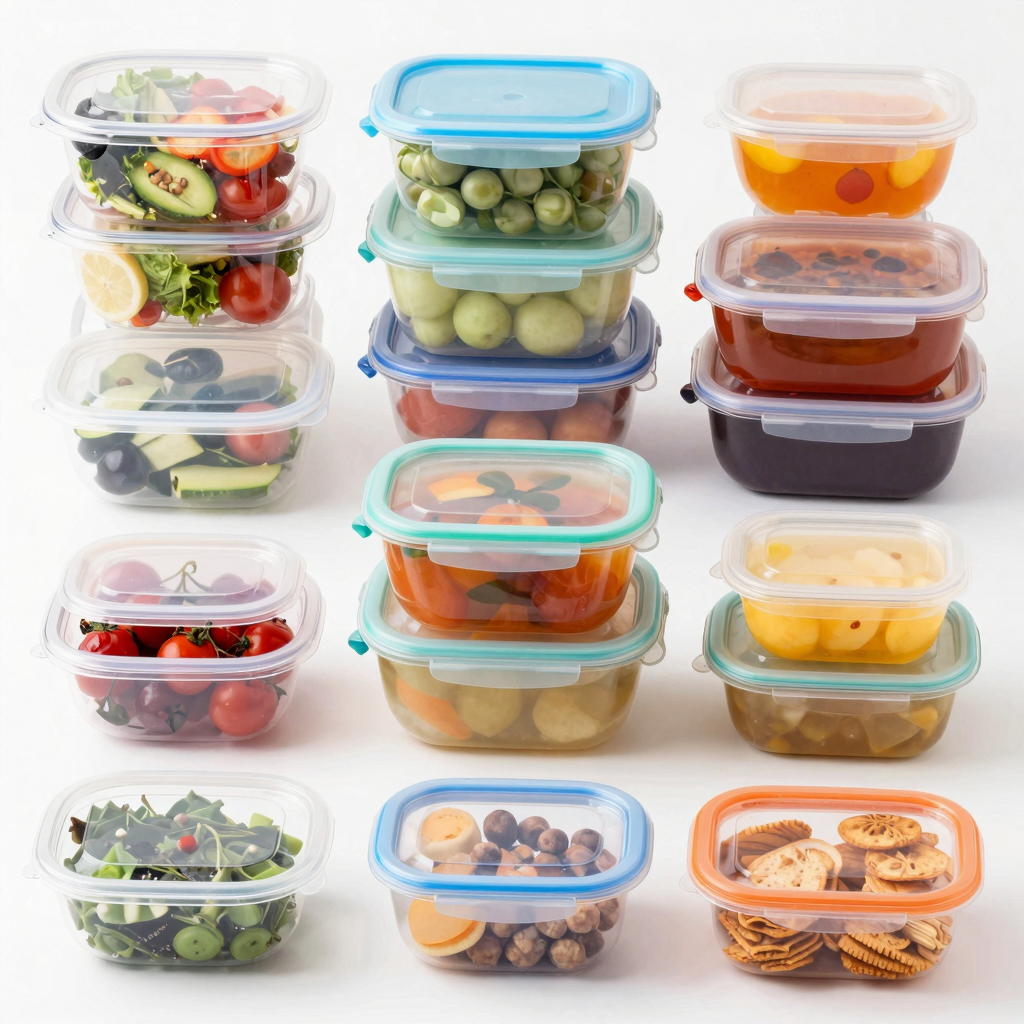
Eco-Friendly Practices in Plastic Packaging Food Containers in Creil
In Creil, France, the manufacturing of plastic packaging food containers is undergoing a significant transformation fueled by eco-friendly practices. The region is embracing sustainable alternatives to traditional plastic, influenced by national efforts to reduce plastic waste and promote environmentally responsible sourcing.
Recycling and Sustainability
France is set to enforce a comprehensive ban on single-use plastics by 2025, which has compelled businesses to explore biodegradable materials for their packaging needs. In this context, many local manufacturers in Creil have turned to pulp molding, a process that uses recycled paper pulp to create durable and biodegradable containers. These eco-friendly containers are not only compliant with upcoming regulations but also resonate with the values of environmentally conscious consumers. The switch to pulp molded alternatives allows companies, such as cafes and food trucks, to maintain compliance while contributing to the reduction of plastic waste in the environment.
Furthermore, businesses are now leveraging local recycling initiatives that align with France’s broader circular economy goals. This involves not only creating products that can be recycled but also incorporating recycled materials into new products. For example, innovative companies are using chemically recycled plastics to create new packaging solutions that maintain safety standards, ensuring they are suitable for food contact.
Responsible Sourcing
Responsible sourcing is another key aspect of Creil’s eco-friendly practices. Local businesses are increasingly sourcing materials from suppliers who adhere to sustainable practices. This not only reduces transportation costs and emissions but also supports the local economy. Engaging local suppliers helps create a resilient supply chain while ensuring that packaging solutions remain sustainable and compliant with environmental standards.
By adopting these eco-friendly practices, businesses in Creil are not only enhancing their sustainability profiles but also meeting the demands of a growing market that prioritizes green alternatives. For more details on innovative packaging solutions, check out this insightful article about local manufacturing initiatives.
In today’s competitive food service industry, choosing the right plastic packaging food containers is not just about functionality; it’s about safeguarding your brand’s integrity and ensuring customer satisfaction. Packaging plays a crucial role in maintaining food quality, supporting sustainability goals, and influencing customer perceptions. High-quality, tailored packaging solutions enhance your operational efficiency and can even reduce costs by preventing spoilage and improving presentation. For businesses like bubble tea shops, restaurants, food trucks, catering services, and event planners, the right containers can make a significant difference in showcasing your offerings effectively.
Don’t leave your packaging to chance! Partner with us at Cofe Cup for customized solutions that meet your specific needs, ensuring you present your food beautifully while adhering to safety standards. Learn more about the benefits of sugarcane cups and discover how effective packaging can elevate your business to new heights. Let’s work together to create packaging that speaks volumes about your brand!
Market Trends for Plastic Food Containers in Creil, France
The demand for plastic food containers in Creil, as part of the broader flexible plastic packaging market, has demonstrated significant growth over the past five years. Here are some key insights:
- Overall Market Growth: The flexible plastic packaging market is expected to reach 136,000 tons by 2025, growing at a CAGR of 4.37% from 2025 to 2030. This trend aligns with national demands and reflects an increased reliance on plastic containers for food storage, retail, and delivery.
- Consumer Preferences: There is a rising demand for eco-friendly products, including reusable and recyclable plastic containers, driven by consumer health concerns and sustainability efforts.
- Localization: Being in a strategic location north of Paris, Creil’s restaurants and food services have shown a significant uptick in the use of plastic containers, especially for takeaway and delivery services.
Market Value Growth
A visual representation of the market value trends can be seen in the chart below:
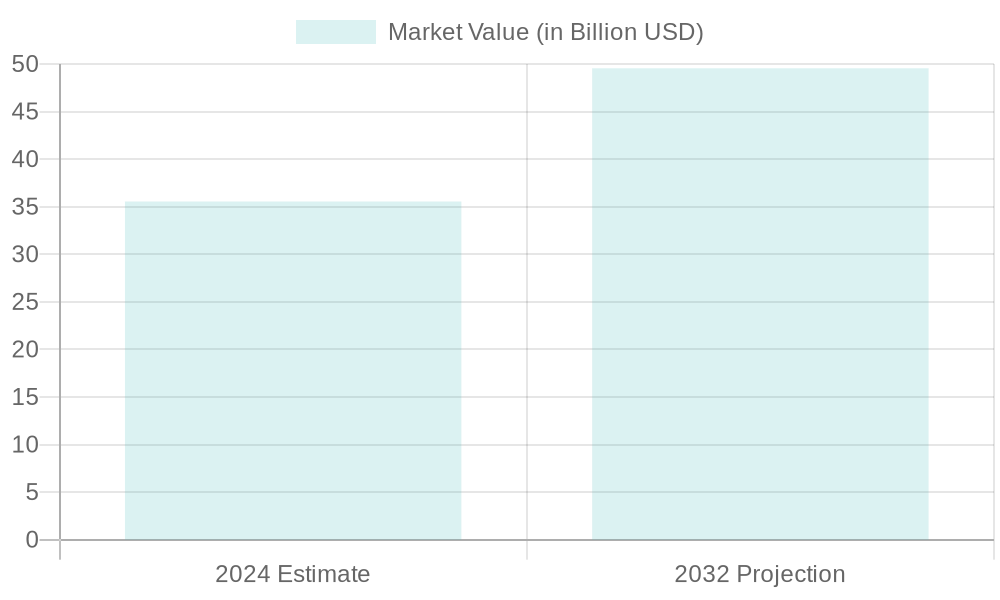
This chart illustrates the projected growth of the plastic food container market, highlighting the increase in market value from $35.54 billion in 2024 to an anticipated $49.55 billion by 2032. This data emphasizes the ongoing expansion and evolving trends within the industry, particularly in urban areas like Creil that are showing strong demand for such products.
For further insights, you can check this resource on flexible plastic packaging in France and this information on the takeaway container market growth.
The Future of Plastic Packaging in the Food Industry
As we look towards the future of plastic packaging in the food industry, industry experts predict significant changes driven by technology and environmental regulations. Notably, a recent report highlights that biodegradable and smart packaging solutions will become mainstream, reflecting a shift towards sustainability.
“The transition towards biodegradable packaging is not just part of a trend; it is essential to meet the new environmental regulations and consumer expectations in the food packaging sector.” – Industry Expert
This focus on sustainable solutions is anticipated to lead to an annual growth rate of around 8.5% in the plastic packaging market by 2025, with innovative materials playing a key role. Sustainable packaging options are increasingly recognized for their potential to enhance brand value and consumer trust, making them crucial for businesses looking to thrive in this evolving market. For more insights, learn more about the benefits of sustainable packaging.
In addition, embracing new technologies can help streamline operations and improve the overall supply chain.