
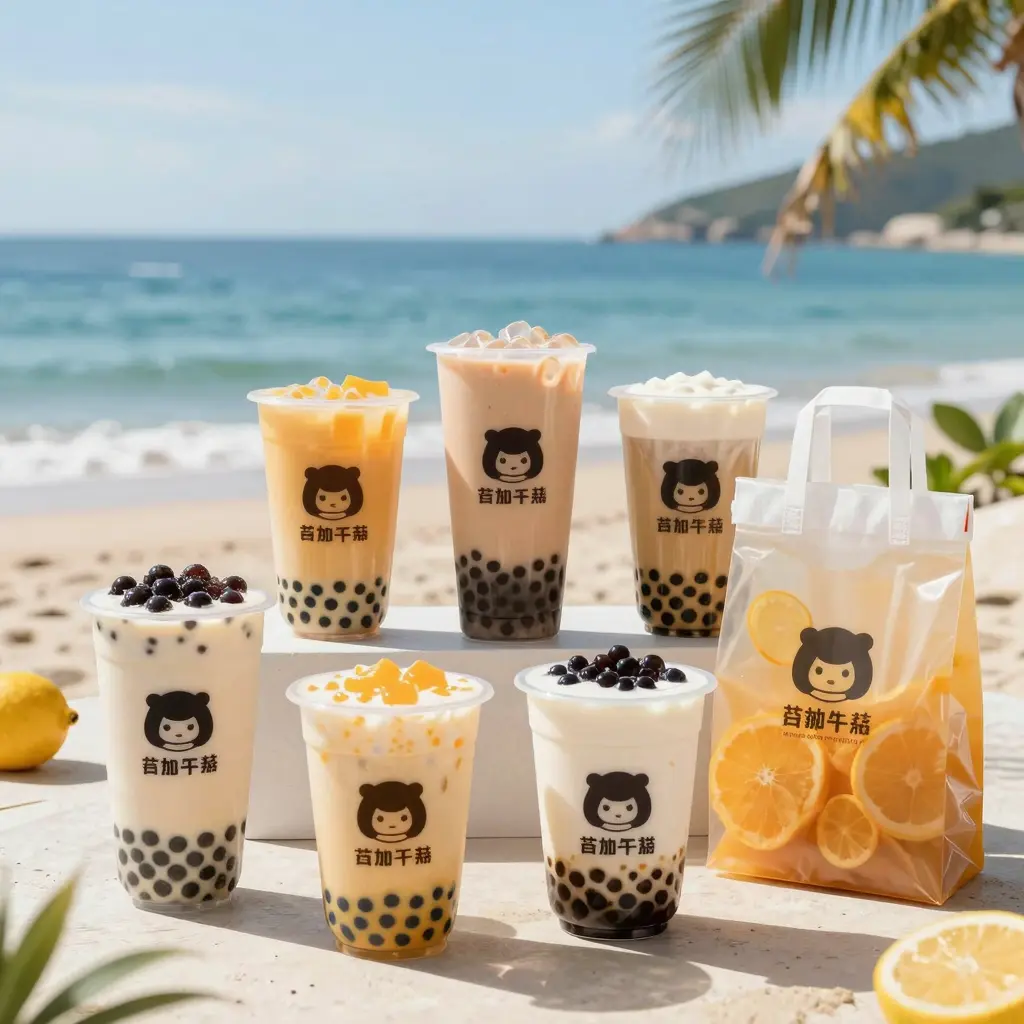
As the sun shines brightly on the beautiful coastal town of Fréjus, France, the local food and beverage industry is buzzing with a need for reliable and attractive packaging solutions. Plastic packaging food containers play a crucial role in this vibrant market, ensuring that delicious offerings remain fresh and visually appealing to customers. Quality packaging is not just a necessity; it heavily influences consumer choices and their overall dining experience. For bubble tea shops, restaurants, food trucks, and catering services, investing in high-quality food containers translates to better customer satisfaction and loyalty. Proper packaging safeguards the freshness of ingredients while enhancing the visual appeal of the products being served. Given the competitive nature of the food industry in Fréjus, utilizing well-designed options from trusted suppliers can help businesses stand out and leave a lasting impression. If you’re looking for the perfect packaging solutions to elevate your offerings, check out our wide range of options that cater specifically to the needs of the food service sector.
Common Plastic Packaging Materials Used in Food Containers
When it comes to food packaging, understanding the types of plastic materials is crucial for restaurants, food trucks, and catering services. Here’s a friendly overview of the most common plastic materials used in food containers:
-
Polyethylene Terephthalate (PET)
-
Characteristics: Clear, strong, lightweight, and resistant to impact.
-
Uses: Ideal for beverage bottles and food containers; commonly used for its excellent barrier properties.
-
High-Density Polyethylene (HDPE)
-
Characteristics: Sturdy, low-cost, and resistant to impact and chemicals.
-
Uses: Widely used in milk jugs, detergent bottles, and plastic bags.
-
Low-Density Polyethylene (LDPE)
-
Characteristics: Flexible, lightweight, and resistant to moisture.
-
Uses: Common in food wraps and grocery bags; suitable for freezing food.
-
Polypropylene (PP)
-
Characteristics: High heat resistance and can be easily molded.
-
Uses: Suitable for microwave-safe containers and coffee cups.
-
Polystyrene (PS)
-
Characteristics: Rigid, lightweight, and can be made into foam.
-
Uses: Commonly found in disposable cutlery, take-out boxes, and foam food containers.
-
Polyvinyl Chloride (PVC)
-
Characteristics: Durable but can release harmful chemicals; thus, its use is decreasing due to health concerns.
-
Uses: Sometimes used in cling films and for packaging fresh foods.
These materials are popular due to their variety of properties that suit different food container needs. It’s essential for food businesses to choose the right material for their specific applications while being mindful of environmental impacts. For further insights on sustainable packaging options, you may explore our packaging solutions.
Understanding these materials helps ensure the safety and quality of food products, which is especially vital in the competitive culinary landscape of places like Fréjus, France.
The Benefits of Choosing Eco-Friendly Packaging Solutions
As environmental concerns rise across the globe, the food service industry stands at a pivotal moment, with eco-friendly packaging emerging as a vital choice for brands. This shift towards sustainable packaging not only enhances brand image but also aligns with modern consumer expectations, especially in sectors like bubble tea shops and catering services.
Sustainability at Its Core
Eco-friendly packaging solutions, including biodegradable containers and recycled paper options, significantly reduce the environmental footprint associated with traditional plastic packaging. For instance, materials such as cornstarch-based plastics and durable kraft paper are derived from renewable resources, contributing to waste reduction and promoting a circular economy. Embracing these materials can help food service businesses lower their carbon emissions while enhancing compliance with regulations targeting plastic waste and pollution. According to a report from Sustainable Packaging Insights, utilizing these biodegradable materials fosters long-term sustainability, which is crucial for remaining competitive in today’s market.
Reaping the Rewards for Brand Image
For bubble tea shops and catering services, eco-friendly packaging offers brand differentiation in a crowded market. Consumers, particularly younger demographics, increasingly prefer to support brands that reflect their values. Forbes highlights that over 70% of young consumers are willing to pay more for products with eco-friendly packaging. By adopting sustainable materials, businesses can cultivate loyalty among environmentally conscious customers and boost their public image. A strong commitment to sustainability strengthens customer trust and can lead to increased word-of-mouth promotion on social media platforms.
Cost-Effectiveness and Operational Efficiency
Additionally, eco-friendly packaging can lead to reduced operational costs in the long run. Many biodegradable and reusable packaging options are cost-effective, especially when purchased in bulk. These materials often require less costly waste management processes and can help businesses take advantage of local government incentives for reducing waste. The Green Dining Initiative emphasizes that sustainable practices resonate strongly with consumers, potentially leading to higher sales and decreased expenses related to waste disposal.
Conclusion
Ultimately, investing in eco-friendly packaging solutions is not just about compliance with regulations or responding to market demand; it’s about building a sustainable future. For bubble tea shops and catering services looking to create a positive impact, switching to eco-friendly packaging can enhance brand loyalty, decrease costs, and support environmental goals. As the push for greener solutions intensifies, businesses that prioritize sustainability will not only thrive but also be viewed as leaders in the food service industry.
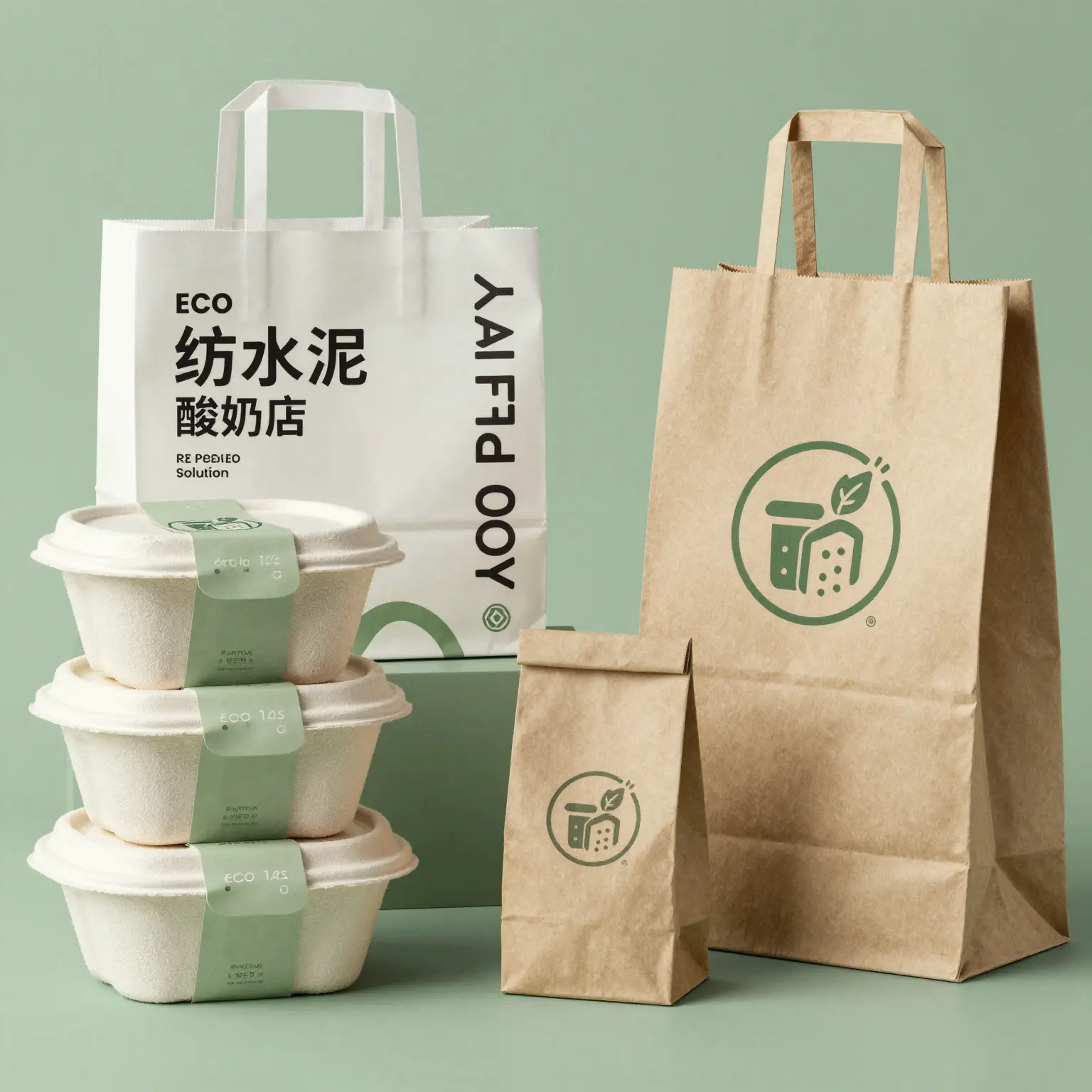
To explore a variety of eco-friendly packaging options, visit our packaging solutions category today!
Recent Trends in Food Packaging in France
In recent years, the food packaging landscape in France has shifted dramatically, influenced by a strong emphasis on sustainability and changing consumer preferences. With a rising awareness of environmental issues, French consumers are favoring packaging solutions that minimize ecological impact. Here’s a summary of current trends:
1. Shift Towards Sustainable Materials
- The market for biodegradable packaging is expected to grow substantially, with projections indicating it could exceed USD 1.76 billion by 2031, reflecting a CAGR of 8.7% from 2025 to 2032. This rise is primarily due to the increasing demand for eco-friendly products among consumers and regulatory changes promoting sustainable practices.
2. Impact of Regulations
- The French anti-waste law has significantly shaped packaging choices by banning single-use plastics for fresh produce, reinforcing the shift towards recyclable and biodegradable solutions. This legislation, effective from 2023, has motivated businesses to adapt by enhancing their packaging sustainability efforts.
3. Consumer Preferences
- Consumers in France are increasingly aware of packaging recyclability and sustainability. This has led to a growing preference for products featuring minimal and eco-friendly packaging. Additionally, innovative packaging systems, such as refill and return options, are gaining traction, allowing customers to contribute directly to waste reduction.
4. Technological Integrations
- Smart packaging technology is also emerging, with innovations aimed at monitoring product freshness using embedded sensors. These advancements not only help reduce food waste but also align with consumers’ desires for quality assurance and transparency in food sourcing.
Conclusion
In summary, the French food packaging sector is evolving toward sustainable solutions driven by consumer demand and stringent regulations. Businesses such as bubble tea shops, restaurants, and food trucks must adapt to these changes to meet consumer expectations and comply with laws. By investing in eco-friendly packaging options like biodegradable and recyclable containers, these enterprises can enhance their brand image and contribute positively to the environment.

Key Insights
- Consumer preferences are shifting towards sustainable packaging solutions.
- Regulatory frameworks are promoting reductions in single-use plastic.
- Technological advancements are enhancing consumer confidence in food safety through smart packaging.
This combination of trends offers businesses a roadmap to not only meet regulatory compliance but also to succeed in a competitive marketplace focused on sustainability.
For more insights into sustainable packaging products, check out our packaging solutions.
Comparison of Plastic Packaging Vendors in Fréjus
For businesses in Fréjus looking for reliable plastic packaging solutions, it’s essential to compare the offerings of various vendors. Below is a table that summarizes major vendors, their pricing, material types, delivery options, and safety certifications.
| Vendor | Pricing (Approx.) | Material Types | Delivery Options | Certifications |
|---|---|---|---|---|
| Amcor Plc | Varies | PP, PE, PET, Specialized Films | Standard freight, express shipping | ISO 9001, ISO 14001, EU REACH |
| Coveris Management GmbH | Varies | PP, PE, PET, Laminates | Regional distribution networks | ISO 9001, FSC |
| Berry Global Inc. | Varies | PP, PE, PET, Bio-based options | Standard freight, express shipping | ISO 14001, EU REACH |
| Constantia Flexibles | Varies | Flexible Films, Laminates | Standard freight, express delivery | ISO 9001, ISO 14001, FSC |
| Wipak Group | Varies | Multi-layer Films, Laminates | Regional distribution networks | ISO 22000, BRC/IoP |
| Sonoco Products Company | $0.01 – $0.20 | Multi-layer Laminates, Custom Solutions | 7 – 30 days | FDA, EU 1935/2004 |
| Sealed Air Corporation | Varies | Protective Films, Pouches | Standard freight, express shipping | ISO 9001, ISO 14001, EU REACH |
Key Takeaways:
- Material Types: Vendors offer diverse materials including polypropylene (PP), polyethylene (PE), and advanced laminates.
- Delivery Options: Delivery options range from regional networks to express shipping, ensuring businesses can choose based on urgency and cost.
- Certifications: Key certifications such as ISO 9001 and EU REACH compliance are prevalent among vendors, ensuring safety and quality standards.
For more information on packaging options, you can explore plastic packaging products here.
Choosing the right vendor is crucial for ensuring quality and compliance. Evaluate each vendor’s strengths and pick one that aligns with your business needs!
Safety Standards for Plastic Food Containers
In the world of food service, ensuring the safety of your products is paramount. When it comes to plastic food containers, understanding the relevant safety standards can help you make informed decisions for your business. Two significant regulatory frameworks govern the safety of plastic food containers: those set forth by the U.S. Food and Drug Administration (FDA) and the European Union (EU).
FDA Regulations
The FDA oversees the safety of materials that come into contact with food in the United States. According to the FDA, food contact materials, including plastics, must not transfer harmful substances to food beyond established safety limits. Key points to consider:
- Compliance with 21 CFR: The FDA regulates food contact plastics under 21 CFR Parts 170-199, focusing on ensuring materials do not leach harmful chemicals into food. This includes adherence to specific migration limits for various substances.
- Good Manufacturing Practices (GMP): Manufacturers must follow GMP to ensure safety and quality in food contact materials, which encompasses the entire supply chain from production to final delivery.
- Substance evaluation: Before using certain plastics, suppliers may be required to obtain a No Objection Letter (NOL) from the FDA, which confirms the safety of the material for specific food contact applications.
For more information on FDA regulations, business owners can consult credible sources that detail compliance processes.
EU Regulations
The European Union has implemented strict regulations under Regulation (EU) No 10/2011, focusing on the safety of plastic materials intended for food contact. Here are critical elements:
- Authorized Substances: The EU maintains a positive list of substances that are allowed in food contact materials. This ensures that all materials are scrutinized for safety before they can be used commercially.
- Migration Limits: Compliance with specific migration limits (SMLs) and overall migration limits (OMLs) is essential to prevent substances from leaching into food. Manufacturers must conduct thorough testing to demonstrate compliance.
- Declaration of Conformity: Producers must provide documentation that attests to the safety and compliance of their materials with EU legislation. This includes ongoing assessments and risk analysis conducted by the European Food Safety Authority (EFSA).
Companies should familiarize themselves with the EU regulations to avoid potential compliance issues.
What to Look For
When selecting plastic food containers for your business, consider the following to ensure compliance:
- Certifications and Labels: Look for products that come with proper certifications or labels indicating compliance with FDA or EU regulations. These are good indicators of safety.
- Material Specifications: Verify that the materials are listed as approved substances, and check for migration testing data.
- Manufacturer Reliability: Choose suppliers with a good track record and transparency in the production process and quality control measures.
Ultimately, understanding these standards can protect your business and your customers while contributing to a safer food service environment.
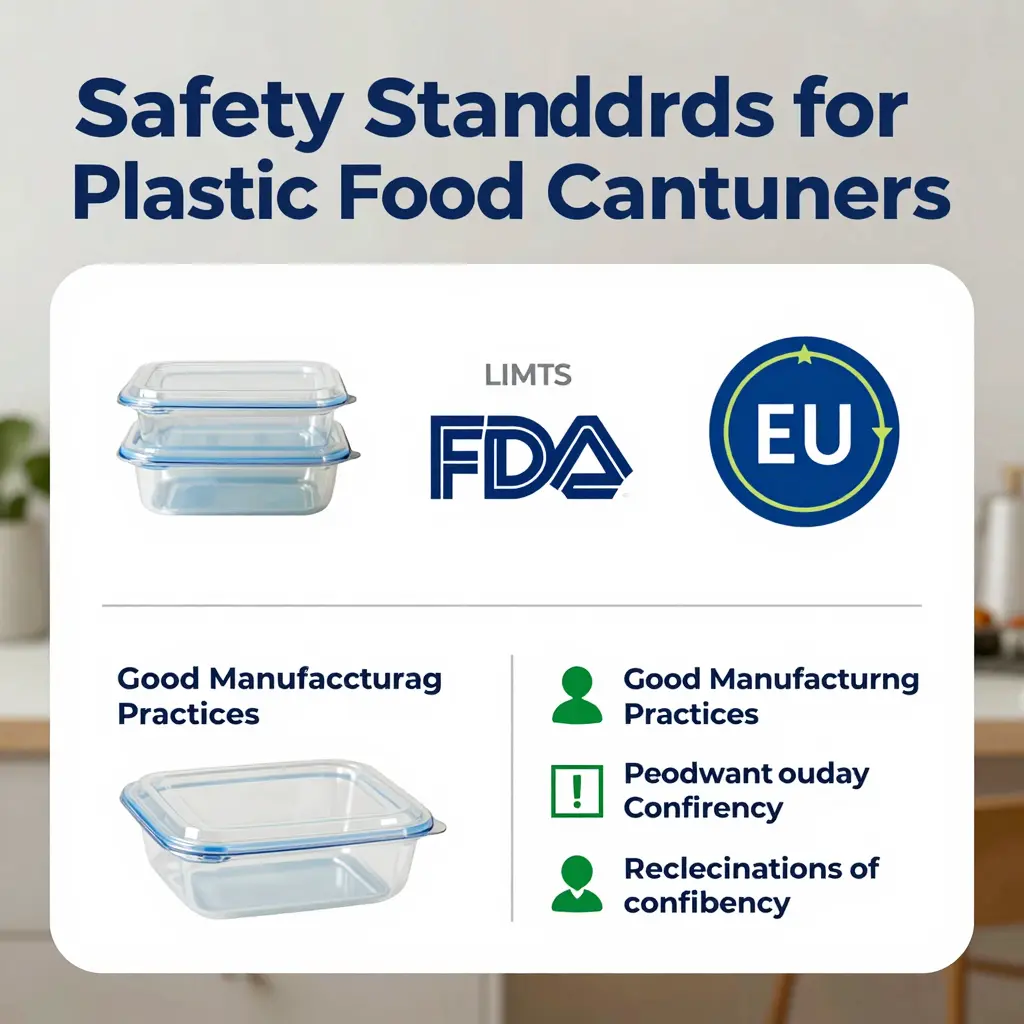
Image: An infographic depicting FDA and EU regulations on plastic food containers.
By adhering to these safety standards and ensuring compliance, you can maintain a trustworthy to your customers and uphold the integrity of your food service operations.
Expert Insights on Packaging Innovations
Innovations in food packaging are crucial, especially as businesses strive for sustainability. As Laura Latišonoka, Director of Food Solutions at Tetra Pak, eloquently states:
“We must rethink food packaging from the ground up. While plastic serves its purpose, the heavy reliance on oil for its production is concerning and accounts for a significant portion of global carbon emissions. We need to prioritize sustainable alternatives, and innovations like full-color digital printing on carton packages can significantly reduce production complexity and help achieve sustainability goals.”
(Source: Tetra Pak)
Furthermore, experts discuss the shift towards smart and sustainable packaging options, improving efficiency and reducing waste:
“The future of food packaging lies in smart systems. These innovative designs include intelligent packaging that monitors food quality, which enhances safety and meets consumer demands for environmentally responsible solutions.”
(Source: Frontiers)
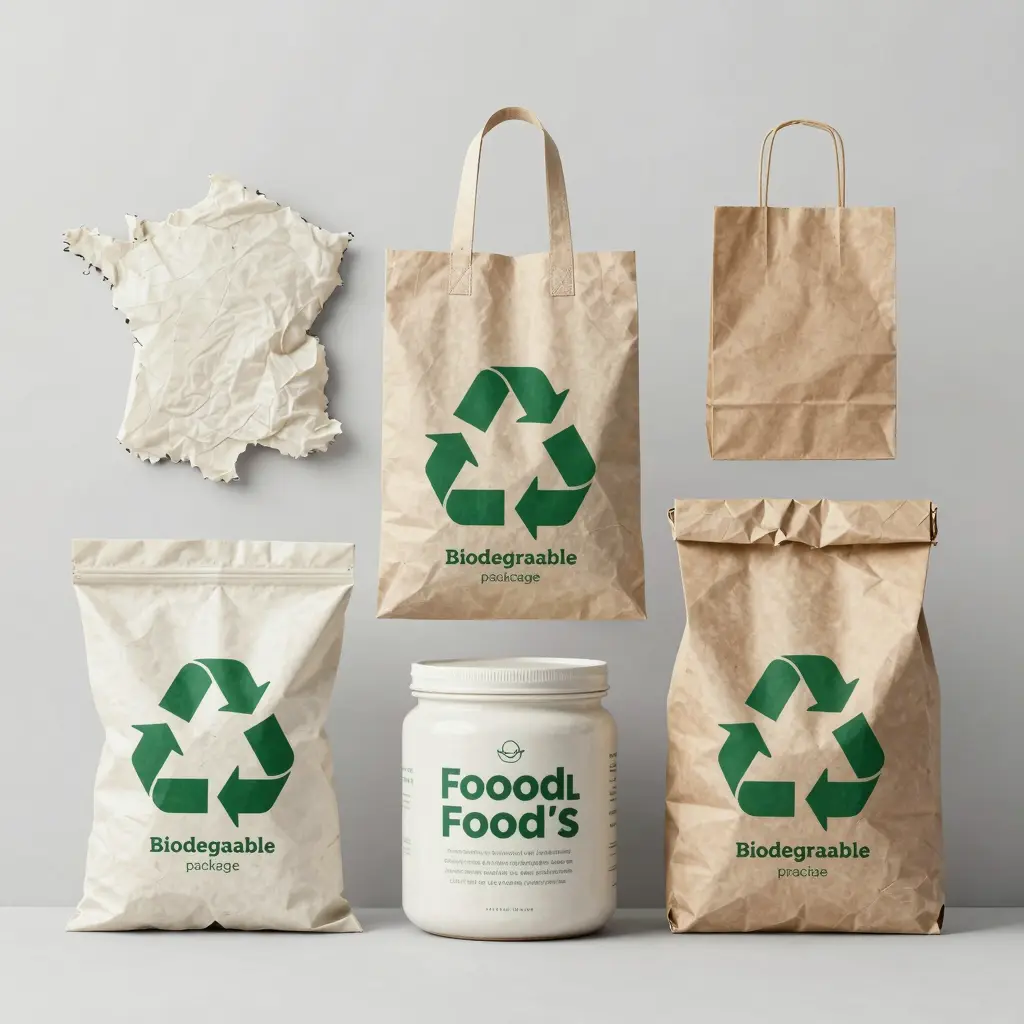
Visual Representation of Sustainable Packaging
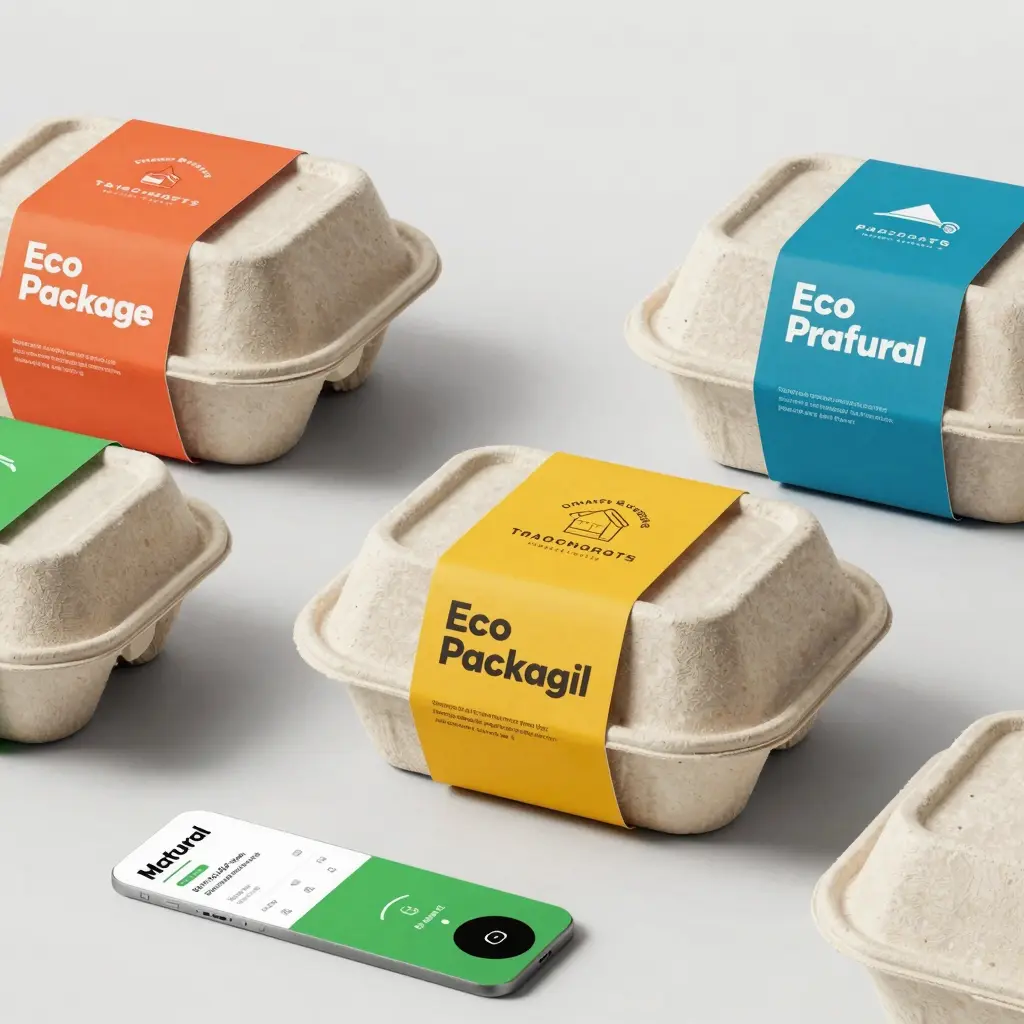
This image illustrates the creative approach to sustainable food packaging, highlighting the use of eco-friendly materials and innovative designs.
For more insights into packaging solutions, check our packaging printing options and paper packaging range.
At Cofe Cup, we understand that quality and safety are paramount in the food service industry. Our plastic packaging solutions are designed to meet the highest standards, ensuring that your beverages and food items are preserved perfectly while looking great. With fast delivery options, you can trust that we’ll have your packaging ready when you need it, allowing you to focus on what you do best-delivering exceptional experiences to your customers. Plus, our friendly team is always here to help you find the perfect packaging solution tailored to your business needs. Don’t settle for less! Explore our wide range of packaging options today and discover how we can elevate your food and beverage presentation while keeping it safe and efficient! Together, let’s make your brand stand out!
Visual Showcase of Plastic Food Containers
1. Colorful Assortment in Bubble Tea
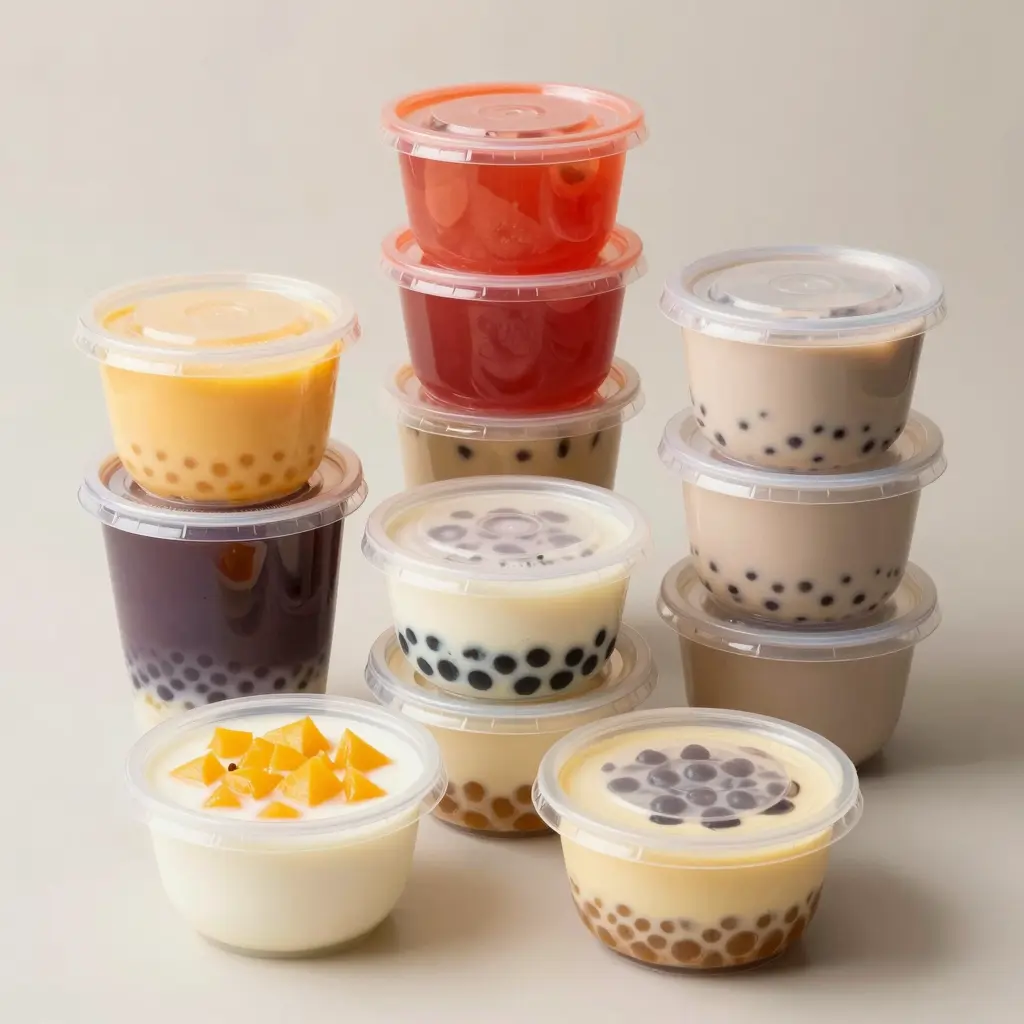
This image showcases a variety of colorful plastic food containers commonly used in bubble tea shops, including different shapes and sizes suitable for drinks and snacks.
2. Stylish Bubble Tea Containers
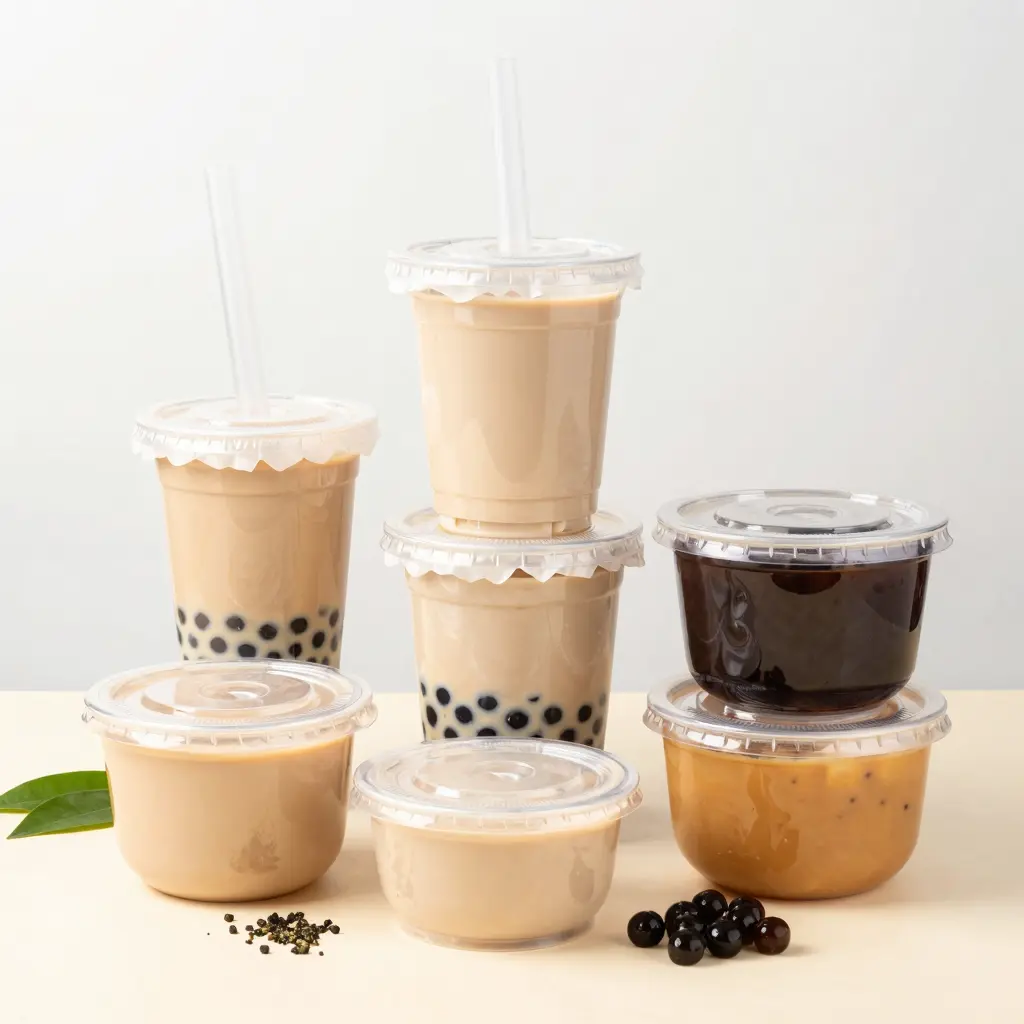
An assortment of stylish plastic food containers for bubble tea, featuring transparent and colored materials alongside decorative elements like tea leaves and tapioca pearls.
3. Eco-Friendly Catering Containers
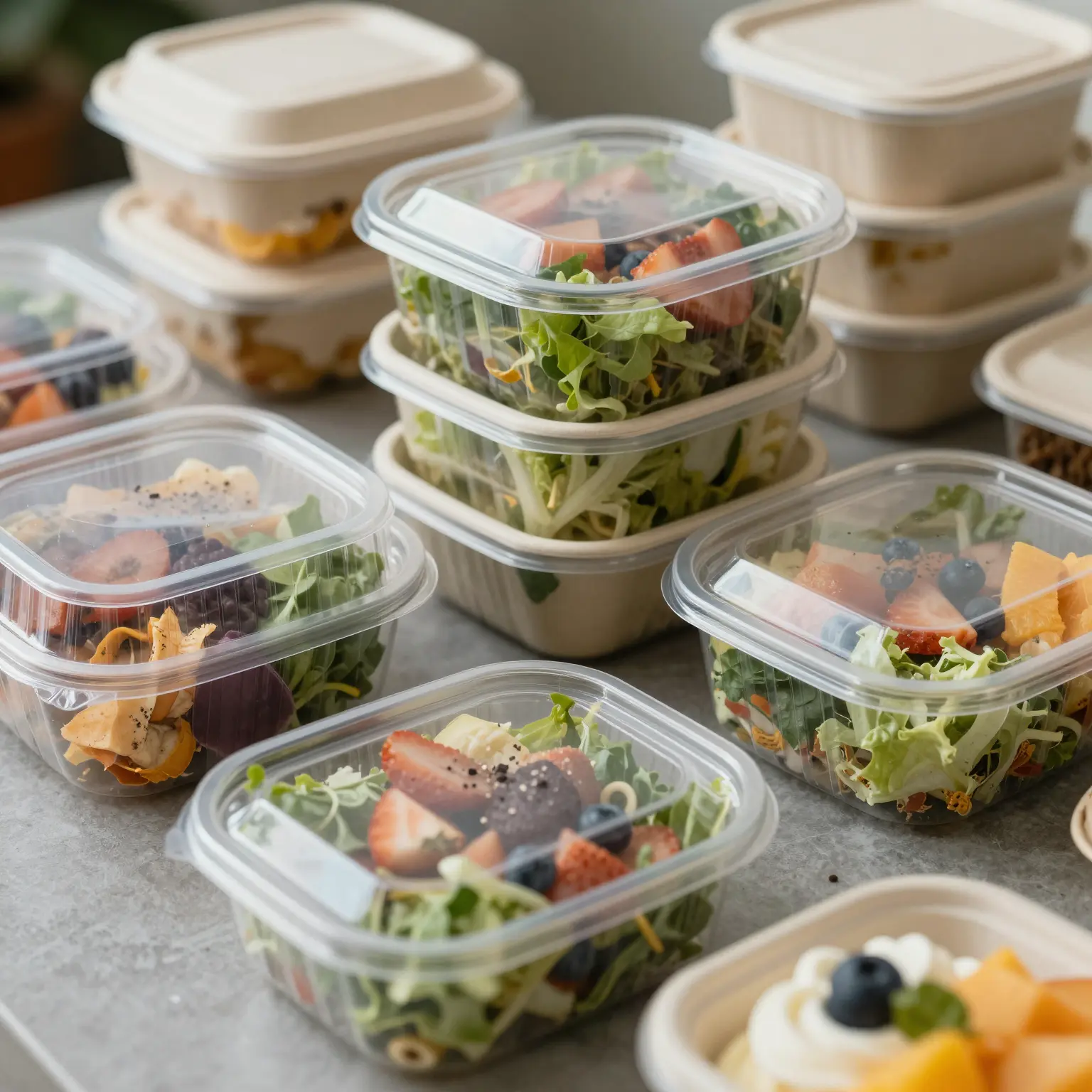
A close-up view of eco-friendly plastic food containers filled with fresh food options such as salads and desserts, ideal for catering services.
4. Takeout Display in Restaurants
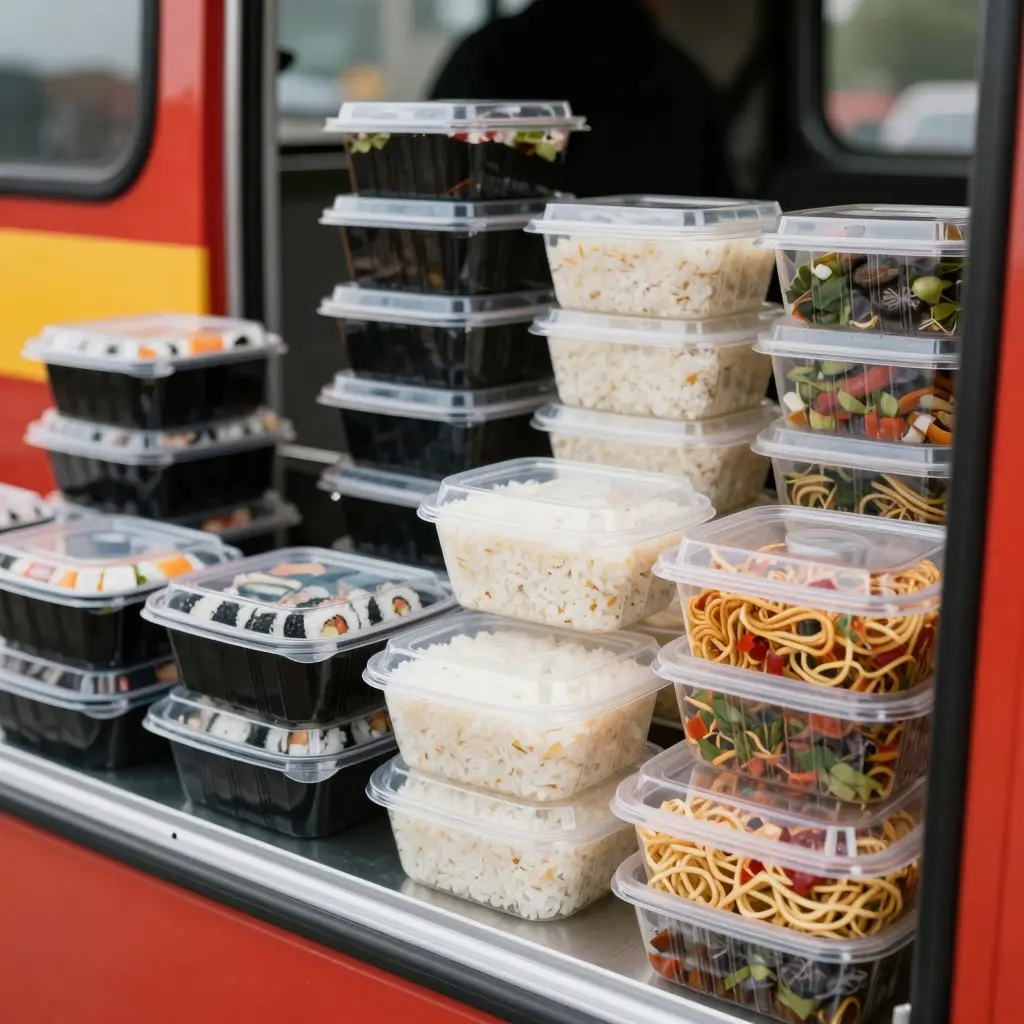
A visually appealing display of plastic food containers used for takeout, showcasing a variety of food types like sushi, rice, and noodles.
These images illustrate the variety and functionality of plastic food containers available to bubble tea shops, restaurants, and catering services. For further options, you can explore our plastic packaging selection.
Market Share of Plastic Packaging Materials in the Food Industry
Here’s a visual representation of the market share held by different types of plastic materials in food packaging. This chart highlights the significance of each type in the food packaging sector:
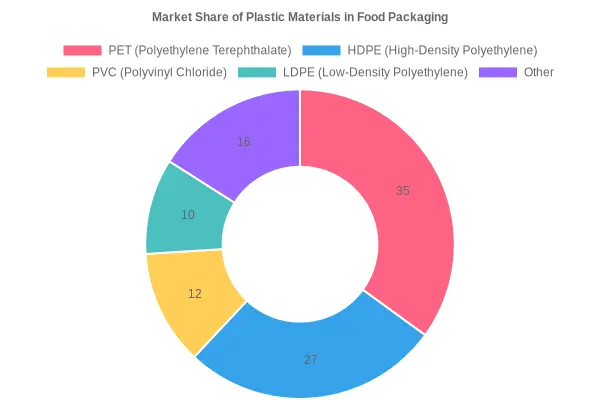
Breakdown of Market Share
| Plastic Material | Market Share (%) |
|---|---|
| PET (Polyethylene Terephthalate) | 35% |
| HDPE (High-Density Polyethylene) | 27% |
| PVC (Polyvinyl Chloride) | 12% |
| LDPE (Low-Density Polyethylene) | 10% |
| Other | 16% |
Note: The data reflects current market trends in food packaging materials as of 2026. For those interested in exploring more about various plastic packaging materials, feel free to check our collection!