

In the heart of Tourcoing, where vibrant food culture meets an eco-conscious community, the significance of plastic packaging food containers cannot be overstated. For bubble tea shops, restaurants, food trucks, and event planners, the demand for reliable, safe, and environmentally friendly solutions is on the rise. Consumers today are not just looking for products that taste good but also for brands that care about their impact on the planet. The food and beverage industry in Tourcoing is adapting to these expectations by seeking packaging that enhances the presentation of their offerings while ensuring freshness and safety.
Using high-quality, eco-friendly containers not only helps businesses comply with local regulations but also appeals to environmentally conscious customers. With options such as biodegradable and compostable packaging becoming increasingly available, it’s vital for local business owners to make informed choices that align with their values and attract new clientele. Embracing these sustainable practices not only boosts brand reputation but also builds customer loyalty. For more insights on how to elevate your packaging strategy, check out our article on sustainable packaging options that businesses like yours can adopt.
Benefits of Using Plastic Packaging Food Containers
Plastic packaging food containers offer several compelling advantages for food service businesses, making them a popular choice among restaurants, food trucks, and catering services. Here are some key benefits:
-
Safety
Plastic containers are designed to be food-safe, available in BPA-free materials, preventing harmful chemical leaching that can occur with lower-quality plastics. This ensures that the food served remains safe for consumption. -
Durability
These containers are highly resistant to breakage, making them ideal for busy environments where items may be dropped or stacked. This durability helps reduce replacement costs due to damages during transportation and handling. -
Cost-Effectiveness
Plastic containers are generally more affordable to produce and purchase compared to alternatives like glass or metal. This cost efficiency can significantly enhance profit margins for businesses, especially those operating on a tight budget. -
Convenience
Their lightweight nature makes them easy to handle and store, which is essential for food service industries that prioritize efficient operation. Many plastic containers are also microwave-safe, adding to their versatility. -
Eco-Friendliness
While traditional plastics can pose environmental challenges, advances in materials have led to the production of recyclable and bio-based plastics. Many food service businesses are now adopting these options, helping to mitigate the impact on the environment. Learn more about eco-friendly packaging options for sustainability in food service.
Choosing the right packaging is essential in maintaining food quality while also considering environmental impact. Understanding these benefits can aid food service providers in making informed decisions that enhance both their service and sustainability initiatives.
Safety Standards for Plastic Food Containers in France
In the food service industry, especially for businesses like bubble tea shops and restaurants, adhering to safety standards for plastic food containers is crucial. In France, these products must comply with stringent European Union regulations such as Regulation (EC) No 1935/2004 and Regulation (EU) No 10/2011, which are aimed at ensuring that no harmful substances are leached into food. The French Agency for Food, Environmental and Occupational Health & Safety (ANSES) plays a significant role in enforcing these regulations, advocating for the removal of potentially dangerous plastic additives such as phthalates and bisphenol A (BPA) to protect consumer health. Furthermore, manufacturers are required to maintain comprehensive traceability of raw materials and conduct regular compliance testing, ensuring that all products on the market are safe for consumption. In addition, labeling requirements dictate that containers must specify their suitability for various uses, such as microwave heating or freezing. The DGCCRF (French Directorate General for Competition, Consumer Affairs and Fraud Control) oversees compliance, and non-compliant products can be banned from the market to safeguard public health. For further insights into specific regulations affecting food contact materials, check out the European Commission’s guidelines or learn more about ANSES’s recommendations on plastic additives.
Trends in Disposable Packaging for Food Services in France
As the demand for quick-service restaurants and beverage shops like bubble tea (boba) increases, so does the importance of innovative and sustainable packaging solutions. Recent trends in disposable packaging reveal significant shifts in consumer preferences, particularly in France:
1. Emphasis on Sustainability
Consumers are becoming increasingly aware of environmental issues and are demanding more sustainable packaging. A recent study by Essentra Tapes highlights that many prefer eco-friendly options and are willing to pay a premium for products that align with their values. This trend is particularly relevant for food services like bubble tea shops, where reducing plastic waste is becoming a focal point for brand loyalty.
2. Minimalist Design and Functionality
Another trend, as noted in Packaging Digest, emphasizes minimalist packaging designs. Clean, simple packaging is gaining traction among consumers, as it often conveys a fresh and high-quality image. Brands are also looking to enhance functionality; packaging that is easy to use and maintain while being environmentally safe is becoming increasingly desirable.
3. Technological Innovations
Technological advancements, such as connected packaging, enable businesses to track their materials through blockchain. This transparency builds consumer trust in sustainability claims. As a result, food services can ensure that their packaging processes are not only efficient but also eco-friendly, fostering customer confidence in the brand.
Conclusion
The rise in sustainability awareness, coupled with a shift towards minimalist designs and technological adoption, shapes the future of disposable packaging in France’s food service industry. Bubble tea shops and similar businesses can gain competitive advantages by embracing these trends for packaging. For instance, using sugarcane cups provides an appealing, eco-friendly option to attract environmentally conscious consumers.
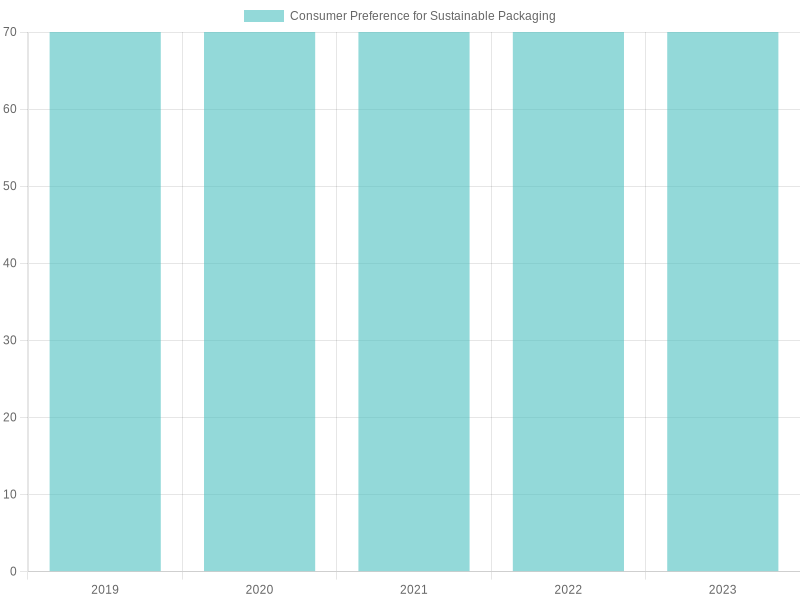
Consumer Preference for Sustainable Packaging Over the Years (2019-2023)
By staying abreast of these trends, bubble tea shops can better meet consumer demands while contributing to a greener future.
Comparison of Plastic Food Containers
When it comes to choosing the right plastic food containers, it’s important to consider several factors, including material type, suitability for various food types, price range, and eco-friendliness ratings. Below is a comparison table showcasing some commonly used plastic packaging options tailored for your business needs.
| Material Type | Suitability for Food Types | Price Range | Eco-Friendliness Rating |
|---|---|---|---|
| PET | Cold beverages, dry goods | $0.10 – $0.15/unit | Best recycling infrastructure |
| HDPE | Acidic liquids, dairy products | $0.15 – $0.25/unit | High recycling rate (30%) |
| PP | Microwavable foods, hot food storage | $0.25 – $0.40/unit | Moderate recycling infrastructure |
| LDPE | Flexible packaging, not for long-term storage | $0.10 – $0.20/unit | Low recycling capacity (<5%) |
Material Insights:
- PET (Polyethylene Terephthalate): Widely used for single-use bottles and clamshell containers; it is clear and recyclable but not suitable for hot foods.
- HDPE (High-Density Polyethylene): Good for milk jugs and deli containers with moderate heat resistance and good chemical resistance, ideal for dairy.
- PP (Polypropylene): Known for its high temperature resistance, is often found in microwave-safe containers and takeout boxes.
- LDPE (Low-Density Polyethylene): Common in flexible packaging, it has less durability and limited recycling options.
Conclusion
Choosing the right type of plastic container is critical for maintaining food safety and minimizing environmental impact. Always consider the suitability for food types and recycling options when selecting packaging for your business. For further insights, learn more about our eco-friendly packaging solutions that can help your operation succeed while being more sustainable.
For customized options in food packaging, check out our customized octagonal paper bowls that offer an innovative approach for food service!
In the competitive landscape of the food service industry, particularly catering and event planning, the demand for fast delivery and flexibility has never been more crucial. Customers today expect seamless experiences, whether they are organizing a corporate event, a wedding, or a simple gathering. A report from the National Restaurant Association reveals that 64% of consumers expect catering services to provide swift delivery, ideally within two hours of ordering. This heightened expectation highlights the need for caterers to adopt robust logistics systems that can accommodate fluctuating guest counts and last-minute requests. Fast delivery not only ensures food arrives fresh and appetizing but also reduces stress for event planners who juggle multiple responsibilities. Additionally, the flexibility to customize menus and adapt to specific dietary needs allows catering services to cater to diverse audiences, enhancing client satisfaction. As technology evolves, the integration of AI-driven demand forecasting and GPS-enabled delivery networks significantly boosts operational efficiency, enabling providers to deliver not just quickly but also accurately. In this dynamic environment, the ability to execute last-minute changes without compromising quality is a vital competitive advantage. Thus, prioritizing fast delivery and flexible options is not merely a trend; it’s a fundamental requirement for success in the catering and event planning sectors, which can significantly improve repeat business and customer loyalty. For further insights into the latest trends, check out our article on custom packaging for food services and learn how packaging can impact your service delivery.
“As a bubble tea shop owner, I have tried many different packaging suppliers, but none match the quality and reliability of Cofe-Cup. Their plastic food containers are not only durable, but they also keep our beverages fresh and appealing. Plus, the variety in designs and sizes allows us to creatively showcase our drinks. Every time I have placed an order, they have delivered on time with excellent customer support. I couldn’t ask for a better packaging partner to help us serve our customers. Thank you, Cofe-Cup!”
- Sarah L., Owner of Bubble Bliss Tea
If you’re interested in quality solutions like those that have helped Sarah’s business, learn more about our customizable packaging options
or check out how our sugarcane cups provide sustainable benefits.
Eco-Friendly Practices in Packaging
In today’s environmentally aware society, adopting eco-friendly practices in the packaging industry is no longer just an option; it is a necessity. The world is moving towards sustainability, as consumers increasingly demand products that minimize environmental impact. The packaging industry, particularly within the food sector, plays a crucial role in this transition.
At its core, eco-friendly packaging involves using sustainable materials that are recyclable, biodegradable, or compostable. As McKinsey explains, 2023 has seen a marked increase in consumer awareness regarding packaging sustainability, with a surge in awareness driving companies to rethink their packaging strategies. For example, brands that invest in sustainable packaging not only reduce their carbon footprint but also enhance their marketability and consumer appeal.
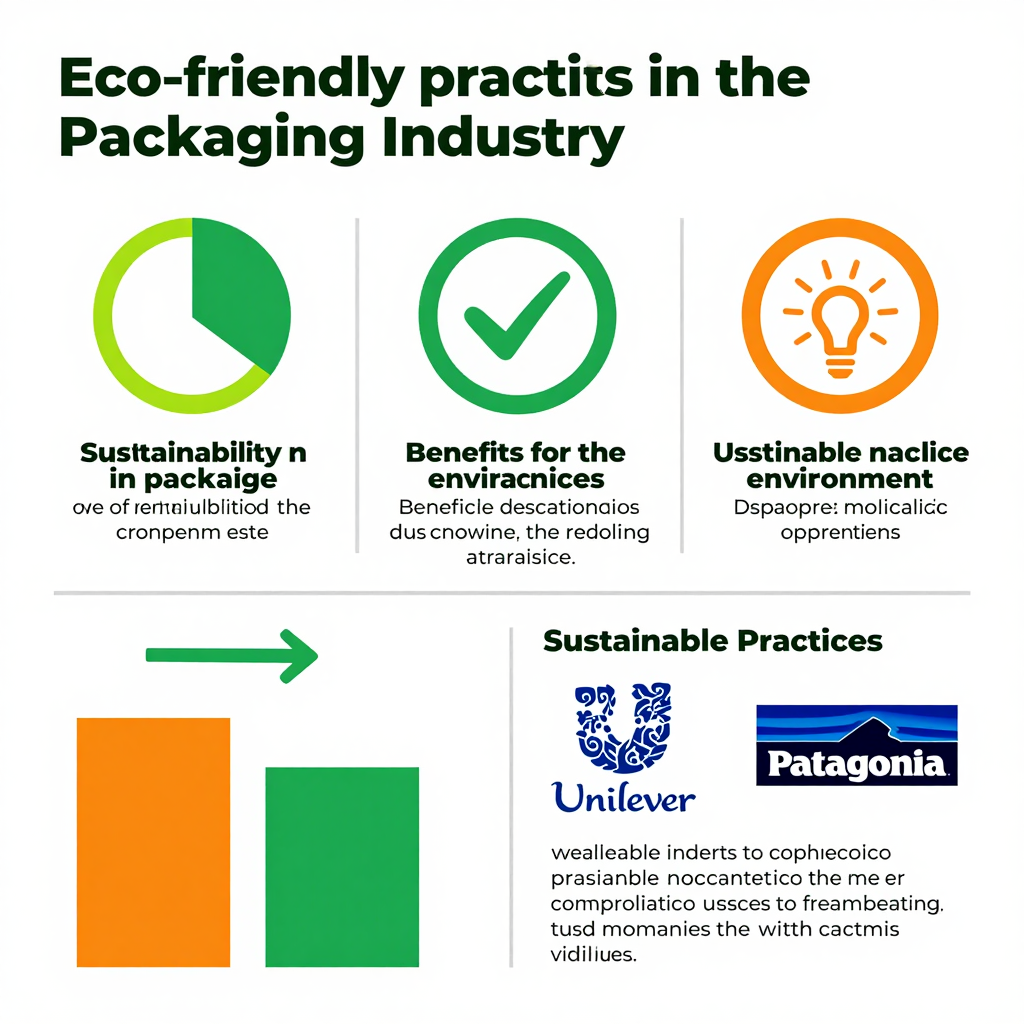
Many companies are setting notable examples in sustainable practices. Unilever has committed to ensuring that all of its plastic packaging is recyclable, reusable, or compostable by 2025. Similarly, Patagonia integrates sustainability into its entire supply chain, using recyclable materials and promoting repair and reuse among consumers.
At Cofe-Cup, we are deeply committed to implementing sustainable practices in our product offerings. We utilize materials such as sugarcane and recycled paper for our food packaging solutions. This not only supports the reduction of plastic waste but promotes a circular economy by sourcing materials that can be continually repurposed. By providing eco-friendly packaging options, we not only cater to businesses like bubble tea shops and food trucks but also contribute to a healthier planet.
Here’s an infographic illustrating the importance of these practices in the packaging industry:
Growth Trends in the European Disposable Food Packaging Market
The disposable food packaging market in Europe has shown remarkable growth, driven by rising demand for convenience foods, fast-food consumption, and the expanding food delivery sector. The following chart illustrates the projected market value from 2023 to 2030, indicating a significant Compound Annual Growth Rate (CAGR) of 7% from 2024 onwards.

Chart: Market Value of Disposable Food Packaging in Europe
Key Insights
- 2023 Market Value: The overall food packaging market in Europe was valued at approximately USD 143,130 million.
- 2024 Projection: The disposable segment is estimated at USD 17,033.5 million.
- Future Trends: By 2030, the market is expected to grow to USD 25,536.6 million, demonstrating robust demand trends.
As bubble tea shops, restaurants, food trucks, catering services, and event planners navigate this evolving landscape, adopting sustainable and resilient packaging solutions becomes increasingly important. For insights on sustainable options, explore our article on sugarcane cup benefits.