
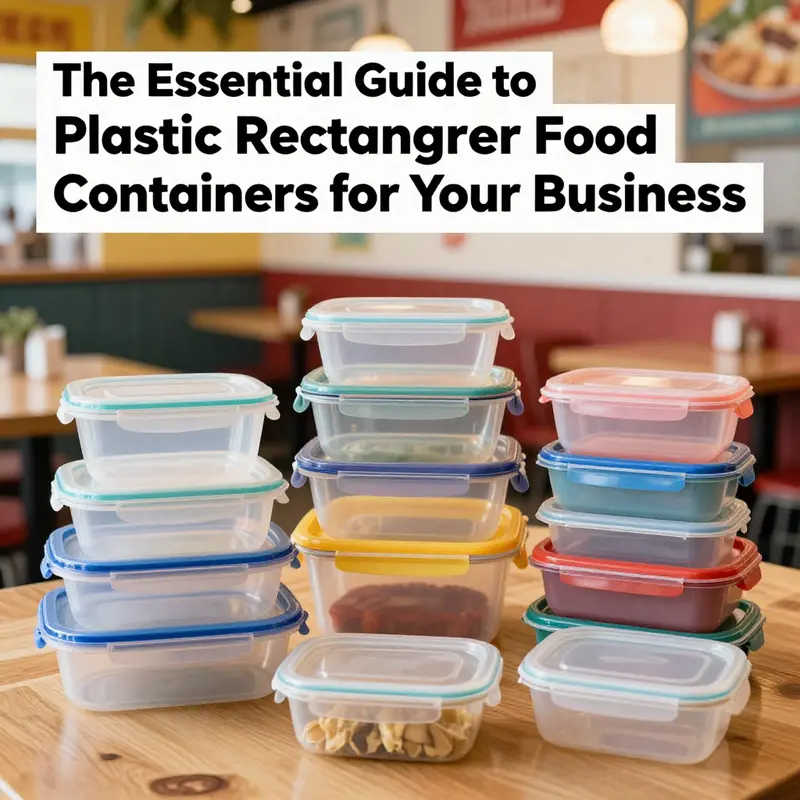
Plastic rectangular food containers serve as critical tools for businesses ranging from bubble tea shops to catering services. Their versatile design aligns with operational needs for practical, safe, and durable food storage. This guide dives into key aspects that matter to professionals in the food service industry. We’ll examine the materials used to manufacture these containers and their durability, highlight market trends influencing consumer choices, discuss the environmental impacts of these plastics, review safety standards and regulations, and reveal the latest design innovations transforming how we use them. Each chapter offers insights geared towards helping your business make informed choices in this essential kitchenware market.
How Materials Shape the Durability and Performance of Plastic Rectangular Food Containers
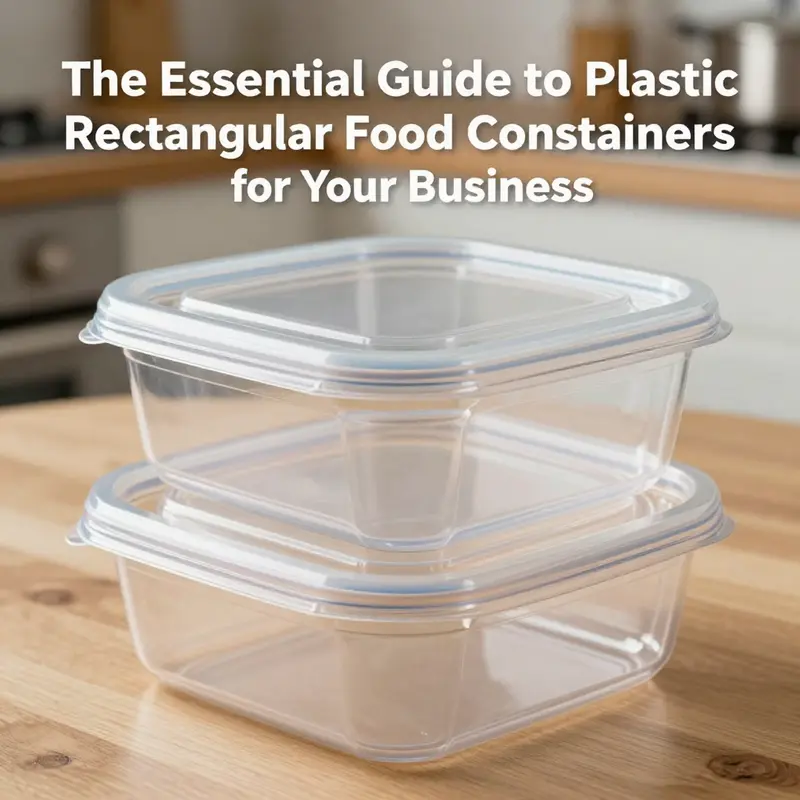
How Materials Shape the Durability and Performance of Plastic Rectangular Food Containers
The material beneath the surface of a rectangular food container defines how it behaves in real life. It determines whether the box resists warping under heat, preserves flavor, stacks neatly in a cabinet, or ends up stained and brittle after months of use. Understanding the core plastics—how each one holds up to heat, chemicals, repeated use, and time—lets you select containers that meet both daily needs and longer-term sustainability goals.
Polyethylene terephthalate (PET) is often chosen for its clarity and light weight. When transparency is critical—so you can see the meal inside without opening the lid—PET delivers. It resists shattering and presents food attractively, which makes it common for salads and chilled dishes. Its limitation is heat. Most PET grades begin to lose shape around 60–70°C, so repeated microwaving or high-temperature sterilization is not advisable. PET is widely recycled and carries a clear recycling code, which helps when local systems accept it. But for long-term reuse under thermal stress, PET is not the best candidate.
High-density polyethylene (HDPE) plays a different role. It is tougher and more chemically resistant than PET. HDPE tolerates repeated washing and contact with many household cleaners without leaching or degrading. Its surface resists many oils and acids, so staining and odor retention are less of a problem. That said, HDPE is less transparent, which limits its use when product visibility matters. Recycling pathways for HDPE exist, but separation and contamination can complicate real-world recycling rates.
Polypropylene (PP) is widely regarded as the most versatile choice for reusable rectangular containers. It offers superior thermal stability compared with PET and PS, coping with microwave reheating, freezer storage, and many dishwasher cycles when engineered for that use. PP’s semi-rigid nature allows thin-walled designs that still resist deformation. It also resists many chemical exposures, and odors are less likely to cling. For these reasons, PP is often used where repeated handling, stacking, and temperature cycling are expected. Look for a clear statement from the manufacturer that the item is microwave- and dishwasher-safe; otherwise, even PP products can fail prematurely if used beyond intended limits.
Polystyrene (PS) appears where clarity and insulation are required in cold-service or single-use scenarios. Rigid PS can present a crisp, glasslike look that is cost-effective for disposable trays and containers. However, PS has poor long-term resistance to thermal cycling and is brittle under impact. It is not the best choice for repeated microwaving or heavy-duty reuse. PS also has more limited recycling infrastructure in many regions, which influences its lifecycle impact.
Polyvinyl chloride (PVC) has historically been used in some food packaging because of its formability and clarity. Thin sheets of PVC—often no more than about 0.5 mm thick in certain applications—can resist deformation while fitting snugly around product shapes. But PVC raises more safety and recycling concerns than the other mainstream plastics listed here. Additives required to make PVC flexible or heat-stable may present migration risks, and many food-safety standards discourage its use in direct food contact applications. When PVC does appear, it is usually in non-food adjacent uses, or where a specific barrier property justifies careful engineering and rigorous testing under safety standards.
Recycled PET (rPET) and other post-consumer materials are increasingly used where environmental profile matters. rPET can maintain much of the clarity of virgin PET while reducing the carbon footprint and reliance on virgin feedstocks. Material choice interacts with circularity: some plastics are easier to capture, sort, and reprocess than others. In practice, consumer choices that favor reusable PP containers over single-use PET or PS can send a stronger signal for waste reduction than choosing a recyclable single-use item alone.
Beyond the base polymer, performance depends on engineering choices. Wall thickness, lid sealing geometry, and hinge design dramatically affect durability. Thicker walls resist denting and warping but add weight and material. Thin walls manufactured from a high-performance PP can still resist deformation if ribs, internal supports, or a thoughtful lid seam are included. Leak-proof performance relies on both material flexibility and the compression characteristics of gaskets or tight-fit lids. A lid that compresses evenly around the rim creates a longer-lasting seal than one that relies solely on friction. Multi-component lids that combine a rigid outer ring with a flexible inner gasket extend useful life by decoupling sealing from structural support.
Thermal cycling is another common cause of failure. Repeated transitions between freezer and microwave, or between cold fridge storage and hot dishwasher cycles, create expansion and contraction stresses. Materials with higher thermal stability and lower coefficients of thermal expansion—PP among them—perform better. Additives such as stabilizers and UV inhibitors also play roles, especially when containers are stored in bright kitchens or left in sunlight. Over time, UV exposure can embrittle some plastics, leading to cracks and brittle failures.
Chemical compatibility matters when acidic sauces, oily dressings, or solvents are present. HDPE resists many aggressive substances that can degrade other plastics, while PP resists common kitchen oils and acids. Polymers that absorb oils or retain flavors lead to odor and staining, which shorten the time consumers consider a container usable. Surface treatments and secondary coatings can reduce staining and odor pickup, but they add complexity to recycling.
Manufacturing location and standards affect both material selection and safety. Large production hubs supply a range of formulations and thicknesses. Adherence to national safety standards governing migration limits and prohibited substances is essential. For products destined for regulated markets, manufacturers must test for migration of specific compounds into food under worst-case conditions. These test requirements protect consumers and often shape which polymers and additive systems are viable for food contact use.
From a durability perspective, consumers looking for long-lived rectangular containers should prioritize structural design and polymer choice together. A well-designed PP container with reinforced corners and a reliable sealing mechanism will generally outlast a thin PS tray, even if the PS initially appears clearer. Favor containers that list temperature tolerances, safe-use guidance, and recycling codes. Those labels indicate design intent and offer clues to expected life.
Care practices extend useful life. Avoid subjecting containers to higher temperatures than recommended. Rinse oils and acidic residues promptly to limit staining and surface degradation. Use non-abrasive cleaners to avoid micro-scratches that trap food particles. For odor removal, simple baking soda and warm water baths often work, and brief sun-drying can help sanitize without harsh chemicals. When repair or prolonged reuse is no longer an option, separating lids from bases and following local recycling guidance improves the chance material is recovered.
Material choice also determines end-of-life pathways. Some polymers are widely accepted in municipal systems; others require specialized channels. Blended or multi-material constructions that bond plastics to paper or metal improve functional performance but complicate recycling. The most circular designs minimize mixed materials and favor widely recyclable polymers or genuine reuse.
Finally, designers and buyers should weigh the trade-offs between upfront durability and lifecycle impact. A heavier, longer-lasting PP container used daily and reused for years will generally outperform single-use options on environmental grounds. At the same time, the use of recycled feedstocks and simple, separable designs improves both circularity and real-world recyclability.
For a practical comparison of durability cues, look for containers that explicitly list compatible temperatures, display recycling codes, and document leak-test results or seal design. When visibility of contents matters, choose PET or clear PP variants with thicker walls. When chemical resistance and longevity matter more than transparency, HDPE or opaque PP constructions will perform better.
For an example of manufacturer guidance and specifications that illustrate durability and use-case limits, see the product details here: https://www.ikea.com/us/en/p/365-food-container-rectangular-plastic-40359148/
For an alternative that blends paperboard with a PP sealing lid—illustrating trade-offs between single-use convenience and added sealing performance—see this example of a disposable rectangle kraft paper salad bowl with PP lid: https://cupbowlpack.com/product/best-selling-disposable-rectangle-kraft-paper-salad-bowl-with-pp-lid-750ml-for-cookie-and-sugar-takeaway-containers/
By focusing on the right polymer, mindful engineering, and sensible care, rectangular food containers can deliver both durability and safety while supporting better environmental outcomes.
Rectangles of Convenience: How Plastic Rectangular Food Containers Shape Modern Meal Prep, Storage, and Sustainability
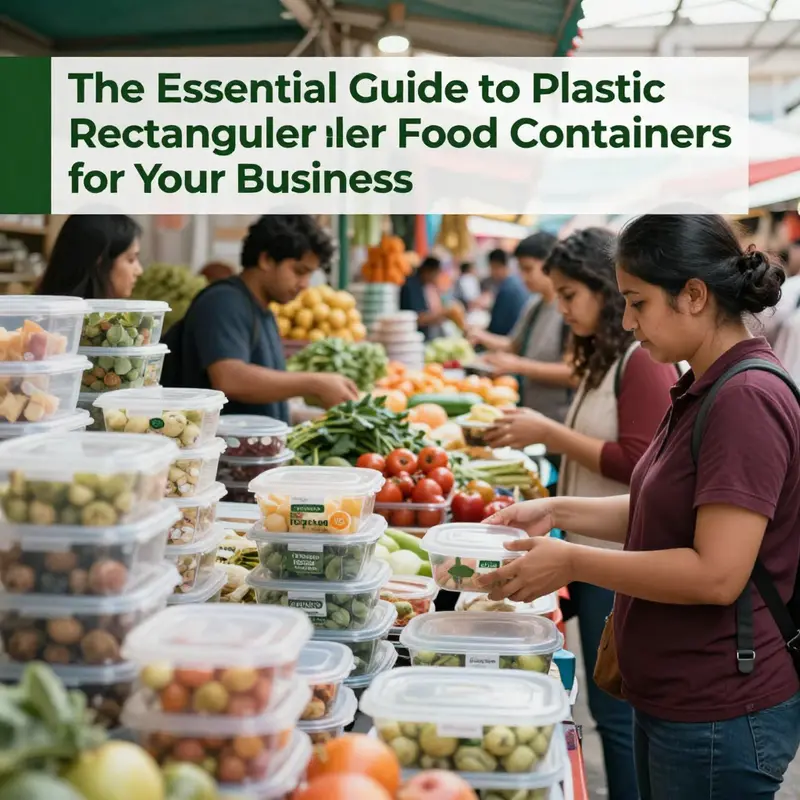
Rectangles have become a silent backbone of contemporary kitchens, and their prominence in plastic food storage is no accident. The rectangular form is not merely a geometric choice; it is a practical solution to the everyday demands of storing, reheating, transporting, and organizing meals in households, offices, schools, and food-service operations. When you stack a tray of leftovers or a set of prepared meals, the edges align with pantry shelves, refrigerators, and lunch bags in a way that round or irregular shapes seldom achieve. The rectangle maximizes usable volume while minimizing wasted space, a feature that matters as families juggle budgets, time, and the need to keep perishable items safe from spoilage. As a consequence, the market for plastic rectangular containers has grown in step with shifts in lifestyle that prize compactness, reliability, and predictability in portion sizes.
The market’s momentum is unmistakable. Recent analyses peg the global Plastic Food Containers Market at about 7.69 billion dollars in 2025, with a robust compound annual growth rate of roughly 13.32 percent projected from 2026 to 2033. This momentum is not evenly distributed, but it is pronounced across regions where busy urban living and take-out culture intersect with the desire for practical meal-prep systems. Rectangular shapes emerge as the standard bearers in the space because they align cleanly with typical storage environments. They stack neatly in refrigerators and freezers, slide into lunch bags without excess bulk, and accommodate a wide range of portioning strategies. For families managing a week of meals, a single container set can cover breakfast, lunch, and dinner with interchangeable lids and compartments. In the context of ongoing inflation and growing attention to food waste, the rectangular container becomes more than a receptacle; it is a small but meaningful tool for reducing waste and improving daily routines.
The materials story sits at the heart of this evolution. Plastic remains the dominant medium, accounting for nearly half of the market at around 48.9 percent. Within this segment, polypropylene, polyethylene terephthalate, and polystyrene are the workhorses for dry goods, ready-to-eat meals, bakery items, and liquid storage. Polypropylene offers a balanced blend of toughness and heat resistance, making it a common choice for microwave-safe designs. PET provides clarity and a barrier that supports longer shelf life, while PS delivers stiffness and cost efficiency for a broad range of formats. The durability and leak resistance of these materials underpin the user confidence that keeps households returning to reusable and refillable configurations rather than single-use options. The narrative of consumer preference increasingly favors not just the container’s resistance to spills and microwaves but also its appearance. A clear, transparent window lets users inspect contents without opening lids, reinforcing trust in what is being stored and how long it has been there. Aesthetics matter as well; clean lines, uniform edges, and a sense of order contribute to a cook’s or a parent’s sense of control over a cluttered kitchen.
Functionality is where the rectangle reveals its strengths. A well-designed rectangular container can be leak-proof, stackable, and microwave-friendly in one package. Interior compartmentalization multiplies the utility, enabling portion control and the segregation of sauces, grains, proteins, and vegetables without cross-mixing. When a consumer prepares a week’s worth of meals, the ability to pack multiple items in a single, slim footprint translates into tangible time and space savings. Lids that reseal with a tight fit prevent spills during transport and offer a sense of security during a commute. The ergonomic considerations go beyond lid design: rounded corners reduce snag points in stacks, handles or grips on portable variants improve user comfort, and the overall geometry supports automated filling and labeling processes in larger operations. These attributes are not mere conveniences; they are deliberate choices shaped by the realities of modern life, where meals travel from the kitchen to desk, car, and office microwave with minimal fuss.
Sustainability threads its way through the current trajectory of plastic rectangular containers. Consumers are increasingly mindful of the environmental footprint of the items they bring into their homes. The market is increasingly inclusive of bio-based and recyclable alternatives, with attention to materials like polylactic acid and post-consumer recycled plastics. Yet the preferences sit within a landscape of safety and performance. Compliance with food-contact safety standards, such as FDA 21 CFR in key markets and EU Regulation 10/2011, remains a baseline expectation. In China, for instance, GB 4806.7-2023 governs the prevention of hazardous substances and enforces strict migration limits, underscoring a shared global emphasis on consumer safety while encouraging sustainable practices. The result is a nuanced set of choices: brands and manufacturers must balance performance with environmental considerations, offering containers that are not only leak-resistant and microwaveable but also recyclable or reusable where feasible. In practice, this often means a portfolio that blends traditional plastics with recyclable content or post-consumer recycled material, alongside clear labeling that informs users how to recycle or reuse.
From an environmental perspective, material choice matters. HDPE is increasingly viewed as less viable for some applications due to recycling challenges, while other plastics such as rPET can offer better end-of-life options if the supply chain is designed for easy sorting and processing. Lifecycle thinking—assessing production energy, transport, durability, and end-of-life handling—helps explain why some versions of the same rectangle are more sustainable than others. The broader trend is toward designs that extend usable life, enable safer reheating, and support customer-driven reuse programs. In practice, this means introducing features that encourage reusability, such as robust, dishwasher-safe glass-like transparency in some variants, or creating modular sets that nest efficiently when not in use. The end result is a product category that embraces safety, convenience, and responsibility in a balanced, pragmatic way rather than pursuing a single, simplistic green claim.
Behind these product characteristics lies a robust supply ecosystem. China remains a pivotal manufacturing hub, delivering high-volume, cost-efficient production that aligns with stringent safety standards. The manufacturing corridors in Guangdong, Guangzhou, and Qingdao provide integrated ecosystems for polymer sourcing, automated filling, and streamlined export logistics through major ports such as Nansha and Qianwan. This combination of scale and efficiency helps keep unit prices highly competitive, which in turn supports mass adoption and the growth of meal-prep culture. Flexible minimum order quantities, sometimes as low as a hundred pieces, empower small businesses and new entrants to experiment with concepts and scales that fit their budgets. In some cases, unit pricing has reached astonishingly low levels, illustrating how the economics of mass production can make practical, durable containers accessible to a broad audience. Yet the attention to safety and performance remains non-negotiable, with producers investing in rigorous testing and quality control to ensure that even low-cost designs meet migration limits and compliance requirements.
The consumer lifestyle context explains much of the rectangle’s appeal. Online food services, growing take-out and delivery culture, and an uptick in single-person households and busy professionals all shape demand. When a family plans meals ahead or a professional schedules a week of lunches, the rectangle’s predictable geometry is a boon. It fits neatly into lunch bags, briefcases, and compact refrigerators, while its modularity and potential for multi-compartment configurations reduce the friction of planning. This is not merely about containers; it is about supporting routines built around efficiency and predictability. The design language—clean lines, visible contents, easy-grip lids—speaks to a consumer who values order, speed, and trust in whether a meal will still taste good after reheating. In this context, the rectangle becomes a platform for lifestyle choices rather than just a vessel for food.
Design and branding considerations further expand the utility of plastic rectangular containers. As manufacturers experiment with interior partitions, resealable lids, and even transparent viewing panes, the user’s ability to inspect contents without opening the package improves inventory awareness and reduces waste. Ergonomic details—handles for carrying, smooth edges, and reinforced corners—enhance user experience in the field or on the go. The ability to print or emboss branding on lids and sides offers a practical channel for marketing and consumer loyalty, weaving packaging aesthetics into the overall brand narrative without compromising recyclability or safety.
In thinking about alternatives and future directions, it helps to consider how shape interacts with material choices. A rectangular container made from recycled paper-based materials, for instance, can illustrate a pathway toward sustainable packaging that preserves the order and portion-control benefits of the form while reducing reliance on traditional plastics. For those exploring these design considerations, a practical reference is a rectangular take-away paper container that demonstrates how form and function can translate across materials. rectangular take-away salad paper container. This example underscores a broader design principle: the rectangle’s utility remains, even when materials shift toward more sustainable or compostable options.
The broader market context reinforces the need for adaptability. As consumer preferences evolve toward reusable configurations and closer attention to the life cycle of packaging, manufacturers are compelled to innovate in both form and function. The rectangle is versatile enough to support multi-compartment layouts, easy-clean surfaces, and modular sets that can be scaled up for commercial kitchens or scaled down for home use. It is also a canvas for customization, enabling brands to convey quality, safety, and a sense of everyday practicality in every container. The ongoing balance between performance, aesthetics, and sustainability will continue to shape product development, with safety standards and regulatory frameworks functioning as guardrails that ensure consumer protection while still encouraging innovation.
External reference: https://www.statista.com/statistics/1351578/global-plastic-food-containers-market-size/
The Quiet Footprint: Unpacking the Environmental Shadow of Plastic Rectangular Food Containers
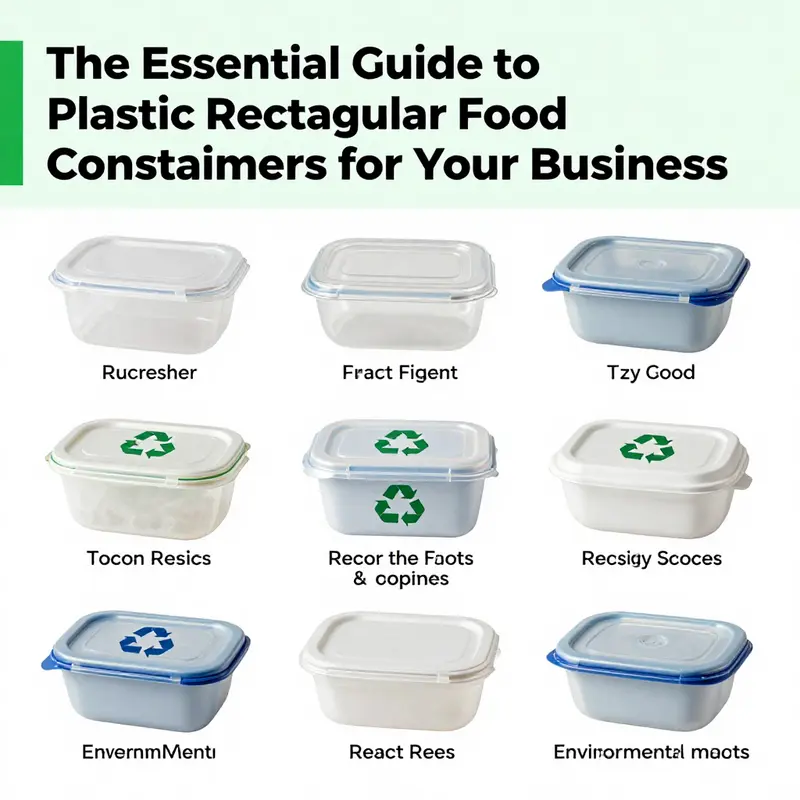
The everyday act of storing, transporting, and reheating food often centers on a simple plastic rectangle. Its convenience is almost invisible until the questions of where it ends up after use begin to surface. When we pull a lid, slide a container into a fridge or a microwave, we are not just handling a tool for meals; we are engaging with a lifecycle that stretches far beyond the kitchen and into the soil, rivers, and air that sustain life. The environmental impact of plastic rectangular food containers emerges not as a single event, but as a sequence of stages—extraction, manufacture, use, end-of-life disposition, and the lingering aftermath of waste—that together shape a broad and lasting footprint. The chapter that follows weaves these stages into a cohesive narrative that links the daily choices of households and food-service operations to the larger systems of resource use, pollution, and biodiversity present in our ecosystems.
From the outset, the raw materials composition of these containers whispers of energy intensity and material scarcity. Many such containers are fashioned from polymers like polypropylene or polycarbonate, with additives and formulations designed to withstand stacking, leakage, and heat. The energy embedded in producing and shaping plastics is substantial, and this energy draw is amplified when millions of units are manufactured to meet demand across homes, schools, workplaces, and eateries. While safety standards aim to minimize the migration of hazardous substances into food, the environmental dimension extends beyond food safety. It encompasses the fate of the material after a single use or an extended cycle of reuse, the opportunities or obstacles for recycling, and the resilience of the waste management system to divert these plastics from landfills and the natural environment.
A pivotal aspect of the environmental story is the durability that makes plastic containers popular. Their resistance to deformation and their ability to tolerate freezer and microwave environments are designed to extend shelf life and cut waste at the consumer end. Yet this durability becomes a double-edged sword when containers persist long after their useful life. Decomposition in natural settings is not a swift process. In the real world, a plastic rectangular container can take anywhere from a century to a millennium to break down. This long tenure introduces a chronic risk: as the material fragments, it sheds microplastics that can migrate through soil and water, finally being ingested by organisms and potentially entering the food chain. The sense of safety that plastic provides in use can clash with the long tail of its environmental residence, a tension increasingly acknowledged by researchers and policymakers alike.
Microplastic exposure is not a hypothetical concern. It is evidenced in studies that detect microplastics across drinking water, seafood, and even human blood. The human body is exposed not only to the particles themselves but also to associated chemical additives, including plasticizers and other additives that migrate over time. The health risk is complex and multifactorial, shaped not only by the presence of microplastics but also by the suite of chemicals that can adhere to or leach from plastics under various conditions. In this sense, the environmental footprint is also a public health issue, intertwining ecological integrity with human well-being in a way that is not easily decoupled.
Comparative analyses across packaging materials shed more light on the relative intensities of these impacts. When plastic packaging is weighed against paper alternatives, the difference in overall ecological burden becomes more pronounced. In some comprehensive assessments, plastic packaging is found to contribute 16% more to physical environmental degradation, including soil and water pollution, than its paper counterparts. Moreover, plastic packaging can inflict about 63% greater damage to flora and fauna over time, a metric that captures the broader ecological consequences of persistent plastics across landscapes and trophic levels. It is worth noting that while paper production can entail higher air pollution and certain health considerations during manufacturing, the long-term ecological footprint often tilts decisively against durable plastics when one accounts for end-of-life dynamics and ecosystem interactions. This comparative lens reframes plastic containers from mere in-use tools to long-range actors in the environment, pushing designers, manufacturers, retailers, and consumers to weigh more carefully the trade-offs between convenience and long-term planetary health.
The biodiversity implications run deeper than the surface. Plastics accumulate in soils and waterways where they can interfere with physical habitats, alter microbial communities, and disrupt nutrient cycles. The physical presence of containers and their fragments can also fragment habitats, hinder organism movement, and change the structure of plant and animal communities. When plastics degrade, microplastics become pervasive, entering sediments, water columns, and biotic systems. The ecological integrity of ecosystems—biodiversity, productivity, and resilience—faces a slow but persistent challenge from such pollutants. The persistence of plastics in the environment means that even well-managed waste streams may still contribute to ecological stress long after a product has fulfilled its storage function.
In light of these realities, a shift toward more sustainable design and material choices has gained momentum. This shift encompasses a spectrum of strategies: rethinking material selection to favor recyclable or compostable options, optimizing container design for reuse, and improving end-of-life pathways to close the loop within a circular economy. Among the viable alternatives under consideration are glass and other durable, non-plastic architectures that do not shed microplastics as they age. Glass, for example, does not contribute microplastics to soil or water and generally presents a simpler end-of-life profile when properly collected and recycled. Yet the trade-offs are real: glass is heavier, more energy-intensive to transport, and can pose different safety and breakage concerns in daily use. The conversation, therefore, moves beyond a binary choice between plastic and glass to a nuanced assessment of context, lifecycle energy, and system-level waste management.
Concrete steps toward improvement also include better recycling infrastructure, standardized labeling, and consumer education that clarifies how to prepare containers for recycling or composting, depending on local facilities. Where recycling is robust, plastic containers can be diverted from landfills and turned into new products, reducing the demand for virgin resin. But recycling rates vary dramatically by region and by polymer type. High-density polyethylene (HDPE), for instance, may present particular recycling challenges compared with other materials, while recycled PET (rPET) can offer improved outcomes in some contexts when captured efficiently. These material-specific realities remind us that the environmental performance of plastic rectangular containers is not a fixed statistic; it shifts with policy choices, collection systems, and the incentives embedded in design for recyclability and reuse.
In practical terms, what does this mean for households and food-service operations that rely on such containers daily? It means rethinking the end-of-life narrative as part of the product’s design brief. If a container is intended for multiple uses, its durability and resistance to heat become assets only if the use cycle is truly extended and the disposal pathway remains within a functioning circular economy. If, on the other hand, a container is primarily a single-use item, the environmental calculus should favor materials and designs that minimize resource use and facilitate safe, widespread recovery. Innovations in container design—such as transparent, multi-compartment formats for meal prep, or materials engineered for higher recyclability—reflect an industry striving to balance consumer convenience with ecological accountability. At the same time, consumer behavior matters. When households opt for reusable options or when restaurants adopt reusable systems that reduce single-use demand, the cumulative effect can shift the trajectory away from waste toward reuse and recovery.
The story does not end with a single measure or a single policy. It unfolds across multiple layers: material science choices, manufacturing practices, consumer habits, and municipal waste management capabilities. In some regions, safety standards such as those guiding migration limits and substance restrictions help curb potential harms to food safety but do not automatically ensure environmental protection. The environmental dimension requires complementary measures—extended producer responsibility, better labeling for recyclability, and the kind of public investment that makes recycling and refurbishment economically viable at scale. The global nature of plastic production, with manufacturing hubs that can supply large volumes at relatively low costs, complicates the equation. It creates a compelling argument for systemic changes that reward sustainable engineering, responsible consumption, and robust end-of-life infrastructure.
The reframing of plastic rectangular containers as agents in a broader environmental system also opens space for optimistic by-design approaches. If manufacturers are guided to prioritize reuse-ready designs, compatible materials, and simpler disassembly for recycling, the containers can become resources rather than waste. If policymakers implement incentives that reward closed-loop processes, the lifecycle of plastics can become more circular. If consumers embrace reduced usage and more conscientious disposal, the waste stream can become less burdensome and more productive. Each layer—industry, government, and consumer—plays a crucial role in shaping outcomes, and the best path forward integrates these layers into a coherent, practical strategy rather than a theoretical ideal.
For readers seeking tangible pathways, exploring alternatives that align with sustainability goals can be a productive starting point. One accessible option is to consider containers designed with recyclability in mind or those that utilize materials with strong recovery rates in local systems. For example, a packaging approach that emphasizes a kraft paper-based take-away container or a durable glass option can reduce microplastic leaching and lessen ecological disruption over time. If you are looking for practical examples of such choices, consider examining options like the eco-friendly Kraft rectangular take-away salad paper container, which embodies a design intention toward recyclability and reuse while maintaining food safety and structural integrity. This kind of design thinking—combining material choice, end-of-life considerations, and user-friendly features—offers a concrete route toward reducing the environmental burden of the everyday container.
The conversation about plastics is not a rejection of modern convenience. It is a push toward smarter, more responsible engineering and consumption that acknowledges the complexity of environmental trade-offs. It invites us to weigh the benefits of durable, leak-proof, microwave-safe containers against the long-term costs imposed on ecosystems and human health. It invites designers to craft products that can be easily separated from waste streams, collected, and reprocessed, and it invites policymakers to align incentives with the goal of a circular economy. Most of all, it invites consumers to consider the lifecycle story of a container when making choices about what to buy, how often to reuse, and how to dispose of it.
In closing, the environmental footprint of plastic rectangular food containers is a story of persistence and potential. The persistence lies in the long time required for degradation and the broad dispersion of microplastics across ecosystems. The potential lies in the opportunity to redirect that footprint through design, policy, and behavior that favor reuse, recyclability, and safer end-of-life pathways. As this chapter has shown, embracing sustainable alternatives does not necessarily demand a wholesale abandonment of plastic technology. It does require careful attention to lifecycle consequences, a willingness to invest in better waste management, and a commitment to products that serve both people and the planet with equal regard. For those who wish to explore further, a deeper dive into environmental impact studies offers a robust foundation for informed decisions and responsible action: NCBI Article on Environmental Impact.
For readers who want to see practical applications of sustainable packaging in action, consider examining the shift toward paper-based and other recyclable formats that are designed with end-of-life recovery in mind. A relevant example of this approach can be found in the realm of kraft-based rectangular containers that prioritize recyclability while maintaining the performance expected in catering and take-out contexts. Such examples illustrate how design choices—when paired with supportive waste systems—can meaningfully reduce environmental harm without sacrificing the benefits of modern food service. This alignment between design intent and ecological outcomes underscores the ongoing evolution of packaging toward a more sustainable equilibrium between consumer needs and planetary limits.
Guardrails of the Kitchen: How Safety Standards Shape Plastic Rectangular Food Containers
The rectangular shape that underpins today’s practical kitchen storage is more than a geometric convenience. It is the product of careful decisions about safety, performance, and user experience. When you seal a lid over a marked rectangle and store it in a refrigerator or reheater, you are witnessing a system of regulations that governs what the container is made of, how it behaves when heated, and what it might leave behind in food. These guardrails—clear limits, labeling, and tested performance—exist not to complicate use but to protect health, preserve food, and support confidence across households, schools, cafeterias, and food-service operations. The story of plastic rectangular food containers begins with the science of materials and moves through the architecture of regulations to everyday cooking and sharing meals.
In the United States, the journey starts with the U.S. Food and Drug Administration, which regulates food-contact materials under federal rules. Plastics used for food contact must be approved for specific substances and must not migrate harmful levels of chemicals into food under normal use. Substances historically scrutinized include concerns like bisphenol A (BPA) and certain phthalates, even as many manufacturers now advertise BPA-free products. The regulatory framework remains vigilant about chemicals that could migrate when a container is heated or stored with fatty or acidic foods. The requirement that microwave-safe labels correspond to real thermal stability and controlled leaching adds rigor. This is not marketing; it is a directive to ensure consumer safety in heat scenarios that accelerate diffusion and alter the polymer matrix. The FDA’s stance emphasizes testing, conservative migration limits, and a culture of continual safety assessment.
Across the Atlantic, the European Union approaches the issue through Regulation (EU) 1935/2004 on materials intended to come into contact with food, complemented by Regulation (EU) 10/2011, which sets specific migration limits for substances. The EU framework specifies that materials must be authorized and that the product must not alter the food in a way that could compromise safety. Clear labeling indicates whether a container is microwave-, freezer-, or dishwasher-safe. This transparency helps both professional kitchens and home cooks navigate a landscape where material choices and usage conditions are tightly linked. The emphasis on specific migration limits reflects precaution, considering that trace amounts can be scrutinized under real-world temperatures and durations.
Design considerations for rectangular containers sit at the intersection of regulation and practical performance. The square or rectangular footprint optimizes space, stacks, and lid integration, while seal integrity becomes essential to minimize leakage, contamination, and spoilage. The regulatory emphasis on migration and safety subtly guides material choices, additives, and heat-exposure management. Standards bodies such as ASTM International or ISO provide performance benchmarks that manufacturers reference, including ISO 18636 for related food-contact material durability and safety evaluations.
Manufacturers often pursue higher safety margins than the legal minimums. BPA-free labeling has become common as part of a broader safety narrative. Recyclability certifications, clear usage instructions, and adherence to global food-safety benchmarks like the Global Food Safety Initiative (GFSI) signal safety across the supply chain. Consumers benefit from guidance: look for FDA- or EU-compliant labeling, temperature-use instructions, and notes about migration testing in product literature. Following manufacturer instructions about temperature limits, microwave use, and cleaning helps prevent material degradation.
Material choices in plastic containers carry environmental implications that feed back into safety considerations. Recyclability and lifecycle shape decisions: polypropylene (PP) remains common for its rigidity and chemical resistance, while HDPE and other polymers can present challenges in recycling streams depending on additives and post-consumer processing. The evolving sustainability dialogue nudges producers toward formulations and designs that reduce migration risk, extend durability, and enable better end-of-life handling. In some cases, manufacturers explore multi-material approaches or alternative recyclable resins to balance safety and environmental goals. The GB 4806.7-2023 safety standard in China, for example, underscores the global nature of this conversation, emphasizing prevention of hazardous substances and strict migration limits. In a market attentive to environmental impact, safety, performance, and sustainability guide product evolution.
The consumer experience is shaped by these regulatory and material realities. When a container is labeled microwave-safe, it reflects more than heat tolerance; it signals reduced migration risk during heating. Clear usage instructions for freezing, reheating, and dishwashing help prevent polymer degradation and seal failure. The design ethos emphasizes resilience: a container that tolerates routine kitchen use without compromising safety or performance. This reliability sustains trust in kitchenware as households adopt meal-prep and portion-control systems. Ultimately, safety standards translate into everyday reliability, whether in a busy kitchen, a school lunchroom, or a family’s weekly routine.
As regulation evolves, so does the design language of rectangular containers. Designers streamline seals to reduce leakage under repeated heating and explore multi-compartment formats for organized meal prep without sacrificing safety. The aim is not to confine creativity but to channel it toward easy-to-use, easy-to-clean solutions that remain compliant. In practice, this means a blend of material science, regulatory literacy, and consumer-centered design. The result is containers that are practical, affordable, and aligned with rigorous safety expectations and environmental considerations.
For readers exploring the regulatory backbone, look for explicit safety labeling, clear heat-use instructions, and evidence of migration testing in product literature. The conversation around safety standards in plastic rectangular containers is ongoing, with updates to compliance frameworks and evolving best practices across global markets. The convergence of regulatory rigor, thoughtful design, and consumer education creates a robust ecosystem in which rectangular containers support safe, efficient food management without sacrificing convenience.
External note: When looking at take-away packaging examples near the edge of conventional plastics, consider non-plastic alternatives that illustrate how form and function can align with safety and sustainability goals. These comparisons remind us that safety standards extend beyond plastic and into the broader world of food-contact packaging.
External resources: For a foundational overview of regulatory perspectives on plastic food-contact materials, see the U.S. FDA guidance on plastic food-contact materials. https://www.fda.gov/food/food-contact-materials-industries/plastic-food-contact-materials
Beyond the Box: Practical Design Innovations in Rectangular Plastic Food Containers
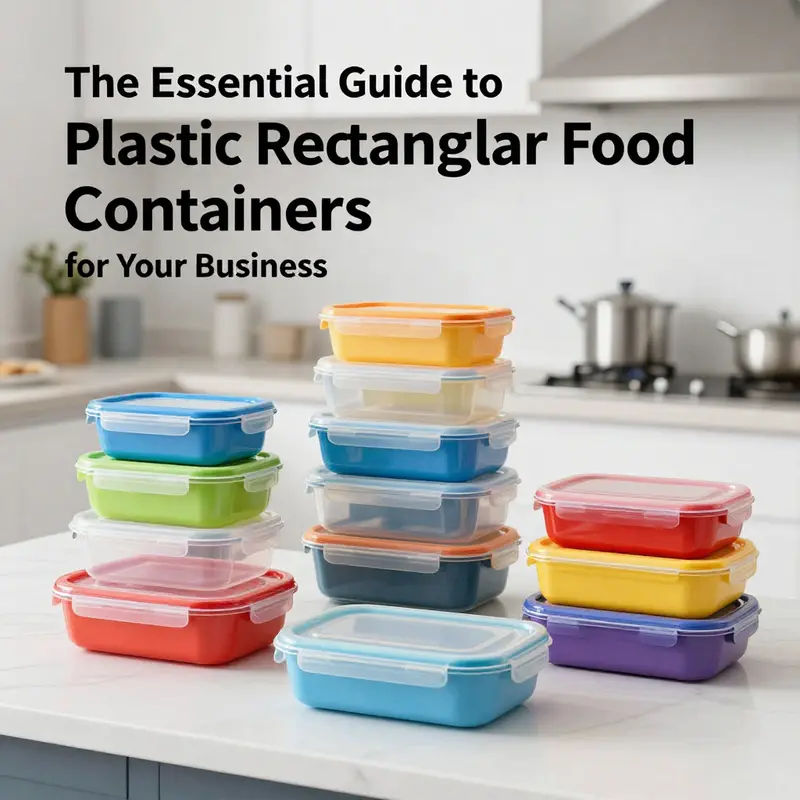
Plastic rectangular food containers have evolved far beyond simple boxes for leftovers. Designers have focused on making them more reliable, more adaptable, and more responsible. The rectangular silhouette itself solves many storage problems: it aligns with fridge shelves, uses corner space efficiently, and stacks neatly. But the real advances lie in the details—seals, materials, modularity, and subtle ergonomic touches that change everyday use.
A central improvement is leak-proof sealing. Early containers relied on friction-fit lids that failed when jostled. Modern designs combine precise rim geometry with soft gaskets and multi-point locking systems. A thin silicone gasket matched to a recessed lid channel creates a continuous barrier. Snap-lock tabs then compress that gasket evenly, preventing headspace gaps where liquids might escape. Some lids add a secondary snap or a flexible tab to maintain compression after repeated use. These systems reduce spills during transport and storage, cutting food waste from unavoidable messes.
Sealing improvements also consider temperature and pressure changes. Containers designed for travel often include vent fittings that release pressure during heating. A small, closable vent lets steam escape in the microwave while preserving the sealed state during transit. The vent’s placement and shape matter; a raised, rear-mounted vent keeps splatter away from the user and avoids weakening the lid’s sealing perimeter.
Material choices enable many functional gains. Polypropylene (PP, resin code #5) is now the prevailing material for rectangular containers. It resists deformation at elevated temperatures and tolerates repeated cycles in dishwashers, microwaves, and freezers. PP is naturally free of BPA and has a favorable safety profile for food contact. Some manufacturers pair PP bodies with silicone gaskets to take advantage of both materials’ strengths: rigid structure and flexible sealing. Thinner PVC components appear in some designs with thickness up to 0.5 mm, offering scratch resistance and improved aesthetic clarity where transparency is desired. However, material selection is also guided by recyclability and compliance with food contact regulations.
Regulatory standards shape design choices. Updated safety rules set stricter migration limits for substances that could leach into food. Designs therefore avoid certain plasticizers and protective coatings that were once common. Labels that declare food-grade status and compliance with safety standards increase consumer trust. The movement toward transparency extends to supply chains. Many brands now disclose the resin type and recyclability codes on the base, and provide guidance on end-of-life handling. This helps users sort containers correctly for local recycling streams or identify components that are widely reusable rather than recyclable.
Stacking and nesting are deceptively complex design problems. The rectangular footprint makes stacking efficient, but it requires precise tolerances. When containers stack tightly, lids must support weight without buckling, and bodies must nest without sticking together. Designers use subtle tapering on walls so that smaller containers slide smoothly into larger ones. Reinforced rim geometry prevents deformation when a refrigerator shelf bears multiple stacked sets. Lid grids and internal ribbing add stiffness while keeping material usage low. The net result is a system that keeps counters tidy and conserves space in cabinets and fridges.
A parallel trend is modularity. Instead of one-off containers, modular systems let users mix sizes and partition interiors. Interchangeable lids allow multiple sizes to share one seal family, reducing clutter and manufacturing complexity. Inserts and removable dividers provide options for meal prep. These dividers are often vented or perforated to accommodate both hot and cold foods. Users can create insulated layers or separate hot and cold components in a single enclosed unit. Modular design extends lifecycle value: a family of compatible containers replaces the need for countless mismatched pieces.
Compartmentalization is another useful feature for modern eating habits. Multi-compartment trays and bento-style inserts support portion control and prevent flavor migration. Designers orient compartments to balance structural integrity with usability. For example, long narrow compartments improve shelf fit while maintaining sufficient depth for salads or proteins. Snap-in cutlery slots and integrated fork holders increase convenience for takeaway meals without resorting to single-use utensils.
Transparency and aesthetics affect everyday satisfaction. Clear or lightly frosted walls let users spot contents at a glance, reducing the need to open lids. Matte finishes and discreet color accents help containers fit with kitchen decor. Flat lid surfaces double as writing areas for labels or dates. Printed measurement marks integrated into the inner wall aid portioning and recipe scaling. Textured bases reduce slippage on wet surfaces, and tapered corners allow thorough cleaning without dead zones where food collects.
Practical ergonomics appear in small but meaningful choices. Rounded inner corners simplify washing and speed up heat distribution during reheating. Handles or extended rim tabs make heavy containers easier to lift. Lids designed with a single dominant tab provide a consistent grip point, which is helpful when users free lids with one hand. These features shorten routine tasks and reduce frustration.
Durability and resistance to deformation remain critical. Polypropylene’s resilience allows thin walls without compromising strength. Certain designs incorporate thicker rim sections to resist warping under stacked loads or during microwave heating. Reinforced corners and ribs provide drop resistance. Where transparency is required, co-extruded clear panels maintain clarity while the colored or opaque frame bears stress. The result is a container that keeps shape and sealing capability across hundreds of uses.
Production considerations influence available features. High-volume manufacturing centers produce containers with consistent tolerances and efficient assembly lines for gasketed lids. Tooling quality dictates sealing precision, which directly affects leak performance. Global hubs that specialize in these products can deliver cost-effective solutions, while adhering to local safety standards and export regulations. That supply backbone makes innovative features accessible to a broader market.
Environmental trade-offs inform both design and material strategy. Reusable PP outperforms many single-use plastics when measured over repeated cycles. However, recycling pathways differ by resin. Some materials are easier to recycle than others; rPET and certain PP streams can be recycled efficiently where infrastructure exists. HDPE, while common, faces challenges depending on local sorting systems. Designers now aim to maximize the usable life of a container, reducing the frequency of replacement. They also simplify parts to ease disassembly at end-of-life, and they avoid mixed-material laminates that complicate recycling.
Consumers increasingly ask for transparent information. Effective labeling helps them choose containers they can return to circular systems. Where possible, design teams reduce the variety of resins in one product to lower recycling complexity. Refillable and modular approaches extend usable life, while clear instructions on cleaning and care keep containers in service longer.
A practical link between design and market needs appears in complementary product ranges. For businesses that provide prepared meals, rectangular containers often pair with lids that include tamper-evident features and options for printed branding. For households, emphasis falls on stackability, easy cleaning, and microwave-safe vents. In both cases, designers balance cost, functionality, and durability.
For inspiration and technical guidance on container features and material grades, see this detailed industry overview: https://www.foodserviceequipment.com/plastic-food-containers/.
For an example of reusable PP-based solutions and lid options in a rectangular form factor, consider this resource on reusable square salad bowls with PP lids: https://cupbowlpack.com/product/senang-130-disposable-eco-friendly-food-grade-reusable-square-salad-bowls-with-pp-lids-for-pet-food/.
The cumulative effect of these innovations is a class of containers that feel intentional. Each element—seal geometry, gasket material, vent design, modularity, and clear material labeling—supports practical daily use. The rectangular form remains a foundation, but designers have refined the edges. The result is a reliable system that balances convenience with safety and sustainability.
Final thoughts
The significance of plastic rectangular food containers extends far beyond mere functionality. Considering their durability, market trends, environmental effects, and compliance with safety standards, these containers are pivotal in enhancing your business operations. By choosing wisely, food service companies can not only improve efficiency but also align with sustainable practices that appeal to conscientious consumers. As the industry evolves, staying informed about emerging designs and innovations is essential for any professional in the food sector.