

In the fast-paced world of the food industry, plastic storage food containers are more than mere tools; they are the backbone that supports innovative culinary experiences. For bubble tea shops, restaurants, and catering services, these versatile containers provide essential solutions for food preservation and organization. They ensure that ingredients are stored fresh, flavors are beautifully maintained, and serving is quick and efficient. As businesses strive to deliver consistent quality and excellent service, the reliability of dependable storage options becomes ever more crucial. Moreover, adopting modern plastic solutions aligns with sustainability trends, making these containers a practical choice in today’s eco-conscious market. To dive deeper into how customized packaging can elevate your service, explore our article on the benefits of sugarcane cups and learn about innovative packaging solutions.
Advantages of Using Plastic Storage Food Containers
Plastic storage food containers are favored in various food service industries for several reasons:
- Durability: Resistant to breakage and can withstand regular use in busy environments.
- Cost-Effectiveness: Generally more affordable compared to glass or metal alternatives, allowing for bulk purchases.
- Lightweight: Easy to handle and transport, especially beneficial for food trucks and catering services.
- Safety: Many are designed to be BPA-free and safe for food storage, ensuring customer safety.
- Versatility: Suitable for various food types and can often be used in microwaves or dishwashers.
These benefits make plastic containers an excellent choice for food service businesses aiming for efficiency and safety.
Safety Standards for Plastic Storage Food Containers
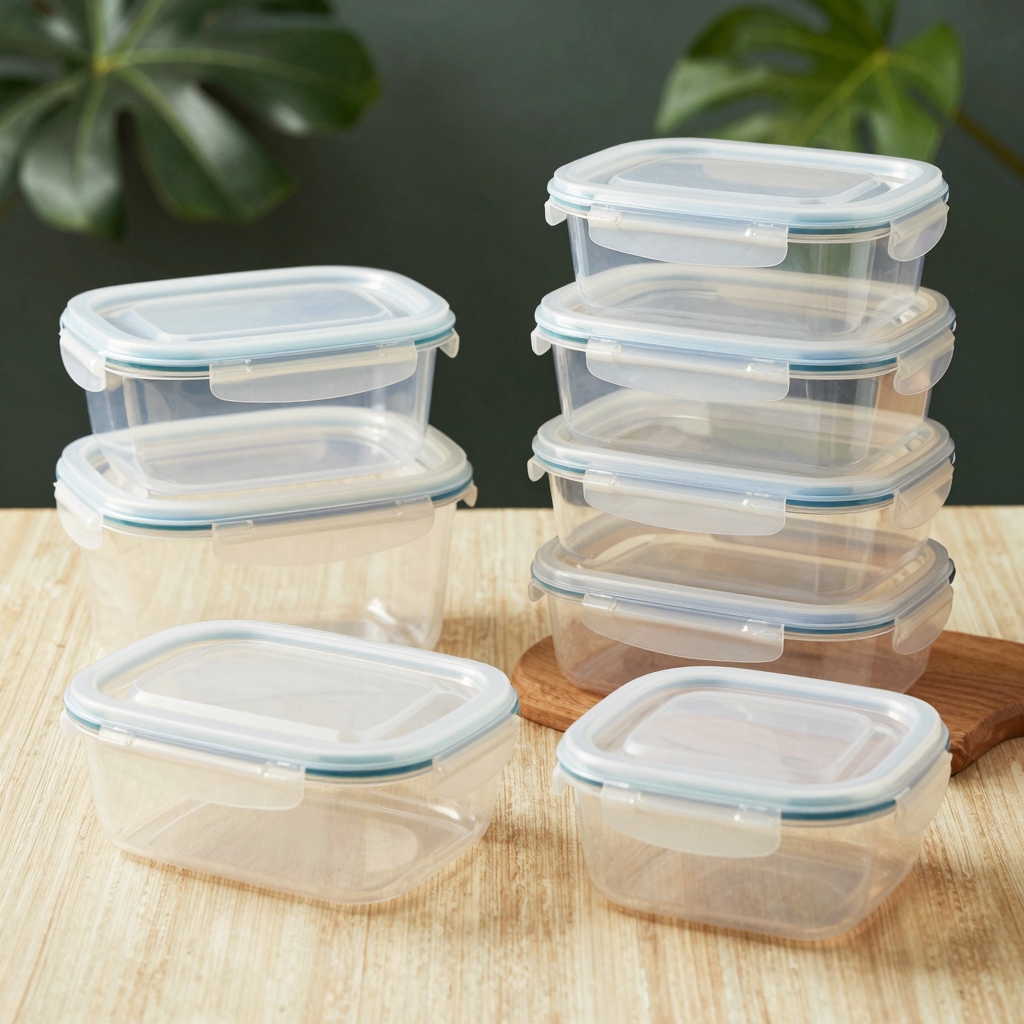
When it comes to plastic storage food containers, ensuring safety, durability, and an eco-friendly approach is paramount for all stakeholders in the food service industry. The safety standards relevant to these containers are defined under national regulations such as GB 4806.7-2023, which sets strict guidelines for plastic materials used in food contact applications. This comprehensive standard emphasizes various testing parameters to ascertain the safety of plastics in contact with food, including:
- Total Migration Limits: This ensures that harmful substances do not migrate from the plastic into food, with a maximum allowed migration of ≤10 mg/dm².
- Heavy Metals Control: Specifications limit lead migration to ≤1.0 mg/kg and cadmium to ≤0.003 mg/kg, minimizing contamination risks.
- Microbial Standards: The allowable total colony count is set at ≤100 CFU/g to ensure food safety.
These rigorous safety standards not only protect consumers but also enhance the durability of the containers, as they are designed using robust, food-safe plastics like polypropylene (PP) and polyethylene (PE). These materials are known for their excellent resistance to impact and have a significant lifespan when maintained properly. High-quality plastic containers can last between 3 to 5 years, provided they are used within their intended purpose and stored correctly.
In addition to safety and durability, there is also a growing emphasis on eco-friendly practices in the production and use of plastic storage containers. Many manufacturers are shifting towards sustainable materials and production processes that minimize environmental impact. For instance, BPA-free options are becoming more common, which reduces the risk of chemicals leaching into food and supports consumer health. Moreover, using reusable containers reduces the reliance on single-use plastics, aligning with modern sustainability goals.
Consequently, businesses must prioritize eco-friendly products, like silicone food containers, that provide an alternative to traditional plastics. These containers not only meet safety standards but are designed to minimize plastic waste, making them an excellent choice for restaurants, food trucks, and catering services looking to boost their sustainability efforts.
In summary, adopting safety standards and eco-friendly practices when selecting plastic storage food containers is essential for operators in the food industry. By choosing durable containers that comply with safety regulations, businesses can ensure quality and safety while contributing positively to environmental efforts. For more information on selecting quality food storage solutions, you can learn more here.
For those looking to enhance their offerings, consider integrating sustainable options like sugarcane-based packaging, which are gaining traction for being both effective and environmentally friendly. Explore the benefits of sugarcane cups here.
Eco-Friendly Disposal Methods for Plastic Food Containers
As the food and beverage industry continues to grapple with the environmental impacts of plastic waste, understanding eco-friendly disposal methods for plastic food containers is crucial. Here are some effective approaches:
1. Proper Recycling
Follow best practices for recycling plastic food containers:
- Clean Thoroughly: Rinse containers to remove any food residue, as contaminants can ruin recycling batches. The EPA emphasizes this point, highlighting that clean, empty containers are essential for successful recycling.
- Check Local Guidelines: Different municipalities have specific guidelines on what types of plastics can be recycled, commonly including #1 (PET) and #2 (HDPE). Always verify if your local facility accepts the resin type of your containers.
For further understanding, you can refer to the EPA’s recycling basics.
2. Switch to Reusable Containers
Using glass or silicone containers can significantly reduce plastic waste. These materials are durable and can be reused countless times.
3. Compostable Alternatives
Consider biodegradable options. According to Eco-Friendly Living Guide, switching to compostable paper containers made from sustainable materials is a wise choice, especially for takeout and catering services.
4. Innovative Treatment Technologies
Research is ongoing into using pyrolysis for mixed waste, which could convert contaminated plastics into renewable fuels. This process offers a sustainable alternative to traditional landfilling.
Comparison Table of Plastic Storage Food Containers
When it comes to selecting the right plastic storage food containers, it’s essential to consider their size, material, and suitability for various users. Below is a detailed comparison to help you make informed decisions:
| Type of Container | Material | Sizes Available | Best For | User Suitability |
|---|---|---|---|---|
| Rectangular | PP (Polypropylene) | Small, Medium, Large | Leftovers, Meal Prep | Restaurants, Food Trucks |
| Round | PE (Polyethylene) | Small, Medium, Large | Soups, Sauces | Catering Services, Corporate Procurement |
| Square | PC (Polycarbonate) | Small, Medium, Large | Freezing, Reheating | Beverage Chains, Event Planners |
| Multi-compartment | PET (Polyethylene Terephthalate) | Medium | Bento Boxes, Snacks | Event Planners, Food Trucks |
| Tall Containers | ABS (Acrylonitrile Butadiene Styrene) | Tall sizes | Storing drinks or sauces | Beverage Chains, Restaurants |
For more information on container materials and their applications, you can learn more about customized octagonal paper bowls or explore the benefits of sugarcane cups for your business as part of your food storage solutions.
The Versatility of Plastic Storage Containers
Plastic storage containers have carved a niche for themselves in various food service settings, providing practical solutions that enhance efficiency and organization. Whether you’re running a bubble tea shop, a food truck, or catering services, these containers prove to be invaluable.
At Bubble Tea Shops
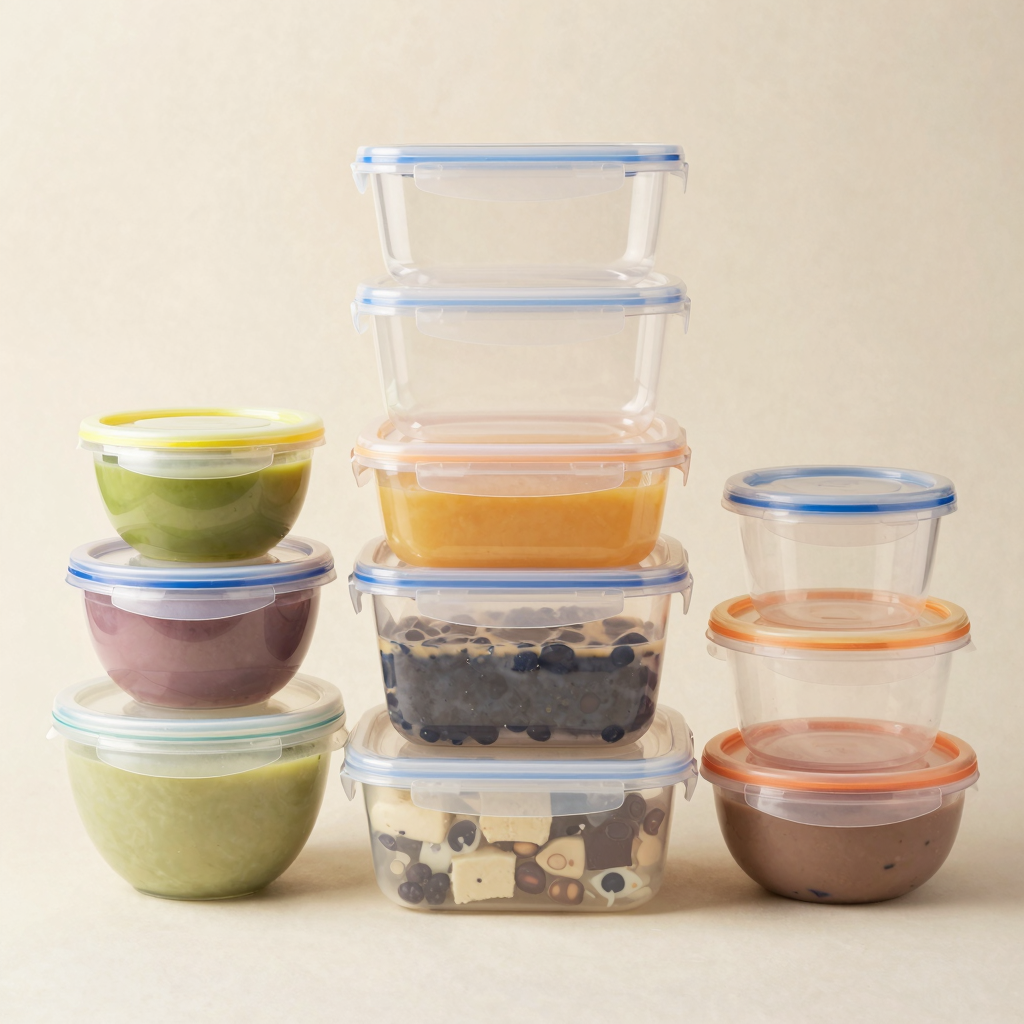
In bubble tea shops, plastic containers are essential for storing ingredients like syrups, fruit purees, and even ice. Clear, stackable containers enable staff to quickly find and access what they need, minimizing time spent hunting for ingredients. For instance, using color-coded bins can help staff differentiate between various toppings like boba pearls and jellies, reducing mix-ups and speeding up service. Explore more about customized octagonal paper bowls.
Food Trucks
Food trucks require versatile storage solutions that can withstand movement and temperature changes. Durable, insulated plastic containers are perfect for keeping everything from vegetables to sauces fresh while navigating tight spaces. They’re lightweight and often designed with features like built-in wheels for mobility, making it easier to set up and clean at the end of a busy day.
Catering Services
Catering services benefit greatly from multi-compartment containers that allow for transporting a variety of dishes safely. These leak-proof containers keep sauces separate from main courses, helping to maintain food integrity during transport. Their airtight seals ensure freshness, which is crucial for catering success.
In summary, whether for efficient storage, easy transport, or maintaining food quality, plastic storage containers are a smart investment for any food service operation.
Consumer Preferences for Food Storage Solutions in Hospitality
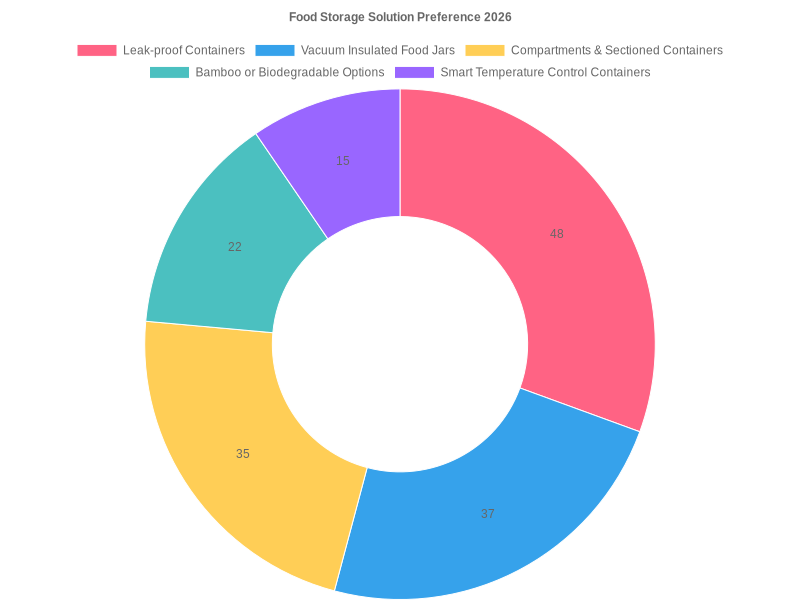
In the hospitality industry, consumer preferences for food storage solutions are evolving with an increasing focus on functionality and sustainability. Recent survey data from 2026 reveals that:
- Leak-proof Containers are favored by 48% of consumers.
- Vacuum Insulated Food Jars hold a preference for 37%.
- Compartments & Sectioned Containers are chosen by 35%.
- Bamboo or Biodegradable Options appeal to 22% of the audience.
- Smart Temperature Control Containers are preferred by 15%.
This data illustrates a clear shift towards innovative storage solutions that not only meet basic needs but also align with contemporary consumer values of sustainability and smarter living. Such preferences prompt hospitality businesses to rethink their storage strategies to enhance customer satisfaction.
For more insights on storage solutions, you can learn more about sugarcane cups and their business benefits and explore the advantages of biodegradable options.
Conclusion and Call to Action
Choosing high-quality plastic storage food containers is a decision that can transform the efficiency and safety of your food operations. These containers, made from durable materials like polypropylene (PP), offer exceptional benefits for restaurants, catering services, and food trucks alike. They not only enhance food safety but also streamline inventory management with their transparent designs, reduce waste with their impact-resistant structures, and maintain food freshness due to their tight sealing capabilities. By investing in these practical solutions, your establishment can operate more efficiently, reduce costs associated with breakage and food spoilage, and comply with health regulations seamlessly.
We understand that each business has unique needs, which is why we invite you to explore tailored quotes that fit your specific requirements. Learn more about customized solutions and discover how we can help streamline your operations. Don’t hesitate to contact us today to receive a personalized quote and elevate your food storage game with high-quality containers designed for your business success!
“We switched to plastic storage containers for our takeout portions, and the results have been outstanding. They are leak-proof, easy to clean, and the recyclable material aligns perfectly with our sustainability goals. The durability and organization they offer have made a significant difference in our operations!”
- Reliable Restaurant Supplier