
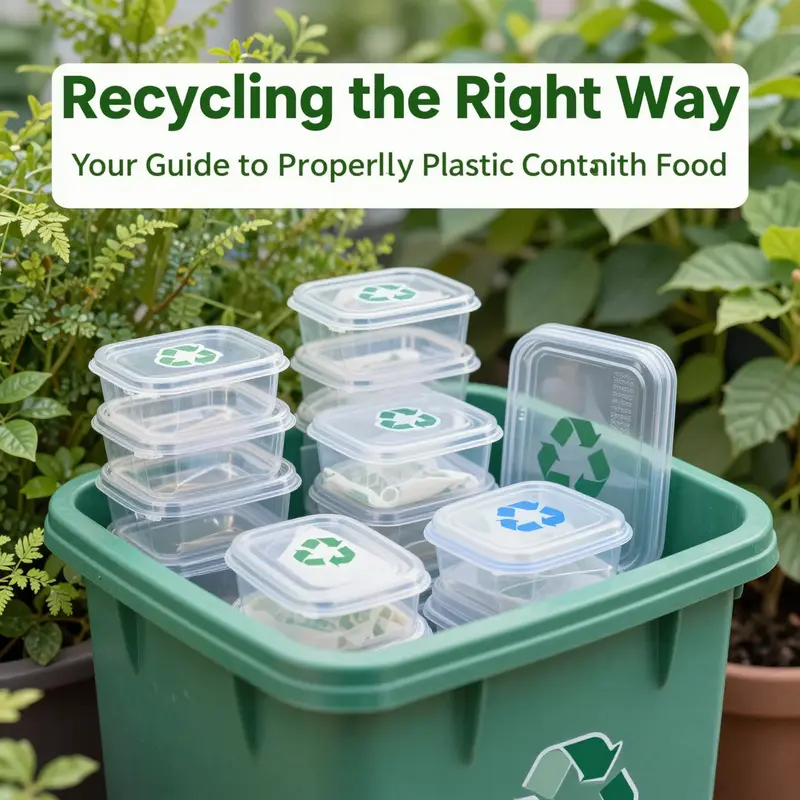
The journey of sustainability starts with small, impactful changes in how we handle our waste, especially in the food industry. For businesses such as bubble tea shops, restaurants, food trucks, and event planners, the question of recycling plastic containers is crucial. As you work to streamline your operations and minimize your ecological footprint, understanding proper recycling techniques is essential. This guide will delve into the steps required for cleaning plastic containers with food residues, interpreting recycling symbols, and recognizing the impact of food remains on the recycling process. Each chapter presents key information that empowers your business to be more sustainable.
From Rinse to Recycle: The Essential Clean Path for Plastic Food Containers
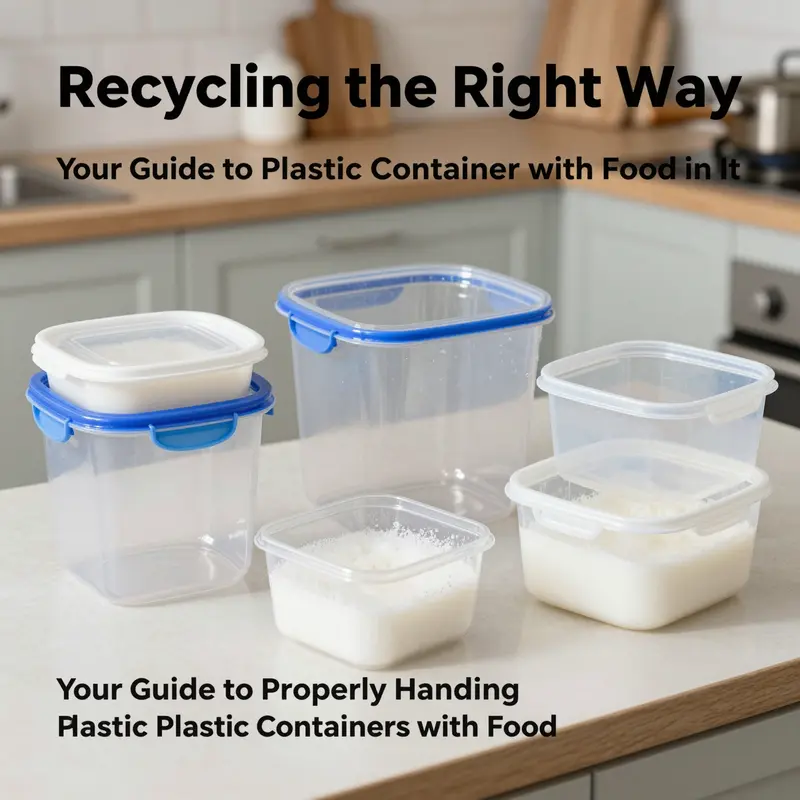
When you ask whether a plastic container that once held food can be recycled, the answer hinges on one word: clean. The recycling system works best when every item moving through it is as free as possible from food residue. Food scraps, grease, and liquids can contaminate the stream of recyclables, complicating the sorting process and potentially compromising the quality of the melted plastic that becomes a new product. A contaminated batch might have to be sent to landfill or heavily reprocessed, which defeats some of the environmental benefits you hoped to gain. Yet with a straightforward cleaning routine, a plastic container with food in it can rejoin the cycle as a valuable raw material. The key is to treat cleaning not as an afterthought but as an integral step in your recycling habit, one that preserves the integrity of the entire system from curbside to manufacture.
The path from dirty container to recycled resin is not just a matter of rinsing once. It begins with removing what you can physically remove, and continues with a deliberate, practical cleaning that respects the realities of home life. Start with the obvious: scrape out any remaining food. A spoon or the edge of a plastic knife works well to dislodge stubborn bits. If there are clumps of sticky sauce, honey, or syrup, a little extra effort often pays off. This initial scrubbing matters because loose food particles have a way of migrating into the sorting machinery, where they can cause blockages or create odors that attract pests in the processing facility. A small amount of effort here reduces downstream friction and helps keep the process running smoothly for everyone involved, from waste collection crews to the facilities that sort and wash the materials.
Rinsing takes the next, essential step. A thorough rinse under running water removes most of the food residues, oils, and liquids that cling to the container’s interior. The goal is not to wash the container to a pristine, kitchen-clean standard but to remove the majority of the residue so that the remaining traces do not contaminate the bulk stream. For most people, a quick but thorough rinse is enough; no soap is required for clean rinse cycles, and many programs encourage washing with water alone. If the container has particularly stubborn grease or sticky residue, add a small dab of mild dish soap and use a sponge or brush to finish the job. After rinsing, you should feel confident that the container is empty and relatively clean. When this is achieved, it no longer presents a food safety risk in transit, and it is far less likely to contaminate other recyclables.
Drying, though sometimes overlooked, plays a surprisingly important role in how well plastics move through the sorting stream. A wet container can introduce moisture into the recycling bin, and excess water can complicate the mechanical separation processes at facilities. A brief air dry or a quick shake to remove most surface water helps ensure the piece enters the sorter in a more stable, dry condition. If you want to go the extra mile, patting the container dry with a clean cloth before placing it in the bin removes residual moisture and reduces the chance of mold growth during storage. Keeping containers dry is particularly important in hot seasons or climates where damp conditions persist in the recycling bin or in the curbside chute. In the end, the effort spent drying translates into better handling by automated equipment that relies on weight, texture, and surface cleanliness to identify and segregate plastics from other materials.
A practical truth about plastics is that the kind of polymer matters for recyclability. The bottom of many containers carries a recycling symbol with a number: #1 (PET), #2 (HDPE), #5 (PP), or #7 (other). These numbers indicate the resin type and help determine where a container can be recycled. In many regions, curbside programs readily accept #1, #2, and #5 plastics, while #7 items can be more variable. Programs differ by municipality, and even within countries, rules can change over time as facilities upgrade their equipment or adjust to new market demands. This is not a call to memorize every nuance, but a reminder to check your local guidelines. A quick look at your city or regional waste management site—or a call to the local hauler—will tell you what’s accepted, how clean it must be, and whether certain items should go into the trash rather than the recycling stream. The principle remains clear: clean and empty containers are much more likely to be recycled, and cleaner inputs help ensure the quality of the recycled material.
Consider the lids and caps that often accompany a plastic container. Lids may be made from a different type of plastic than the body, or they may be attached to the container during use and not accepted for recycling together. In many programs, lids and caps should be removed and disposed of separately if they are of a different material or if the program requires it. The container body may be eligible for recycling, but the cap could be treated as a separate item with its own set of rules. The reason is straightforward: mixed materials and lids can complicate sorting and, in some cases, contaminate the stream if they still carry food residue. If your local guidelines are explicit about recycling containers with their lids together, follow that instruction. If not, a practical approach is to remove the lid, rinse it, and recycle it only if your program explicitly accepts caps with the body. When in doubt, separate the components and verify the local policy. This mindful separation is a small step that pays off in better material recovery and fewer waste-to-landfill outcomes.
Beyond the mechanics of cleaning, the broader context matters. The U.S. Environmental Protection Agency emphasizes a simple, universal principle: if a container is cleaned and empty, it is generally acceptable to place it in the recycling bin. This principle resonates globally because many recycling streams operate under shared expectations about cleanliness and emptiness as a baseline. The emphasis on cleaning aligns with international standards that prioritize the quality of recycled material. In major markets where recycling streams are governed by strict quality controls, the same logic holds: contamination is bad news for the process and for the recycled product’s market viability. It is not a call for perfection, but a push toward a practical standard that can be met in a typical household setting—rinse, remove residues, and dry the container before it goes into the bin. Adhering to this standard helps ensure that your recyclable plastic can be transformed into new products rather than added to the growing mountain of waste.
The conversation about cleaning also invites a moment of reflection on daily habits and the infrastructure that supports them. When we commit to rinsing containers, we are participating in a larger system that connects home kitchens to regional recycling facilities and, ultimately, to manufacturers who turn collected plastics into useful goods. The act of washing becomes a small but meaningful contribution to resource conservation and plastic circularity. The reality is that every container is a potential resource, but it only becomes that resource if it leaves your kitchen in a form that the recycling plant can process. It is the difference between a container that can be remanufactured into bottles, trays, or fibers and one that, due to residue, ends up as waste. The cleaner the input, the smoother the journey from curbside to market-ready material.
Of course, there are exceptions and nuances. Some residents live in communities with lower-capacity facilities or with guidance that requires entirely empty but not thoroughly washed containers. Others live in areas where the local system emphasizes diversion from landfill through community education and improved collection practices. In all cases, the central message is consistent: cleaning improves recyclability. If you encounter a rule that says “empty but not necessarily clean,” you can still do a quick clean without much extra effort and yield a better outcome for the recycling stream. If a rule says “thorough washing required,” you can adjust your routine accordingly, using a touch more soap and a gentle scrub to address any stubborn residues. In practice, a routine that begins with scraping, continues with a rinse, and ends with a quick dry covers most common scenarios and aligns with the goal of maximizing recyclability while minimizing contamination.
So what does this mean for everyday life and for the wider aim of reducing waste? It means recognizing that a plastic container with food in it is not inherently un-recyclable. It is recyclable, provided we respect the simple cleaning steps and the local guidelines that designate what is acceptable in our neighborhood programs. It means turning what could be secondhand waste into a resource again, a cycle that reduces the demand for new plastic and lowers energy and water use across the value chain. It means accepting that recycling is a process that benefits from a cooperative mindset: households taking responsibility for cleaning, municipalities setting clear rules, and facilities handling the sort and wash stages with consistent standards. It is a shared responsibility, and your careful cleaning is a crucial link in that chain.
In sum, yes, you can recycle a plastic container with food in it, but only if you clean it first. The act of cleaning—removing food residue, rinsing thoroughly, optionally washing with mild soap for stubborn grime, and drying the container—transforms a potential contaminant into a valuable feedstock for producing new plastics. This is not merely a ritual; it is a practical, cost-effective step with tangible environmental payoff. By seeing cleaning as an essential part of recycling rather than a nuisance, you contribute to cleaner streams, more efficient sorting, and higher-quality recycled materials that can re-enter everyday life as bottles, packaging, or other useful goods. The process is simple, but its consequences are meaningful, extending beyond the kitchen bin to the factories that transform collected plastics into the products we rely on every day. For those seeking additional guidance tailored to their region, trusted resources such as Earth911 offer location-specific advice and tips to help you navigate local rules and best practices. https://earth911.com/
Rinsed and Ready: Navigating the Real Path to Recycling Plastic Food Containers
A plastic container that once held food may be tempting to shove straight into the recycling bin. Yet the first rule of recycling is simple and stubborn: cleanliness matters. When a container carries even a whisper of grease, sauce, or bits of leftovers, it can disrupt the sorting stream, degrade the quality of recycled material, and in worst cases force a whole batch to be diverted to landfill. The frequently repeated headline is not a myth but a practical reality of modern municipal recycling systems. Clean containers do more than look tidy; they enable recyclers to extract usable material efficiently, reduce contamination, and improve the odds that your waste becomes something new rather than something that must be tossed away. In this chapter we explore how to translate a routine rinse into a reliable recycling habit, and why that habit matters for communities, manufacturers, and the planet alike. The path from disposal to reuse hinges on one initial act: a thorough, practical clean that respects the rules of the local recycling program while acknowledging the realities of the materials we use every day.
To begin, the cleaning process should be straightforward and effective. A container that held nonporous liquids or soft foods often just needs a water rinse. A quick, steady rinse under running water removes most of the food film and residue. Soap is optional but can be helpful for sticky substances like honey, syrup, or baked-on sauces. The key is to remove as much material as possible without turning the task into a prolonged scrub that wastes water. Think of the rinse as a light prewash rather than a full dishwashing cycle. It is not necessary to scour the container until it shines; rather, aim for a visibly free interior with no lingering odor or stubborn stains. If grease remains, a second brief rinse can be enough to loosen it. In many households, this level of cleaning is sufficient to render the container eligible for recycling in most curbside programs. The overarching goal is to send a container that is clearly empty and clean enough not to attract pests or produce odors, which helps keep the recycling stream healthy and processing lines running smoothly.
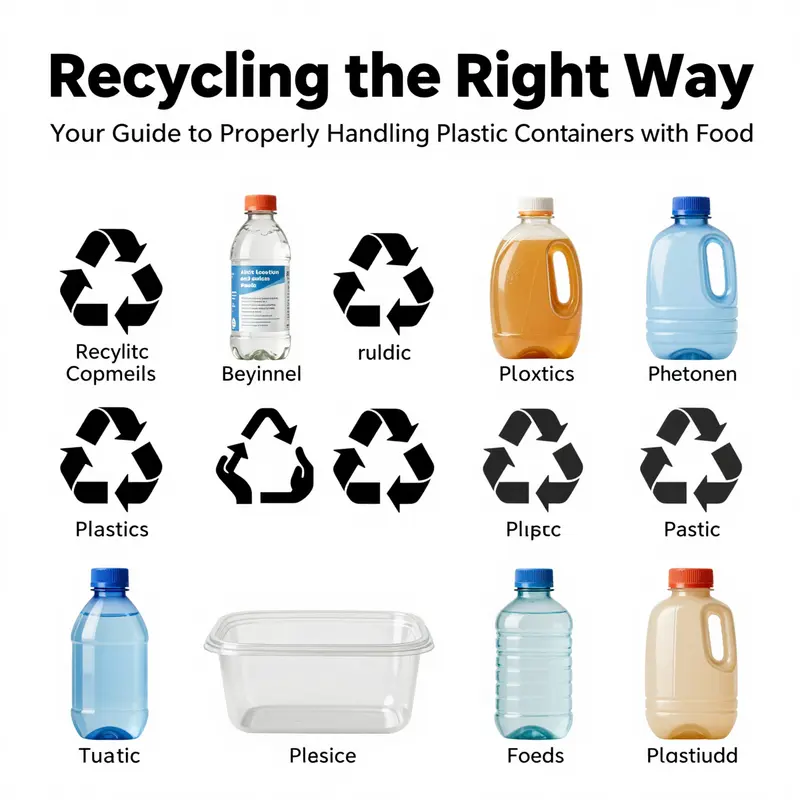
Beyond the rinse, pay attention to the type of plastic you are dealing with. Recycling programs around the world have long relied on resin identification codes, often seen as a triangle with a number inside. These numbers identify the resin type and can guide what is accepted by your local program. The most commonly accepted plastics in many curbside programs are #1 PET (polyethylene terephthalate), #2 HDPE (high-density polyethylene), and #5 PP (polypropylene). Some programs also accept #7, which covers other plastics, but acceptance varies widely by municipality. It is important to know that the resin code tells you nothing about whether the item is recyclable in your area; it only reveals the plastic type. Local guidelines should always guide the final decision. If in doubt, a quick check with your city’s recycling portal or hotline can save a lot of confusion and avoid contamination of the recycling bin. In short, knowing the resin type helps you understand the item better, but it does not guarantee acceptance. Cleanliness, label removal, and adherence to local rules remain the most reliable indicators of recyclability in practice.
A related but frequently misunderstood point concerns the lids and caps. Many containers and their accompanying caps are made from different plastics, and the cap can be contaminated by the lid’s prior use, especially if it has touched food. In most programs, lids and caps are not recycled with the main container unless there is explicit acceptance for this combination. Before tossing the lid into the recycling bin, confirm whether your local program accepts containers and their caps together. If the guidelines say to separate, place the container in the recycling bin and dispose of the cap in the trash. The separation step is not merely bureaucratic; it reduces the risk that contaminated caps will ruin the quality of the recycled stream. This detail, small as it may seem, affects the efficiency of the entire system; a few wrongly placed lids can create jams or mis-sorts that force facilities to scrap otherwise recyclable material.
The practical value of a clean container extends beyond individual households. When a container is not properly cleaned, the residue can render a whole batch of recyclables unsuitable for processing. This can lead to more material sent to landfills, undermining broader recycling goals and increasing the environmental footprint of the waste management system. The logic is straightforward: clean containers are easier to sort, brighter to recycle, and less likely to require energy-intensive remediation later in the process. The EPA reinforces this principle in its guidance on plastic recycling, noting that an empty and cleaned container is generally acceptable for recycling. While that guidance is framed for a broad audience, its practical implication for households is clear: a well-cleaned container contributes to the reliability of the recycling stream. The global applicability of this principle is evident in diverse regulatory contexts, including regions where quality standards for recycled materials are strictly enforced. The bottom line remains unchanged: if the container has been cleaned and is empty, it is generally acceptable to place it in the recycling bin. This is not a license to improvise; it is a reminder of a shared standard that helps communities move toward higher recycling rates and better environmental outcomes.
As a next layer of understanding, it helps to recognize what the numbers truly reflect. The resin identification codes were developed to support sorting by resin type, not to serve as a universal guarantee of recyclability. Let us briefly unpack the common codes and their implications for food-contaminated plastics. PET (#1) is widely recyclable in many programs, but it should be rinsed clean to avoid the appearance of grease or residue that can complicate processing. HDPE (#2) is one of the most robustly recycled plastics and is relatively forgiving of minor residues, though a thorough rinse remains best practice. PP (#5) is increasingly accepted, particularly for containers like yogurt cups and medicine bottles; however, again, local rules apply. Other codes, such as PVC (#3), LDPE (#4), PS (#6), and the “7—Other” category, are not universally accepted in curbside programs. PS, in particular, can be challenging to recycle, especially when it comes to foam products. When you encounter these codes on a container with food residue, the prudent choice in many places is to err on the side of disposal rather than risk contaminating the recycling stream. The best practice is to check local guidelines and, when possible, opt for a container type that your program clearly accepts. In this way, the resin code becomes a helpful guide rather than a gatekeeper of uncertainty. The general rule remains that cleanliness matters most; the resin code simply informs sorting and acceptance patterns, not the ultimate fate of the item in every jurisdiction.
There is a practical, everyday dimension to this discussion that touches on behavior and habit more than on policy. Most households recycle a lot of plastic containers, from yogurt cups to milk jugs, but the reality is that many items carry residual food and grease. If a container had oily sauce or dairy residues, a quick rinse often suffices to restore its recyclability in a wide range of municipalities. Some residues, like sticky syrups or oil-based sauces, may require a more diligent rinse or a short, targeted use of dish soap. The key is to spend a moment to examine the container before it heads to the bin. If you can wipe away the residual sauce with a napkin or paper towel and give the interior a clear rinse, you are probably within the typical acceptance range for many programs. If, after rinsing, the container still feels greasy or has a strong odor, it might be prudent to dispose of it in the trash. The social benefits of such mindful behavior extend beyond recycling numbers; they accumulate as communities reduce contamination and increase the efficiency of sorting facilities, ultimately supporting higher recycling rates and a cleaner planet.
From a broader perspective, the conversation around plastic containers with food residue intersects with how we understand material flows and waste reduction. The initial act of cleaning is a small step, but it has a larger ripple effect. When residents consistently rinse containers, local recycling facilities experience fewer invalid items, fewer interruptions, and less time spent on contamination remediation. This translates into more predictable processing streams, faster turnaround times for recycling centers, and, ultimately, better recovery of high-quality plastic materials that can re-enter the production cycle. The cumulative impact of millions of households performing even modestly better at cleaning is substantial. It feeds back into production cycles, where companies design for recyclability with a clearer sense of how the streams will be processed. It also informs policy development, enabling municipalities to set more precise guidelines based on observed contamination levels and local infrastructure capabilities. The story thus moves from the individual kitchen to the municipal curb, and from there to manufacturers who respond to the realities of reclaiming plastics.
A practical way to internalize these concepts is to adopt a simple, repeatable routine. When you empty a container, give it a quick rinse with water, ensuring you remove most of the food residue. If the container was used for a particularly sticky or oily substance, a touch of dish soap can help. Remove the lid if your program requires separation and place the body in the recycling bin if allowed; otherwise, discard the lid separately or in the trash according to your local guidance. Make a quick assessment of the label, confirm the resin type if you know it, and then proceed with your recycling. This approach is not only about achieving compliance; it is about contributing to a system that prizes efficiency and cleanliness. It also empowers individuals to participate in an ecosystem where materials cycle back into new products rather than becoming waste.
One subtle but meaningful aspect of this practice is how it aligns with climate and resource stewardship. Recycling plastics reduces the demand for virgin fossil fuels, lowers greenhouse gas emissions, and decreases waste volumes that would otherwise require landfilling. Each container you rinse and recycle replaces a portion of new plastic production with recycled resin, a transition that significantly reduces the environmental footprint of everyday consumption. The cumulative climate benefits are substantial when millions of people perform small acts correctly and consistently. Of course, recycling is not a magic wand; it must be paired with reduced consumption, design for recyclability, and robust waste management systems. Still, the small act of cleaning a plastic container before recycling stands as a practical, near-term action that individuals can take to contribute meaningfully to these larger environmental goals.
As we consider the practicalities, it is worth acknowledging that recycling rules can vary not only from country to country but also from city to city. The same container might be perfectly acceptable in one municipality after a quick rinse, while another jurisdiction may require extra steps or prohibit certain plastics altogether. This variability underscores the importance of checking local guidelines. In the context of global standards, the principle remains consistent: a container that has been cleaned and is empty should be placed in the recycling stream where permitted. When a program asks you to remove lids, separate components, or avoid certain plastics, follow those instructions. The aim is not to maximize the number of items in the recycling bin but to ensure that the items you do place there can be properly processed and recycled into new products. This careful attention to local rules complements the broader guidance offered by agencies like the EPA, which emphasizes cleanliness as a core prerequisite for recycling plastic containers with food residues.
To make the most of these concepts in daily life, consider how you organize your kitchen and recycling space. A simple rinse station near the sink can streamline the process. A designated bin for recycling, accompanied by a small waste receptacle for items that require trash disposal (such as caps or contaminated lids), can reduce the chance of cross-contamination. Keeping a small towel handy to wipe dry or remove stubborn residues makes the process faster and reduces water waste. Small practices compound over time; they help transform a household’s waste habits from sporadic to routine. In communities where these habits become widespread, the effect on recycling infrastructure can be palpable, with more consistent streams and fewer rejected loads. The social contract is clear: when individuals commit to cleaning containers before recycling, society moves a step closer to resilient material cycles and a more sustainable economy.
For readers seeking deeper context beyond everyday practice, a broader reading list is available. The science of recycling is complex, and ongoing advances in sorting technology, contamination control, and material recovery continually reshape what is possible. The resin identification codes provide a framework for understanding plastic types, but local programs remain the final arbiters of what is accepted. When in doubt, the simplest rule of thumb is to start with a clean container, verify local guidelines, and act accordingly. The goal is not perfection but practical, informed participation. A few minutes of rinsing now can prevent a longer, more resource-intensive process later. And while the symbol on the bottom of the container can offer clues, it does not replace the need for a clean container and adherence to local rules. In that sense, the journey from food-stained plastic to recycled product is not a mystery but a sequence of deliberate, disciplined choices.
In keeping with this practical approach, consider integrating a small note into your household routines that reminds you of the steps: rinse, remove grime, remove lid if required, check the resin code, and verify local guidelines. A simple cue card on the fridge can reinforce this sequence and help family members participate consistently. Over time, these small reminders create a culture of careful recycling, one that respects the complexity of modern waste systems while keeping the act of recycling within reach of everyday life. The chorus of small acts—the rinse, the check, the separate lid—adds up to a powerful chorus that keeps plastics out of landfills and ensures that the materials you recycle can become the feedstock for new products rather than residual waste. The practical, everyday routine becomes a moral and environmental habit that supports the broader goals of resource conservation and circular economy thinking.
As you move through this process, you may come across additional questions about specific containers or unusual residues. For example, whether a container that held spicy sauce or strong-smelling foods can still be recycled depends on how well the container is cleaned and whether the local program accepts the plastic type. In many cases, a quick rinse and a brief soap wash will suffice, but the most reliable answer remains your local guidelines. If you are ever unsure, a cautious approach—dispose of uncertain items in the trash—helps protect the integrity of the recycling stream and avoids the risk of contaminating an entire batch. The goal is not to fear contamination but to minimize it through informed, consistent practice. By applying the principles outlined here, you can confidently determine how to handle plastic containers with food residue and contribute to a cleaner, more efficient recycling system.
For readers who want a definitive technical reference, the EPA offers comprehensive guidance on plastic recycling that expands on handling contaminated containers and other important practices. While the site covers a broad landscape of recycling policy and program operations, its core message aligns with the everyday actions described here: clean, empty containers are the backbone of effective recycling. You can explore these details at the official resource, which provides a broader lens on how recycled plastics are sorted, processed, and reintroduced into the economy. This external resource serves as a useful companion to the practical steps in everyday households, linking micro-habits to macro-outcomes and demonstrating how personal actions contribute to a more sustainable system. In sum, the path from a food-stained container to a recycled product is navigable and practical when approached with a clear routine and a respect for local rules. The simplest things—rinse, empty, and sort—are often the most powerful levers for change.
To connect these ideas back to tangible everyday action, imagine a kitchen where every plastic container that held food is rinsed and placed in the recycling stream only after confirming local acceptance and removing any lids that may complicate the process. In such a kitchen, the line between waste and resource becomes clearer, and the role of individuals in shaping recycling outcomes becomes more tangible. The act of cleaning is not a chore but a critical step in preserving the value of materials and the health of the environment. The conversation about recycling symbols and plastic types is important, but what truly matters is how we translate knowledge into consistent, practical behavior. When you know that a container has been thoroughly cleaned and is empty, you can engage with your local system confidently, knowing you are doing your part to support a smoother, more reliable recycling process. This is the everyday literacy of modern sustainability: not just knowing what the symbols mean, but applying them in a way that keeps resources circulating and protects the world for future generations.
For readers who want to explore a practical example of a container that might be recycled in a kitchen-to-bin scenario, consider a common recyclable plastic container used for takeout or leftovers that carries a resin code within a broad acceptance context. Such knowledge helps you make quick decisions during busy days, reducing hesitation and increasing the likelihood that you will recycle correctly. And when you encounter containers that are not readily accepted in your area, you can still apply the same core principles: rinse, dry, and dispose according to local guidelines. The underlying science and policy may evolve, but the basic act of preparing a container for recycling remains a stable, repeatable practice that each household can adopt.
If you want to see a practical example of a packaging option that illustrates the broader principle of careful disposal—where design and material choice influence end-of-life handling—you can explore related packaging options that emphasize recyclability and responsible disposal. While this chapter does not endorse specific products, the linked example demonstrates how packaging can be conceived with later recycling in mind, aligning product design with waste management realities. For readers who want to connect the concept of recyclable packaging to real-world choices, the following internal link provides a concrete illustration of how packaging decisions intersect with recycling practices: senang-kraft-paper-octagonal-bowl-pet-lid-waterproof-eco-friendly-disposable-customizable-snack-pet-food-salad-containers-1l.
In closing, the journey from a plastic container that held food to a recycled product is defined by a straightforward sequence of actions: verify local guidelines, rinse thoroughly, remove or separate lids as required, and place the container in the appropriate recycling stream. This approach reflects both the science of recycling and the practical realities of what can be done in homes, workplaces, and schools. By embracing these steps, you participate in a system designed to reclaim material value and reduce the environmental footprint of everyday packaging. The routine of cleaning may feel small, but its impact scales across neighborhoods and regions, contributing to more resilient recycling programs and a healthier planet. The path is clear, the rules are simpler than they seem, and your everyday actions matter more than you might think. Clean, empty, and recycle—one container at a time, one community at a time.
External reference: For a broader overview of plastic recycling policies and best practices, see the official EPA resource on plastic recycling: https://www.epa.gov/recycle/plastic-recycling
null
null
Final thoughts
Good practices in recycling plastic containers—like ensuring they are properly cleaned—ultimately contribute to a healthier environment. By following these guidelines, your business can play a significant role in minimizing waste and supporting sustainable recycling efforts. Being informed about recycling requirements is not just about compliance; it’s about making a positive impact on our planet. Take the necessary steps today to incorporate better recycling practices into your operations and inspire others in your community to do the same.