
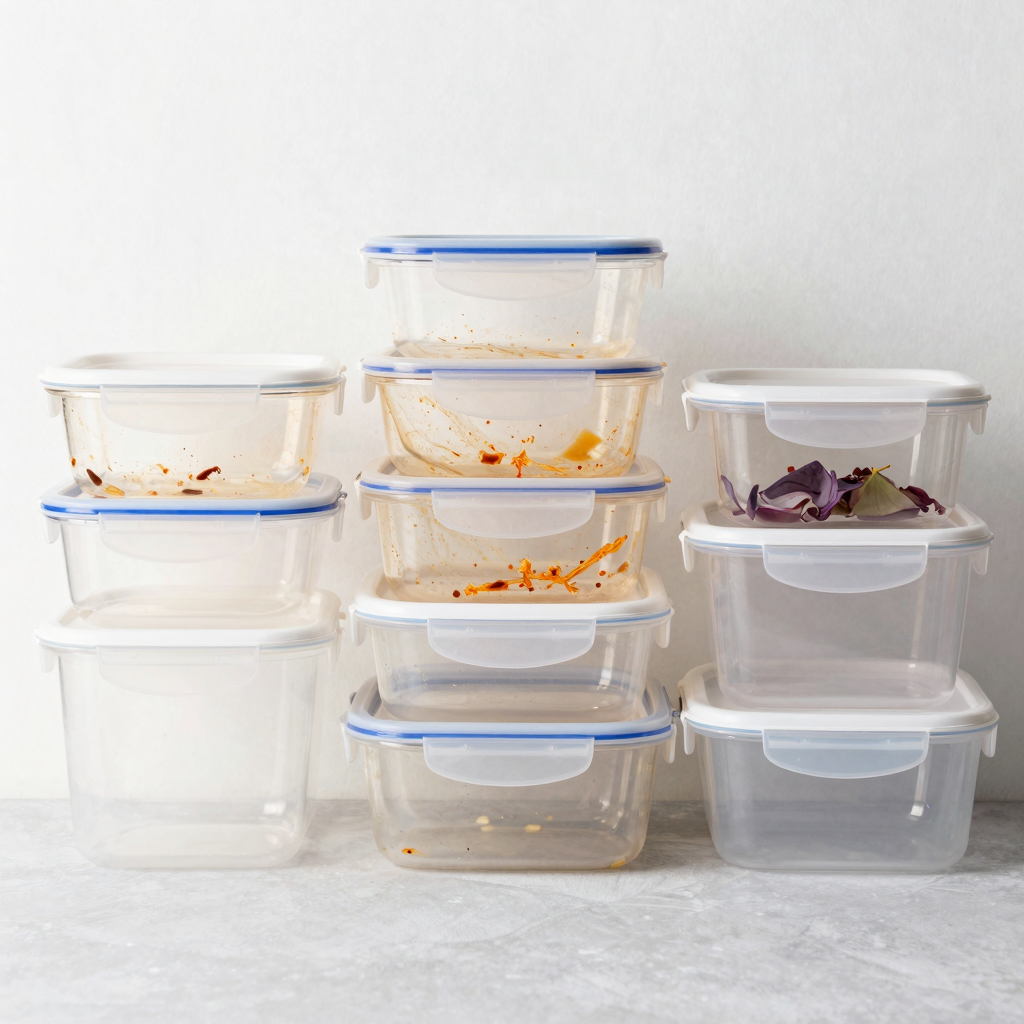
Introduction to Food Odor Challenges in Plastic Containers
In the vibrant world of food service, whether it’s a bustling bubble tea shop or a trendy restaurant, the battle against lingering food odors in plastic containers is a persistent challenge. These unwanted smells not only affect the overall quality of food but can also tarnish customer satisfaction and loyalty. As customers increasingly demand freshness and quality, food establishments face the pressing need to find effective methods to remove food odors from plastic containers.
These challenges arise from the porous nature of certain plastics, which can absorb and retain scents from previously stored food items, creating dissatisfaction among patrons when their meals are tainted by lingering odors. Additionally, failing to address these issues can lead to negative reviews and diminished repeat business. To maintain an appealing atmosphere, bubble tea shops and restaurants must explore innovative solutions to ensure their containers are odor-free and their dishes are served with the utmost quality. Learn more about sustainable packaging solutions that can help mitigate these odor issues and enhance customer satisfaction.

This image depicts a plastic container showcasing the common issue of food odors that can cling to containers, serving as a perfect visual cue for the topic of removing food odor from plastic containers.
Causes of Food Odors in Plastic Containers
Food odors in plastic containers can be a persistent problem, especially in environments such as bubble tea shops, restaurants, or food trucks where diverse culinary ingredients are used. Understanding the reasons behind these lingering scents can help in choosing the right container materials and cleaning methods to maintain freshness.
1. Absorption of Smells
One of the primary causes of food odors in plastic containers is their tendency to absorb strong smells from the foods stored in them. Ingredients like garlic, seafood, or colored sauces contain potent aromatic compounds that can seep into the microscopic pores of the plastic, creating stubborn odors that can last long after the food has been removed. This is especially problematic for fried foods or those rich in oils, as the greasy residues can cling to the plastic surfaces, making it challenging to completely eliminate these smells.
2. Types of Foods
The type of food being stored greatly influences the degree of odor transfer. Fatty foods, like meats or certain cheeses, release more oils that can interact chemically with the plastic, leading to a stronger, more pervasive odor. Additionally, foods that tend to ferment or spoil, such as fruits and vegetables, can emit odors that attract microbial growth when placed in sealed plastic containers. This can lead to even more complex odor profiles that are difficult to eradicate.
3. Container Materials
The materials from which plastic containers are made also contribute to odor retention. Low-quality plastics may contain additives or compounds that can release their own odors over time or react negatively with strong food scents, intensifying the problem. Containers that are not specifically designed to be odor-resistant, or those made from recycled materials that may still carry other scents, can exacerbate odor retention issues. Opting for high-quality, food-grade containers helps minimize this risk.
4. Uncleaned Residues
Often, the lingering scents can be attributed to medical neglect during the cleaning process. If food residues are not completely removed during washing, they can become a source of odor themselves. The residual oils and sugars can decompose and produce off odors, particularly when left sitting in a warm environment. Ensuring that containers are thoroughly cleaned and dried can mitigate these issues significantly.
Conclusion
To combat the problem of food odors in plastic containers, choosing quality containers made from odor-resistant materials, ensuring thorough cleaning, and being mindful of the types of foods stored are essential steps. By addressing these factors, bubble tea shops, restaurants, and catering services can significantly improve their service quality and customer satisfaction.

Learn more about our customized octagonal paper bowls and how they can help reduce odor retention in your food service.
Effective Methods to Remove Food Odors from Plastic Containers
When it comes to maintaining cleanliness in your bubble tea shop or restaurant, removing stubborn food odors from plastic containers is crucial. Here’s a comparison of various methods available for this purpose:
| Method | Effectiveness | Time Needed | Additional Notes |
|---|---|---|---|
| Baking Soda | High | 15-30 min | Sprinkle inside the container and let it sit. |
| Vinegar | Moderate | 20-30 min | Fill the container with vinegar; rinse well after. |
| Lemon Juice | Moderate | 15-30 min | A natural fresh scent; can be mixed with water. |
| Activated Charcoal | High | 1-2 hours | Place inside container; absorbs odors effectively. |
| Coffee Grounds | Moderate to High | 1-2 hours | Place damp grounds in the container; absorbs odors. |
Consider choosing the method that best fits your needs, whether you prioritize speed or effectiveness. For further insights on related topics, feel free to learn more about benefits of sustainable materials and explore custom paper products.

Step-by-Step Guide to Using Baking Soda for Removing Food Odors from Plastic Containers
If you run a food business such as a bubble tea shop or a catering service, dealing with lingering food odors in plastic containers can be quite the hassle. Fortunately, baking soda is here to help! It’s a simple and effective remedy to freshen up your storage without harsh chemicals. Let’s dive into the steps you need to take, along with some handy tips!
Required Materials
- Baking soda (1-2 tablespoons)
- Warm water
- Sponge or soft cloth
- Dish soap (optional)
- A bowl or sink (for soaking)
Step-by-Step Instructions
-
Gather Your Materials
Before you start, make sure you have all the materials ready. This will make the process smoother and more efficient! -
Prepare the Baking Soda Solution
- Take the container you want to deodorize and fill it with warm water.
- Add 1-2 tablespoons of baking soda. This is your odor-fighting solution!
- Stir it gently to dissolve the baking soda.
- Soak the Container
- Submerge the plastic container in your baking soda solution. If you’re using a bowl, let the container sit in it.
- Allow the container to soak for at least 4 hours-for stubborn odors, consider leaving it overnight.
- Scrub if Necessary
- After soaking, use your sponge or soft cloth to scrub the container gently. This will help lift any lingering odors stuck to the plastic.
- If you notice any tough stains, a dab of dish soap can assist in breaking them down.
- Rinse Thoroughly
- Empty the solution and rinse the container thoroughly under running water to remove any baking soda residue.
- Ensure that no odor persists before you dry it.
- Air Dry
- Place the container upside down on a drying rack or towel, allowing it to air dry completely.
Estimated Time for Completion
- Total time: About 4 hours (or overnight for best results) + 15-20 minutes for cleaning.
Final Tips
- For extremely stubborn odors, consider combining baking soda with vinegar (equal parts) in the soaking solution for an extra boost. Just ensure to let it fizz for 15 minutes before soaking! This method is great for stronger odor sources like fish or curry leftovers. Learn more about vinegar and baking soda for deeper cleaning.
- If the smell persists, repeating the process a couple of times may do the trick!
By following these easy steps, you can keep your plastic containers odor-free and ready to serve delicious meals. Happy cleaning!
Effectiveness of Different Odor Removal Methods
When it comes to removing food odors from plastic containers, various methods are available, but their effectiveness can vary significantly. Here’s a chart comparing three popular odor removal methods based on their effectiveness ratings:
| Odor Removal Method | Effectiveness (%) |
|---|---|
| Baking Soda | 85 |
| Vinegar | 60 |
| Commercial Cleaners | 50 (average) |
Source: Consumer Reports (2024)
Visual Comparison

From the chart, it’s clear that baking soda stands out as the most effective method for neutralizing odors, achieving an impressive 85% effectiveness. Vinegar is useful, particularly against acidic odors, with a 60% effectiveness rating. On the other hand, commercial cleaners have a mixed record, averaging around 50%, often relying on fragrance to mask odors rather than eliminate them.
Baking soda’s ability to chemically bind with odor-causing molecules makes it a versatile and safe choice for food-related odors. Vinegar also serves well but comes with a strong smell that requires good ventilation. Commercial cleaners can sometimes do the job but vary widely in performance and may carry synthetic fragrances that are not ideal for every environment.
Choosing the right method can help keep your containers and workspace smelling fresh, which is particularly important for food service businesses like bubble tea shops and catering services!
Eco-Friendly Options for Removing Odors from Plastic Containers
Removing food odors from plastic containers can be a challenge, particularly for businesses in the food service industry like bubble tea shops and restaurants. Fortunately, there are several environmentally friendly methods that can effectively eliminate these persistent smells without resorting to harsh chemicals. Here are some eco-conscious options that align with your values of sustainability and health.
1. Baking Soda Soak
Baking soda is a powerhouse when it comes to odor removal. To utilize this natural deodorizer, fill your plastic containers with warm water and add one tablespoon of baking soda per cup. Let this mixture sit overnight. The baking soda absorbs and neutralizes smells, leaving your containers fresh without the need for synthetic cleaners. You can also enhance this method by adding lemon slices to the solution, which add a delightful citrus scent, further combating odors. Learn more about the benefits of sugarcane cups.
2. White Vinegar Method
Another effective method involves using white vinegar. Pour some vinegar into the container and use it as a rinse after soaking it in a baking soda solution. Vinegar is a natural antiseptic and deodorizer due to its acidic nature, making it perfect for breaking down food particles and smells. Leave it to sit for several hours, or overnight for stronger odors, to achieve the best results. For additional insights into compostable products, check out our article on sugarcane cutlery benefits.
3. Drying Agents
After washing the containers, place them upside-down in the sunlight for a few hours. Sunshine not only helps remove odors, but UV rays also kill bacteria, ensuring your containers are both fresh and clean. This method relies solely on natural processes and is completely eco-friendly, making it ideal for businesses committed to sustainability.
4. Essential Oils
For businesses interested in aromatherapy, using a few drops of essential oil (such as lemon or tea tree oil) in your cleaning solutions can leave a refreshing scent. Mix a couple of drops with your vinegar or baking soda solution for odor-fighting power coupled with a pleasant fragrance.
By integrating these eco-friendly methods into your cleaning regime, you can ensure that food odors are effectively managed while adhering to environmentally conscious practices. As global consumers become more eco-aware, demonstrating your commitment to sustainability can also elevate your brand’s reputation and appeal.

Importance of Cleanliness in Food Service
Maintaining cleanliness, especially regarding odor-free containers, is crucial in any food service environment. According to a sanitization expert, “A seemingly small uncleaned container can become a breeding ground for bacteria and odors, severely impacting the overall hygiene image of a space. Even if other areas are spotless, an odoriferous trash bin can lead clients to view the entire environment negatively.” This reinforces how critical it is for food service providers, such as bubble tea shops and catering services, to ensure that their storage and serving containers are regularly cleaned and kept odor-free.

A serene kitchen environment showcasing clean, odor-free food storage containers organized on shelves
For those interested in enhancing their service delivery, investing in high-quality, compostable food containers can serve dual purposes: they not only provide a sustainable option but also bolster the brand’s commitment to cleanliness and sustainability. Learn more about the benefits of sugarcane cups.
Regular cleaning protocols such as implementing a ‘daily clear, weekly sweeping, and monthly thorough clean’ approach will help in maintaining not just the hygiene but also the appeal of your service space. Additionally, ensuring that food storage areas are devoid of lingering odors can significantly enhance customer satisfaction and trust in your brand.
- Key Takeaways
- Regular cleaning schedules are vital.
- Use effective sanitizing agents to eliminate odors.
- Contain and dispose of waste properly to prevent smells.
- Opt for high-quality, odor-resistant storage solutions.
Conclusion: The Importance of Odor-Free Containers in the Food Industry
In summary, maintaining odor-free containers is crucial for food businesses, including bubble tea shops, restaurants, and food trucks. Odor contamination not only affects the taste and quality of food but can also lead to diminished customer satisfaction and trust. Using effective methods to keep food containers fresh, such as proper cleaning techniques and the use of high-quality materials, can prevent cross-contamination of flavors and ensure that the original taste of each dish is preserved.
Investing in quality packaging solutions is equally important. High-grade tableware not only enhances the food presentation but also serves as a vital branding tool. It communicates value and care, influencing consumer choices significantly. Quality packaging protects food integrity during transportation, reducing waste and operational costs while guaranteeing that customers receive their orders in perfect condition. Moreover, with a growing emphasis on sustainability, utilizing eco-friendly packaging can meet consumer demands and regulatory standards, further boosting a brand’s reputation.
Incorporating these practices allows food businesses to create a superior customer experience and foster loyalty, essential in today’s competitive market. To explore high-quality packaging options that will elevate your brand and ensure an odor-free experience for your customers, learn more about our customized solutions. Investing in the right tableware and containers is not just a choice but a necessity for the success and sustainability of food businesses in a dynamic market.
Tips for Preventing Food Odors in Plastic Containers
Food odors can be quite stubborn in plastic containers, but with the right practices, you can effectively keep your containers smelling fresh. Here are some actionable tips tailored for businesses like Bubble Tea Shops, Restaurants, Food Trucks, Catering Services, Event Planners, and Corporate Procurement Teams:
-
Choose Quality Materials: Opt for plastic containers made from high-quality materials such as Tritan or BPA-free polypropylene (PP5). These materials are less porous and less likely to retain odors compared to cheaper plastics. To learn more about eco-friendly options, check out our article on sugarcane cup benefits.
-
Clean Thoroughly After Use: Always wash containers with warm, soapy water immediately after use. This helps eliminate food particles that can contribute to lingering smells. For oily or spicy foods, consider using a baking soda paste as part of your cleaning routine.
-
Baking Soda Soak: For containers that retain strong odors, fill them with a mixture of warm water and 1-2 tablespoons of baking soda. Let them soak for several hours or overnight.
-
Vinegar Rinse: After cleaning, rinse your containers with a mixture of equal parts white vinegar and water. Vinegar is excellent at neutralizing odors and dissolving any residual oils.
-
Dry Completely: Ensure that your containers are completely dry before storing them with food. Moist environments can promote odor build-up.
-
Avoid Strong Odor Foods: Limit the storage of strong-smelling foods, such as fish and curry, in plastic containers. If possible, use sealed glass containers for these foods instead.
-
Use Coffee Grounds or Tea Leaves: Place dried coffee grounds or tea leaves inside the container for 24 hours to absorb odors. Seal the container tightly to allow the absorbent materials to work effectively.
-
Sunlight Exposure: Occasionally place your clean containers in direct sunlight for several hours. The UV rays can help break down odor molecules.
-
Regular Maintenance: Schedule regular cleaning and deodoring sessions for your containers, especially if they are frequently used for aromatic foods.
By following these simple tips, you can ensure that your plastic containers remain odor-free, offering a better experience for your team and customers alike. For reliable, eco-friendly container options, consider browsing our selection of customized octagonal paper bowls.