

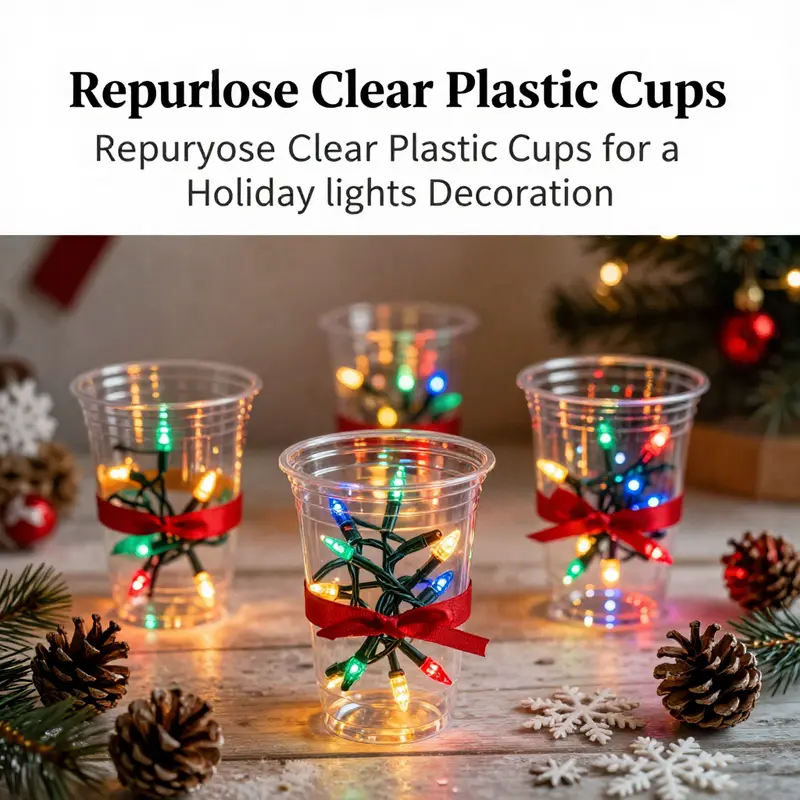
The festive season is upon us, offering an excellent opportunity to get creative while also being environmentally conscious. Clear plastic cups, often used for beverages in bubble tea shops, restaurants, and catering services, can be transformed into delightful holiday decor and gifts. Rediscover the potential of these ubiquitous containers through innovative repurposing ideas that not only enhance your holiday events but also reduce waste. From festive lights to unique advent calendars, this guide offers practical and imaginative ways to make the most of clear plastic cups, appealing to a wide range of businesses in the food and hospitality industry. Each chapter will explore fun projects tailored for creating a cheerful atmosphere, adding personal touches to gift-giving, and encouraging sustainability during the holiday season.
null
null
null

null
Repurpose Clear Plastic Cups for Christmas: Candy and Gift Packaging
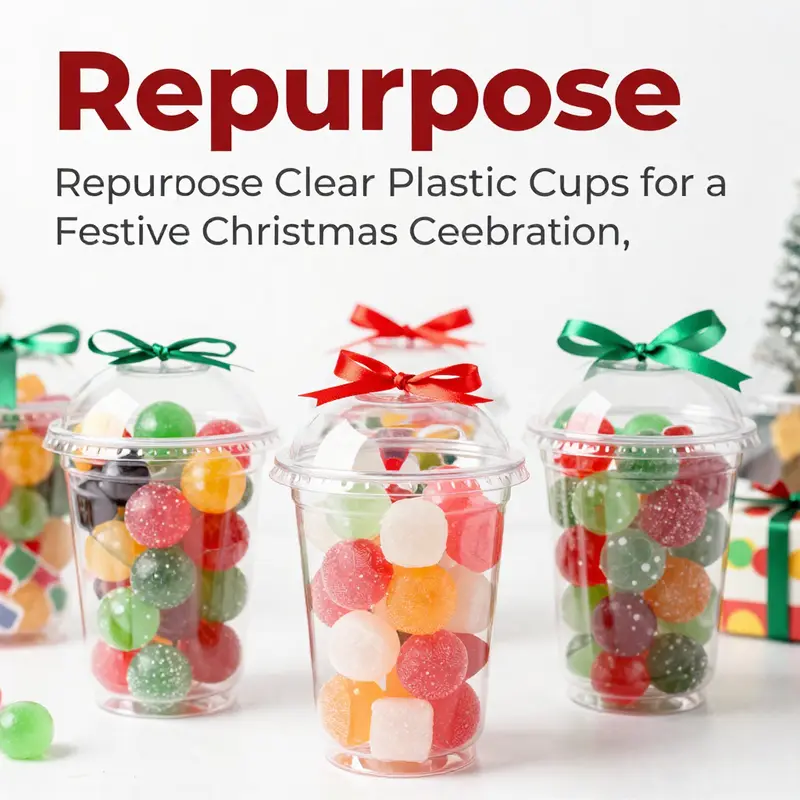
The soft light of Christmas evenings tends to draw people toward small, intimate rituals. One of the most charming is the act of giving and sharing tiny treasures—candies, trinkets, and handmade gifts that speak of care more than cost. In the spirit of mindful creativity, repurposing clear plastic cups into festive containers becomes less a craft and more a quiet philosophy: waste repurposed into delight, simplicity turned into celebration. When you choose to reuse clear cups as candy and gift packaging, you invite a clear window into the holiday itself. The contents glimmer with the promise of sweetness and surprise, and the cups’ transparency becomes a stage for your colors and textures to perform. They are light, inexpensive, and readily available, which makes them an ideal canvas for a Christmas display that feels personal rather than mass-produced. The approach honors the season’s generosity without demanding excessive new resources. In a world crowded with single-use items and fast gifts, this small practice can become a keystone habit—an invitation to think first about reuse, then about presentation, and finally about the joy that comes from giving something that was saved from becoming waste.
The practical steps are simple, and their elegance comes from how naturally they fit into holiday routines. Start with the basics: clean and dry the cups completely. A clean surface matters because it ensures the finish you put on the outside—ribbons, stickers, painted designs—adheres evenly and lasts through the bustle of holiday events. Once they’re dry, you can begin to transform them into festive containers. The most straightforward approach is to fill the cups with treats, from candies and chocolates to small, thoughtfully chosen gifts. The transparency of the cup amplifies the appeal because the eye immediately catches the colors and textures inside. A peppermint red and snow-white chocolate组合, for instance, catches the light in a way that a nontransparent container cannot, and this visual cue adds to the anticipation of the recipient. It’s not just about the sweetness of the candy; it’s about the story the cup tells with its contents on display. This simple visibility makes even the plainest candy look festive and fun, inviting whoever receives the cup to savor the moment before they even take a bite or unwrap a gift.
Beyond food, the cups become delightful vessels for small, tactile gifts that spark curiosity. A miniature ornament, a handmade charm, or a sachet of spice can be layered within, each piece peeking through the clear sides and promising a heartfelt moment of discovery when opened. The key is to balance the contents so the cup doesn’t feel crowded; a little negative space around a few well-chosen items often reads as elegant rather than cluttered. You can place a dab of tissue at the bottom to cushion delicate items, then add a layer of shredded paper or colorful confetti to give the display a festive bounce. If the gift is meant for party favors, consider pairing each cup with a tiny tag that carries a name or a short holiday wish. A hand-lettered note or a small sticker can personalize the moment without requiring expensive materials. The cups’ light weight is a practical advantage here as well: they’re easy to stack, transport, and hand out at gatherings, markets, or family get-togethers.
Decoration is where the clear cup truly shines as a holiday canvas. Because the container is transparent, you can let a theme color or motif be expressed inside the cup itself as well as on its exterior. A charming technique is to layer colors and textures inside to create a miniature still life within the cup: tiny peppermint sticks, a few red berries, a sprig of evergreen, and a small star-shaped ornament can be nested together so that the cup becomes a small, three-dimensional gift display. On the exterior, you might apply festive elements with ribbons, stickers, or gentle hand-painting. For a polished, cohesive look, you could sketch or stamp Santa faces, snowflakes, holly, or bells around the rim. If you prefer a more subtle aesthetic, a single color wash across the outside, coupled with a delicate white snowflake sticker, can be striking against a natural backdrop of burlap or kraft paper. The art lies in restraint; a well-chosen motif repeated across several cups can create a sense of unity in a display while still allowing the contents to steal the show.
A practical question often arises: how can you achieve a professional finish on cups that are essentially disposable? The answer is to combine simple, accessible materials with a light touch. Ribbon is a timeless ally—twill, satin, or velvet in holiday hues can be tied around the cup’s rim or knotted at the top to hold a tiny gift tag in place. A slim satin ribbon can cradle a small bell or a dried pinecone, adding sensory texture that invites both sight and touch. If you prefer a more personal touch, write a message on a small tag and attach it with a thread that can be unwound by the recipient. Stickers and decals in snowflake shapes, evergreen garlands, or the silhouette of a Christmas tree can be applied sparingly to the exterior to create focal points without overwhelming the simplicity of the cup’s form. For a DIY-leaning household, painting the exterior with acrylics and letting it dry before assembling contents can yield a handcrafted feel that harmonizes with rustic or traditional Christmas decors. The key is to keep the design language consistent across all the cups you plan to use; repetition of color palettes and motifs helps create a curated display, whether you’re filling a breakfast buffet, decorating a table centerpiece, or assembling a village of gift cups for guests.
The act of filling and decorating is more than decoration; it is an act of storytelling. Each cup becomes a narrative fragment—a moment’s memory that can be carried home and cherished. The contents may be edible, but the container becomes the vessel for memory. People often recall the simple, thoughtful details that accompany a gift, such as a hand-tied ribbon or a small note that says “With love from our home to yours.” When you choose to repurpose clear plastic cups for Christmas, you are choosing to embed a small ritual into your celebrations. It is a ritual that can be shared across generations, inviting children to participate in decisions about colors, contents, and packaging. The children’s voices can steer the color choices or the motifs, turning the act of packing into a playful learning moment about generosity and sustainability. The cups’ translucence makes their teamwork with family members visible: the contents chosen by one person, the decorative touches added by another, and the final assembly completed by a household’s steady hands. You may also find joy in presenting these cups at a gathering, where guests can pick their favorite design and take a cup home as a party favor. The low cost and reusability make these cups a practical cornerstone for a crowd that enjoys personalized, handmade touches without the pressure of expensive, mass-produced packaging.
From a sustainability perspective, reusing clear plastic cups for Christmas packaging embodies a practical, responsible mindset. The approach aligns with broader goals of reducing waste and extending the life of everyday objects. Rather than discarding cups after a single use, you repurpose them for a season of gatherings. You can rinse, dry, and store them for next year, or pass them along to neighbors and friends who may be planning their own holiday crafts. The environmental math is simple: a small amount of water and soap can restore and reuse what would otherwise become waste, while the cups continue to offer a reliable, lightweight container for gifts and treats. The result is not only ecological but economical. Bulk purchases of clear cups are typically inexpensive, and the materials are easy to source in a homely, low-waste manner. The cost savings are meaningful in households that host multiple events or small gatherings where every guest leaves with a token of appreciation. In this sense, the cups function as a gentle, practical reminder that Christmas can be a season of thoughtful stewardship as much as it is a season of delight.
To bring the concept into practice, you can follow a simple, repeatable process that keeps the workflow calm during the holiday rush. First, clean and thoroughly dry each cup. This ensures that any decorative elements you apply—stickers, paints, or tags—adhere properly and last through handling and transport. Second, fill the cups with your chosen treats or small gifts. If you are presenting edible items, consider pairing their colors with the cup’s base color to create a cohesive look. For non-edible gifts, layering with tissue and a protective wrap can prevent movement inside the cup while maintaining an attractive presentation. Third, decorate the exterior with a restrained touch: a ribbon tied neatly around the top, a small sticker, or a painted motif that echoes the gift inside. If you wish for a more polished finish, you can seal the exterior with a light coat of clear adhesive spray or a removable sticker-based design, ensuring the cup remains reusable while maintaining its aesthetic appeal. The steps are straightforward, yet the impact is surprisingly refined when applied with care and consistency. The result is a set of cups that are not only charming but functional across a range of holiday contexts—from intimate family meals to festive party favors. To see how this concept can translate into practical packaging, you can explore disposable kraft paper soup cup with lid and imagine common design elements migrating between materials while preserving the spirit of reuse. While the cups may be clear, their impact is anything but empty; their contents gain a new stage for expression, turning ordinary moments into small, meaningful rituals.
As you close a year of mindful celebration, you may find that these repurposed cups do more than hold treats. They offer a tangible reminder of the season’s core values: sharing, simplicity, and care for the world around us. Each cup invites you to slow down long enough to choose a thoughtful fill, to consider the aesthetic that will best express the recipient’s personality, and to reflect on how a small, everyday object can become a meaningful keepsake. The practice translates well into both intimate family settings and larger gatherings, enabling hosts to present gifts that feel personal without compromising on budget or waste. When guests take home a transparent container, they also carry a story—one of a moment in which a familiar item was transformed into something bright and new, a small piece of holiday magic born from everyday choices. In this way, repurposing clear plastic cups for Christmas candy and gift packaging becomes more than a clever trick; it becomes a small blueprint for a sustainable, joyful holiday season that others can imitate with confidence. If you want to extend this idea beyond the cup, you can broaden your packaging approach with other reusable materials, keeping the same spirit of visibility and personalization that makes these cups so compelling. For further inspiration on related packaging options, you can explore a broader range of disposable kraft containers and bowls, which offer complementary aesthetics and practical benefits for holiday gifting.
External resource: for additional creative ideas and step-by-step inspiration, see a Pinterest DIY Christmas Plastic Cup Santa Light Tutorial at https://www.pinterest.com/pin/1234567890/.
Repurpose Clear Plastic Cups for Christmas: Advent Calendar Ideas
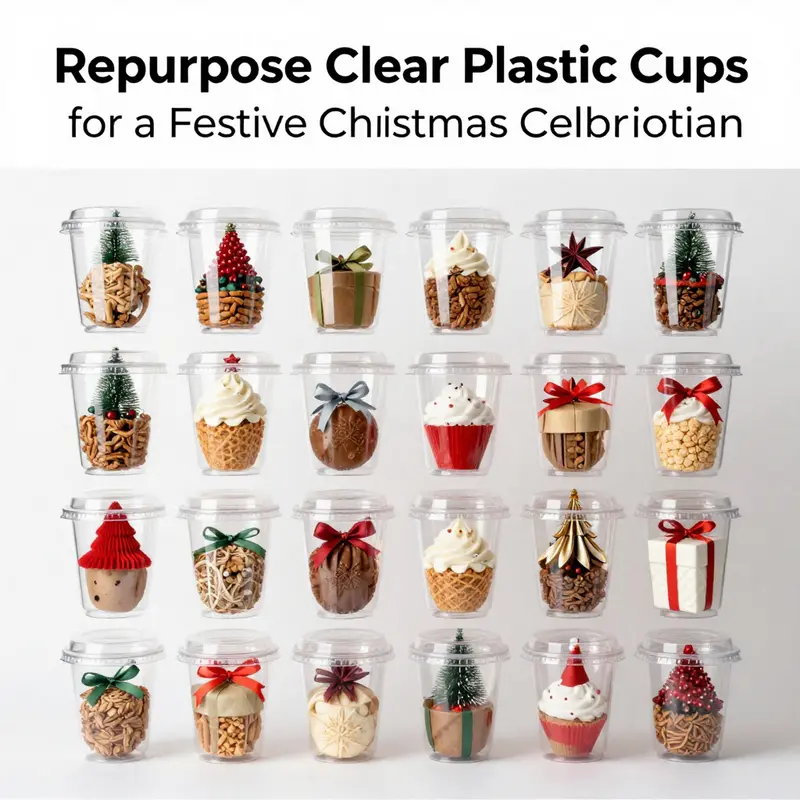
The Christmas clock begins its slow ticking the moment the first window is opened on an Advent calendar, and that moment can be turned into a quiet celebration of creativity and sustainability when you choose to repurpose clear plastic cups. These transparent vessels, ordinary at any other time of year, become windows into anticipation, little vessels of surprise that invite curiosity, generosity, and a touch of whimsy. In this chapter, the idea of transforming disposable cups into a festive Advent calendar is explored not as a craft project with a fixed endpoint, but as a living practice that folds into daily life. It is about reclaiming a common object, giving it a second life, and weaving a narrative of small, meaningful gestures through the days leading to Christmas. The approach is practical and poetic at once, grounded in simple materials, mindful of waste, and generous in spirit, so that the ritual remains approachable for households of any size.
Begin with a visual and tactile understanding of the cups themselves. A clear plastic cup, emptied and cleaned, is more than a container. It is a blank pane that can reflect light, a miniature stage where a surprise can emerge, a tiny jar within a larger festive chorus. The cups can be small enough to sit in a row on a mantel or big enough to hold slightly larger treasures. The key is to honor the cup as a presentable vessel rather than a throwaway prop. When you approach the project with that mindset, the calendar becomes a thread that ties everyday acts of care—like saving a wrap or choosing a homemade treat—into a cohesive celebration.
The core idea is simple: assign each day a cup, fill it with something that delights, close it or cover it so the surprise remains until the moment of reveal, and decorate the exterior so each cup carries a spark of holiday color and texture. The contents can vary from edible treats to tiny tokens, from handwritten notes to small DIY components for a future craft, depending on what feels meaningful in your home. A practical limit helps keep the calendar accessible: a few small items per cup—perhaps a piece of chocolate, a tiny charm, a mini-note of gratitude, or a sliver of a DIY ornament kit. The goal is to create a rhythm of daily anticipation, not a wealth of abundance. By choosing modest contents, you honor both resourcefulness and the quiet joy of discovery that Advent calendars have long promised.
Color choice anchors the calendar in the holiday palette. Reds and greens are traditional, of course, but so are metallic golds, frosted whites, and deep evergreen tones. Use ribbon, washi tape, or festive stickers to mark each cup. A simple approach is to affix a date to the outside of the cup with a fine-tipped marker, though a theme-driven label can also add charm. For instance, you could label with words like “Joy,” “Peace,” or “Warmth” instead of numbers, if you prefer a tactile, poetic sense of progression. The labeling itself becomes part of the decoration, a daily reminder that the season is not just about gifts but about sentiments passed along through small acts.
Decorating the cups is where the calendar begins to feel like a handmade tradition rather than a store-bought novelty. A thin strip of red or green ribbon threaded through the rim can seal the top with a touch of elegance. If you want a little sparkle, a light dusting of non-toxic glitter or a sprinkle of star-shaped stickers across the exterior can catch morning light and create a twinkling effect as the day unfolds. A few carefully chosen embellishments—pictorial stickers of snowflakes, holly, bells, or pinecones—can carry the mood without overpowering the contents. The aim is balance: the cup should look festive, not crowded, so the reveal remains the star of the moment.
The mechanics of the fill and cover are straightforward and forgiving, which helps keep the project accessible and family-friendly. After you decide the day’s contents, slide them into the cup. If the item is fragile or loose, consider wrapping it in tissue paper or a small piece of cloth before placing it inside. A quick seal—either with a twist tie, a length of ribbon, or a small square of tissue that you can tuck in as a “lid”—protects the surprise until it’s time for unwrapping. The lid or cover becomes part of the ceremony; when the calendar is displayed, the covered cups invite a sense of curiosity about what lies beneath each envelope of color and texture. In this way, the calendar becomes not just a countdown but a narrative arc, a daily page in a living story about sharing, ingenuity, and the joy of small discoveries.
Display is a major part of the experience. A straight line along the mantle or a staggered row on a stair tread can transform a room into a miniature winter gallery. If space allows, mount a lightweight string or twine to form a gentle arc or wave, placing the cups at regular intervals so eyes move along the display with ease. The cups can also be arranged in a circular ring around a small tabletop Christmas tree or a seasonal centerpiece, which lends a sense of ceremony to the ritual. If you want to create a dramatic effect, alternate clear cups with slightly tinted ones or place a few cups at different heights using sturdy, upcycled supports. The goal is to make the calendar an inviting focal point that draws people in for a daily moment of reflection, gratitude, or delight.
An Advent calendar built from clear plastic cups also serves as a practical lesson in sustainability. The cups themselves—once disposable—are reimagined as a reusable calendar that can be dismantled, stored, and used again the following year. The act of repurposing reinforces a habit of looking for reuse first, rather than defaulting to new purchases. It invites families to discuss resourcefulness, to plan ahead for small gifts or treats, and to value the process of making something with care as much as the outcome. If you pair this practice with a mindful approach to waste, you transform a seasonal ritual into a long-term habit that extends beyond Christmas: you establish a pattern of reusing everyday objects, of transforming what might be considered trash into something meaningful and celebratory.
For a cohesive look that ties the calendar to a broader theme, you can set a color story and a motif. For instance, a “winter forest” theme could feature cups decorated with evergreen sprigs, snowflake stickers, and tiny pinecone charms, while a “cozy nights” theme might lean on warm blanket textures, cinnamon-coloured ribbons, and small sachets of dried orange slices. The decorating choices can be as simple or as elaborate as your time and energy allow, but the best outcomes emerge when the elements feel intentional rather than random. The calendar becomes a living mural of the season, a daily invitation to slow down, savor the moment, and recognize the small wonders tucked into a seemingly ordinary object.
A further layer of meaning comes from using the calendar to carry messages and reminders. Each cup can host a handwritten note that expresses gratitude, a small wish for a loved one, or a single line of holiday wisdom. If the household includes children, these notes can resemble tiny prompts for acts of kindness or collaborative tasks—“today we’ll donate a small toy,” or “today we try a new recipe together.” In this way, the Advent calendar extends beyond personal surprise and becomes a conduit for shared values: generosity, patience, and the pleasure of giving. Containing not only sweets or trinkets but lines of thought and sentiment ensures that the calendar remains relevant throughout the season, a daily touchstone as the days grow shorter and the air grows sharper.
The content itself can be wonderfully varied, and you can mix edible and non-edible items according to what’s appropriate for your household. Edible treats—small chocolates, candy-coated seeds, dried fruit, or a tiny piece of nut brittle—offer immediate gratification, but you might reserve some cups for non-edible surprises that support ongoing crafts or holiday preparations. For example, a cup might hold a mini ornament kit, a piece of leftover ribbon, or a tiny instruction card for a family craft project. Some days could reveal a DIY component you’ll use later, such as a small spool of thread and a button for a sewing project or a few beads for a simple jewelry-making idea. The variety keeps the calendar engaging, but its unity comes from the accessibility of the cups themselves and the shared sense that each day offers a moment to pause, appreciate, and participate.
One practical note helps keep this project approachable: use cups that are strong enough to withstand daily handling but light enough to be easily repurposed after the season ends. If you must bend or crease their edges to fit a display, you’ll still benefit from their reusability, but try to avoid actions that compromise their integrity. Clean, dry cups store more smoothly, and you can stack them or nest them for compact storage—but remember to label or photograph the contents before packing away so you can recreate the same Advent calendar next year if you wish. The reversible nature of this calendar is part of its charm: you can disassemble it and re-use the cups in new ways, or you can adapt the concept for a different holiday season and consider how the same vessels can host new rounds of surprises.
If you are seeking additional inspiration to expand on the ideas presented here, you can explore related resources on eco-friendly cup-based crafts. For instance, there is a broader discussion of upcycling cups into festive wares that aligns with this Advent calendar concept and offers practical tips for decoration and assembly. This resource can provide a complementary perspective on using cups as a base for seasonal creativity, without overshadowing the central theme of daily surprises and shared joy. eco-friendly printed-logo paper ice cream cups with lid. The idea here is not to convert clear plastic cups into identical decorative objects but to understand how everyday containers can be reimagined as vessels of delight, memory, and sustainable practice. The Advent calendar, in this light, becomes a narrative device that ties together household routines and festive rituals, inviting everyone to participate in a gentle, repetitive act of care day after day.
As the days count down, the ritual can also serve as a reminder to reciprocate kindness beyond the family circle. Consider inviting friends and neighbors to participate by contributing a cup or two to a communal display, or by sharing a recipe, a poem, or a small craft idea that can be tucked into one of the cups. The calendar thus becomes a community project, a microcosm of the season’s spirit, where shared effort, creativity, and generosity multiply. Even the smallest acts—writing a note of encouragement, pairing a cup with a tiny handmade ornament, or swapping a single family recipe—accrue into something larger than their individual components. They become a thread in a larger fabric of holiday connections that acknowledges the value of each participant and celebrates the possibility of meaning within modest means.
The cadence of a calendar built around clear plastic cups is not about perfection or complexity but about presence. It asks you to be attentive to the moment, to listen for the small sounds of curiosity as a cup is uncovered, and to savor the moment when the contents are revealed. It invites you to notice how light passes through the cup, how color shifts with the surrounding décor, and how a simple container can become a stage for memory-making. In doing so, this Advent calendar re-centers the holiday on experience rather than consumption and reframes waste as a resource for creativity. The result is more than a decorative project; it is a practice that reduces waste, fosters togetherness, and deepens the sense of meaning that many families seek during Christmas.
If you want to weave this calendar into a broader set of Christmas rituals, let the cups be a prelude to a shared family activity—perhaps a weekly ornament-making session, a bake-a-thon for holiday treats, or a storytelling night where each cup contains a prompt or a short anecdote to be read aloud. In this way, the Advent calendar is not an isolated craft but a gateway to ongoing holiday collaboration and intergenerational learning. The cups, once cast aside as disposable, become a repeated invitation to slow down, notice the small details, and celebrate the capacity of ordinary objects to carry memory and meaning. In the quiet ritual of opening a cup, a family can rediscover the joy of anticipation, the warmth of togetherness, and the responsibility we share to care for the world we live in by choosing upcycled, reusable, and thoughtful practices each Christmas season.
For readers seeking a compact reference to the broader craft universe around cups and seasonal displays, consider this linked resource as a broader jumping-off point. It offers a variety of upcycling ideas and layouts that can complement the Advent calendar concept without stepping on the same ground. eco-friendly printed-logo paper ice cream cups with lid. And for visual ideas that capture the sense of whimsy and discovery a cup-based Advent calendar can evoke, you can explore a visual playground that illustrates how a simple container can become a canvas for celebration. https://www.pinterest.com/pin/1234567890123456789/
Final thoughts
Repurposing clear plastic cups during the festive season not only fosters creativity but also embodies a commitment to sustainability. Each idea presented—from enchanting holiday lights to functional gift packaging and advent calendars—demonstrates how this simple material can be transformed into delightful festive elements. By integrating these fun and eco-friendly projects into your business, whether as a bubble tea shop, restaurant, or event planning service, you can enhance your holiday offerings while also contributing to a greener planet. Next holiday season, let’s challenge ourselves to think outside the box and reduce waste, making our festivities not only merry but sustainable.