
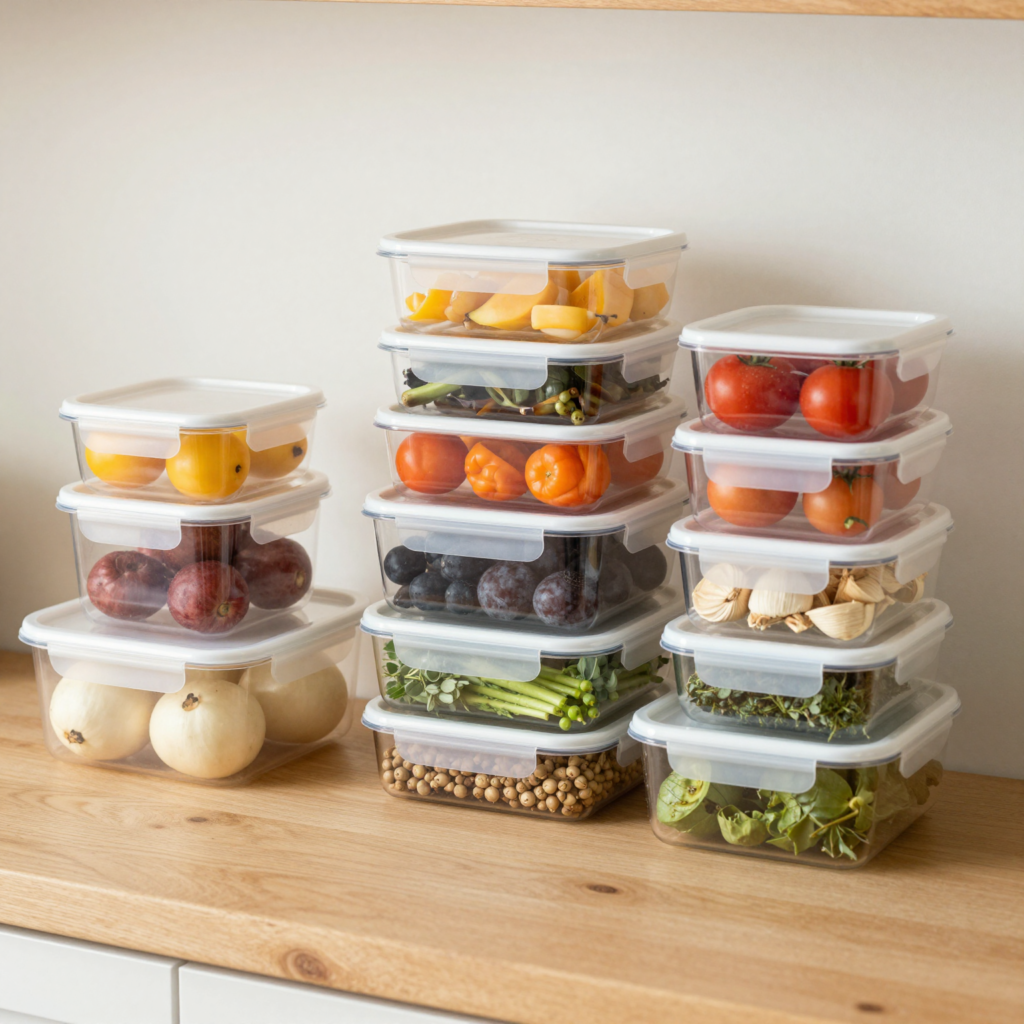
In the bustling world of food service-whether you run a trendy bubble tea shop, a beloved restaurant, a mobile food truck, or plan delightful events-efficiency and safety are at the forefront of your operations. Enter plastic food storage containers with screw top lids, a must-have for professionals like you. These containers not only keep your ingredients fresh and contaminate-free but also simplify organization in your fast-paced environment. Their secure lids mean no spills during transportation or storage, giving you peace of mind as you serve delicious creations to your customers. Moreover, their versatility in storage options can help streamline your cooking and serving process, allowing for greater efficiency. When you choose quality, safety, and convenience, you set the stage for successful culinary encounters. Discover more about enhancing your operations with sugarcane cup benefits and customized octagonal paper bowls to complement your storage solutions.
Benefits of Plastic Food Storage Containers with Screw Top Lids
- Safety Standards: These containers meet necessary safety standards, ensuring that no harmful chemicals leach into food, making them a safe choice for food storage. Read more about safety standards for plastic containers.
- Versatility: Ideal for various food types, they can store liquids, solids, and even powders, catering to a wide range of culinary needs, from restaurants to food trucks.
- Cost-Effectiveness: Their reusable nature reduces waste and saves money in the long run, especially for businesses that require frequent food storage.
- Durability: Made from robust materials, these containers withstand wear and tear, ensuring long-lasting use.
- Easy Organization: The screw top lids provide airtight seals, keeping food fresh and preventing spills, ideal for busy kitchen environments.
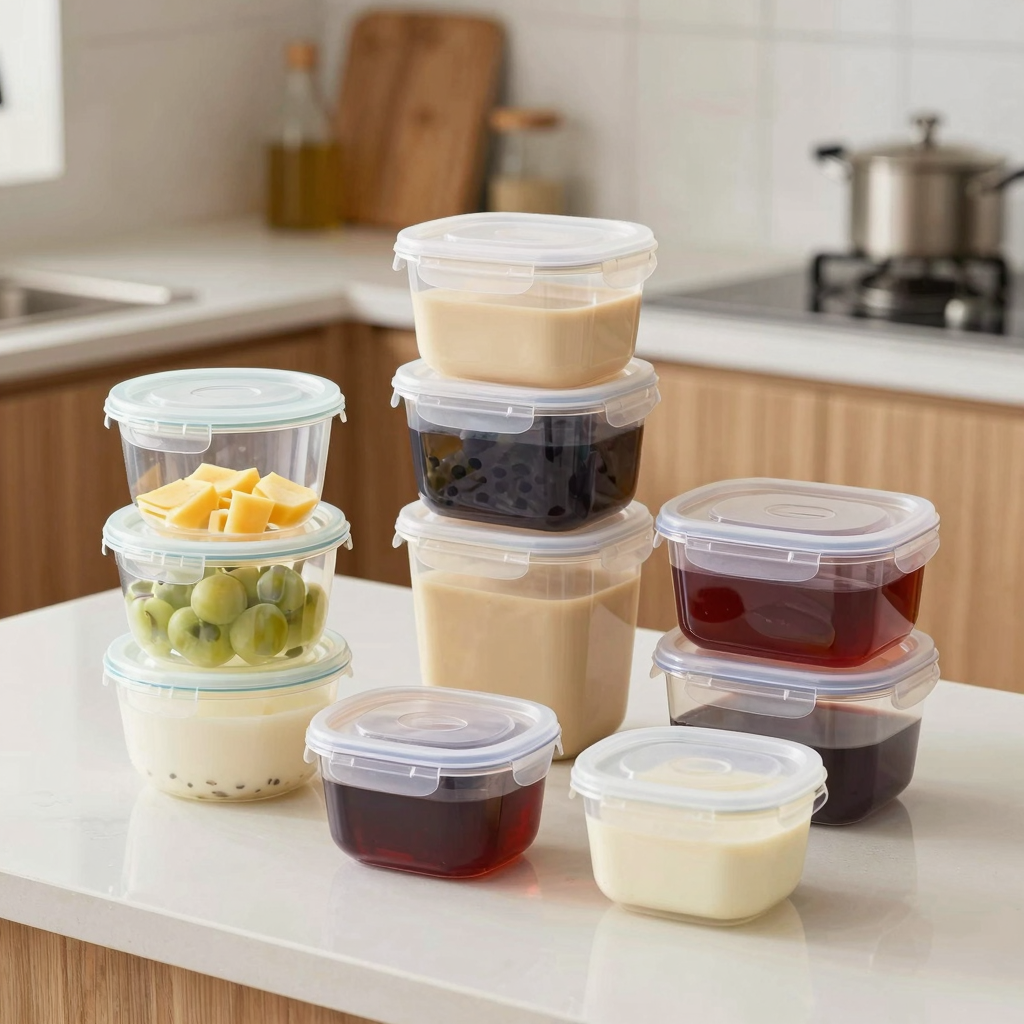
Safety Standards for Plastic Food Storage Containers
When it comes to ensuring food safety, plastic food storage containers must adhere to stringent safety standards that protect both consumers and businesses. Regulatory bodies, including the FDA (Food and Drug Administration), have set forth rigorous guidelines to ensure that food-grade plastics do not leach harmful chemicals into food products. Various certifications signify that containers have undergone thorough testing and meet specific criteria for food safety.
Key Safety Standards
-
FDA Standards: The FDA mandates that plastic containers intended for food storage must not contain harmful substances such as Bisphenol A (BPA) and phthalates, which can leach into food and pose health risks. Containers are evaluated for their safety in relation to temperature, food type, and duration of contact with food.
-
ASTM International Standards: ASTM provides standard specifications that plastic materials must meet to qualify for food contact applications. These standards address the mechanical properties, chemical stability, and usability of materials used in food storage containers.
-
BRC Global Standards: The BRC standard focuses on food safety and quality within the manufacturing process. Suppliers must comply with BRC guidelines to ensure that their products meet global protocols for food safety and traceability.
-
Eco-Friendly Criteria: Many modern food storage containers are made from recyclable materials and biodegradable plastics, meeting eco-friendly standards that appeal to environmentally conscious consumers. These materials help reduce plastic waste and promote sustainability within the food service industry.
Benefits for Businesses
Adhering to these safety standards not only safeguards consumer health but also benefits businesses across the food and beverage sector. Here’s how:
-
Compliance Assurance: Meeting established safety standards helps businesses avoid legal ramifications and shut-downs due to non-compliance. This assurance provides peace of mind for food service operators, particularly restaurants and catering services.
-
Enhancing Customer Trust: Consumers are likely to choose brands that prioritize safety and transparency. By using certified food-safe containers, businesses can bolster their reputation and build customer loyalty, as informed customers increasingly seek products free from harmful chemicals.
-
Minimizing Risks of Foodborne Illness: Consistently using high-quality, safe containers significantly reduces the chances of food contamination, thereby lowering the risks of foodborne illnesses that can arise from improper storage.
-
Sustainability Promote: Businesses adopting eco-friendly practices, such as using biodegradable food containers, resonate well with customers prioritizing sustainable choices. This not only helps in building a strong customer relationship but also enhances the overall brand image.
By understanding and implementing these safety standards, businesses can ensure the integrity and safety of their food storage practices, which plays a crucial role in their operational success. To explore more on innovative and eco-friendly food storage solutions, check out eco-friendly food containers.
Incorporating safety standards into operational protocols is not just a regulatory obligation but a fundamental component of achieving excellence in the highly competitive food service industry.
Comparing Materials for Food Storage Containers
Food storage containers come in various materials, each with its own unique qualities that can affect durability, safety, and cost. Here’s a comprehensive comparison of the most common materials:
| Material | Durability (1-5) | Safety (1-5) | Average Cost (USD) |
|---|---|---|---|
| Plastic | 3 | 3 | $3 – $8 |
| Glass | 4 | 5 | $10 – $25 |
| Stainless Steel | 5 | 5 | $15 – $40 |
| Silicone | 4 | 5 | $8 – $20 |
Pros and Cons Breakdown
-
Plastic:
-
Pros: Lightweight, affordable, and flexible for various storage needs.
-
Cons: Can degrade over time and leach chemicals, especially when heated.
-
Glass:
-
Pros: Durable, safe for reheating, and does not retain odors or stains.
-
Cons: Heavier and can break if dropped.
-
Stainless Steel:
-
Pros: Extremely durable and resistant to staining, highly recyclable.
-
Cons: Heavier than plastic and can be more expensive.
-
Silicone:
-
Pros: Flexible, lightweight, and heat resistant. Eco-friendly option.
-
Cons: Can be more expensive than plastics and may not be as rigid.
Conclusion
Choosing the right material for food storage containers is crucial for businesses in the food service industry, allowing them to maintain safety and quality in their offerings. For further insights into innovative food packaging solutions, learn more about customized octagonal paper bowls or explore the business benefits of sugarcane cups.
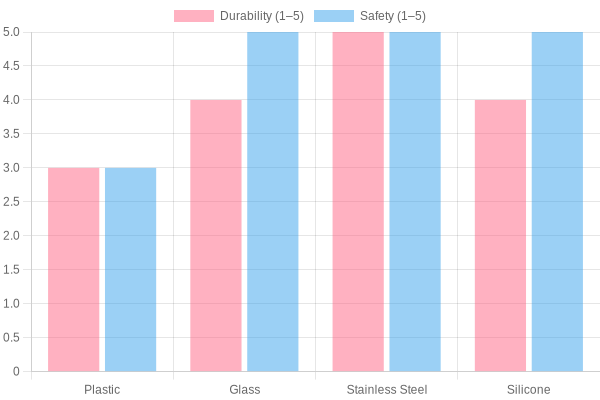
Durability and safety ratings for various food storage materials across typical use cases.
When it comes to the production of plastic food storage containers, eco-friendly practices are increasingly essential. Manufacturers are turning to recycled materials and bioplastics, which significantly reduce the carbon footprint associated with traditional plastic production. Bioplastics, crafted from renewable resources, are biodegradable and compostable, making them a more sustainable option. Additionally, energy-efficient production processes further minimize environmental impacts. These practices not only help in conserving resources but also align with evolving consumer preferences towards sustainability. By incorporating these eco-friendly containers into your business, you can enhance your brand’s commitment to sustainability, a factor that is becoming critically important among consumers. Utilizing products that embrace eco-friendly materials supports the reduction of waste and fosters a circular economy, promoting recycling and responsible consumption. This transition not only meets regulatory standards but can also improve customer loyalty and boost your marketability. To learn more about how implementing sustainable packaging can benefit your business, check out our article on eco-friendly food packaging innovations and sustainable business practices in the food sector.
Many businesses in the food industry, from bustling restaurants to cozy beverage shops, have discovered the advantages of using plastic food storage containers with screw tops. Here are a few success stories that illustrate the positive impact on their operations and customer satisfaction.
Freshness and Efficiency: A Restaurant’s Transformation
One prominent restaurant chain shared their experience with plastic containers. Before switching to screw-top food storage containers, they often faced challenges with maintaining the freshness of their ingredients. The open containers they previously used allowed for air exposure, resulting in quicker spoilage. After transitioning to screw-top lids, they noted significant improvements:
- Ingredient Freshness: The tight seal prevented air and moisture from degrading quality, which extended the life of fruits and vegetables.
- Operational Efficiency: Staff spent less time managing inventory and more time focusing on customer service, as they could be assured of consistent ingredient quality.
This restaurant chain reports that their food waste decreased by 30%, leading to both cost savings and enhanced customer satisfaction.
Customer Confidence: A Beverage Shop’s Experience
A bubble tea shop that previously relied on traditional lids experienced a customer base with mixed feedback regarding the freshness of drinks over time. By adopting screw-top containers, they refined their packaging strategy:
- Enhanced Taste Retention: Customers began to notice the difference in taste, with many praising the shop for maintaining the flavor integrity of their beverages.
- Positive Testimonials: The beverage shop started receiving glowing reviews online, particularly highlighting the freshness and presentation of their drinks. This shift in customer perception directly contributed to a 20% increase in sales over a few months.
Conclusion
Using plastic food storage containers with screw tops has proven beneficial for many businesses by enhancing food preservation, promoting operational efficiency, and fostering customer trust. If you’re interested in learning more about how packaging can transform your operations, consider the insights from this article on food container safety and the advantages of plastic storage containers.
By integrating high-quality storage solutions, food establishments can not only improve their operational flow but also delight their customers with consistently fresh products.

Conclusion and Call to Action
In conclusion, utilizing plastic food storage containers with screw top lids offers significant advantages for businesses in the food industry. Their durability and ability to create an airtight seal help keep food fresh longer, preventing spoilage and waste. As highlighted, proper storage practices not only enhance food safety but also improve efficiency in operations. Allowing for flexibility in size and design, these containers are ideal for various applications, from storage in bustling restaurants to catering services and food trucks.
Are you ready to elevate your food storage solutions? Choose our high-quality plastic containers and experience the difference in freshness and convenience. Visit cupbowlpack.com today to browse our extensive collection tailored to meet your business needs and enjoy excellent savings. Don’t compromise on quality-make the switch today!
Frequently Asked Questions (FAQs) About Plastic Food Storage Containers
1. How should I care for my plastic food storage containers?
To keep your plastic containers in top shape, always wash them with warm, soapy water before their first use. Avoid exposing them to extreme temperatures or using them in the microwave unless they are specifically labeled as microwave-safe. For the best results, hand wash your containers instead of using a dishwasher, as high temperatures can warp them over time.
2. Are there any safety concerns with plastic food containers?
Yes, it is important to choose food-grade plastic containers. Look for those labeled with recycling symbols 2, 4, or 5, as they are considered safe for food storage. Additionally, avoid using containers that have visible signs of wear or damage. For thorough safety tips, check out this guide.
3. What should I consider when ordering plastic food containers for my business?
When ordering, confirm the size and type that best suit your needs (like screw-top lids for secure storage). Verify if the manufacturer offers customization options to enhance your brand. For more insights on customizing your food packaging, explore this article.
4. Can I use plastic containers in the freezer?
Generally, many plastic containers are freezer-safe, but ensure they are labeled as such. Properly sealing your food can prevent freezer burn and extend shelf life.