
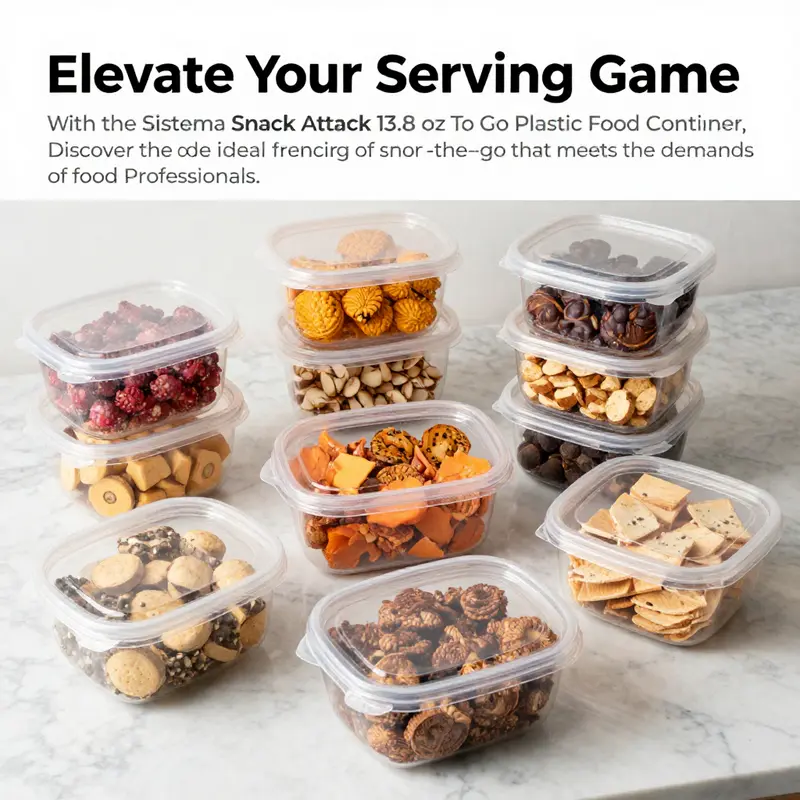
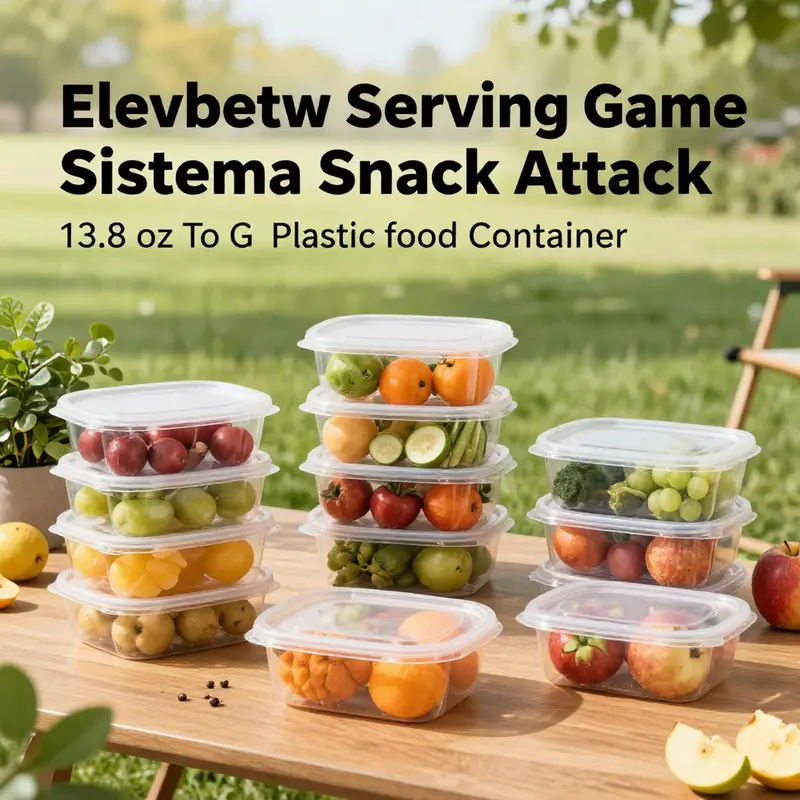
In a world increasingly focused on convenience and presentation, the Sistema Snack Attack 13.8 oz To Go Plastic Food Container emerges as the perfect solution for businesses in the food industry. This dual-compartment container enhances food presentation and keeps flavors distinct, making it essential for bubble tea shops, restaurants, food trucks, catering services, and event planners. Each chapter dives into its features, material safety, versatile applications, and purchasing options, showcasing why this container is the ideal choice for your food-serving needs.
null
null
Design Features of a Two-Compartment 13.8 oz To-Go Plastic Snack Container: How Design Supports Freshness, Portability, and Everyday Convenience
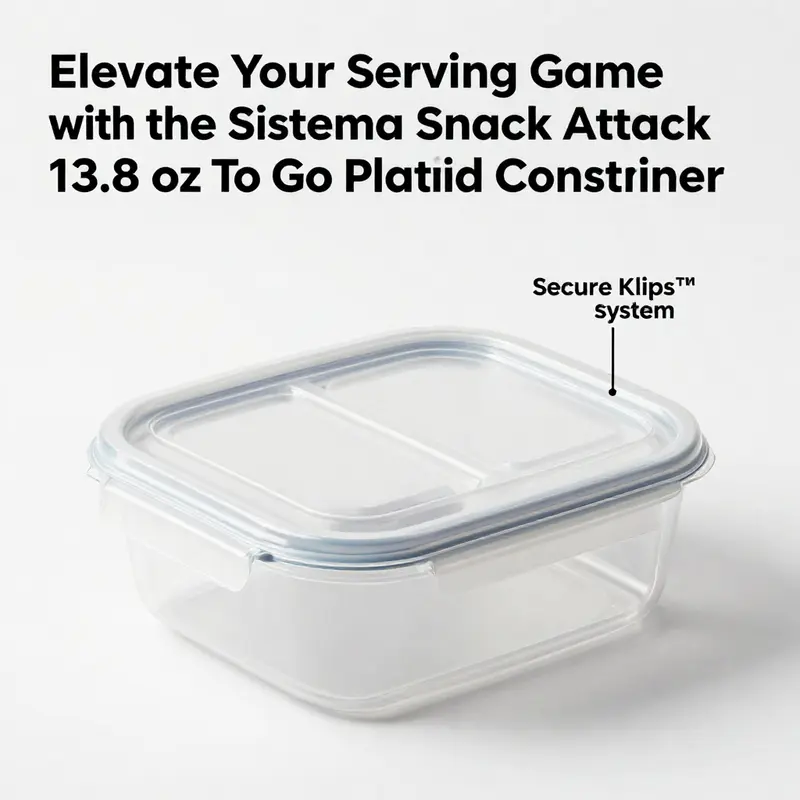
The study of a two-compartment 13.8 oz to-go plastic snack container reveals a thoughtful integration of form and function that makes everyday snacking and light meal prep more practical. Its split design is not merely about clever geometry; it is a deliberate solution to a common problem: how to keep flavors distinct and textures intact while moving from home to class, office, or park. The upper, smaller section sits neatly atop the larger base, a configuration that instantly communicates portability. When you pick it up, you feel the balance between compactness and capacity—a container that can cradle sliced vegetables with a dip on the side, or fruit with yogurt without letting one mingle with the other. This separation is more than convenience; it helps preserve freshness by reducing cross-contact between different foods, which can degrade texture and aroma over time. In practical terms, the design translates into fewer open containers, fewer accidental spills, and less time spent contending with soggy snacks or flavor bleed.
Behind the visible split, there is a deeper architectural logic. The top compartment’s placement over the main chamber makes the unit naturally stackable, a feature that gives it its characteristic portability. This stacked silhouette fits neatly into backpacks, tote bags, or briefcases, occupying less space in luggage and lunch boxes than a larger single-compartment container might. The stackable nature also supports a modular approach to meal planning. For instance, you can load fruit or baby carrots in the upper tray and a dip or yogurt in the lower portion, or keep a sandwich separate from a side like hummus and pita. The split design invites a modular mindset: foods that benefit from being kept apart can be prepped in advance, portioned out, and carried without fear that their companions will steal their flavor or their structural integrity.
The materials chosen for this container emphasize safety and longevity. The plastic is described as free from bisphenol A (BPA) and phthalates, addressing a common consumer concern about contact with plastics. In practical terms, this means you can store foods with a reasonable expectation of safety, whether you heat, chill, or simply keep snacks fresh between sessions. The clarity of the material is another practical asset. A transparent body lets you see what you have without opening the container, which speeds up decision-making during a busy morning or a quick break at the office. Seeing the contents at a glance also makes it easier to track portions and plan meals with precision, a small but meaningful aid for anyone trying to maintain a balanced diet on a hectic schedule.
A core feature that often gets overlooked outside reviews is the sealing system. This container employs a four-sided locking mechanism that clamps the lid in place from every edge. The effect is an airtight, leak-resistant seal that protects the contents from outside elements while preventing accidental leaks inside a bag or backpack. The importance of a reliable seal becomes evident when you’re transporting sauces, dressings, or moist dips. The seal reduces the risk of seepage that could compromise other items in your bag or cause unpleasant messes. It also contributes to freshness by limiting air exposure, which can dry out vegetables or dull the brightness of fruit. In short, the sealing system is a practical safeguard that translates everyday use into dependable performance, especially for those who commute, travel, or enjoy outdoor activities where unpredictable conditions are part of the package.
Beyond safety and seal integrity, consider the durability of the container in real-life routines. The material’s clear, resilient profile invites a moment’s pause to appreciate a well-made product. Scratches are less visible on a surface designed to maintain clarity as it endures repeated cycles of heating, washing, and cooling. The ability to withstand freezer use adds another layer to its versatility. It becomes a reliable vessel for portions you plan to thaw and enjoy later, which is especially useful for those who batch-cook or who like to portion meals for busy weekdays. The microwave-safe attribute further enhances convenience. It allows reheating without transferring foods to another dish, a small but meaningful time-saver. Of course, care guidelines matter here: typically, these containers are microwave-safe for reheating only the contents and not subject to high temperatures for extended periods. They are designed to be used on the top rack in dishwashers, aligning with common family kitchen practices. The combination of microwave compatibility, dishwasher safety on the top rack, and freezer resilience supports a full spectrum of meal-prep workflows—from thawing to reheating to cleaning—all in a single, adaptable container.
The design also speaks to safety in a broader sense. The absence of BPA and phthalates is part of a larger conversation about how plastics interact with food, especially for children and for those who routinely store leftovers. The decision to use a material free of these compounds signals a commitment to safer daily use, particularly in environments like schools, workplaces, or outdoor settings where food safety is a practical concern. In tandem with this safety posture, the container’s clear and durable exterior projects a modern, minimal aesthetic. The transparency and the clean lines of the design offer a sense of order and predictability, which can reduce the cognitive load of meal planning. This is not merely about function; it is about creating an experience—one that feels organized and reassuring at the moment of packing, traveling, and opening the container mid-day.
The design also has implications for how people approach snacking and meal prep. Because the container makes it easy to separate components, it nudges users toward better portion control and mindful eating. Instead of slamming a single compartment with a heavy mix, you can curate a balanced setup—vegetables or fruit in one chamber, a protein or dairy-based dip in the other. The separation ensures that moisture, oil, or acidity from one component does not degrade another, preserving the intended texture and taste profile. Such thoughtful structuring has downstream effects on how people perceive their meals: the ability to maintain distinct sensations—crunch from a carrot, brightness from a yogurt-based dip, or the crispness of a sandwich—becomes part of the routine rather than an afterthought.
From a broader design and consumer-education perspective, this container embodies how modular, user-centered design can translate into everyday practicality. It is not enough to claim that a product is space-saving or versatile; the architecture has to support a continuum of uses that align with real-life patterns. In this sense, the dual-compartment system, the top-over-bottom geometry, and the secure locking interface combine to produce a cohesive toolkit for daily nutrition. The result is a container that can travel far beyond simple snacking: it can be a compact lunch companion, a vehicle for portion-controlled meal prep for kids, or a smart option for hikers who want to carry both fruit and a dip without compromising either. The choice of materials, the clear presentation, and the reliable sealing system all converge in a singular purpose—to preserve freshness, ensure safety, and simplify the act of taking food on the road.
For readers curious about similar, eco-conscious alternatives in the packaging world, consider exploring options like the kraft paper octagonal bowl with lid. Its form and function echo the same priorities—durability, ease of transport, and safe materials—while offering a different material story that emphasizes recyclability and a lighter environmental footprint. You can learn more about that option here: kraft paper octagonal bowl with lid.
All told, the design features of this 13.8 oz two-compartment container are less about speculative claims and more about real-world efficiency. The split architecture advances freshness and organization; the top-over-bottom stacking supports portability; the four-sided seal and material safety support daily use in diverse environments. The end result is a practical, dependable companion for those who want their snacks and meals prepared with intention, transported with confidence, and enjoyed with minimal fuss. This is the kind of product that thrives on predictable, everyday performance—an unassuming device whose true value comes into focus when the routine becomes a little less chaotic and a little more thoughtfully planned.
External resource: https://www.ebay.com/itm/295764502867
Guarding Freshness on the Move: Material Quality and Safety in a Two-Compartment Snack-To-Go Container
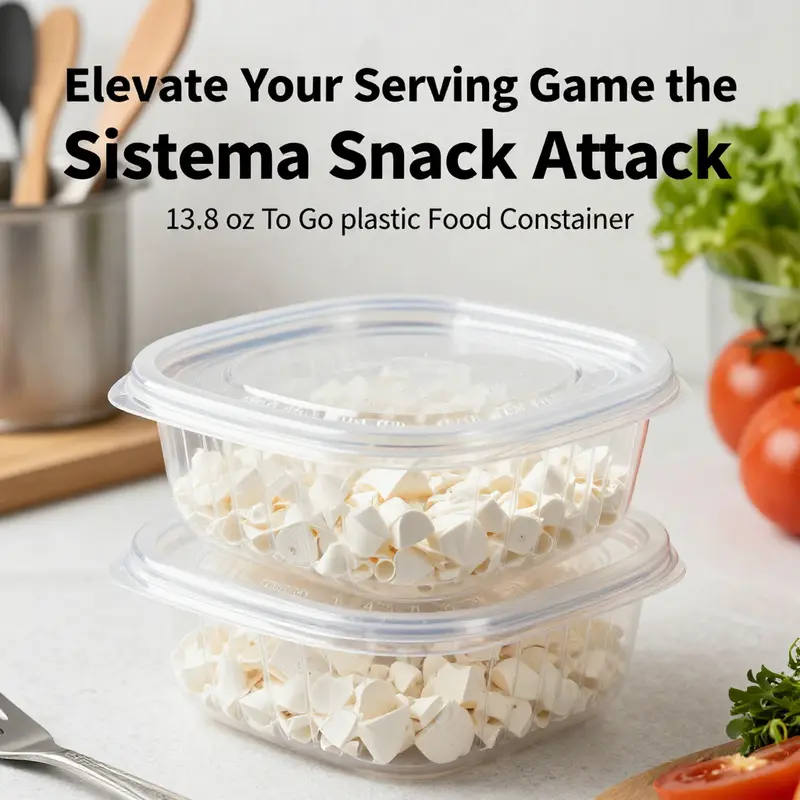
When you pack a meal for a busy day, the container you choose matters as much as the food inside. A two-compartment snack-to-go container promises convenience, portability, and the ability to keep flavors from mixing. Beyond ease of use, there is a deeper layer to consider: material quality and safety. Consumers increasingly demand packaging that not only keeps foods fresh but also protects them from harmful substances, withstands repeated use, and remains dependable through microwaving, washing, and freezing. In this context, the design and making of a modern travel container become a quiet but essential form of reassurance. At the heart of this reassurance are a few core ideas about material composition, safety certifications, and practical performance that together determine how trustworthy a container feels as it becomes part of daily routines.
The first cornerstone is material quality, which can often be read as a compact assurance about what is not in the plastic as much as what is. A container designed for food storage commonly carries two explicit guarantees: BPA-free and phthalate-free plastics. BPA, or bisphenol A, has been scrutinized for its potential to leach into foods under certain conditions. Phthalates, used as plasticizers, have their own set of concerns regarding hormone disruption and long-term exposure. In consumer testing and manufacturer disclosures, these two labels—BPA-free and phthalate-free—reassure users that the container is formulated to minimize the risk of chemical migration into meals, even when foods are stored for extended periods, or when meals are reheated in the microwave. This is particularly meaningful for a product that is designed to hold different foods in separate compartments. When vegetables pair with dips, or fruits with yogurts, the absence of unwanted chemical migration helps preserve both flavor and nutritional integrity. The practical effect is a quiet confidence that the container’s plastic will not introduce off flavors or questionable compounds into the food across everyday use.
Beyond the absence of certain substances, the container’s safety profile hinges on how it handles heat and moisture. A well-considered design will be microwave-safe, dishwasher-safe, and freezer-safe, offering flexibility for everything from reheating lunch to preparing frozen snacks for later. Microwave compatibility is especially advantageous for busy schedules: you can heat a meal and then seal in freshness with the built-in closures before heading out the door. Yet microwave safety is not a license to heat with reckless abandon. Guidance commonly accompanies such products, advising users to heat without the lid or to follow recommended times to avoid overheating and potential warping. The practical upshot is straightforward: microwave readiness is a feature that saves time, but it should be used with care to extend the container’s lifespan and maintain its integrity.
Another critical feature is the sealing system. A rubberized seal and a secure locking mechanism on all sides are more than mere conveniences; they are practical safeguards against leaks, spills, and unwanted air intrusion that can dry out or contaminate foods. In travel contexts, where containers are carried in bags, placed in lunch boxes, and jostled during commutes, a reliable seal becomes a daily ally. A well-sealed container helps preserve moisture for creamy dips, retain crisp textures for vegetables, and keep strong flavors contained until the moment of consumption. The seal’s integrity is closely tied to its design: a four-sided locking system ensures uniform pressure around the lid, reducing the likelihood of gasket creep or misalignment. Users quickly notice how a robust seal reduces the risk of accidental leakage in transit, which translates into cleaner bags, desks, and cars as well as greater confidence when transporting sauces or dressings.
The manufacturing backbone of such a container also matters. The fact that a product is produced in a country known for tight safety and environmental regulations can translate into meaningful quality control outcomes. In this case, the manufacturing environment adheres to standards associated with rigorous oversight, which helps to corroborate claims about material safety and product reliability. When a consumer reads that a container is produced under stringent quality controls, they are not merely hearing a commitment to safety in theory; they are receiving a signal that the product has passed through a systematic, verifiable process designed to minimize defects and ensure material consistency. This connection between production standards and everyday performance matters most to those who use containers frequently for workdays, school lunches, or weekend picnics, where reliability matters as much as convenience.
The design philosophy behind a two-compartment configuration amplifies the importance of material safety and practical durability. The top compartment is sized to nestle into the larger base, creating a compact, stable unit that is easy to carry and stack. The geometry supports a balanced center of gravity, so the container remains upright when set down, avoiding accidental tipping in a tote or lunch bag. The dual-chamber layout addresses a common snacking challenge: keeping foods distinct enough to preserve flavors while still allowing for a single, portable item rather than multiple separate containers. With the right materials, the inner walls stay inert, resisting staining and flavor carryover from one compartment to the other. In practical terms, this means you can pack carrot sticks with hummus on one side and berries on the other without the tiny particles of one setting off a flavor in the other. The ease of cleaning also benefits from material choices that resist staining and are compatible with a standard dishwasher cycle. A container that cleans up quickly after a day’s use makes everyday meal prep feel less like a chore and more like a seamless routine.
Alongside all these functional aspects, the container’s durability through repeated cycles of freezing, heating, and washing holds significant meaning for both personal health and environmental stewardship. Freezer safety reduces the need to transfer leftovers into other vessels, minimizing the number of containers that accumulate in the kitchen. Dishwasher safety supports hygiene by enabling thorough cleaning, a crucial factor when dealing with perishable foods and potential cross-contamination. Microwave safety enables efficient reheating, an explicit time-saver when preparing lunches for school or work. The interplay between material quality and safety features yields tangible benefits: better preservation of textures and flavors, reduced risk of chemical exposure, easier maintenance, and greater confidence when using a product repeatedly across weeks and months. It is this integrated assurance—the way the material composition, the seal mechanism, and the heat-and-wash compatibility align—that ultimately defines the container’s value in daily life.
In an era where packaging options are plentiful, the choice to pursue a high standard of material quality and safety can also reflect a broader philosophy about food storage. The design underscores a commitment to protecting what you eat, preserving the integrity of what you pack, and simplifying the chores that often accompany meals on the go. A well-made, well-sealed, and carefully engineered container does more than hold food; it helps keep nutrition intact, preserves flavor, and reduces the friction of meal prep. It invites you to view food storage as part of a responsible routine rather than a daily compromise. The net effect is a sense of trust that follows you from the moment you decide what to pack to the moment you open the lid at your destination.
For readers exploring practical packaging options beyond plastic, consider how alternative materials address similar concerns about safety and usability. A linked example demonstrates how paper-based takeaway packaging can integrate secure closures and reliable lids into a different material system, offering another path for those weighing environmental and safety considerations. For readers curious about alternatives in to-go packaging, this linked example shows how lids and secure closures are implemented in paper-based containers: disposable kraft paper soup cup with lid. This reference helps frame how ideas like secure closures and portable design translate across materials, while highlighting the trade-offs between durability, heat tolerance, and recyclability.
The conversation about material safety is not an abstract one; it translates into the day-to-day confidence a consumer feels when reaching for a container that supports a busy life. The materials, the precision of the seal, and the manufacturing standards together create a product that makes it easier to stay nourished on the move without sacrificing safety or taste. When a container is designed with these principles in mind, the user experience is smoother—from the moment you pull it out of a bag to the moment you clean it and store it away for tomorrow. In that light, choosing thoughtfully engineered, material-safe options becomes a small but meaningful step toward healthier, more efficient routines.
For those who want to broaden their understanding of packaging safety and performance, there are resources that delve into the practicalities of food-contact materials, their testing regimes, and how daily-use products stand up to real-life conditions. External references can provide a wider context for what makes a container reliable beyond the assurances of marketing copy. To explore a concrete example of how product details are presented in a real-world setting, you can consult official product information from retailers that offer similar items: https://www.amazon.de/dp/B07XZ9V65J. This page gives insight into how detailed safety and material disclosures often accompany consumer packaging choices, helping readers compare features like heat tolerance, lid integrity, and cleaning guidance across different brands and product families.
Twinned Compartments, Endless Possibilities: Unlocking the Versatility of a 13.8-Ounce Dual-Compartment To-Go Container
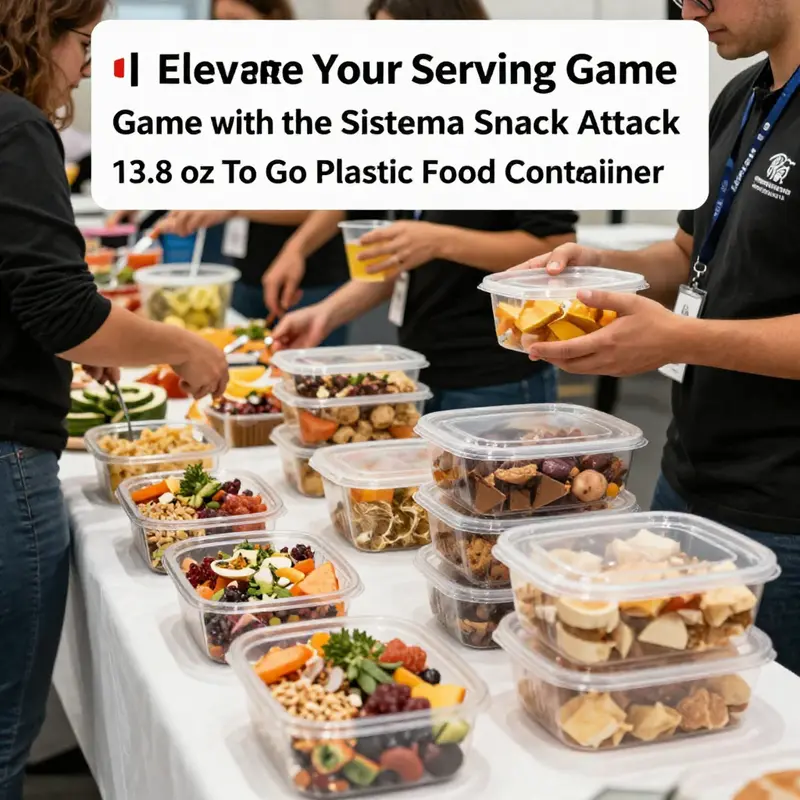
A compact, two-chamber vessel designed for on-the-go snacking offers more than a neat way to carry lunch. It becomes a small system for organization, texture, and flavor separation that adapts to changing routines. The dual-compartment design—one smaller pouch perched above a larger base—transforms everyday meals into portable logistics. This container is a practical tool that helps preserve freshness, protect texture, and simplify how we think about portioning and packing. It makes it easy to carry a day’s worth of snacks in one place, reducing waste and clutter. The body is clear or lightly tinted, so contents are visible at a glance and decision fatigue is reduced.
The smaller upper compartment invites pairing ideas such as a sandwich with crunchy vegetables or a yogurt dip with fruit. The larger base holds a main element like grains or protein. The lid seals on all four sides, providing a leak-proof closure that works in a busy commute, office, or travel. The design also supports sustainability by reducing the number of disposable containers used. When not in use, the container nests neatly for compact storage and is typically BPA-free and microwave- and dishwasher-safe, broadening its usefulness across daily routines.
From Shelf to Snack: Availability, Accessibility, and Purchasing Paths for a 13.8-Ounce Two-Compartment To-Go Snack Container
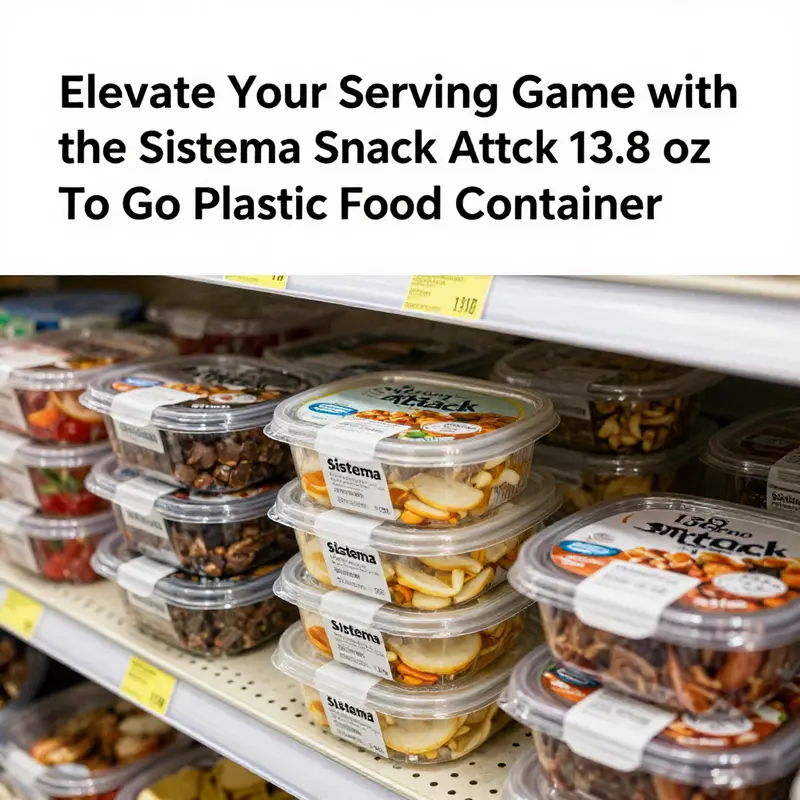
The availability of a practical, two-compartment to-go container shapes how people plan meals on busy days. For families packing lunches, hikers headed for a park, students juggling classes, and coworkers seeking a neat mid-day pick-me-up, the way a container appears on the market—where it can be bought, how fast it ships, and what options exist for multi-pack purchases—matters as much as its internal design. A 13.8-ounce capacity, divided compartments, and a leak-resistant seal create the core utility of this kind of container, but without easy access at the right price and in the right places, that utility can remain just a promise. In practice, consumers look for straightforward purchasing paths: reliable online availability, visibility in mainstream retailers, and secondary channels that still feel trustworthy. The opportunity to select the container in a quick online glance—whether for a school bag, a desk drawer, or a picnic basket—depends on a simple set of variables that retailers both respond to and shape through their listings and promotions. The most common entry points for buyers, after all, are large, familiar outlets where the product can be added to a cart with a couple of clicks, plus alternative platforms that often present the same item side by side with different price points, bundles, or shipping options. These dynamics influence not only what people purchase but how they perceive the value of a practical, reusable snack solution in a world where convenience remains a top priority. The 13.8-ounce footprint translates to a capacity that feels substantial for pairings like vegetables and dip, fruit and yogurt, or a light lunch plus a side, while the two compartments maintain freshness and prevent cross-flavors from mingling. In real-world terms, the surface area of the larger chamber accommodates a good portion of solid foods, with the upper, smaller compartment ideally suited to dips, dressings, or compact toppings. This arrangement is especially helpful for families who pack kids’ lunches, since the risk of soggy or mixed flavors is significantly reduced when the seal is secure and the lids lock in place on all sides. The practical promise of segmenting snacks is as much about behavior as it is about packaging; it nudges people toward healthier choices by making room for both the main item and its accompaniment without smearing or compromising the other. Availability, then, is not merely a matter of “can I buy this?” but rather “can I buy this easily enough to fit into my weekly routine?” The answers often come through the familiar aisles of major retailers where the container is listed with a clear capacity—410 milliliters, roughly 13.8 ounces—and a series of quality markers that reassure buyers about safety and longevity. One clear signal is the material choice: BPA-free plastic, a designation that reduces concerns about chemical transfer when foods are stored for longer periods or heated for a quick meal. The claim of phthalate-free construction further supports confidence, particularly for parents and caregivers who prefer to minimize exposure for children and themselves. The combination of safety assurances with practical features—microwave compatibility for reheating, dishwasher safety for effortless cleanup, and freezer readiness for extended storage—creates a compelling triad that resonates with everyday needs. When buyers consider the likelihood of repeated use, the value proposition expands beyond a single purchase. A container that tolerates the dishwasher and microwave saves time and effort, which is especially valuable for those who juggle work, family responsibilities, and school tasks. The durability of the plastic matters as well; a well-built slide-and-lock lid system, designed to hold food securely on all four sides, protects against leaks and spills during transit. In a crowded kitchen sink or a crowded bag, that reliability becomes a tangible benefit, not merely a selling point. Design clarity matters here too. A compact, stackable form supports space-saving storage in kitchen cabinets, backpacks, or compact drawers. The smaller top compartment sitting above the larger base not only aids in carrying but also reinforces a mental model of separation: different foods stay distinct until they meet the mouth. The visual cue of two compartments can inspire a more balanced snack regimen, where an apple or carrot sticks are paired with a dip, and a yogurt cup remains cushioned away from crumbly crackers. Availability is tightly linked to where buyers search. In many markets, large retailers host the container for immediate purchase, with the product page presenting the essential specs—capacity, material safety, and cleaning guidelines—alongside user reviews that offer practical reminders about storage and care. For instance, a retailer’s online listing will typically specify the capacity as a precise 410 milliliters, equating to about 13.8 ounces, while reiterating the BPA-free and phthalate-free credentials. The color palette may be modest yet appealing, with tones designed to stand out in a classroom locker or a pantry shelf, signaling a modern, friendly aesthetic rather than a clinical look. Availability through multiple channels means freedom of choice; some shoppers prefer the assurance of a single, trusted retailer they frequent, while others chase the best deal through alternative marketplaces. In the case of the two-compartment to-go design, listings on widely used platforms often feature both single-unit offers and multi-pack options, the latter presenting tangible savings and convenience when stocking up for families, schools, or small offices. A buyer might find a direct purchase option from a major retailer’s site, while others gravitate toward a platform that catalyzes price comparisons and bundle opportunities, such as a two-pack option that doubles the value and reduces the frequency of reordering. The presence of such bundles matters, especially for households that aim to standardize containers across members or who wish to curate a rotating set of lunches without reintroducing wasteful packaging. In this ecosystem, the consumer’s journey is shaped by the balance between price, availability, and the perceived reliability of each channel. The difference between a quick online order and a more deliberate, price-conscious search often hinges on the ease with which a shopper can verify product safety credentials, confirm that the item is indeed the right size for their typical snacks, and picture how the item will fit into their daily cadence. The retailer’s product page becomes a narrative of compatibility: it suggests not only that the container can hold two separate foods but also that it can integrate with everyday routines—whether the user is packing a lunch for a conference, a picnic basket for a weekend outing, or a care package for a student heading to campus. The marketing copy on these listings, while concise, tends to echo the core advantages: a durable, safe, and practical container with a compact footprint and a solution for flavor separation. This alignment between product features and user needs helps justify not only the initial purchase but also the routine of returning to buy again when the next cycle of lunches begins. The reality of availability also includes secondary channels that occasionally surface through promotional events, seasonal sales, or reseller assortments. Listings on marketplaces that host multiple sellers can reflect fluctuating stock levels, which means a buyer may encounter momentary scarcity or a surge in modern two-compartment configurations. The consumer’s strategy in such moments often involves setting up alerts or casually checking known outlets to catch restocks or price drops, so that a useful tool for snacking can be added to a daily routine with minimal friction. In addition to practical buying paths, the broader conversation around this container’s availability touches on sustainability, reuse, and the evolving expectations around kitchenware designed for portability. While the BPA-free and phthalate-free assurances help address safety concerns, the emphasis on reusability and dishwasher compatibility foregrounds a mindset that favors long-term use over single-use disposables. This perspective has a knock-on effect on purchasing behavior: buyers are more inclined to spend a little more upfront if the item promises resilience, ease of cleaning, and consistent performance across a busy week. The upshot is a market that rewards clear safety messaging, dependable sealing mechanisms, and channels that make it easy to acquire not just one unit but a scalable solution for households, schools, and workplaces. For readers who want to explore closely related options in a similar eco-conscious family of products, a related line of eco-friendly, recyclable snack containers in kraft-based packaging offers an intriguing parallel. See senang-kraft-paper-octagonal-bowl-pet-lid-waterproof-eco-friendly-disposable-snack-pet-food-salad-containers-1l for a sense of how practitioners are pairing form with function in markets beyond traditional plastics, while maintaining a focus on practical, reusable design. senang-kraft-paper-octagonal-bowl-pet-lid-waterproof-eco-friendly-disposable-snack-pet-food-salad-containers-1l. This link provides a window into how similar products are marketed and positioned for consumers seeking durable, convenient storage solutions that still honor environmental considerations. External resources also illuminate how major retailers present and manage such items, which can aid buyers who want to compare options across different shopping environments. For a broader look at where to find similar two-compartment containers, consider large retailers that commonly list food-storage products with clear capacity specifications and safety credentials. https://www.walmart.com
Final thoughts
The Sistema Snack Attack 13.8 oz To Go Plastic Food Container stands out as a smart choice for any food service business aiming for functionality and style. With its innovative design, focus on safety, and versatile applications, it caters to the needs of event planners and food vendors alike. Whether offering snacks, appetizers, or meal components, this container ensures quality and freshness, making it a valuable addition to your food service toolkit.